
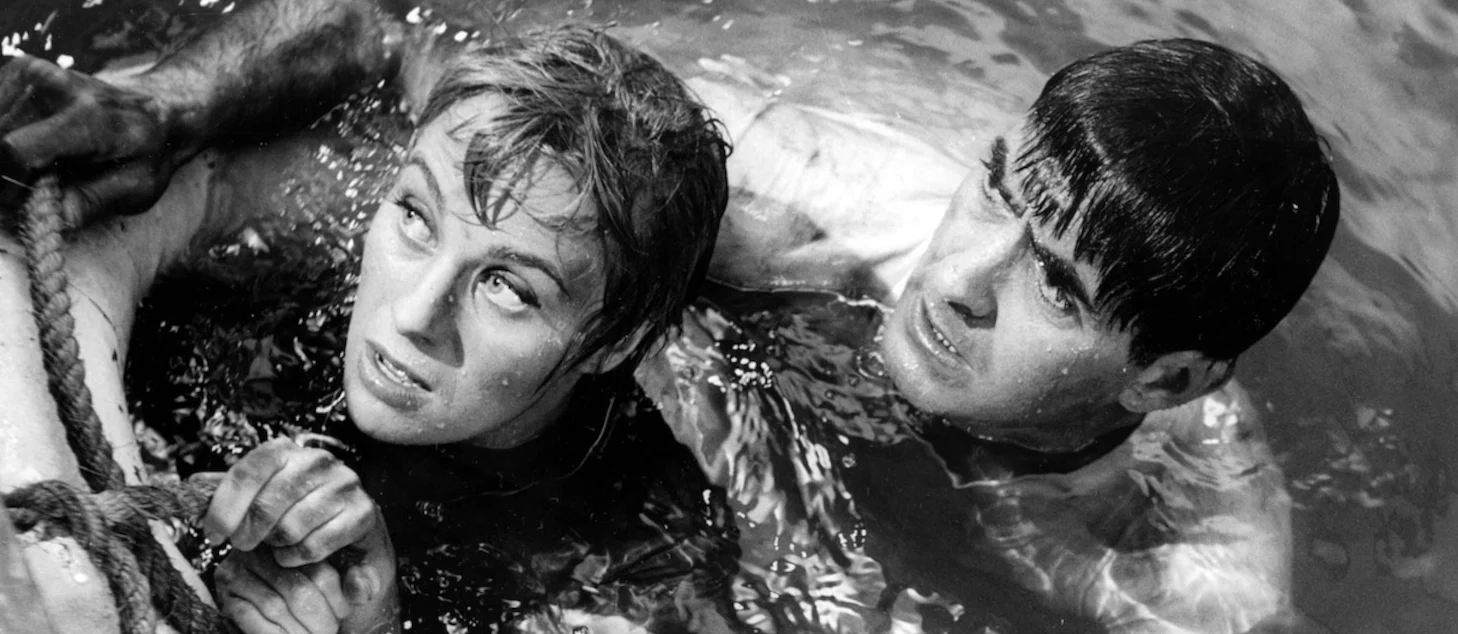
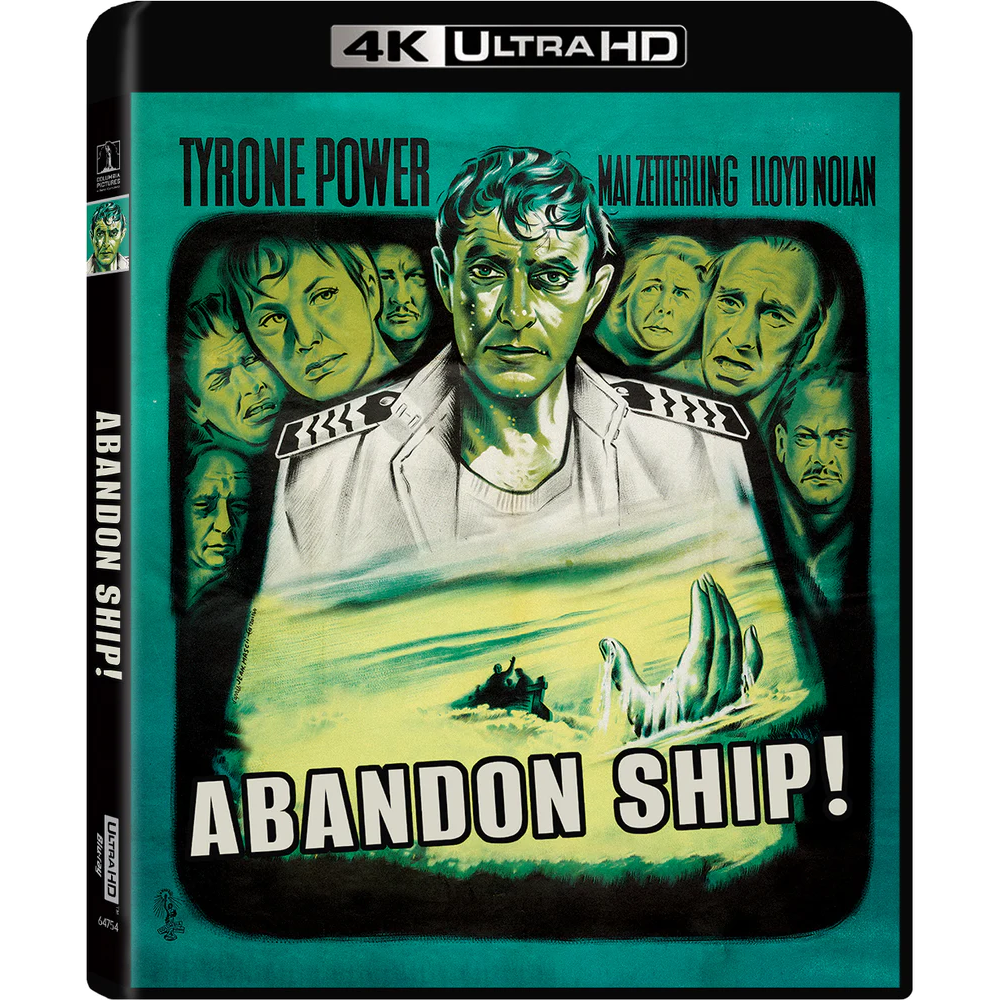

Actor Tyrone Power died suddenly in 1958. Returning to Hollywood from the war, he was quoted as saying that he liked only a few of his pictures. He was changed by his war experience enough to demand challenging characterizations, instead of the heroic roles expected of him. He went out of his way to play ‘dark’ in Nightmare Alley; it didn’t make money but he kept looking for more dynamic material. He found one in 1957’s Abandon Ship, known as Seven Waves Away in the U.K.. Sony’s surprise 4K UHD release of this library title gives us both versions, plus a commentary by Jason A. Ney.
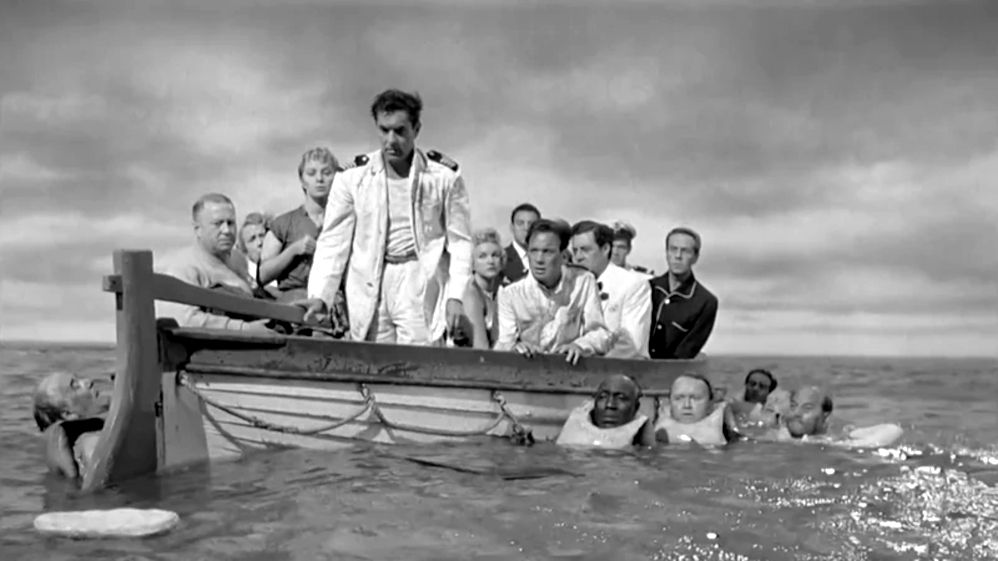
Alfred Hitchcock’s wartime film Lifeboat took all the honors for the direction of a taut thriller restricted to the cramped confines of ship’s lifeboat. Abandon Ship goes in a different direction by doing away with the Hollywood safety net. Enough awful things happen, that we can’t predict the outcome. Was it not a big success because it was too disturbing?
Although also filmed mostly in a studio tank, we easily believe we’re in a tiny boat being rocked by choppy ocean swells. The excellent screenplay is uncompromised by moral hedging or theatrical embellishments, and takes an ice-cold attitude to a life-or-death situation that forces a man to make impossible decisions. Writer-director Richard Sale wrote screenplays in a variety of genres, but he also wrote the book from which the bizarre religious fable Strange Cargo was adapted. He wrote the screenplay for the Presidential assassination thriller Suddenly and the seagoing thriller Torpedo Run, which also deals with one man forced to make ‘unthinkable’ life-and-death decisions.
Abandon Ship resembles those hypothetical ‘moral dilemmas’ that creative teachers once posed to stimulate discussions about relative / situational ethics. Ever remember the scenario about the two islands surrounded by sharks. A man and his wife are separated, and she’s with a bachelor who can try to unite them, but he wants have sex with him first. The woman’s religious convictions prevent her from giving in. The husband demands that she be by his side. We were asked to argue why one character was more ethical than another. It was a trick, of course, as the island dilemma was salted with details that clouded an easy ranking. That ‘villain’ sometimes came out as being the most honest, for instance.
Possibilities vs. certainties, and ethical considerations vs. hard, cold facts.
Abandon Ship’s dilemma isn’t a game, but its cruel circumstances take on the same kind of absurd logic. A dozen frightened passengers argue over what’s fair, when NO solution can be called fair. The debate is cut short by the maritime emergency law that gives sea captains absolute authority. Even with Richard Sale’s exceedingly civilized group of shipwreck survivors, brute force is eventually required. Watching this taut suspense item, every viewer will make up his own mind about its situational ethics.
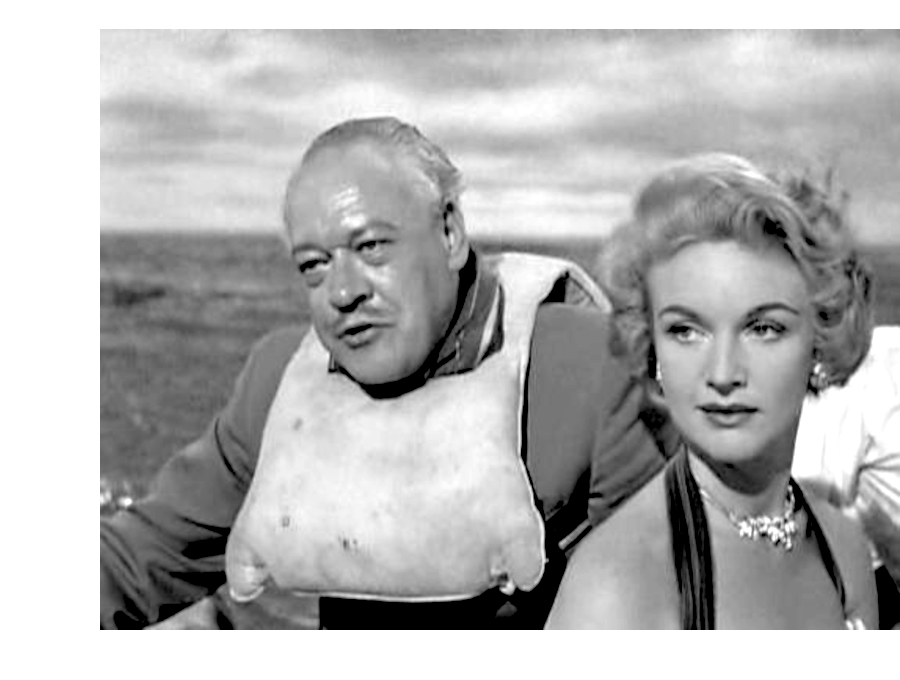
A passenger ship in the South Atlantic is sunk by a drifting mine. In a few minutes a full 26 survivors are clinging to a single lifeboat. It is so overloaded as to be unseaworthy. Some are gravely injured and several others have problems that make them too weak to help bail water. Captain Darrow (Laurence Naismith) dies, leaving deck officer Alec Holmes (Tyrone Power) in command. Another officer named Bill McKinley (Stephen Boyd) is in good shape, but radioman Jimmy Clary (John Stratton) is so shook up, he can barely sputter out the news that no distress call was sent. One woman has broken ribs and a seaman has burned hands. Another officer, Frank Kelly (Lloyd Nolan) doesn’t immediately bring himself to Holmes’ attention: he knows he’s too badly injured to live, too. The only good news comes when the ship’s nurse Julie White (Mai Zetterling) swims to the boat … she’s Alec’s sweetheart.
It takes Alec Holmes a while to realize the severity of situation. The good weather will not last long. The dying Captain tells Holmes to save as many as he can. Kelly spells it out even more directly. When they agree that the boat won’t stay afloat with all those survivors hanging on, the injured man says, “You gotta evict some of the tenants.”
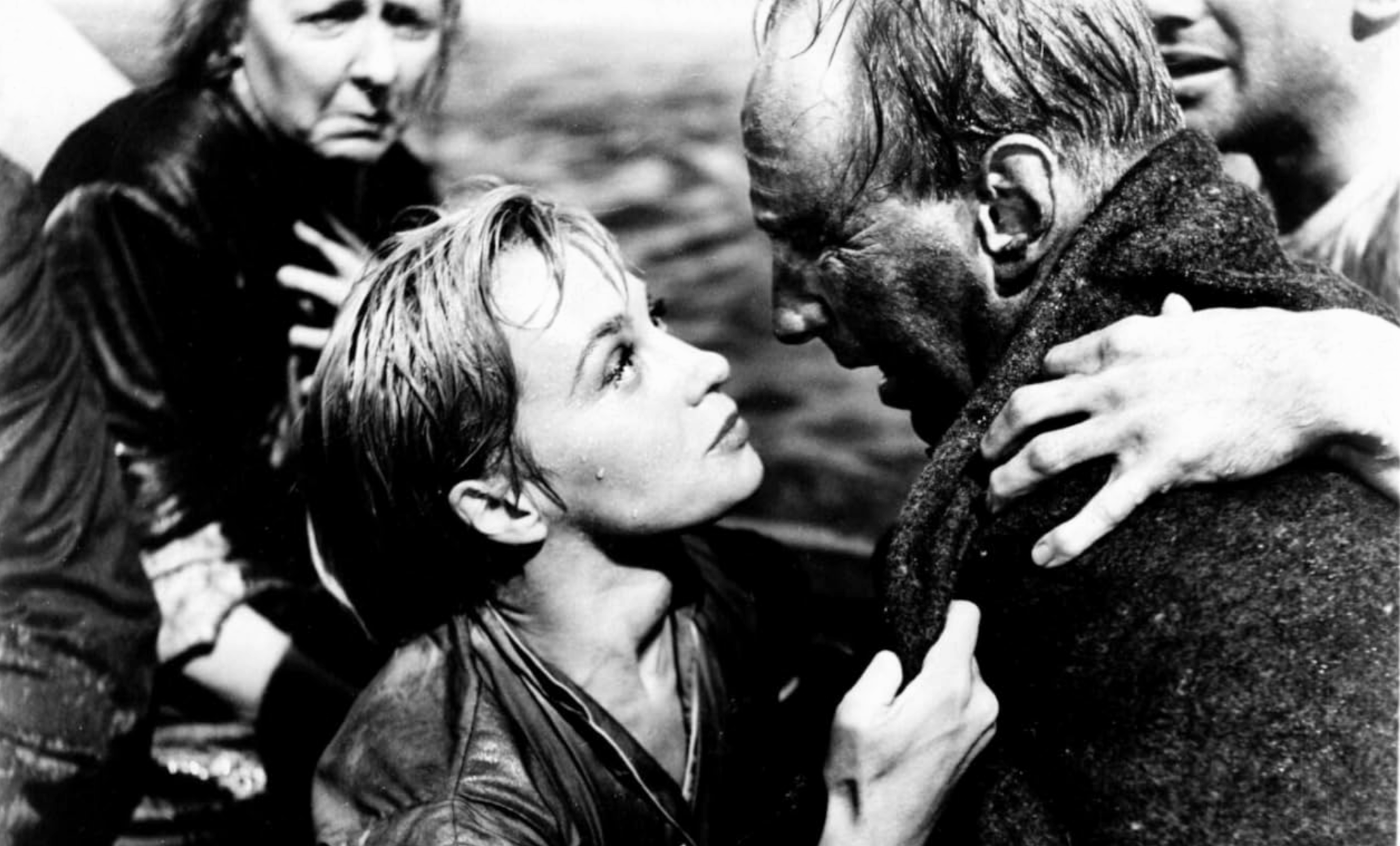
The passengers begin to realize what’s up when Holmes begins talking about the need for full obedience to his instructions, as he loads a gun. The ‘cold equation’ of what they face becomes all too clear when Holmes says that a dog can stay on board … because they might have to eat it.
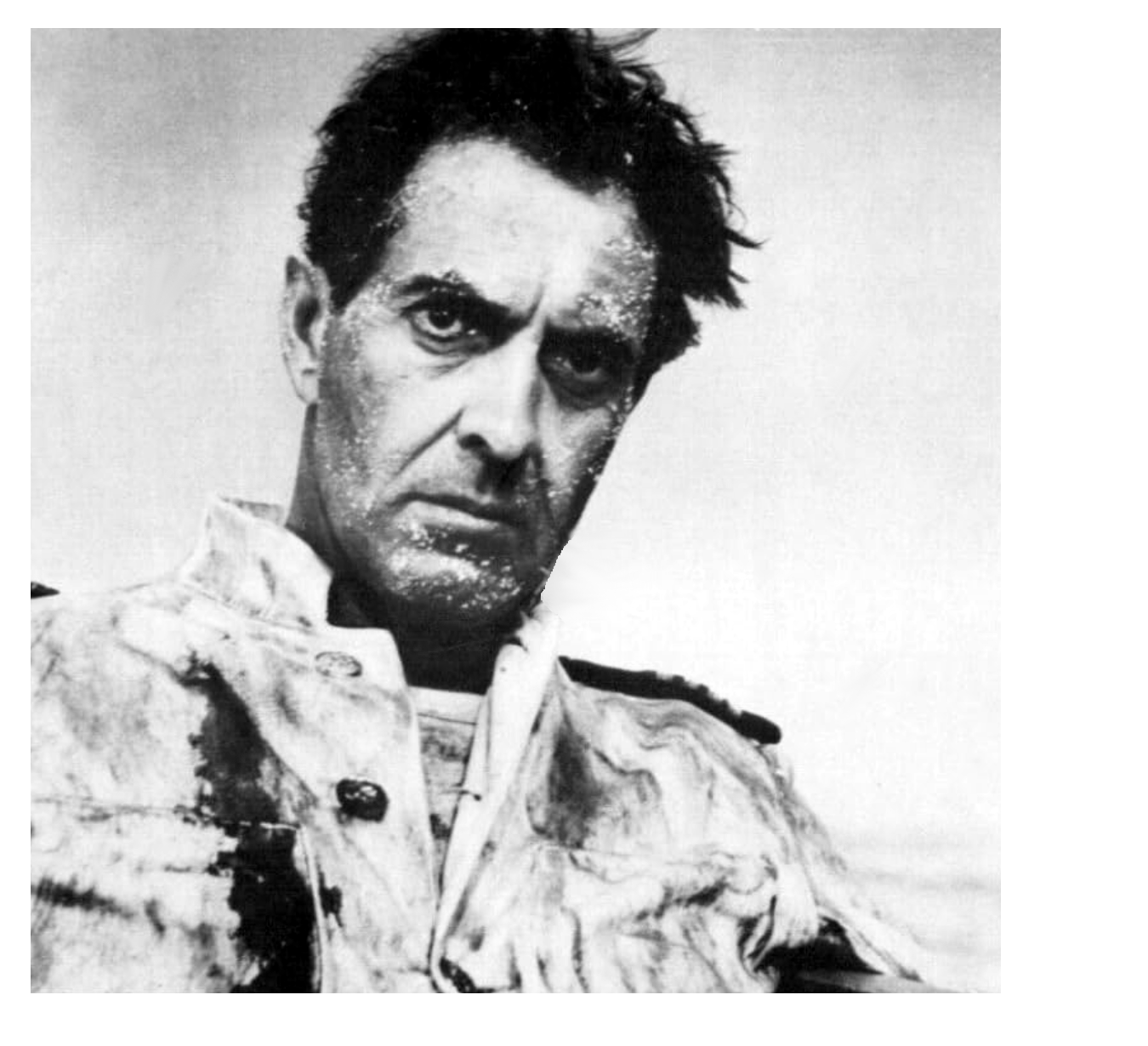
The surprise is that Abandon Ship follows through with ‘the unthinkable.’ Holmes eventually does decide to take drastic action to lighten ship. The stress of the situation requires Holmes to play the villain, to be a ruthless tyrant. Or is he asking the impossible of everybody?
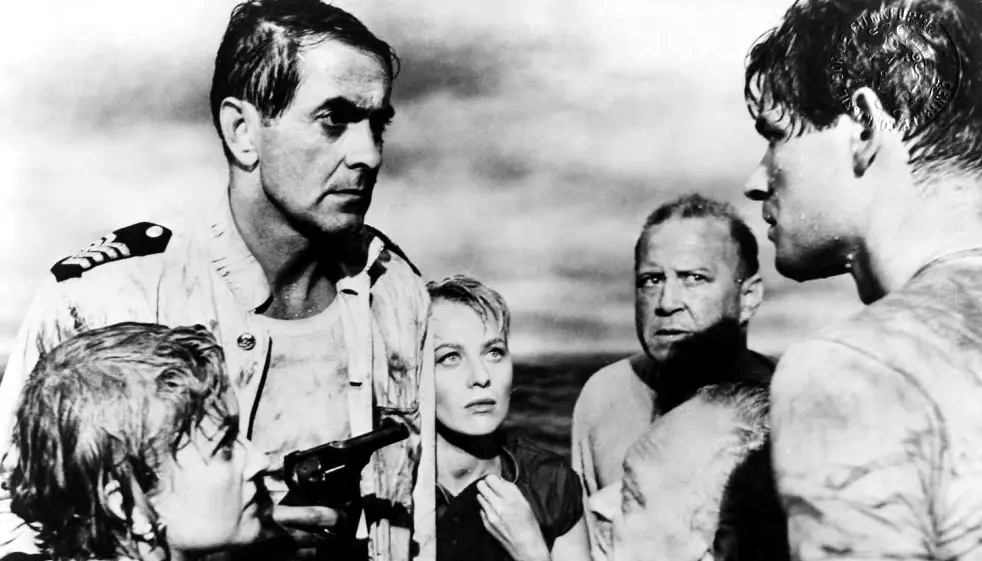
The survivors include familiar faces, but none that qualify for survival on the basis of their star status. The writing and acting are excellent — none of the miserable passengers is typed in any way that presumes superior or inferior moral status. Most are incredibly cooperative and understanding. Good men die taking stands of defiance to Holmes’ course of action … and we can’t blame them. Incredibly good people, some of them women, accept their fate with a commitment to ideals that now seems impossible.
No Spoilers here.
That’s it for describing what happens in Abandon Ship. It’s a hell of a discussion tool. Expect contrasting opinions. In such an extreme situation, can any individual be held responsible for their actions? Note: ship’s personnel certainly can. *

We’re impressed by the way Richard Sale’s ‘moral dilemma psych test’ gets our heads spinning. Alec Holmes brings order to a chaotic emergency, but we worry about the rightness of the maritime philosophy. Is ‘the best outcome for the most people’ an absolute rule, or is Stephen Boyd’s ‘save everybody and hope for the best’ the only moral choice decent people can live with? The sea is so cruel, maritime law grants sea captains a lot of leeway over life and death.
The movie is so elemental as to not seem at all dated. Only one moment stood out for me: Alec seems offended to discover that two of the survivors are adulterers. But the dynamic has an interesting effect. The wealthy, attractive woman involved refuses to be shamed, and acts to prove herself worthy.

Our one complaint: the survivors are far too reasonable, fair-minded and democratic to be real … or were people this decent 70 years ago?
Mai Zetterling was a big star in Sweden and England, and would become a very interesting director. The well-known Hollywood star Lloyd Nolan has the film’s strongest dialogue, telling Alec Holmes ‘that he must kill some to save some.’ Stephen Boyd became a big star for a few years. His character’s commitment to ‘doing the right thing’ is not your average theatrical gesture.
Viewers familiar with a postwar English films, even just Hammer pictures, will appreciate the boat-ful of fine character actors given solid characters to play. Alphabetically …
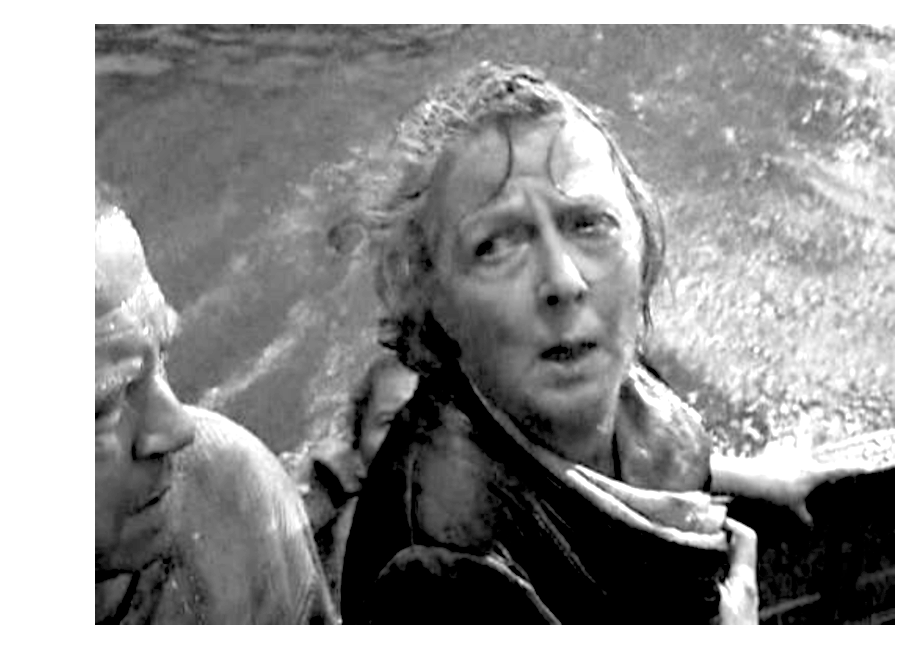
Eddie Byrne Jack the Ripper and The Mummy.
Danny Green The 7th Voyage of Sinbad, The Ladykillers.
James Hayter often plays characters much more broadly, like his architect’s sidekick in the epic Land of the Pharaohs.
Gordon Jackson The Prime of Miss Jean Brodie.
Moira Lister is a favorite ‘untrustworthy beauty’ seen to best effect in The Cruel Sea and Pool of London.
Marie Lohr is unforgettable … we know her well from Pygmalion, Went the Day Well? and A Town Like Alice.
Victor Maddern: soldiers and monsters: Dunkirk (1958), Blood of the Vampire.
Orlando Martins Sapphire.
Ferdy Mayne Our Man in Havana, The Fearless Vampire Killers.
Jill Melford Bunny Lake is Missing.
Ralph Michael Dead of Night, The Sound Barrier.
Clive Morton Kind Hearts and Coronets.
John Stratton The Cruel Sea.
Noel Willman Carve Her Name with Pride, Kiss of the Vampire.
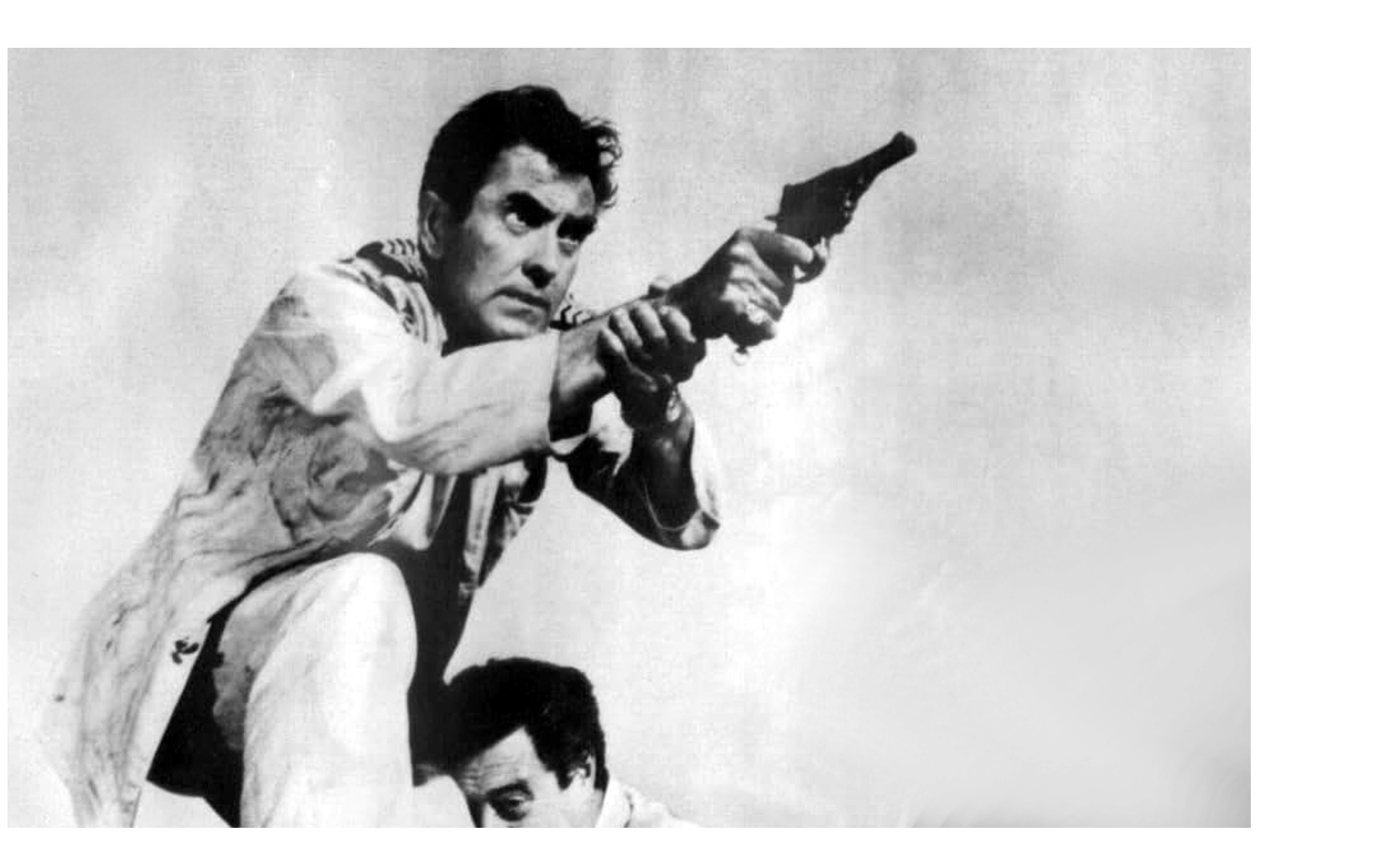
Abandon Ship didn’t play well when syndicated on television, interrupted by commercials. It was difficult to assess in fragmented condition. Seen in one go in this superb presentation, it’s like a gripping book that one can’t put down. It gives the viewer a great deal to think about afterward. Thought to self: ‘avoid situations where I might end up in a lifeboat.’
The movie gives Tyrone Power a difficult, important role to play. He gives it everything, and the other players are in top form as well. Did Columbia throw the movie away as matinee filler in 1957, or was it just too harsh for average audiences in 1957? The level of drama goes way beyond what we expect. In a better world this movie and Columbia’s Curse of the Demon from the same year would have been recognized as superior entertainments and sold as such.
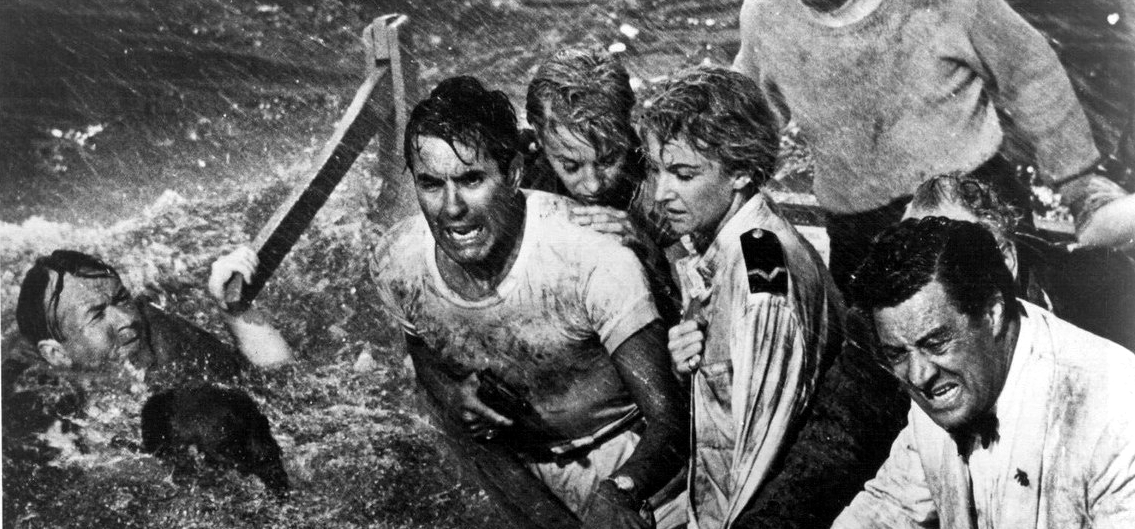
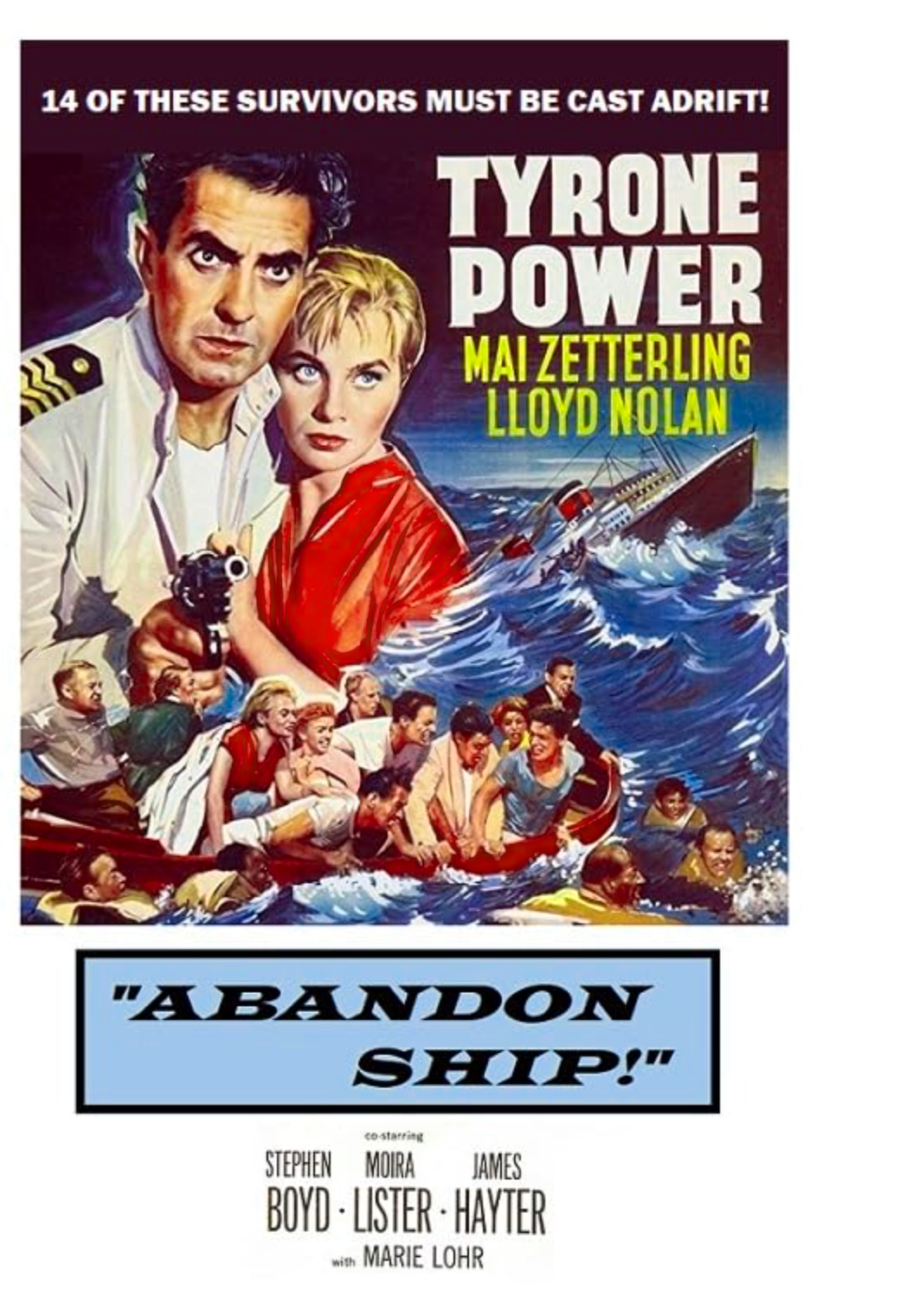
I saw this in HD streaming on Prime several years. The story is realistic & suspenseful. The picture quality was excellent. It’s not presently streaming but I assume will return. The movie alternate title is Seven Waves Away.
I saw this with my Dad back in the early ’60s. When I asked how he would rule, say, if he were on the jury, he said……probably ‘guilt-ocent.’
ouch