
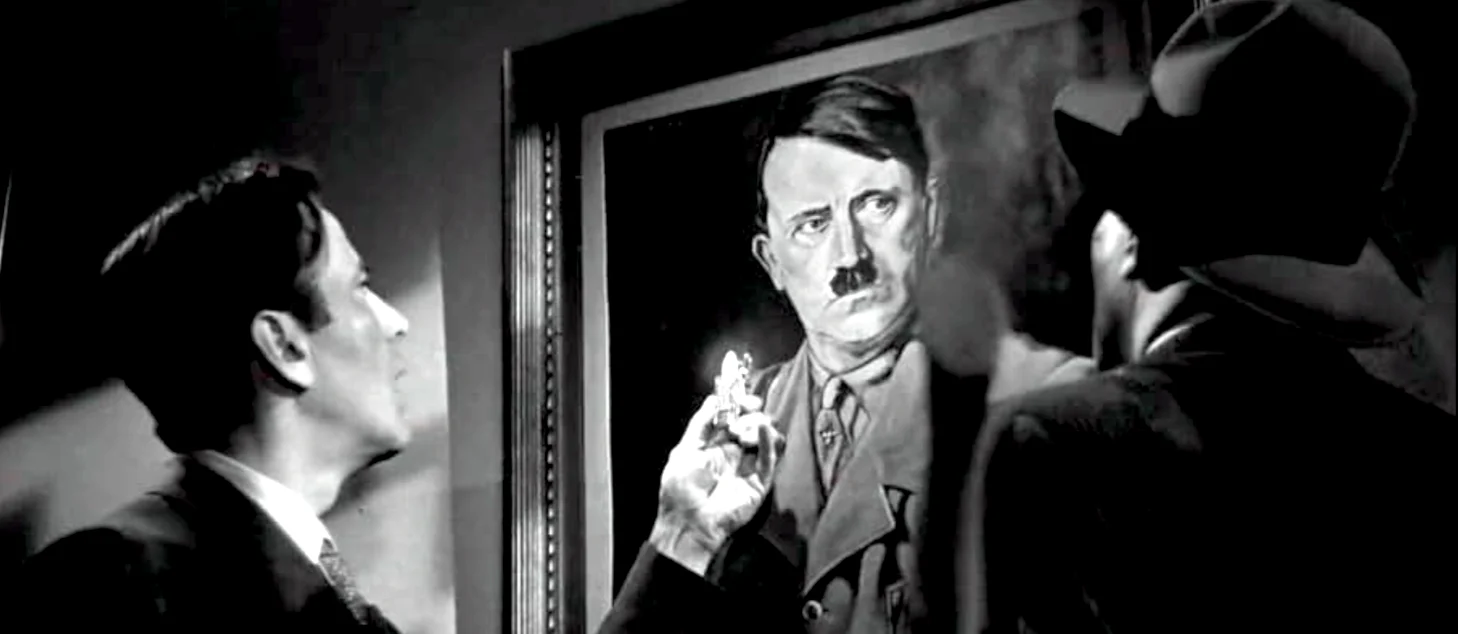


Remember in Casablanca, when Bogie’s Rick Blaine ‘advises’ the Nazi Major Strasser?
“Well there are certain sections of New York, Major, that I wouldn’t advise you to try to invade.”
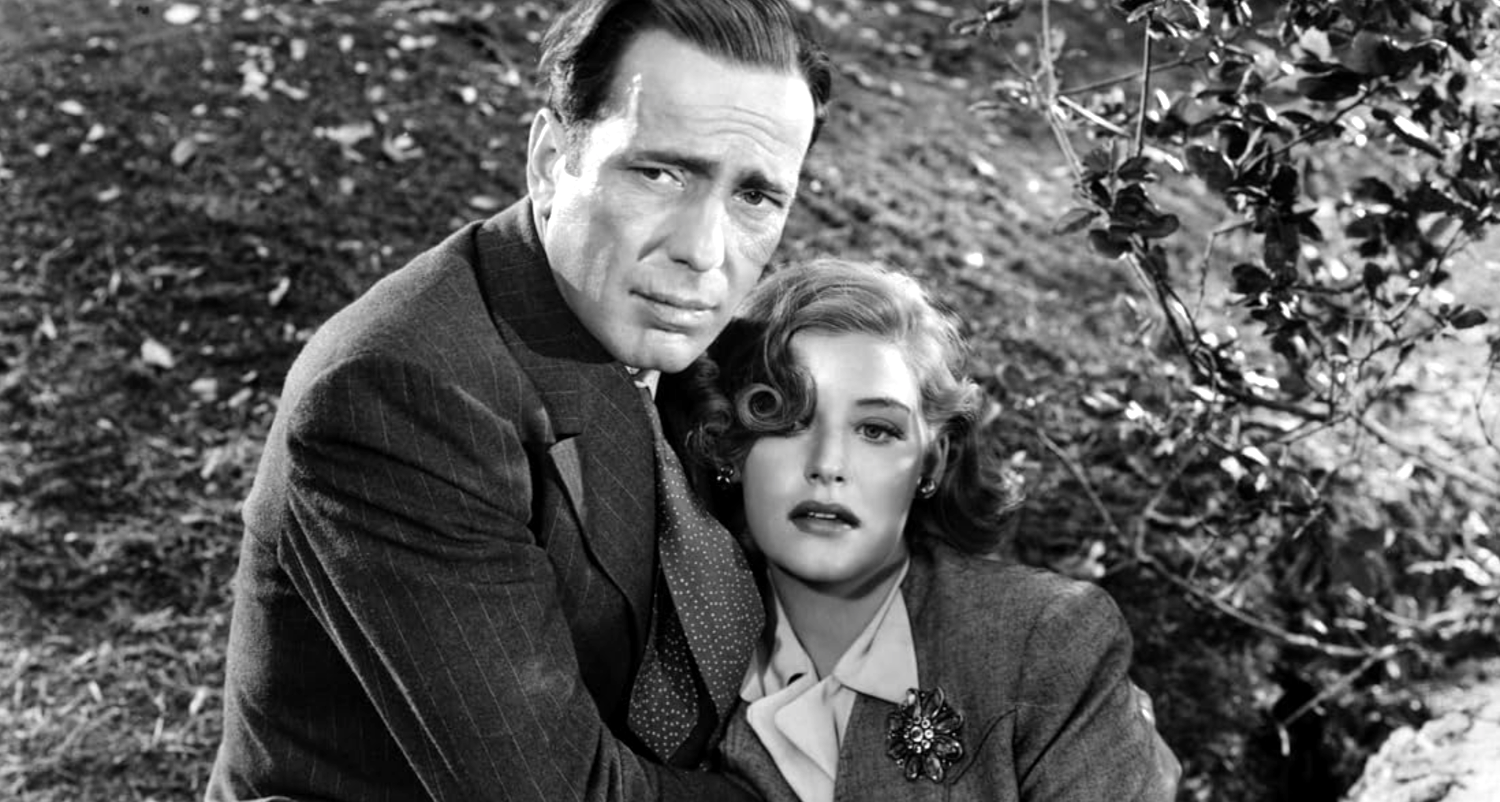
It could have been a direct reference to Humphrey Bogart’s hit film from the previous year, Hal Wallis & Vincent Sherman’s All Through the Night. It’s one of the first WW2 morale-boosting movies, a New York Street comedy that imitates the Damon Runyon fantasy formula. instead of sinister Organized Crime, the city is run by a basically benevolent clique of gangsters professional gamblers.
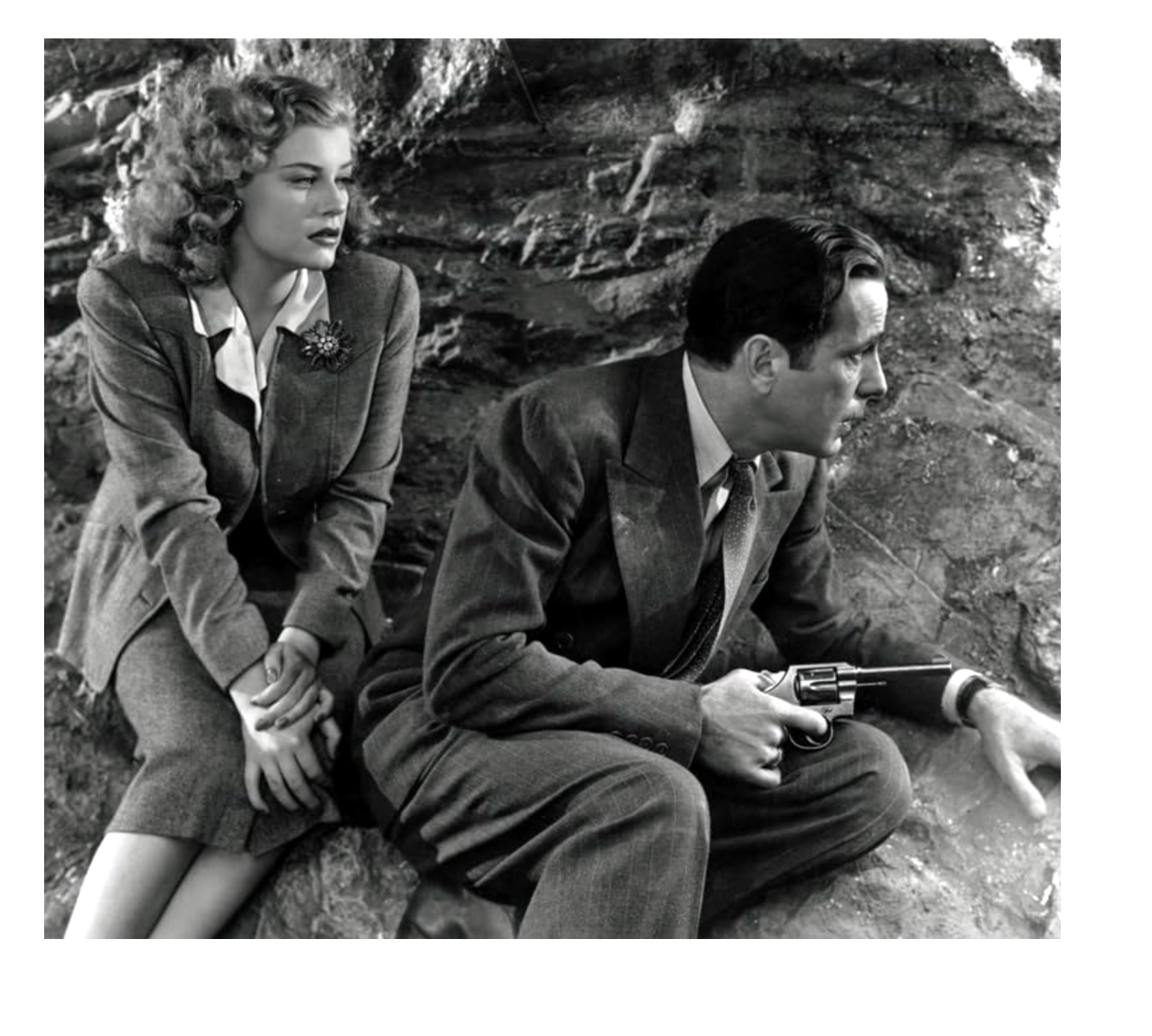
Instead of shaking down little businessmen like the baker Mr. Miller (Ludwig Stössel), the dapper Broadway gambler ‘Gloves’ Donohue takes care of them. When Mr. Miller shows up dead, Gloves sends his retinue of assistants and lackeys into action. Gloves’ gang is played by the cream of comic supporting actors, each with their own humorous specialty. They discover that Manhattan has an infestation of Nazi saboteurs — a full ‘Bund’ of spies that force the cooperation of harmless German immigrants like Mr. Miller.
Just a few months before, such a blatantly anti-fascist comedy wouldn’t be allowed. Warners led the anti-Hitler campaign. Over two years before the studio had released a daring exposé of subversive Nazi activities, Confessions of a Nazi Spy. But the Isolationists in congress persisted in squelching movies that might hurt business relations with Germany. Even the patriotic Sergeant York encountered roadblocks — with France fallen and England threatened, pro-Nazi legislators and influential pro-German organizations claimed that Hollywood was ‘a nest of Jews and Bolsheviks producing anti-Isolationist propaganda.’
Considering the political climate, we’re still impressed that Warners’ filmmakers could make such a sassy, caustic slam against Nazi perfidy. All Through the Night was in the works at least as early as May 1941, when we were still neutral and England alone held out against Germany. That such insolent, defiant sarcasm we Americans love could have been written and filmed before Pearl Harbor makes Warners’ liberal activism seem all the more patriotic. Could the strongest anti-Hitler jabs have been reshoots, rushed through between December 7 and late January?
This picture really moves! Before the spy chase intrigues begin, director Vincent Sherman juggles an on-screen crowd of big hams looking for attention, and receives sterling cooperation. Warners had tried several earlier gangland comedies, notably with Edward G. Robinson, but this one has a faster pace and snappier jokes. The smark-aleck asides are choice, and everybody gets a chance to shine. The positive attitude even defuses a racist joke, courtesy of Sam McDaniel, who plays Gloves’ trusty Valet. The script pointedly pegs the vast majority of German-Americans as loyal citizens. Hollywood didn’t extend that courtesy to Japanese Americans during the war, and the cultural stain has never fully worn off.
The physical action is clever and fast-paced, and Vincent Sherman keeps his camera alert and on the move. Many moments pay off with smart push-ins on relevant characters. This is where Peter Lorre shines. Given such special attention, the veteran scene-stealer sees no need to upstage the talent around him.
“What’s this word,
D – A – C – H – A – U ?
All Through the Night strikes perfect pitch with its heavier political message. Screwball comedy antics mix with family sentiments, murderous thrills and the threatening shadow of Nazi terror. The concentration camp Dachau is spelled out for the audience, although we presume that Eichmann’s Final Solution for Europe — already underway — wasn’t yet widely known.
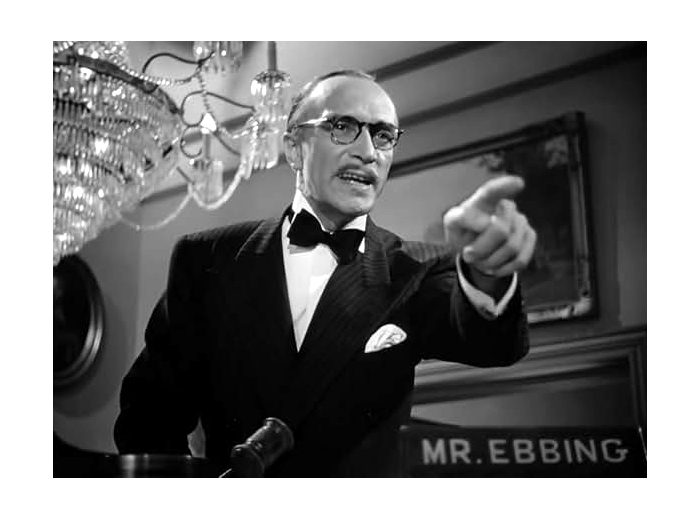
The show was not a budget production. Warners tapped some of own ‘refugee’ actors on contract, but also borrowed the top star Conrad Veidt from MGM, to play the main Nazi mastermind, Hall Ebbing. Veidt had already starred in Confessions of a Nazi Spy. The expected Warners faces Peter Lorre, Frank McHugh and Barton MacLane are presentm but it’s an added delight to see great personalities associated with other studios: Edward Brophy, Wallace Ford, and especially the great William Demarest, already a hit in Preston Sturges comedies at Paramount. I don’t think that Demarest was ‘borrowed,’ exactly, as he worked at several studios during the 1940s. For one gag, Demarest’s character ‘Sunshine’ takes a 9-foot drop onto some hard concrete steps. The stuntman who replaces him for the stunt angle is the best match we’ve seen. We at first that the 50-something Demarest did the fall.
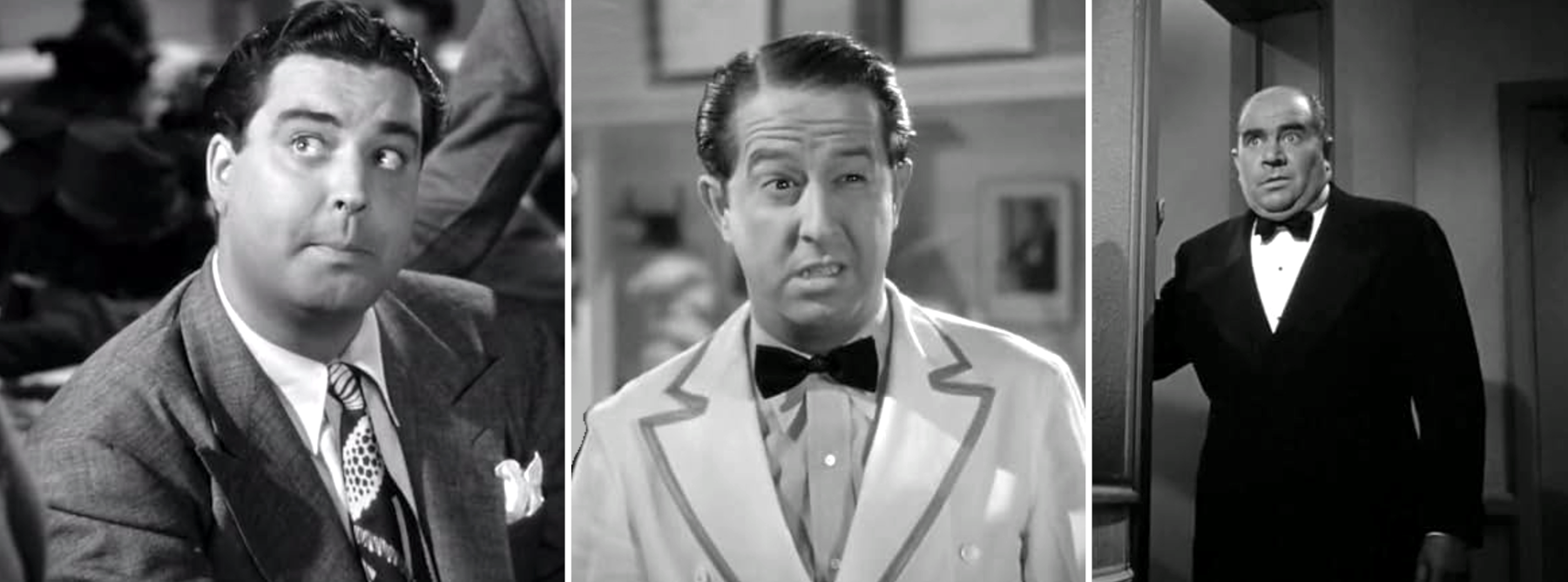
Phil Silvers had been around for a decade, but Jackie Gleason was a relative newcomer. Gleason’s contribution is to rattle off a few smart-aleck lines, including some nonsense patter then popular. We wonder if the extra comics had been shoehorned in, in response to the huge popularity of Abbott & Costello over at Universal. Balancing Conrad Veidt is the most sinister German of them all, Martin Kosleck. He played Joseph Goebbels at least three different movies.
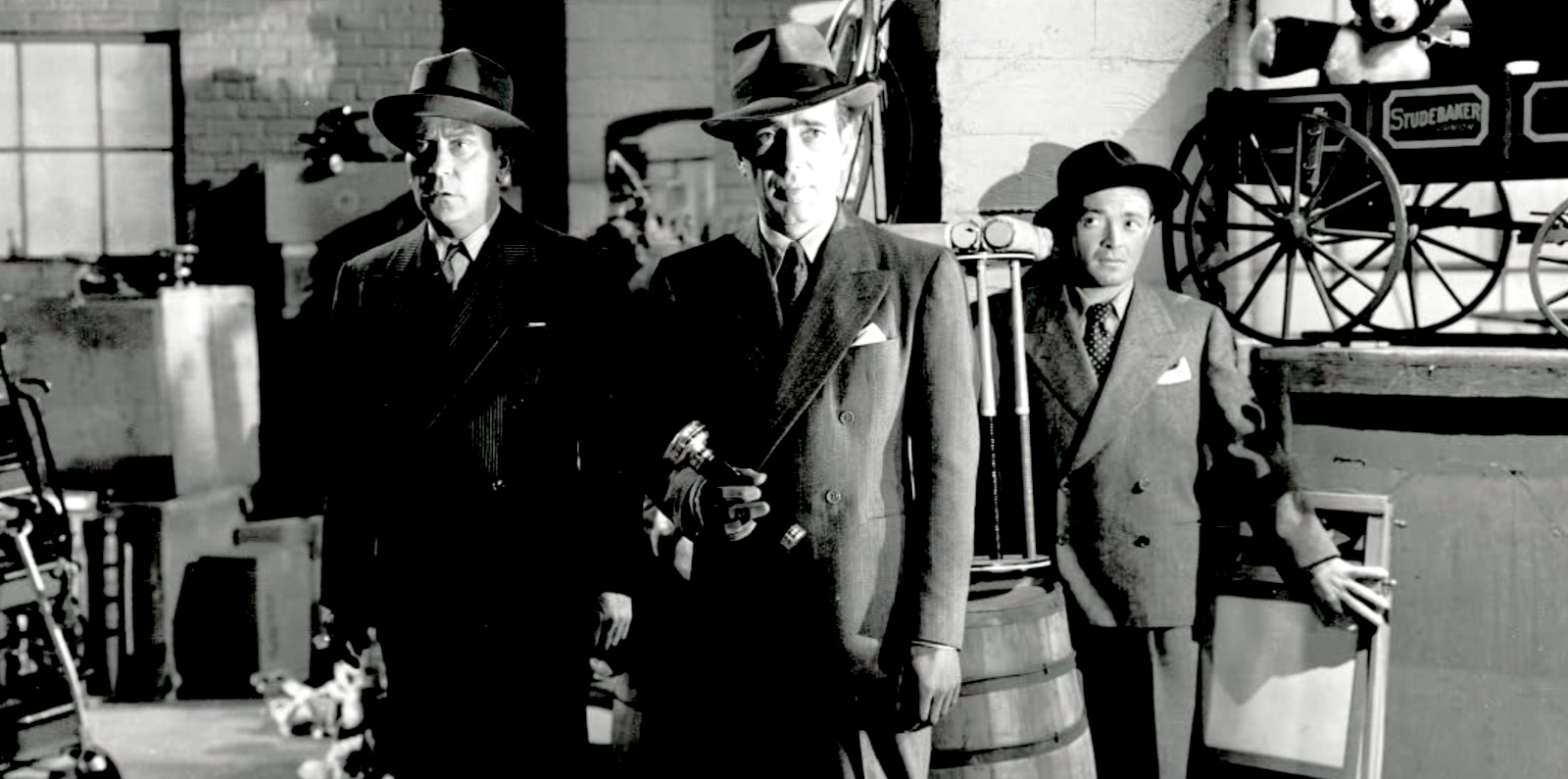
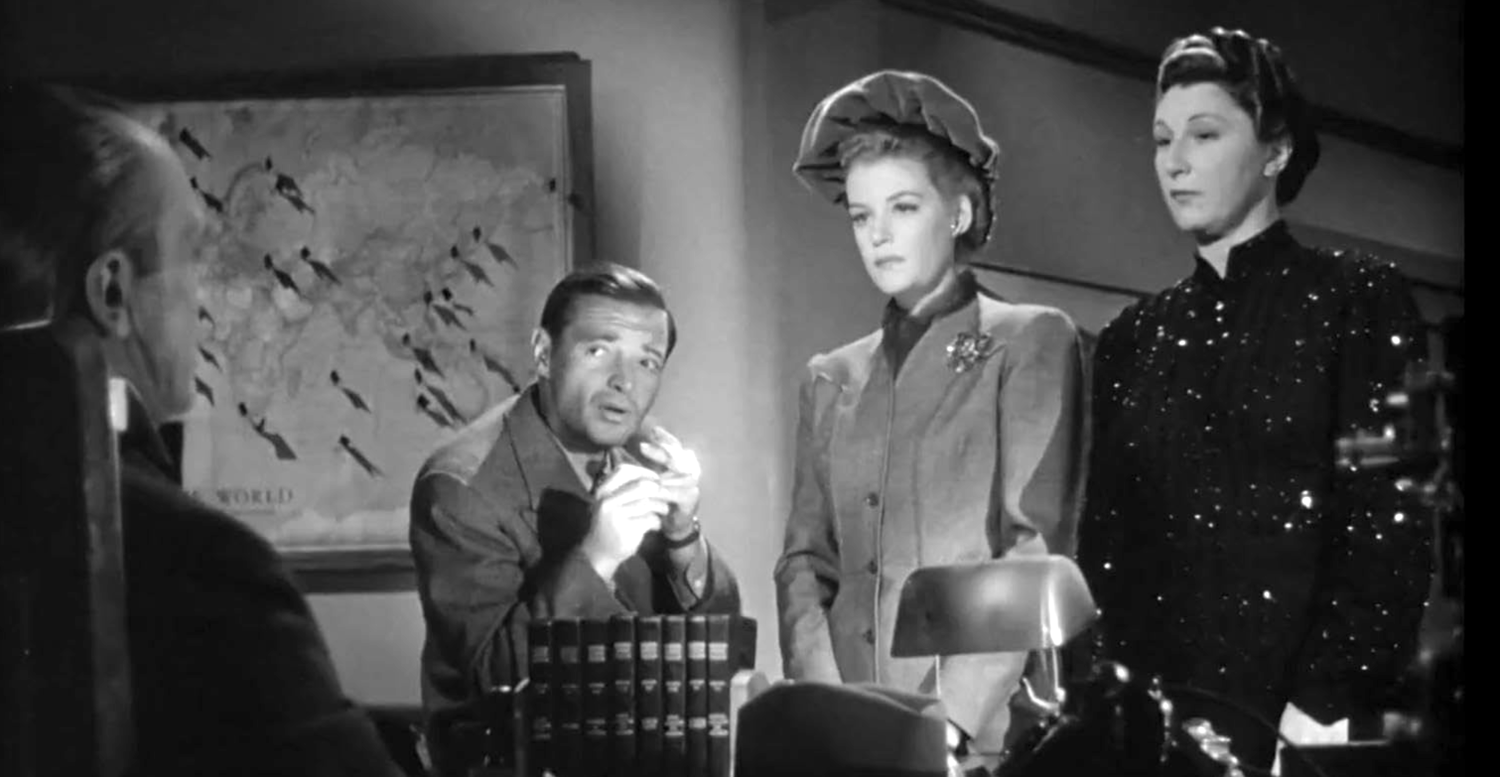
All Through the Night gives all of these actors choice screen moments. Humphrey Bogart’s Gloves frets over his special New York cheesecake, like the spoiled Mahattan sharpie he is. Bogie also gets to spout a classic ‘screw Adolf’ moment, when Gloves lights a match to reveal the Führer’s portrait: “Aha!” His scene in an auction house may have influenced a later Alfred Hitchcock classic. William Demarest takes point in the investigation of the Bund headquarters, brandishing a fire ax. Frank McHugh whines about his unkissed bride, deprived of a honeymoon because he’s been pulled in to help in the fight.
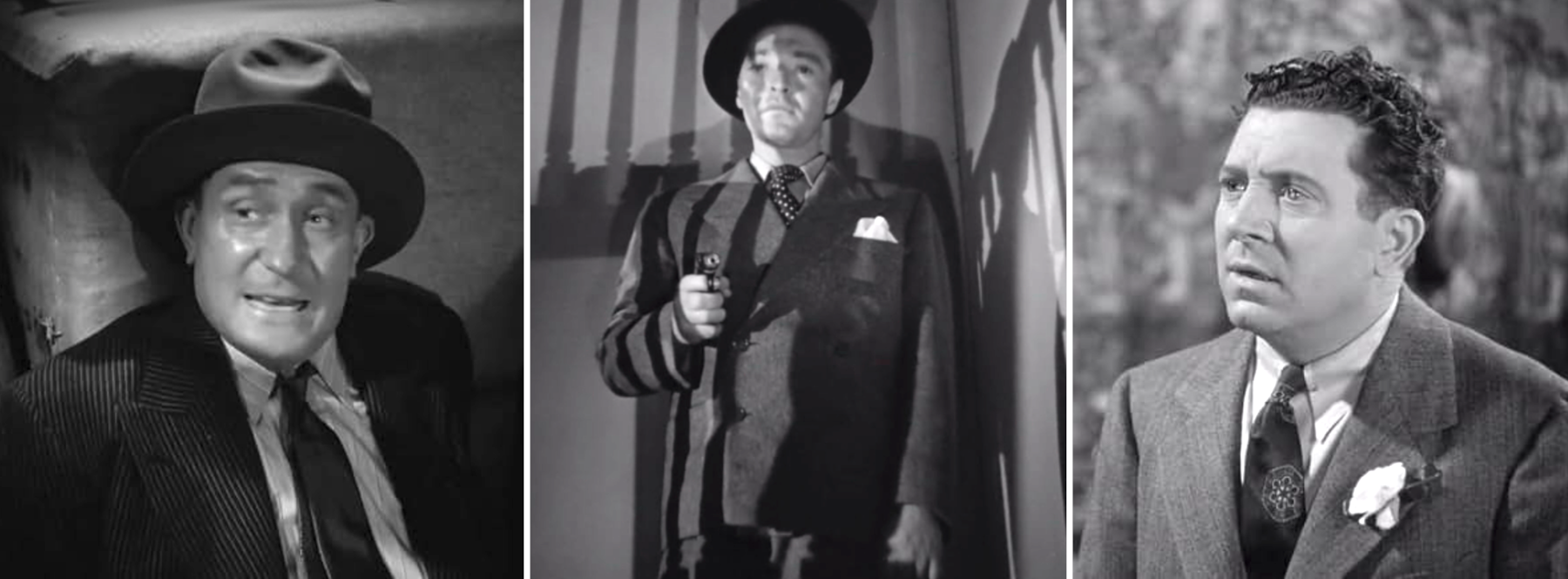
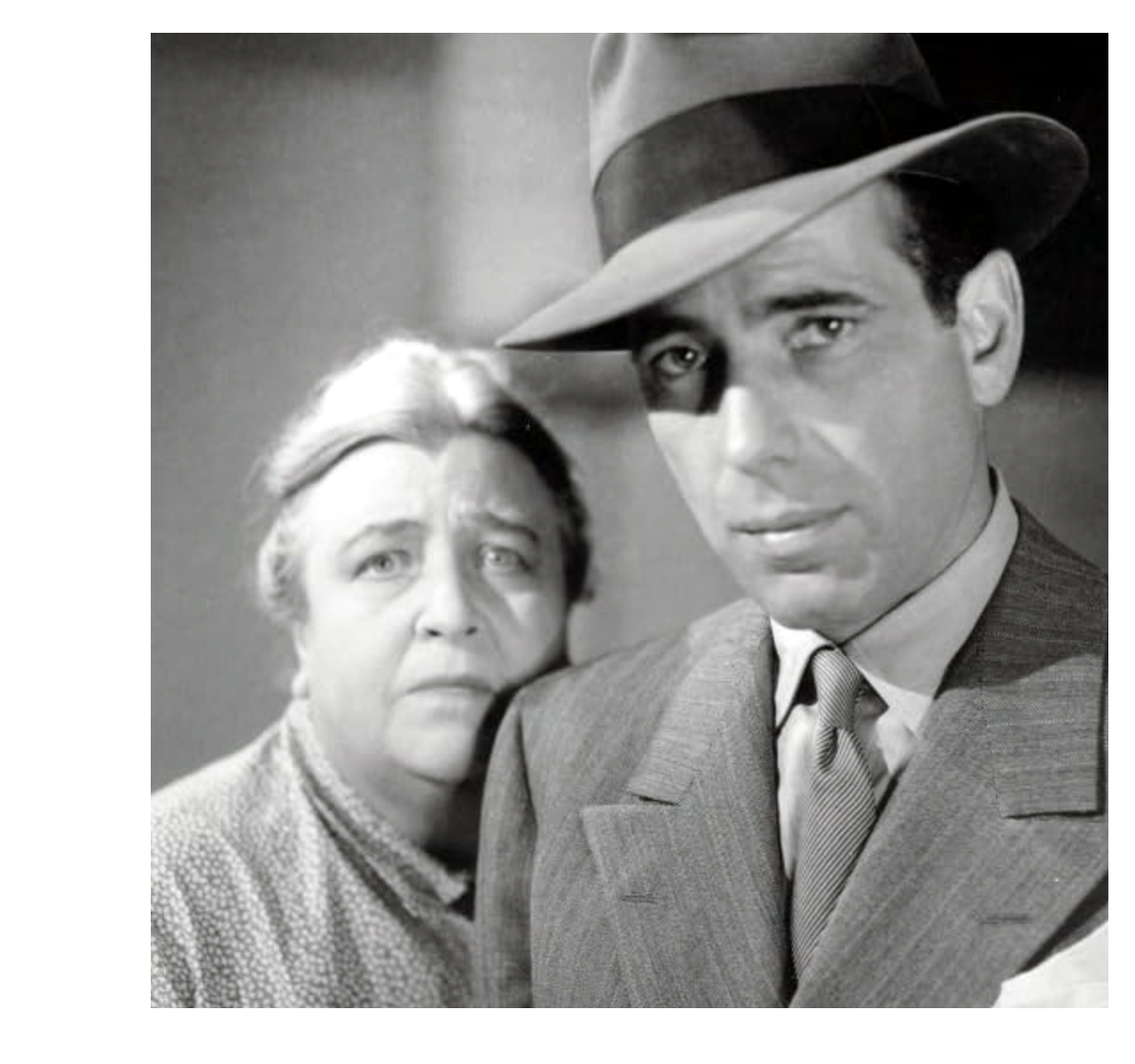
Judith Anderson is on hand to offer her brand of screen treachery. After Rebeca, she seemed doomed to forever play reptilian females. With so many comics cracking wise, Peter Lorre sticks to his act as a menacing creep. Lorre is given at least a dozen close-up moments worthy of applause, leaving Conrad Veidt to lend credibility to the big sabotage plan. Jane Darwell joins in the gerneral over-playing. As Gloves’ nosy mother, she is forever finding mystery clues.
For a romantic focus the show has Kaaren Verne, a bright-faced Berliner who split from Germany in 1938. She’s a knockout beauty and a fine actress, with a birth name not ready for show biz: Ingeborg Greta Katerina Marie-Rose Klinckerfuss. Ms. Verne won a good part in the semi-classic Kings Row and a solid appearance in The Seventh Cross. 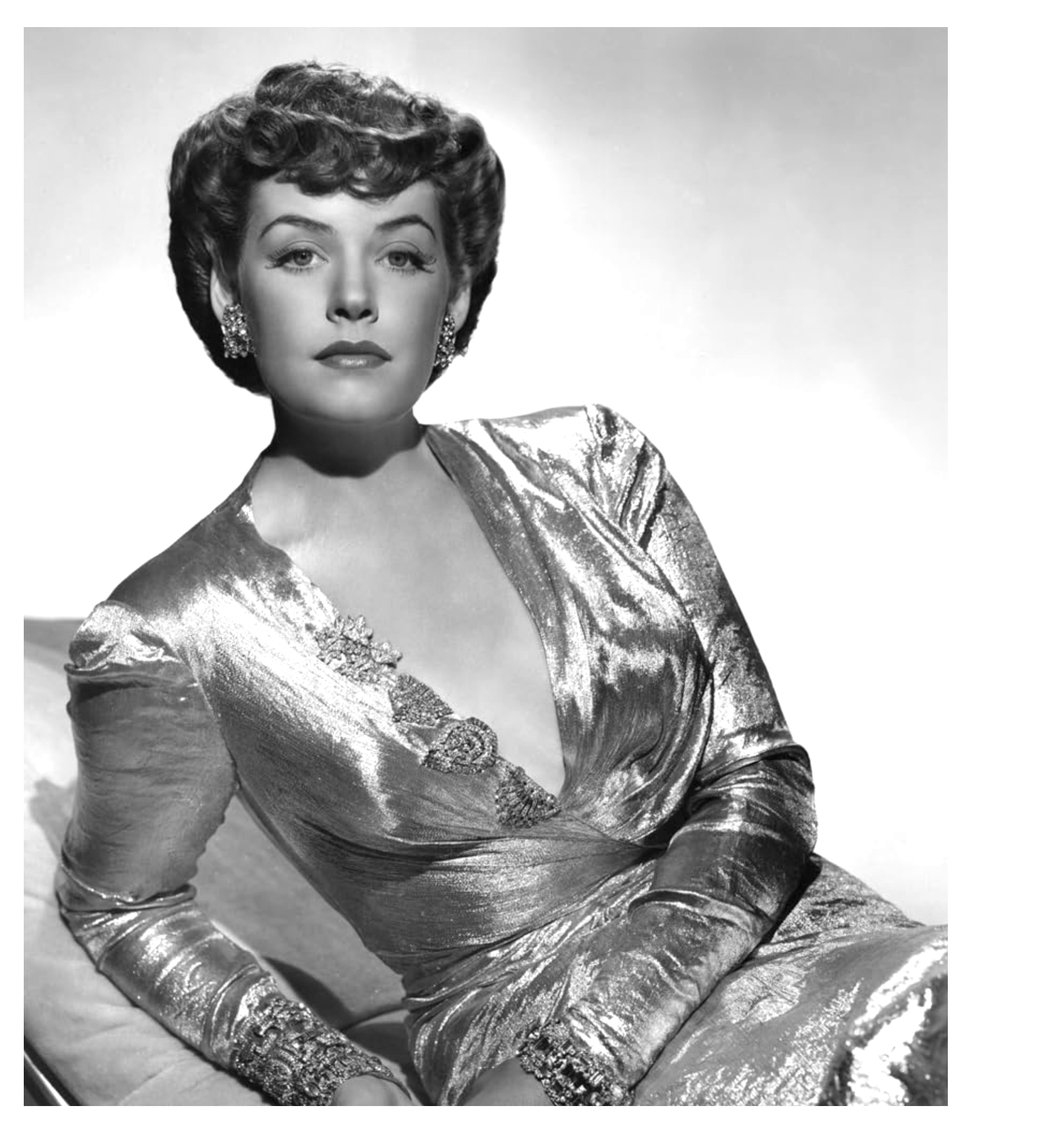 Her Leda Hamilton is another innocent German blackmailed into helping with Nazi terror plots, with threats to her family back home. To the film’s credit, Gloves’ trust/distrust of Leda is deftly handled by the script. The third act brings us a vigilante riot, a chase in Central Park and the showdown with a Nazi bombing plot on the East River.
Numerous wartime thrillers showed bulletproof heroes foiling Nazis. Some now come off as too juvenile, like Errol Flynn’s somewhat silly Desperate Journey. A few fairly serious war exploit adventures go too far as well. Howard Hawks’ Air Force is exceptionally good up until the third act, when the wrap-up sees a lone B-17 practically sinking the entire Japanese fleet.
All Through the Night threads the needle as a high-class morale booster. Fifty days after Pearl Harbor, when a second major defeat was blanketing the nation with gloom, this Humphrey Bogart comedy treats the situation just seriously enough to engage our patriotic outrage. Don’t worry! Rude, rough & ready Americans can take the Nazis with ease. Those foreign thugs are no match for our home-grown hoodlums gallant soldiers.
Here’s Larry Karaszewski on All Through the Night:
I LOVE THIS ONE! My new favorite Bogart movie. So glad the WAC has upgraded it to Blu. Your Trailers from Hell inclusion is appreciated, but is there NO trailer for this film on the WAC Blu-ray? What a shame!
Kaaren Verne later became Mrs. Peter Lorre for a short time. I believe they met on this film.
A fun movie, but would have benefited from being 95 minutes instead of 107 minutes.
I loved it, Vince, but you have it right.