
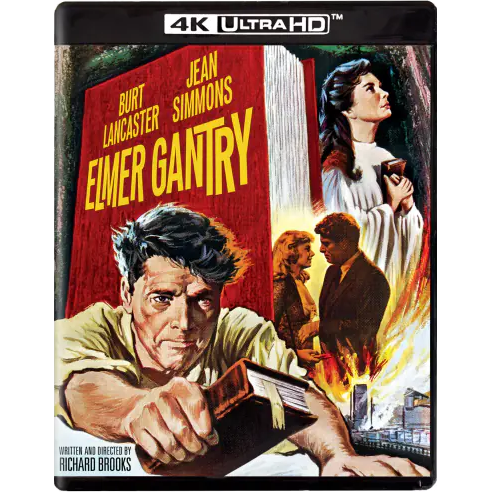

 Richard Brooks was the exceptional filmmaker who frequently beat the Hollywood system. His writing efforts overcame potential career killers like Cobra Woman to break through with tough films noir directed by Robert Siodmak and Jules Dassin. An excellent adapter of other writers’ works, he directed his pictures with force and clarity.
When he made the jump to directing, Brooks gave MGM what it wanted long enough to score big with Blackboard Jungle. He would eventually guide all-star casts in works by Dostoyevsky and Tennessee Williams. He had a rough time with Joseph Conrad but hit the bull’s eye with his movie of Truman Capote’s ‘unfilmably violent’ In Cold Blood.
Big success with a Liz Taylor hit — and perhaps his freedom from MGM? — allowed Richard Brooks to write and direct his pet project, a property considered truly dangerous. Brooks long held the option on Sinclair Lewis’s novel ‘Elmer Gantry,’ the great writer’s critical attack on what in the 1920s was called Revivalism. The exposé debated the validity of tent-show preachers that collected money without being part of an organized church. In the 1920s there was the classy, nationally-known revivalist Aimee Semple McPherson, the less-ethereal Billy Sunday, and below them many grass-roots snake oil con men preaching of sin and perdition. In 1960, America’s superstar revivalist Billy Graham had attained a respectability far beyond the 1920s revivalists that Lewis had criticized. Would anyone organize his followers to attack Richard Brooks’ movie? *
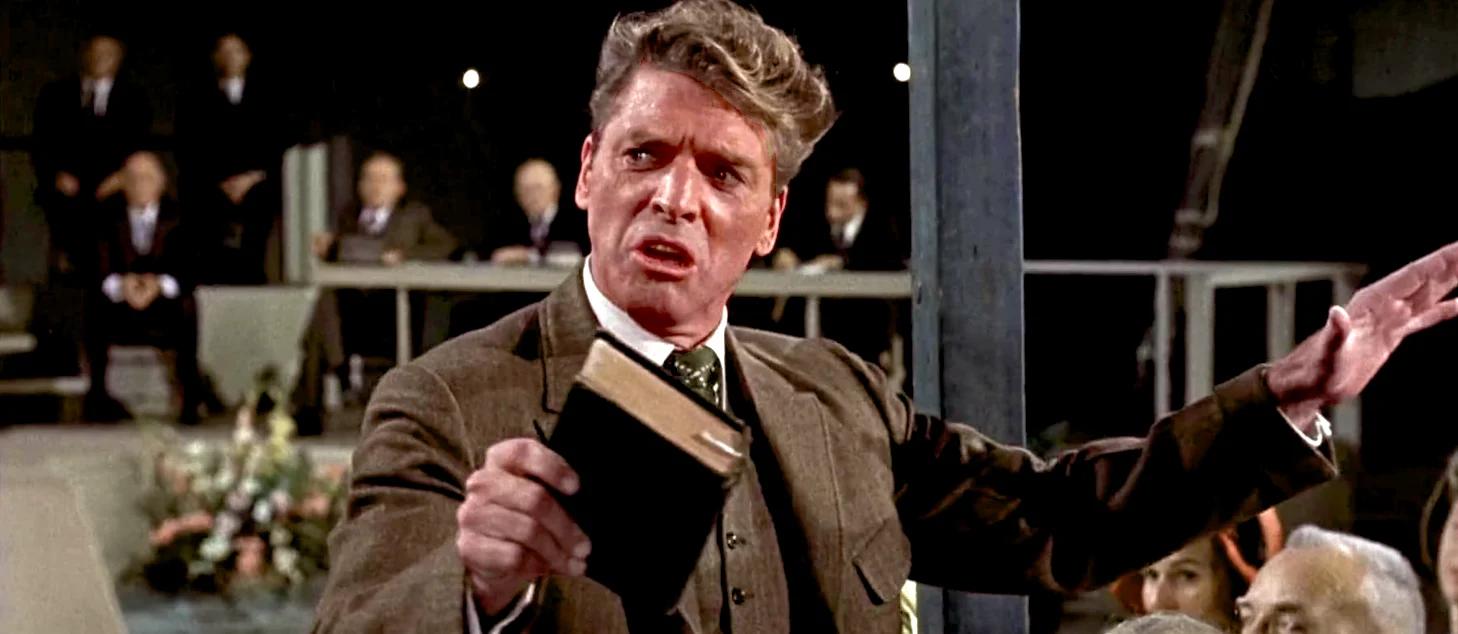
Elmer Gantry is Richard Brooks in top form. He had attracted attention with a novel that Hollywood radically altered to become fit for the Production Code, but he didn’t choose projects for sensational reasons. His screenplay dramatizes only the first part of Sinclair Lewis’s novel. It is dialogue-heavy yet has not a single dull moment.
The vulgar traveling salesman Elmer Gantry (Burt Lancaster) ekes out a living by charming customers with his overpowering personality and skill with a dirty story. A weakness for cards, liquor, and women keeps him penniless and scrounging. All that changes when he comes upon the traveling revival organized around Sister Sharon Falconer (Jean Simmons), a tent-filling force of positive energy for the Bible. Falconer is worried about the the future of her ministry. Touring with a company of roustabouts, musicians and assistants takes money, and her manager and close confidante Bill Morgan (Dean Jagger) is running into obstacles in the small towns that will allow a revival troupe.
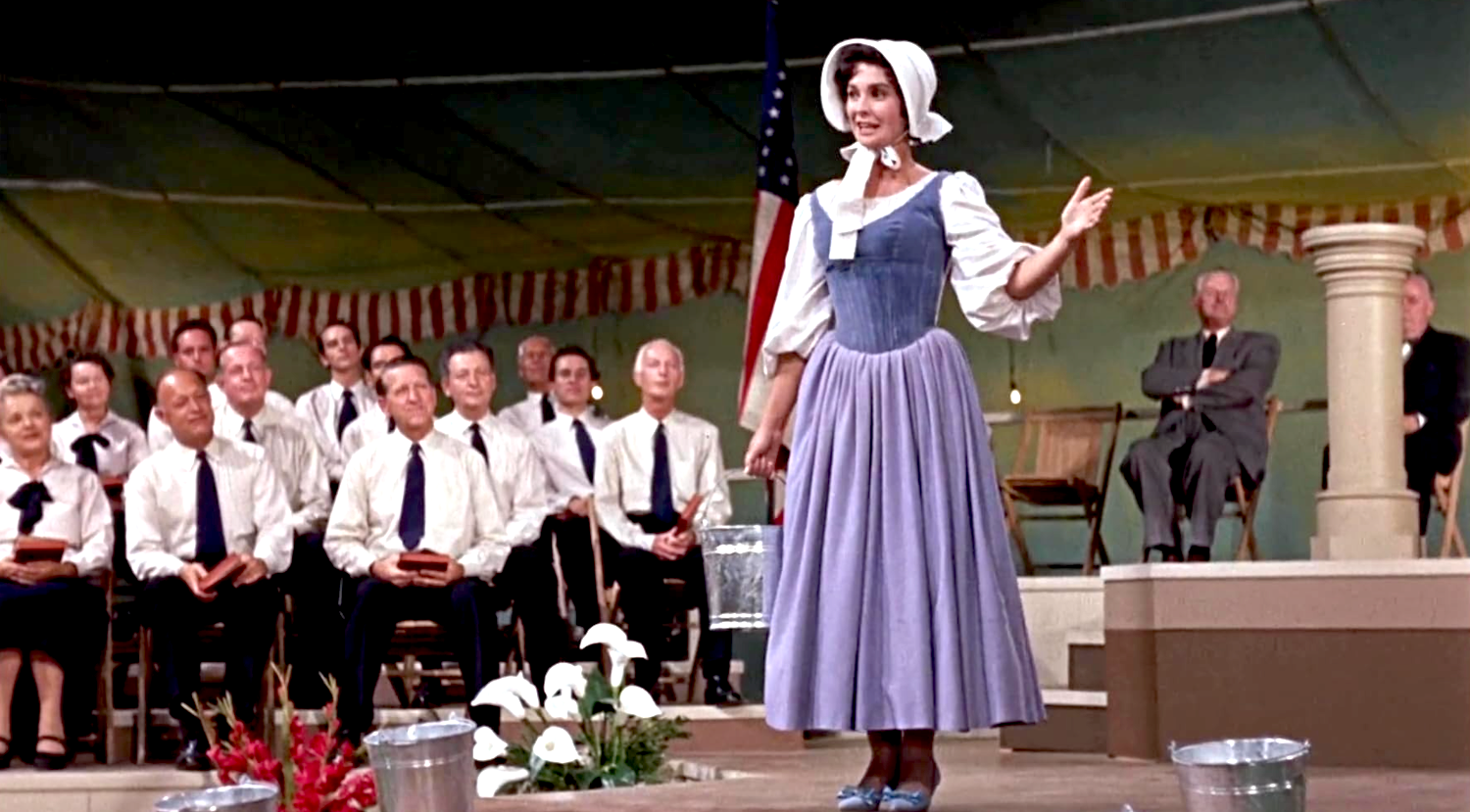
Approaching Falconer directly doesn’t work, so Elmer sweet-talks Sister Rachel (Patti Page), the lead choir vocalist. He soon has shifted his attention to Sister Sharon, entertaining her with his energy and elbowing his way into the act. Bill Morgan objects, but Sharon sees something in Elmer’s pitch to the crowd. His Bad Cop blood ‘n’ thunder act is a good warm-up for Sharon’s wave of joy and harmony. Through Elmer’s urgings, the Falconer revival takes a big risk. They petition the city of Zenith for permission — and an investment — to hold a week-long revival. The key to the deal is held by a local mover & shaker, real estate businessman George Babbitt (Edward Andrews). Between Babbitt’s self-serving enthusiasm, Gantry’s charm and Sharon’s positive appeal, permission is granted over the objections of the local churches. They are starving for money; Gantry’s argument is that the revival will win converts to Jesus, who will then fill Zenith’s empty pews.
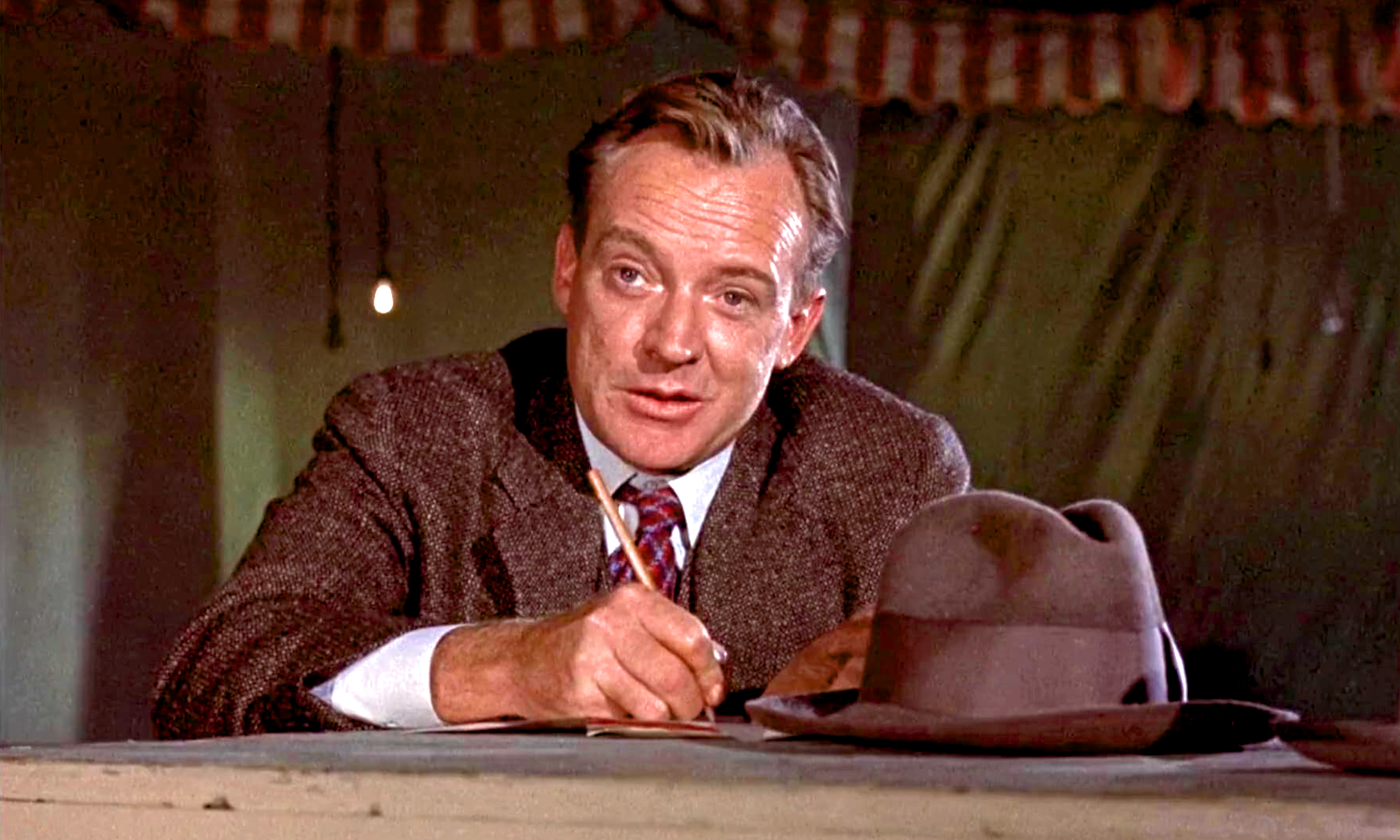
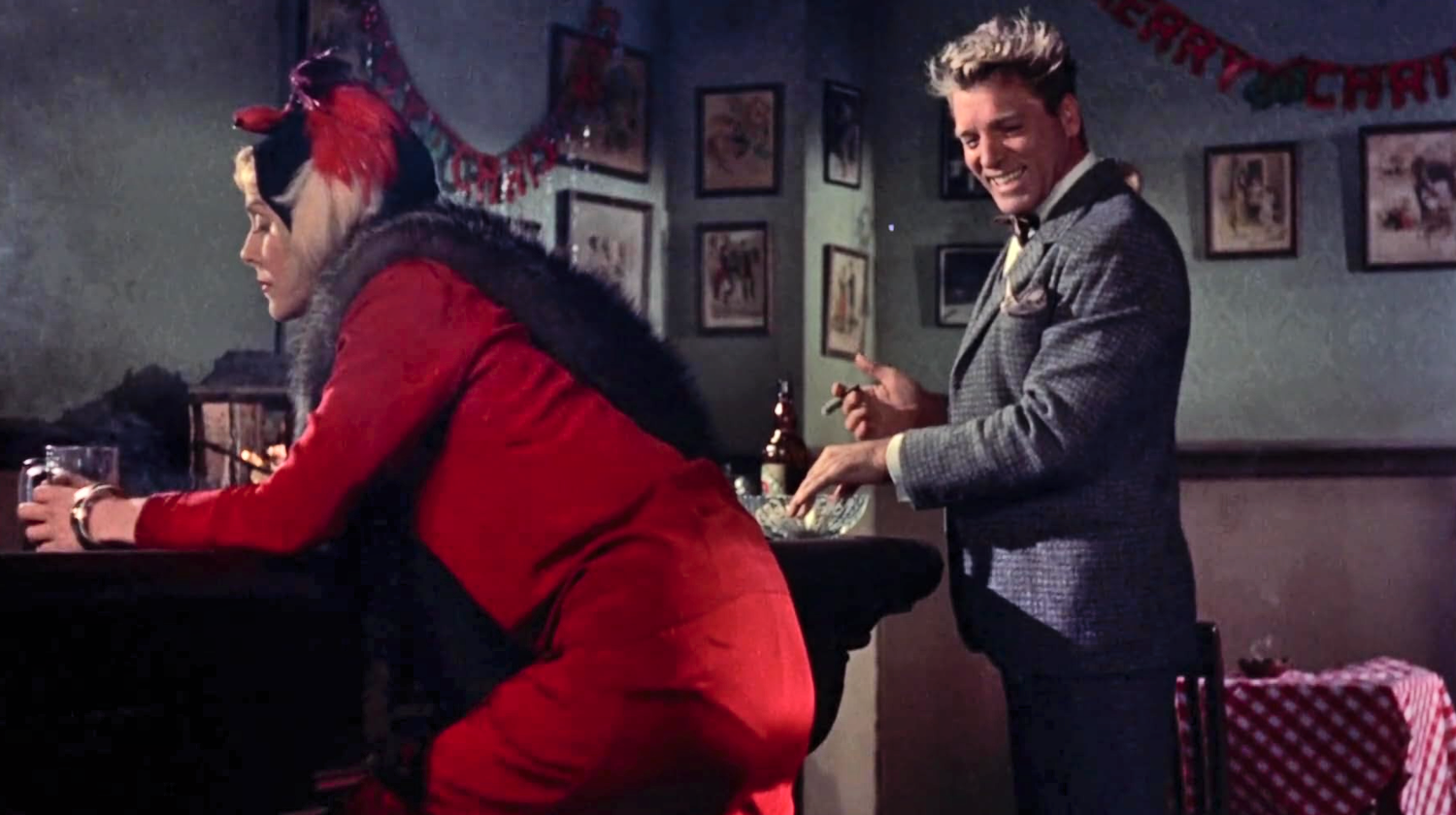
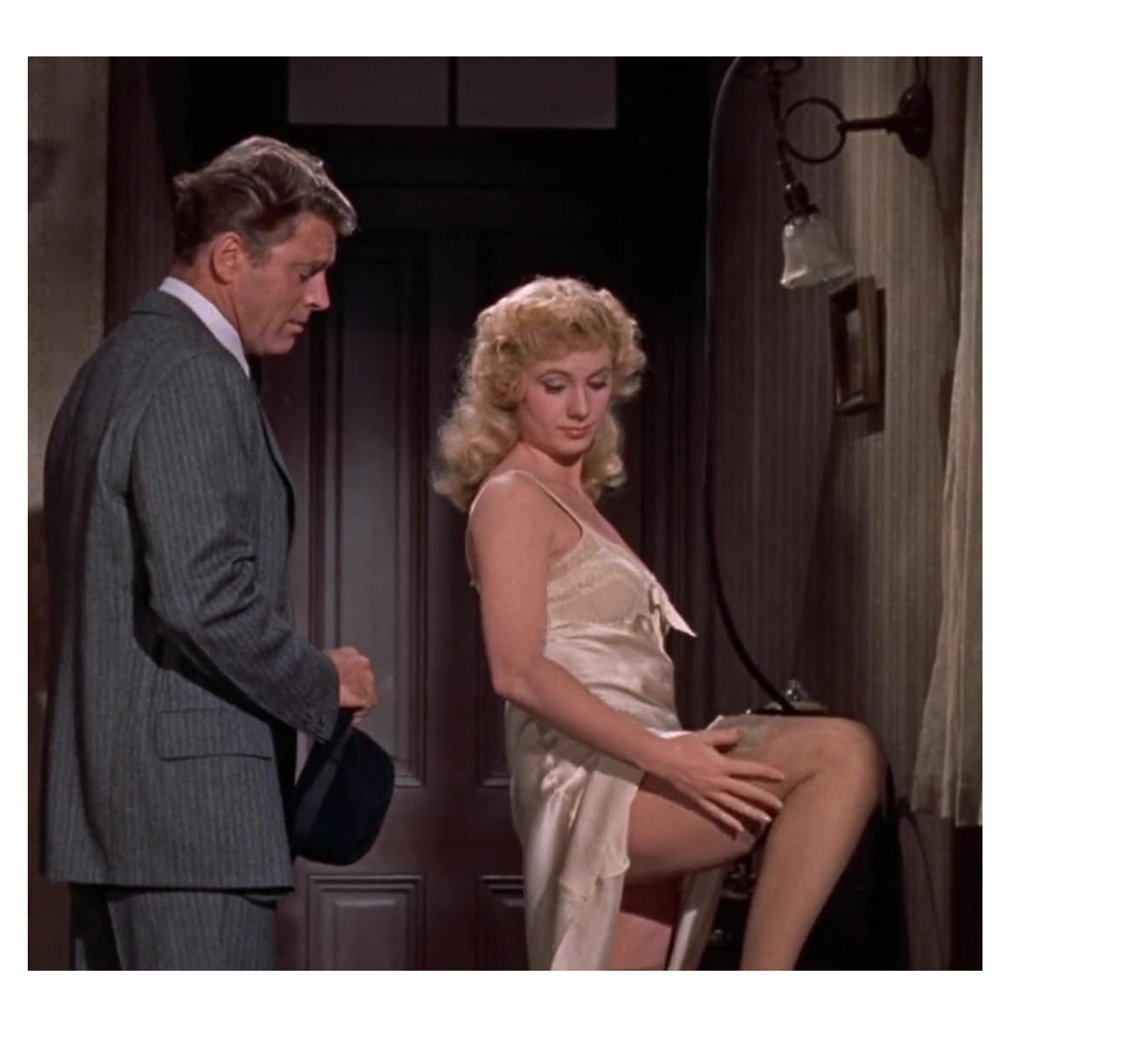
Traveling with the revival is Pulitzer prizewinner Jim Lefferts (Arthur Kennedy), a skeptical reporter preparing a major condemnation of revivalism, the gist of which comes out in an article that scares off Zenith’s investors. It looks like curtains until Elmer blackmails George Babbitt, threatening to reveal the fact that Babbitt rents properties to Zenith’s vice district. To fuel the flames, Elmer makes a show of shutting down a brothel, but is himself blocked when he runs into prostitute Lulu Baines (Shirley Jones). Back when Elmer was a student in a seminary, their love affair resulted in him being expelled and her being thrown on the street by her father. Elmer abandoned her as well. Now Lulu has the advantage — she arranges for the taking of some blackmail photos, with the intention of sinking Elmer along with his whole revival racket. Can Elmer’s charm and trickery get him out of this predicament?
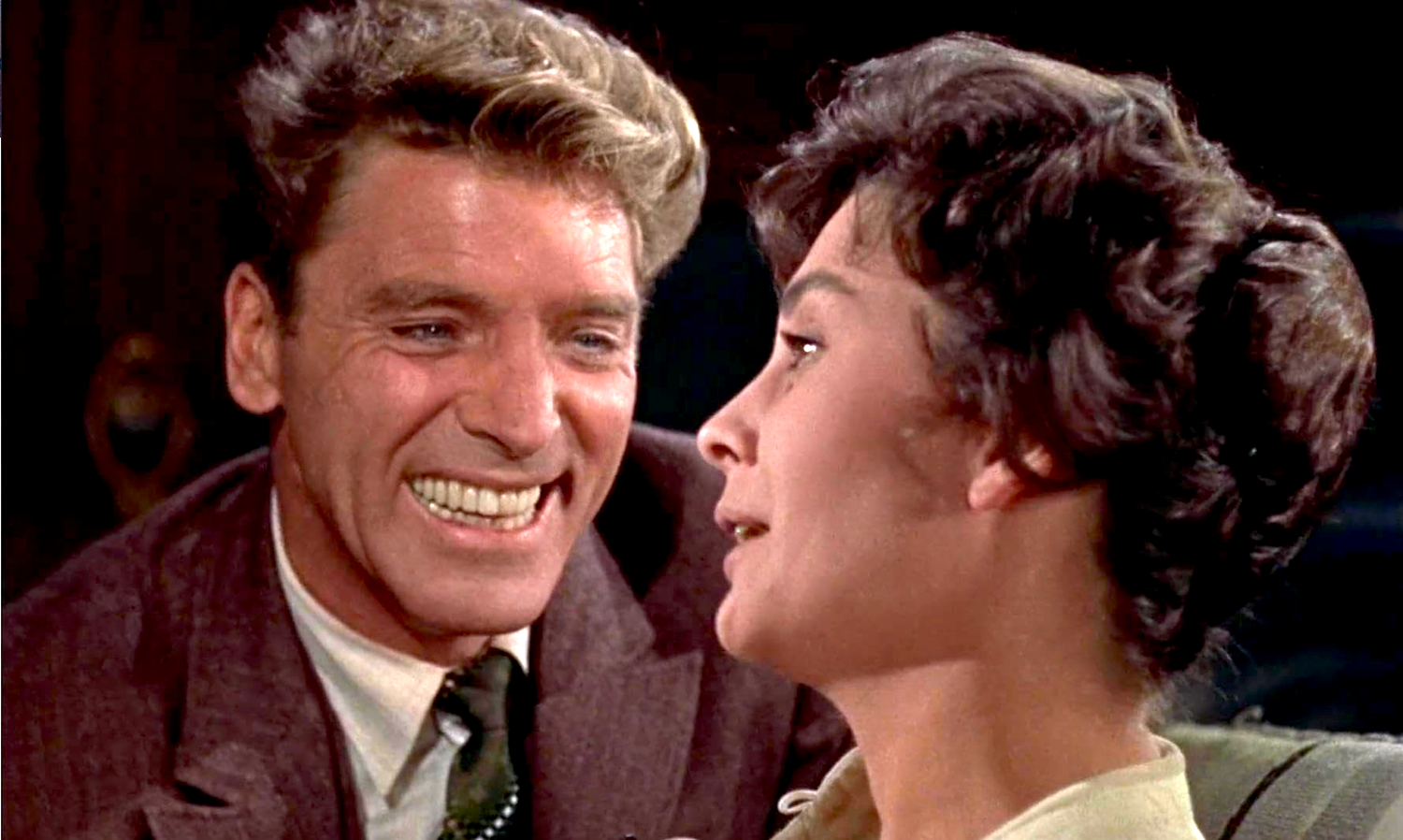
Like an angel banished from heaven.
The role looks hand-picked for Burt Lancaster, but we are told that actor Pat Hingle was on point to play Elmer Gantry before a serious accident knocked him out of the running. Lancaster’s BIG performance and his all-conquering teeth never had a better showcase. Elmer Gantry seduces everyone in his path, including Sister Sharon, who had thought her commitment to her crusade ruled out a romantic life. The scandals, when calmed, only make the Falconer revival bigger. She gets her chance to build a church for her movement, a tabernacle of her own. The frightening development is that Sharon doubles down on her very real faith. She begins to think that she can heal people with heavenly power.
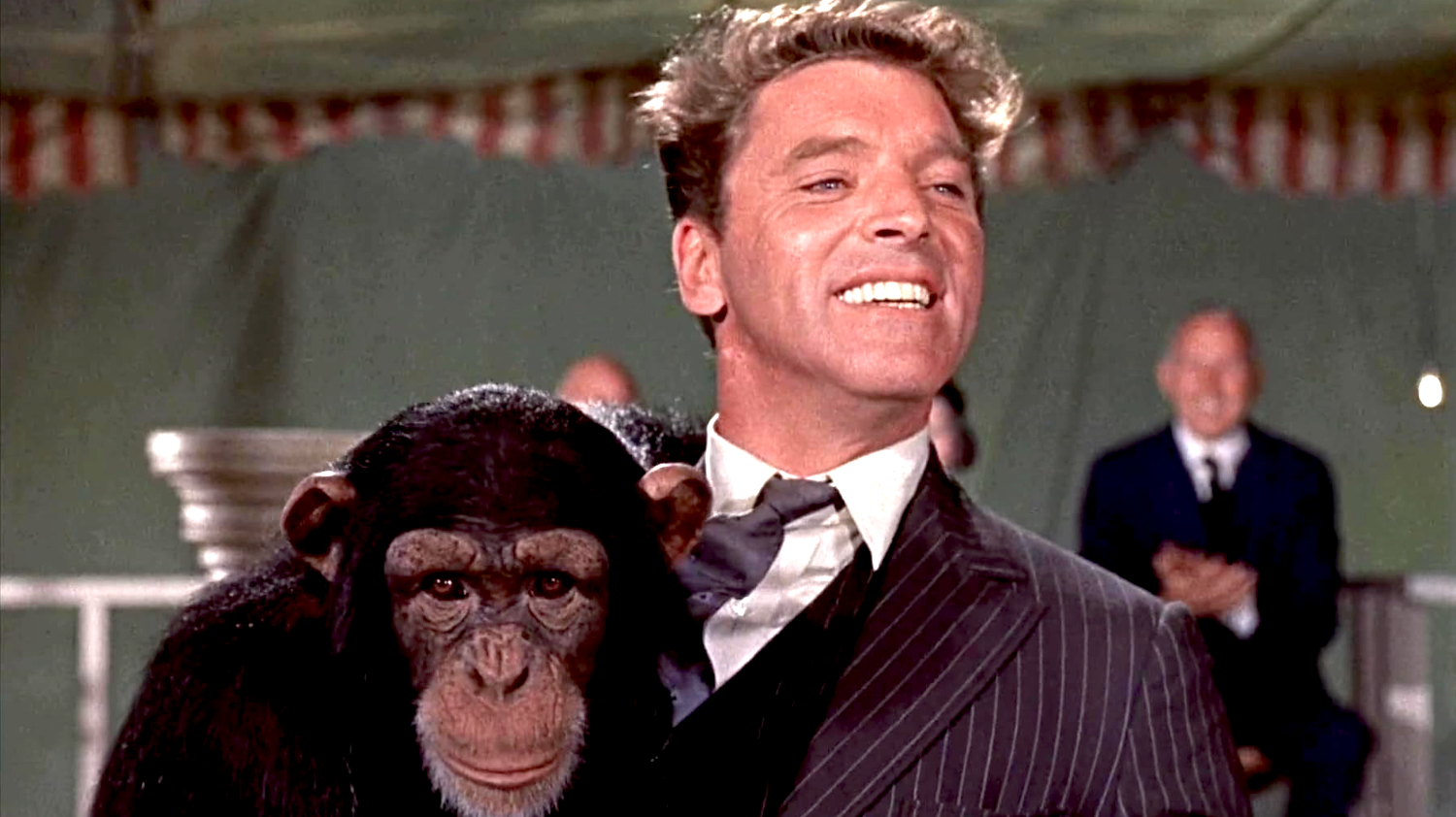
This might be disorganized chaos, what with Elmer Gantry whipping up a fury in the crowd with his cartoonish condemnation of evolution and his frightening ‘come to the Lord to be healed’ confrontations. The film counters those excesses with a central narration montage that takes the place of Sinclair Lewis’s frequent editorial digressions. Journalist Jim Lefferts stops the show to dictate his first exposé article with the words, “What is a revival?” Sticking to a faith-neutral argument, Lefferts argues that revivalists are charlatans using emotional appeals to collect money for which they never have to account. As religious entities, the cash is all tax-free. Nobody asks about Gantry’s shady background. Lefferts claims that revivals take money and give back nothing, that the crowds revved up by circus-like Bible shows do not become regular church-goers.

The film can intimidate viewers, or put them on the defensive: many would consider the open discussion of faith issues to be dangerous in itself. When quizzed by Gantry, Lefferts admits that he’s non-believer, that he doesn’t believe that the miracles in the Bible actually happened. This threatens hypocrites like George Babbitt, who is ready to encourage a mob to run Lefferts out of town. Thanks to the increased polarization of today’s America, where it can be dangerous to air a controversial argument, Elmer Gantry seems more relevant than ever.
We find the picture’s ideas fascinating. The only possible sticking point is the character arc of Sharon Falconer. As in patriarchal fables, Sharon has the magic of faith and innocence until she is no longer a virgin … at which point she loses her grip just enough to let her faith verge into delirium. The shift is dramatically convincing, but it still seems pre-ordained to tag women as emotionally unstable.
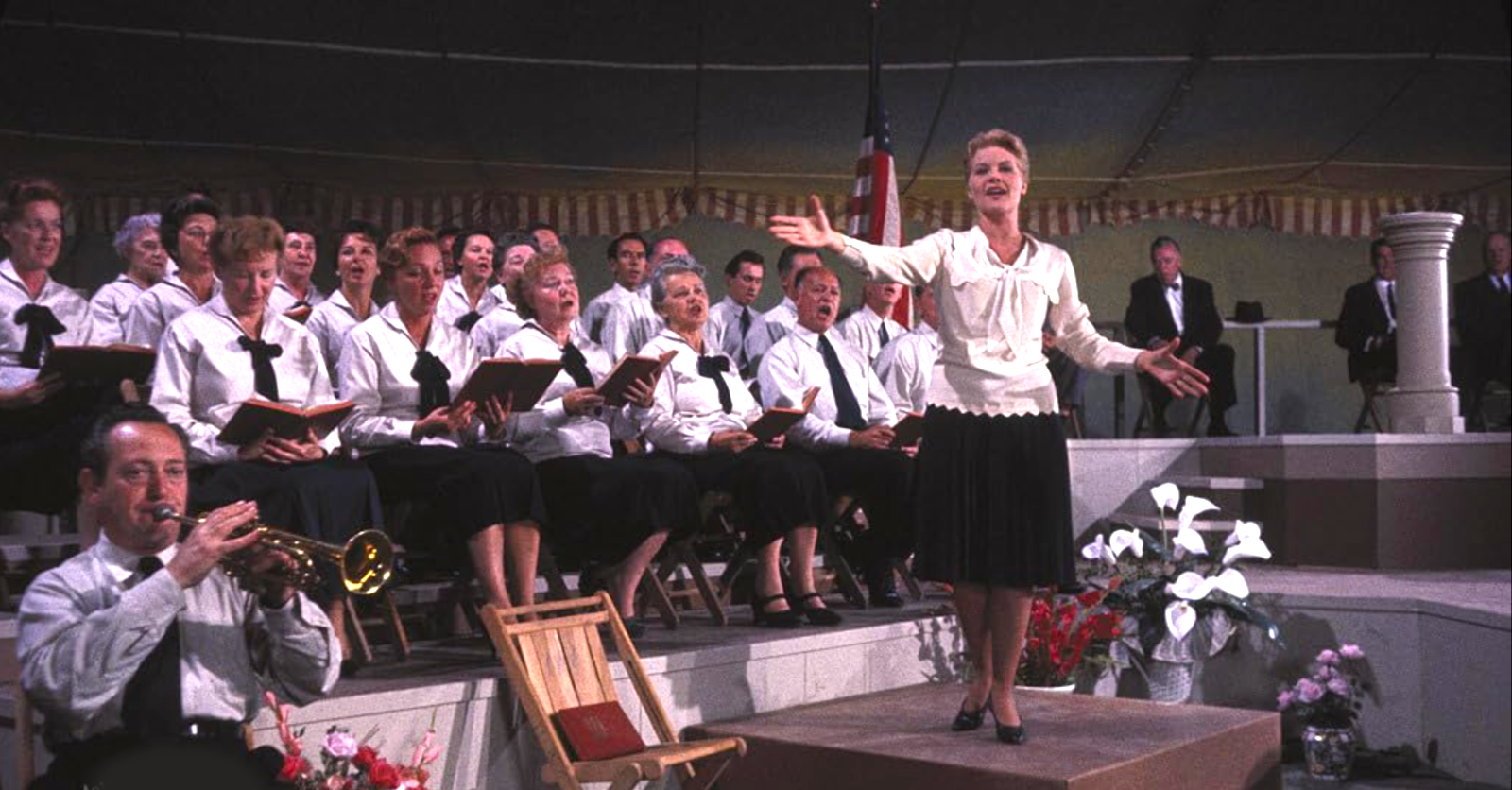
The production overall impresses, with Richard Brooks’ direction honed to perfection and every actor performing at the top of their game. The revival sequences, with a band and music playing, are completely convincing. Lancaster has his outbursts under control — as Elmer is constantly putting on a bigger-than-life bluff, being loud and overbearing is a good thing. Two of Jean Simmons’ biggest successes came out in the same year; this showcase and her starring role opposite Kirk Douglas in Spartacus are both worthy of Oscars. This was a big show for Arthur Kennedy, staving off being shunted off to TV work. He was surely cast for the epic Lawrence of Arabia based on his solid work here.
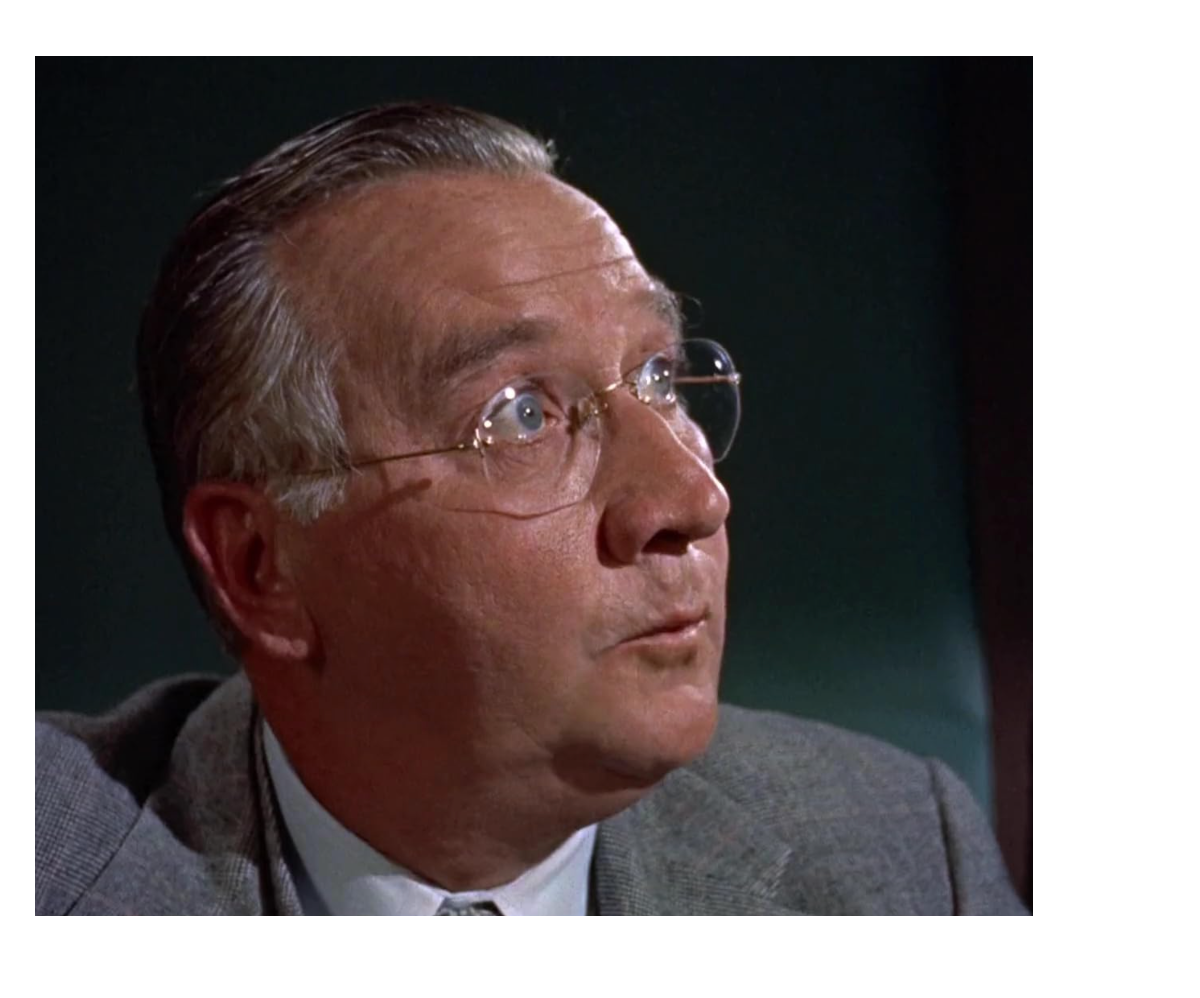
Of special note is Edward Andrews, who is more perfect than perfect as George Babbitt. Guy Kibbee had played Sinclair Lewis’s Babbitt character for Warners in 1934. That old movie is a not-bad adaptation of the novel, and shows on TCM every few years. Singer Patti Page is a pleasant surprise. She only made a couple of film appearances, but her songs were reprised as source music in scores of movies.
The movie has a good late- ’20s look, years before Bonnie & Clyde ‘discovered’ the appeal of semi-authentic retro art direction. The famed cameraman John Alton makes the Eastmancolor stock yield a Technicolor look, giving the show a richly-colored surface.
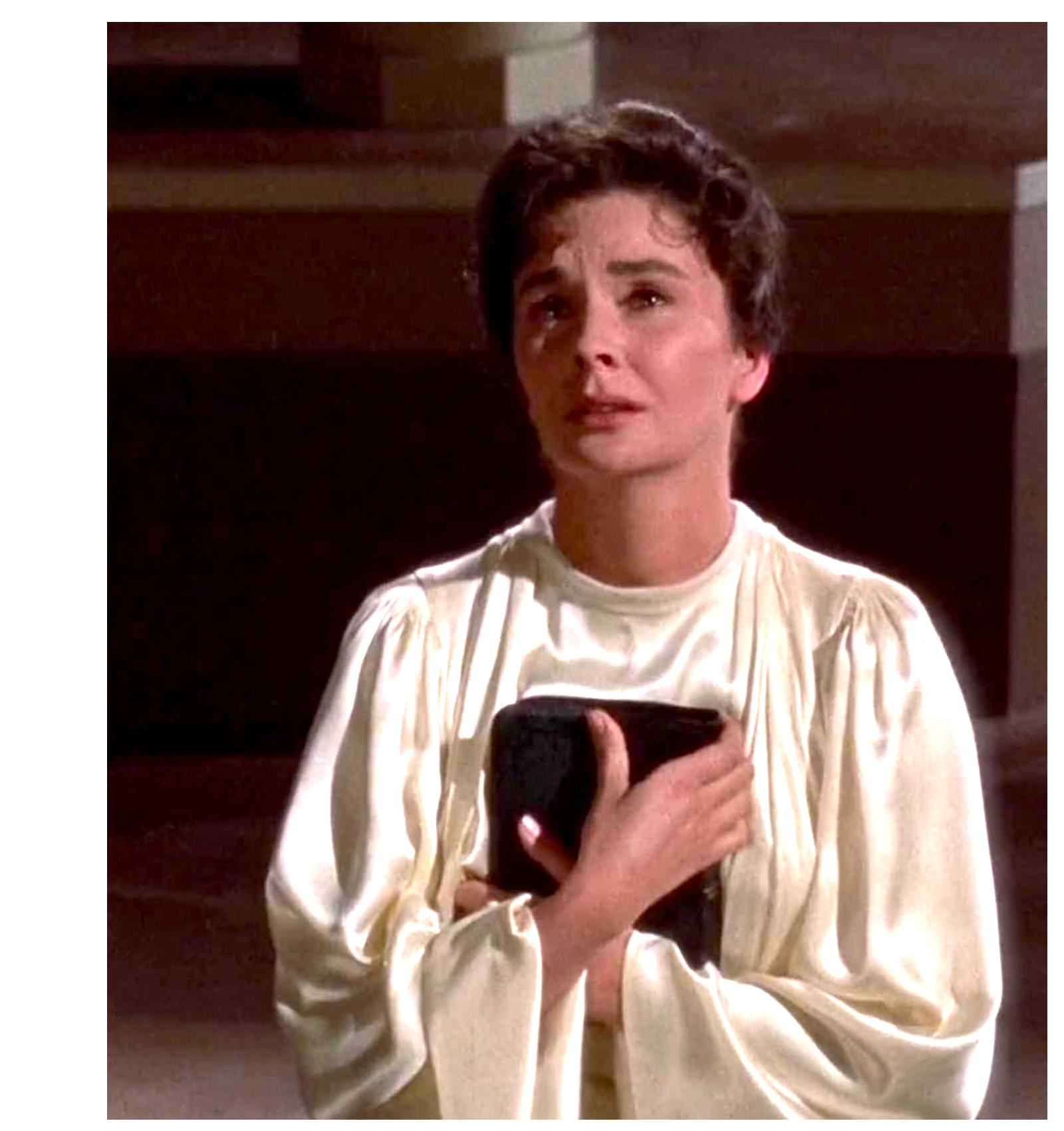
The Production Code Office did grant approval to Elmer Gantry, seeing its classic pedigree and the screenplay’s deft avoidance of standard Code no-no’s. The AFI reports that the censors did complain about a lack of positive church people on screen. This may have altered a scene in which decent, upstanding ministers weigh the merits of the Falconer revival. Hugh Marlowe is aggressive, while John McIntire observes that he hasn’t the funds to support his church’s soup kitchen, to provide milk for poor children.
Brooks made other substantial changes. Sharon Falconer became more sincerely religious. Jim Lefferts, previously a seminary student, became a noted reporter, and an atheist. Gantry no longer had a formal ministerial background, so no slight against established churchmen could be inferred. Retaining the 1920s period softened the likelihood of protest by present-day church authorities.
The show was definitely not considered appropriate viewing for children. That still doesn’t explain how some of the film’s dialogue got through. Shirley Jones was known for starring roles as a wide-eyed innocent in two major Rodgers and Hammerstein musicals. Here she’s a sassy fallen woman, eager for revenge against Elmer Gantry. Jones made movie history as a prostitute who talks as a prostitute might, including the immortal dialogue line,
“I got to moanin’ ‘Save me! Save me!’ and the first thing I know he rammed the fear of God into me so fast I never heard my old man’s footsteps!”
How they got away with that is a complete mystery .. a naughty preCode picture would have had trouble clearing that line.
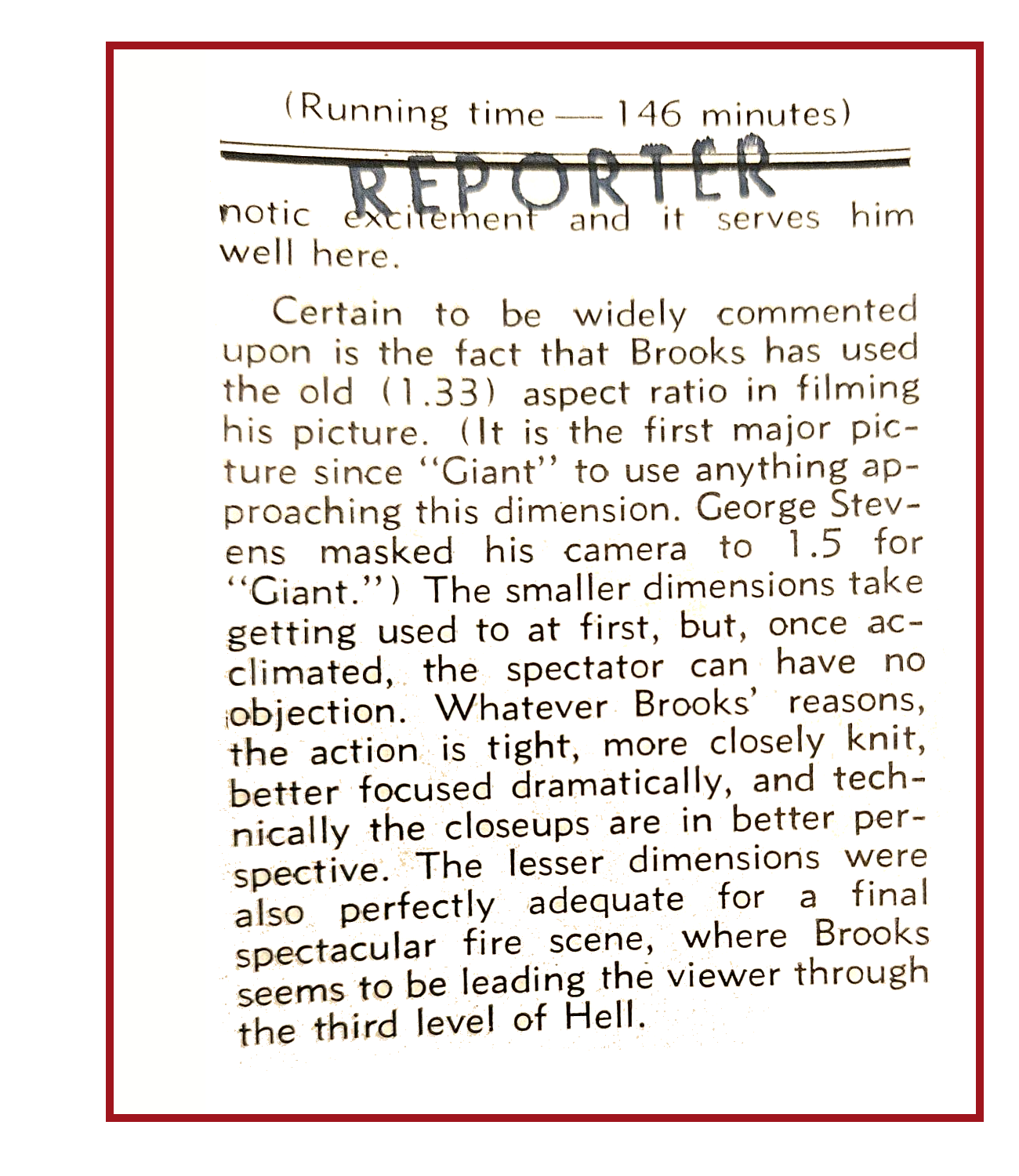 Amazon MGM had planned to transfer the film at the standard-for-the-period aspect ratio of 1.85, when hard evidence surfaced that the film was originally meant to be shown flat. All of the trade papers noted Brooks' intended AR, even reporting that theaters that had discarded the old lenses were being given assistance.
