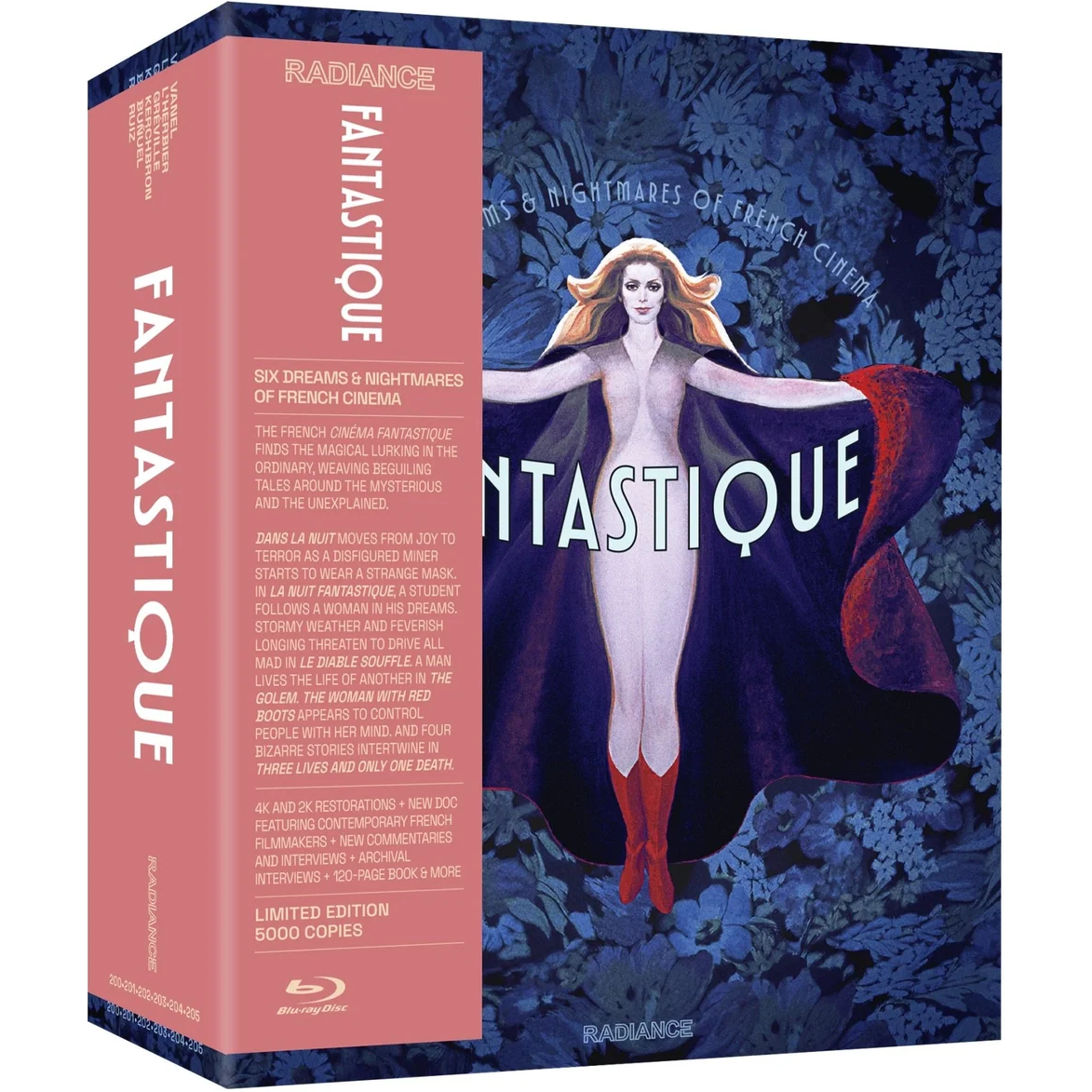

 Radiance has fashioned a Garden of Delights with this collection of films that French critics recognize as ‘fantastique’ — features with fantasy elements that don’t necessarily fit into the categories of horror, science-fiction or fairy tales. The selection impresses. No two films are alike, although the last couple of entries do take a swing toward surrealism.
Rather than profile the pictures as part of a particular movement, or as chapters in cinema evolution, the text articles and video essays try to get a handle on the peculiar French-critical notion of the Fantastique. We particularly liked the essay by Tzetan Todorov, which looks into how we react to ‘unreal’ things in this literal, visually-oriented medium. More critical input comes from the directors themselves, and from cameraman Henri Alekan, the master of magical lighting for Jean Cocteau and Wim Wenders.
Besides giving us the quirky pleasure of seeing Micheline Presle, Catherine Deneuve and Marcello Mastroianni have fun with amusingly bizarre characterizations, the films of Fantastique: The Dreams and Nightmares of French Cinema throw a wide net, from a production from the very late silent era, to melodramas where the fantastic content is semi-subversive, almost subliminal, to late 20th century black comedies. This fine batch of rediscoveries is a great job of cinema curatorship.

Dans la nuit
1930 / B&W / 1:33 silent aperture / ‘During the Night’ / 75 min.
Starring: Charles Vanel, Sandra Milovanoff.
Cinematography: Gaston Brun, Henri Stuckert
Production Designer: Armand Bonamy
Producer: Fernand Weill
Written and Directed by Charles Vanel
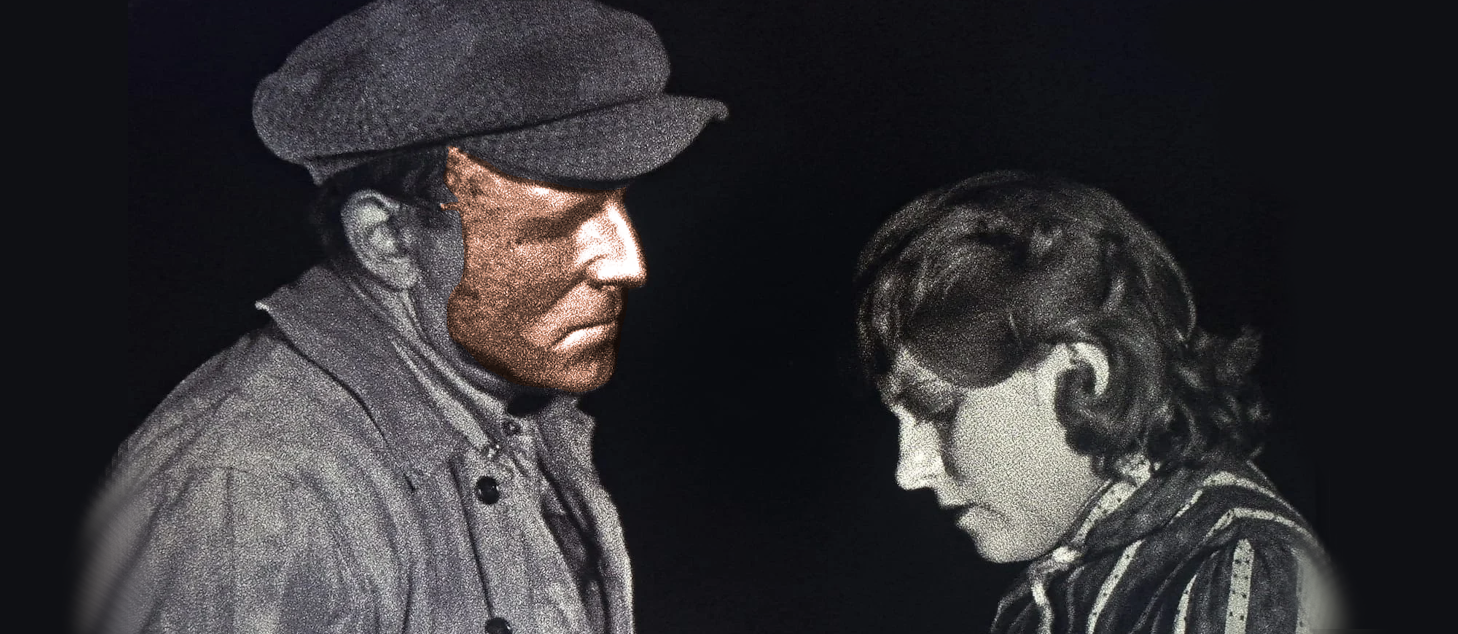
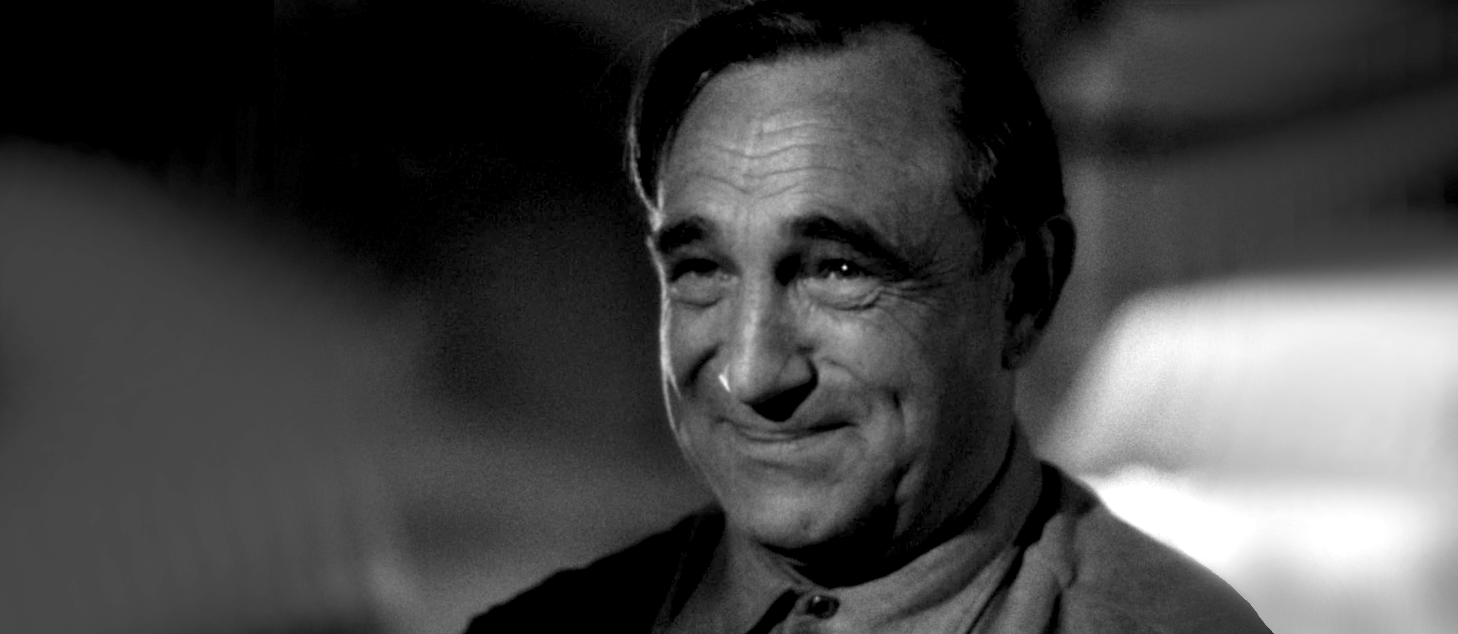
Charles Vanel, an actor we know best from Clouzot’s The Wages of Fear and Diabolique, clearly caught the directing bug. He wrote, directed and starred in this bizarre silent effort Dans la nuit, which got lost in the changeover to sound. The poetic approach gives us a lean storyline but highly impressionistic scenes. Many are separated with quick fade out-fade ins, even in the middle of sequences, as if intending to capture a ‘proof’ of life in every shot. Instead of inter-titles, smooth double exposures put dialogue right onto scenes, an interesting ‘living postcard’ effect.
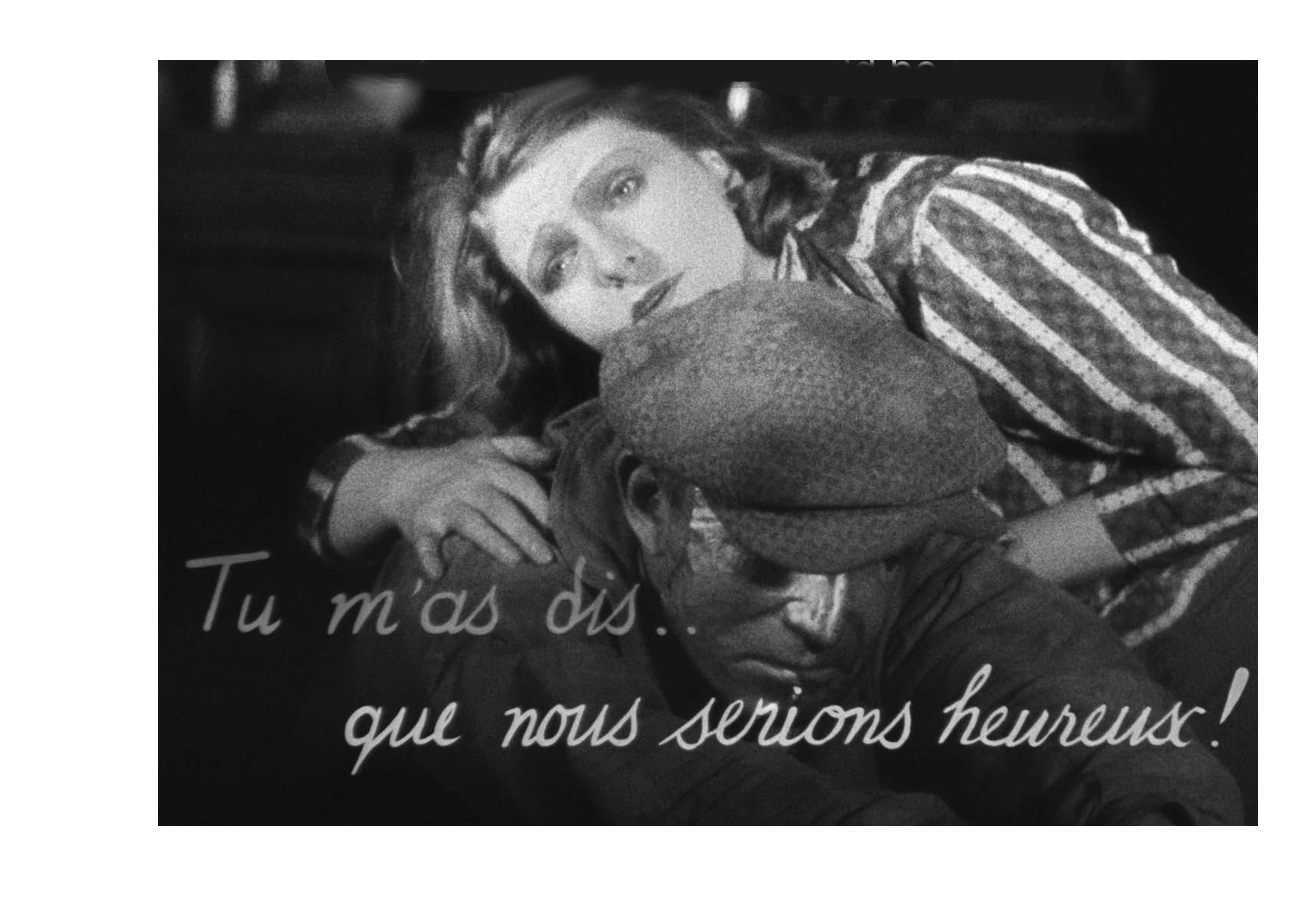
The story is simple. A miner marries a woman for love; we see their joyous wedding and a celebration at a mountain resort. But when he returns to work, an accident so destroys his face that he must wear a custom metallic mask. The new wife is destroyed, as the husband’s bright personality has vanished. It isn’t long before another man enters the story …
Everything is in the first-person, present tense. The performances explain what’s happening with few words; the husband withdraws and isolation takes its toll on the wife. The bizarre circumstances have a psychological effect that, with the husband turned into a masked zombie, begins to become unnerving. Robert Florey’s later The Face Behind the Mask gets us most when it approaches the kind of poetic vibes conjured here.
Charles Vanel was not young by the time of his Clouzot movies; the strange thing is that here, twenty years earlier, he doesn’t look all that much younger. Vanel’s offbeat direction is completely unexpected. Did his friends kid him about that ‘crazy silent’ movie he made way back when?
La nuit fantastique
1942 / B&W / 1:37 Academy / Fantastic Night / 103 min.
Starring: Fernand Gravey, Micheline Presle, Saturnin Fabre, Charles Granval, Bernard Blier, Marcel Lévesque, Christiane Nère, Jean Parédès, Zita Fiore, Michel Vitold, Paul Frankeur.
Cinematography: Pierre Montazel
Production Designer: René Moulaert
Art Directors: Marcel Magniez
Film Editors: Suzanne Catelain, Mme Nelissen
Composer: Maurice Thiriez
Adaptation: Louis Chavance, Maurice Henry, Marcel L’Herbier
Dialogues: Henri Jeanson
Producers: André Mallet, Guillaume Radot
Directed by Marcel L’Herbier
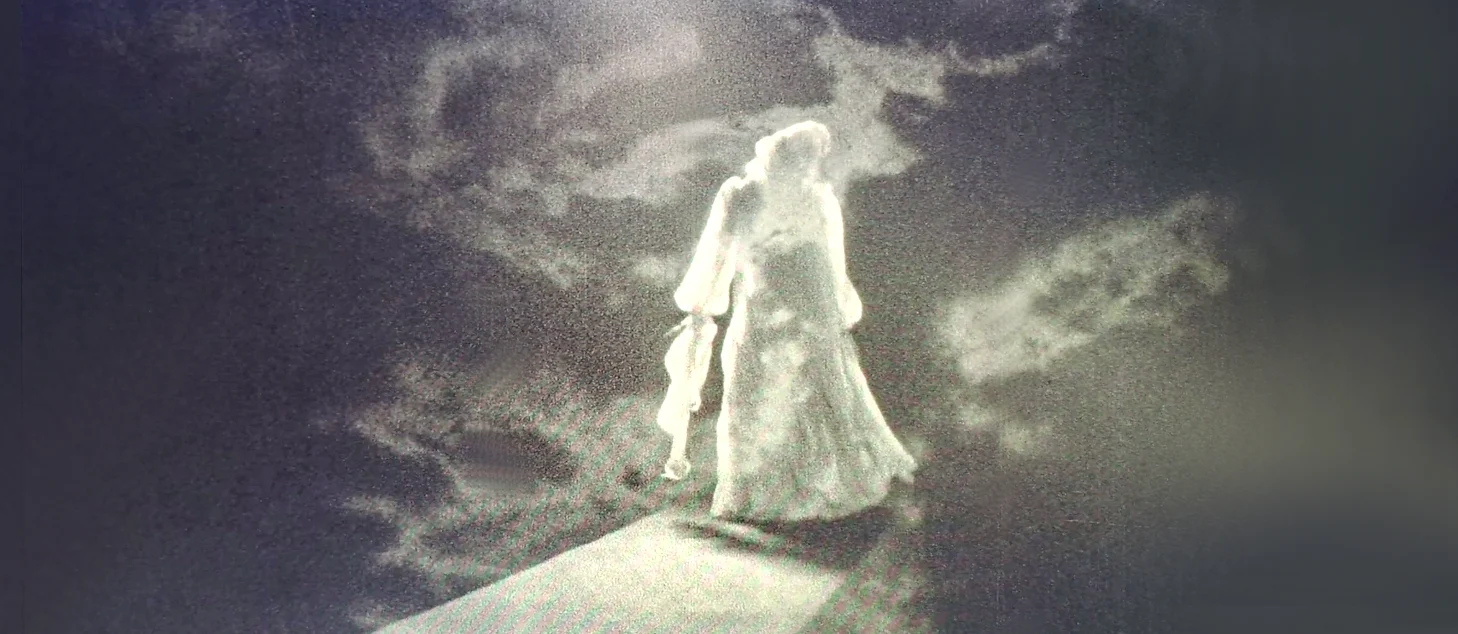
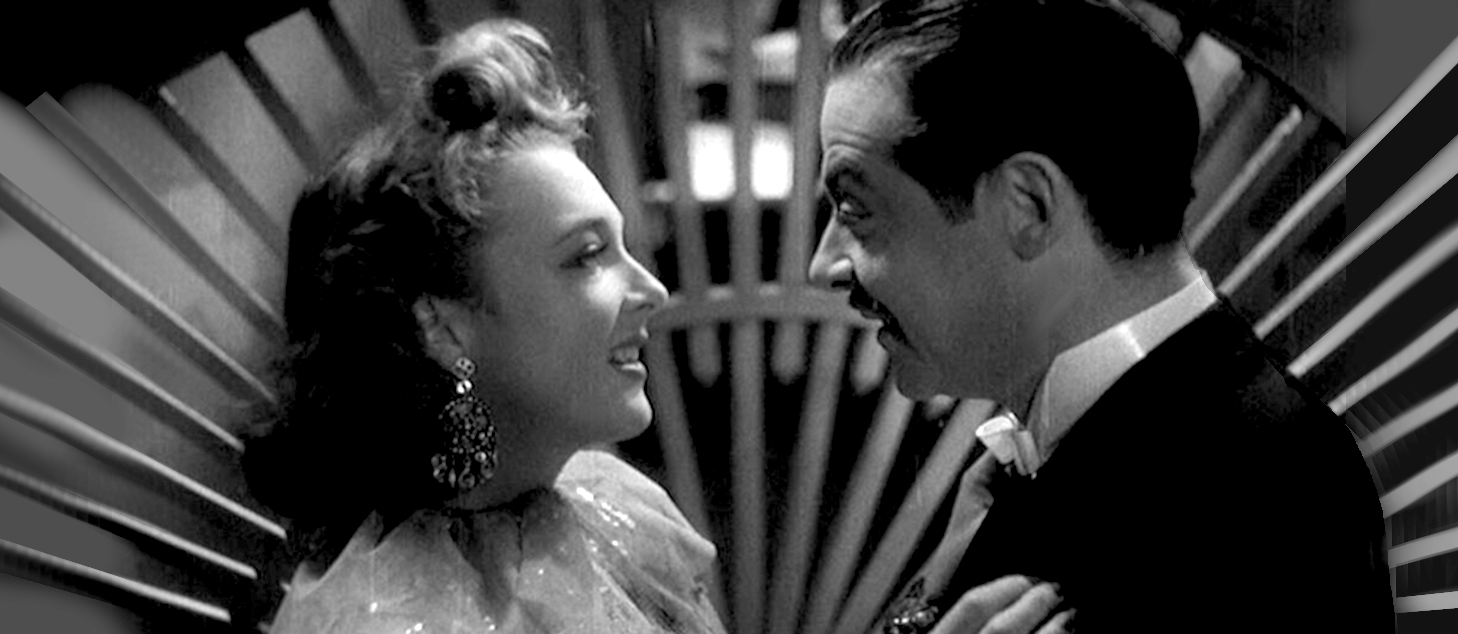
We love Marcel L’Herbier. His semi-experimental silent works often tapped the skills of avant-garde artists. Filmed in wartime during the occupation of Paris, the relatively lavish La nuit fantastique is a feather-light romantic fantasy with big stars Micheline Presle and Fernand Gravey. It’s the only feature in the set that a Hollywood studio might have remade, except that it wouldn’t be as magical or move in such eccentric ways. Packed with ethereal visual effects, it is as light-spirited as the comic fantasies of René Clair.
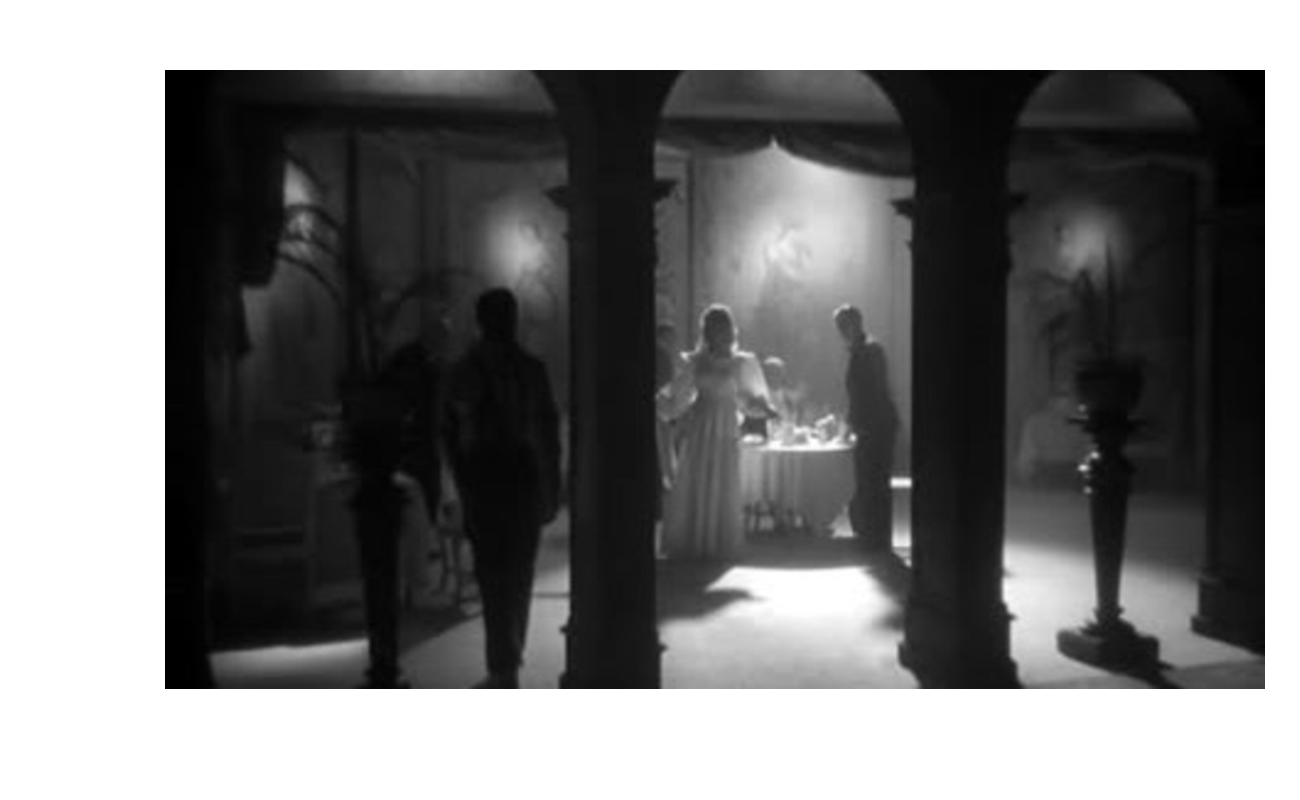
Gravey plays a philosophy major who spends a night not knowing if he’s helping to rescue a beautiful woman (Presle), or just having one of his lovesick dreams. The menu has crooks, kidnappings, nightclubs, magic shows, and a dungeon scene where the (dream?) lovers are menaced by Egyptian monster-men. The magic is in Howard the chasing around nighttime Paris in a tuxedo seems logical, funny, and charming beyond all expectations. Why isn’t this picture better known? It’s more engaging than some wartime French fantasies that take place in medieval times, probably to avoid the censors of the occupation.
Gravey, at first glance, is like a French Don Ameche, a total gent with whom we easily identify. Ms. Presle is one of dozens of Euro greats that I’d not heard of, until MGM film curator John Kirk encouraged me to check out every old French film I could find. Thirty years ago, it wasn’t easy.
Le Diable souffle
1947 / B&W / 1:37 Academy / 87 min. / Woman of Evil
Starring: Charles Vanel, Jean Chevrier, Héléna Bossis, Margo Lion, Henri Maïk, Edouard Hemme.
Cinematography: Henri Alekan
Production Designer: Jean Douarinou
Film Editor: Georges Arnstam
Composer: Yves Baudrier
Scenario by: Edmond T. Gréville
Adaptation: Max Joly, Jean Josipovici
Dialogues: Norbert Carbonnaux
Producer: André Verdet-Kleber
Directed by Edmond T. Gréville
Le Diable souffle is by director Edmond T. Gréville, known to genre film addicts only as a name attached to the marginal but promising horror and exploitation titles The Hands of Orlac and Beat Girl. Translated as ‘The Devil’s Breath,’ this is another violent love triangle semi-tragedy. This time the emphasis is on a rural setting where strong weather dominates, in the form of a regional storm wind called ‘Tramontana.’ Charles Vanel is back as Laurent, a middle-aged bachelor who picks up a suicidal cabaret pianist Louvaine (Héléna Bossis). He nurses her back to health at him home, an island in the middle of a river on the boundary between France and Spain. His intolerant housekeeper (Margo Lion) considers Louvaine to be a demonic curse, a danger to all men. Then the storms hit and isolate the island. The third side of the triangle is Diego (Jean Chevrier), a fugitive Republican trying to evade Franco authorities; he ends up on the island, where his proximity to Louvaine has inevitable consequences.
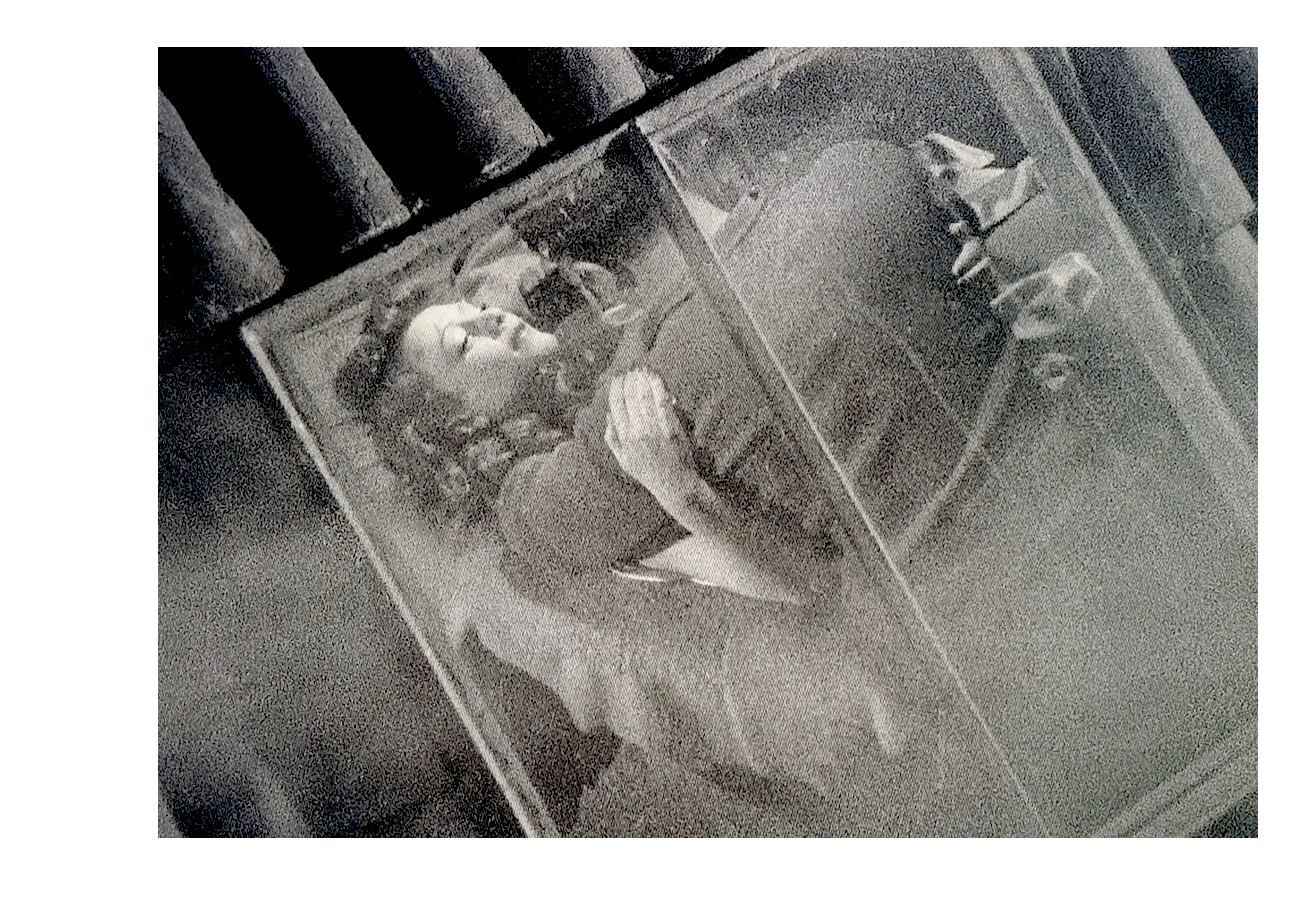
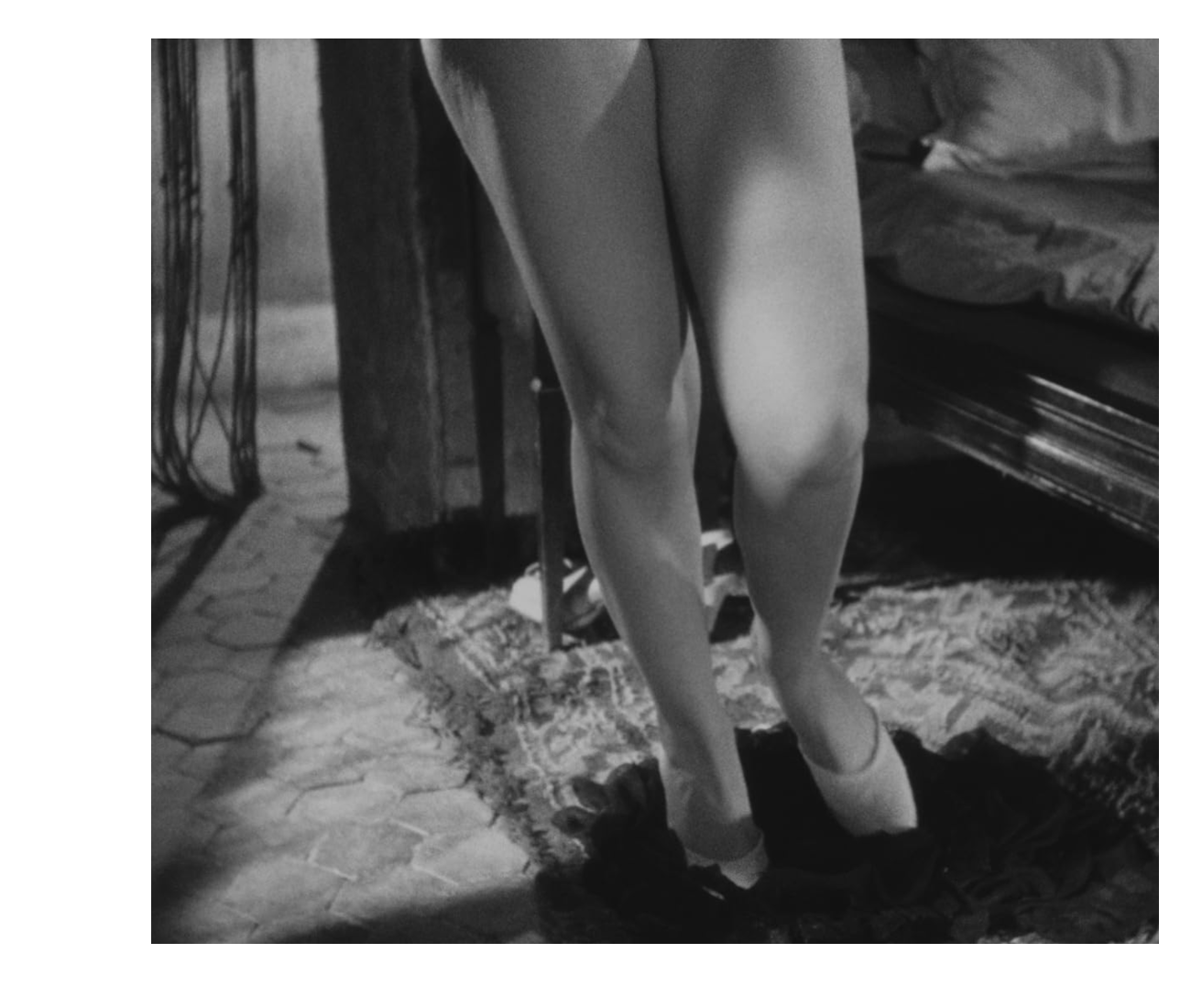
There are few overt fantastic elements, yet as in Dans la nuit, context is everything. Louvaine generates a sexual spell that disturbs conservatives; she insists on wearing her ‘immoral’ heels on the rough ground. Gréville marshals montages of nature — including some excellent miniature visuals with the river — that make the rain, darkness and flooding feel like a spiritual manifestation against the sexually-charged city woman. Diego turns out to have a secret that becomes important; in one of the few overt detours into fantastique, Laurent’s fears manifest in a dire premonition, that plays as if it were real. It’s very effective.
In a video extra, critic David Thompson delivers a fine video lecture about Gréville — having seen only his later horror movie, we didn’t know he had directed movies as sensual & progressive as this one.
The Golem
1967 / B&W / 1:33 TV / Le Golem / 115 min.
Starring: André Reybaz, Georges Douking, François Vibert, Françoise Winskill, Magali Noël, Alfred Baillou, Serge Merlin, Pierre Tabard, Marika Green, Robert Etcheverry.
Cinematography: Albert Schimel
Set Decorator: Jean Gourmelin
Costume Design: Jean Gourmelin
Film Editor: Guy Fourmond
Composer: Jean Wiener
From the novel by: Gustav Meyrink
Adaptation: Jean Kerchbron, Louis Pauwels
Dialogues: Louis Pauwels
Producer: Claire Monis
Directed by Jean Kerchbron
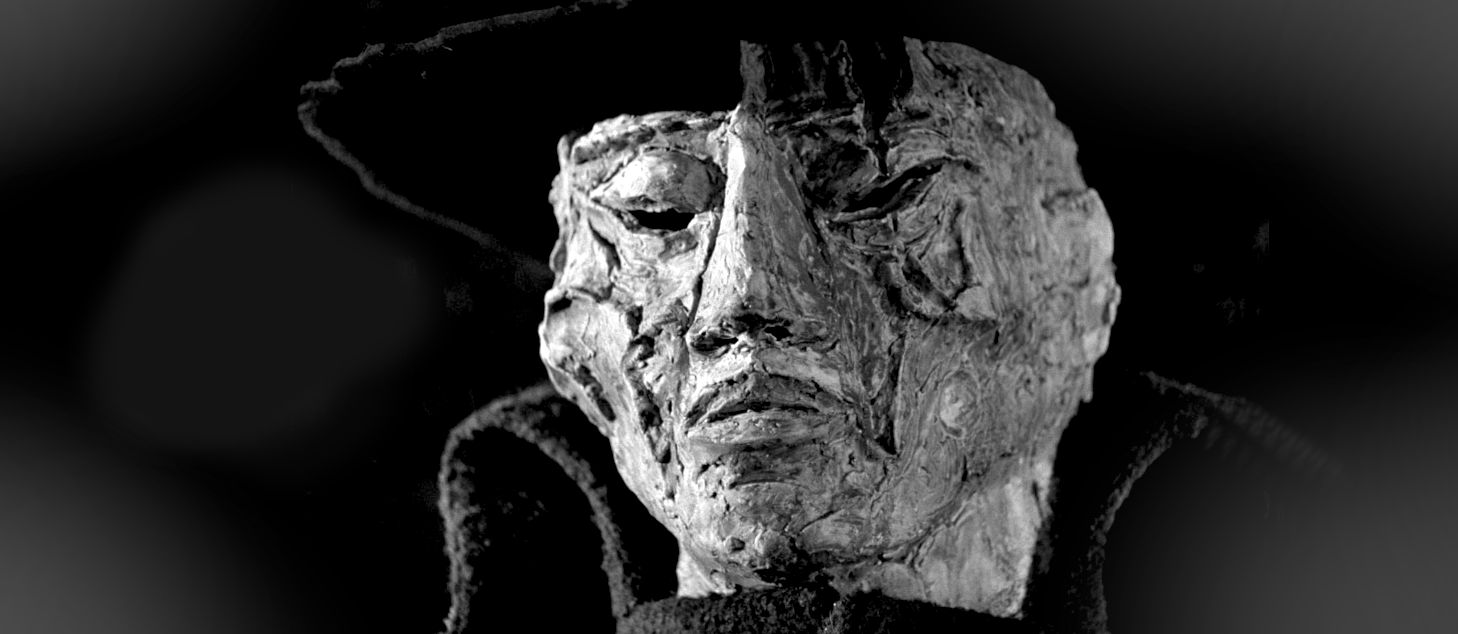
Another 20-year forward jump takes us to a 1960s French TV production, a faithful dramatization of a very strange novel, Gustav Meyrink’s The Golem. The 1915 book isn’t a telling of the Jewish legend. The myth of the Golem is one of several touchstones to the author’s experience as a European Jew. Meyrink is considered a big influence on the work of Franz Kafka.
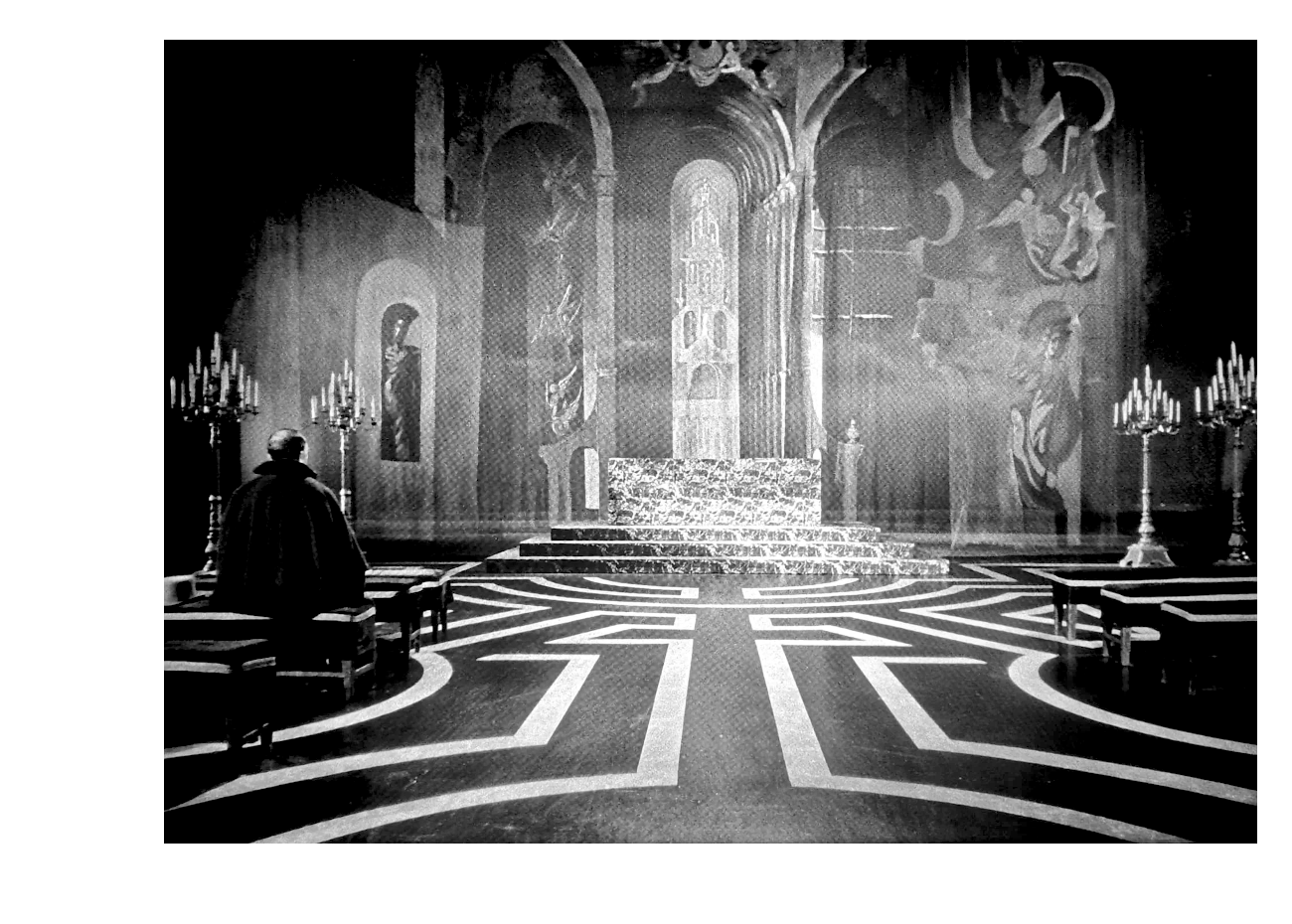
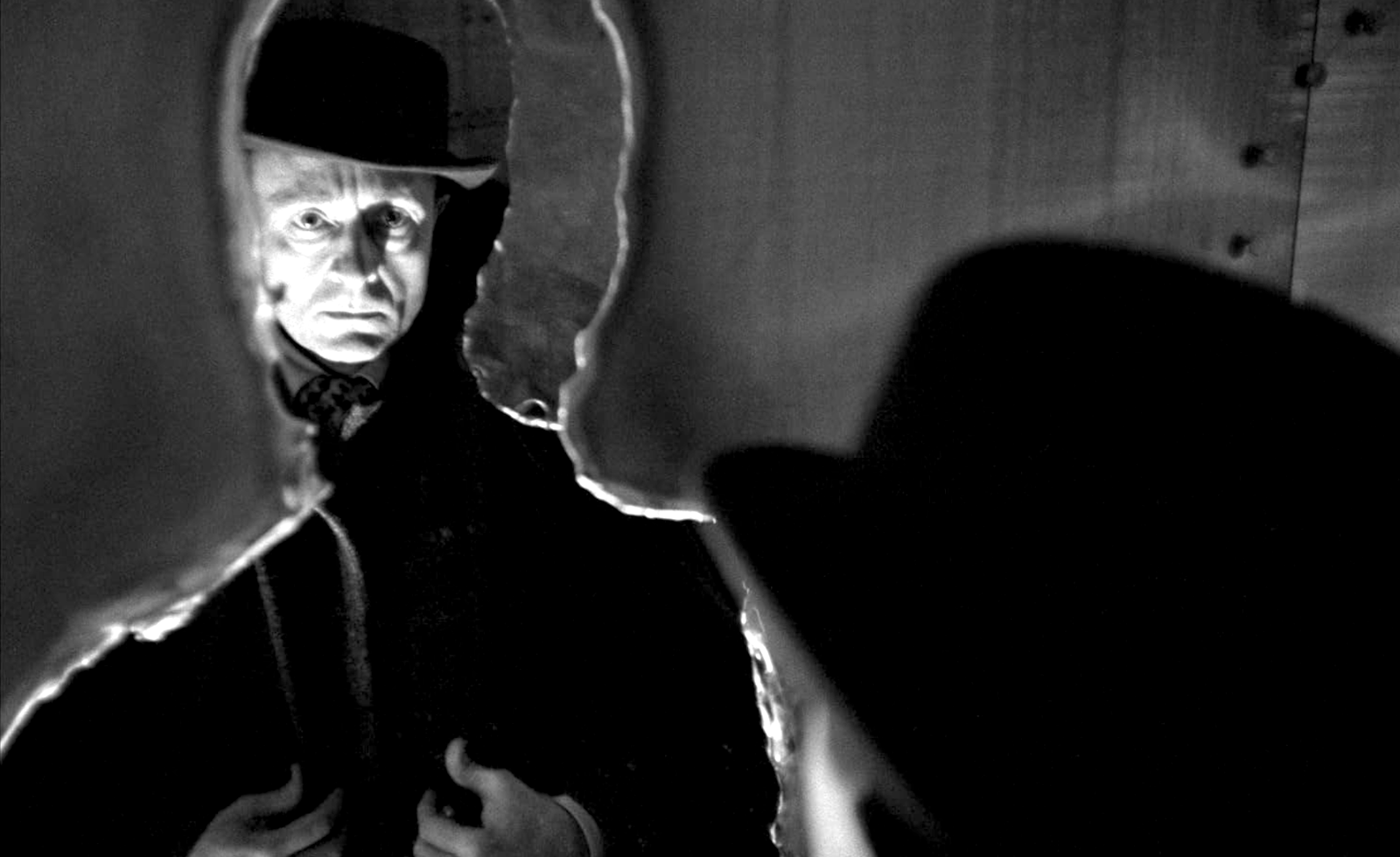
Director Jean Kerchbron gives the book a crazy free-form avant-garde approach. A jeweler named Athanasius Pernath swaps hats with a doppelgänger, who then appears to live his life for him. (Don’t ask.) Pernath lives in a modern skyscraper yet simultaneously lives an existence in the Old Prague ghetto. He does his best to interact with neighbors that claim to know him. He becomes interested in the daughter of his spiritual advisor, but is also attracted to / seduced by other women, one of whom may have involved him in a scheme to murder her husband.
As helpfully revealed by critic Kim Newman, much of Meyrink’s novel is autobiographical. Meyrink was for a time unjustly jailed, and after a nervous breakdown had to ‘reassemble’ his own personality. Perhaps that explains the book’s (and the movie’s) irrational structure. The legend of The Golem comes in because Pernath seems to identify with the persecuted creature of clay. It returns to Prague every 33 years, causing chaos in the streets.
The B&W image of this TV production is flawless, revealing very creative sets. The modern interiors are highly stylized and the Ghetto constructions are elaborate, including some given the expressionist flavor of the familiar 1920 classic. For a picture so abstract, this Golem keeps our attention at all times. In his essay-video lecture, Kim Newman’s helps make sense of it all. He even offers a good ‘Golem joke.’
The Woman with Red Boots
1974 / B&W / 1:85 widescreen / La femme aux bottes rouges / 94 min.
Starring: Catherine Deneuve, Fernando Rey, Adalberto Maria Merli, Jacques Weber, José Sacristán, Emma Cohen, Laura Betti.
Cinematography: Leopoldo Villaseñor
Production Designer: Adolfo Cofiño
Film Editor: Geneviève Vaury
Screenplay dialogue by: Pierre-Jean Maintigneux, Jean-Claude Carrière, Clement Biddle Wood, Juan Luis Buñuel
Producer: Claude Jaeger
Directed by Juan Luis Buñuel
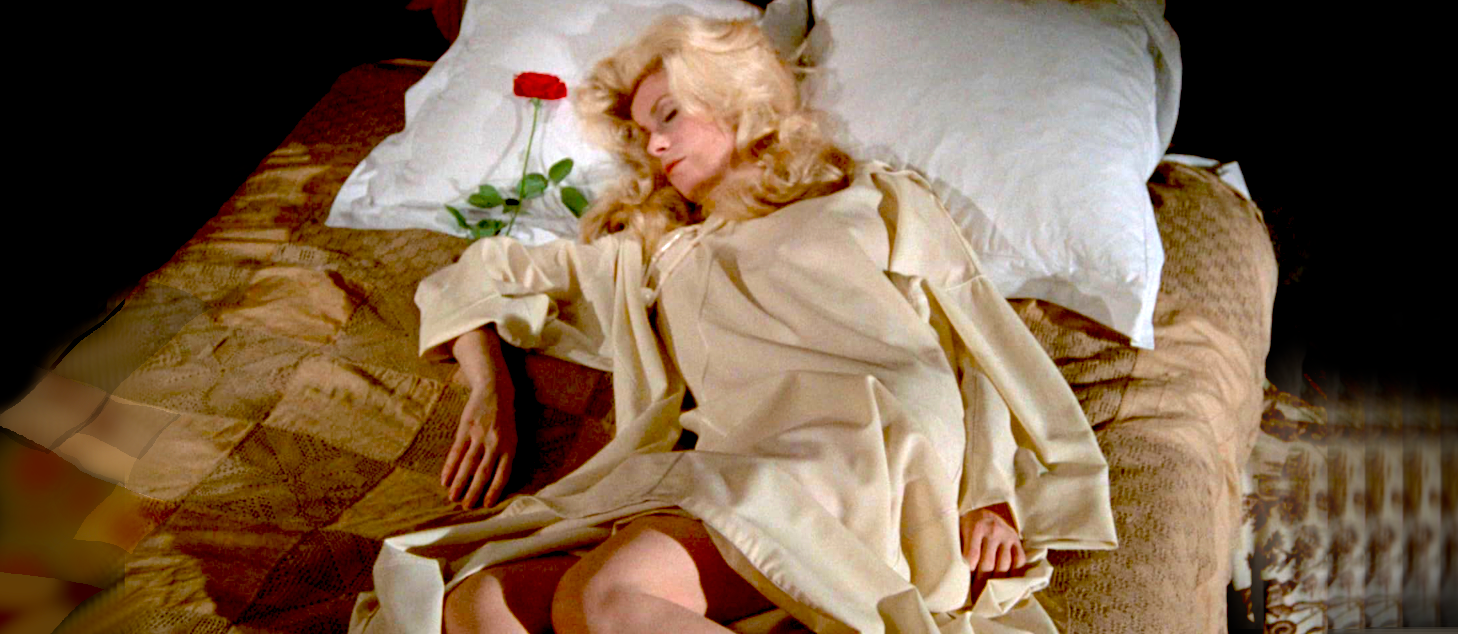
The Woman with Red Boots brings us Juan Luis Buñuel. The son of the world-class director who has made some interesting pictures of his own, notably 1975’s Leonor. One year earlier came this entry in surrealist party games. Reuniting the stars of Tristana it keeps up the amusing attitude of Buñuel’s celebrated French films, like The Discreet Charm of the Bourgeoisie. Eccentric millionaire Pérou (Fernando Rey) collects artists, by buying their work, and perhaps (?) by murdering them. Françoise is an avant-garde writer and provocatrice — after she flashes her nude body at Pérou in public, he gets the notion of pairing her up with an art-magazine editor, and manipulating both of their lives.
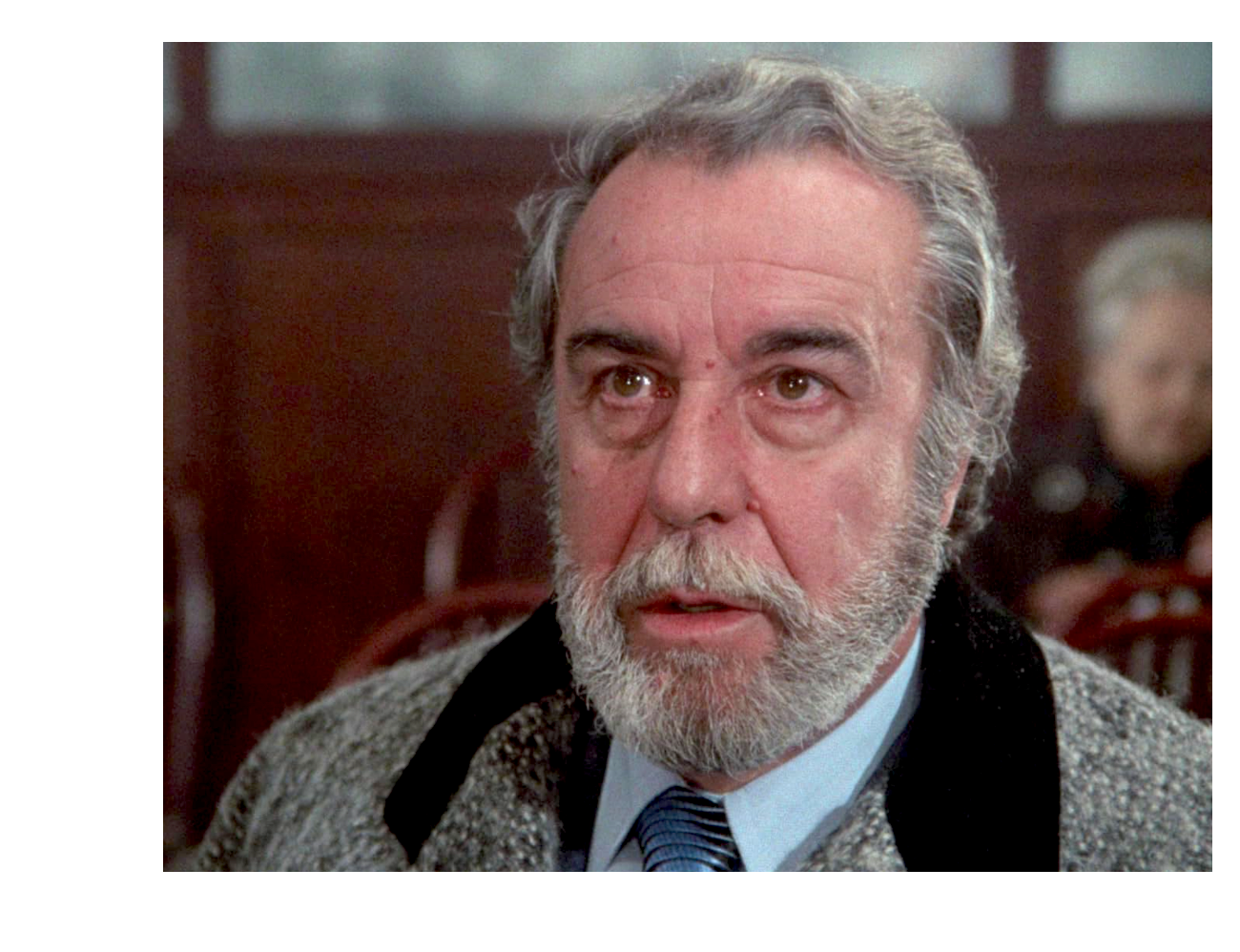
The son of Buñuel is able to film in Madrid, which puts him one up on dad, the Spanish exile. The story has an engaging surface, especially Deneueve’s playful games with her icy screen persona. Another wrinkle is Françoise’s unexplained ability to alter matter and/or create perfect illusions. The storyline also plays the surreal card to generate effects, some of which feel arbitrary. A typical example is an old shoe suddenly appearing on the head of man that everyone thinks is foolish. It seems too logical.
Instead of having a focused point to make, The Woman with Red Boots simply strolls from one effect to another. Despite being accomplished via an excellent visual effect, the final joke is something we see coming from afar … we can’t believe they put it in the trailer. Charming as it is, the film feels like an exercise in style.
Three Lives and Only One Death
1996 / B&W / 1:66 widescreen / Trois vies et une seule mort / 126 min.
Starring: Marcello Mastroianni, Anna Galiena, Marisa Paredes, Melvil Poupaud, Chiara Mastroianni, Arielle Dombasle, Féodor Atkine, Jean-Yves Gautier, Jacques Pieiller, Pierre Bellemare, Smaïn, Lou Castel, Roland Topor, Monique Mélinand, Bastien Vincent.
Cinematography: Laurent Machuel
Production Designer: Luc Chalon
Costume Design: Jeanne Berthon, Monique Perrot, Anne Schotte
Film Editor: Rudolfo Wedeles
Composer: Jorge Arriagada
Written by: Raúl Ruiz, Pascal Bonitzer
Producer: Paulo Branco
Directed by Raúl Ruiz
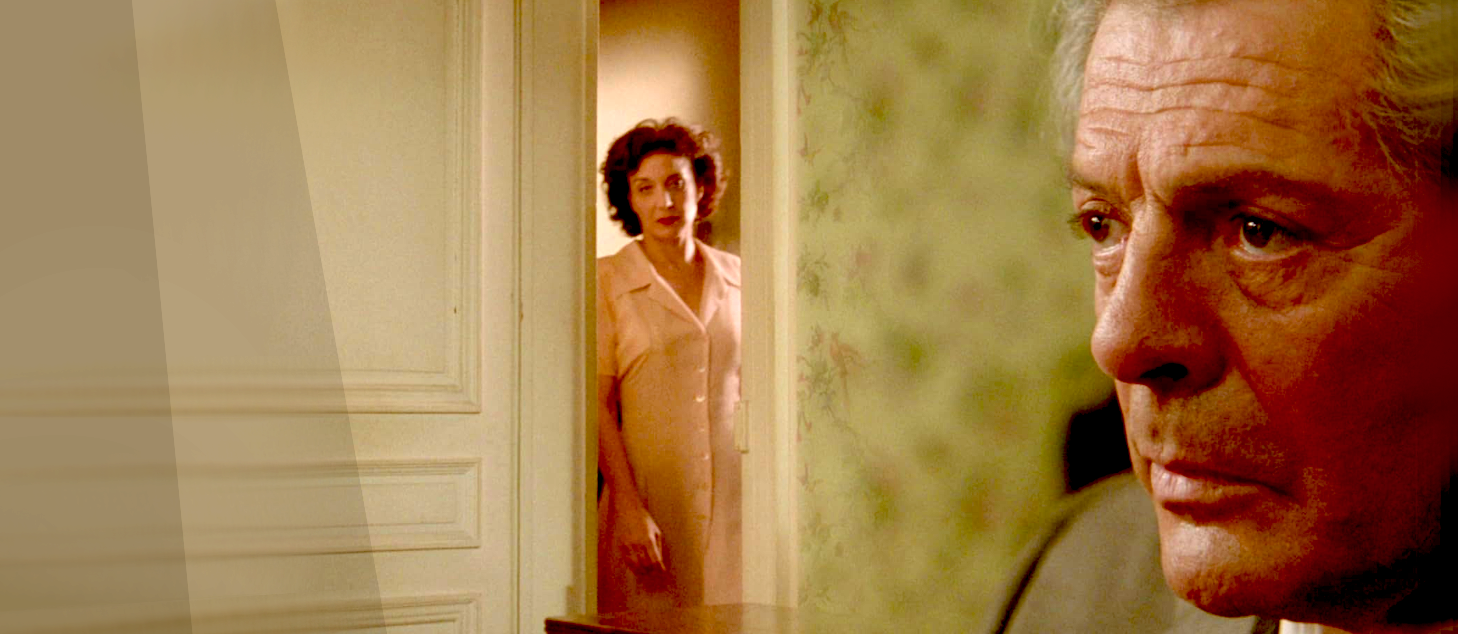
The last picture hails from 1996. It’s by the expatriate director Raúl Ruiz, who fled Chile in 1973 as did the recently-passed Patricio Guzmán. The prolific Ruiz also wrote film theory books, such as Poetics of Cinema. Three Lives and Only One Death pretends at first to be several separate stories starring Marcello Mastroianni … but is soon involved in narrative games that succeed 100%. The mood is both confusing and endearing; not only are the four stories revealed to intertwine, but Mastroianni’s status as multiple people is maintained. In its basics, a man leaves his wife (Marisa Paredes) and returns 20 years later. The cast of characters all end up folding back into the basic timeline. The brisk storytelling style keeps things from bogging down: a friendly narrator is seen at his microphone, guiding us through the changes in location — and identity.
It’s one of the best films of this kind we’ve seen: the Polish The Saragossa Manuscript comes to mind. Director Ruiz is truly skilled and has a tasteful eye; the beautiful Parisian locations don’t hurt. The picture overflows with attractive, odd images, not really surreal, just amusingly bizarre, like insect-winged fairies that some see as little chicks, or a man talking with a hammer imbedded in his skull. One entire sub-pot involves a young couple constantly making love. Their offspring becomes …. one of Mastroianni’s four personae makes a deal …. the child ends up changing families … it’s complicated. Ruiz and co-writer Pascal Bonitzer include elements that we’d expect to be disturbing, as when a murder weapon is passed to Marcello by a version of himself, as a small child.
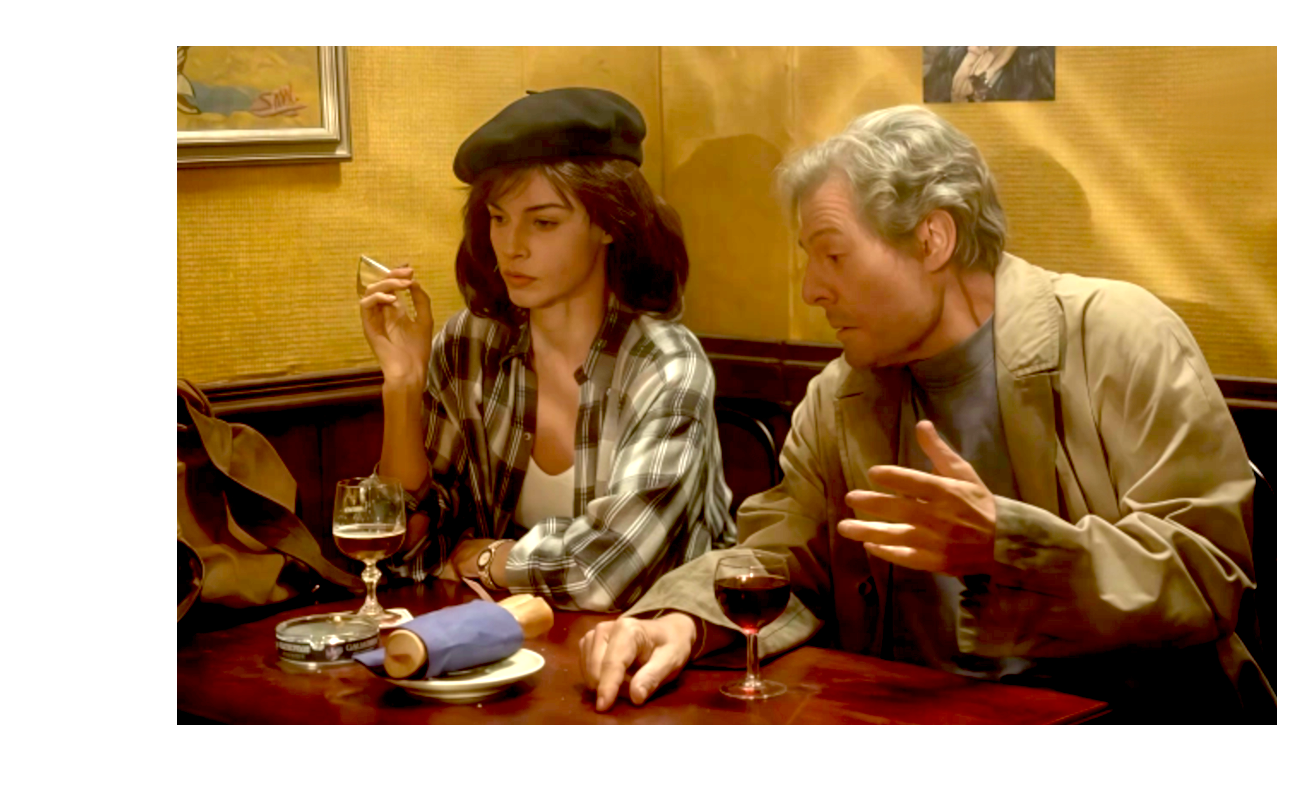
Mastroianni apppears to be having a blast assaying the four roles, a couple of which carry on dual identities. We’d think every shot would have needed a pre-filming discussion on the set, just to make sure which character Marcello is playing at any given moment. The film’s women are also impressive. A very distinct role is played by Chiara Mastroianni, Marcello’s daughter with Catherine Deneuve.
The setup is erratic yet easy to follow. We scarecely notice details like an obviously ‘symbolic’ snake showing up from time to time. Everything seems part of a pleasant pattern, thanks to the Mastroianni character’s essential likeability. We never get tired of him. A couple of these fantastique features bring in musings about death. Three Lives and Only One Death has it right in the title, yet the show never feels morbid. Unlike the cut ‘n’ paste surrealism of the Bunũel picture, the chaos in Ruiz’s vision seems a good expression of the chaos of existence. You never know what will happen in this crazy world, and conventional moral judgments don’t always make sense of it all.
This is Marcello Mastroianni’s penultimate film, as he died seven months after the premiere. He looks happy throughout, as ought one of the greatest lovers of the screen.