
Nobody teased more entertainment mileage out of Hollywood glamour than producer-director Ernst Lubitsch. His solutions to scenes were always so uncomplicated. Our first spectacle is a swarthy garbageman emptying trash into a boat at the edge of a Venetian canal. Then he climbs aboard and SINGS!, turning a grimy tableau into a conventional vision of romantic Italy. The magic never fails. Americans loved it; biographer Scott Eyman says that Mussolini’s authorities thought is a slight on Italian pride.
All of Hollywood considered Ernst Lubitsch the tops in sophisticated entertainment. His filmmaking disciple Billy Wilder worshipped him and emulated his techniques. There really is a ‘Lubitsch touch’ and it oozes from every frame of masterpieces like The Shop Around the Corner, Heaven Can Wait and Trouble in Paradise. Lubitsch’s romantic pictures always included a knowing acceptance of sex. The Hays Code was enforced to curb excesses that don’t seem excessive now, with the result that the sophisticated sexiness of films like this one was discouraged for nigh-on 30 years. Trouble in Paradise is liberated from notions of sin and moral retribution, but has a gentle disposition and a soft spot for human feelings. It’s also uproariously funny from the first frame forward.
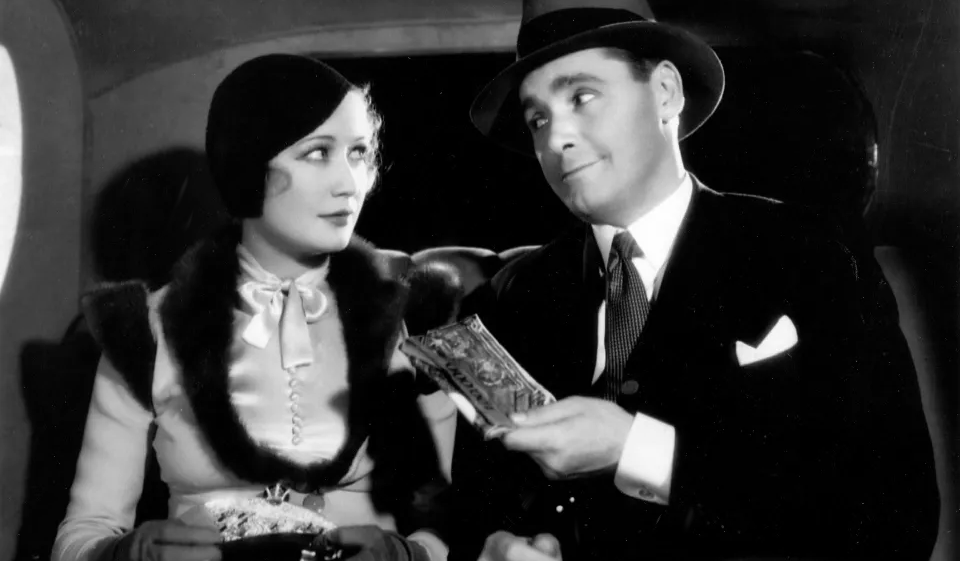
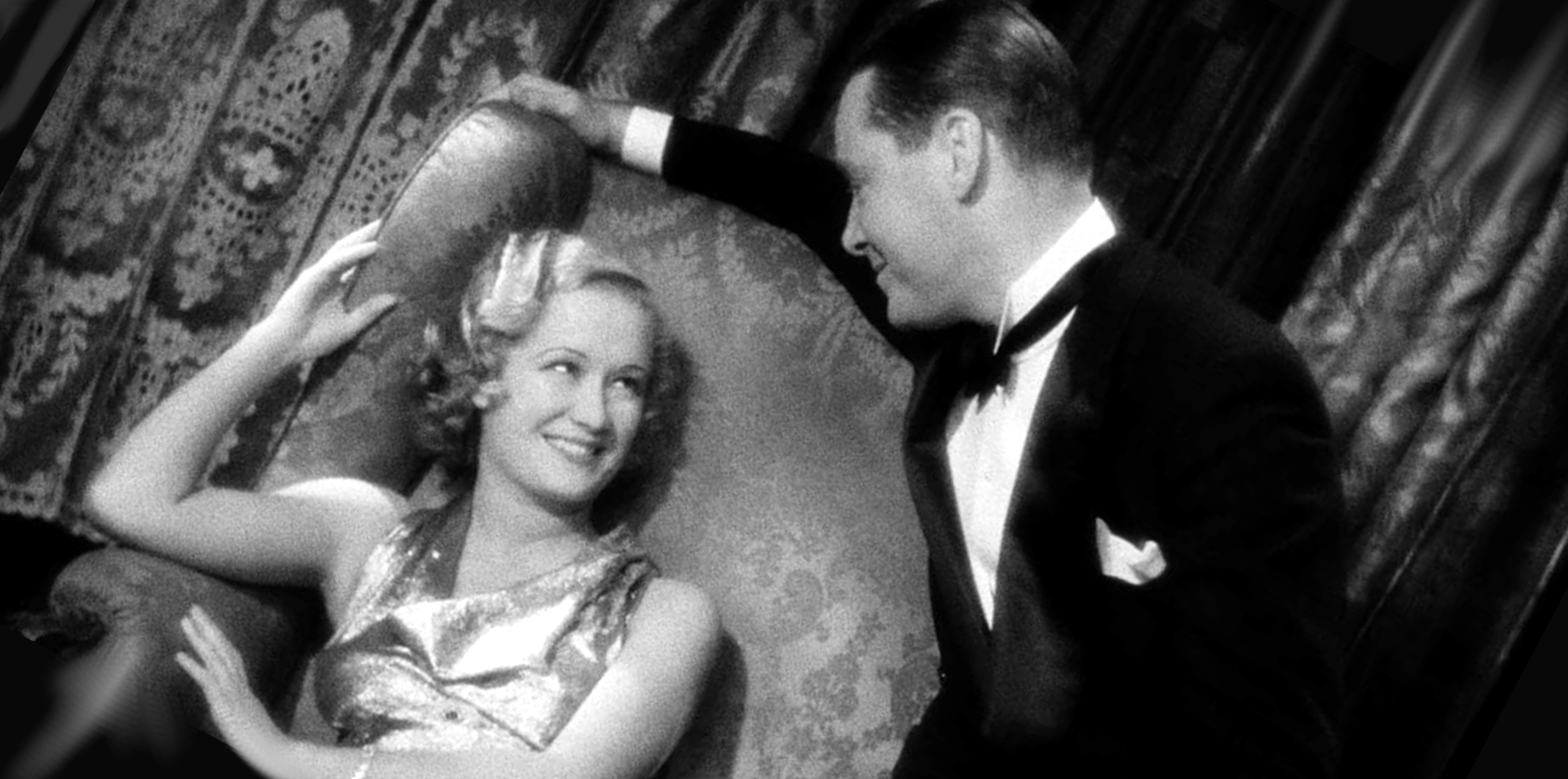
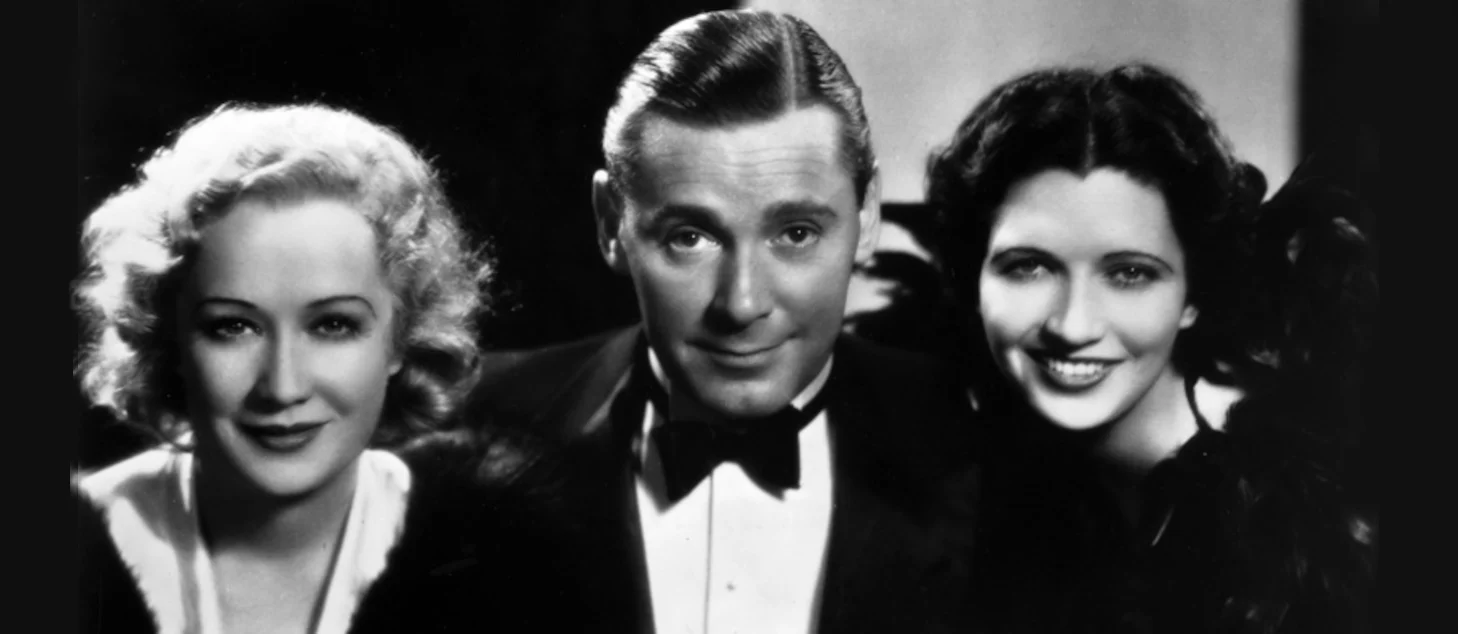
Notorious conman/thief Gaston Monescu (Herbert Marshall) makes a big score in a Venice hotel, and slips away by pretending to be a doctor. He then meets con-woman/pickpocket Lily (Miriam Hopkins), and they prove a perfect match. When Gaston & Lily’s subsequent effort to fleece the rich takes them to Paris and the rich Madame Mariette Colet (Kay Francis), a widow who owns a famous perfume company. Gaston charms the great lady, and gets the job as her personal secretary. Lily poses as his clerk, and together they wait for the Colet safe to yield a maximum take. But complications ensue. The Colet board chairman Giron (C. Aubrey Smith) is suspicious of Gaston’s control over the boss’s decisions. Mariette has two competitive, snooty suitors, François Filiba and The Major (Edward Everett Horton and Charles Ruggles). Filiba was the patsy in Venice and might recognize Gaston. Much to Lily’s alarm, it looks as if Gaston and Mariette might be falling in love. How can two honest crooks trust each other?
The charming thieves Lily and Gaston are an only-in-the-movies fantasy couple who wear fancy clothes to hoodwink the rich. To them, low-down larceny is an art, a philosophy. They have a love of life and of fooling people, especially each other. Their running gag of constantly confessing to have stolen things from each other is Lubitsch’s substitute for sex foreplay. When Gaston tells Lily that he’s filched her garter, the expression on her face is priceless.
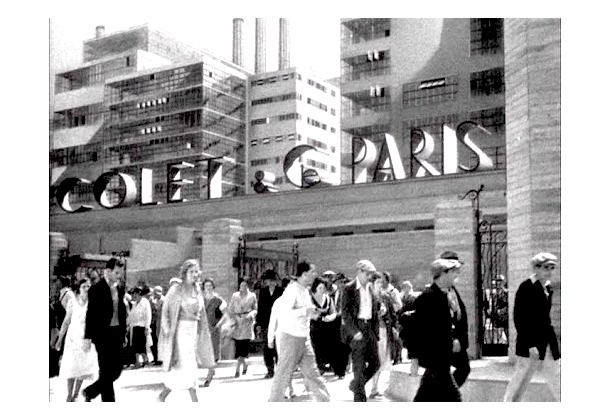
Lubitsch’s Europe is a fantasyland where cultured crooks rob elites that can easily do without their treasures. Suave beyond words, Gaston sweeps all of Madame Colet’s problems aside, and quickly installs himself in her confidence. Ace screenwriter Samson Raphaelson makes frequent references to the depression, while chiding the idle rich and white-telephone romances in general. One of the film’s few exteriors is that Venetian canal with its soulful garbage man, and even that is a handsome interior set. The offices of Colet Perfumes is done up in high Art Deco style; the wide shots of both a Venetian hotel and the Colet factory are complex miniatures.
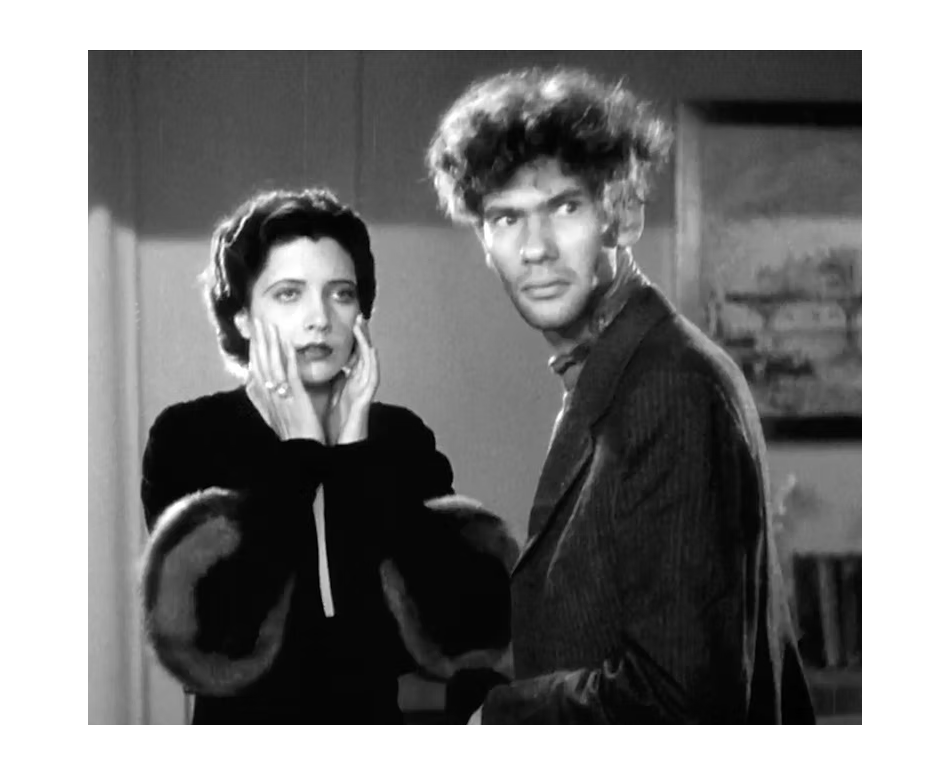
The script’s put-down of communism is more rudely effective than all of the later Cold War scare pictures put together: an unkempt Trotskyite loudmouth (Leonid Kinskey of Casablanca) invades Mariette’s home to lecture her on her capitalist sins: “Phooey!” To put audiences on the side of millionairess Madame Colet, we see her vetoing her board chairman’s plan to use the depression as an excuse to slash wages. We wonder if Paramount insisted that their employees take pay cuts, as happened at at least one other studio.
The comedy is sublime, on both verbal and visual levels. Little of the dialogue has become dated. It’s all spoken in that kind of mid-Atlantic lounge smoothness invented by American movies to appear European. Instead of simple jokes, the humor comes from exchanges that build in double entendre, as pungent lines bounce back and forth like a tennis match. Sometimes the joke is in the cadence of the delivery.
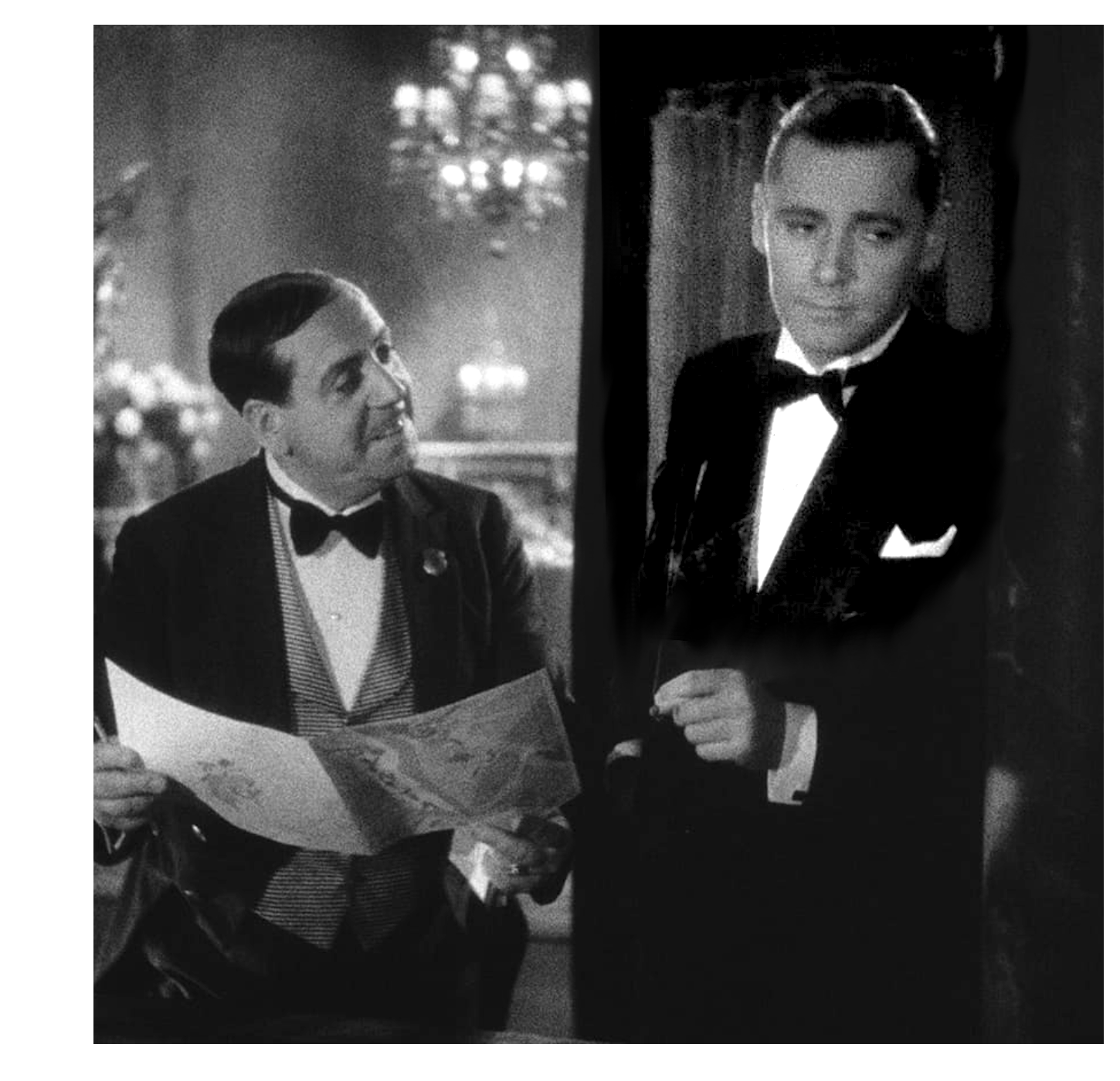
Gaston: “I want everything about the dinner to be perfect.”
Waiter, enthused: “Yes, signor.”
Gaston: “That moon. I want to see that moon in the champagne.”
Waiter, enthused: “Yes, signor.”
Gaston: “And you, waiter. You I don’t want to see at all.”
Waiter, down-hearted: “Yes, signor.”
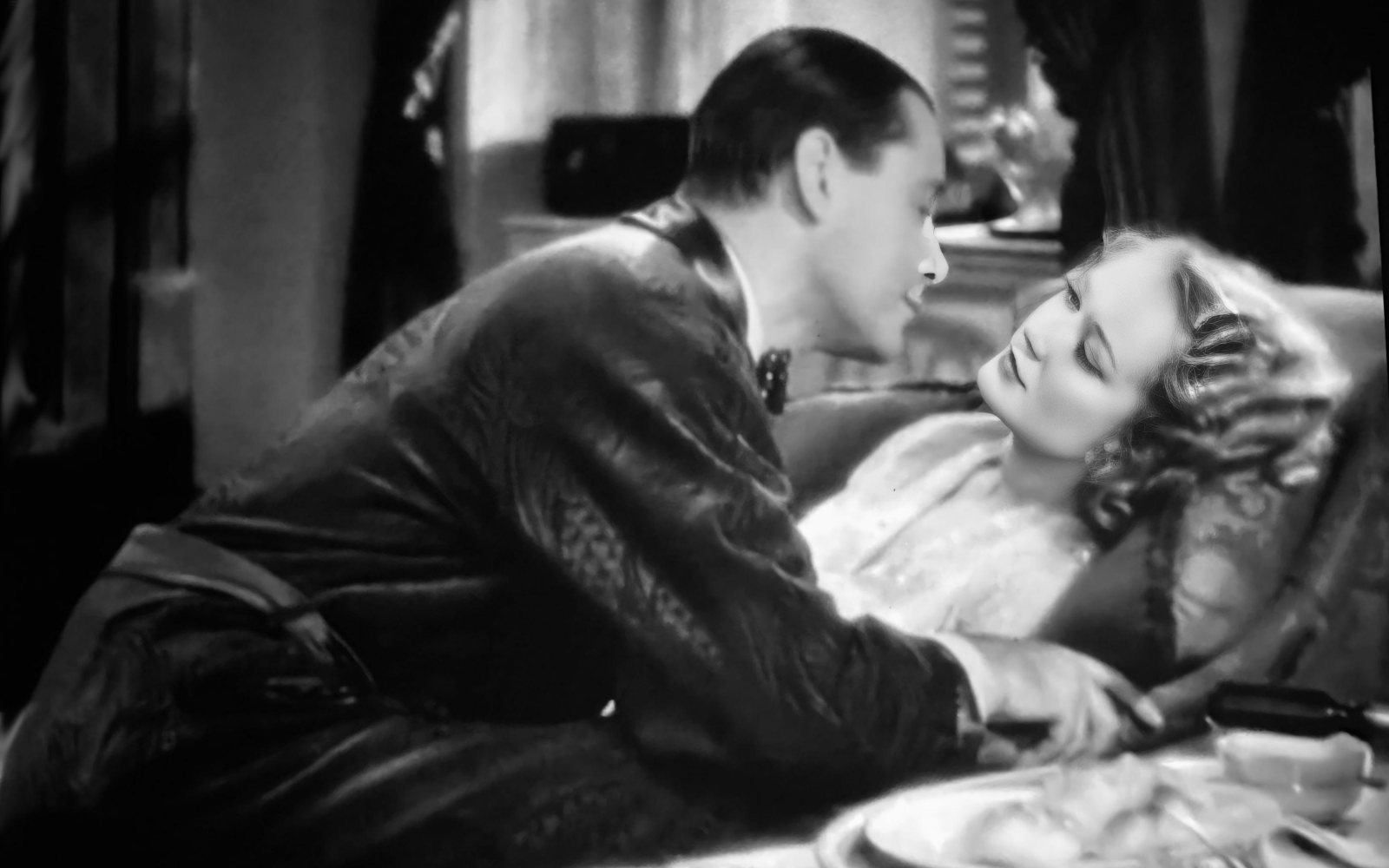
Lubitsch doesn’t overdo his visual jokes, although he does punctuate scenes with shots of Gaston running madly up and down Mariette Colet’s staircase. The killer moment for cinematic cleverness comes when Gaston finally corners Madame Colet in an embrace, and purrs in her ear. Their love will last for days, weeks, years, he assures her. With each word we pop closer and closer to the bed, with the final setup framing their silhouetted shadows on a silk pillow. Prosperity is like sex — both are ‘just around the corner.’
We often hear the opinion that films were sexier when sex couldn’t be blatantly shown, and had to be implied instead. 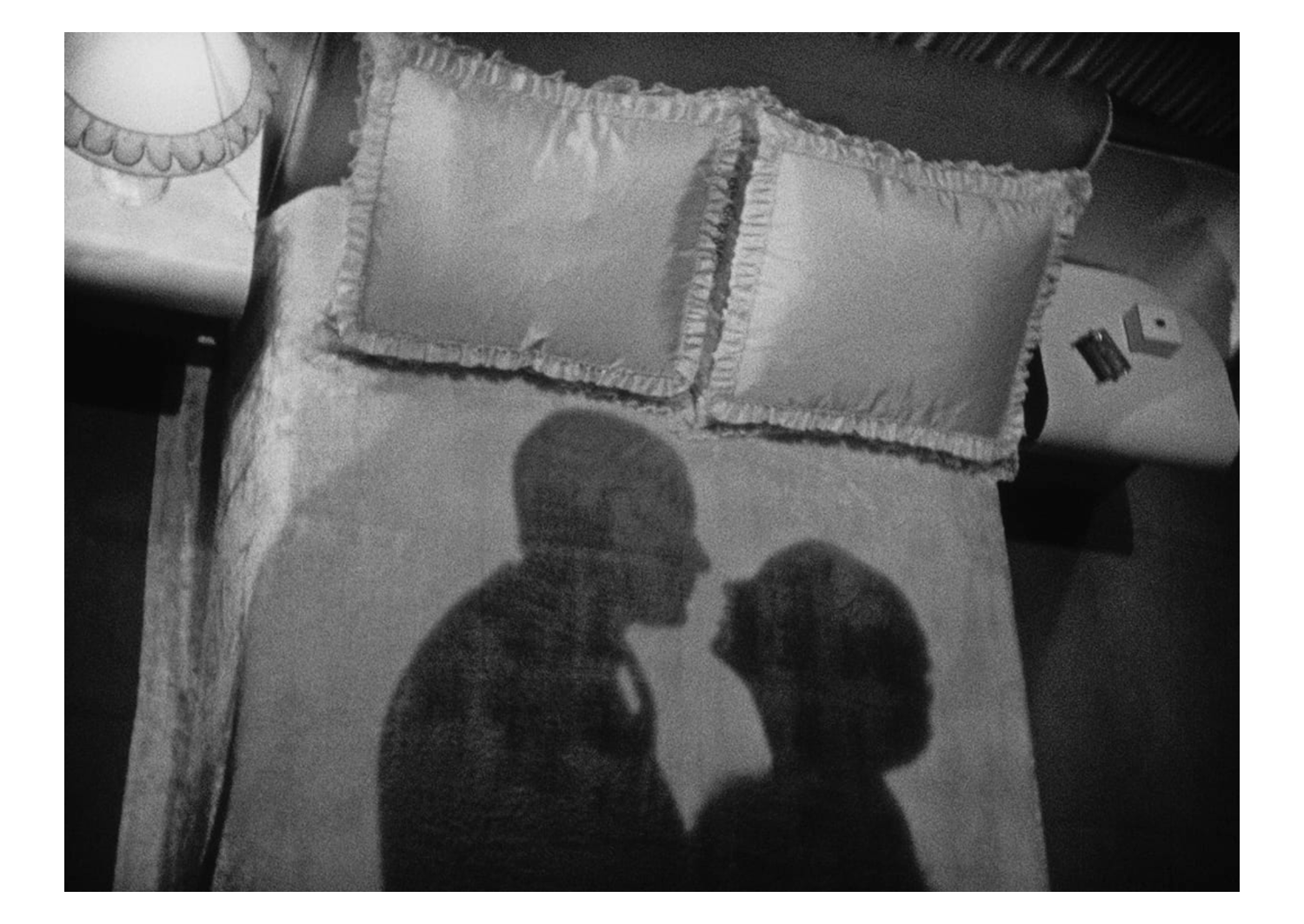 Lubitsch implies everything, not just the sex. We’re more certain of who wants to sleep with whom, than who has actually been with who. We also never actually see anybody steal anything. Lily and Gaston are shown returning many a filched item to one another, but the acts of theft aren’t shown. A shadow retreats from the window of the unconscious Filiba. In the next scene, a hotel waiter pulls an errant ivy leaf from Gaston’s coat. It’s all we need to establish Gaston’s cat-burglar credentials: he is the crook, but his mind is on love, not crime. Trouble in Paradise is about the elusive sting of romance that can touch anyone, even the most ruthless thief in Europe.
Lubitsch’s direction is elegant, but never self-consciously clever. The action has an effortless quality, and some scenes follow a symmetrical pattern. By spying through a window. Gaston repeatedly finds Lily on the opposite side of the Colet manse where she doesn’t belong. The first and the last act share scenes in which the camera pivots around a building, choosing the next window to peek into. Lily and Gaston’s pickpocketing ‘meet cute’ is mirrored in the last scene.
Those who have only seen Miriam Hopkins in her later roles as an old crone ( The Chase, The Children’s Hour) will be surprised by her vivacious allure. The same goes for Herbert Marshall, the kind of guy incapable of sweating. Doing more with less, he projects a half-dreamy reverie, while remaining a calculating conman inside. Herbert Marshall had only one leg, which explains his deliberate gait, and the slightly stilted ‘launch’ when he starts moving in any particular direction. If you see him take more than two steps, it’s an unusual shot. Marshall is doubled for the many shots of Gaston running up and down the Colet staircase. His strain to walk smoothly is much more pronounced in later pictures, like 1958’s The Fly.

This was Kay Francis’s last picture before moving from Paramount to Warners. She would become a top box office attraction, enjoying a long line of star vehicles ( Mandalay, Stolen Holiday). But the moguls could be merciless with their leading lady moneymakers. They eventually cut her free and assigned her sentimental shows to others, like the less expensive actress Bette Davis. Lubitsch’s film may be Ms. Francis’s most prestigious. Her pearly smile steals the show while she delivers naughty dialogue:
Madame Colet: “Where does a lady put her jewelry in a gentleman’s bedroom?”
Gaston, unsure: “Uh, on the night table.”
Madame Colet: “But I don’t want to be a lady.”
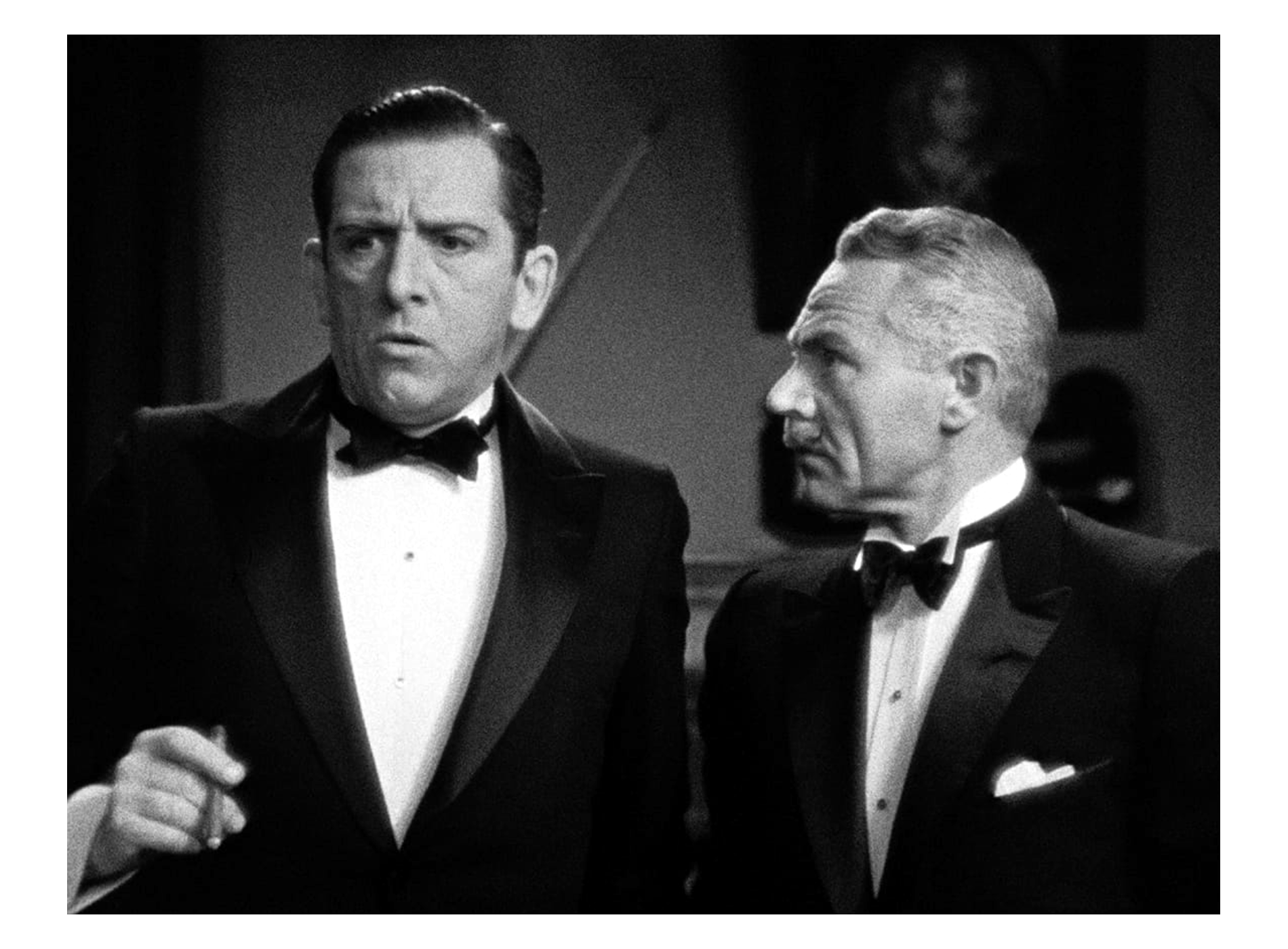
We especially appreciate Charles Ruggles and Edward Everett Horton as Madame Colet’s unsuccessful suitors. Neither is playing his normal exaggerated self — Horton is a nerve-addled dullard, and Ruggles does a lot of sitting still and staring, as if trying to overcome a sense of personal irrelevance. Herbert Marshall’s effortless charm erases them like a steamroller.
Raphaelson and Lubitsch manage to turn every plot twist in an unexpected direction. Caught red-handed both as a thief and a two-timing lover, Gaston’s sincerity wins Mariette’s heart just the same. Because Gaston has proven where his affections really lie, the jealous Lily has no bitterness. And she has her rival’s jewels to prove it.
Billy Wilder modeled much of his filmography after Ernst Lubitsch, and Trouble in Paradise shows why he often sourced middle European theatrical farces by playwrights like Ferenc Molnar. Wilder must have taken special note of one particular moment, an entire scene in which Lily vacillates between two frames of mind. While humming a happy tune, she suddenly waxes anxious over doubts that Gaston is being honest with her. She hums some more, and then pauses and broods some more. Aided by the playful music score, the contrasting emotions wash over Lily’s face like light and shadow. One person watching Trouble in Paradise will smile, two will chuckle, and audiences soon join in the fun wholesale.