
In the middle 1970s Pal was honored with a special FILMEX presentation of some of his Puppetoons. He attended the special Century City function and was visibly moved by the appreciation of the enthusiastic crowd. I saw and talked to him briefly at the FILMEX exhibition of models from his movies. He was exactly as described to me by others — friendly, open, funny.
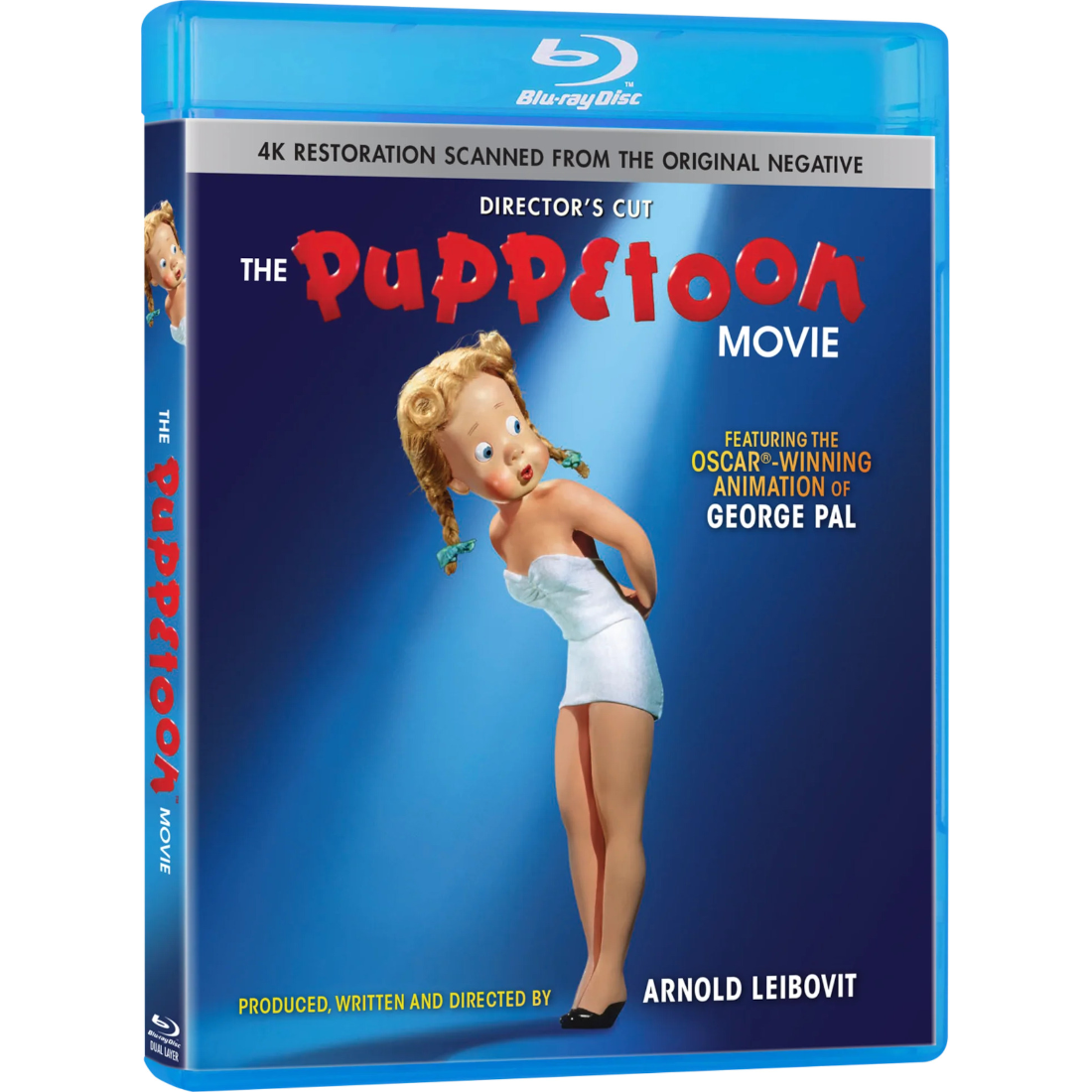
This week we have the fun of revisiting a video celebration of George Pal’s famous stop-motion animated films, in Arnold Leibovit’s The Puppetoon Movie Director’s Cut. It reminds us of the ‘specialness’ of Pal’s creations, and of Pal himself.

Most everyone who spent any time with George Pal emphasized the very sweetness of the man — in my case, the late Sci-fi fans Bill Warren, Mike Hyatt and Ted Newsom. My generation learned to love Pal through his colorful space movies that launched the ’50s Sci-Fi boom and contributed several of its biggest hits. Older fans were first charmed by his earlier Puppetoon creations, elaborate ‘trickfilm’ extravaganzas.
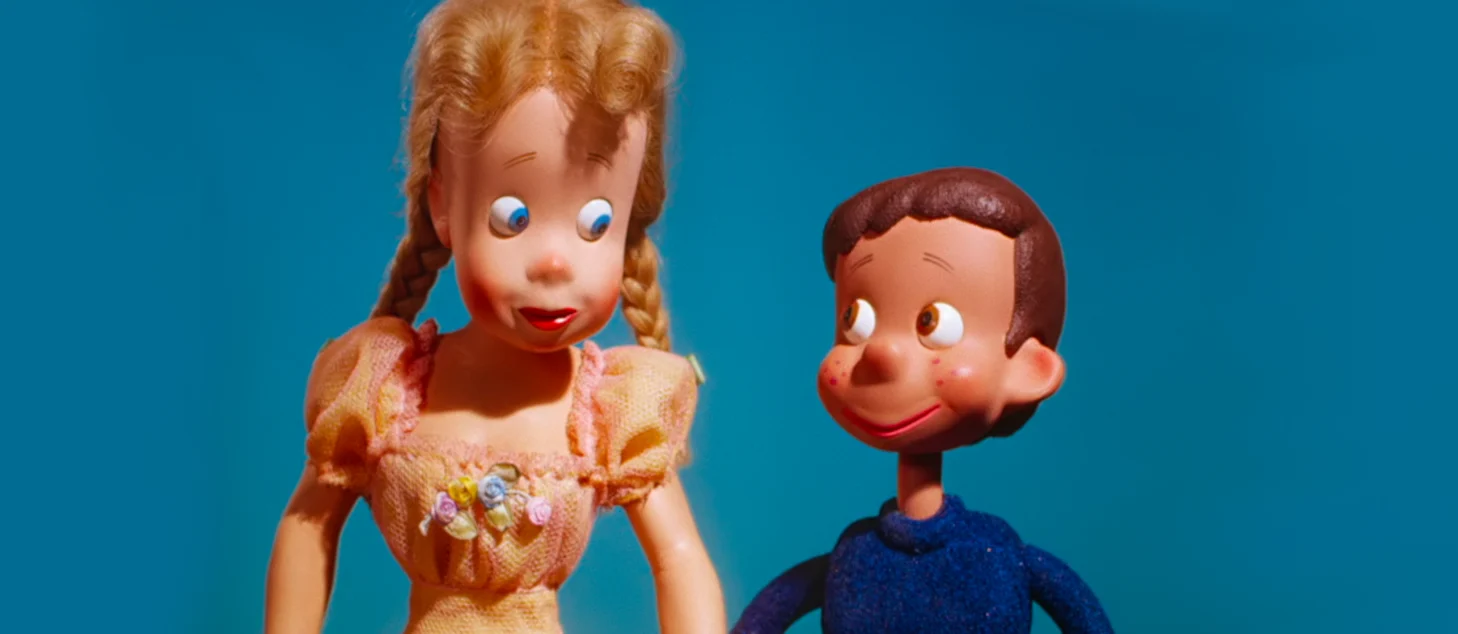
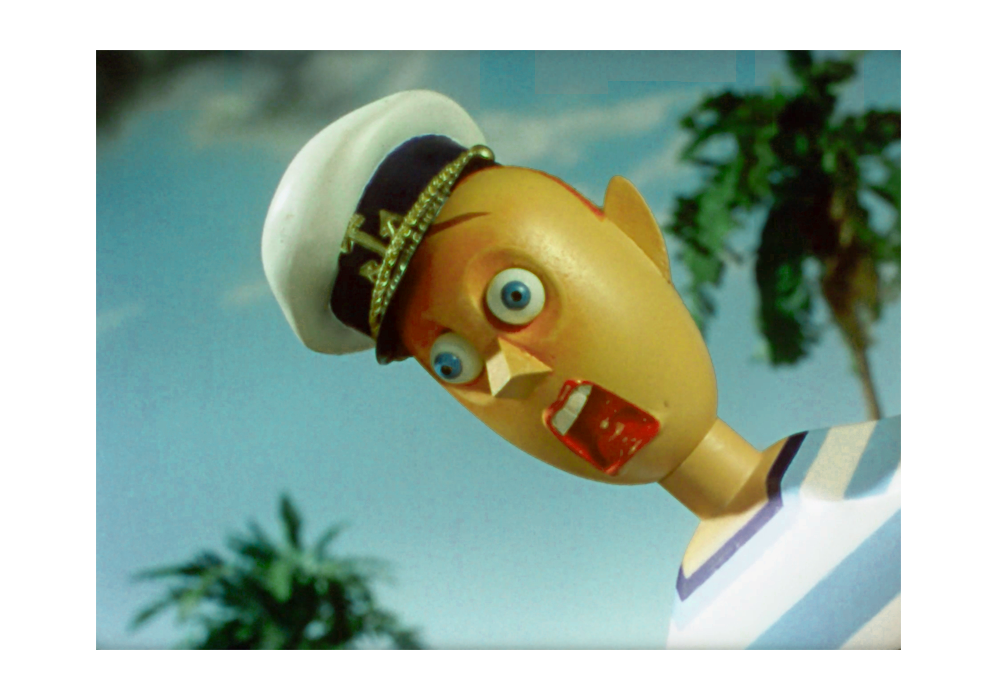
In 1930s Europe, Pal’s name as an animator was almost as well known as Walt Disney. Although he used a full range of visual effects, Pal’s specialty was ‘replacement animation.’ Instead of malleable rubber puppets, Pal’s animators used beautifully carved and lacquered puppets with interchangeable wooden parts. By swapping out sets of arms and legs, his characters could perform complete walk cycles, and shift to a variety of facial expressions.
Hungarian György Pál Marczincsak went right from college into film work. By age 25, he had his own trickfilm animation company and had made pictures in several European capitols. Always a step ahead of the Germans, Pal spent two successful years in London before coming to the United States in 1940 to work for Paramount Pictures. He was welcomed and befriended by many in the often-contentious Hollywood animation community, even the competitive Walt Disney. Working for Pal as young animators were later greats Bob Baker, Wah Ming Chang, Ray Harryhausen, Phil Kellison, Pete Kleinow, and Gene Warren. In just a couple of years his Technicolor Paramount Puppetoons were an established hit
His best known ‘toons were a series of wildly imaginative Jasper Puppetoons, about a happy little black kid repeatedly tempted by a miscreant scarecrow. The cartoon included here, Jasper in a Jam, is a mini-masterpiece that features the music of Charlie Barnet and Peggy Lee. The Jasper shorts played regularly on television until the 1970s, unfortunately for us, usually in B&W. Around 1970, they were quietly retired, along with other cartoons that featured racial stereotypes.
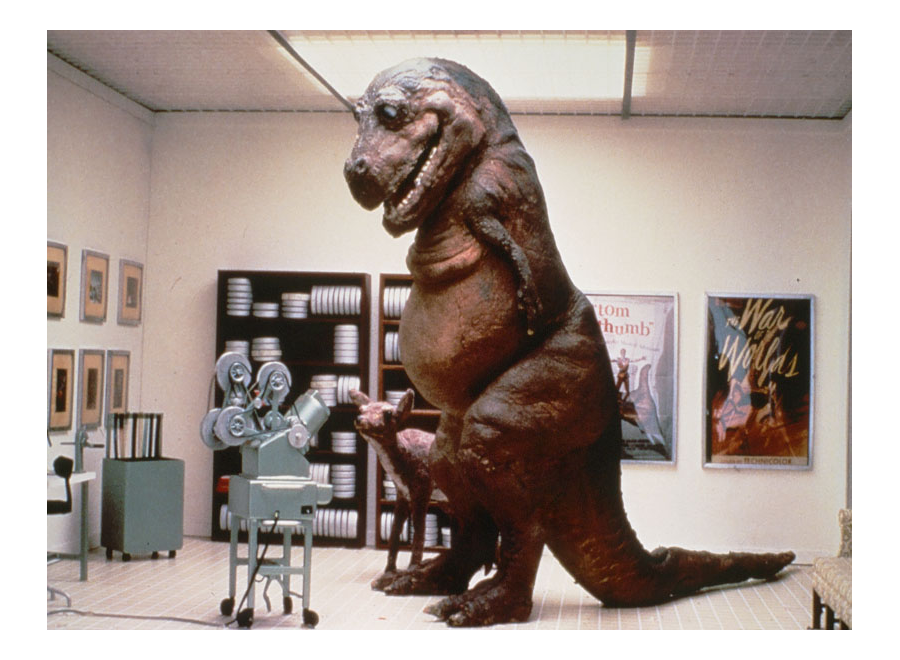
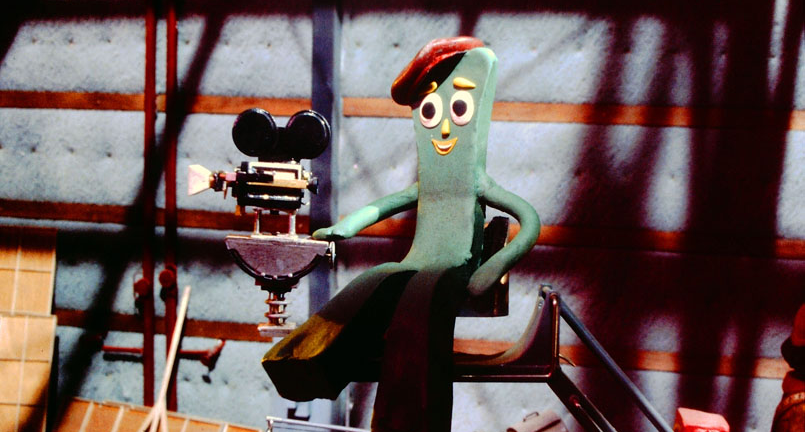
The Puppetoon Movie (1987) is a handsome grouping of original Pal Puppetoons that include several nominated for Oscars. The toons are bookended by Arnold Leibovit’s new animated prologue and epilogue. Animated by Peter Kleinow, the bookends show the familiar Art Clokey characters Gumby and Pokey the Horse filming a movie; an animated Tyrannosaurus Rex is too meek to threaten a little fawn. To assure the meek dinosaur that it’s all make-believe, Gumby takes him to an editing room (with an incredibly well-made miniature Moviola) and screens the Pal short subjects. Paul Frees is one of the voice talents heard on the soundtrack.
Some of the Puppetoons are visually elegant and others look like the contents of an antique toy box come to life. The stories aren’t complex, but tend to be different than those found in flat-animated cartoons — part of the thrill is seeing everything happen in such smooth stop-motion animation. With Paramount’s blessing, popular songs and performers appear; like many Europeans, Pal was enamored of the music of black jazz performers.
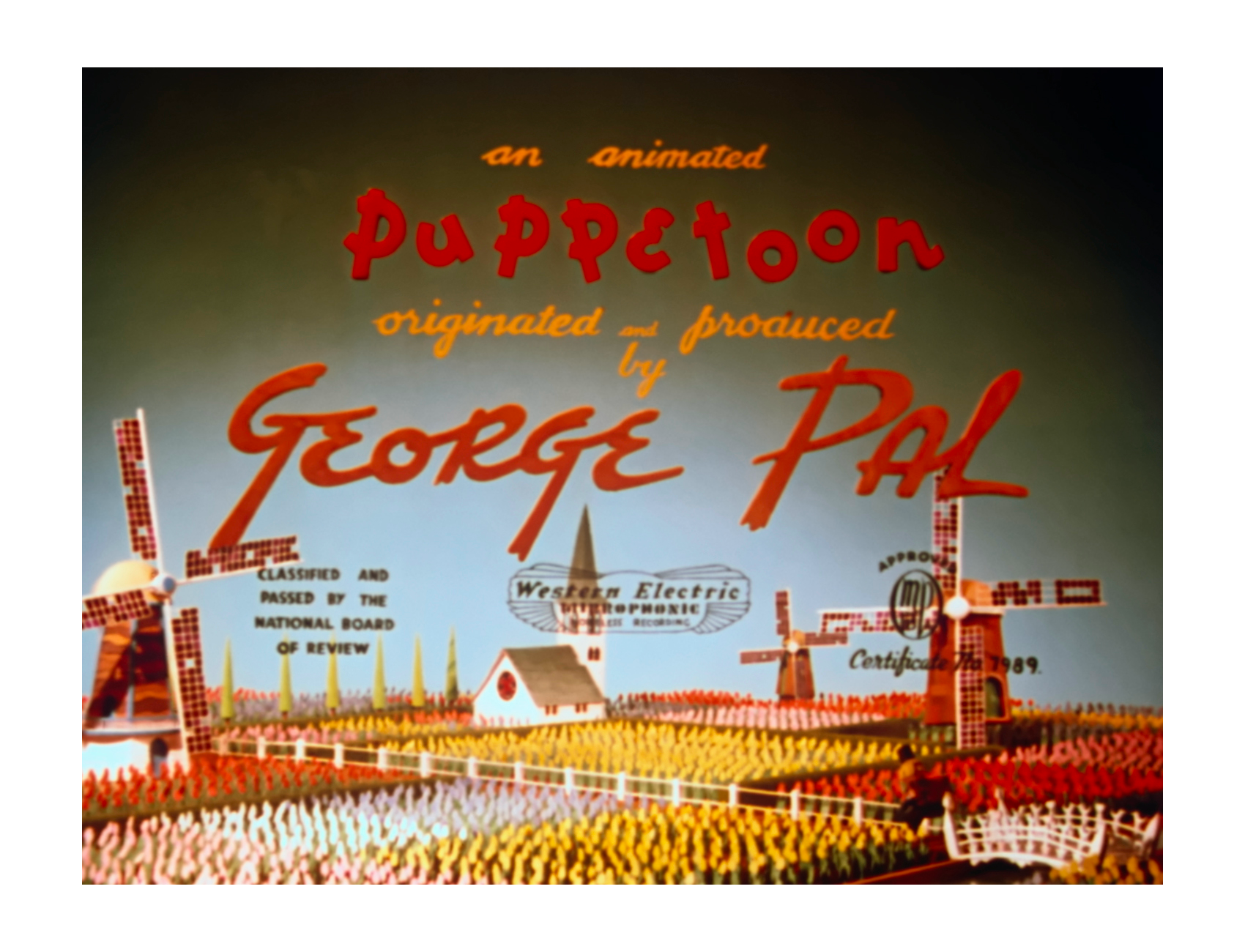
The selection of ‘toons covers a nice range of material, featuring Pal’s work from Europe and Hollywood, filmed in different styles. The titles for Tulips Shall Grow brand it as a ‘Madcap Models’ short, not a Puppetoon. It is the famous anti-Nazi picture showing the (wished-for) defeat of the ‘screwball’ army — soldiers that are literal balls with bolts for heads.
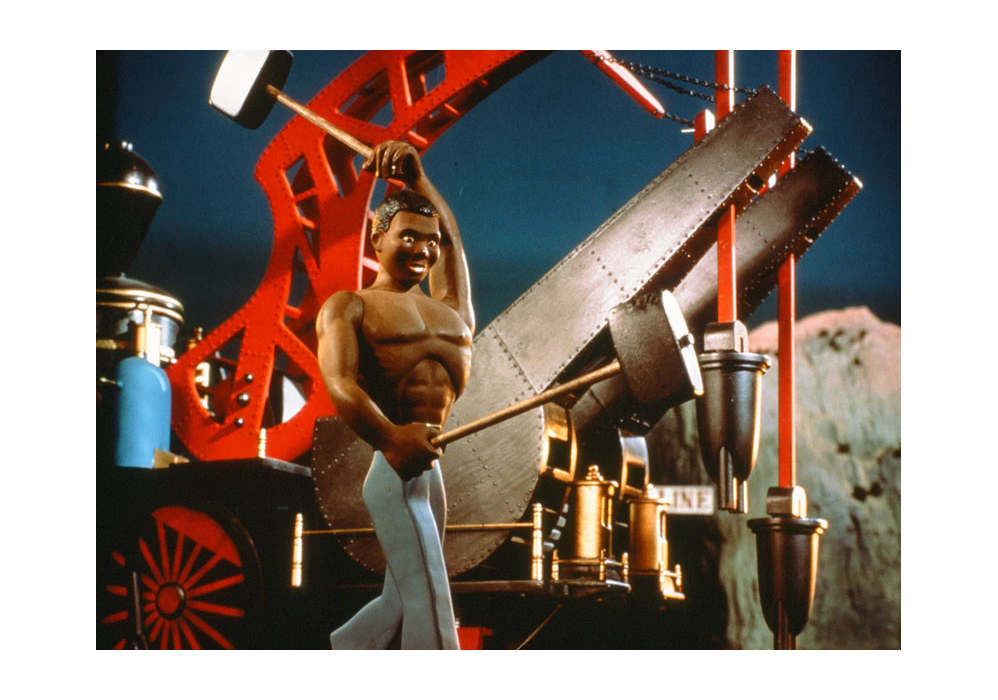
The earliest full Puppetoon here appears to be South Seas Sweethearts. We’re told that John Henry and the Inky-Poo was filmed in response to charges of racial stereotyping. John Henry is a massive muscular railroad worker who defeats a mechanical track-laying machine in a spike-driving contest; the excellent narration is by Rex Ingram. Even when lauded in heroic terms, the black rail workman now seems just another kind of stereotype. We’re told that the last official Paramount Puppetoon was Tubby the Tuba, which become one of the more popular short subjects screened in primary schools. Its narration is by Victor Jory.
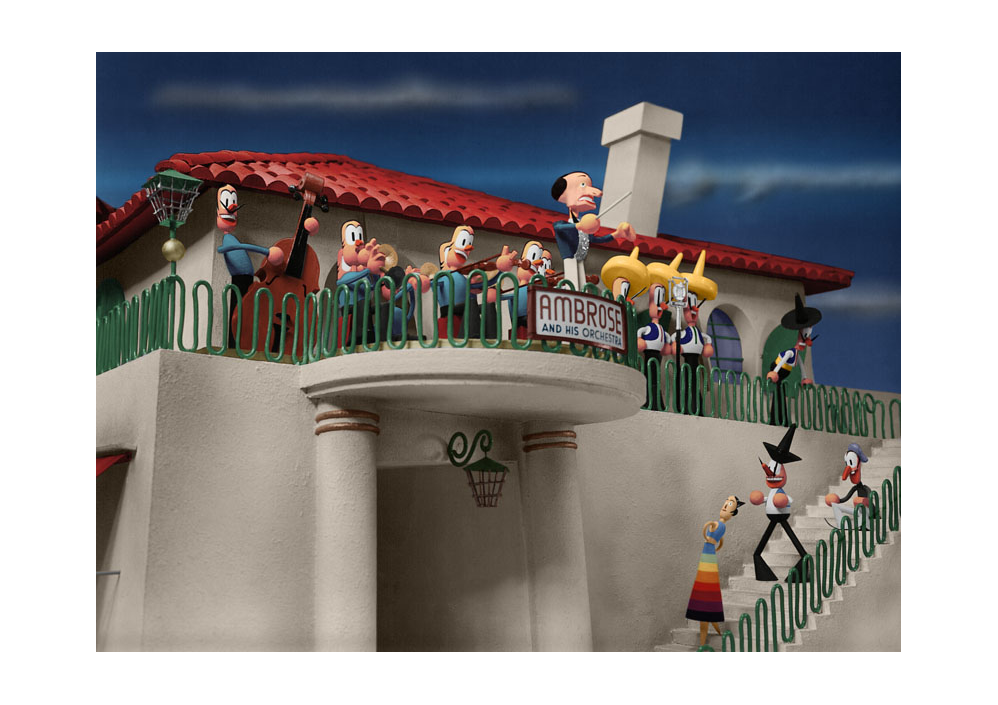
The titles for Phillips Cavalcade begins with a portrait of a lady (a puppet) in a cameo — which makes us think it’s meant to spoof the logo for England’s Gainsborough Pictures. The six-minute show is a roundabout advertisement for Phillips radios, a frequent sponsor of Pal’s animations.
Besides animator Peter Kleinow, the show’s elaborate bookend sequences employ many stop-motion and effects notables from the pre-digital years: Charles and Stephen Chiodo, Ernest D. Farino, Michael Minor, Harry Walton, Gene Warren Jr..
The show ends with Pal’s creations (and some other animated friends) coming together to honor him. It’s a little bit like the conclusion of Pal’s own The Wonderful World of the Brothers Grimm.
I was at that FILMEX screening of Puppetoon shorts where George Pal made an appearance at the end. While most FILMEX screenings were held at the new Century City theaters, this one had to be moved to another older theater in West LA or Santa Monica (I can’t remember which) that was certified by the fire marshal to screen nitrate prints. It was well worth it. The technicolor prints looked beautiful.
Thanks so much for the news that The Puppetoon Movie is on Blu-ray! Equal appreciation is extended for your uplifting review.