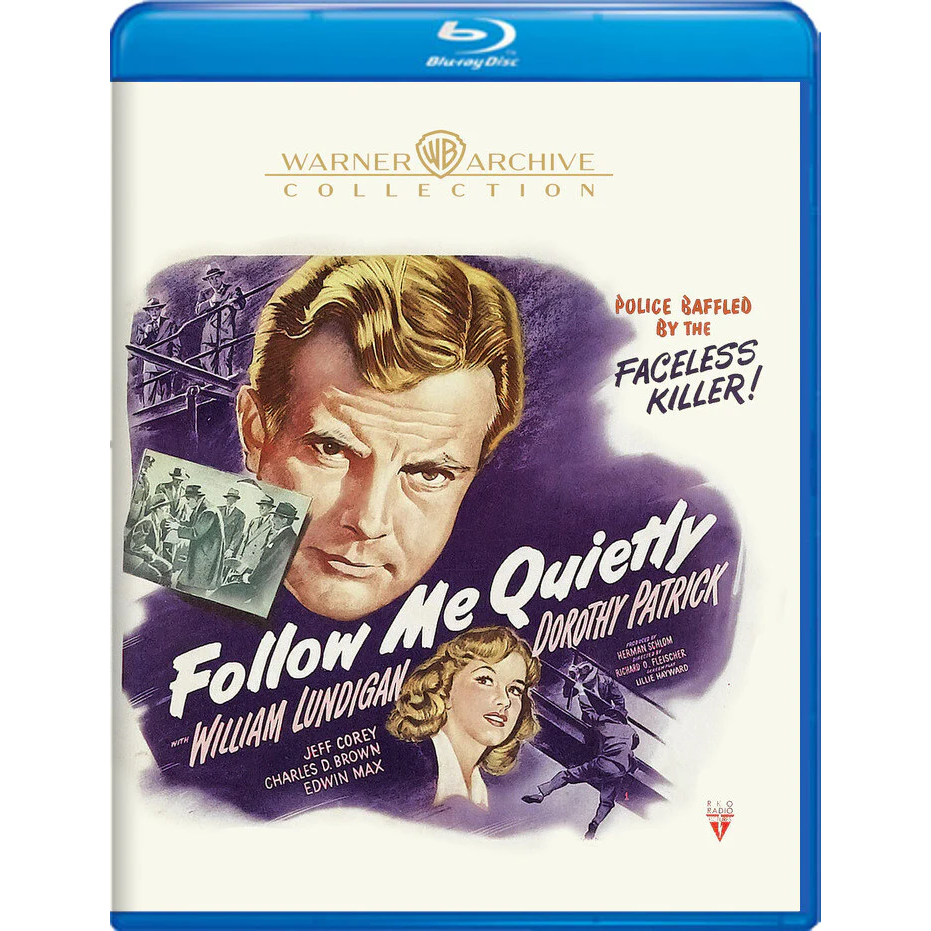

Fledgling director Richard Fleischer was just getting career traction at RKO when Howard Hughes bought the studio, fired half of its employees, and threw everything into chaos. That made it even more essential for Fleischer to score big with Follow Me Quietly, the first film to be produced under the Hughes reign.
The only genre Hughes consistently kept in production were gritty crime thrillers, perhaps because RKO’s biggest star Robert Mitchum excelled in them. Follow me Quietly had no stars and no production values to speak of. All it had to recommend it was a story idea with a ‘hook’ that people would remember. One of the story writers was Anthony Mann, the then-reigning champion of inspired tough crime thrillers. Mann’s name on the credits would result in critics forever suggesting that the director of T-Men might be the one really responsible for Richard Fleischer’s success.
At just over an hour in duration Follow Me Quietly certainly qualifies as a classic ‘B’ picture. Howard Hughes’ idea to save a buck sent a tiny Short Subjects crew to film a crime show on the streets of New York, The Tattooed Stranger. It enjoyed the benefit of authentic locations, but Fleischer had to generate a realistic thriller using the same standing sets seen in RKO pictures since the 1930s.
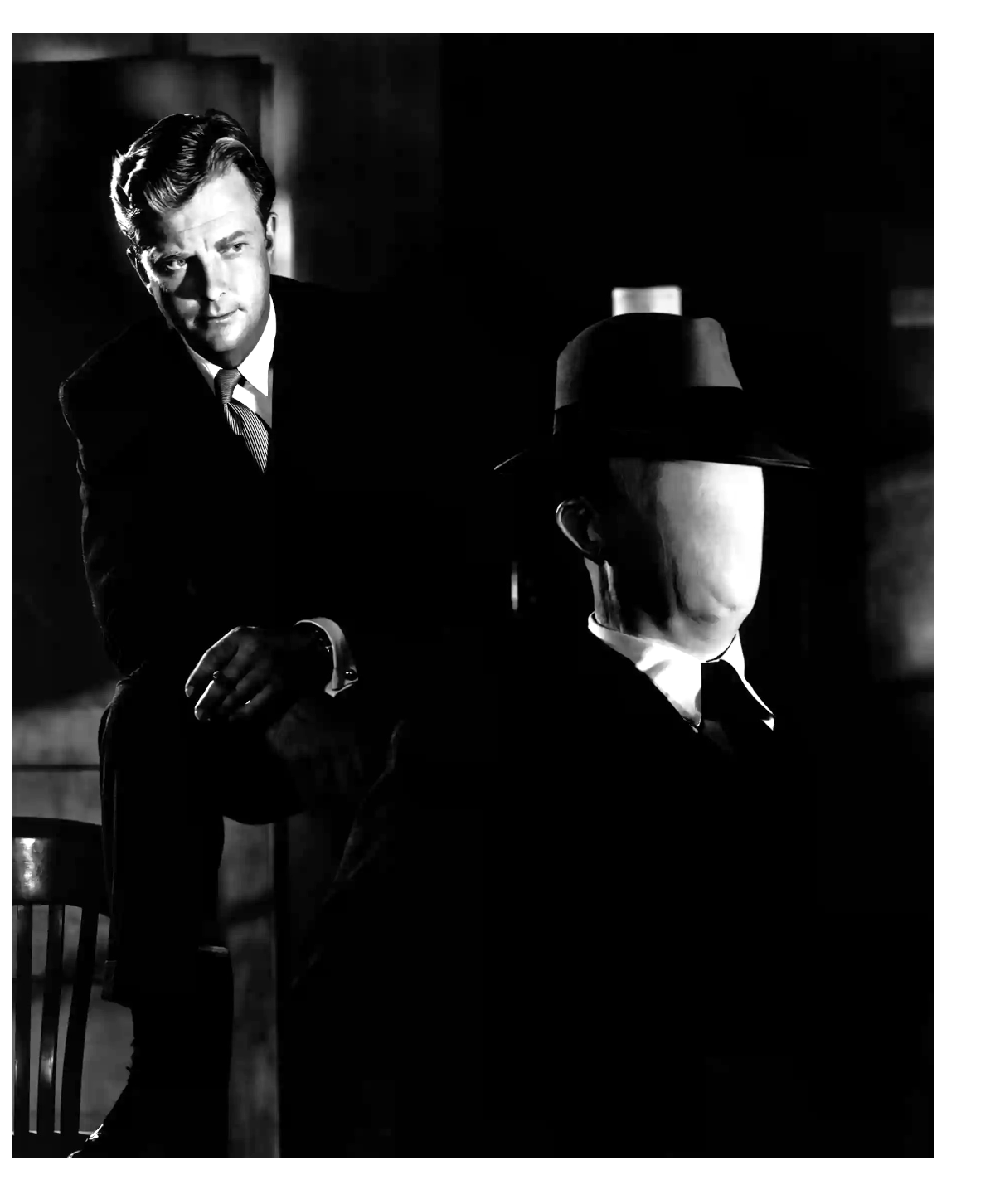
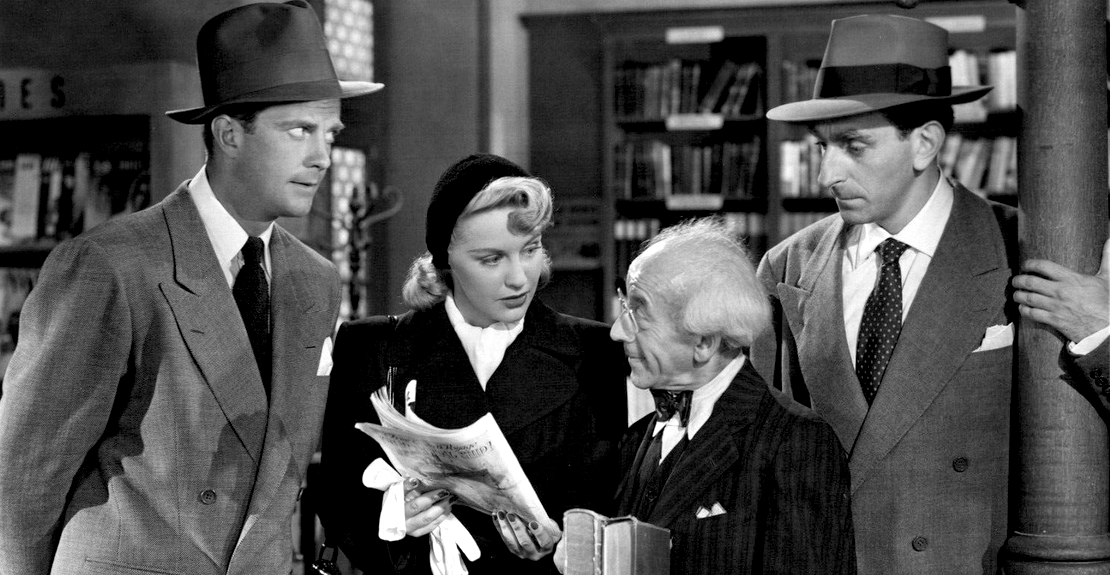
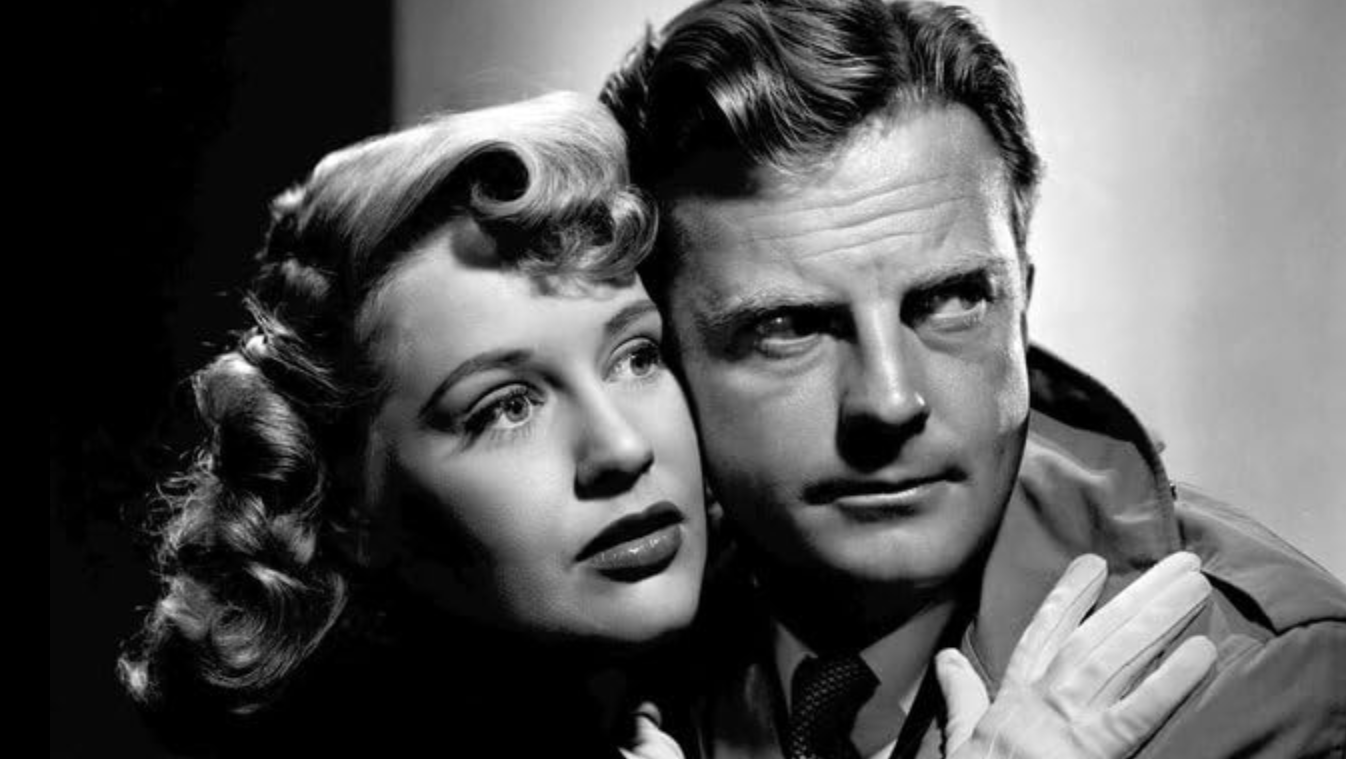
Follow Me Quietly could be a prototype for the serial killer / police procedural suspense thrillers of the 1990s. Detective Lieutenant Harry Grant (William Lundigan) and his partner Sgt. Collins (Jeff Corey) are getting nowhere tracking down ‘The Judge,’ a maniac who murders only when it rains, leaves no clues and sends demented messages to the police. Told to be ‘more imaginative,’ Harry fabricates a life-sized dummy of The Judge, incorporating everything known about the mystery killer. It’s used in line-ups and its photo is circulated to encourage possible witnesses. Persistent reporter Ann Gorman (Dorothy Patrick) hounds Harry to secure an exclusive story on The Judge, forming a relationship that’s as much a flirtation as it is professional. Her knowledge of how pulp magazines are circulated gives Harry the clue that tightens the dragnet on the mysterious killer.
Director Fleischer was able to work without too much interference, presumably with a crew eager to keep their jobs. A few months later, the meddling Howard Hughes would be micro-managing the studio’s movies, ordering extensive re-shoots and sometimes shelving projects for years. Follow Me Quietly began with an Anthony Mann story idea recovered from the RKO files, and the finished script is none too polished. Stuck in charge of a horrible crime spree, Lt. Harry Grant seems more inconvenienced than obsessed, and spends less time investigating than he does engaging in cutesy banter with the amusingly forward Ann, who argues that it’s her journalistic right to crash a murder investigation.
Ann isn’t exactly a good example of ethical newsgathering. She demonstrates her professional commitment by breaking into Harry’s apartment to wait for him on his sofa, wearing an attractive dress. After agreeing in writing not to publish anything without Harry’s approval, Ann publicizes the existence of the Judge-mannequin, potentially harming the investigation. But it doesn’t matter … Harry has changed his mind, and Ann practically joins Sgt. Collins as an active investigator.
Tyro director Richard Fleischer remembered being left to his own devices to make the movie work. It is a beautiful job of direction, efficient and stylish. The camera observes rainy sidewalks as potential victims walk in the dark, generating some of the mood of a Val Lewton picture. The handsome ‘investigation montages’ never seem like stock footage — when older file footage is used, optical rain overlays make the shots look like new.
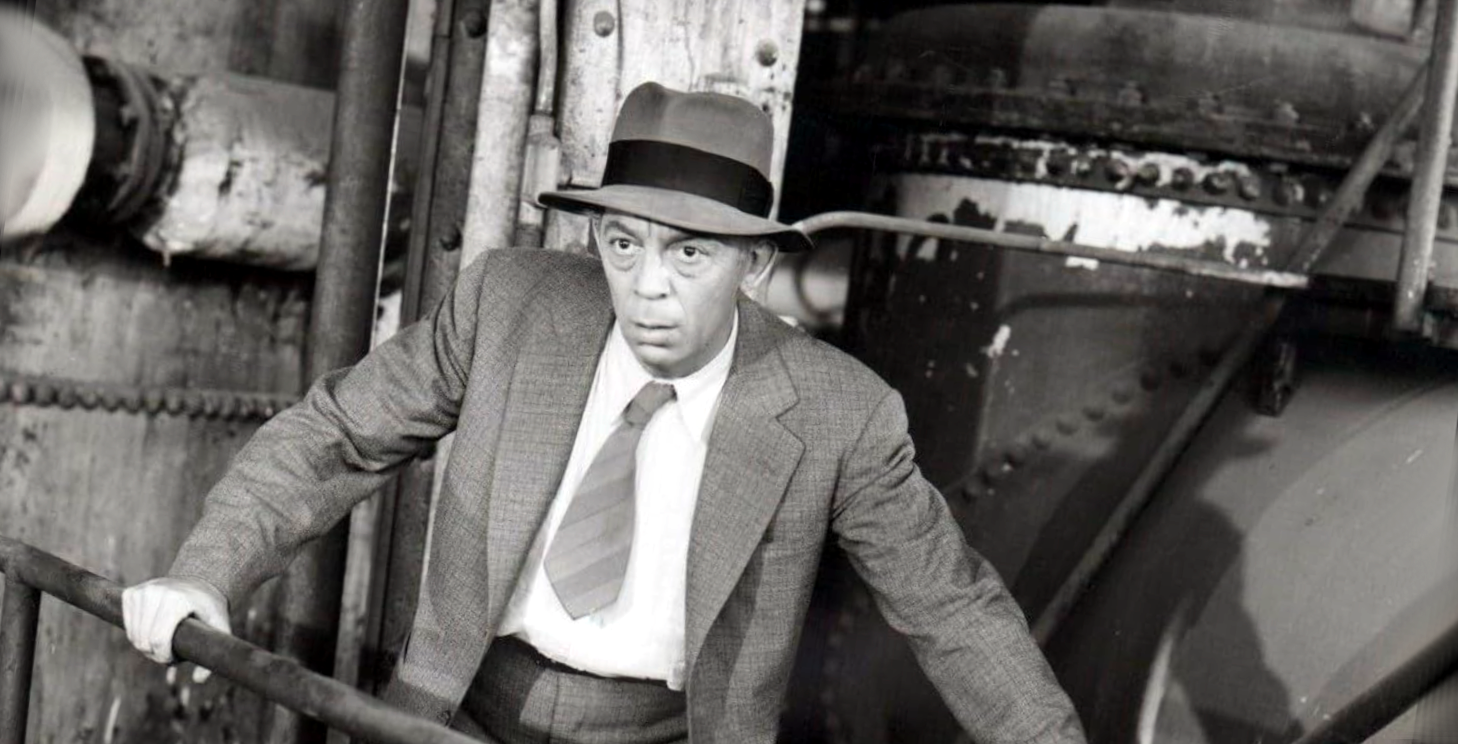
Fleischer intuited that the show needed a memorable action finale. The villain is cornered in a chase in the pumping station of a downtown gasworks that no longer exists. It was connected to a large black storage tank that shows up in scores of films noir, and for that matter, also in the Sci-fi classic The War of the Worlds. Fleischer assembles a great sequence, with POV shots peeking through the levels of scaffolding and iron staircases. His camera angles are exciting, even if the action is confected to concentrate on one stretch of stairs over a 4-story drop. Harry Grant loses control of 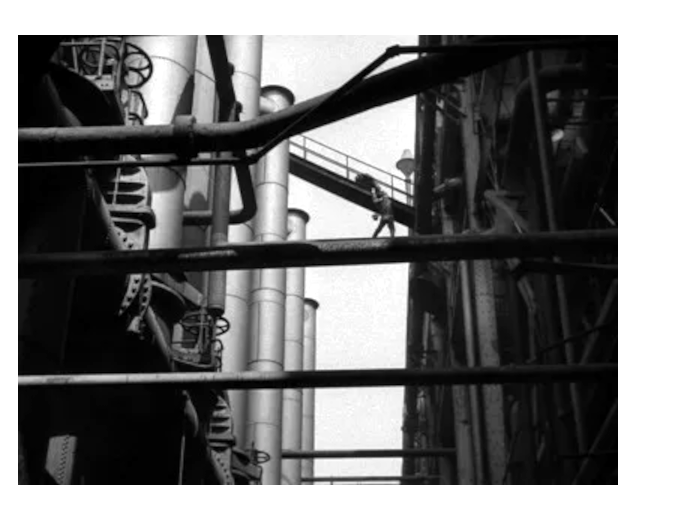
his prisoner at least twice, making us wonder why he doesn’t simply handcuff his unpredictable quarry to a rail and wait for the backup officers to arrive. As Warners’ White Heat was in production at the same time, we can’t assume that Fleischer was imitating the conclusion of the James Cagney epic. But the director learned an important lesson on getting the maximum from a nominal budget — the intense ending makes his film look like a much bigger production.
Howard Hughes must have deemed Fleischer to be competent and dependable, for he kept him busy for the next two years — loaning him out to another studio, and making him spend months re-shooting half of an already finished film by John Farrow.
Had the script or performances been given more of a sense of urgency (a quality Fleischer was quick to instill in subsequent pictures) Follow Me Quietly might have made a bigger impression. Veteran cinematographer Robert DeGrasse’s mysterious visuals offer solid support for many of the less exciting earlier scenes. Aware that rainfall will cue another murder, we react when raindrops begin to fall outside Lt. Grant’s office window. Harry walks ominously toward the camera to emphasize the need to ‘think like the killer,’ a theme that would later become tiresome in psycho killer movies after Jonathan Demme’s The Silence of the Lambs.
But Follow Me Quietly does little with the theme of a cop trying to second-guess a serial killer. The Judge’s demented notes about ridding the world of evil are not investigated. Little connection becomes apparent between those ravings and the victims, who seem to be chosen at random. Only one thematic thread pays off, when The Judge freaks out at the sight of ‘rain’: water that drips from holes shot in a pipe by a police machine gun.
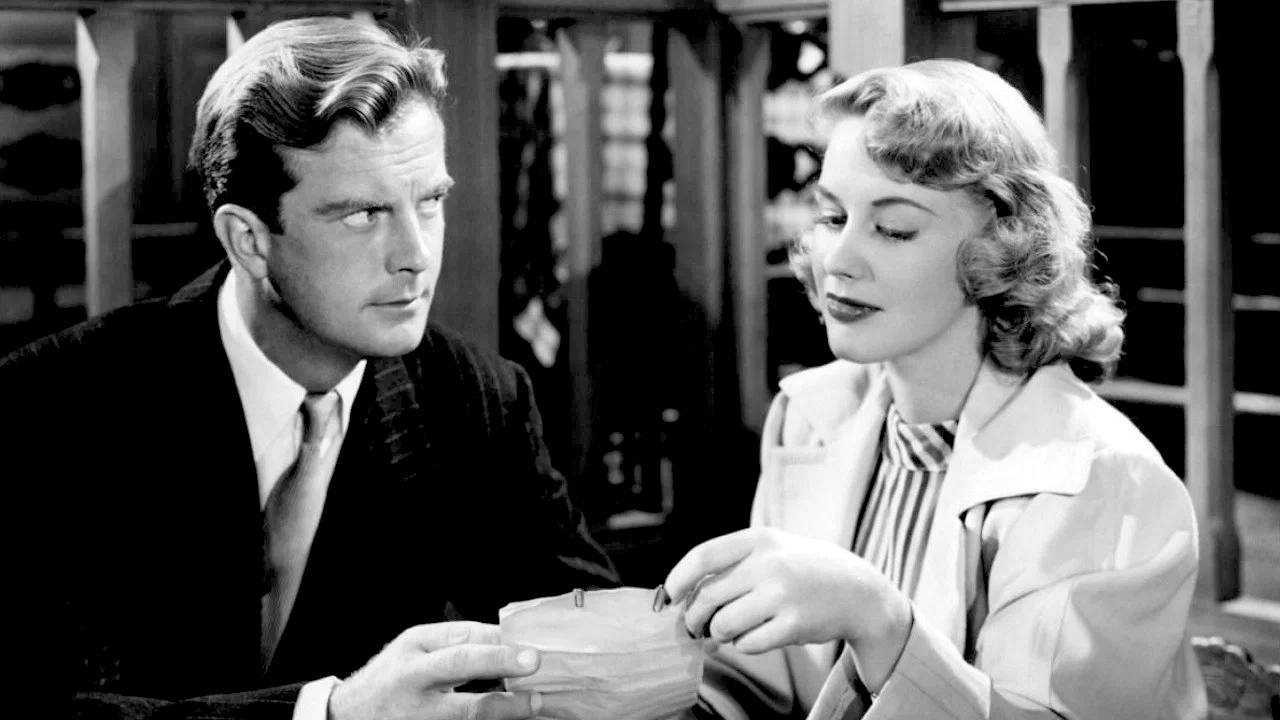
Fleischer’s players acquit themselves well. Good-looking William Lundigan began as a radio announcer and had a long career as a character actor and lower-middle range leading man; he spent the better part of the 1950s as a traveling spokesman for Chrysler cars. Dorothy Patrick does her best to inject some spirit and sexuality into the film. She moved to MGM for a few years and then worked for Richard Fleischer again in the noir Violent Saturday. Dorothy also has a prominent role in Joseph M. Newman’s 711 Ocean Drive.
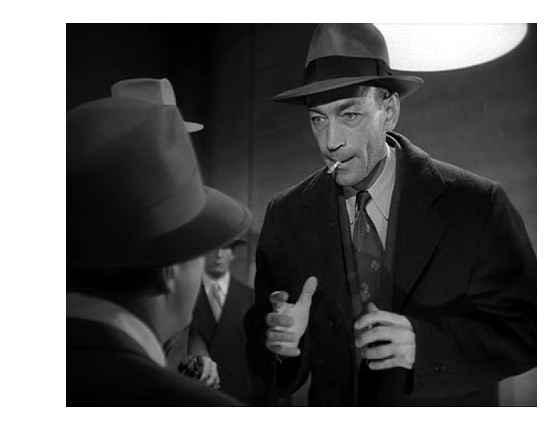
Fleischer obtains good, natural performances from every player big or small. Paul Guilfoyle is excellent as the traumatized husband of a victim. Frank Ferguson turns a weak scene into an asset, acing a ‘talk to the cops before I croak’ bit. Marlo Dwyer is cute as a chatterbox waitress who makes the first positive ID. Douglas Spencer (the reporter in The Thing from Another World) has a very effective scene as a creep who falsely claims to be The Judge. → He’s a big contrast with the film’s real Judge, played by ‘sad eyes’ specialist Edwin Max.
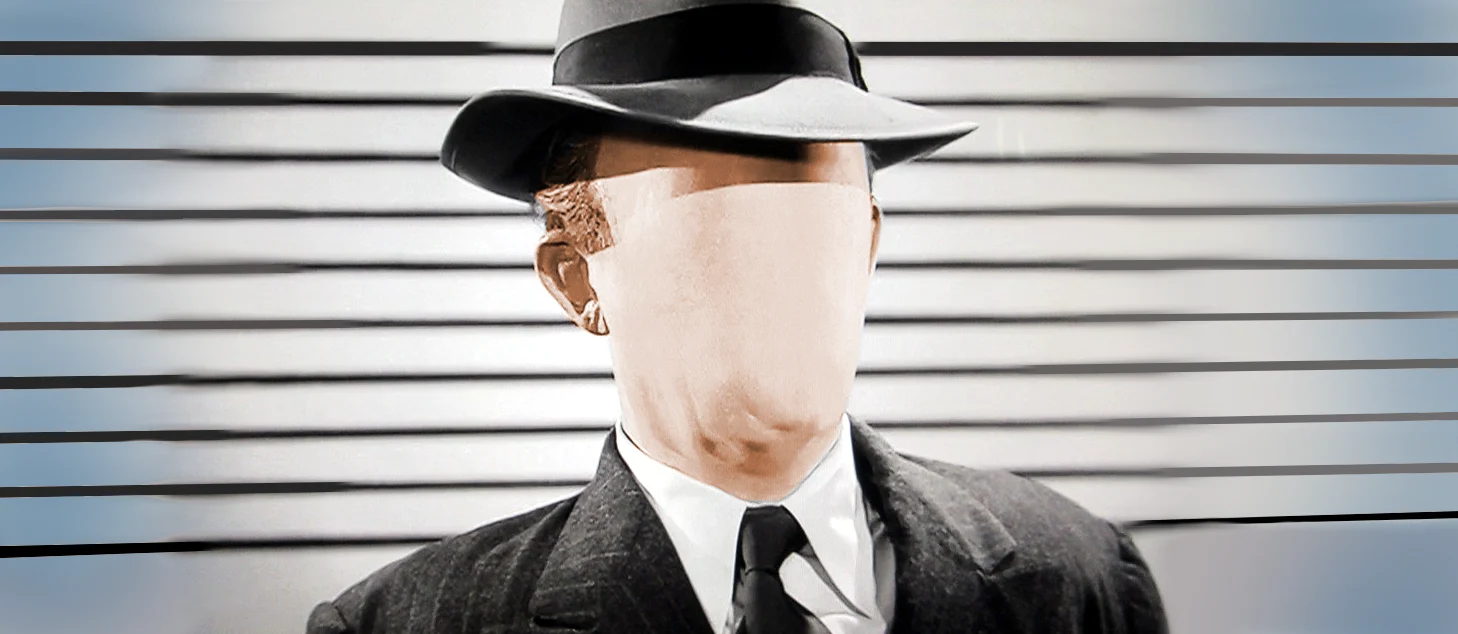
The most memorable idea, and the one that likely got the film made, is Lt. Grant’s construction of a lifelike dummy as an aid to the investigation. The cops leave it sitting by a window in the homicide squad room. Limited by the script, Fleischer cannot fully exploit the possibilities of the faceless mannequin wearing a hat. Grant talks to it, but never seems to be falling under its spell. We instead note that in some individual shots the dummy seems to be played by an actor. That likely was not a problem in 1949, but it’s the exact kind of twist that thriller fans would now see coming a mile off.
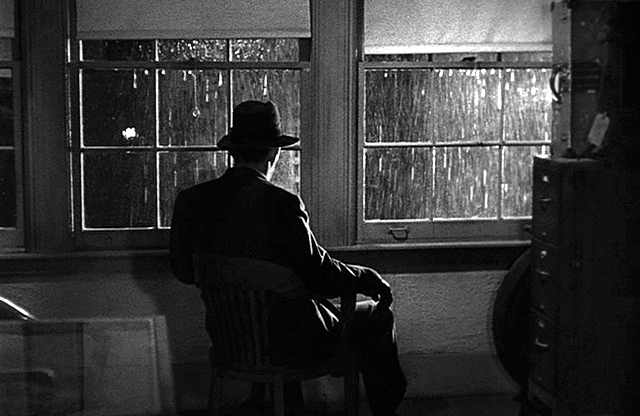
(Spoiler) Harry talks to the dummy, its face turned to a rainy window, and a few moments later he leaves the room with Sgt. Collins. We then discover that the dummy is really The Judge himself: the killer has crept into Harry’s office and taken the mannequin’s place. It’s a nifty idea that doesn’t build beyond the momentary surprise-reveal. Ideally, the gag should have been saved for a more crucial scene, perhaps nearer the climax. Either that, or the film needed to establish that The Judge is carrying on a surreptitious counter-investigation of his own. That possibility evaporates when the killer is revealed to be a rather sad-looking schmoe, and not a brilliant criminal madman. Come to think of it, if The Judge were a more sinister maniac stalking Harry or Ann, the intriguing title ‘Follow Me Quietly’ would make a lot more sense. *
Although audiences were said to have jumped out of their seats at the Big Judge Reveal, we saw the ‘surprise’ coming and think most audiences now would as well. Were it fleshed out with more incident and a script that got deeper into the characters, Follow Me Quietly might have been a superior mystery thriller. It carries the seed of major genre innovations to come. With the addition of bloody on-screen killings, it would resemble an Italian giallo by Mario Bava or Dario Argento. That faceless dummy looks very much like the masked slasher in the disturbing Blood and Black Lace.
Richard Fleischer biographer Jason A. Ney reports that the in-demand actor Jeff Corey rushed across town after shooting every night, as he was playing Abe Lincoln in a big stage production. The pro character specialist was in heavy demand for two more years, before the blacklist brought his film career to a screeching halt. Becoming a noted acting teacher, Corey did not return to feature work for eleven years. Among his pupils were a group of actors who bonded with director Roger Corman, when Roger took acting classes to improve his directing skills.