
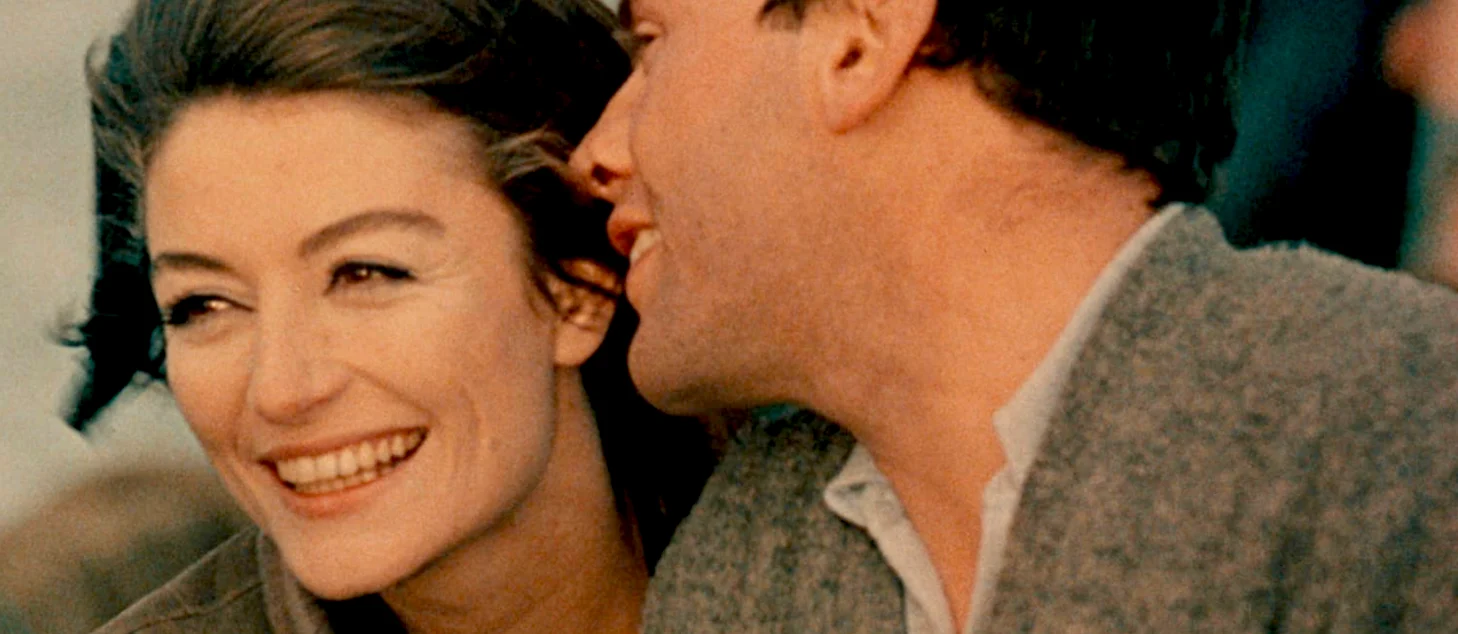
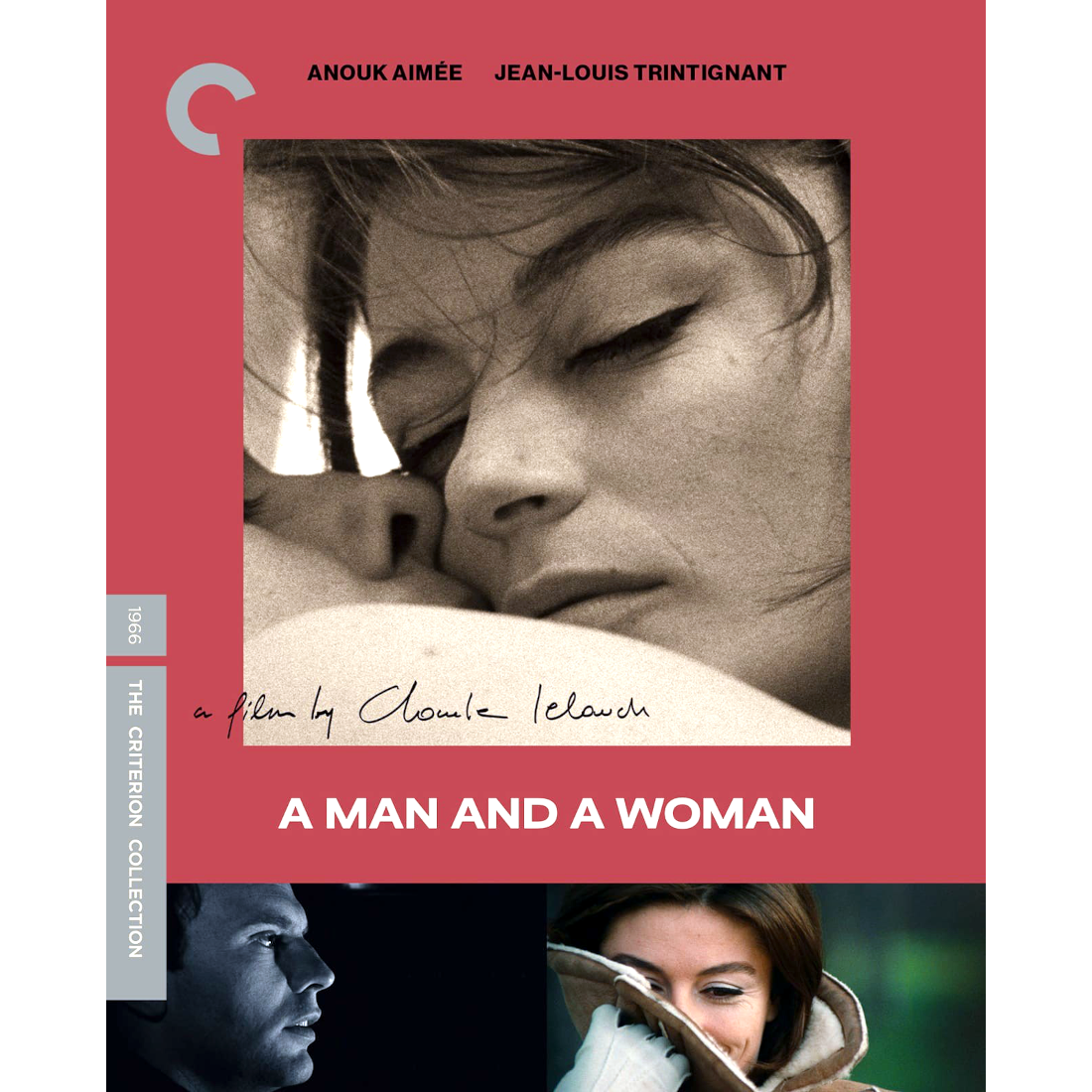

A dear friend passed away a while back. He happened to be French and who happened to like to talk about movies. The only title French I brought up that seemed to disappoint him was Claude Lelouch’s huge mid-sixties hit A Man and a Woman (Un homme et une femme), which he thought was superficial, lightweight export gruel for clueless Americans. Did I say that my friend was opinionated? His opinions always came with a half smile, as if he were having fun behaving like an opinionated Frenchman. My response was completely pragmatic: the movie touched a lot of Americans both shallow and not, and helped reclaim France as the most stylish country in Europe, right in the middle of the British Invasion. Not only that, Francis Lai’s romantic theme was just as popular as Maurice Jarre’s earworm Lara’s Theme, which also played constantly on A.M. radio.
True, A Man and a Woman qualifies as Art Movie Lite, with its pleasant romance that courted universality by staying very, very simple. Critics might have winced at the lack of depth, and a reliance on long visual sequences backed only by music. But Lelouch’s moneymaker distinguished itself by going against the tide of ‘meaningful’ foreign films about the Human Condition. If Americans can make romantic pictures about idealized people living idealized lives, why can’t a Frenchman?
A Man and a Woman was also a perfect film for foreign language learners. Both it and Jacques Demy’s The Umbrellas of Cherbourg were BIG with 1960s language students, especially the Boomer kids among us that were well-enough heeled to maybe visit Europe. With its reasonably sparse dialogue and reliance on visual storytelling, Lelouch’s picture was less work for American viewers allergic to subtitles. Unlike many imports in the 1960s, its initial release retained Lelouch’s original French audio. It was a major hit, running for well over a year in some U.S. cities.
♫ “La dee dah Dubba dubba dah, dubba dubba dah, dubba dubba dah! ♫
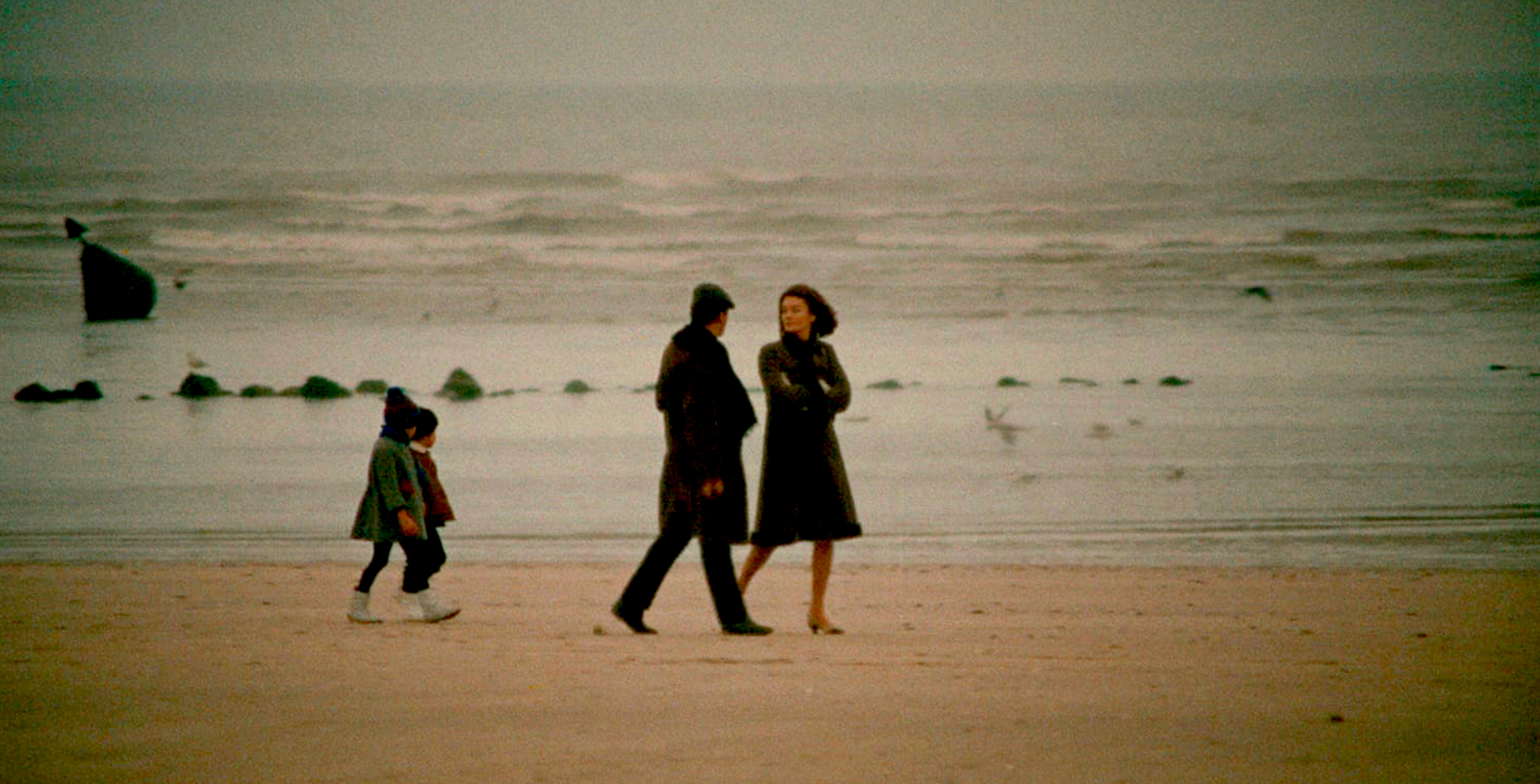
The storyline is simple enough: attractive people meet, fall in love, and try to overcome personal difficulties. Race car driver Jean-Louis Duroc (Jean-Louis Trintignant) meets script girl Anne Gauthier (Anouk Aimée) while each is dropping a child off at boarding school. A relationship slowly develops. Each is recovering from a tragedy with a former mate. Both are fulfilled by their day jobs. They try sharing their Sundays at Deauville with their kids, getting to know each other.
It’s easy to rail against a film confected from such sure-fire commercial material. The photogenic stars need only to smile to win our happy approval. Their professions are trendy and visually exciting, allowing the film to indulge in long patches of car racing and glamorous filming. The jazzy, soothing Francis Lai music was recorded before filming began. At least half an hour of the show is devoted to wordless music sequences, each of which could be a stand-alone music video. The music sets the mood and sometimes paces the editing. Extraneous images of an old man walking his dog on the beach keep popping up, filling out music cues that have a few seconds to go.

What’s on screen is 90% the ultimate French Good Life. Neither Jean-Louis nor Anne has the slightest hint of a money problem. Both wear elegant designer clothing and stylish dark glasses. We see no current competition for their affections. The only possible problems involve dead spouses, the mention of which serves to cue music-driven flashbacks. Anne balks at moving on from her commitment to her late husband, who was a stunt man (more action visuals). Jean-Louis’ former wife Valérie (Valérie Lagrange) is seen much more briefly. In one brief scene we discover that he presently has a casual mistress (Yane Barry). She’s not even an issue, apparently.
No dull take-out-the-garbage, feed le chat doldrums here. Their adorable, well-adjusted kids Antoine and Françoise are conveniently out of the way, living in boarding school six days out of seven. They don’t seem to mind seeing their remaining parents only on Sundays. Actually, we’re never invited to contemplate exactly what will happen if Jean-Louis and Anne become a permanent item. Will their kids leave the boarding school, and be raised by nannies while maman et papa roam about on jobs that take them out of town? Anne wasn’t a housewife before, but will Jean-Louis put his foot down and insist she quit work?
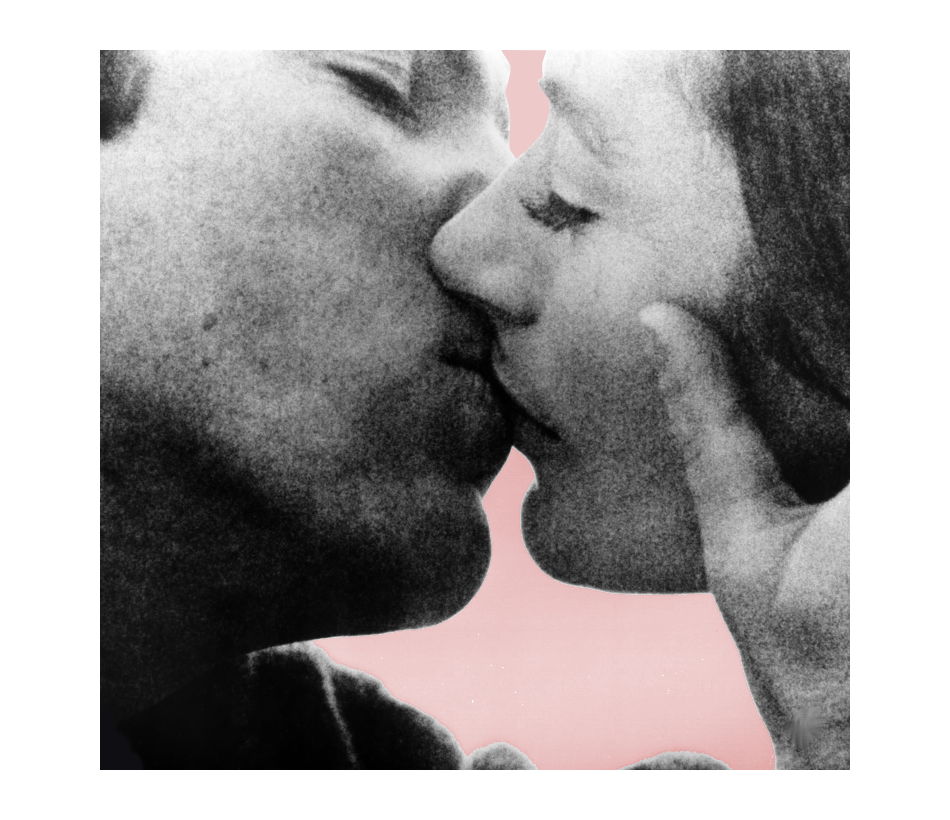
But that’s another movie, not this one. This film’s philosophy is that audiences that want to think about domestic problems can just stay home and save the babysitting money. The storyline confected by Lelouch and his writer Pierre Uytterhoeven instead concentrates on the direct, immediate romantic issues. Compared to American movies of 1966, it has a fairly steamy bedroom scene, filmed in dreamy B&W close-ups.
In older interviews Claude Lelouch happily admitted that producing, directing and filming A Man and a Woman was a commercial calculation, put together to recover from the financial failure of a previous picture. Lelouch also said that, although he was definitely a fanatic for race cars, the film’s reasonable, positive romantic hero wasn’t autobiographical, that he simply wasn’t that nice!
The romantic situations are fairly uncomplicated, but they’re never stupid. The absence of a social or political context lets us focus on the low-key intimacies of two adults dating. Lelouch said that many conversations were improvised around a simple key dialogue requirement. The exchanges between the romantic couple are always believable. They begin as strangers in a car, uncomfortable yet interested in each other. They evolve into amused people enjoying their kids at a restaurant table. People took it all seriously: the Academy nominated the film’s screenplay for an Oscar.
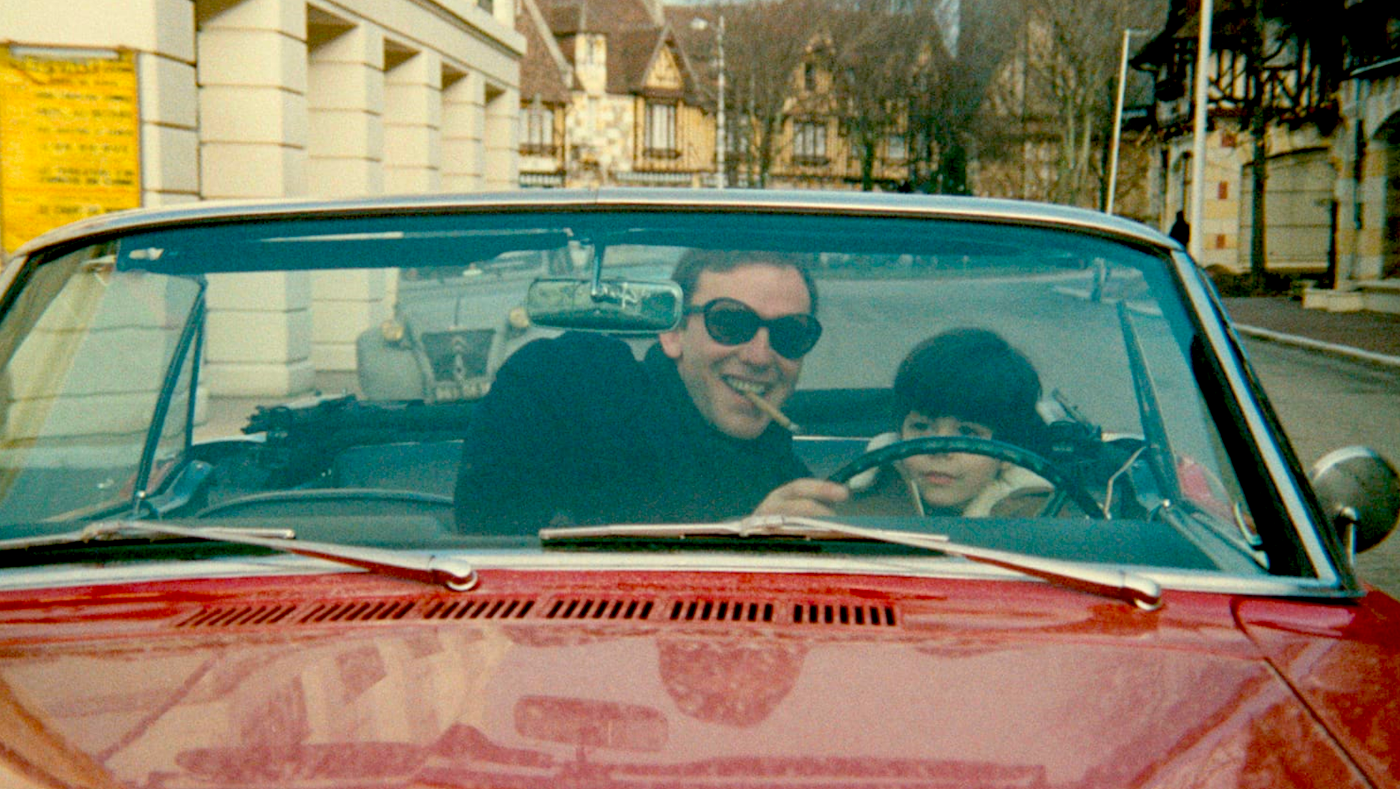
The directing feels natural too. Lelouch’s relaxed pace may make some viewers itchy. The lover’s tragic backstories are not belabored. It takes half an hour to reach the point where the couple might have a relationship. Jean-Louis’ dangerous racing profession does provide a bit of tension … will the film end with a fatal crash? Lelouch smartly substitutes a small but crucial intimate crisis, that looms large when we realize how invested we’re become in the story’s romantic stakes. A Man and a Woman focuses tightly on two people whose happiness depends on tiny sentimental factors that neither of them can predict. Lelouch hass us so well to their feelings, that we intuit what isn’t working when they make love — before the editing makes it clear.
Although the film uses quite a bit of interior monologue from Jean-Louis, delivered Detour– style as he drives, the romantic impasse is presented and solved almost solely in visual terms. The audience is left with the kind of satisfaction anyone can understand. This had to be a top date movie for 1966.
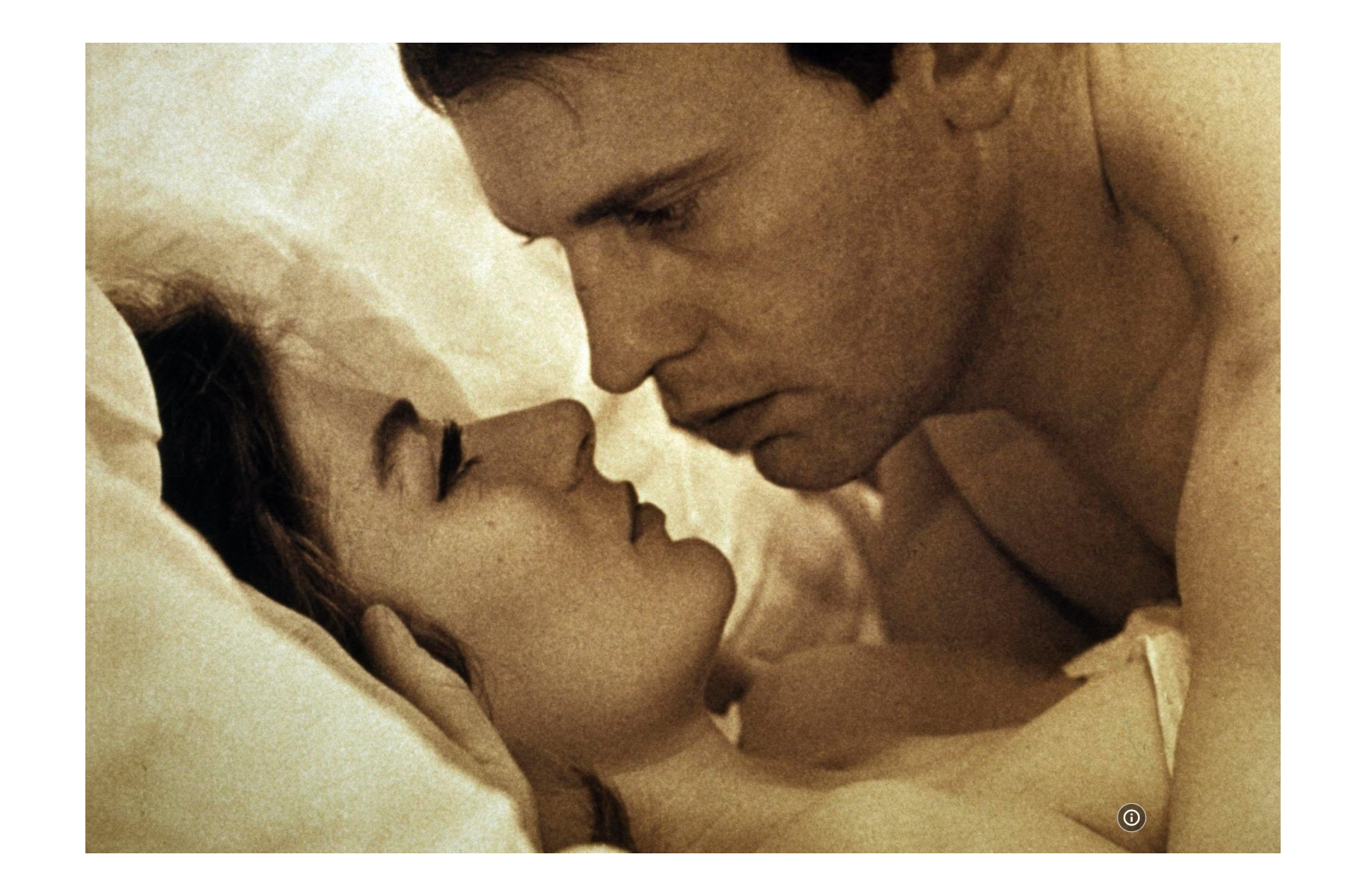
Claude Lelouch gives the film a look that pleased American filmgoers. He uses a lot of long-lens filming, shooting from a distance. Close-ups are really tight — when magnified on a big theater screen Anouk Aimée’s face only becomes more beautiful. The general opinion was that ‘dreamy visual’ movies like A Man and a Woman, Elvira Madigan and Le bonheur influenced American films, and especially American TV commercials. Everything from shampoo ads to Kodak commercials used telephoto lens foreshortening, with soft colors and a shallow depth of field.
Behind-the-scenes featurettes show hand-held camerawork in progress, which can’t be the long-lens material. To be so smooth, the telephoto shots must all have been done on a tripod with a crack operator.
The self-financed film chose to mix color and B&W filming as a major budgetary boost. LeLouch needed the color for commercial export purposes, but saved plenty by shooting his nights and interiors in B&W. He gets both an Art Film look and pretty pictures. Audiences had no trouble with it. The color/B&W split is certainly less distracting than in Lindsay Anderson’s If. . . .” target=”_blank”>If…, where we rack our brains trying to figure out an artistic rationale for the switches to monochrome.
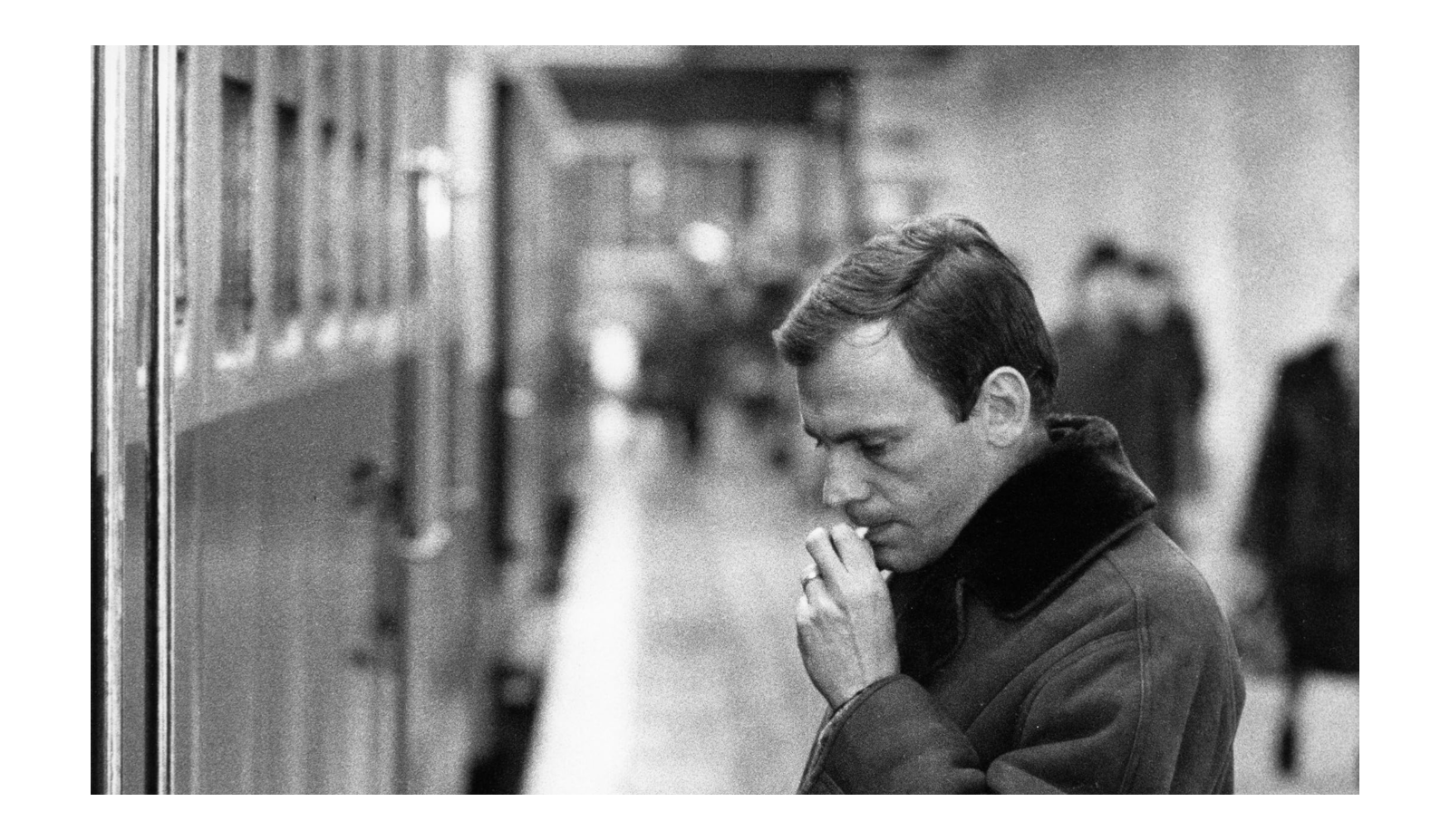
Many scenes have a warm & fuzzy, let’s snuggle feel, even though the weather is cold and rainy. The clothing, faces and flesh have texture. When Trintignant wraps up his kid we feel like pulling on fur jackets as well. That’s the real appeal here. There must be a fair number of sixty year-olds running around who were conceived after their folks saw this picture in 1966.
A Man and a Woman scooped up a bundle of festival awards including Academy wins for Best Foreign Language Film and for Best Writing Directly for the Screen. Anouk Aimée and LeLouch were nominated; Elizabeth Taylor and Fred Zinnemann won their respective categories. My guess would have been a nomination for Francis Lai’s popular music score. The contenders were composers Alex North, Jerry Goldsmith, Elmer Bernstein and Toshiro Mayuzumi. The understandable winner was John Barry.
Anouk Aimée just died in 2024. She is of course breathtakingly beautiful. From a featured bit in The Man Who Watched Trains Go By through her perversely evil queen in the problematic Sodom and Gomorrah, she never let a picture down. Un homme et une femme was probably her biggest film in America but she’s just as stunning in Fellini’s La dolce vita and Otto e Mezzo. Aimée was a repeat attraction for Lelouch in Live for Life (Vivre pour vivre), with another arresting Francis Lai music score. But her greatest character and performance is as Jacques Demy’s 1961 Lola, in which she also sings and dances.
Jean-Louis Trintignant passed away just two years earlier. He was one of France’s most respected and prolific actors. Working with Roger Vadim and Brigitte Bardot got him started. He made his most celebrated pictures for name directors (Costa-Gavras, Eric Rohmer, Bernardo Bertolucci) but was good in everything from a weak thriller by Edgar Ulmer to a soft-core picture with Catherine Spaak. He became a major romance figure despite a lack of standard leading man looks. The experts say that Un homme et une femme launched Trintignant into top-rank status. His Monsieur Duroc is charming and sensitive; his tempered reactions to the trials of the final reels are an object lesson on how a wise man behaves in a relationship.


When I saw the first release of the film, the B&W sequences weren’t shown in B&W. At time, the used color correction filters to create red, blue or sepia sequences. It was not a B&W film but it was more like a silent tinted film.
You’re right, it’s that way on the disc too. But the tints are very light, not like silent movie tinting … slightly reddish for day interiors, slightly bluish for night exteriors. Thanks Duane.
Let’s not forget Trintignant in Sergio Corbucci’s stunning ‘The Great Silence’ (1968).