
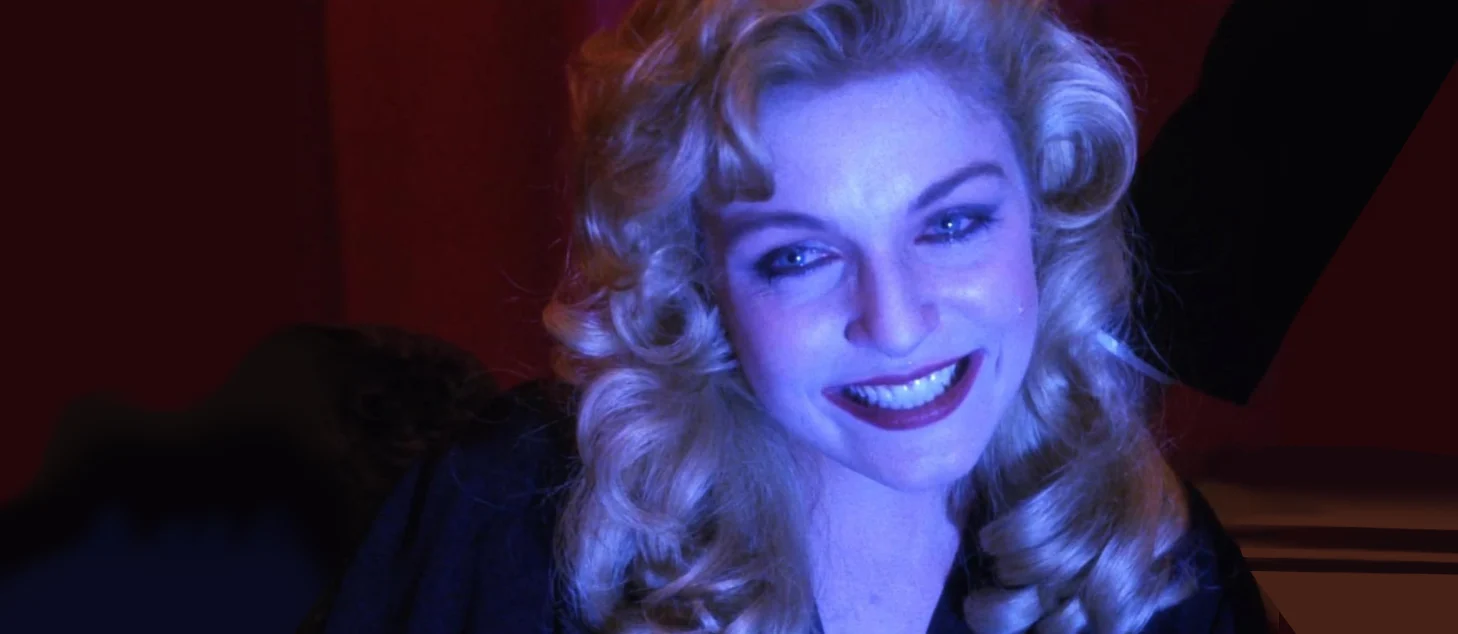


When I first saw Twin Peaks Fire Walk with Me in a theater in 1992, I could see it had something, but I was frustrated. Like many people, I was a big Twin Peaks fan, and the show had ended on a cliffhanger (“Where’s Annie?”) which seemed it like would never be resolved after the program had been canceled. This film looked like a solution to this problem, and I looked forward to seeing it with great anticipation. And then I saw it, and it addressed none of the end-of-season questions. It was a prequel. I knew that going in, but I still hoped it would give us Peaks faithful the closure we hoped for. It did not.
Critics and fans alike trashed it. It was supposedly booed at Cannes. It lost money at the box office (Lynch said, “[People] don’t always rush out and get tickets for incest and murder.”). I was irked that my questions weren’t answered, but at the same time I also thought the main performances were quite good, and I was moved by Laura’s story. Clearly others felt the same, and once we got over the picture not being what we expected, we were able to appreciate it for what it actually was. Gradually the reception to the movie changed, and now, thirty-four years later, it’s often referred to as one of Lynch’s best films or even a masterpiece.
I wouldn’t go so far as to call it a masterpiece — it has some clear flaws — but is it a film in which Lynch really went for it and captured something amazing and heartbreaking? Yes, it is, which makes it some of his best work. The material that doesn’t quite fit is within the first half hour, which is altogether goofier and doesn’t tonally match the rest of the film. Even in that section there are good moments, but the less said about the woman miming secret messages and making a sour face to Chris Isaak the better. The Laura Palmer story doesn’t begin until thirty-four minutes into the runtime, but once it begins, the tale of terror and tragedy takes an inexorable hold and drags us into the dark.
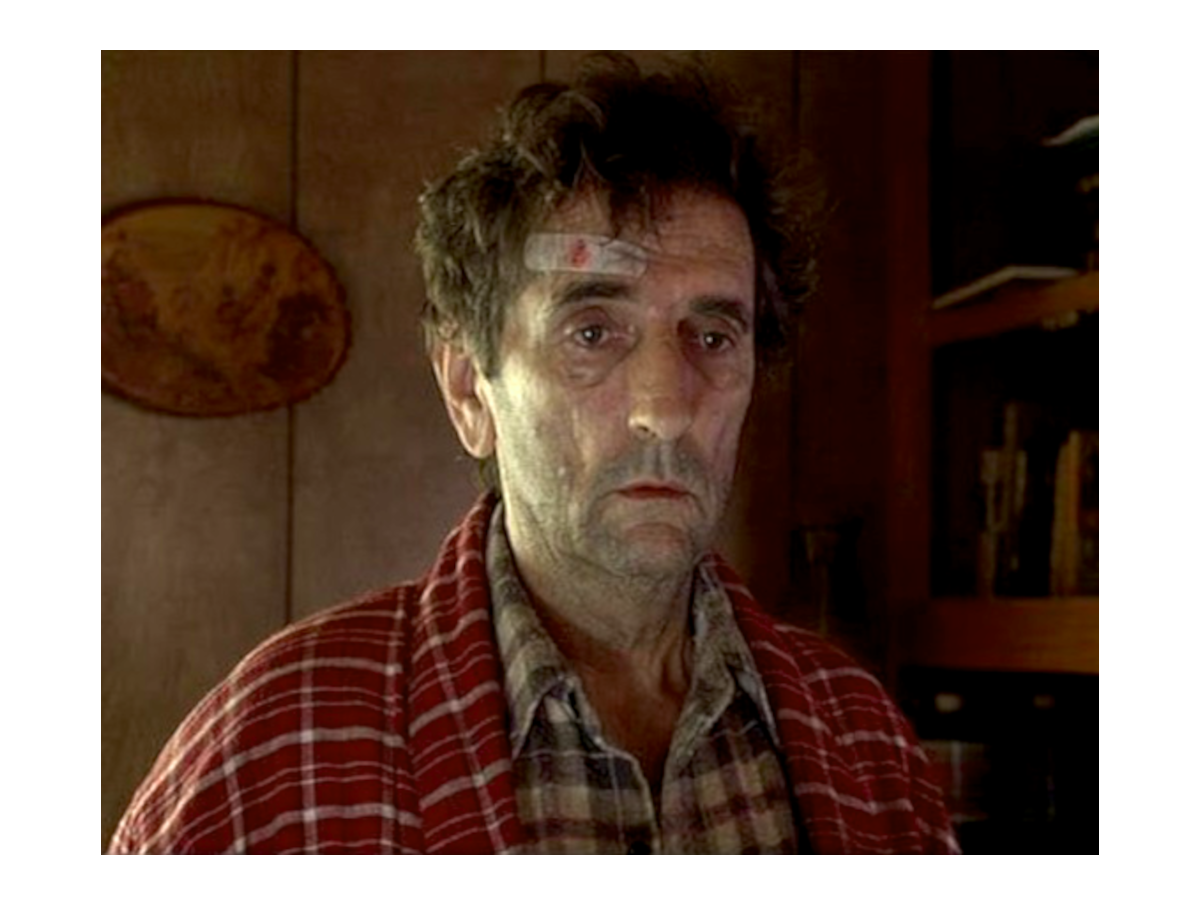
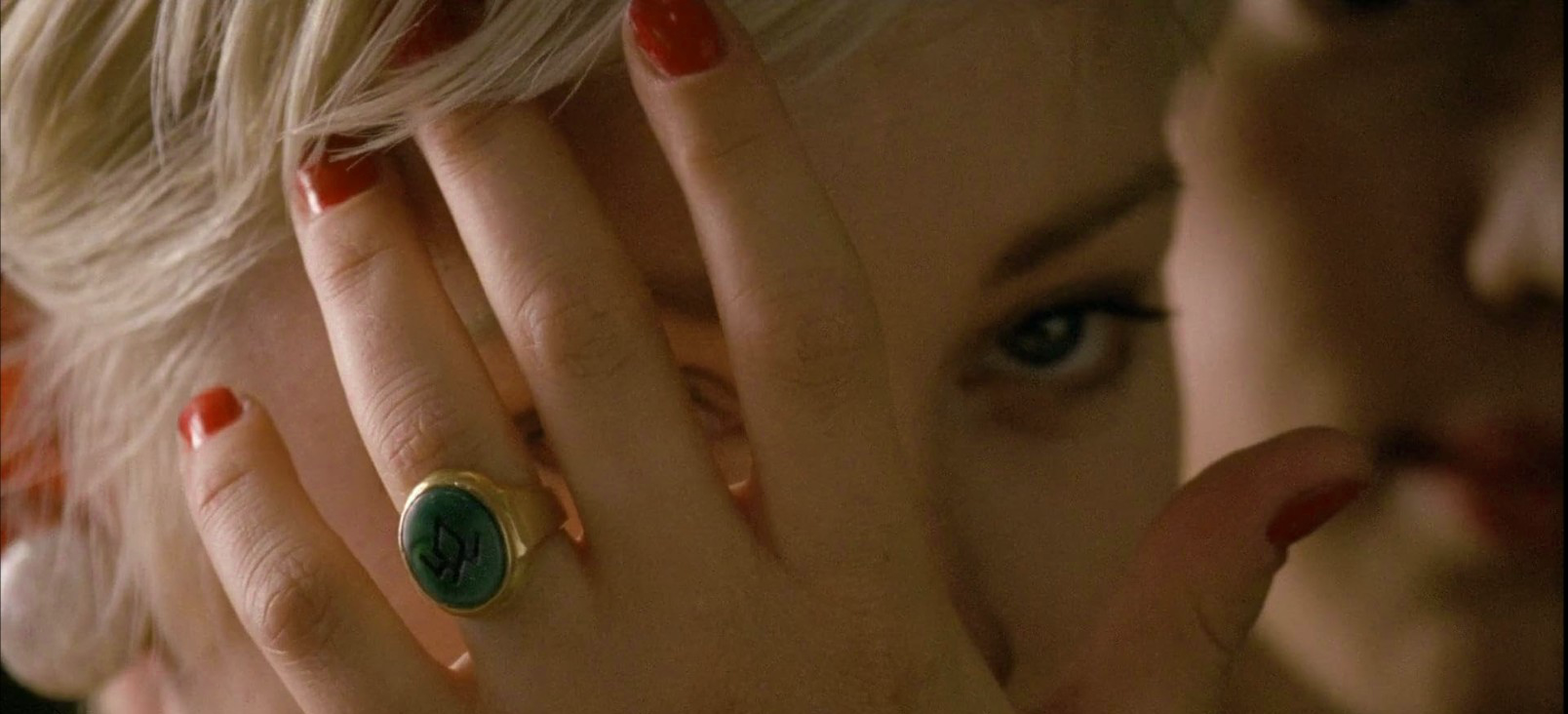
A year before young Laura is discovered dead and wrapped in plastic, federal agent Chet Desmond (Isaak) is assigned to investigate the murder of Teresa Banks (Pamela Gidley) in Deer Meadow, WA. He interviews locals and finds the police to be actively hostile. He realizes that Teresa is missing a ring, and he goes to search her home at the Fat Trout trailer park, interviewing manager Carl (Harry Dean Stanton), who colorfully opines, “That trailer’s more popular than Uncle’s Day in a whorehouse.” Chet searches for the ring and then goes missing himself.
One year later, high school student and homecoming queen Laura (Sheryl Lee) is in rough shape. She’s been sexually abused by a demonic figure named BOB (Frank Silva) since she was twelve, but she’s told this to no one. As a result of her trauma, she’s become addicted to coke and is dating her dealer, Bobby (Dana Ashbrook). She cheats on Bobby with biker James (James Marshall) and she balances out her charity Meals on Wheels work with prostitution.
One day while hanging out with her best friend, Donna (Moira Kelly), she asks, “Do you think that if you were falling in space, you would slow down after a while or just go faster and faster?” The various elements of Laura’s life are speeding up and coming to a head, like a falling body hitting the atmosphere from space, and she’s about to burn up upon re-entry. She tries to keep the different parts of her life separate and secret, but the things she finds out in her last week make this too much to bear.
The main thing Laura discovers is that BOB has possessed the body of her father, Leland, and that he’s the one who has been raping her all these years. Understandably this horrifying news causes her to spiral further out of control, leading her to further self-abuse and to destroy her relationships. Worse, Leland realizes that his daughter can finally see past BOB’s deceptions and knows that he’s been her abuser all this time, and no one who has that knowledge can be allowed to live.
Lee’s work here doesn’t seem so much acted as lived through. She allows her portrayal to make huge emotional swings, but she always achieves her goal. It’s the definition of a “brave” performance, but in the best way — she leans into what could be melodramatic material and comes out the other side having made it painfully real. She’s alive to every contradictory impulse Laura has, and they flash across her expressive face like quicksilver as the character frantically tries to adjust in real time to the insanity of her situation. It’s an astonishing achievement, and the main reason this film is now revered.
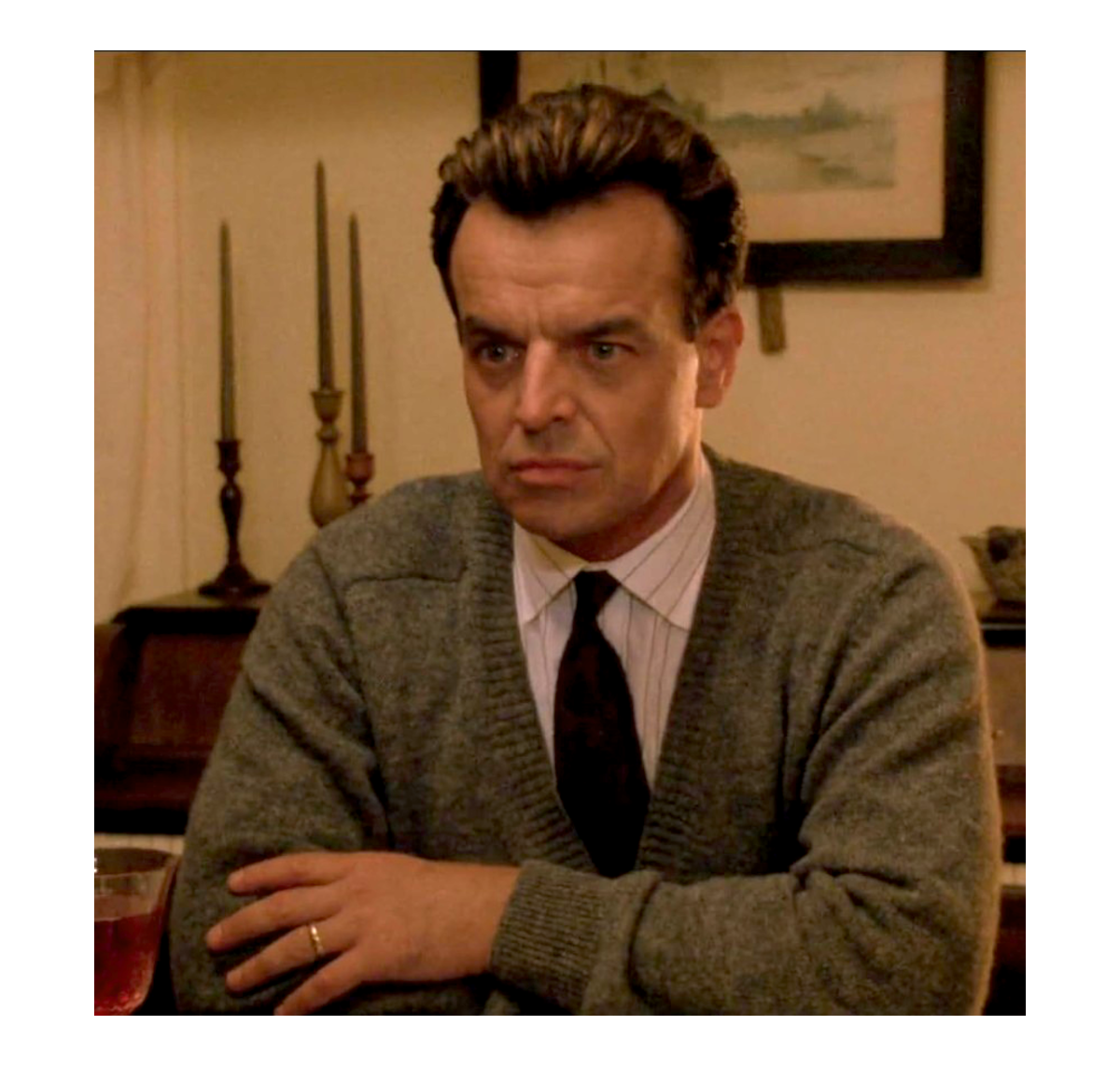
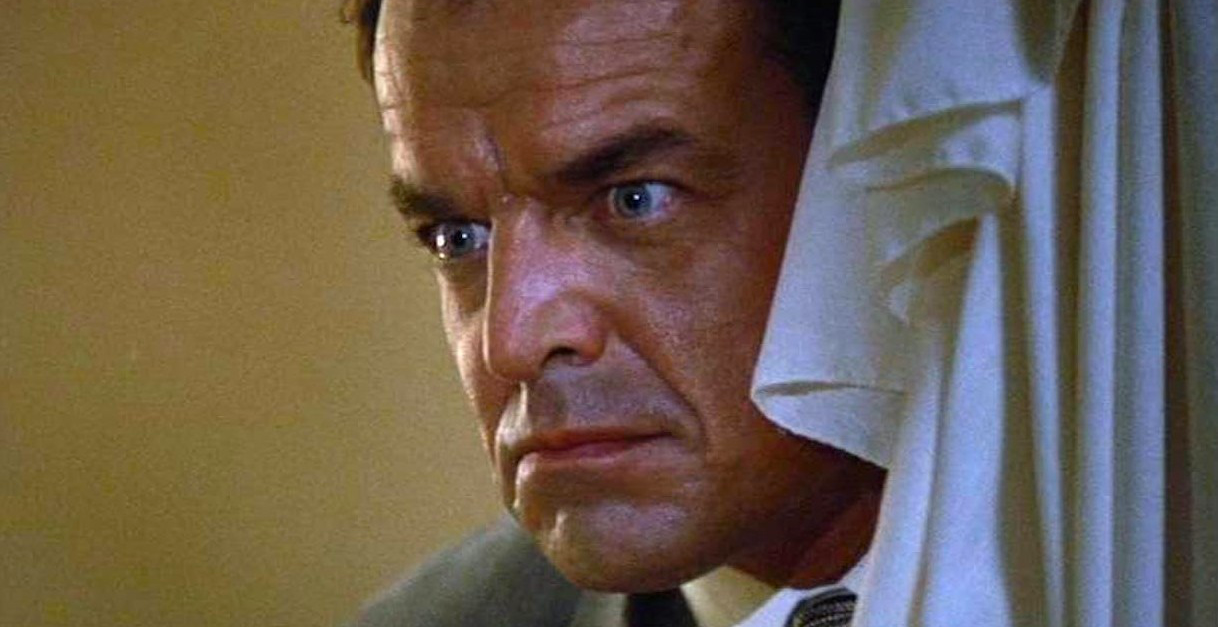
Ray Wise is similarly impressive in his genuinely scary performance as Leland. On the show, there was a certain amount of sympathy given to the fact that Leland is possessed and doesn’t have control over what he’s doing, but Fire Walk with Me largely jettisons that to focus on how truly awful his actions are. A scene in which Leland confronts Laura at the dinner table is full of threat, but it gets darker — when his wife Sarah (Grace Zabriskie) tells him to stop what he’s doing, saying “She doesn’t like it,” Leland snaps back with dreadful implication, “How do you know what she likes?!”
One of the most crazily intense scenes in the movie has Leland and Laura driving through town when suddenly one-armed Philip Gerard (Al Strobel) starts circling their vehicle in his car, honking and yelling at them. They’re stuck behind an unmoving truck and can’t escape this assault. Laura begins to panic and Leland starts revving the motor to drown out Philip’s words until he finally drives away. The words Philip was yelling were, “It’s him! It’s your father!” There’s no hiding this secret anymore. The end is near.
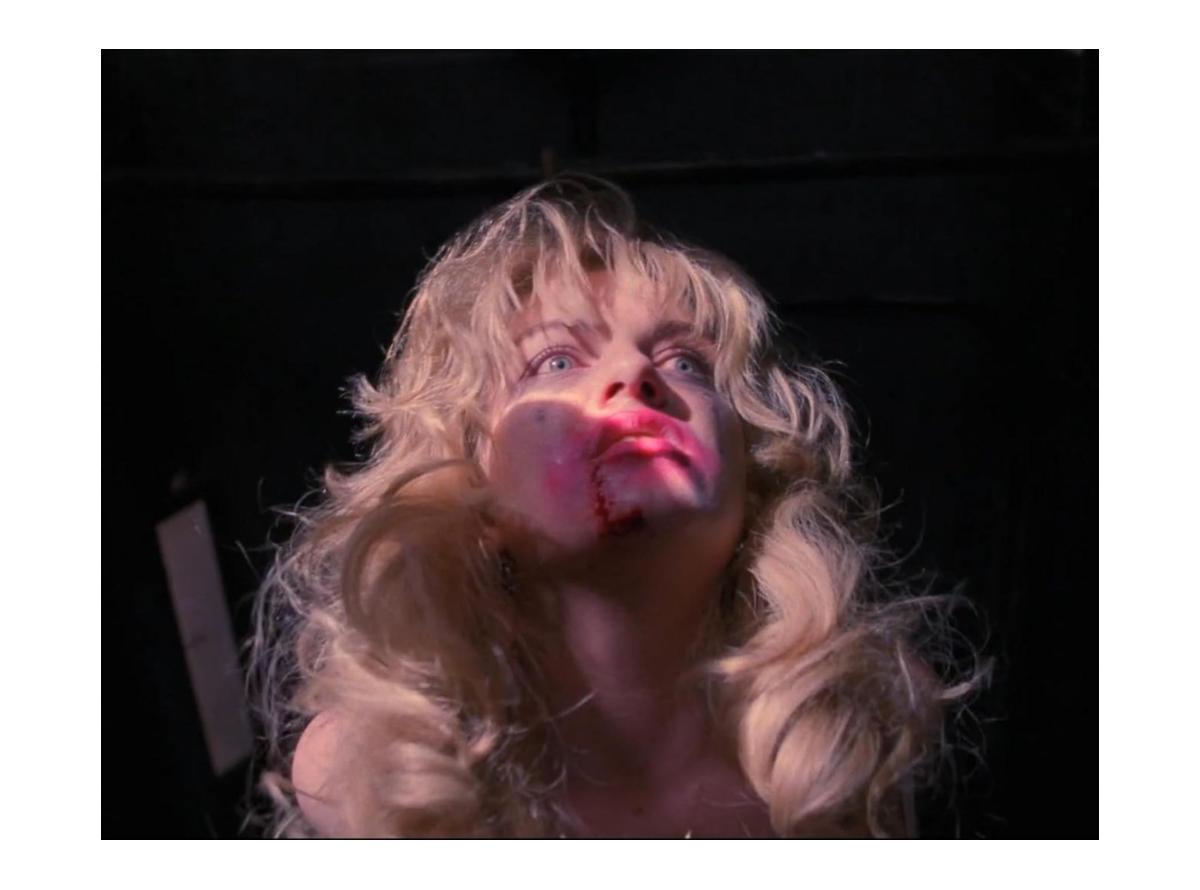
And when the end comes, and BOB/Leland drag Laura out to the derelict train car to kill her, she screams in hysterical terror and BOB/Leland scream right back at her, to mock her. But for a moment, Leland regains control, and he says the saddest, most pathetic thing to Laura — “I always thought you knew it was me!”
Other than the incredible lead actors, the main achievement of FWWM is probably Lynch and Robert Engels’ script, which essentially depicts Laura’s stations of the cross on the way to her demise. It’s tough but not unsympathetic to its main character, as when Laura ruefully breaks up with James for his own safety, saying, “Your Laura disappeared. It’s just me now.” There are some Lynchian visual flourishes as well, especially a long tracking shot across a barroom floor apocalyptically strewn with cigarettes and beer bottles.
Angelo Badalamenti’s score is like the soundtrack to the saddest film noir you ever saw, a mournful slow jazz that’s almost a whisper. But it’s not all that way — his spoken word piece, “A Real Indication” (which he provides the vocal for), made Lynch laugh so much while they were recording it that it gave him a hernia and he had to go to a hospital!
Just because some/many don’t “understand” doesn’t make it profound.