
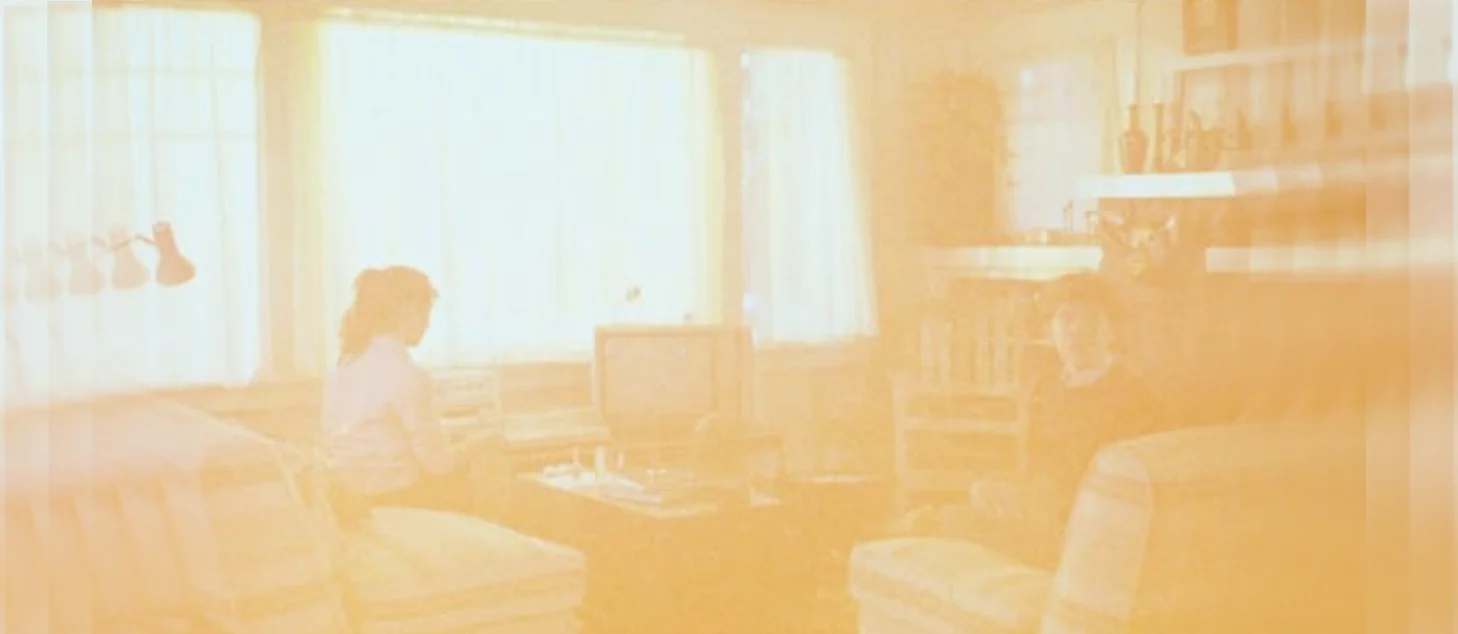

Lynne Littman’s Testament joins the Criterion Collection, the big extra benefit being the terrific extras gathered by disc producer Kate Elmore. Ms. Littman is quite the personality, speaking in person and through several of her films gathered as added value items.
1983 saw a resurgence of the atomic terror film, which in the 1950s had subsided after a few hysterical shock pictures like Invasion U.S.A.. In quick succession there came three TV productions, the ABC TV two-parter The Day After the U.K. miniseries Threads, plus a domestic terror nuke tale called Special Bulletin. College audiences laughed and gasped at 1982’s The Atomic Cafe, an advocacy documentary that repurposed old government films and newsreels. The BBC had refused to air Peter Watkins’ 1966 The War Game when it was new, but finally relented with a broadcast in 1985.
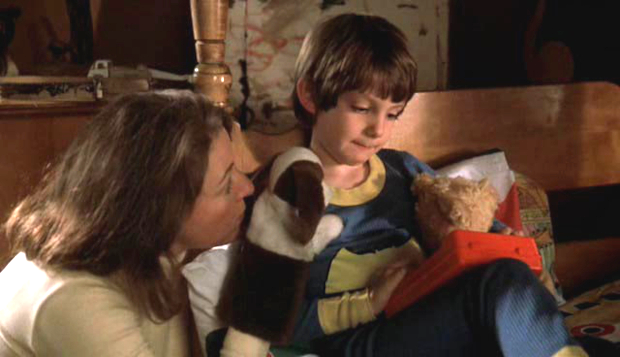
The most credible post-apocalyptic movie yet.
Arguably the most emotionally effective anti-nuke movie of the Reagan years is Lynne Littman’s Testament. Filmed for broadcast on Public TV’s American Playhouse, the low-budget production so impressed Paramount that they gave it a theatrical release. It opened to modest business, and critical accolades. The word of mouth framed Littman’s movie as a profoundly sad and disturbing viewing experience. As did On the Beach, Littman’s film shows no atomic bombings, opting instead to depict the effect of atomic war on ordinary people. Unlike Stanley Kramer’s movie the ordinary people in Testament are not played by glamorous movie stars. They never see the ‘big picture’ about what is happening in the world outside their little Northern California town. Isolated, with no source of information, their outlook is … not good.
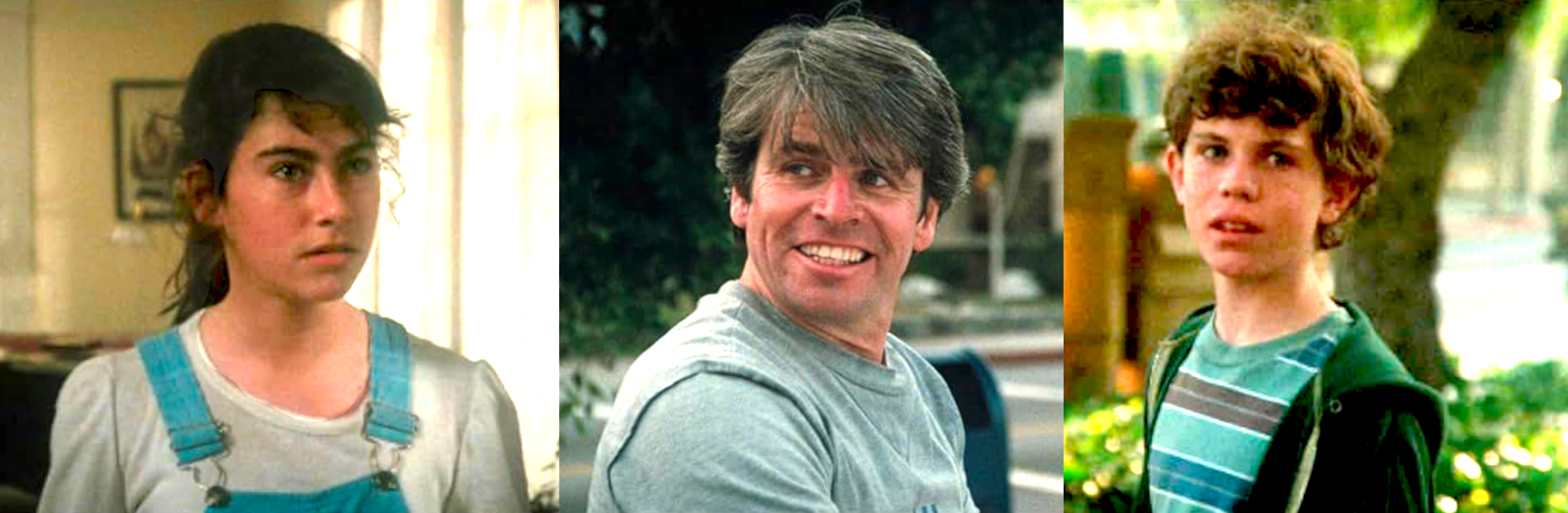
Screenwriter John Sacret Young concentrates much of the drama within a single household. The Wetherly family lives in Hamelin, a wooded bedroom community inland of San Francisco. Carol (Jane Alexander) is a housewife. Tom Wetherly (William Devane) commutes to the city and likes to stay active with his older son Brad (Ross Harris). Young Scottie (Lukas Haas, later of Mars Attacks!) hasn’t started school yet. Daughter Mary Liz (Roxana Zal) is just getting to the age that she’s thinking about boys. Carol and Tom have their differences but manage to get along with a reasonable degree of harmony.
In one afternoon everything changes. A news announcement about atomic strikes on the Eastern seaboard is cut off when the TV and all normal communications are knocked out. Carol nervously waits for Tom to return; he often works late but has left a phone message saying that he is already on his way home. The initial fear turns into gnawing uncertainty as days and then weeks go by. Tom doesn’t appear. The eventual reveal of the reason why is a real heartbreaker.
After some initial looting the small community draws together. The school tries to keep things as normal as possible for the kids. Brad helps round up batteries for use in radios and flashlights. Carol and her three children grow closer to their neighbors. Service station owner Mike (Mako) rations out what gas remains and comforts his developmentally challenged son Hiroshi (Gerry Murillo). The elderly Rosemary and Henry Abhart (Lurene Tuttle & Leon Ames) become the neighborhood’s only link to the outside world, even if Henry’s generator-powered ham radio mostly picks up signals from people just as uninformed as he.
Depression sets in as all realize that the worst is coming to pass. Animals, babies and the infirm are the first to be affected by higher levels of airborne radiation. Young marrieds Phil and Cathy Pitkin (Kevin Costner & Rebecca De Mornay) panic when their newborn baby falls sick. Some people leave, although the news is that the same thing is happening everywhere. As homes go dark, the business of dealing with the dead begins. All Carol can do is gather her children closer and do her best to keep hope alive.
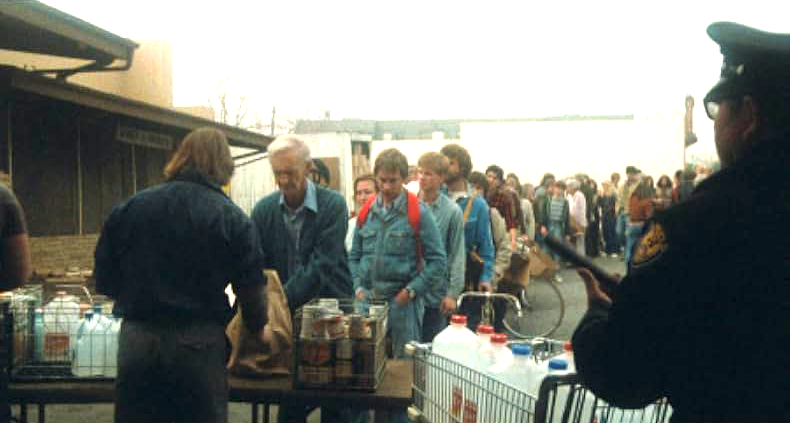
Morbid fantasy, or essential food for thought?
Testament offers a convincing scenario for utter doom as experienced by a fairly stable American family. Our society finds ways to avoid thinking directly about death until the subject becomes unavoidable. Normally, having the support of loved ones helps, as does the thought that our children will live on after us. But who can get a handle on the prospect of total annihilation? The end is neither a Bang nor a Whimper. Our selected family dies by stages. At first Carol joins in the community effort to maintain morale. Now the man of the family, poor Brad takes to his bicycle to carry messages and show his mother that he can be a good trouper.
Claustrophobia sets in as Hamelin shuts down. Director Littman occasionally cuts to old home movies of the Wetherly family, laughing and playing outdoors in better times. One day Brad finds Hiroshi left all alone, and simply brings him home. Carol’s emotional burden is appalling. Raising children shouldn’t be about helping them to die: a child is all about hopes and plans for the future. Mary Liz withdraws, Brad offers gestures of support and little Scottie tries to understand what’s going on. He asks his mother, “Make it go away.”
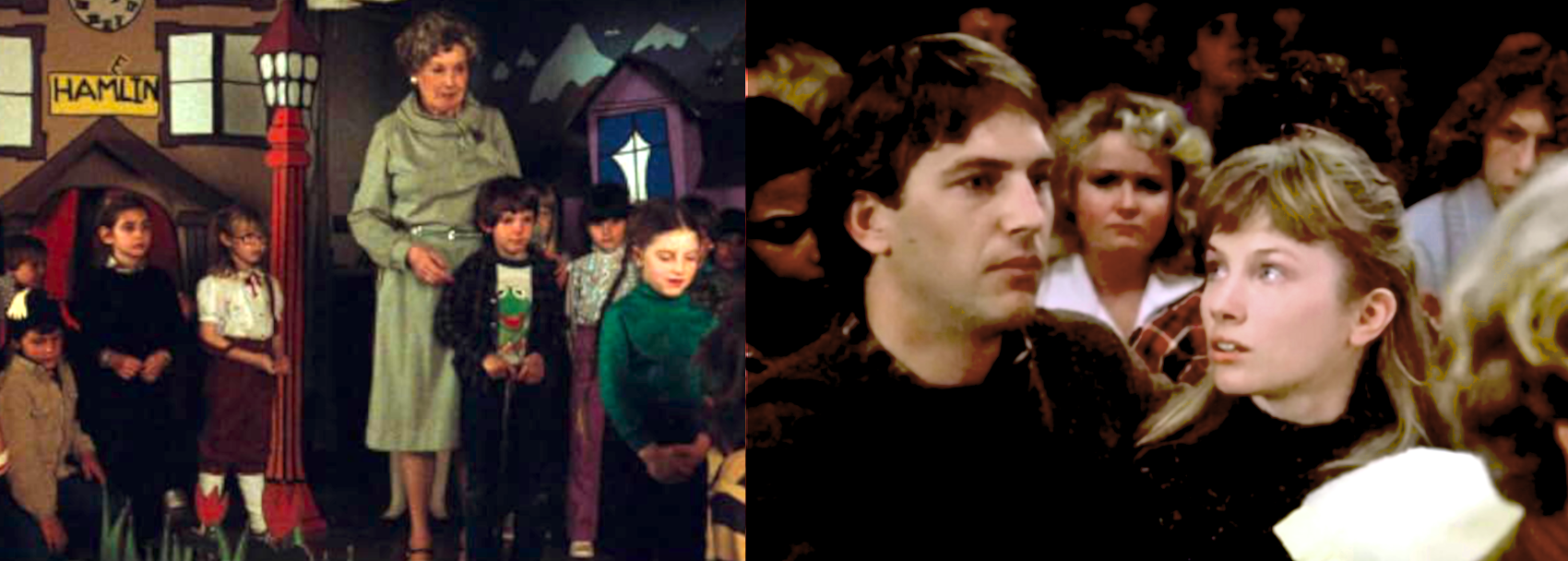
The movie avoids most blunt horrors, but doesn’t flinch from suggesting them. At one point we see a young father in shock, carrying a dresser drawer to use as a coffin for his dead infant. No editorial speeches mull over the causes of the war, as in On the Beach. We’re instead given the pale symbolism of a little school play, the kind that parents attend to see their kids perform on stage. The play is The Pied Piper of Hamelin, a tale of irresponsible parents. The teachers have rewritten a more hopeful ending — the thoughtless people of Hamelin will get their children back ‘when they deserve them.’
Why put an audience through this ordeal? Testament positions its discussion of nuclear war in everyday reality. It isn’t a fantasy about violence on the highways and it isn’t an allegory with zombies. There is no special-effect destruction spectacle to admire, only a possible future that society cannot afford to ignore. Lynne Littman’s film reached a much wider audience when it was shown on PBS in 1984. Its personal, family-oriented horrors hit us where we live.
Testament may play differently now, after our shared experiece with the Pandemic. People can sense that the ‘normal’ they wanted back was partly an illusion. We watched as parts of daily life malfunctioned. No place is immune from chaos now. Things that happen in ‘other’ lands overseas can just as easily happen here. Testament’s grim ‘what if?’ should no longer seem so far-fetched. Its message is essentially humanist.
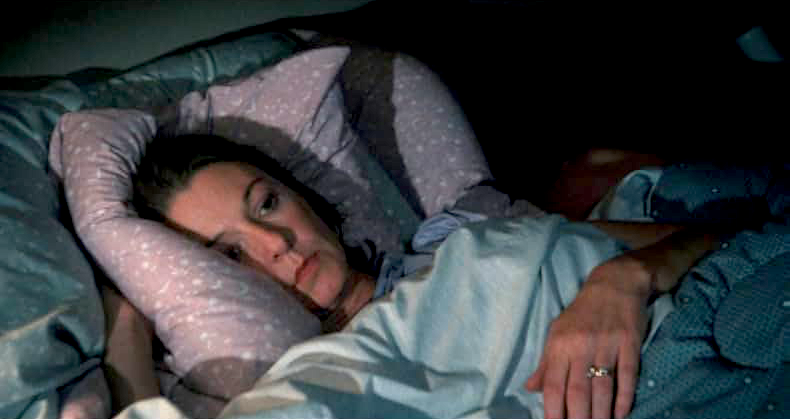
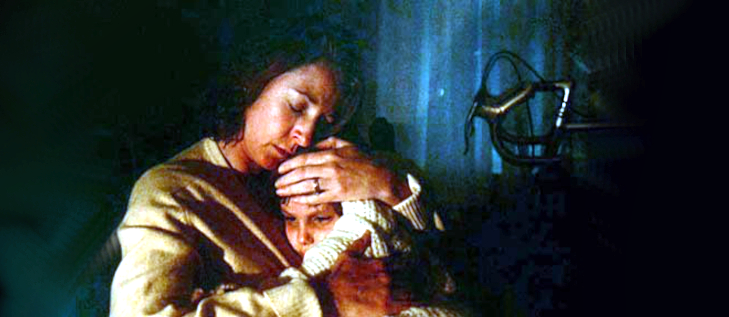
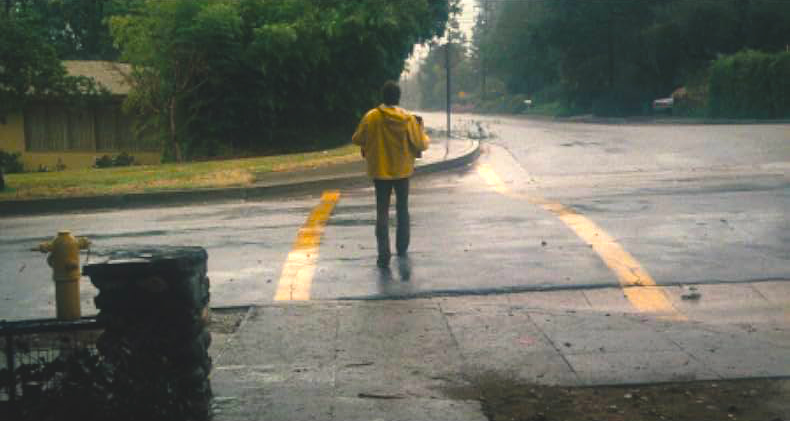
I still have my Paramount DVD on this movie, and, even though it’s always hard to watch, I still go back to it from time to time. Seek You, Seek You, Seek You………..
Thanks for the reminder that this film exists.