


It’s the flip side of Sully.
2012 delivered two excellent films with a disaster theme. J.A. Bayona’s The Impossible is a straight story of survival, when a tsunami floods an entire region in Southeast Asia. Robert Zemeckis’s admirable Flight is a Denzel Washington vehicle, and one of the few Zemeckis movies we cared for. It’s exciting, dramatic, unpretentious…. and it doesn’t use the ‘motion capture’ technology championed by Zemeckis, that had proved a dead end in some really trying fantasy efforts. Flight was his first live-action show in a number of years. It’s still a fine picture, and emerges with a solid “A .” We’re happy to see Kino Lorber give it the boost to 4K UHD.
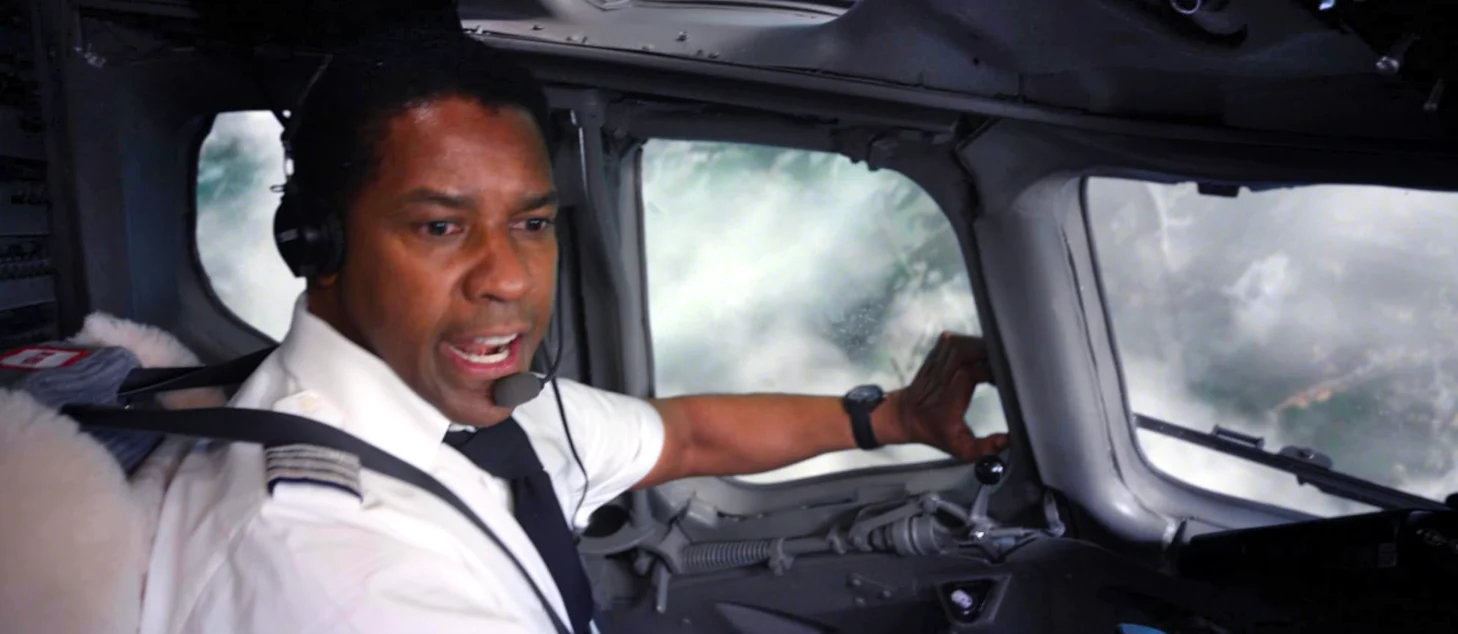
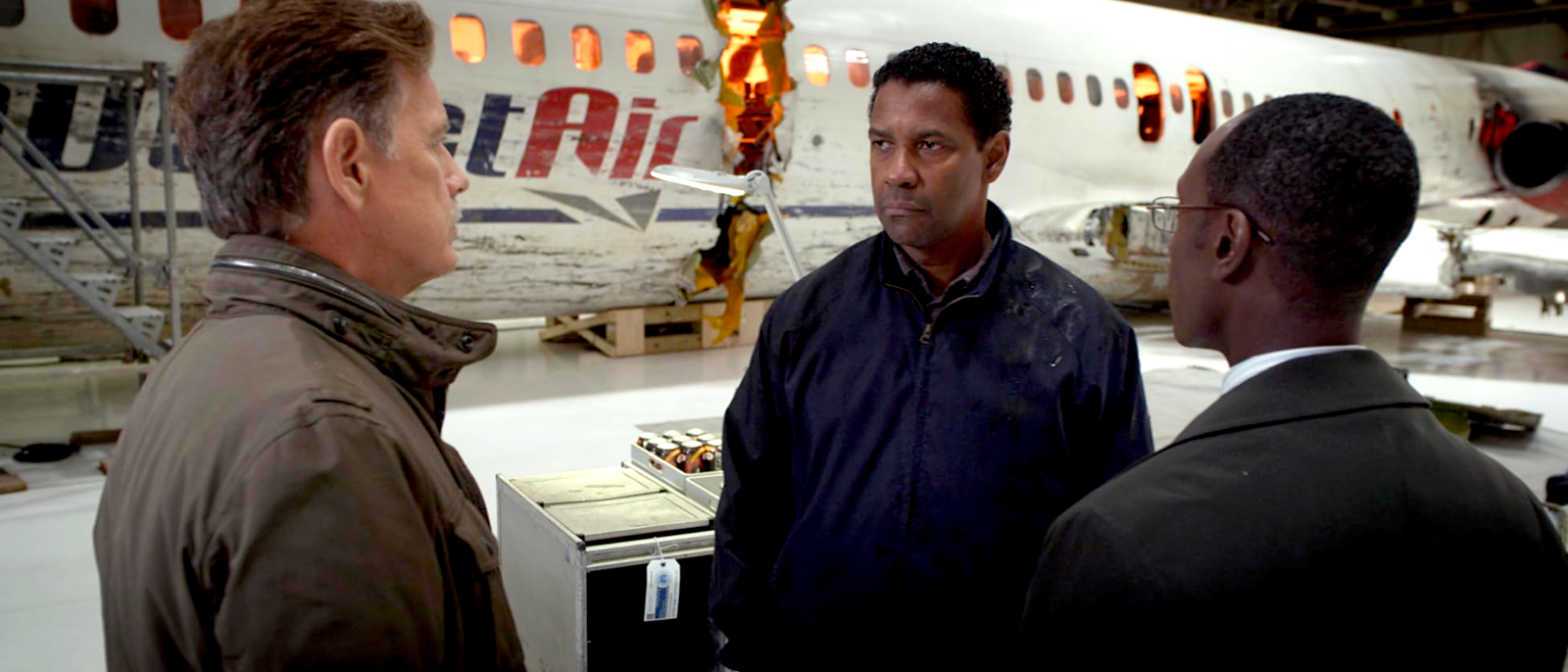
Career airline pilot Whip Whittaker (Denzel Washington) is a stealth alcoholic living on the edge. He goes on a binge the night before a quick hop to Atlanta. Convinced that he can handle anything, Whip raids the plane’s liquor service bar for a morning pick-me-up. Near the end of the flight a critical control surface mechanism breaks, and the plane plummets into an unrecoverable nose-dive. Whip is cool under pressure. To the shock of his co-pilot Ken Evans (Brian Geraghty) and his good friend flight attendant Margaret (Tamara Tunie), he improvises an inspired maneuver to pull out of the dive. The plane crashes but in such a way as to minimize the loss of life. Whip survives, and would seem to be an immediate national hero. But that’s when the real trouble starts: blood tests reveal his advanced state of intoxication. Whip’s friend and Union Rep Charlie Anderson (Bruce Greenwood) feels it necessary to bring in crack lawyer Hugh Lang (Don Cheadle). It doesn’t matter that he saved all those people, when practically no other pilot could: Whip may be going to prison.
Whip does what he can, knowing he has no real defense. He even turns down the booze and drugs offered by Harling Mays (John Goodman), his vendor for all things illicit. But the pressure of a false lifestyle and his own mounting lies draw Whip back to the bottle. He’s distraught over his relationship with his ex-wife and son, and humiliated by Charlie and Hugh’s disapproval. Whip takes up with Nicole (Kelley Reilly), another hospital patient with a substance abuse problem, but can’t honor his promises to her either. Whip has only a few days before a Federal hearing that could result in serious felony charges… and even then, he just can’t seem to stay sober.
Denzel Washington gives a compelling portrayal of a habitual ‘functioning’ alcoholic, complete with the moods, the self-deceptions, the outright lies. Whip Whittaker cons himself as much as he cons others. We can’t help but like his kind of hero, who pulls victory out of defeat and saves lives when survival seems hopeless. The public is in desperate need of heroes. Whip’s onerous pusher Harling Mays says that he’ll never have to buy a drink in a bar again.
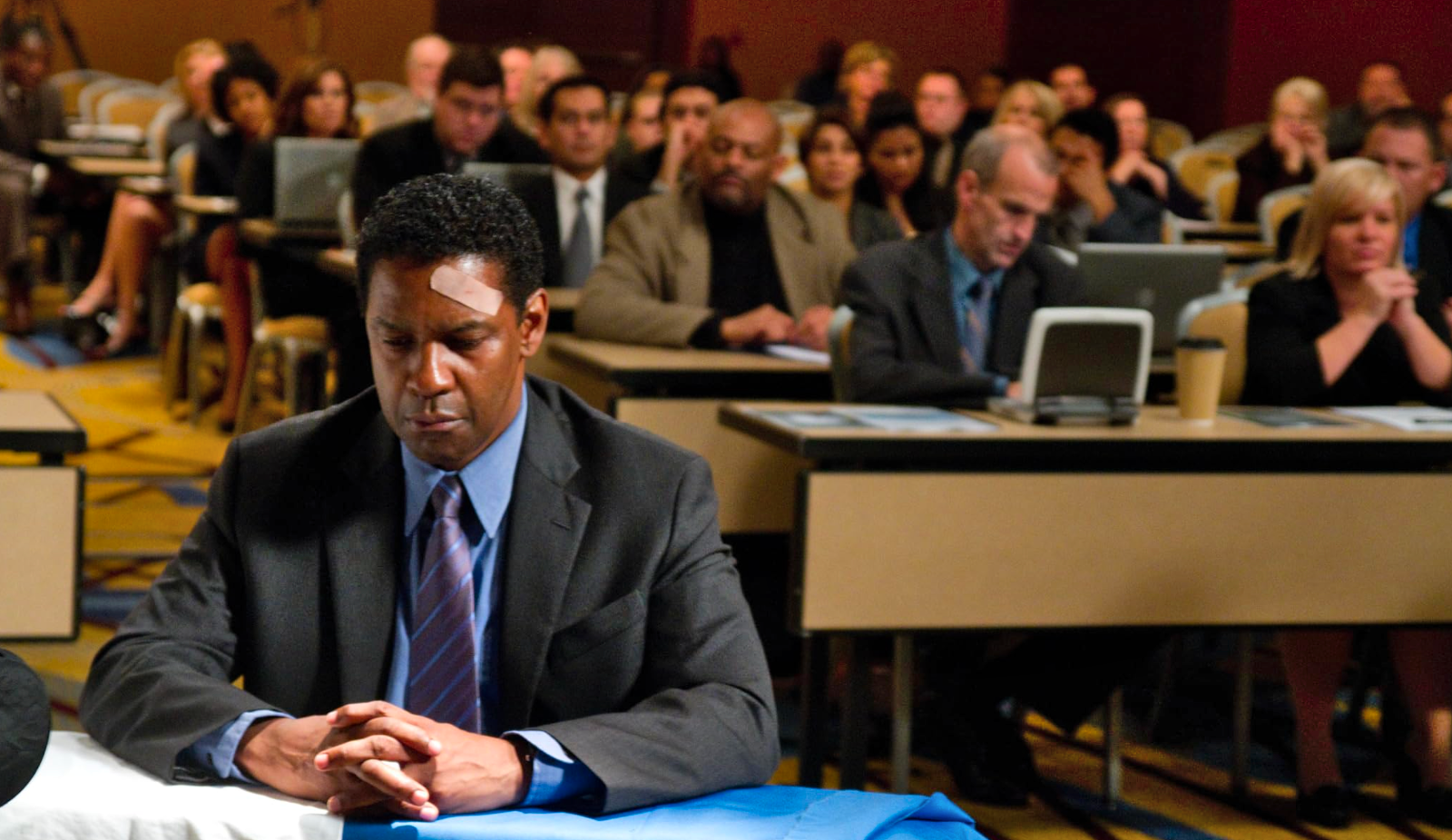
Unlike the real-life media hero Sully Sullenberger, Whip follows up his heroic feat by hiding out. If a reporter catches him when he’s loaded, he’ll look guilty as hell. Flight at first makes Whip seem the victim of rules that shouldn’t apply to supermen. He leans on Margaret and Ken Evans to testify that he was in control, when both are very conscious of his condition on the flight.
The public didn’t see the Captain addressing his passengers, holding the intercom mike in his right hand, and with his left pouring little bottles of vodka into a pitcher of orange juice. Because Whip functions so beautifully in the crisis, he seems a Wild & Crazy guy with a surfeit of The Right Stuff. How many old movies have we seen that show a drunk happily saving the day? Cary Grant survives one crazy crisis because he’s too drunk to know he’s about to drive off a cliff. After seeing Whip wrestle that plane to the ground, more or less in one piece, we’re ready to conclude that he walks on water.
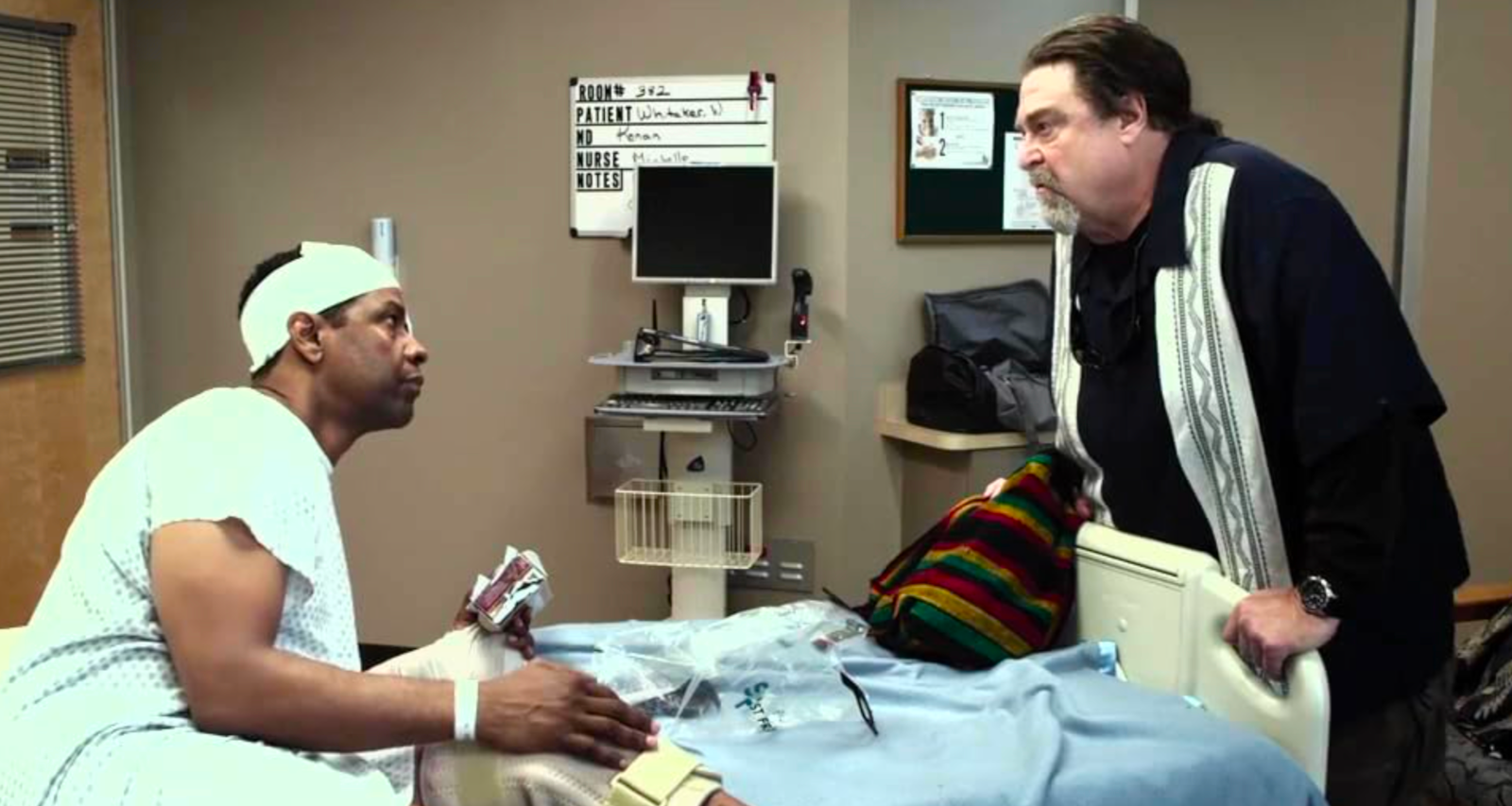
Zemeckis handles his cast well. Bruce Greenwood and Don Cheadle play interesting, realistic men. Both are essentially ethical but they’re not above pulling a devious trick to get Whip off the hook. The politics are such that defending Whip means defending the best interests of other pilots, that too often bear the brunt of hasty ‘pilot error’ judgments. Harling Mays is a colorful enabler/walking pharmacy, the kind of friend nobody needs. John Goodman makes him a flashy, vulgar pro whose presence we come to dread. Nicole’s drug addict provides an interesting contrast with Whip. She’s in dire need of somebody to believe in… but Whip’s charade doesn’t fool her for a minute.
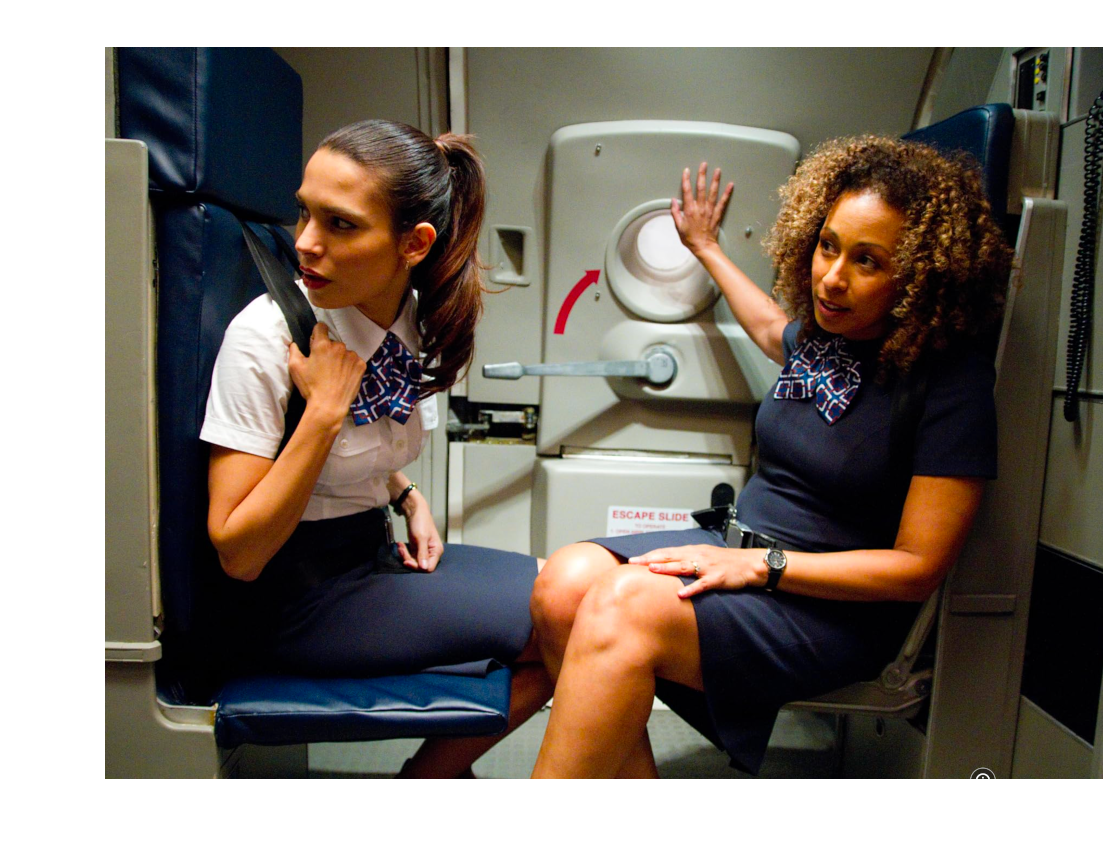
Whip has good luck going into the Federal hearing. A technicality will afford him some protection, and Margaret agrees to back him up against her better judgment. Ken the copilot is bitterly unshakeable in his resolve to tell the truth — an episode with a surprising outcome for Whip. Not to be forgotten is Trina Marquez (Nadine Velazquez), a flight attendant personally involved with Whip. Her fate becomes the key factor in the outcome of Whip’s dilemma.
The ending is not at all bad, yet it seems to sidestep the film’s target thesis. (expect some imminent spoilers, here). Whip’s decision to take personal responsibility provides an expected feel-good ending, the atonement of a good man gone wrong.
The only trouble is that the world we see doesn’t work the way shown in Flight. Famous athletes, politicians, soldiers of all kinds don’t spend years lying and deluding themselves and others, and then turn around and come clean as in a Frank Capra movie. The words “I take full responsibility” in testimony now mean “I’m saying the magic words, so leave me alone.” Criminals looking to score sympathy points now showboat in front of interview cameras, talking about their crimes in the third person: “It happened”, “when those terrible things occurred.” The aim is to give the impression that they are somehow the innocent victims of their crimes, not the perpetrators. Many real out-of-control alcoholics, sexaholics or just plain corrupt politicians and athletes work up ridiculous cases of self-denial. When their lies overwhelm them, there are always other people to blame.
Whip has previously been willing to do most anything to keep his dirty secret under wraps. I particularly like the moment where he goes down on his knees and prays with a witness who praises Jesus with every other breath. Even Whip feels he’s being a hypocrite with that one.
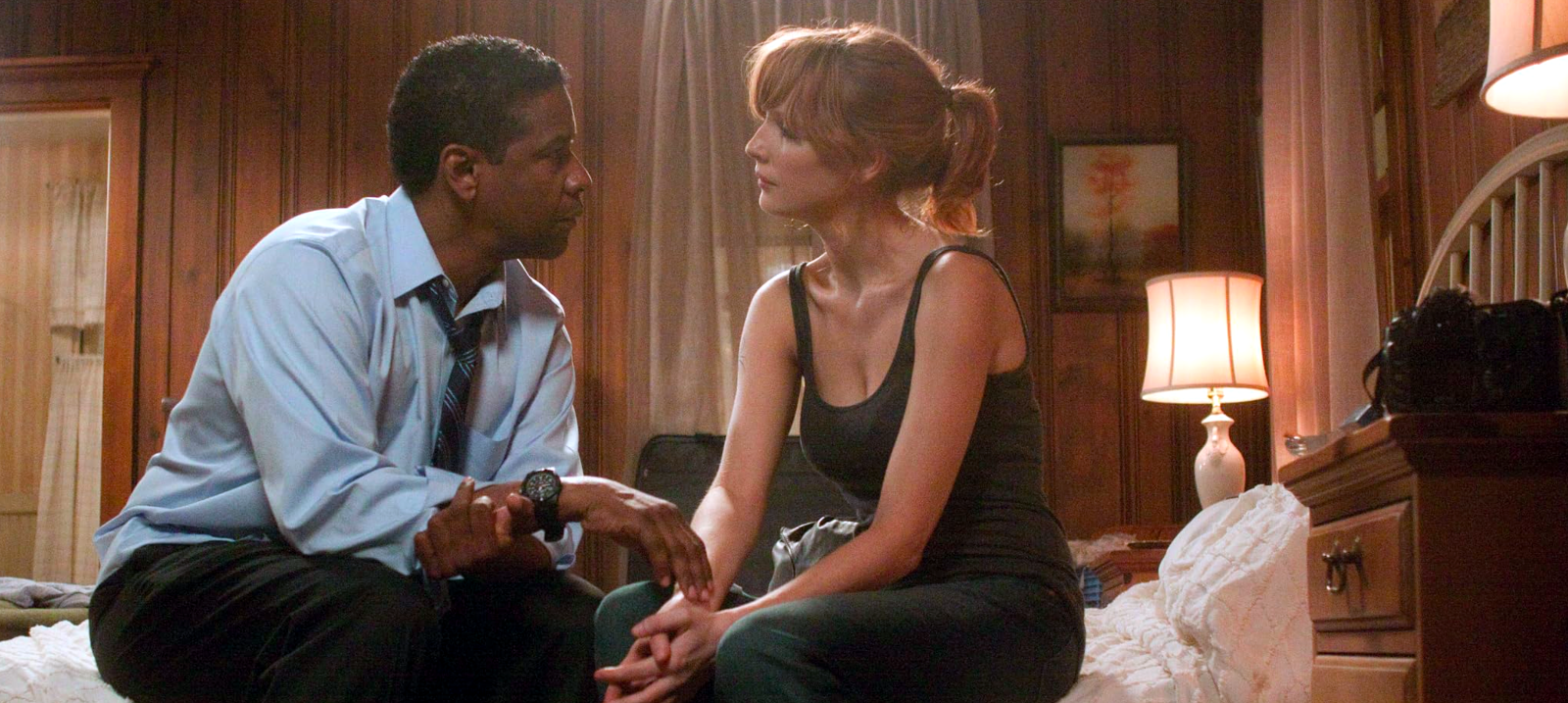
Whip’s decision does not restore a moral equilibrium. We don’t know if the airline and the aviation manufacturer are now off the hook because of Whip’s admission. The president of SouthJet Airlines has come off as almost sympathetic — he’d rather own baseball teams, not an airline that might go broke because of a monster cash payout. His company is colluding with the Pilot’s Union against the Federal investigators. The Union wants to save the airline, to save its members’ jobs. Where can the truth possibly fit in that equation?
Whip was the man of the century for that crash landing. But he was also a genuine menace, criminally responsible for risking passenger lives on a daily basis. Screwed-up pilots, bus drivers, train engineers do exist, and sometimes cause tragedies. Even if they’re not performing in a position of public trust, when people like Whip crash and burn in their private lives they take a terrible toll on relatives and loved ones.
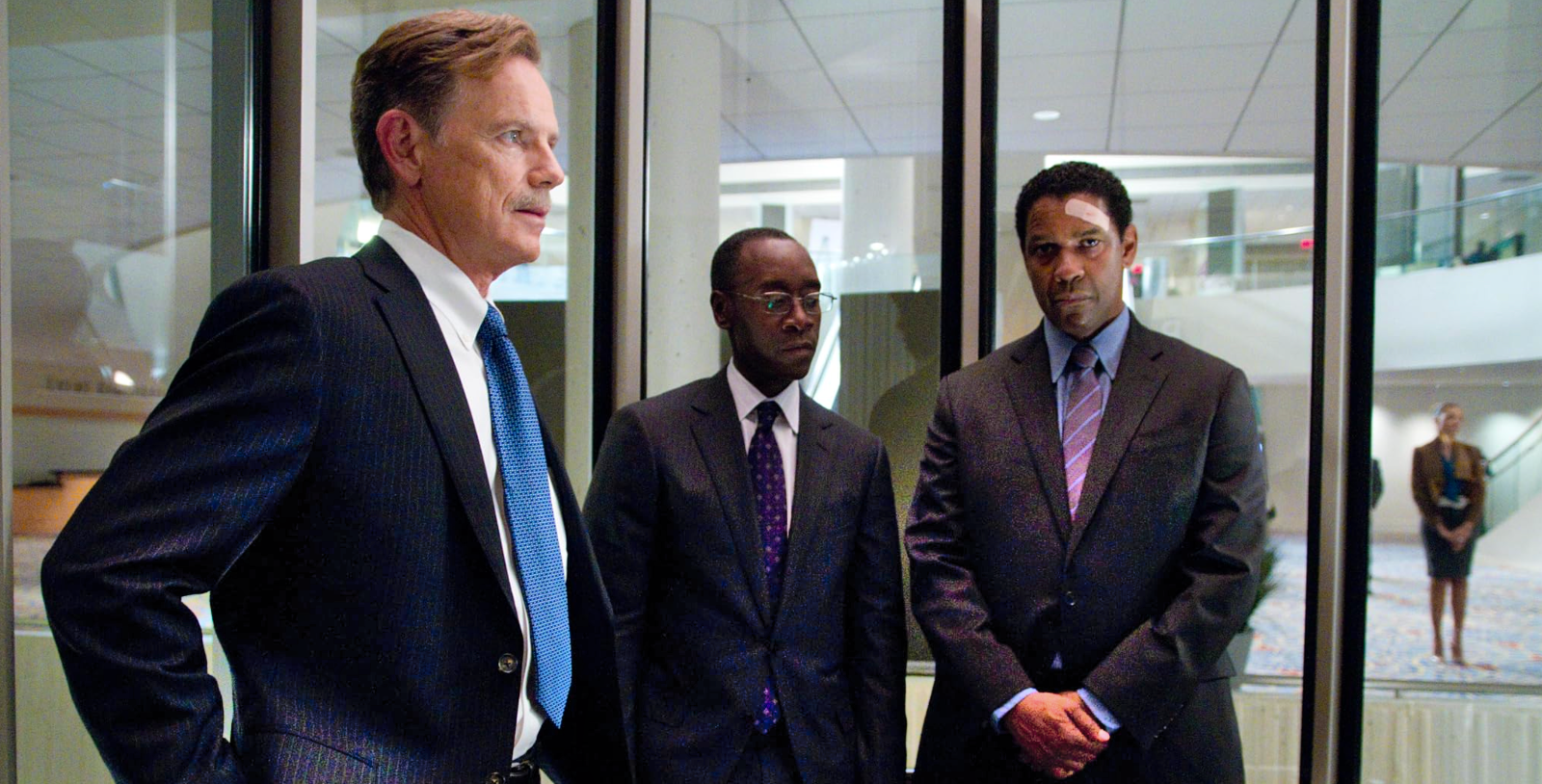
It’s a shame that Whip’s superb skill and experience will now all be lost. But that’s the cost of Screwing the Pooch. ‘The Right Stuff’ is indeed what we expect in a pilot, and we must be able to believe in them. Think of Sully Sullenberger, or of Apollo 13 or of that pilot that flew a plane for a crash landing after he lost all control except for his engine throttles. Who would choose the less experienced, unimaginative and panicky Ken Evans as his pilot, instead of (a sober) Whip Whittaker?
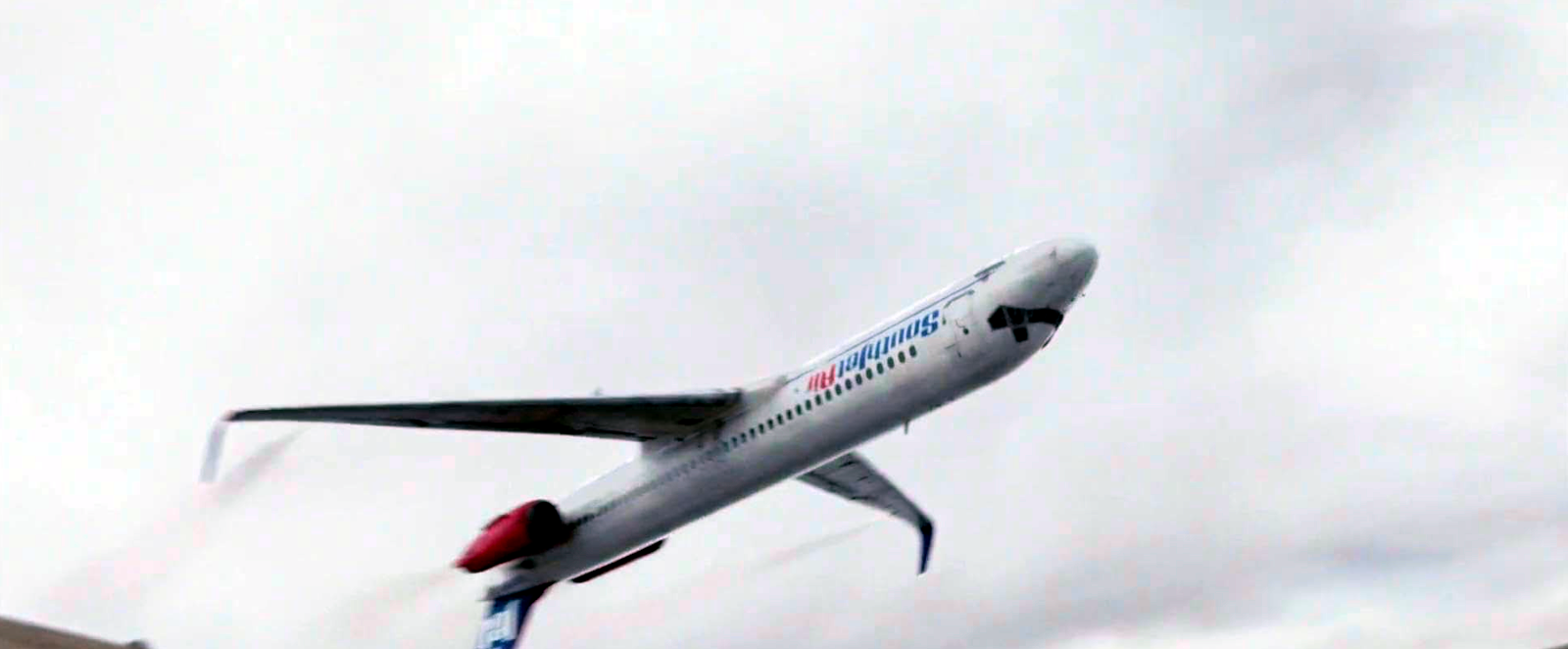
Flight is a both a solid drama and a genuine thrill ride. It can boast one of the most riveting and convincing scenes of mid-air jeopardy ever. That big action scene happens early on, yet the rest of the show doesn’t feel like a letdown. Director Zemeckis has a good command of his visuals.
Four years later Clint Eastwood directed Sully, a dramatic depiction of a real-life aviation emergency saved by the judgment of a good pilot. The movie concentrates on an inquisition-like attempt to blame him for everything. Robert Zemeckis movies tend toward conservative values, but Clint Eastwood villainizes accountability proceedings as criminal persecution. The ultimate message is that all oversight and corporate regulation needs to be eliminated, so that heroes like Sully won’t be put through a wringer.
Graciously submitted by correspondent Edward Sullivan back in the day: A relevant article about the air crash that inspired this movie. ‘Mechanical failure’ in an aircraft emergencies can easily be unforgiving. The wrong thing breaks, and the pilot’s best response may not be enough. Thanks, Edward.
A piece of trivia: this was Robert Zemeckis’s first R-rated movie.