
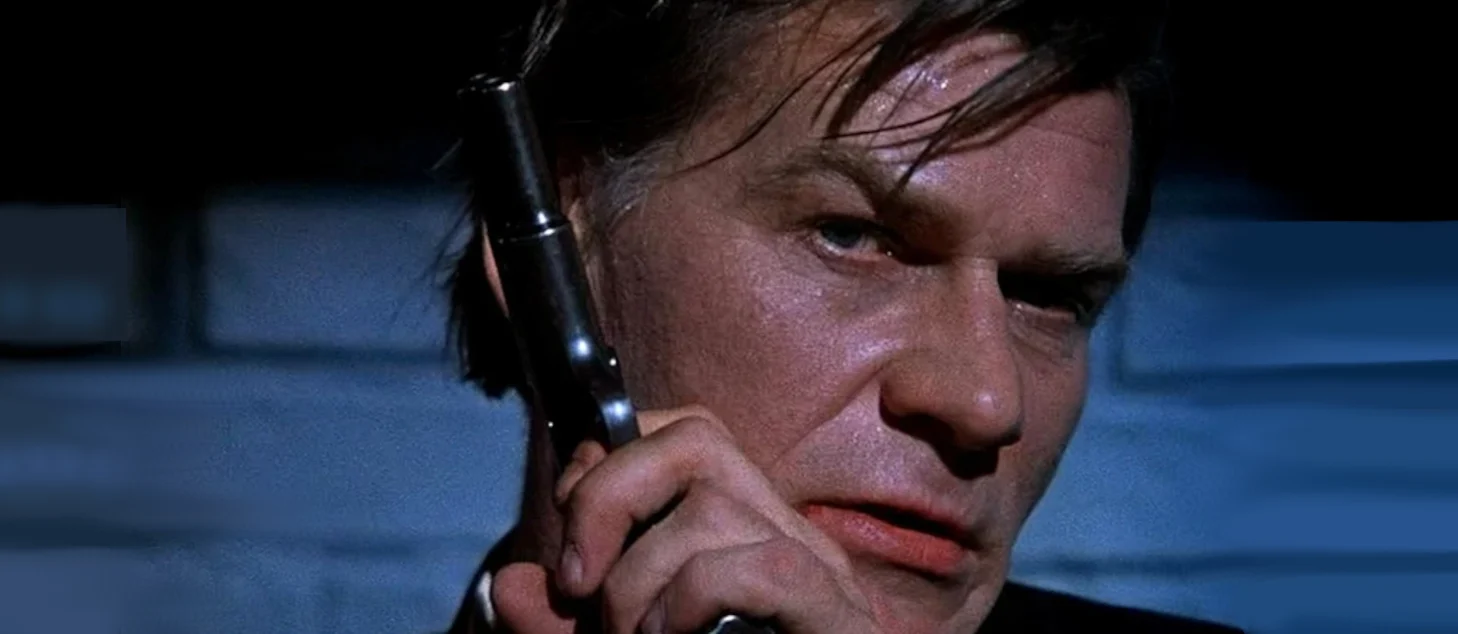
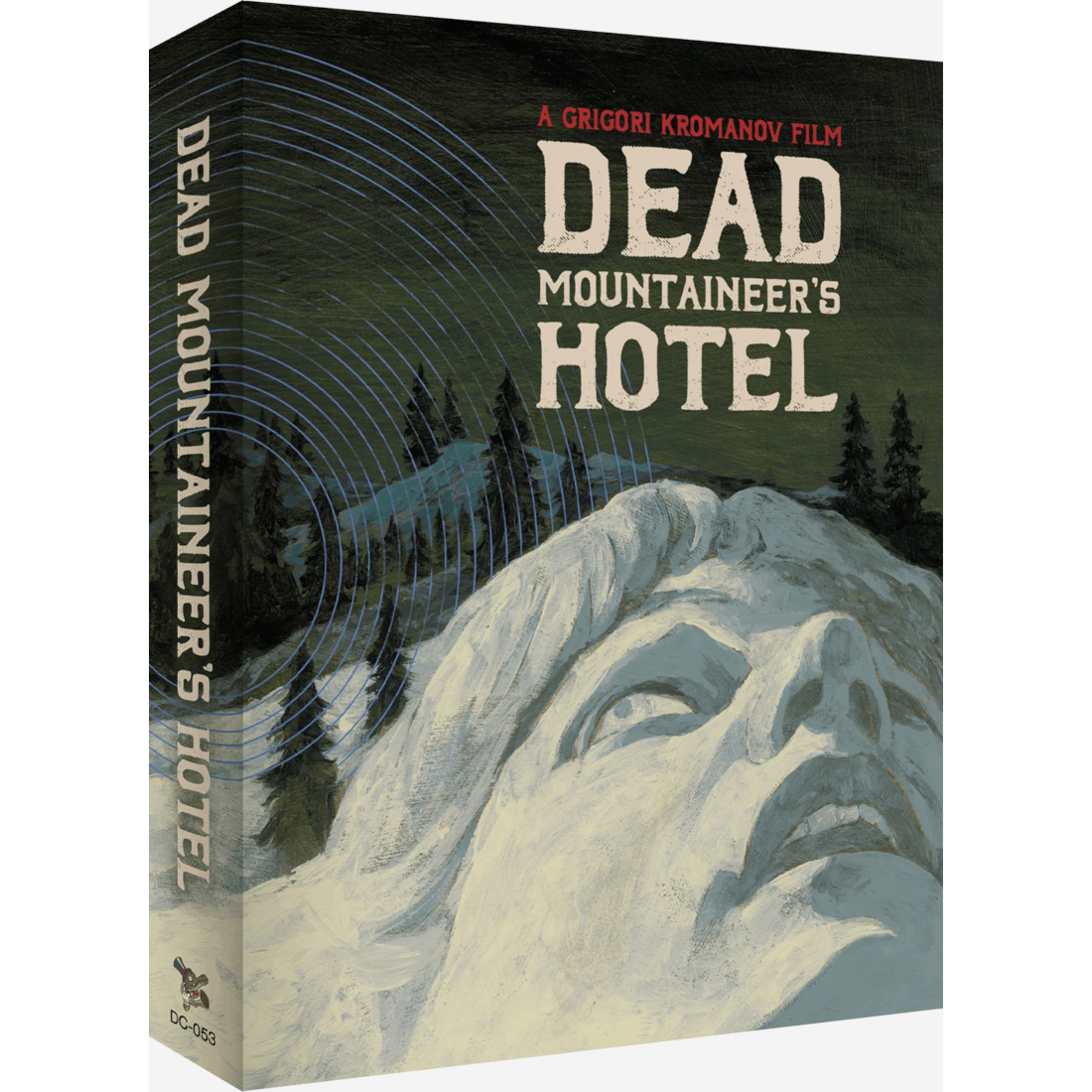

We don’t know how Deaf Crocodile does it, but we really appreciate this access to ‘a whole other’ foreign cinema.
Deaf Crocodile has yet again fulfilled the wishes of Science Fiction film fanatics. So far we’ve covered their discs of the Romanian animation Delta Space Mission, the elusive Unknown Man of Shandigor, the Croatian semi-comedy Visitors from the Arkana Galaxy, the Czech monster-plant farce Adela Has Not Had Supper Yet, the Hungarian time travel romance Sirius, and the Czech atom fear parable Krakatit. There’s also the futuristic Time of Roses from Finland. Most of these pictures were teased 40 years ago in the Hardy Encyclopedia of Sci-fi. We never dreamed they’d be made available in pristine restorations, on Blu-ray and even 4K.
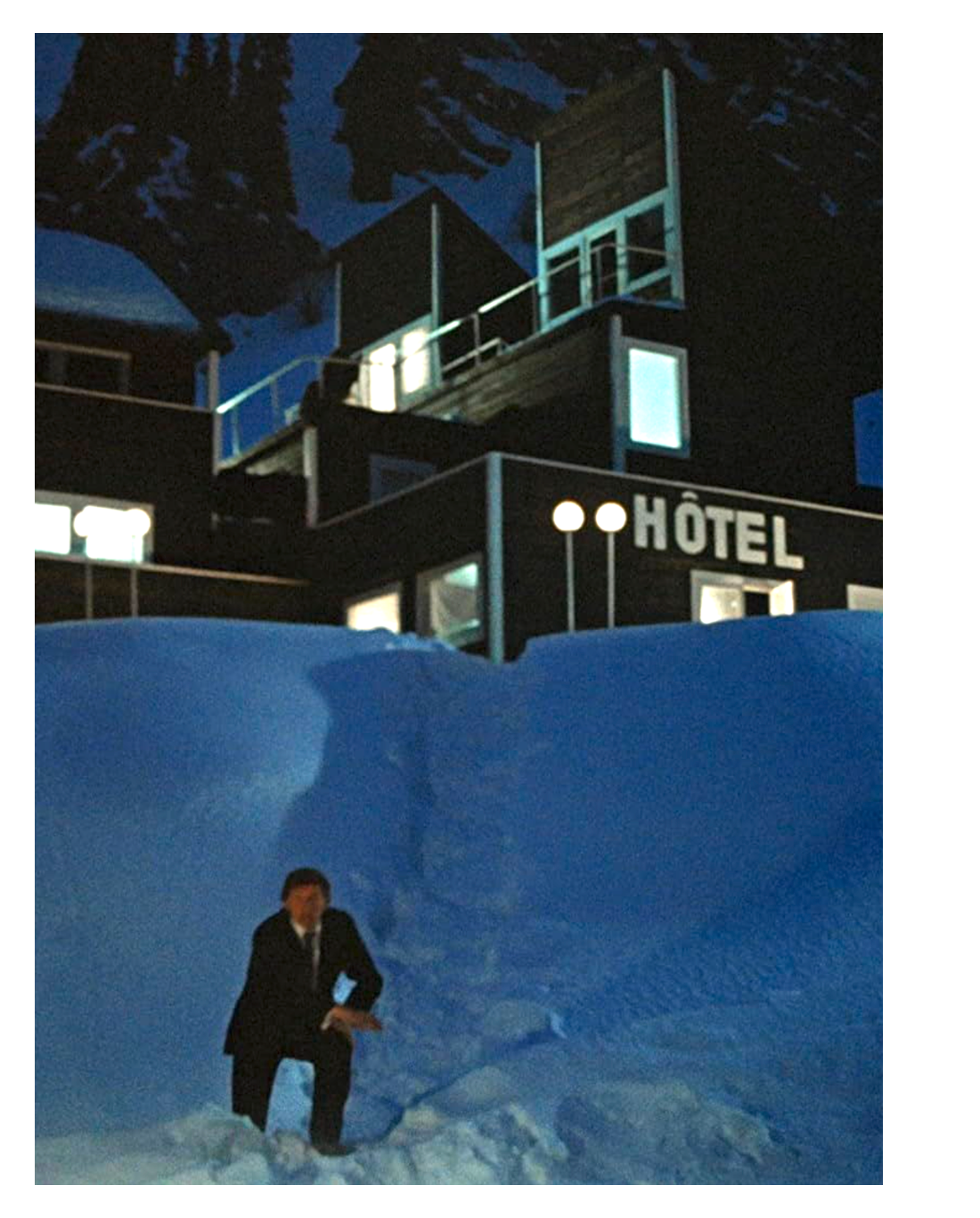
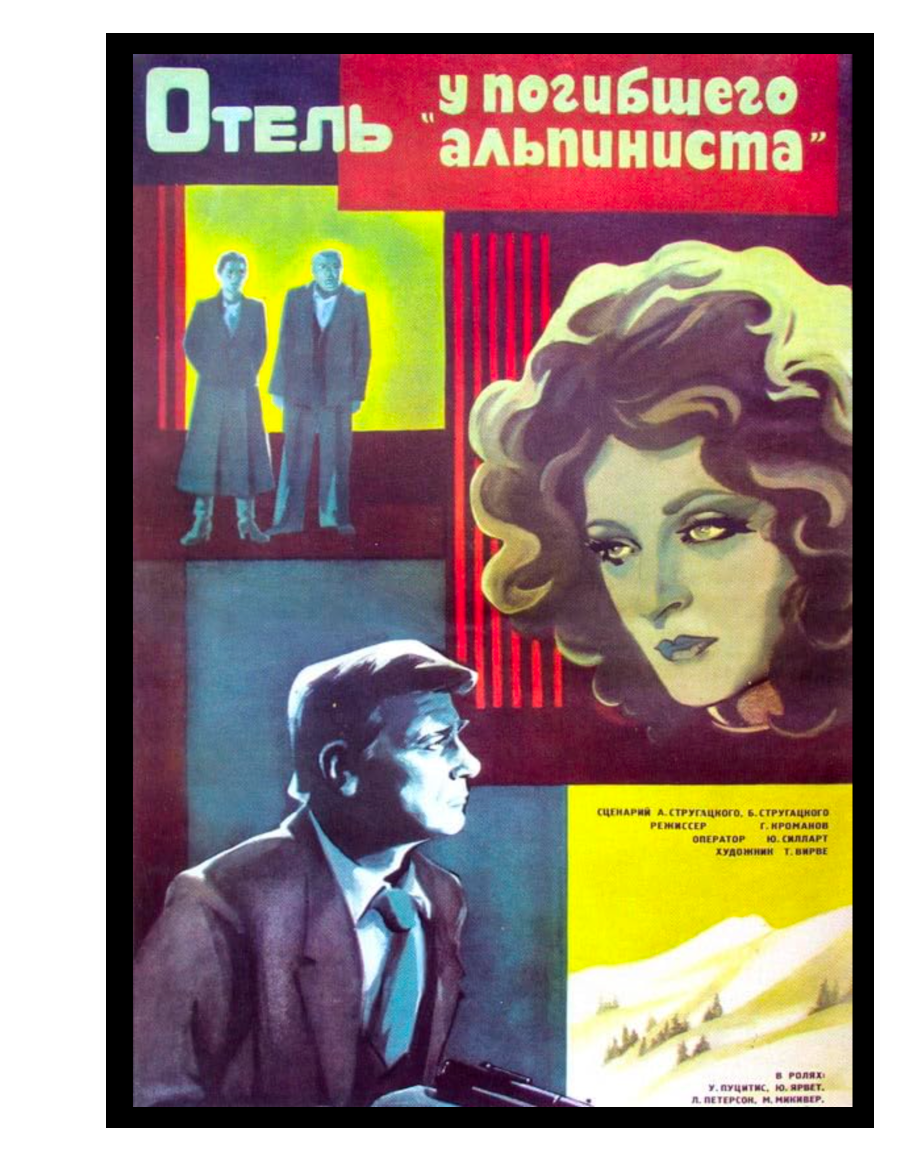
The latest Deaf Crocodile disc offering has a reasonably broad appeal — literary science fiction addicts are already aware of its book source. The Russian authors Arkady and Boris Strugatsky hold a high roost in literary circles; their 1972 novel Roadside Picnic fascinated readers world wide, and became the basis for the strange Tarkovsky epic Stalker. The brothers’ interests extend into philosophical matters not commonly stressed in speculative science fiction. Their 1970 book Inspector Glebsky’s Puzzle, aka Dead Mountaineer’s Hotel, was filmed in 1979, three years before any English translation was published. The film won a major prize at the 1980 Trieste film festival yet was not reviewed in Variety. According to the IMDB, it wasn’t seen outside the old Soviet bloc until the 2020s. It remains all but unknown in the U.S..
Dead Mountaineer’s Hotel is an Estonian-Russian production from the Soviet era, filmed atop a remote mountain used to train the USSR’s snow troopers. The Strugatskys launch their tale as a detective story but it soon veers into speculative science fiction. The open question is whether a feature film is the best conduit for the Strugatsky’s ideas … most of which are expressed only through dialogue. Director Grigori Kromanov has provided a decorative style for the movie, trying hard to suggest things our detective senses but cannot nail down. When suspicious characters identify themselves as not of this world, should we assume they are telling the truth?
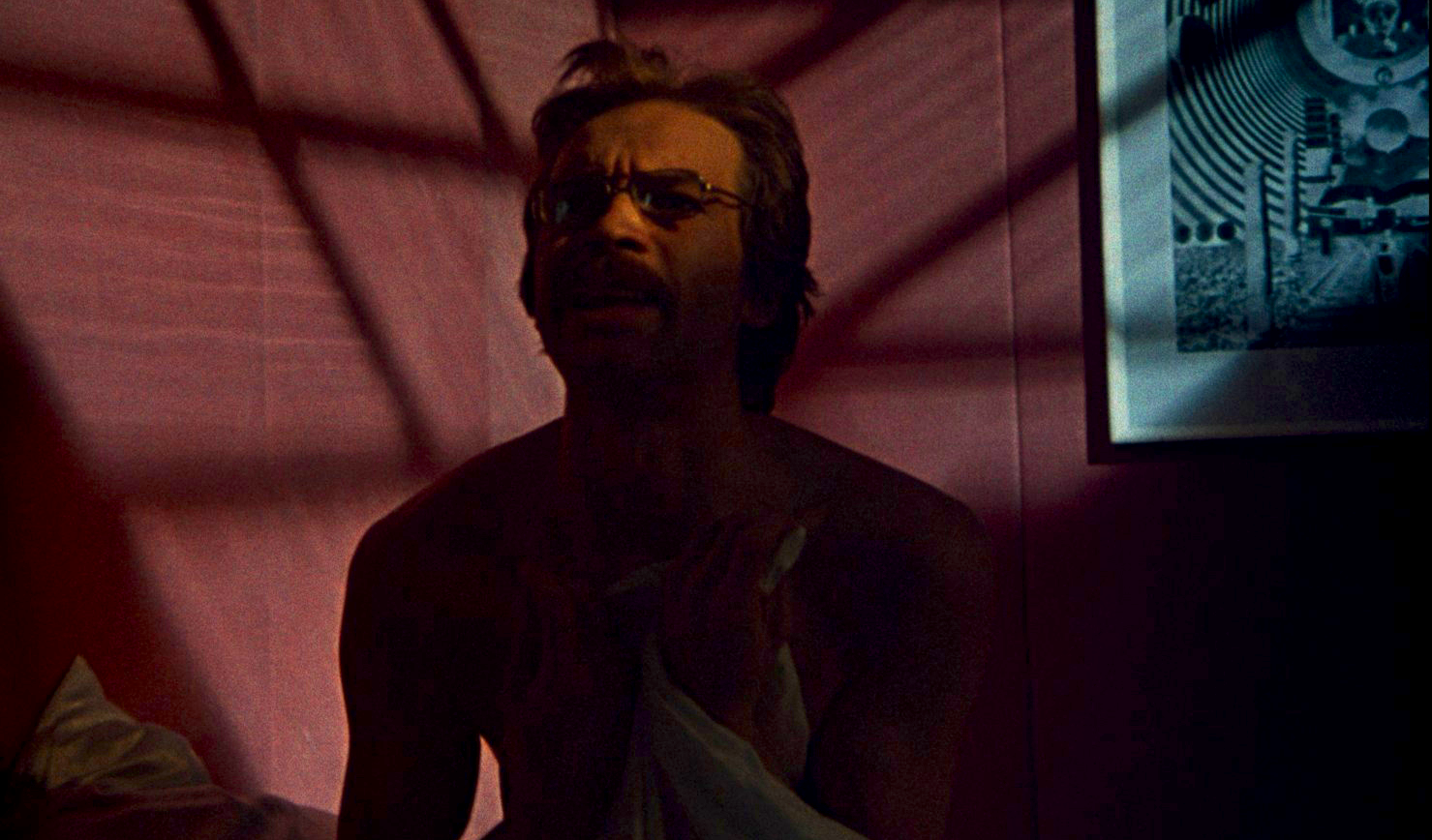
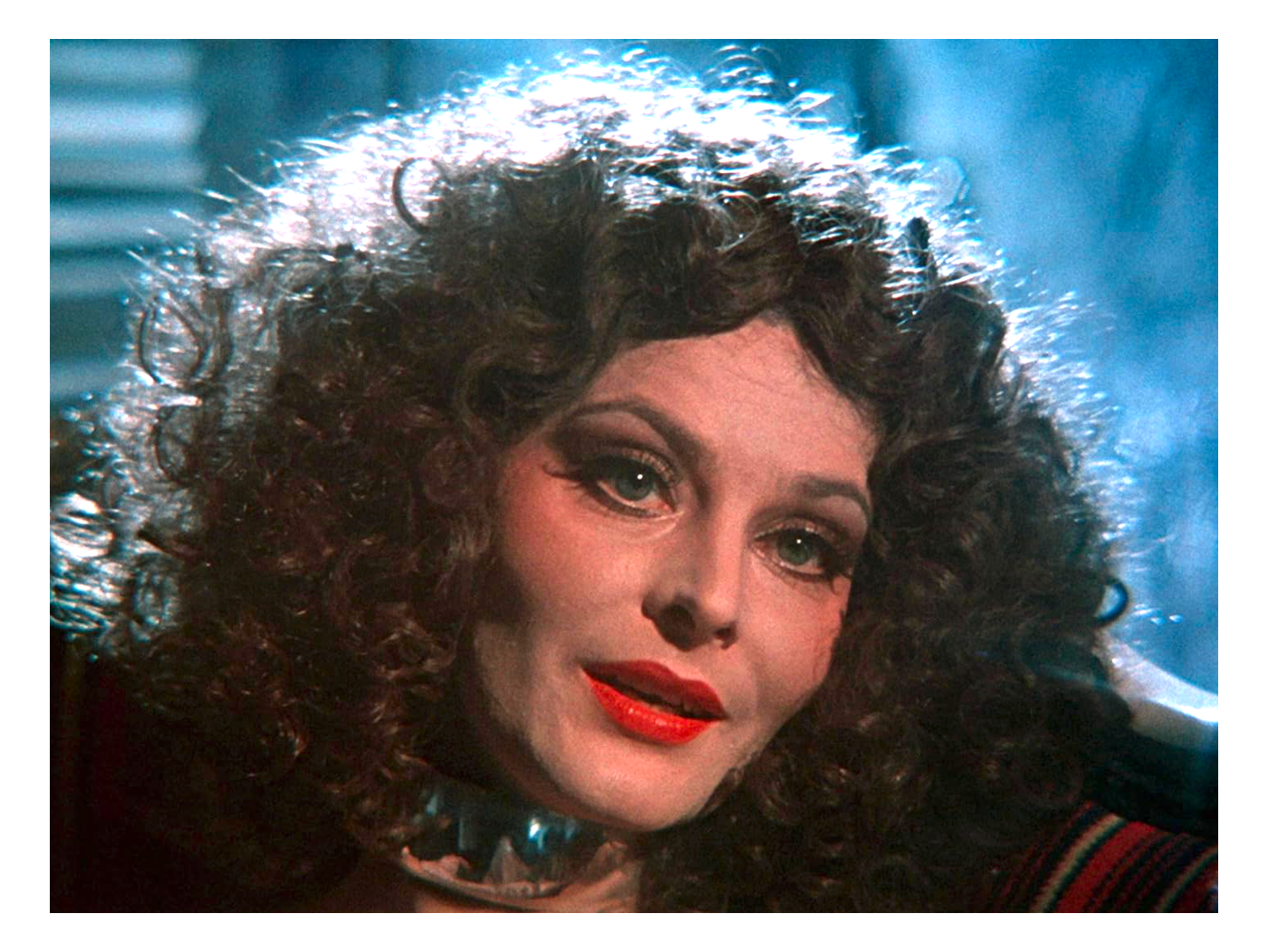
In what appears to be an alpine country (although all dialogue is in Estonian), detective Inspector Peter Glebsky drives to a remote ski resort, to answer a call that a murder has taken place. The oddly named ‘Dead Mountaineer’s Hotel’ commemorates a climber who lost his life on a peak. The owner Alex Snewahr (Jüri Järvet) immediately says that there’s been no murder, no trouble at all. Glebsky prepares to return the next morning … except that a murder does take place that night. An avalanche blocks the road, isolating the detective with a half-dozen extremely weird resort guests. Few will take his investigation seriously or answer a straight question. A convalescent TB case named Hinckus (Mikk Mikiver) disappears, and then returns; he might actually be a gangster, hiding out. Another guest called Luarvik (Sulev Luik) shows up looking sickly and completely disoriented. The haughty businessman Mr. Moses (Karlis Sebris) has a wife (Irena Kriauzaite) who tries to seduce some of the men, including Peter. Taking her up on her offer is a young scientist Simon Simonet (Lembit Peterson), who says he is recovering from a nervous breakdown. Simon panics in her cabin, mistakenly convinced that she is dead. Glebsky doesn’t think anybody is what they seem.
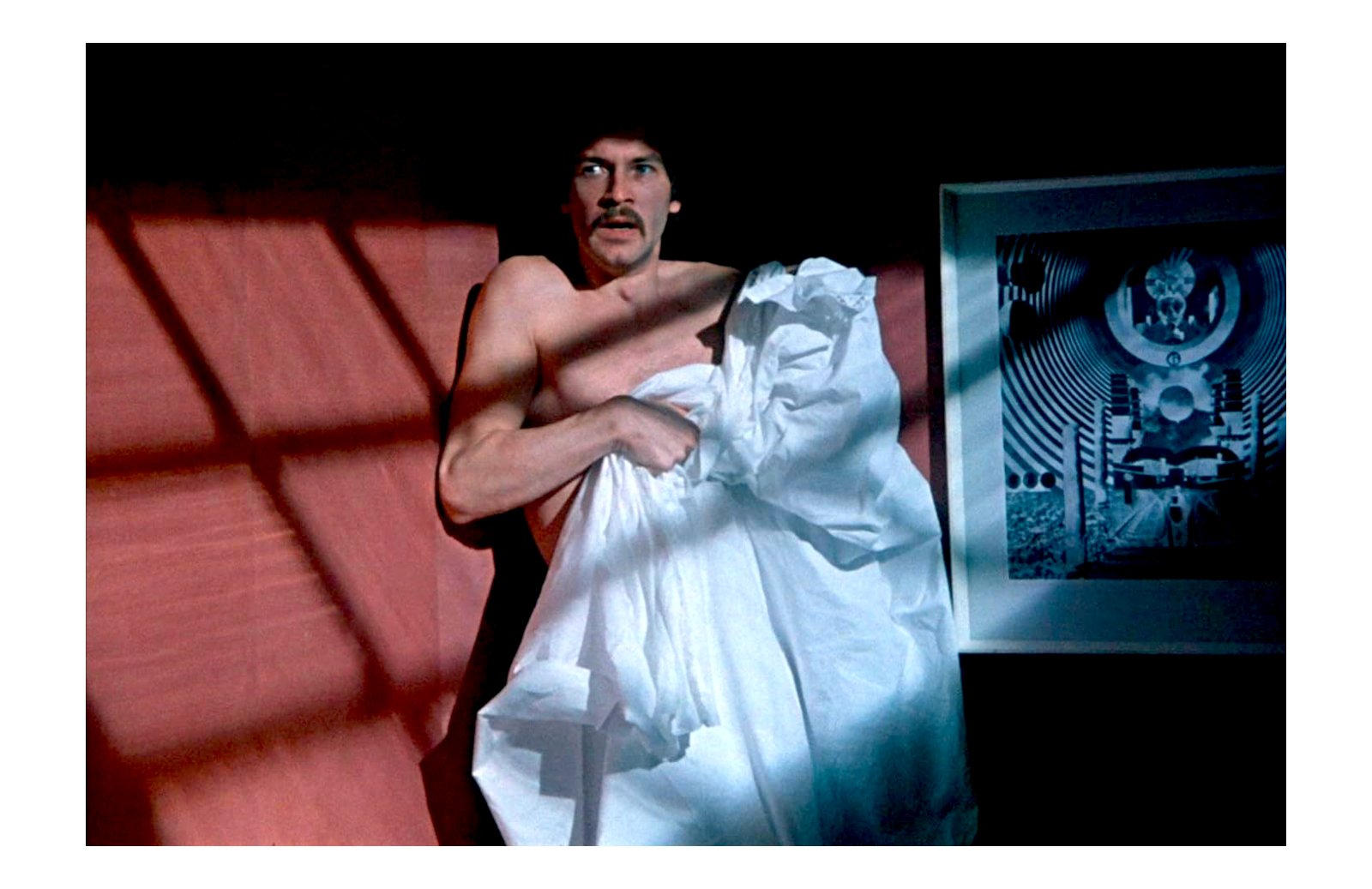
Glebsky’s ‘puzzle’ yields little reliable information. He initially theorizes thinks that he’s landed in the middle of a clutch of criminal co-conspirators. Somebody reported the murder, but why? He takes possession of a mysterious suitcase, that when opened, reveals strange, undecipherable data contents. Simon Simonet says that it must be extraterrestrial. Are the odd guests actually stranded alien shape-shifters disguised as people? That would explain one player’s extraordinary skill at billiards, and another’s ability to climb walls. Do they exhibit odd characteristics and infirmities due to an accident, or an inability to adapt to terrestrial conditions? Is Hinkus really a gangster pressuring the other ‘guests’?
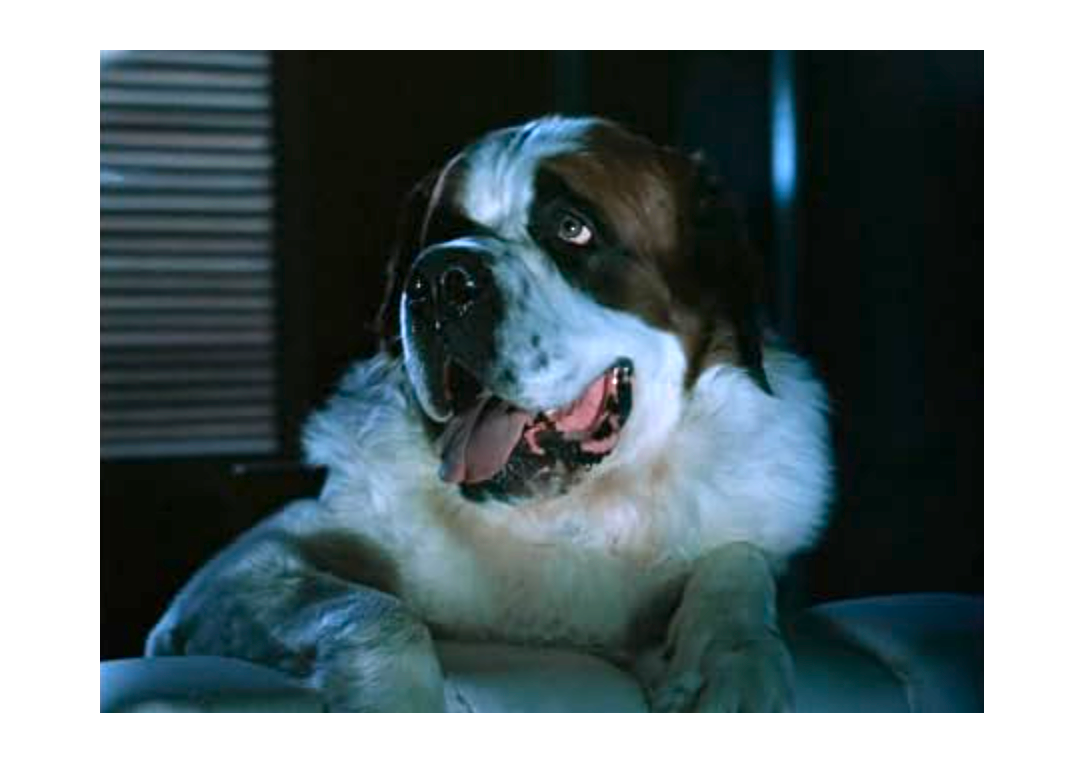
The mystery unspools in fine confusion because Glebsky’s attempt to apply rational rules just doesn’t work. The only ‘normal’ thing we see is Lell, an enormous St. Bernard who belonged to the Dead Mountaineer. But Lell is strange as well. He carries Peter Glebsky’s luggage to his room — and apparently recognizes the spoken room number. Peter stays calm, observing as best he can and rolling with the psychic punches. He finds little hard evidence of anything. The finish brings on a rocket-firing helicopter, which attacks several guests trying to escape. Is it a military action, or a conspiratorial coverup of a crime? Our hopes of an explanation are not helped by frequent narrative voiceovers from Peter Glebsky. He speaks from an undisclosed point in the future — when he still doesn’t know what’s going on.
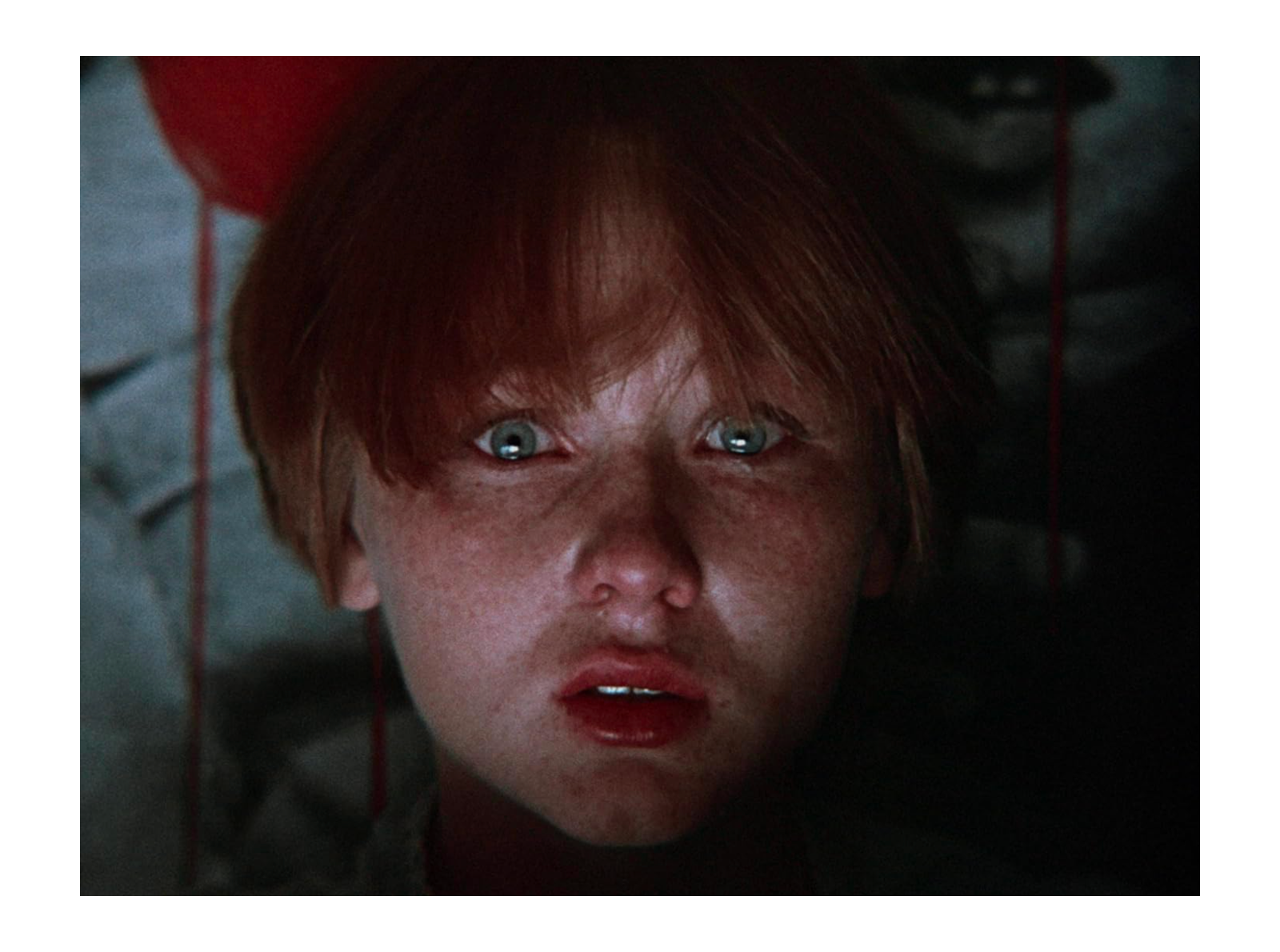
Those praising Kromanov’s film point to its art direction, camerawork and music. We range all over the split-level resort. The maze-like building mirrors poor Glebsky’s professional confusion. Glass panels, doorways and artwork multiply as rectangles in the frame. Long lenses flatten out views that should have more depth. We never get a handle on the hotel’s layout, other than it has a roof with a balcony, from which someone tries to ditch a possible murder weapon. Lell brings it straight to the detective, like a good dog. We only wish that Lell were a friendly E.T. who could save the day, like Lassie.
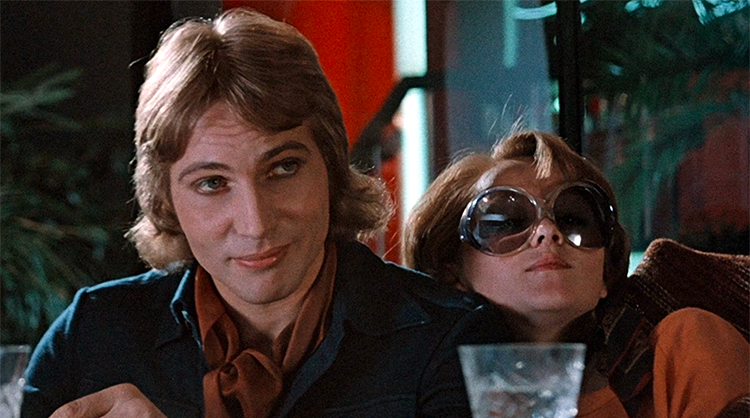
Our take on the guests is by necessity inconclusive. Do their performances feel odd because of the Estonian acting style, or are they expressing something specific from the Strugatsky book? They remind us of some of Philip K. Dick’s eccentric characters, whose absurd costumes are difficult to imagine in a film adaptation. The young lovers Olaf and Brun (Tiit Härm & Nijole Ozelyte) hang-glide and dance like disco fools. If they are indeed aliens, they have clearly adapted well, and are having the time of their lives enjoying their ‘vacation’ in human form.
We share Glebsky’s confusion over Olaf and Brun. Olaf plays billiards like a pool shark but when relaxed comes off as more feminine. His dancing sends no standard gender signal. Brun seems somewhat androgynous as well. In some shots the makeup of both lovers seems to shift — Olaf in particular. Are we seeing what we think we’re seeing, or are we falsely reading things into the film’s ‘text’? Could they be shape-shift playing with gender possibilities?
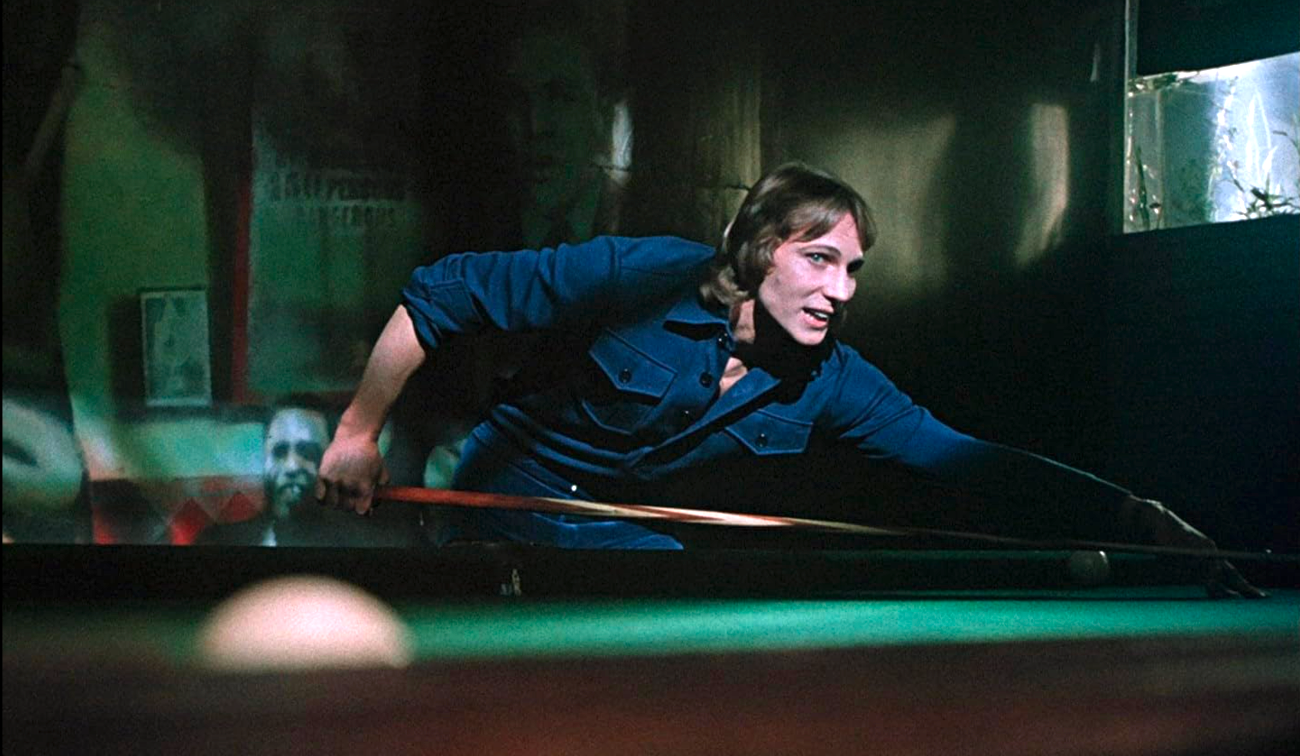
At one point the shifty Mr. Moses does give Glebsky a partial accounting of who they are. But how can the detective take him at his word? And who would believe Glebsky if he reported it? It is suggested that the sickly Luarvik, so pale that he looks nearly dead, may be an alien pilot injured in a crash. Have these E.T.s (and robots?) phoned home to await rescue? Has the criminal Hinkcus betrayed them? Where does the murder fit in? Nobody acts like a typical crook, so who knows?
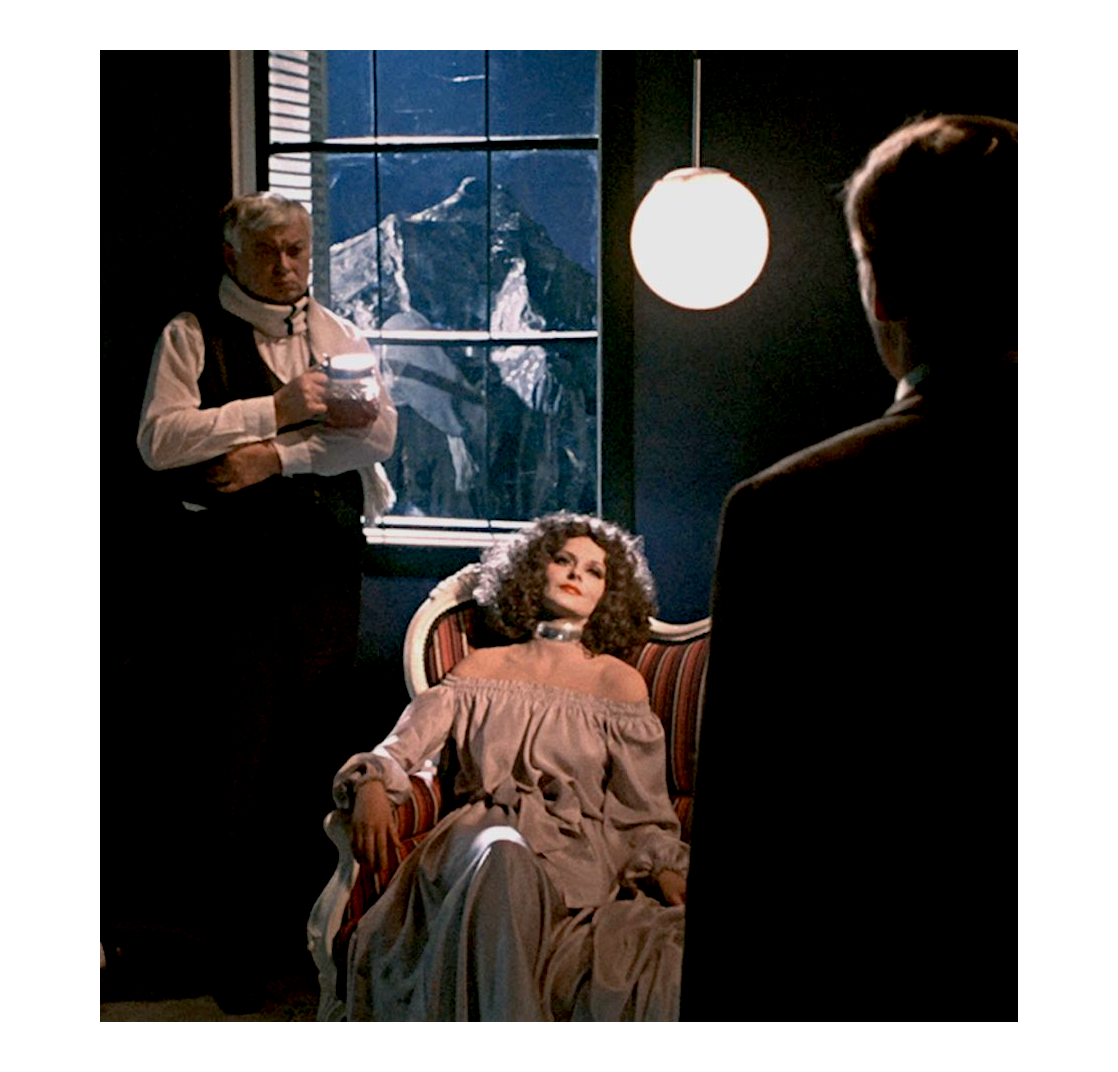
Spoiler, maybe. Events at the finish were cloudy to us, although the critical consensus is that the guests are aliens. The critics say that both the book and the film focus on the detective’s efforts to solve an unknowable alien mystery beyond the range of human understanding. Peter Glebsky’s rational approach gets him nowhere. We think he shows extraordinary patience with his uncooperative hotel guests; some critics see his bureaucratic methodology as part of the problem, alongside the criminal scheming, and the military violence.
Tarkovsky had his Solaris scientists drone on at length about philosophical ideas communicated much better in Stanislaus Lem’s original book; likewise Tarkovsky’s Stalker sometimes feels like a cinematic souvenir of the Strugatsky’s mind-expanding Roadside Picnic. I give Dead Mountaineer’s Hotel the benefit of the doubt. If nothing else, its thematic aims go beyond the ambition of most filmed Sci-fi, from the Western mainstream or the obscure corners of European cinema.
Critics praise the film’s visual style, which is not fluid but a collection of compositions within confined spaces. Sometimes very confined. * The long lenses makes it seem that the hotel guests are sandwiched between glass walls and large pop artwork. The camera angles never let us get our bearings. Film critic Michelle Kisner touches on this disorientation with her essay title ‘Three Different Rooms In the Same Place.’
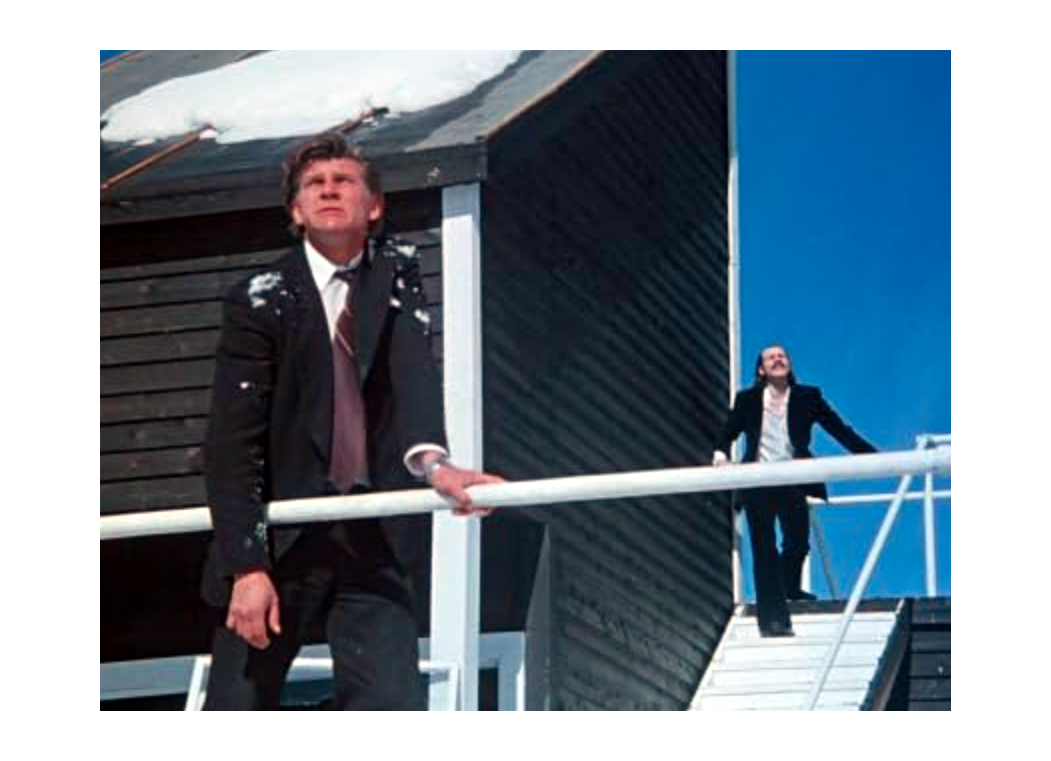
Peter Glebsky is the only character we feel we understand. Actor Uldis Pucitis is perfect for the role. His rugged looks express dedication to duty, but he also has an open mind and an easygoing response to the weird situation in the hotel. Unlike the intolerant Sergeant Howie in The Wicker Man, Glebsky tries first to understand. He doesn’t chastise the other guests for not conforming to his personal standards and expectations.
Put on your Thinking Caps, because this science fiction movie presents no alien monsters, robots or zombies, although the latter two topics come up in dialogue discussions. An average American film reviewer would say that Dead Mountaineer’s Hotel never converts its ideas into dramatic scenes. Are we looking at fantastic creatures trying to pass for human, as in Malpertuis? The snowbound isolation brings back thoughts of The Thing, while the idea that aliens might risk an Earth landing only on a high mountain makes us think of The Trollenberg Terror.
The film doesn’t emphasize the fact that Glebsky’s shout appears to cause the avalanche that cuts off access to the Hotel. It’s good that there are no Ixodes on those mountain peaks.
The story does earn some serious Sci-fi cred simply by maintaining a little narrative ambiguity. We don’t sense anything supernatural afoot, as is so well conveyed in Kubrick’s The Shining. If Dead Mountaineer’s Hotel doesn’t feel 100% entertaining, perhaps it’s because it lacks any sense of humor about its many absurd situations. That’s a shame, because we really wanted that big dog to be revealed as an alien mastermind.
I’m getting a ‘On Her Majesty’s Secret Service’ vibe here.
Way, way off —- I’ve tried to emphasize that this is not an action movie on any level!
Apologies, Glenn, I was just referring to the setting.
The movie was oddly compelling in spite of being fairly inert–my attention never flagged. Deaf Crocodile is really doing some great work making these titles accessible to a wider audience.
Being a Soviet-era Estonian production makes it a curiosity to seek out.
Hi Jenny, that thought applies to almost all Deaf Crocodile pix … which have opened up the vault doors to half of Europe. : )