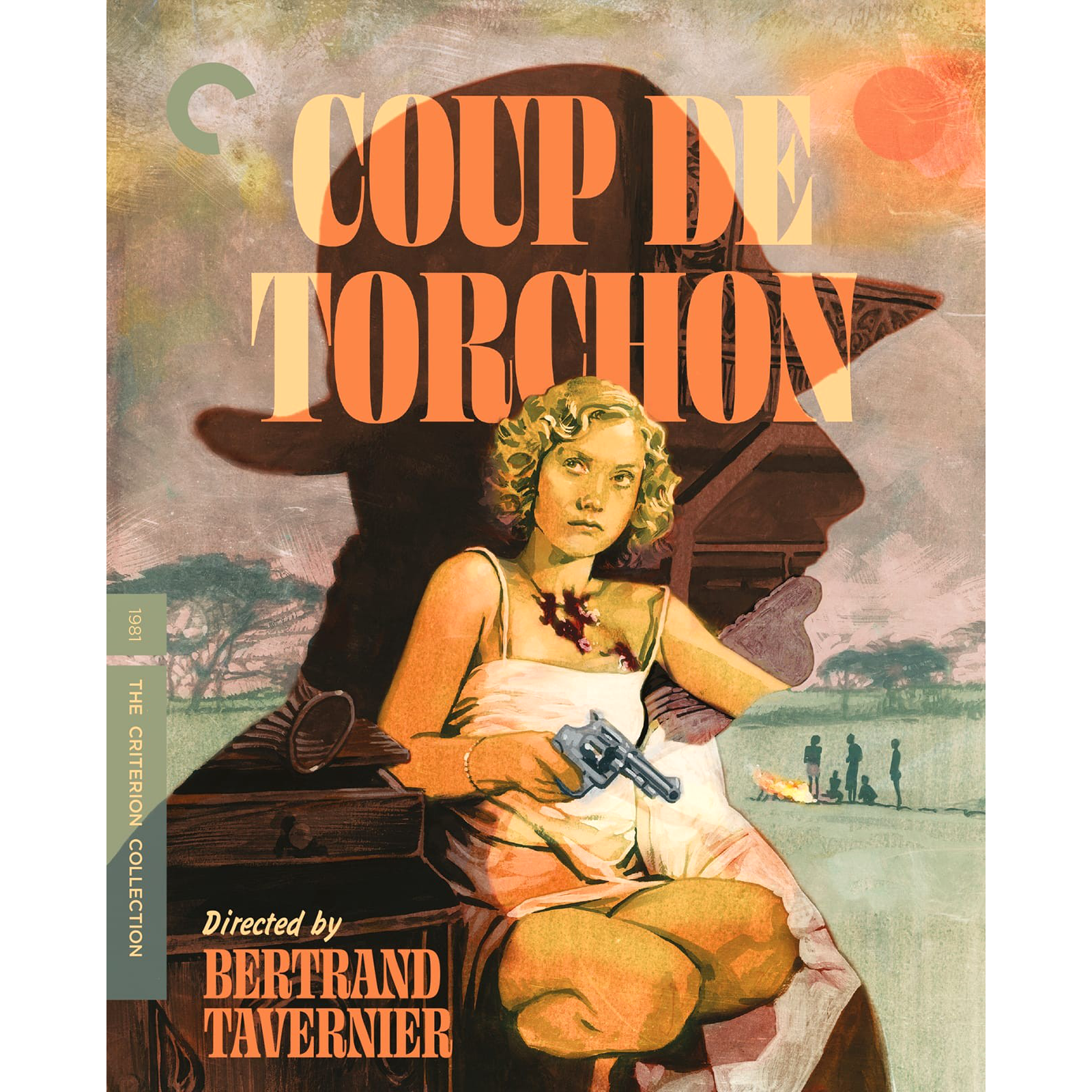


The literal translation of Coup de torchon is ‘a wipe of the dishcloth’ … to indicate ‘wiping a clean slate’ for a fresh start. There are other associations with the phrase as well. The fascinating ‘hero’ of this story is a madman, who takes it upon himself to ‘tidy up’ the undesirables in his life … in a disturbingly non-discriminating way.
Jim Thompson’s killers think they’re exacting a cold revenge on a world that’s done them wrong.
All hail pulp author Jim Thompson, writer of some of the most uncompromising tales of obsessive murder. A pulp fiction master who never really broke through, Thompson was ‘rediscovered’ in the 1980s. The cynical bite of his prose feels corrosive, corrupting; he seems to identify with his deranged leading characters. Most are vicious misanthropes or pitiful losers, or both. Thompson’s dialogue was hardboiled to the point of being baroque. He reached for new depths of self-hatred in his black-hearted characters.
Thompson has extra appeal for his brilliant games with literary structure, and the limits of words on a page. The Killer Inside Me (1952) and Hell of a Woman (1954) depicted schizophrenia with side-by-side columns of contradictory text. Dialogue lines by a murderous sheriff are followed by mocking alternate interior thoughts. The final chapter of Hell of a Woman, is a run-on paragraph that makes no sense until you realize that it contains simultaneous narratives, in alternating lines of text. In Thompson’s masterpiece The Kill-Off (1957), each chapter is an interior monologue by a different character. The conceit comes off as an inspired.
Stanley Kubrick fans already appreciate Jim Thompson: his outrageously twisted dialogue is one of the best qualities in Kubrick’s classic The Killing. But career recognition was slow to arrive, and Hollywood came knocking at Jim’s door far too late.
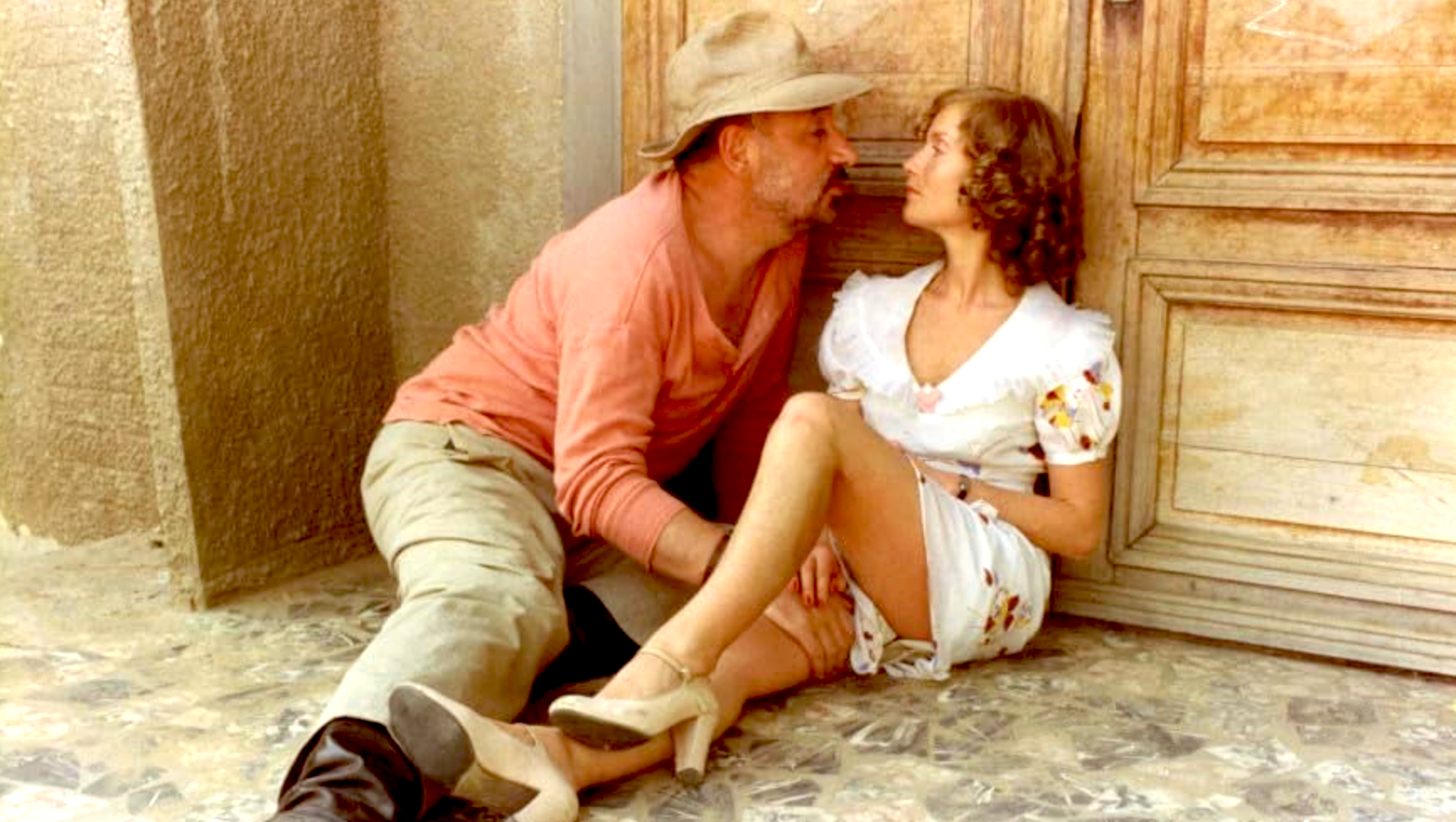
“I just help folks reveal their true character. It’s a dirty job, Rose. And I deserve all the dirty pleasure I get out of it.”
Sam Peckinpah’s film of Thompson’s The Getaway discarded several levels of nihilistic angst, creating a conventional action crime saga. A not-good TV movie of the novel The Killer Inside Me attracted little attention, but a number of better film versions of Thompson came later, years after the author passed away. The best American adaptations are Stephen Frears’ The Grifters and James Foley’s After Dark, My Sweet. They touch upon the full ‘banal intensity’ of this overachieving mystery writer.
Bertrand Tavernier transposed Thompson’s “Pop. 1280” to Senegal, Africa, re-thinking its Texas deputy into a French colonial police chief. It’s a brilliant move. The superor Coup de torchon is populated with a collection of godless lowlifes. It has a body count as high as your average giallo, and a sardonic view of life that makes ordinary pessimism seem lighthearted.
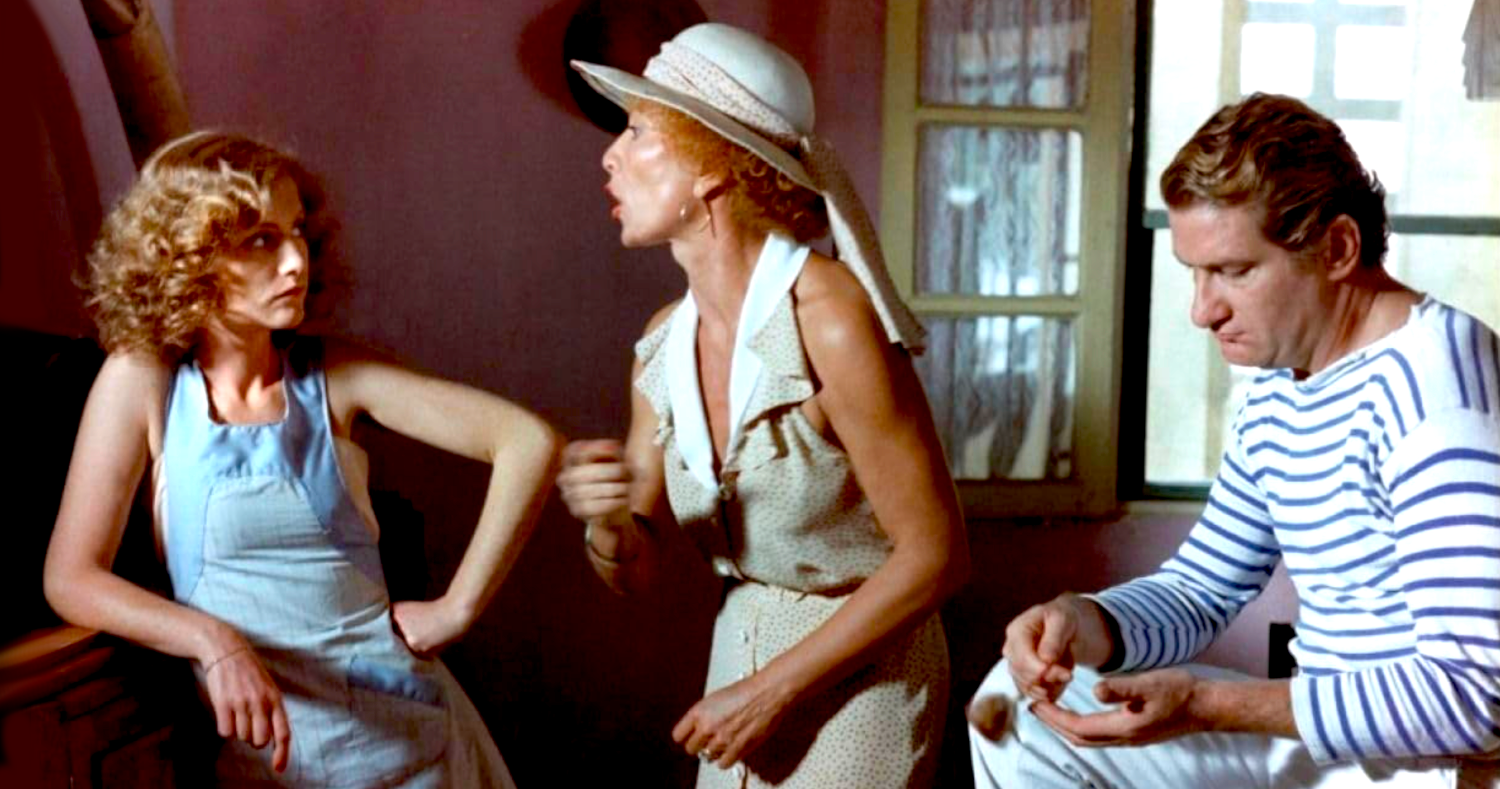
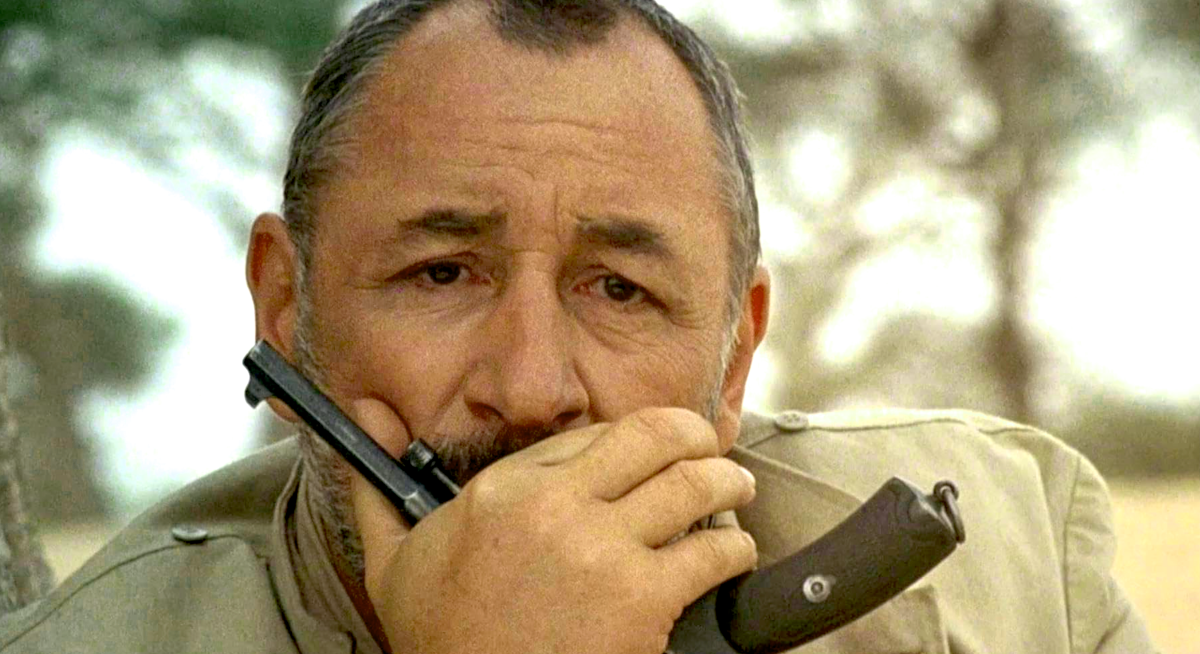
Lucien Cordier (Philippe Noiret), the paunchy police chief of Bourkassa, is a pitiful joke to both his fellow cops and the local French scum. A coward in a public office where he’s expected to do nothing, Lucien makes a concerted effort to avoid confrontations of all kinds. He’s baited and humilited by a pair of sleazy pimps. He looks the other way when black men are savagely beaten, and when men abuse their wives in public. At home, Cordier’ s wife Huguette (Stéphane Audran), keeps a lover right in the house, named Nono (Eddy Mitchell of Until the End of the World). She half-pretends that Nono is her brother, but she’s always in his lap. Lucien does very little about Huguette’s blatant cuckoldry.
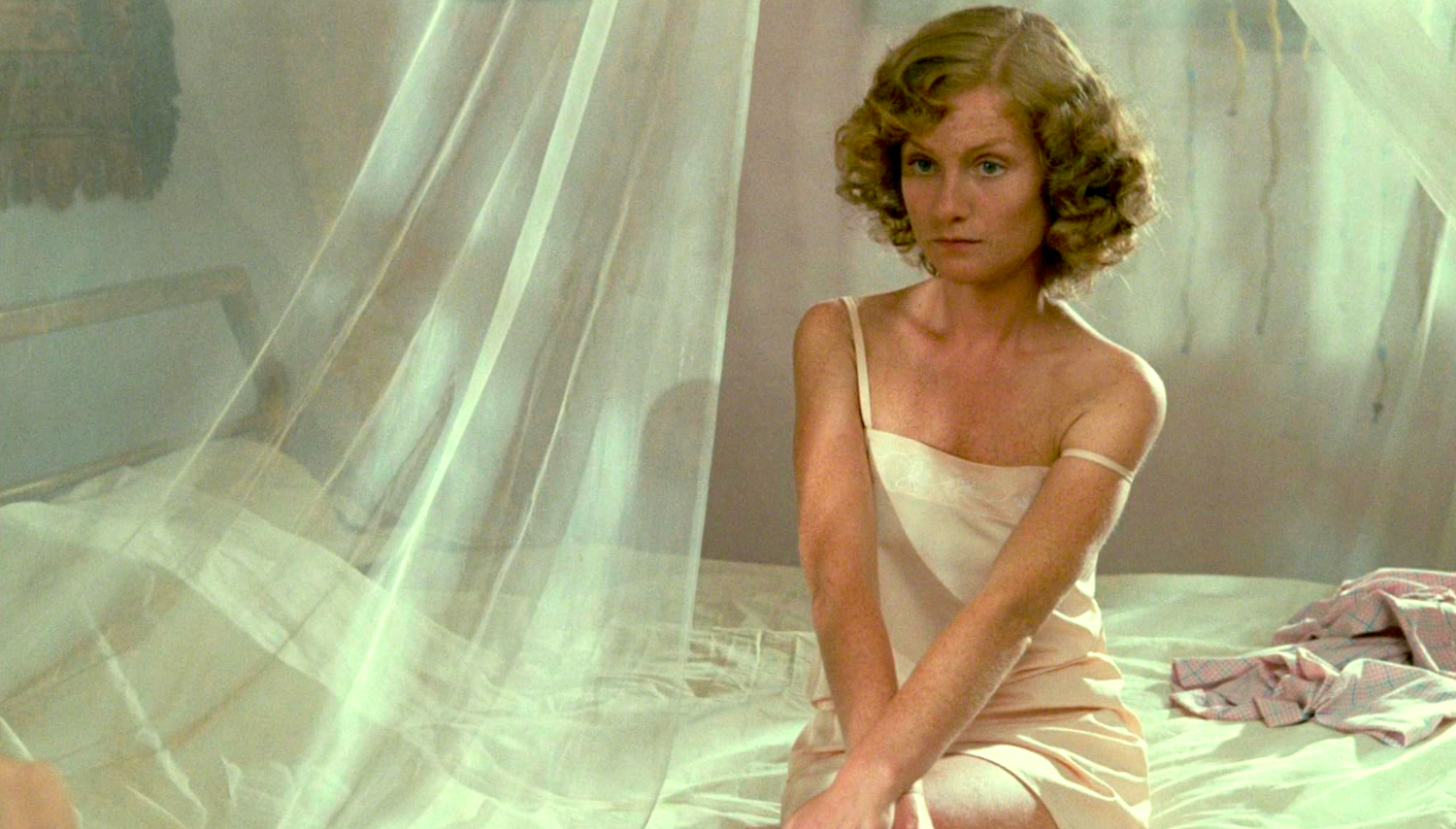
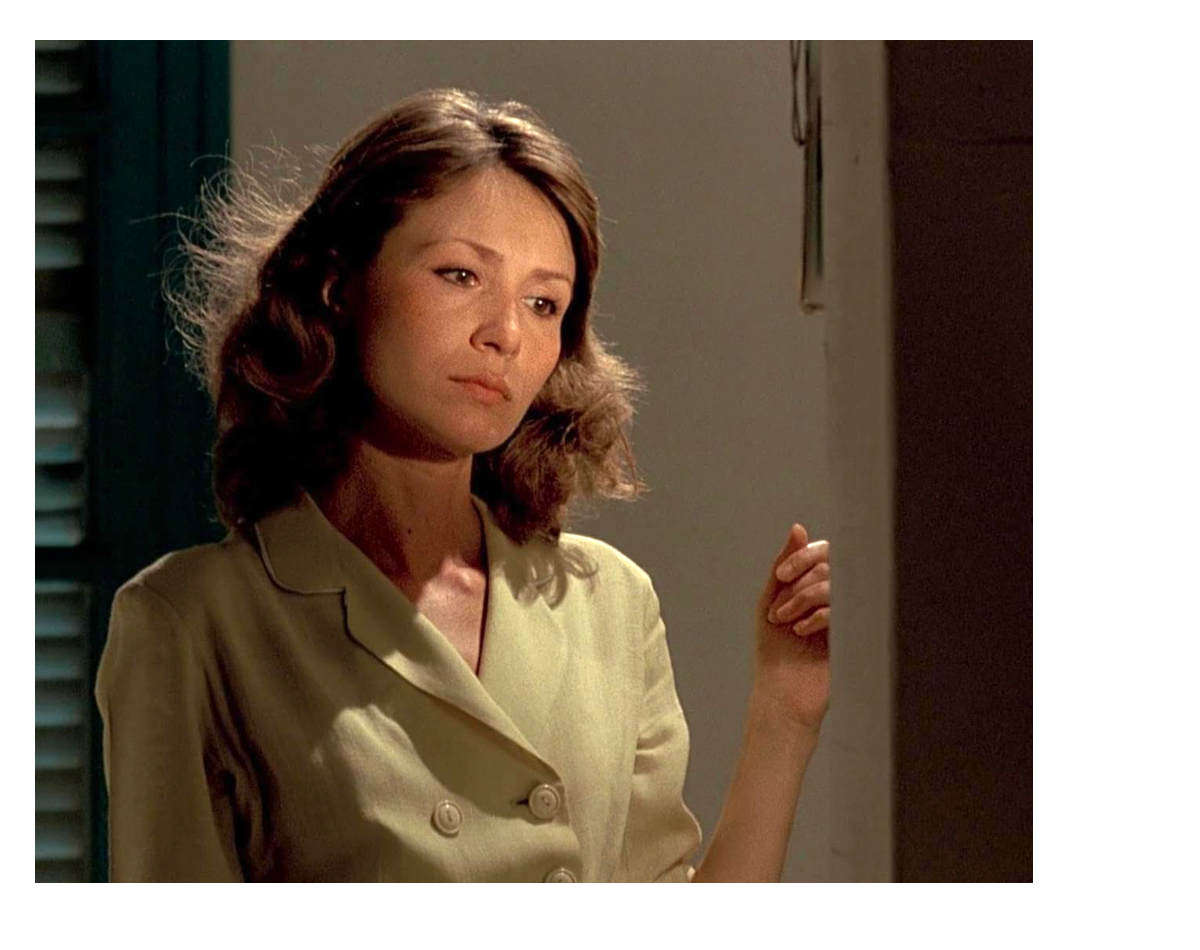
For his part, Lucien shacks up with someone else’s wife, the pitiful but sex-hungry Rose (Isabelle Huppert). He also makes cautious amorous moves on Anne (Irène Skobline), the new schoolmarm whose relative innocence intrigues him. When Lucien finally embarks on his calm killing spree, he’s like a bemused angel of death. He’s such a harmless clown that nobody suspects him for a moment. He takes offense at that attitude, which in his twisted logic becomes extra justification for ‘wiping the slate clean’ through judiciously applied murders.
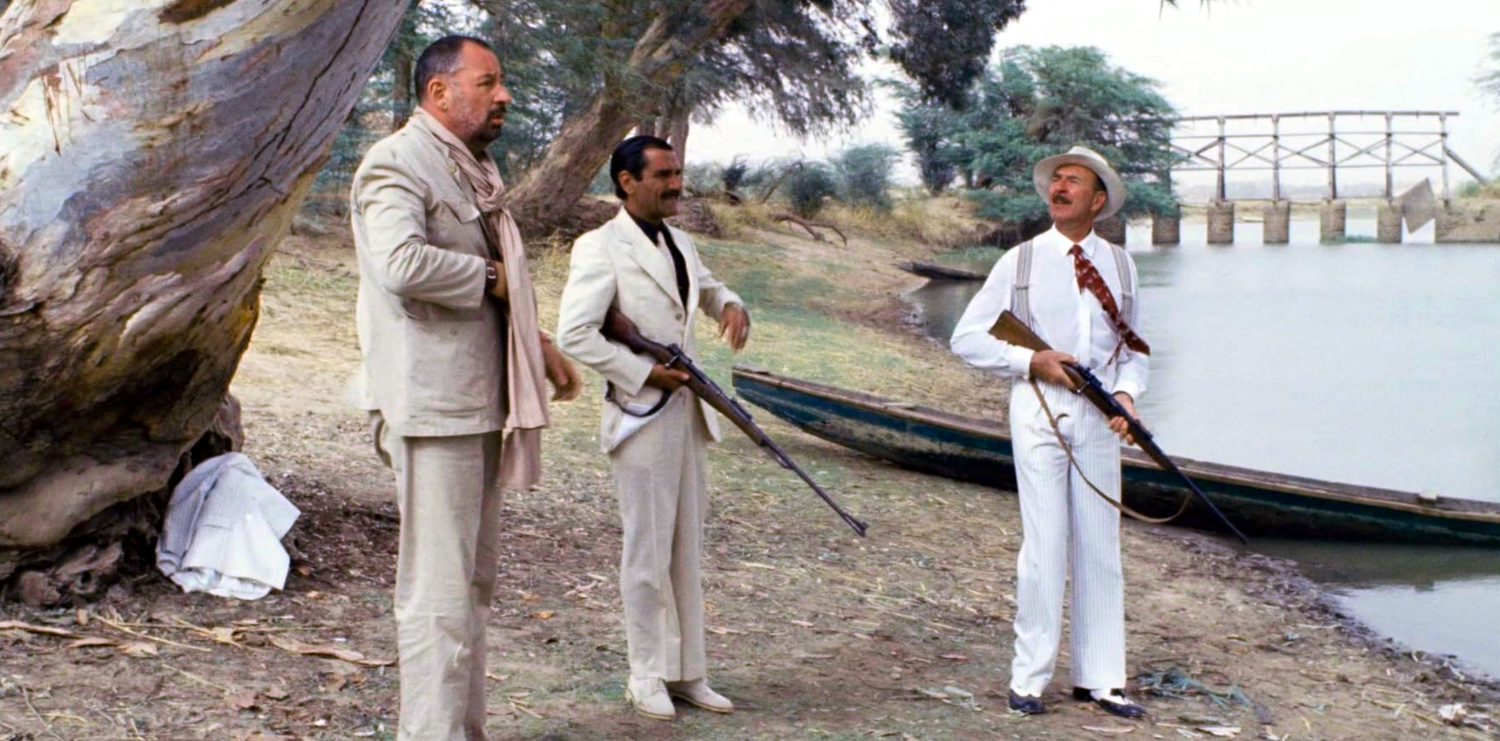
This moral rot may be a more accurate depiction of the colonial ‘Heart of Darkness.’
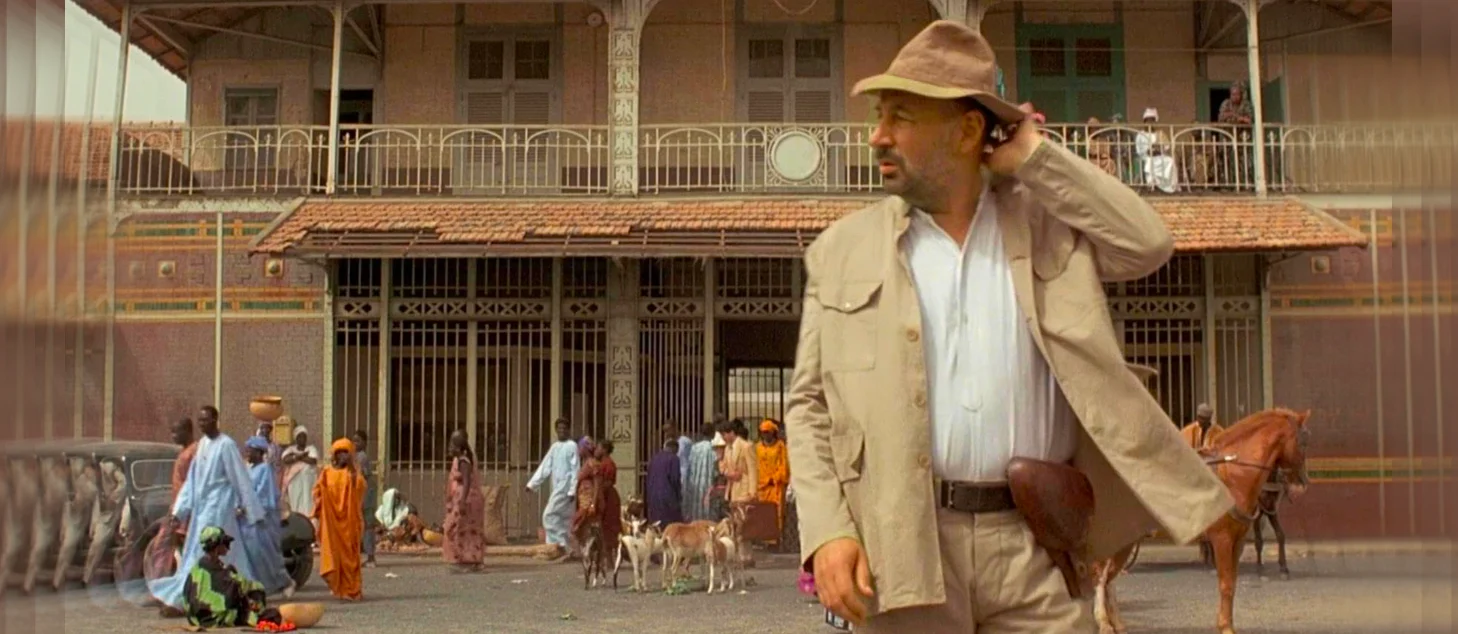
Colonial French West Africa in 1938 is a strange kind of hell on Earth that Jim Thompson fans will quickly recognize. Black kids sift the dirt for grubs to eat. Dead bodies float down the river, to provide shooting practice for the idle French. The local priest complains that termites eat his crosses. He will only bury whites in consecrated ground. The civic dysfunction is well represented by the stinking open latrine outside Lucien Cordier’s window. The bureaucrat in charge won’t do anything about it, so Lucien saws away the floorboards so he’ll fall in. That underhanded solution to the latrine problem goes so well that Lucien applies the same ruthless logic to his personal problems. He may be thought a fool, but nobody thinks for a minute that he could be a killer. Lucien is genuinely concerned for the little black kids scared by the darkness of an eclipse. He’s also touched by the sweetness of the schoolteacher.
Coup de torchon plays like the proverbial auto wreck in slow motion — it’s ugly, it’s something you’d rather not know about, but you can’t take your eyes off of it. The cynicism is neither cheap nor exploitative but a compelling world view that makes you think. Lucien Cordier is a Harry Lime without good looks, charisma, or even ambition, a soulless killer in a Godless world. Authors Aurenche and Tavernier slip in a few cogent remarks, in which Cordier and others hint that the African backwater, and the evil of colonialism, bring out the worst in human nature.
Tavernier’s thriller begins slow but builds in power. The heat and boredom slow things down yet the story moves along at a brisk pace. We found that we couldn’t look away. Phillipe Noiret is simply excellent, and the star performers Stéphane Audran Audran and Isabelle Huppert convince as the low women in Lucien Cordier’s low-life. The talented Audran was admired as the muse of director Claude Chabrol. Ms. Huppert had already distinguished herself in daring roles for Bertrand Blier and Chabrol, and would become one of the most prolific French actresses ever.
In most crime dramas the killer keeps killing because it’s a requirement of domino logic. The murder thrillers of the 1970s became boring exercises in clever killing, devoid of rhyme or reason. Coup de torchon sets up an unique dynamic. We really get the feeling that Lucien is himself astounded at the utter lack of justice or retribution in the world. His reaction to his own crimes is both amusement and despair.