
 You think modern horror films know the pinnacle of sadism? Just gather a few men together in a confined space, and give some of them the authority to mistreat the others …
Sidney Lumet’s The Hill has a high reputation. Stage plays dramatizing army life don’t always transfer well to film, but this one had the benefit of a high budget and a commitment to realism. One of the playwrights had served time in a military brig … the abuses shown in the movie feel all too real. Frequently funny, but unremittingly cruel, it has none of the niceties of Hollywood fiction. The setting is wholly oppressive. We’re convinced that these actors are roasting in the sun.
There are no genre conventions to fall back on: it is Malignant Male Friction from the get-go. The men-under-stress quotient tops anything in The Wild Bunch, The Flight of the Phoenix, etc.
Sean Connery, then on top of the world as James Bond 007, seems to have felt grateful to work with an director skilled in helping actors shape performances. He returned to work with Lumet three more times.
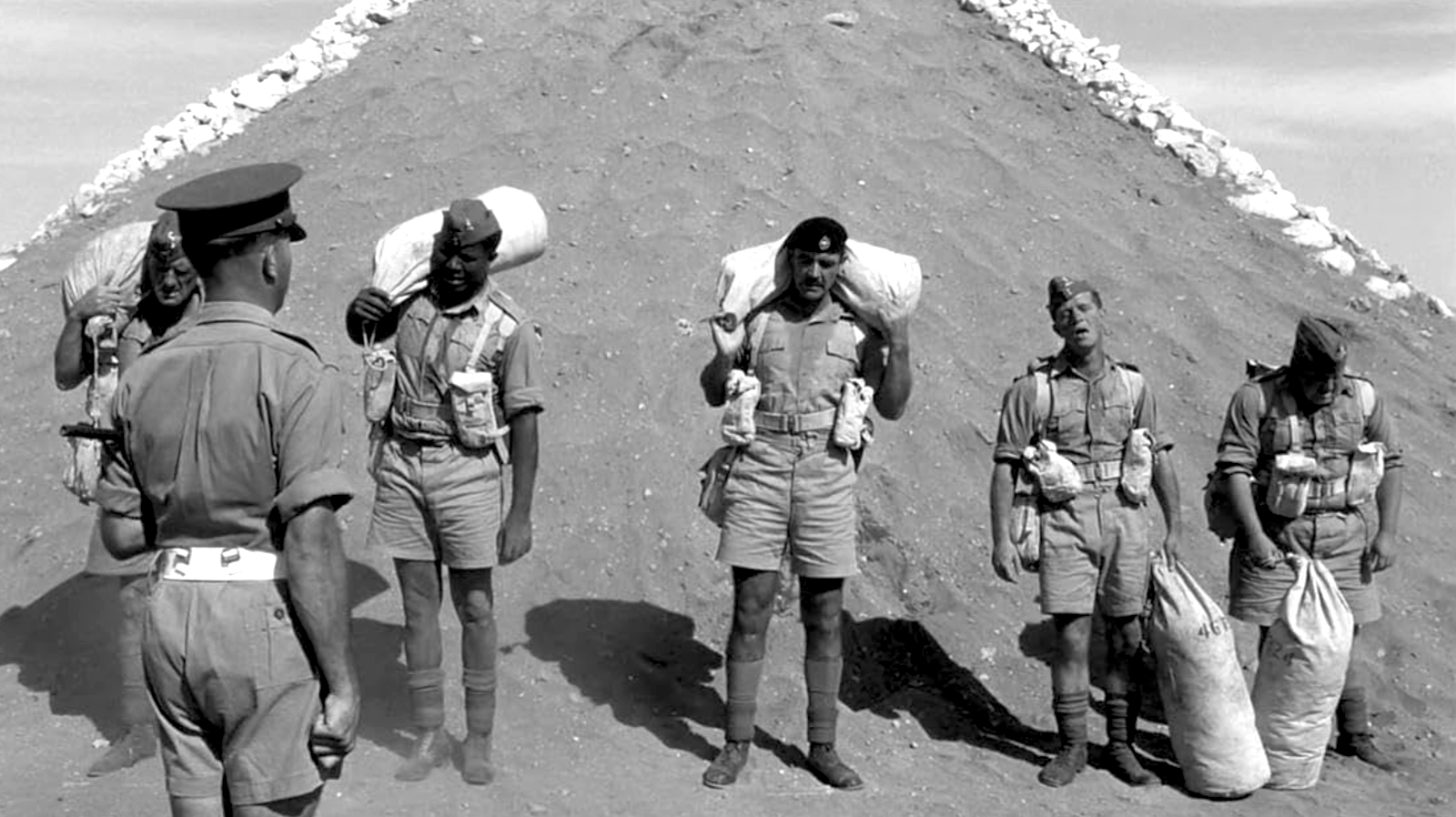
In 1965 The Hill was the roughest studio film yet about the downside of army discipline. Ray Rigby and R.S. Allen’s play has little positive to say in its story of venality and corruption in a Middle Eastern British soldier’s prison. The name value of Sean Connery got it made. His is only one of a half-dozen powerful performances, filmed under what look like grueling conditions.
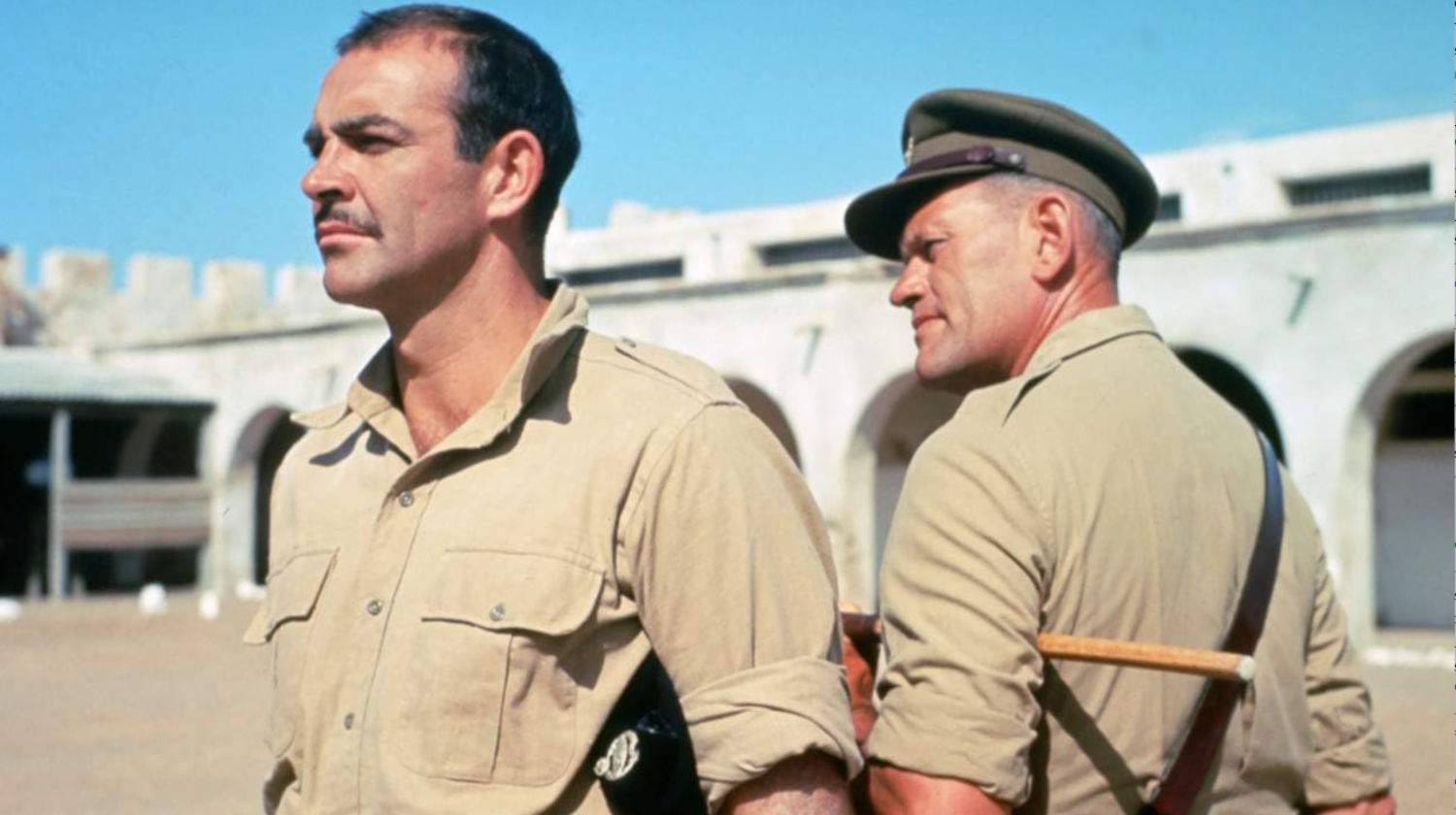
Somewhere in the Middle East, a prison camp for English deserters, malingerers and soldier-criminals accepts five new convicts. West Indian Jacko King (Ossie Davies) stole some liquor, the meek George Stevens (Alfred Lynch) tried to sneak back to England, cheap crook Monty Bartlett (Roy Kinnear) was caught with contraband and Jock McGrath (Jack Watson) was drunk on duty. The wardens are especially keen to bear down on burly Joe Roberts (Sean Connery), an NCO who struck his superior officer, after refusing to follow orders and lead men to their deaths.
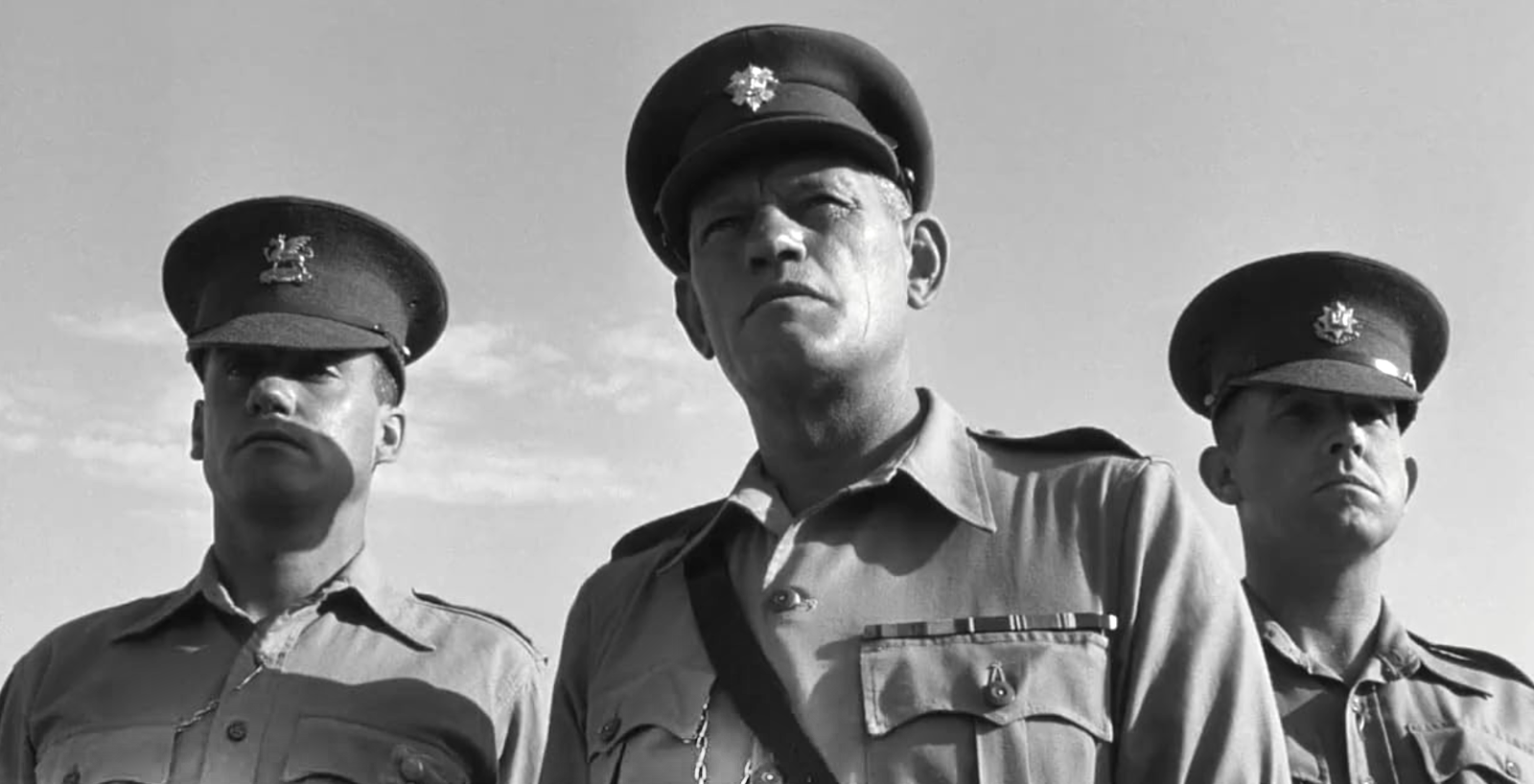
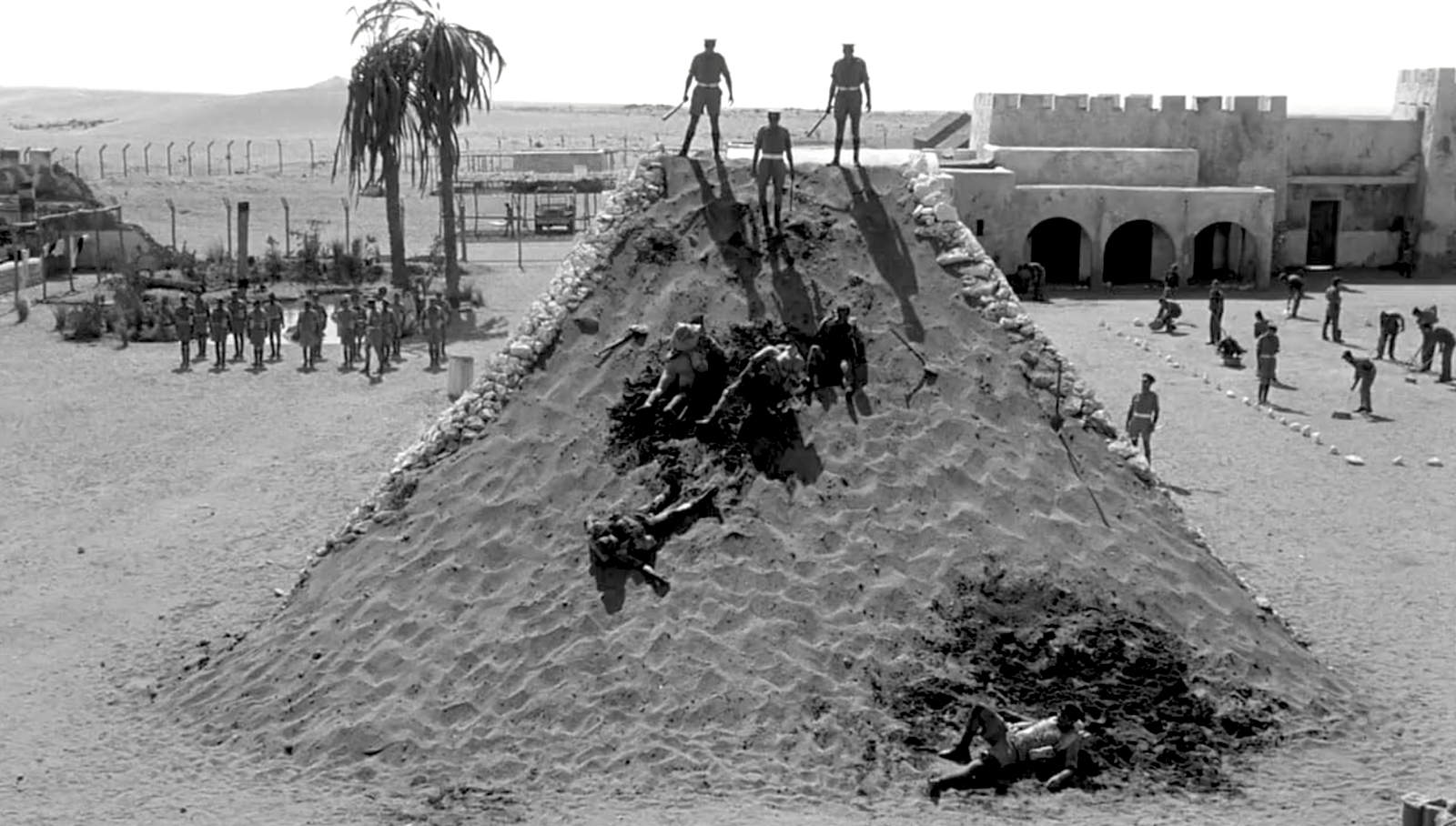
Regimental Sgt. Major Bert Wilson (Harry Andrews) runs a tight, merciless compound. The prime punishment meted out by his staff officers is making the men climb a sand hill constructed in the prison compound for just such a purpose. The desert heat is a killer. Staff Sgt Charlie Harris (Ian Bannen) wants to be fair to the men, but his colleague Staff Sgt Williams (Ian Hendry) takes sadistic pleasure in exercising his prerogatives. When Williams’ willful malice causes one of the soldiers to die of heat stroke, the prison goes into an uproar. Roberts sticks his neck out with an official complaint. He gets Jocko King on his side to testify to make Sgt Williams pay for his crime, and eventually Sgt Harris and the weak-willed prison Medical Officer (Sir Michael Redgrave) join in as well. But the commandant (Norman Bird) is a fool. RSM Wilson has free rein to do what he wants to restore order and discipline.
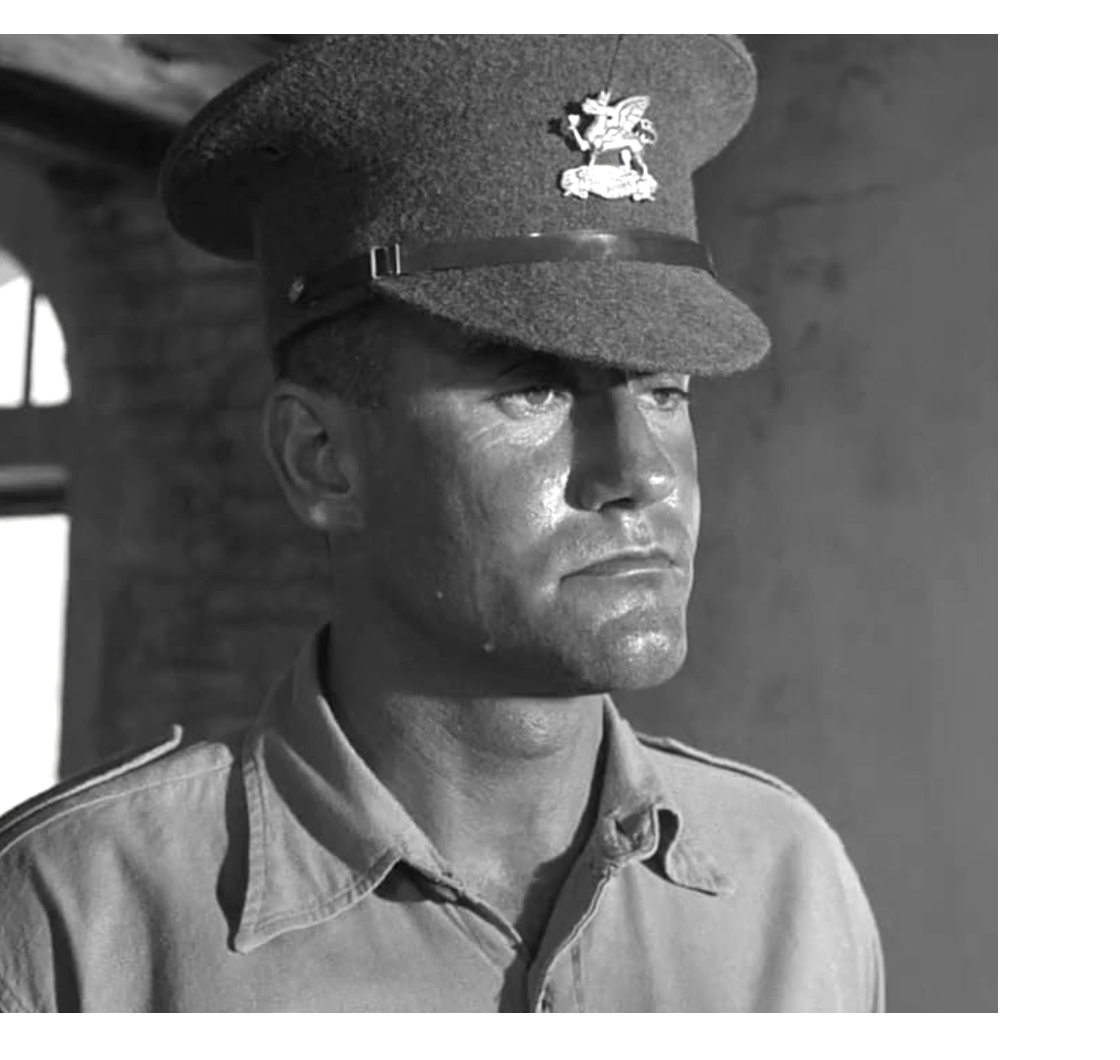
The Hill is a darn-near unforgettable picture, a tightly-written look at desperate men under unbearable pressure. Anybody who’s encountered maddening injustice will recognize the abusive chemistry of male authority run amuck. In this sealed prison system the guards can get away with most anything. The prisoners have no real rights at all.
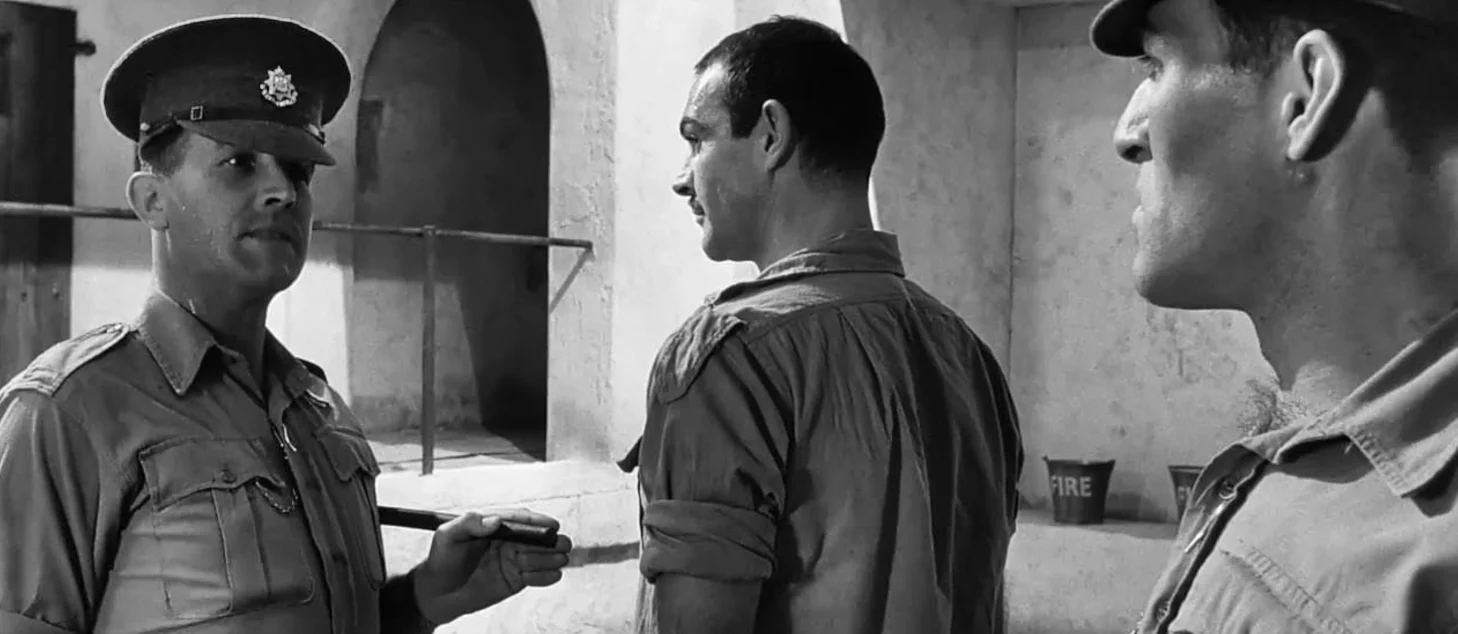
The warders have adapted to the situation in different ways. Military prison work is not a reward given to the best soldiers, and some of them compensate by being over-zealous. The commandant stays out of the picture entirely. One level below him, the Medical Officer gets special privileges. He’s aware of the camp abuses but mostly looks the other way. Top jailer RSM Wilson (Harry Andrews) is an extreme martinet. With no direction from above, Wilson has made himself the king of cruelty. He gives nobody a break, least of all his Staff Sergeants. He hides behind draconic rules and arbitrary judgments. We see Wilson changing mid-day into a freshly laundered, starched uniform. How many changes does Wilson do a day to look so fresh?
The 2 Staff Sergeants take different attitudes. Ian Hendry’s Williams is stiff and unyielding in all things, while Ian Bannen’s Harris wastes his time trying to get RSM Wilson to ease off on the inhuman punishments.
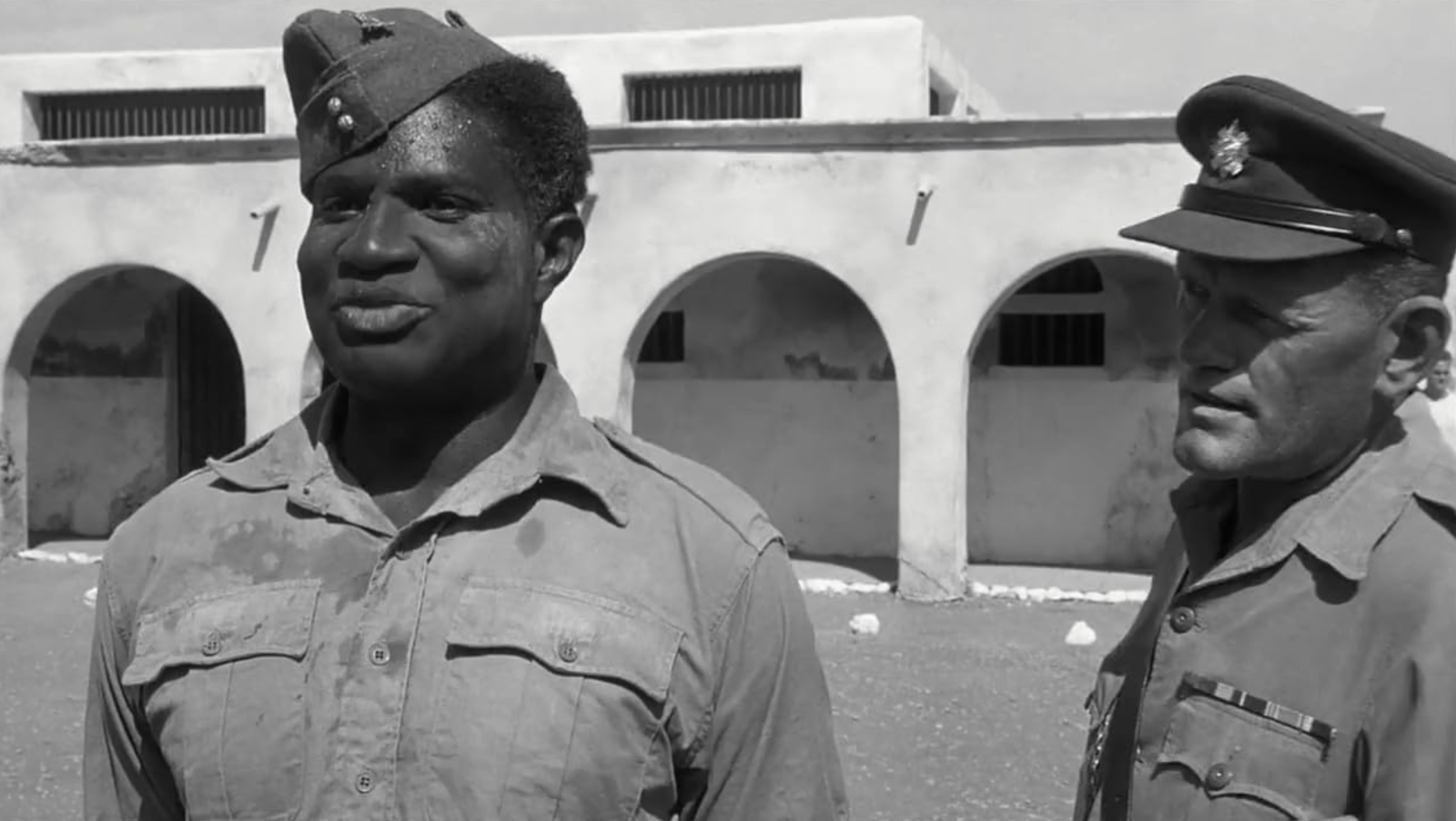
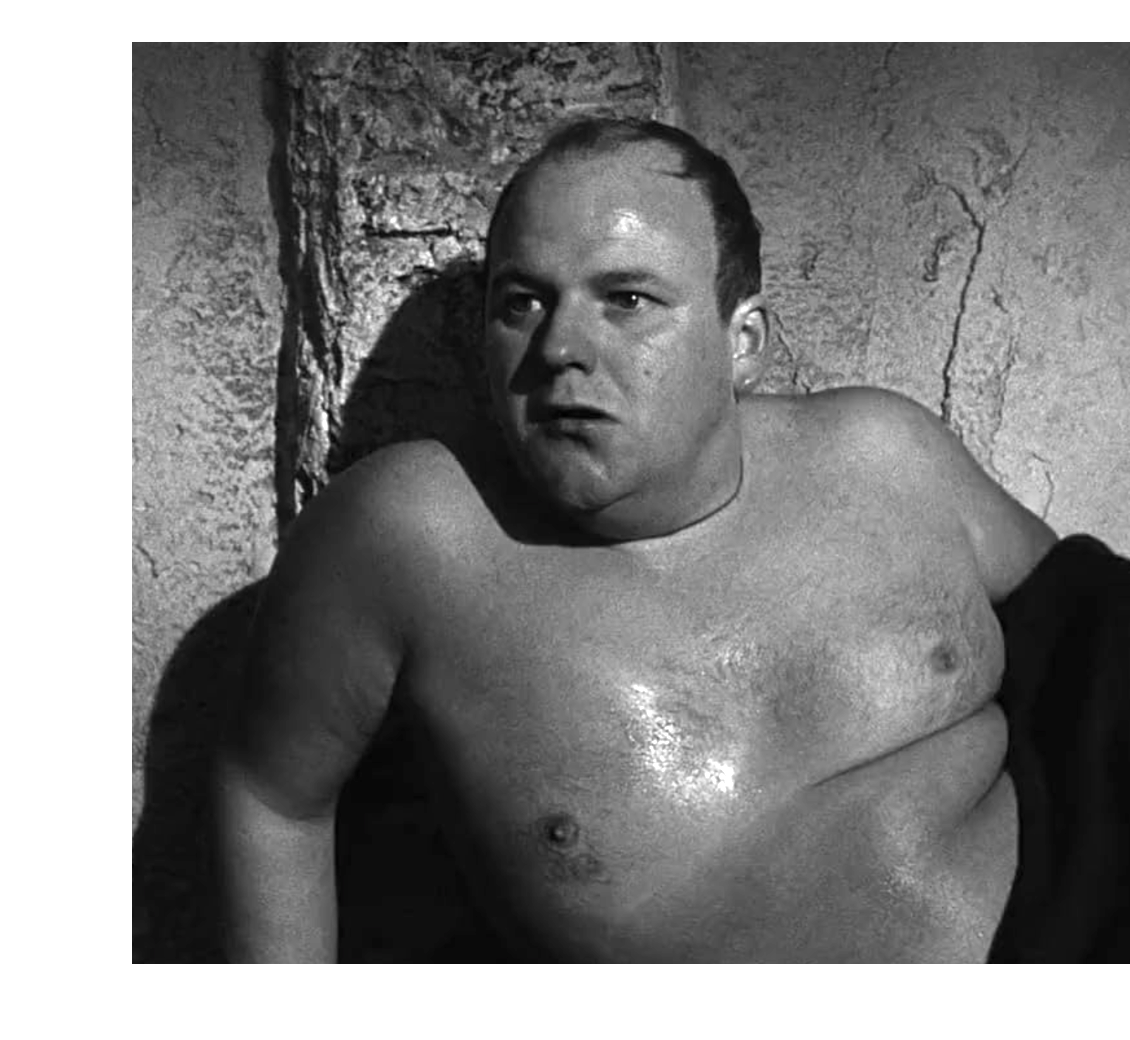
The prisoners are subject to persecution every waking minute. Any excuse to demean them is exploited. Monty Bartlett is tormented for being fat, and the homesick George Stevens is harrassed for being insufficiently aggressive. Racial and ethnic taunts are constant. As Jacko King, the superb Ossie Davis (The Scalphunters) is insolent or jolly as the situation dictates, and for a while has the warders on the defensive. When he finally cracks up, King’s antics become absurd. It’s actor Davis’s finest hour on film.

Treating the men like animals may show them who is boss, but it also encourages uncontrollable violence, grievous excesses, and cowardly cover-ups in the chain of command. Side issues bring in even more chaos. Trying to help a demoralized prisoner, the ‘good’ Staff officer Harris takes him aside and tells him of a previous convict who was a homosexual ‘nancy.’ Harris may mean well, but his personal adjustment only complicates the general madness.
Sean Connery gets a chance to show his acting potential. His Roberts cuts a fine figure as a bitter man on the verge of revolt. He’s also more alive and insistent here than he is in a similar role in The Molly Maguires. He too gets a full workout … I’ve never seen Connery wailing in despair like this, totally out of control.
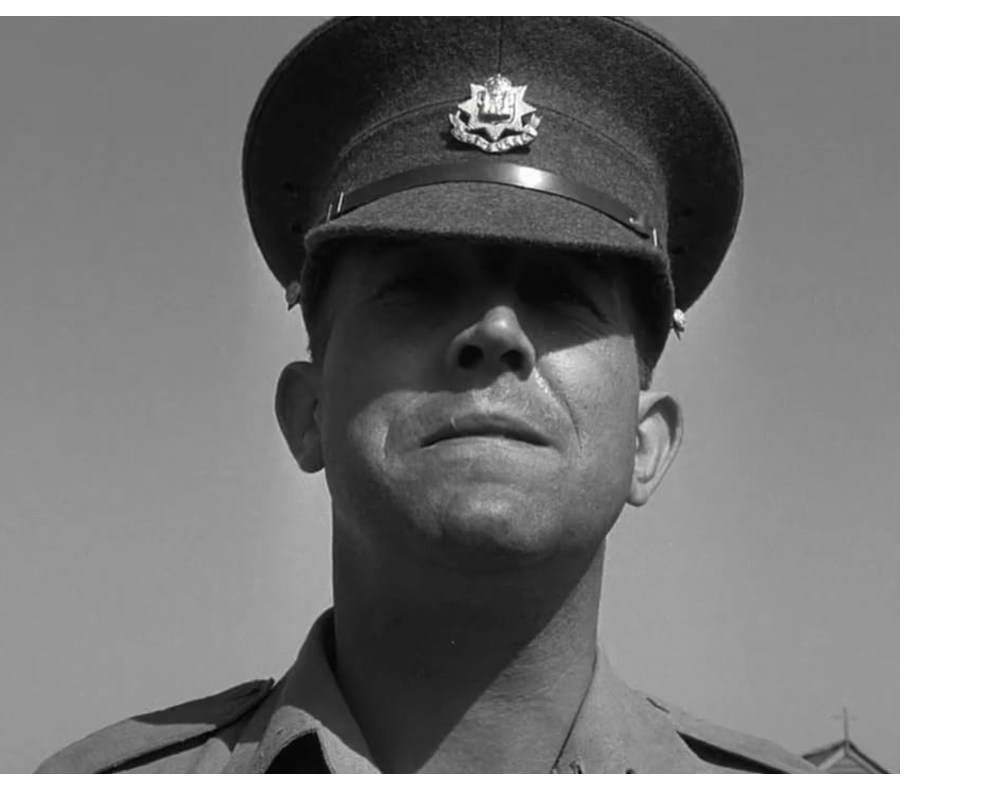
A big share of the credit for The Hill’s electrifying performances must go to director Sidney Lumet. This time around, it’s 12 angry men shouting in our faces. The acting is uniformly flawless. The voices never become shrill. Lumet and cameraman Oswald Morris found an effective visual style to go with the gritty theatrics. Hand-held camera work was never better. The choice of lenses is slightly wide, pushing the mens’ anguish into our faces. The smooth crane shots over the punishment hill are equally effective.
Sidney Lumet has been criticized for inconsistency, as if variety in subject matter were a bad thing. Later on, he’d also take on the occasional paycheck picture. But this picture shows no compromises. Workin in the desert of Almeria, the actors must have thought they were making Greed. Those familiar with real desert heat know that one can wear out quickly, in just ten minutes’ standing in the sun. It looks as if the shoot may have been quite an ordeal, making us hope that the producers had medics at the ready.
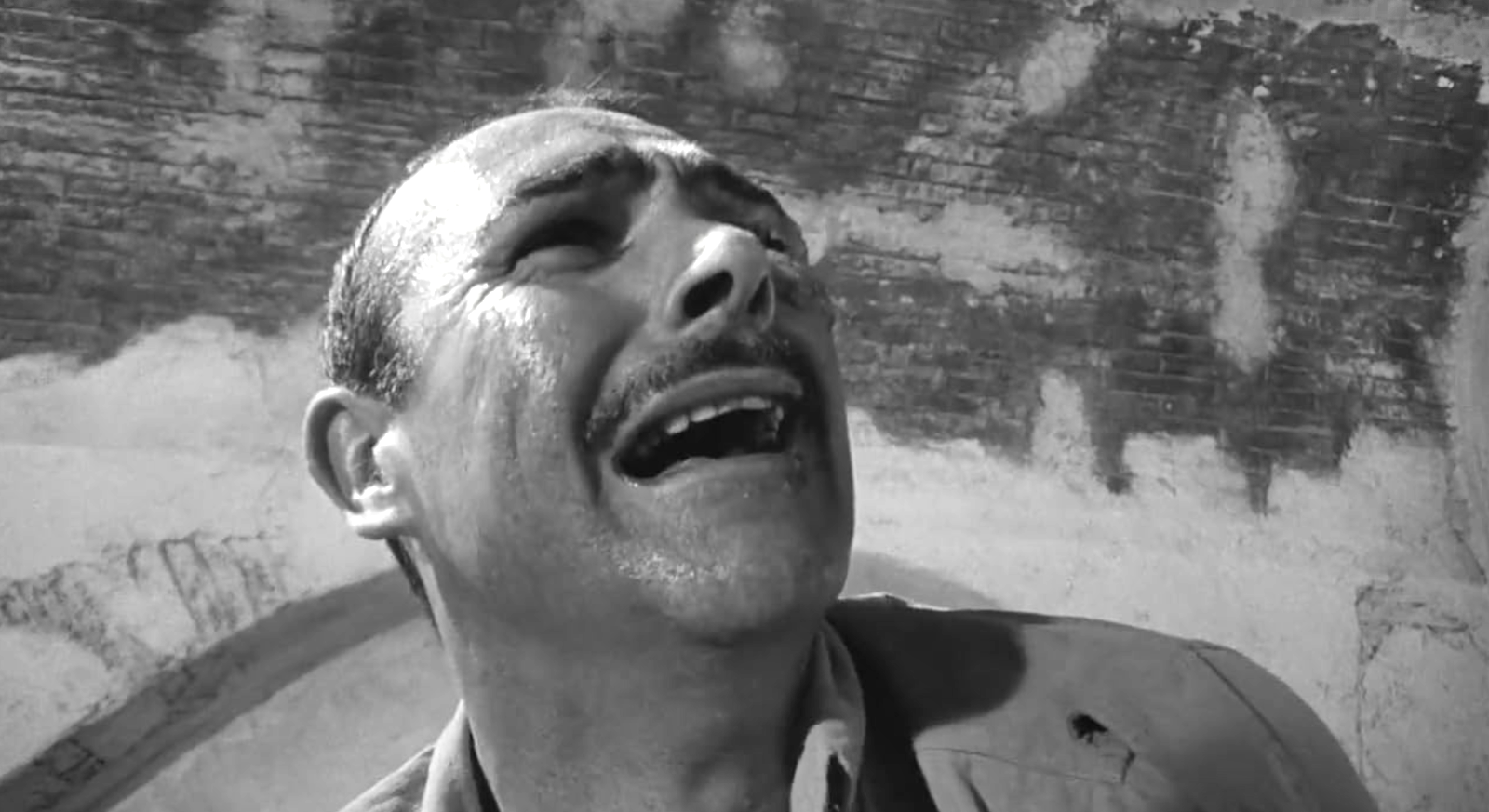
We’re told that The Hill wasn’t successful at the Box Office. The audiences that loved John Sturges’ The Great Escape likely found Bryan Forbes’ POW prison picture King Rat too depressing, and may not have wanted more of the same. The Hill puts theatrical intensity in an oppressive setting. The sweaty, exhausted faces are a kind of ordeal in themselves, even if we’re thinking, ‘this is the best acting I’ve seen from any of these guys.’
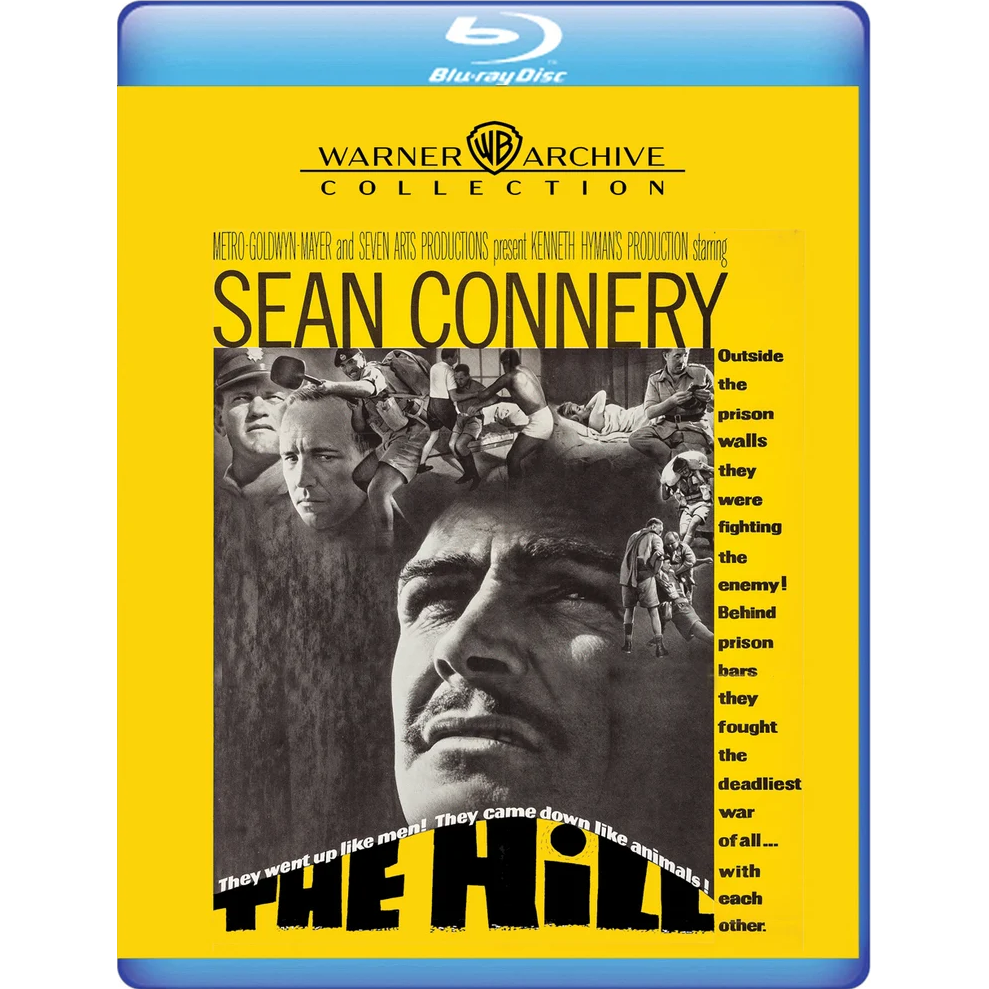
In earlier viewings, this reviewer likewise found The Hill almost too intimidating for comfort. The big difference this time around are full English subtitles, which were not to be found on Laserdisc or the first MGM DVD from 2007. Our untrained American ears can now get through all the Brit jargon and indecipherable accents. When the screaming starts we now understand what’s being said. I now have a much stronger appreciation now for both the play, and Sean Connery’s powerful performance.