

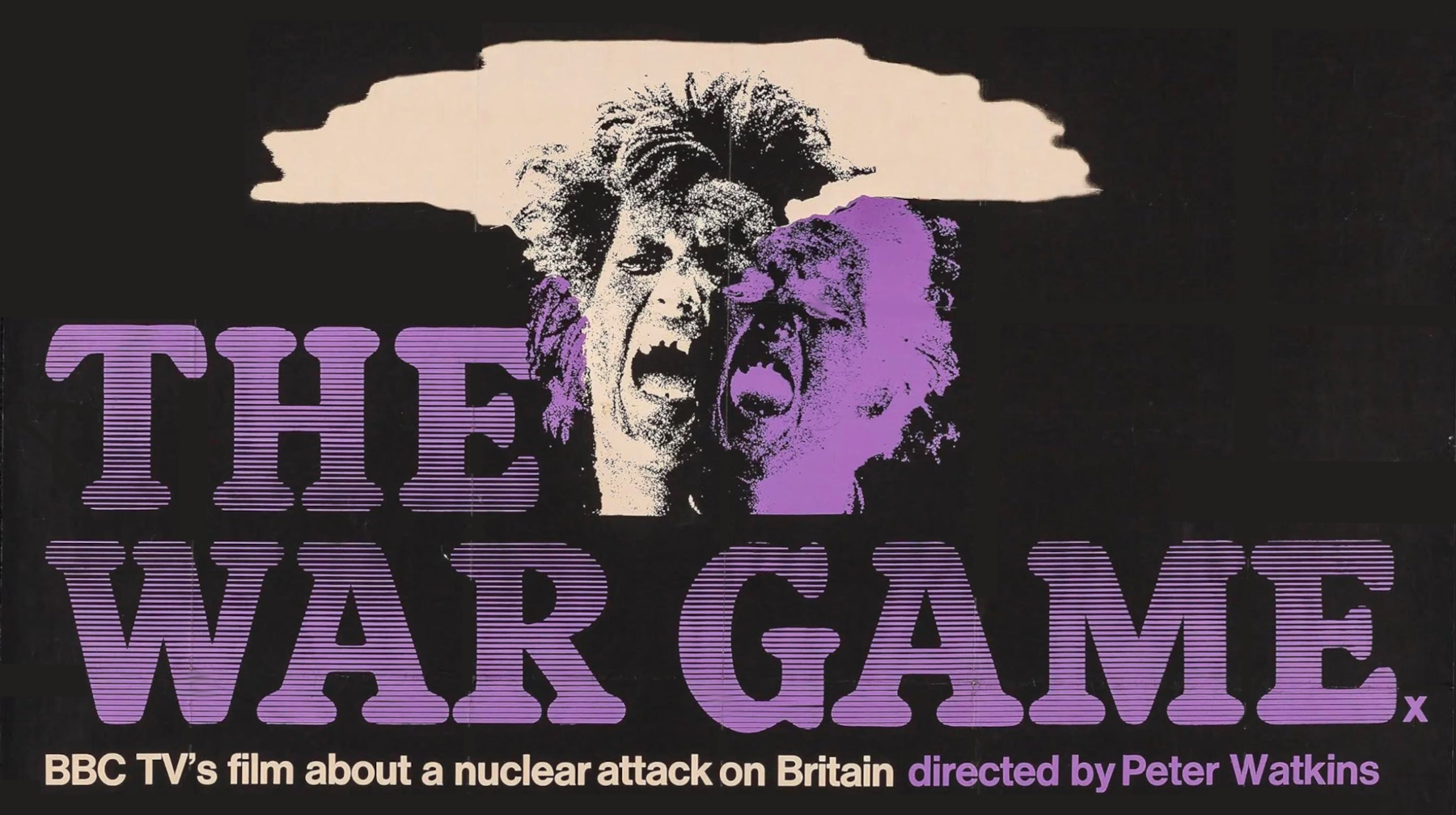
The BBC didn’t want to broadcast Peter Watkins’ short feature The War Game in 1965, but that doesn’t mean that they wanted it destroyed. By June of 1966 it was in theatrical release, drawing plenty of attention in art theaters; by the Fall of ’66 it was touring film festivals and showing in the U.S. and across Europe. It was one hell of a powerful promotional tool for anti-war & anti-nuke politics, especially in Germany, where U.S. nukes were stationed.
The BBC’s pride for a film it initially suppressed didn’t stop; it finally screened on TV in the early 1980s, when Reagan and Thatcher played tough with the weakening Soviets. The resulting tension brought about a new wave of Atom Age dramas — Nicholas Meyer’s The Day After, Mick Jackson’s Threads. Once upon a time, our beloved Los Angeles public TV station KCET routinely programmed entire evenings of important public awareness films. They broadcast the most shocking films about the Holocaust and the nuclear standoff. I think I saw The War Game for the first time on KCET.
Originally filmed in B&W 16mm, The War Game fully embraces Watkins stylistic game plan, lifted from pioneering TV shows like You Are There, which had TV newsmen covering famous events long before the invention of the telephone, let alone TV. Watkins scored big with his newsfilm reportage of the battle of Culloden, attracting such positive notices for the BBC that he was given a lot of leeway for his planned film about the atom war threat.
The BBC — and the entire English establishment — got more than they bargained for from the provocateur Watkins. The world had for years skipped along in denial over the atom threat, looking the other way when ‘radicals’ protested and troublemaking producers made popular anti-nuke movies. Watkins saw himself as a crusader, and became determined that his exposé had to be seen by the public, without delay. The bureaucracy thought otherwise. The supposedly independent BBC refused to air it for unclear reasons and never admitted that governmental pressure was responsible for its suppression.
Having already having taken the film through a round or two of censorship reviews, filmmaker Peter Watkins publicly aired the entire scandal, something that no BBC producer had done before. The film would be banned from British television for decades, but the BBC had no power to limit theatrical screenings. Within a year, The War Game had become became a widely screened liberal cause movie. Critics and politicians voiced approval despite its tone of outrage toward government policy on civil defense.
And the Oscar for Best Feature Documentary goes to an exposé made entirely of faux-documentary fiction scenes.
The War Game is always listed as a documentary. Its soundtrack dispenses a great many statistics and authoritative quotes, but the events we see are pure speculative fiction … enough for hawkish types to dismiss it as defeatist rubbish.
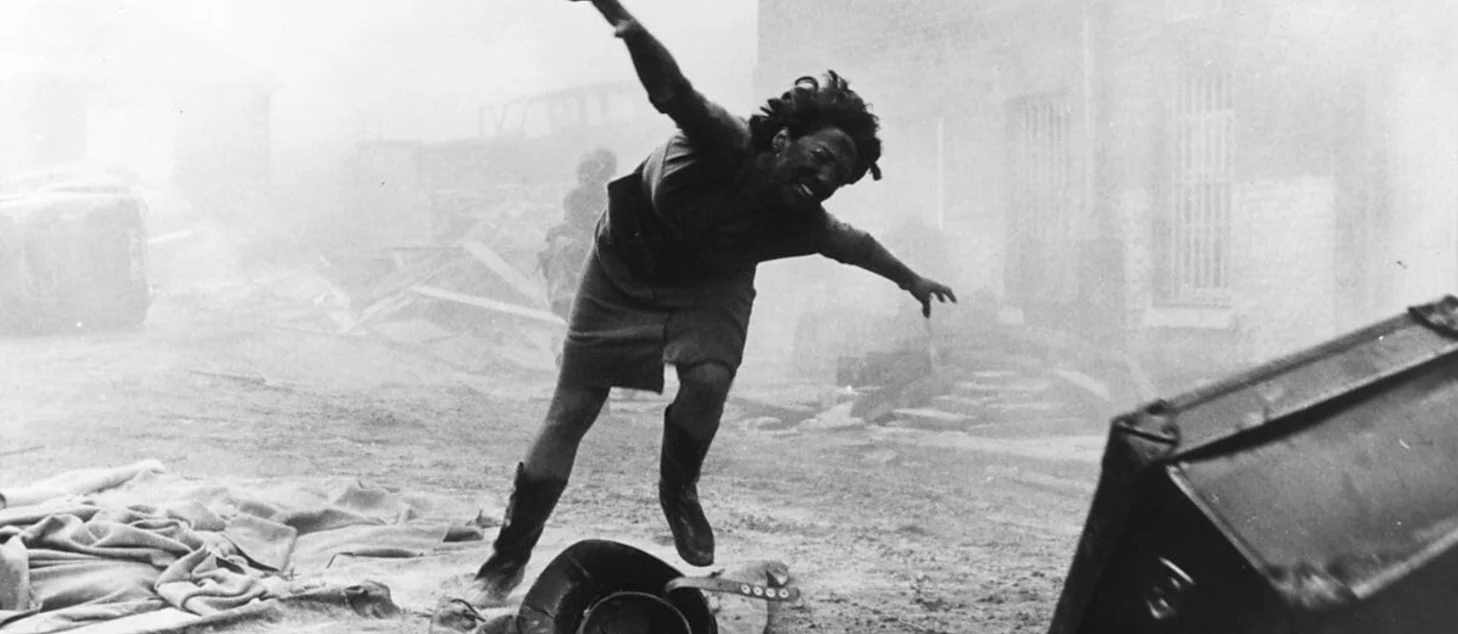
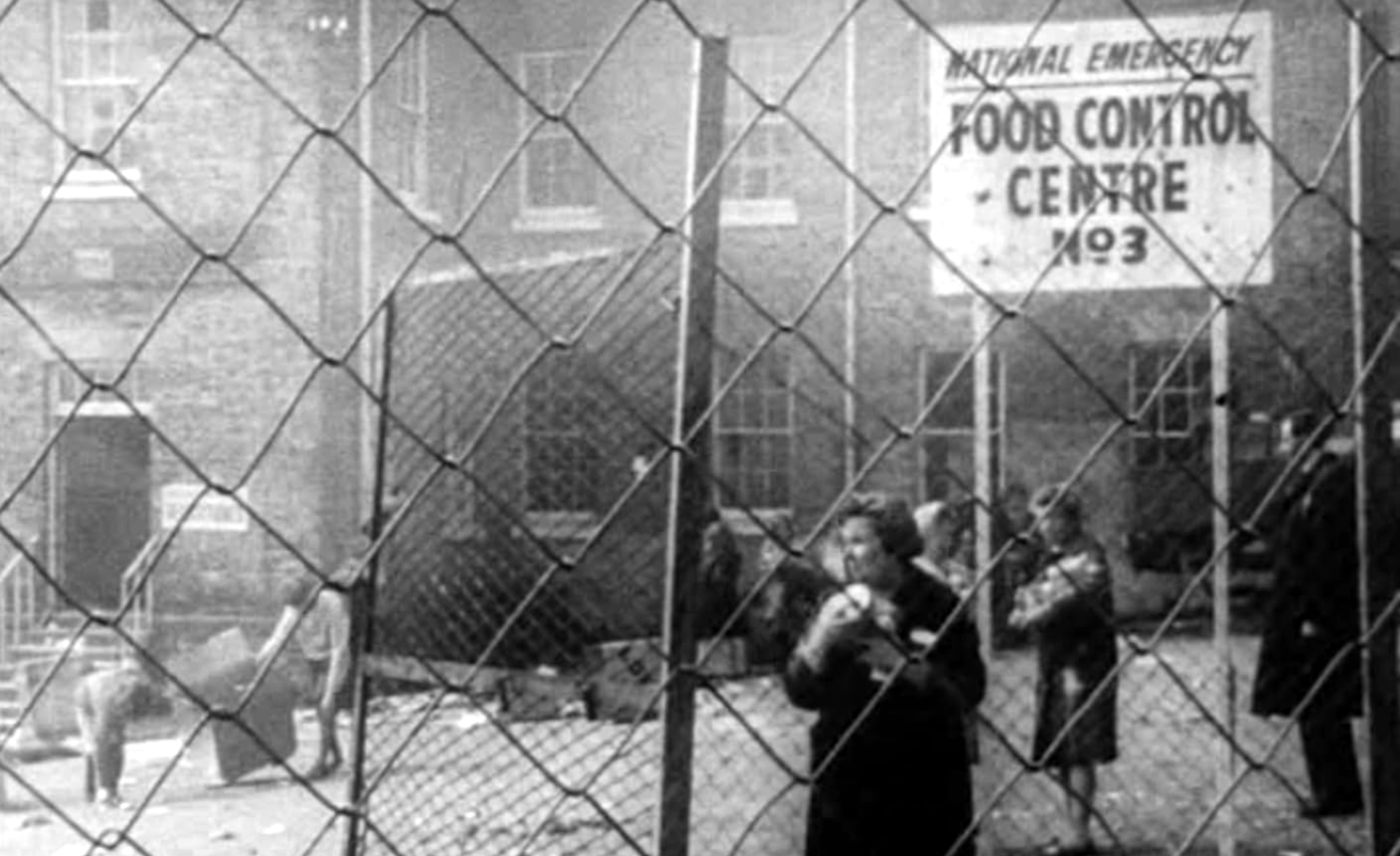
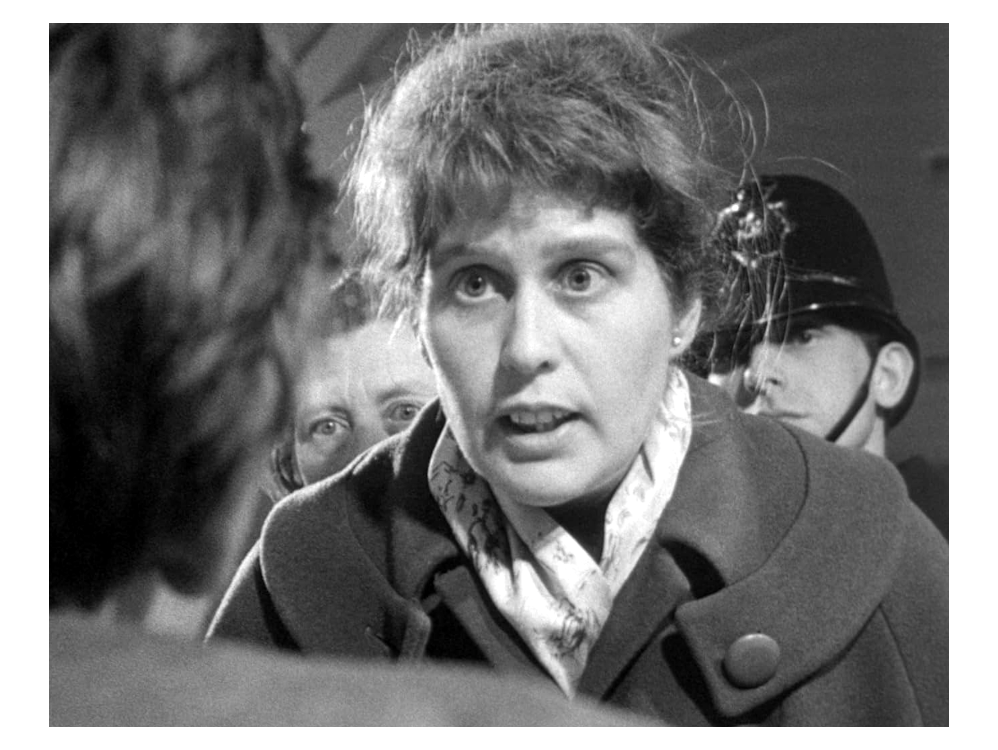
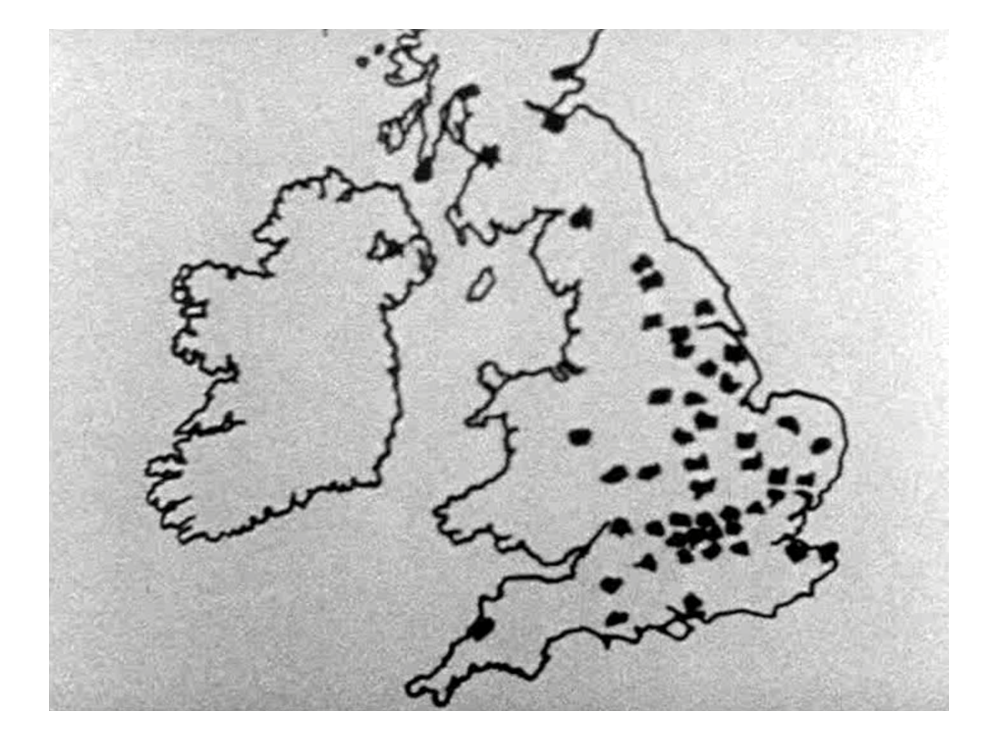
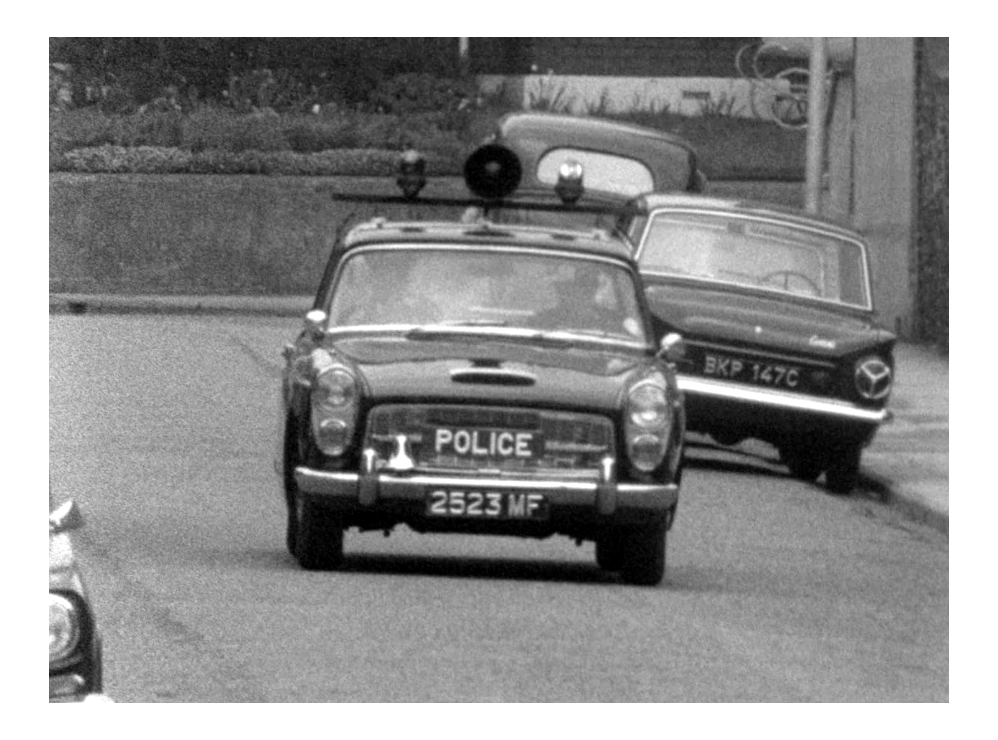
The film’s gritty B&W newsfilm style all but shouts ‘this is real.’ A handheld camera view captures telling details of a national crisis, interrupted by stark informational maps and official-looking inter-titles. Tensions in Vietnam lead to a battlefield nuclear exchange in Germany, followed by nuclear war. Focusing only on County Kent in Southeast England, we see the local authorities’ pitiful attempts at evacuation and civil defense in a country where a nuclear target is never more than thirty miles away. Although not directly hit, civilian areas feel the blast and heat effects. Growing blazes create firestorms that kill many through furnace-like heat and oxygen deprivation. Effective government vanishes as the post-attack suffering begins. The numbers of horribly injured overwhelm the filthy and shell-shocked survivors. The police must resort to brutal tactics to keep order. In just an afternoon, all of English civilization has been destroyed.
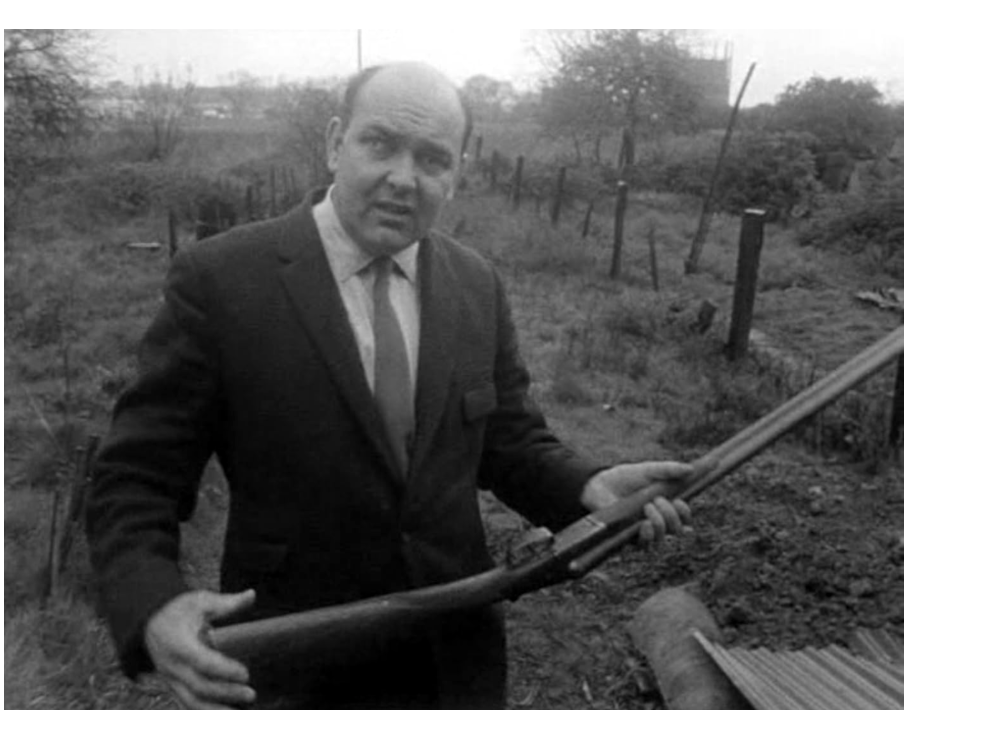
Watching The War Game we feel as if we’re witnessing actual events. The people we see look very real, and their staged interview responses sound authentic. We see local officials do their utmost to organize a civil defense. Watkins’ newsreel-like recreations using non-actors were (and are) incredibly convincing. We see citizens being hustled onto buses for evacuation and forced into already packed Kent households. ‘Man in the street’ interviews point up the fact that the public is woefully uninformed about the nature of radiation or the effects of a nuclear war. Given only a few hours or minutes to prepare, citizens either cannot find materials to build a shelter or cannot afford them. Pundits repeat American propaganda about defending one’s shelter space. A foolish citizen brandishes a shotgun and pronounces himself ready for anything that comes.
Watkins also seems influenced by the clever tricks Stanley Kubrick had employed to balance his epochal Doctor Strangelove between comedy and dead-serious trauma. As did Kubrick, when ‘official’ title cards come up, they have the slightly crude, plain-wrap look of government informational films. Kubrick had used a hand-held docu-real’ mode to depict a disturbing battle to overrun a renegade air base. We weren’t accustomed to such sophistication — the look of the film told us it was ‘real.’ *
More evidence of the influence of of Dr. Strangelove: an inter-title card adds a sentiment taken directly from Terry Southern’s dialogue:
“Would the survivors envy the dead?”
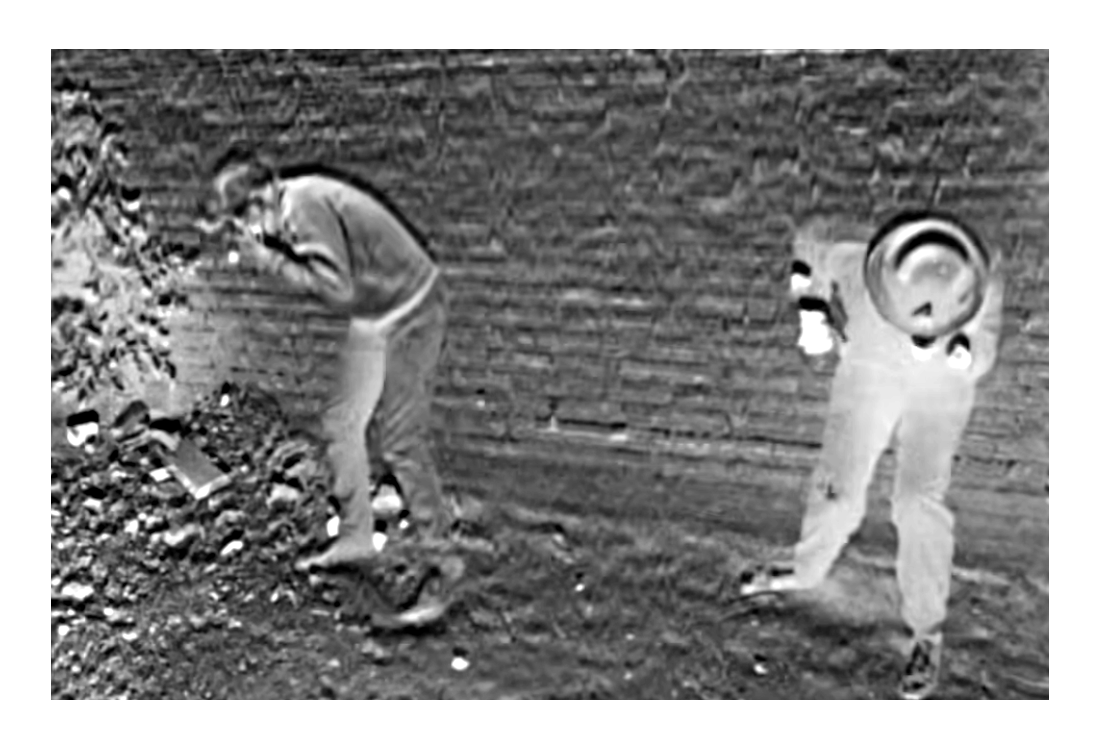
Watkins must have planned to upset the BBC’s applecart from the beginning. Did his superiors expect that his show would be a cautious, unchallenging look at ‘a topic of some concern for our viewers?’ As is right and proper for a film about nuclear war, The War Game has realistic scenes of horror, with excellent makeup and impressive effects depicting nuclear destruction. Combined with menacingly ‘restrained’ narration, the limited images give the impression of great human suffering: “… At this distance, the heatwave is sufficient to cause melting of the upturned eyeball, 3rd degree burns to the skin, and ignition of furniture.”
By the standards of what was normally shown on TV, Watkins’ film was of course ‘inappropriate’ for TV viewing, but in keeping it off the air, the case could be made that the government was not telling the public the truth about the nuclear standoff. Nobody points out that this ‘documentary’ is of course very propagandistic. Watkins stages selected scenes for maximum emotional shock value. The blinding of little boy is ‘covered’ as if in a horror movie … and commented-on by a dispassionately professional BBC voiceover.
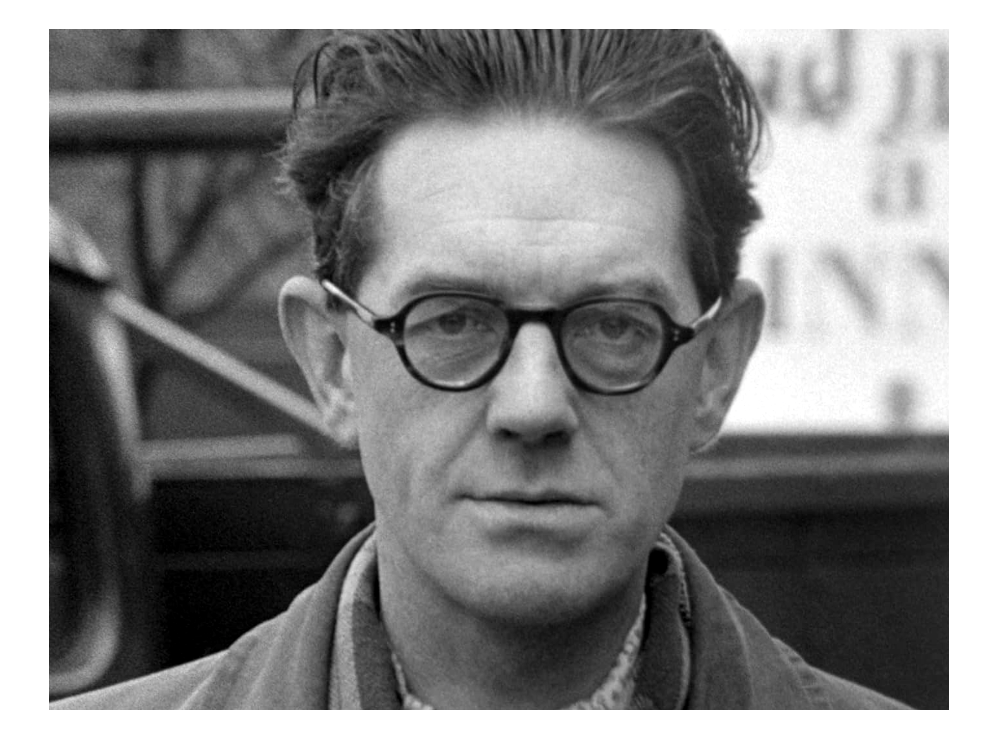
It’s true that nothing could have prepared Brit audiences for what follows. Nuclear air blasts sear a family’s children and the shock wave blows in their house. Closer to the blast area firemen and dazed survivors are cremated alive when a firestorm raises temperatures to 2,000 degrees. The narration stresses that the facts are not exaggerated, but gleaned from experience bombing German and Japanese cities in WW2 — thus reminding Brits of their part in the obliteration of Dresden.
As everything is depicted as if covered by news men, the camera views remain small-scale. Spectacular scenes are shown in bits and pieces while the voiceover supplies the bigger picture — mainly that very few English city centers would be spared the destruction hitting Kent. We’re completely convinced. The film’s stuntmen and women provide vivid images of bodies tumbling in the 100 mph firestorm winds. The gritty B&W photography shows pleasant people reduced to grimy survivors with smashed teeth, burns and open wounds. Police officials try to block the camera’s view of terrible scenes, such as the mass burning of corpses. Viewers that know Alain Resnais chilling documentary Night and Fog will get a ghostly revisit of WW2, with buckets of wedding rings being gathered in a weak attempt to allow later identification of the dead.
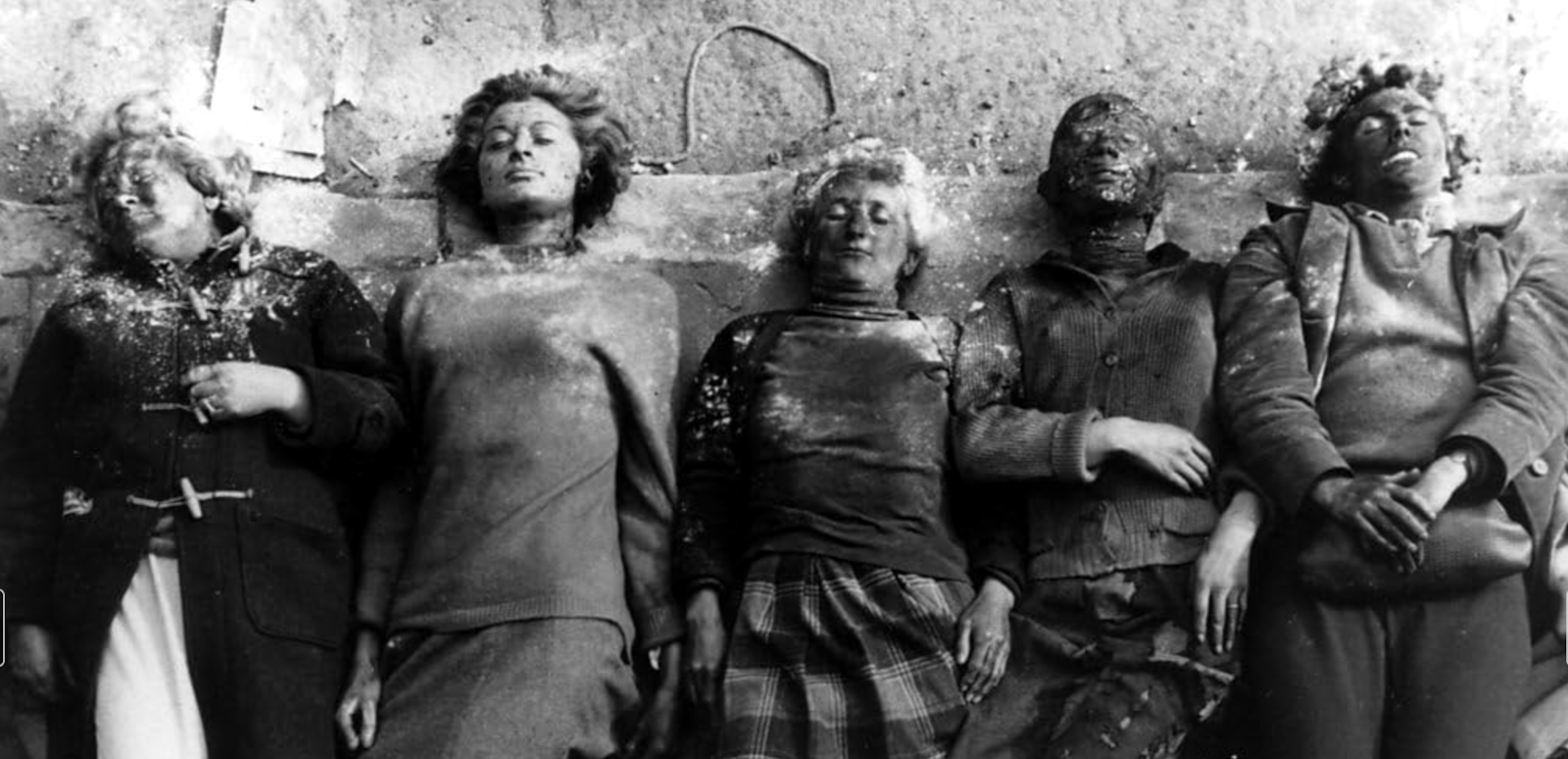
The filmmaker makes no attempt to soft-pedal his conclusions. He shows enough and says enough to convince us that, in just one afternoon, ‘England is No More.’ He finishes with views of orphaned, shell-shocked children, filthy and demoralized into silence.
Did Mr. Watkins deliver The War Game to the BBC with the idea of forcing political change on an ossified bureaucratic system? How exactly would the TV company fit their show into their viewer-friendly schedule? At the finish, would a plummy announcer come on to say, ‘Next up, the finalists of this year’s Royal flower show?’
It must have been as if someone rolled a hand grenade into the BBC executive office. It could be argued that a broadcast could cause a pandemonium worse than the panic that followed Orson Welles ‘innocent prank’ radio broadcast of The War of the Worlds. But a direct ban of the picture would surely bring charges of governmental conspiracy.
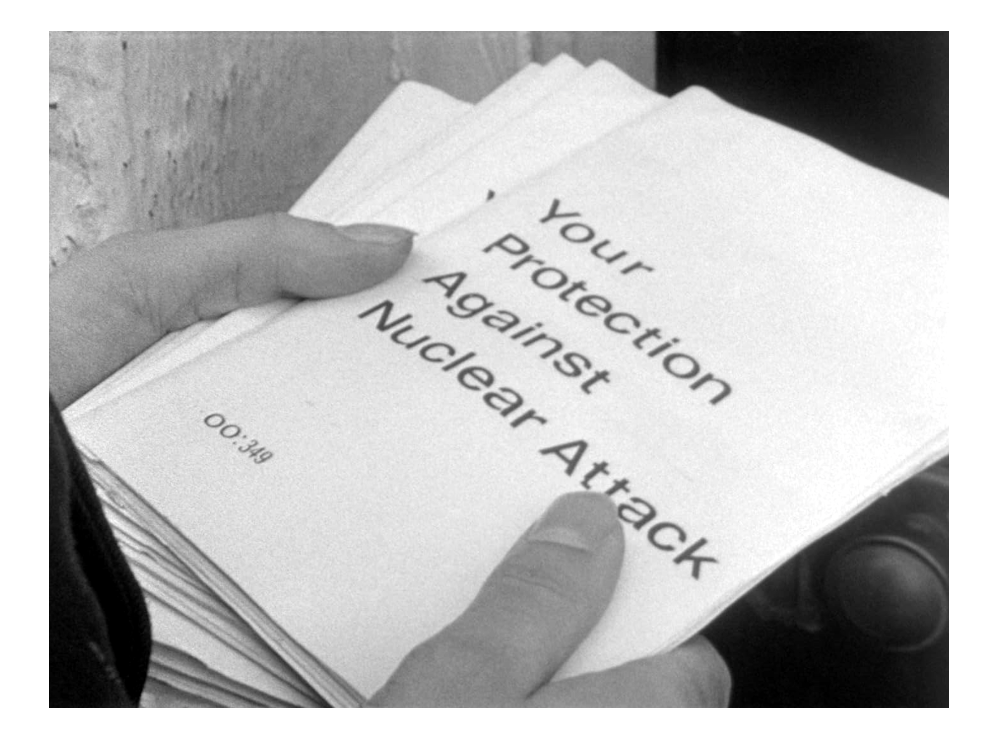
Simply stated, Peter Watkins’ film contradicted official policy, making all in authority seem criminally incompetent, traitorous to the public welfare. The government’s official line was that a Nuclear War would be like the Blitz, with an orderly populace bracing itself in a unified response. Watkins filled his show with direct quotes from civil defense manuals, to show that the existing Civil Defense policy was absurd, and that there was no coherent policy.
The War Game succeeds 100% in showing that the government has no viable plan to deal with a nuclear exchange. No government or administration wants that kind of publicity. Airings of The War Game were canceled on the grounds that it was simply too disturbing. The BBC jumped forward to say that they had made the decision internally, when it soon leaked that even the Prime Minister had weighed in on the issue.
Many would agree that Peter Watkins was a brilliant, progressive BBC documentarian at a time when Britain was packed with good filmmakers. He also wanted to make the kind of political impact that the government thought improper. The result was that Watkins was no longer welcome at the BBC. His next work would continue a line of speculative political Science Fiction. His movie Privilege offers the idea that British despots would manufacture a messiah-like Rock Star to control and subdue youth rebellion. Privilege wasn’t a significant box office hit for Universal. Going forward, Watkins’ brand of social criticism was encouraged mostly in Scandinavian countries.
Artists are encouraged to do great works that can ‘change the world’ — until it looks like they might actually succeed in changing something.
Stanley Kramer’s glamorous extermination soap opera On the Beach had helped awaken the general public awareness of nuclear war. Dr. Strangelove was the next big step forward in the evolution of the anti-nuke thriller, and The War Game followed through on the dark promises of the more fantastic science fiction films These are the Damned and The Day the Earth Caught Fire. Nobody who sees The War Game forgets it; it has more impact than most post-apocalypse exploitation thrillers. It’s an underappreciated fact that all one need do to make a memorable film, fiction or non-fiction, is to tell the truth. Watkins told an unpopular truth and was officially treated as an Enemy of the People. Perhaps that’s what made him into an angry artist.
1 comment