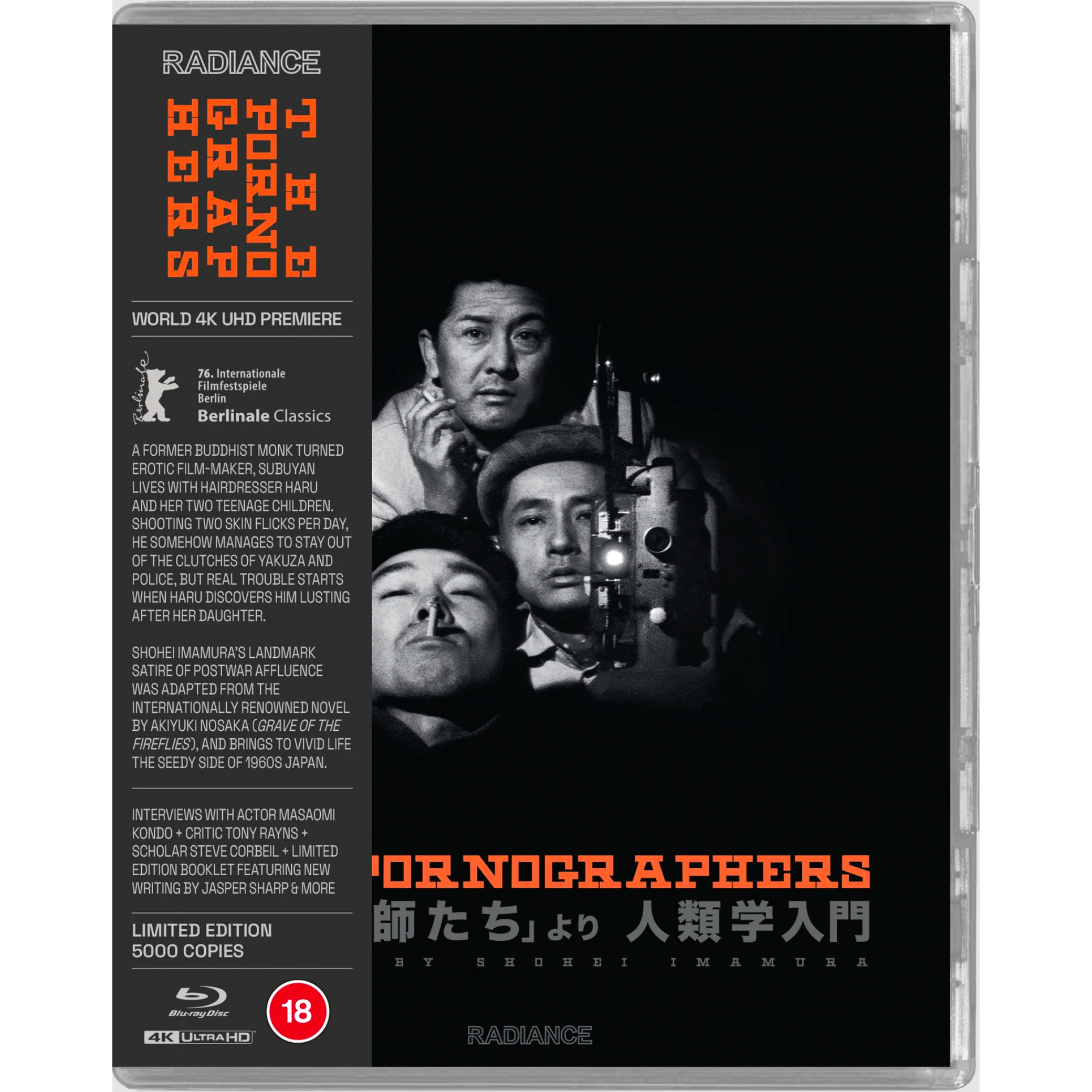

Radiance gives us a prime Shôhei Imamura title in Black & White and Nikkatsuscope … and 4K. With all these new restorations, we’re beginning to forget the DVD years of Japanese classics with soft transfers and a greenish tinge…
Once again Shôhei Imamura finds a disturbing story that can’t be dismissed as shock exploitation. He’s less extreme than Yasuzo Masumura, but also more humanely inclined. Imamura’s observational camera often feels clinical, yet the characters being observed always seem driven by internal wants and needs, not the requirements of a director’s thesis. A few scenes are experimental in nature, with surreal material mingling with an otherwise realistic narrative. We’re reviewed Imamura’s earlier Pigs and Battleships, The Insect Woman and Intentions of Murder, and later accomplishments Vengeance is Mine, Warm Water Under a Red Bridge, and The Ballad of Narayama, Zegen and Black Rain. Each confronts its subject matter without flinching.
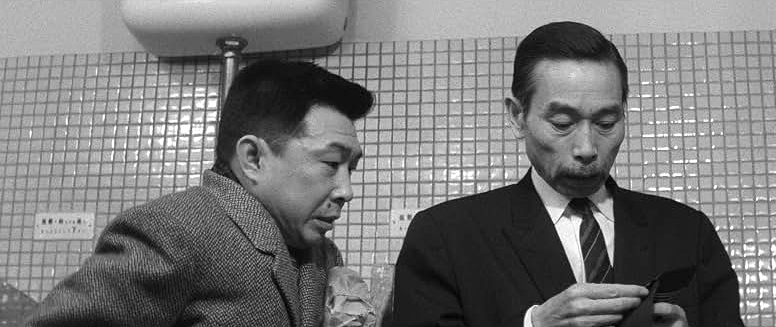
The basic line on Shôhei Imamura is that he rejected the kinds of stories made by the previous generation of directors, in favor of dramas situated in a less prosperous level of the Japanese economy. The actual title of The Pornographers is Erogotoshi-tachi yori: Jinruigaku nyûmon, which translates rougly as ‘Being an introduction to anthropology through pornographers.’ Even the title feels like a clinical study.
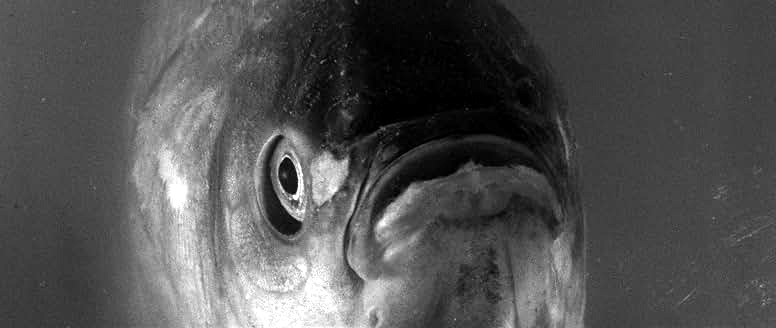
Critics describe The Pornographers as a black comedy, but most of the absurdity on view is realistic sordid behavior too painful for laughs. 8mm porn producer Subuyan Ogata (Shōichi Ozawa) operates out of an upstairs room in the house of lady barber Haru (Sumiko Sakamoto). They are in a long-term relationship but not married because Haru is highly superstitious. She keeps a large fish, a carp, in an aquarium next to her bed, and believes it to be the reincarnation of her dead husband, to whom she promised to be faithful.
Even as a small child, Haru’s daughter Keiko (Keiko Sagawa) was aware that mother slept with the boarder Ogata; Keiko and her brother Koichi (Masaomi Kondô) are now maladjusted teenagers. They don’t improve when they discover what Ogata does for a living. The relationships on view are manipulative and deceitful. Koichi fakes issues to get large sums of money from his mother, who at times seems to be supporting Ogata. Ogata’s own father, a drunken ex-priest, shamelessly hits Ogata up for money, using family guilt as a lever.

Ogata’s work shows Japanese men at their worst: vain, boastful and sex obsessed. Ogata sells dirty pictures and 8mm reels to old businessmen, most of whom are creeps obsessed with under-aged girls. Ogata also pimps for a few customers, including an old gentleman who wants the experience of ‘having a virgin.’ His idea of decency is that he’s rather not attack some random schoolgirl. Ogata works with a madam who knows how to fake virginity. She finds a young hooker who can pass for jail bait, despite just having had a baby.
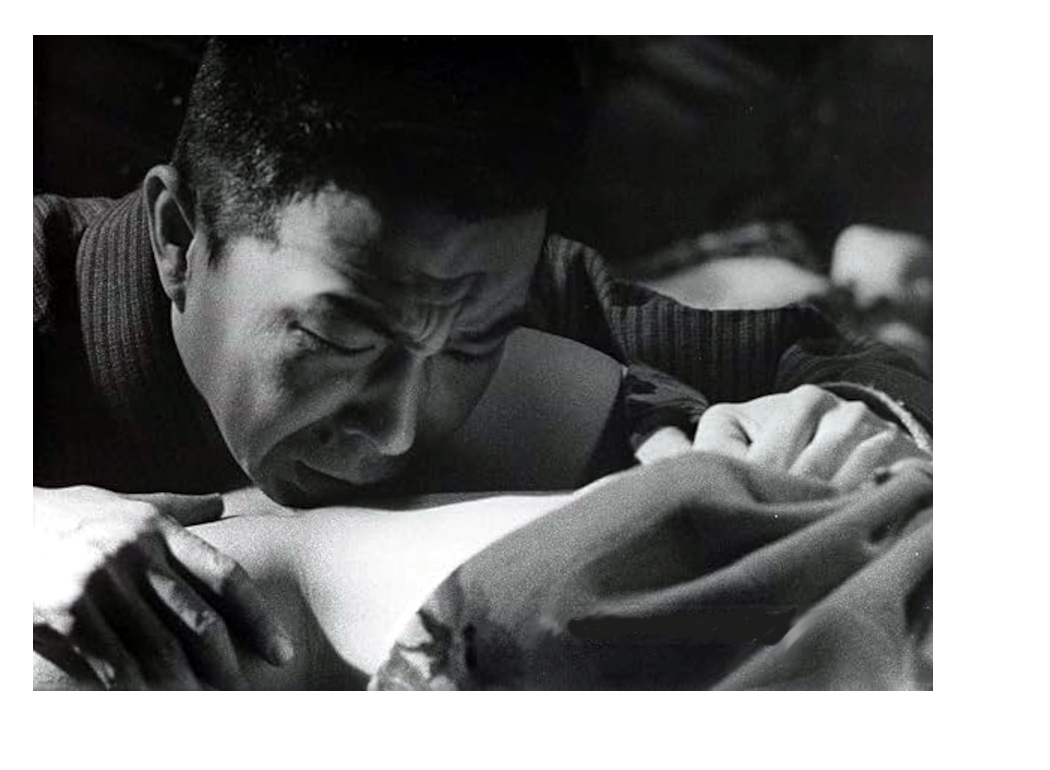
Raised in these odd conditions, sensing that mom’s ‘friend’ is not legit, Haru’s teenagers have become equally amoral. Koichi plays mama’s both to take money he’s not entitled to. Keiko’s boyfriend is caught stealing and goes to a reformatory, yet breaks out to have sex with her. Ogata is beginning to be sexually involved with Keiko (!) and we suspect that she might exploit the situation. She instead retaliates against being used by informing on Ogata to both the police and the local Yakuza. Thugs demand protection money from Ogata and steal his films, just as his business becomes too public. On top of it all, Haru begins to lose her mind. Ogata is concerned — he wants to have a baby with her, but he also maneuvers to get her to sign over her property to him.
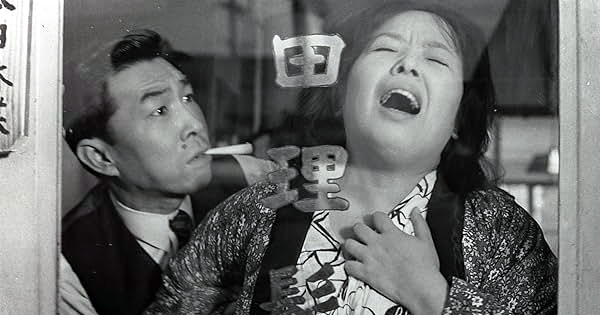
All relationships seem based on deplorable self-interest and exploitation. Haru is denial about everything, as she remains faithful to her first husband — a fish. Even worse, Ogata is constantly rationalizing his ‘profession.’ He states that the world runs on cravings for food and sex, and that he is providing worthwhile, positive services. It’s just other people that get in the way, and of course the misguided laws. Meanwhile, he cannot control his own sexual appetite, even as the stress is making him impotent.
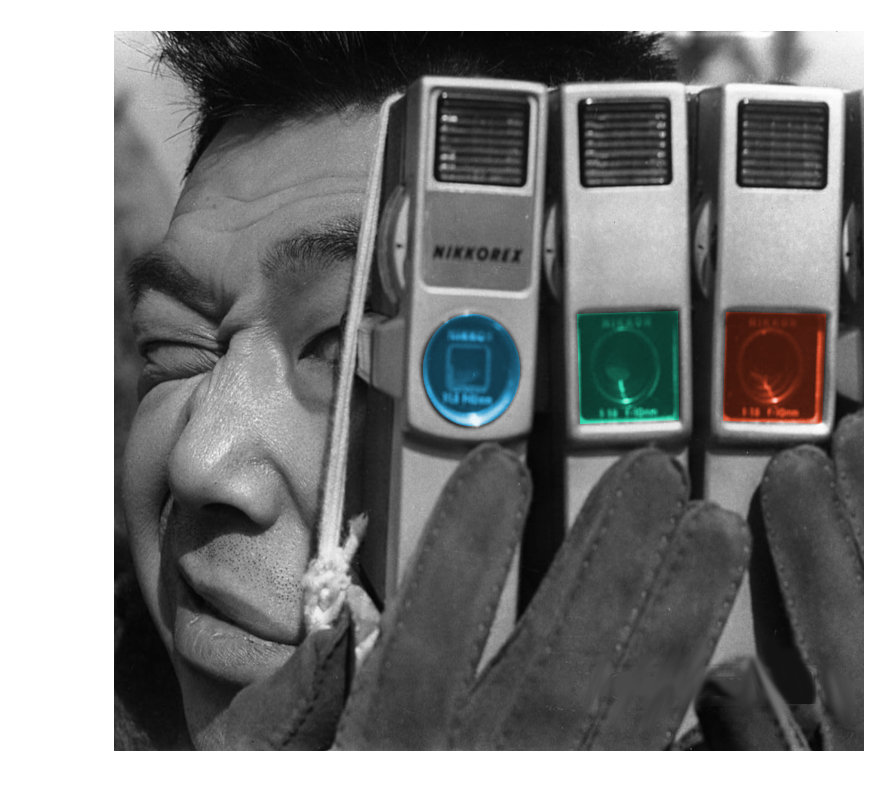
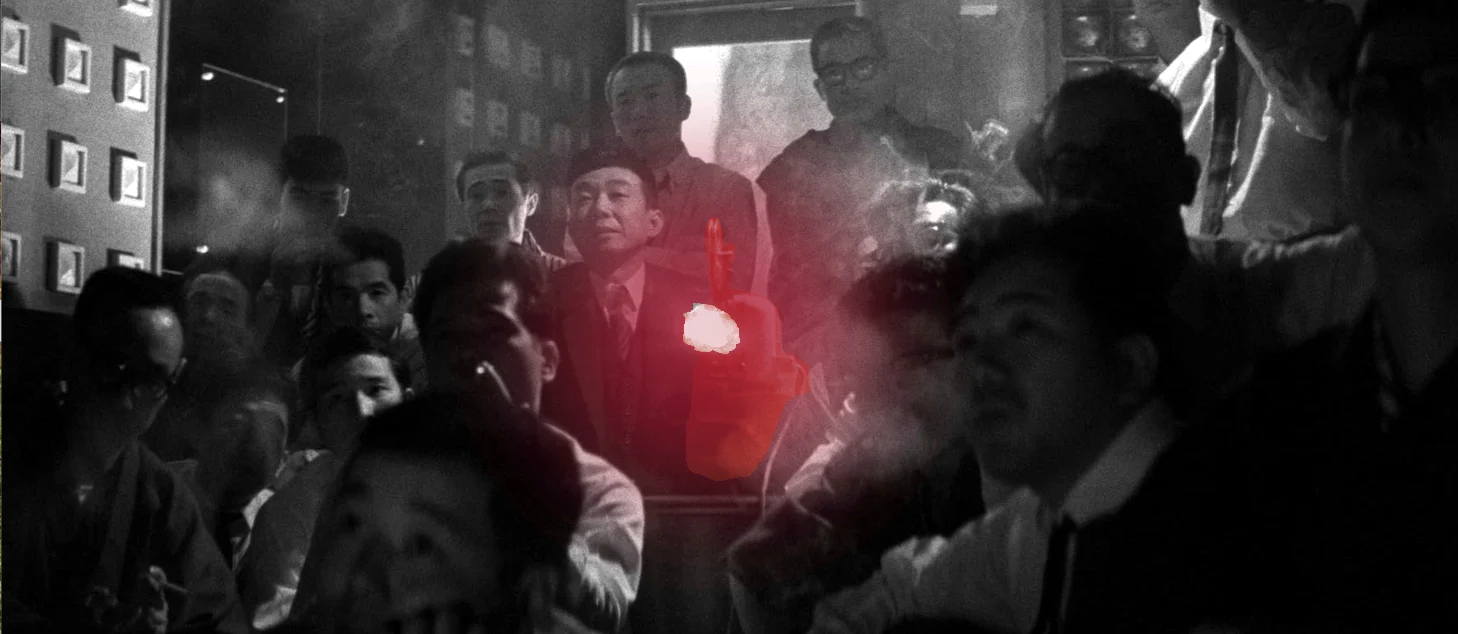
Director Imamura’s film has no sex scenes per se, even though a half-fantasy walk through an orgy suggests plenty of activity. Ogata and his assistants shoot with a battery of cheap 8mm cameras locked together on a bracket. There is almost no nudity and the photo sessions we see never get near the hard action phase. Just the same, the proceedings are full of creepy men involved in slimy activity. A group of males watches one of Ogata’s sex films, making comments that verge on censorable. Ogata’s customers are aging, insecure, and convinced that they’ve been cheated of sex lives. They turn to procurers like Ogata to deliver fantasies that never suffice.
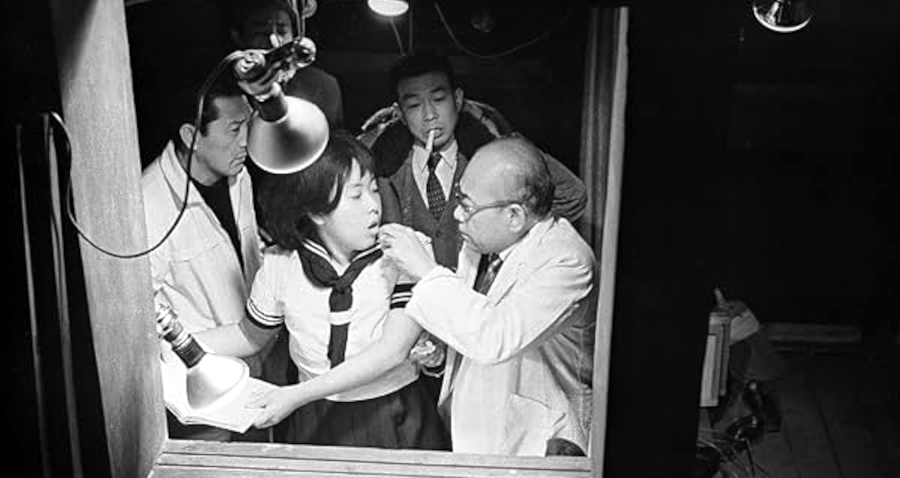
The most awful scene is a failed 8mm sex shoot. A customer wants a film of an old man violating a schoolgirl, which Ogata haphazardly sets up. The male performer brings the female performer, who turns out to be a mentally disturbed 14 year-old, who won’t talk and can’t take direction. It gets worse from there.
But the main horror is the absence of humane responsibility, between family, lovers, everybody. It’s more than a case of people corrupted by money. Haru and Ogata have a kind of love, but their relationship is totally screwy – she manipulates him emotionally, while he’s clearly addicted to the bed and benefits and her money bail-outs.
The final act does resolve things in an exaggerated, absurd way. Ogata’s obsession with his impotence makes him into a crazed loner, on a crusade to profit from sex in a way that avoids the law … and having to deal with women at all.
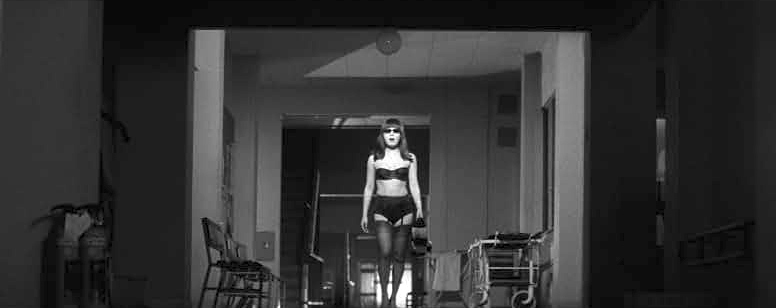
Shôhei Imamura’s camera always seems to be creeping about, peering through curtains and windows. It’s voyeuristic without a strong objective-subjective element. Occasional freeze frames remind us that we’re in a flashback. The last act introduces more fantasy setups from left-field, some of which chill the blood. Koichi delivers the news that he’s leaving with his new girlfriend, and keeping all the money he’s ‘borrowed.’ The girlfriend is a beauty introduced in a weird corridor shot where her clothing keeps changing. And there’s always that damm fish staring at us, always by Haru’s bed to represent her long-gone husband, like a curse from the past hanging over the present. It is the one absurdity that makes us laugh, and it’s very disturbing.
Viewers familiar with Shôhei Imamura know that the ride won’t be smooth. This show is truly strange — without being mean-spirited, it has a lot to say about how badly people can relate to each other, when they’re detached from some kind of societal code.