
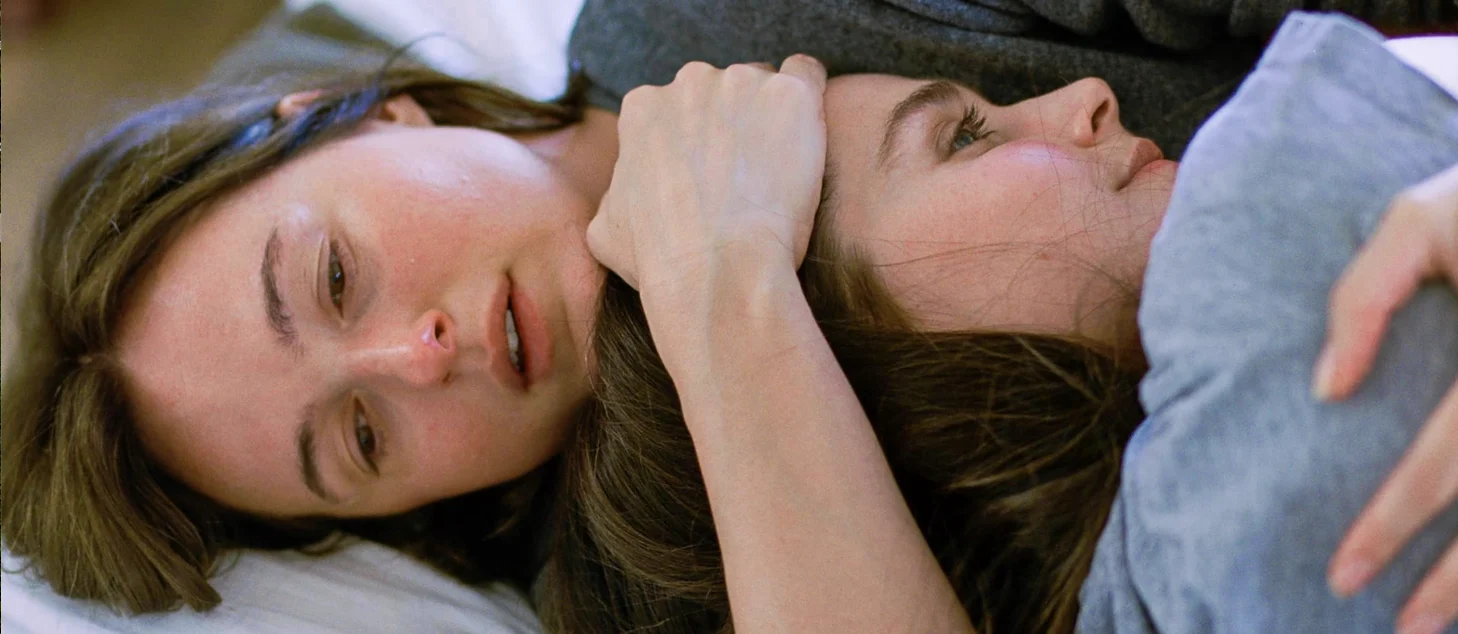
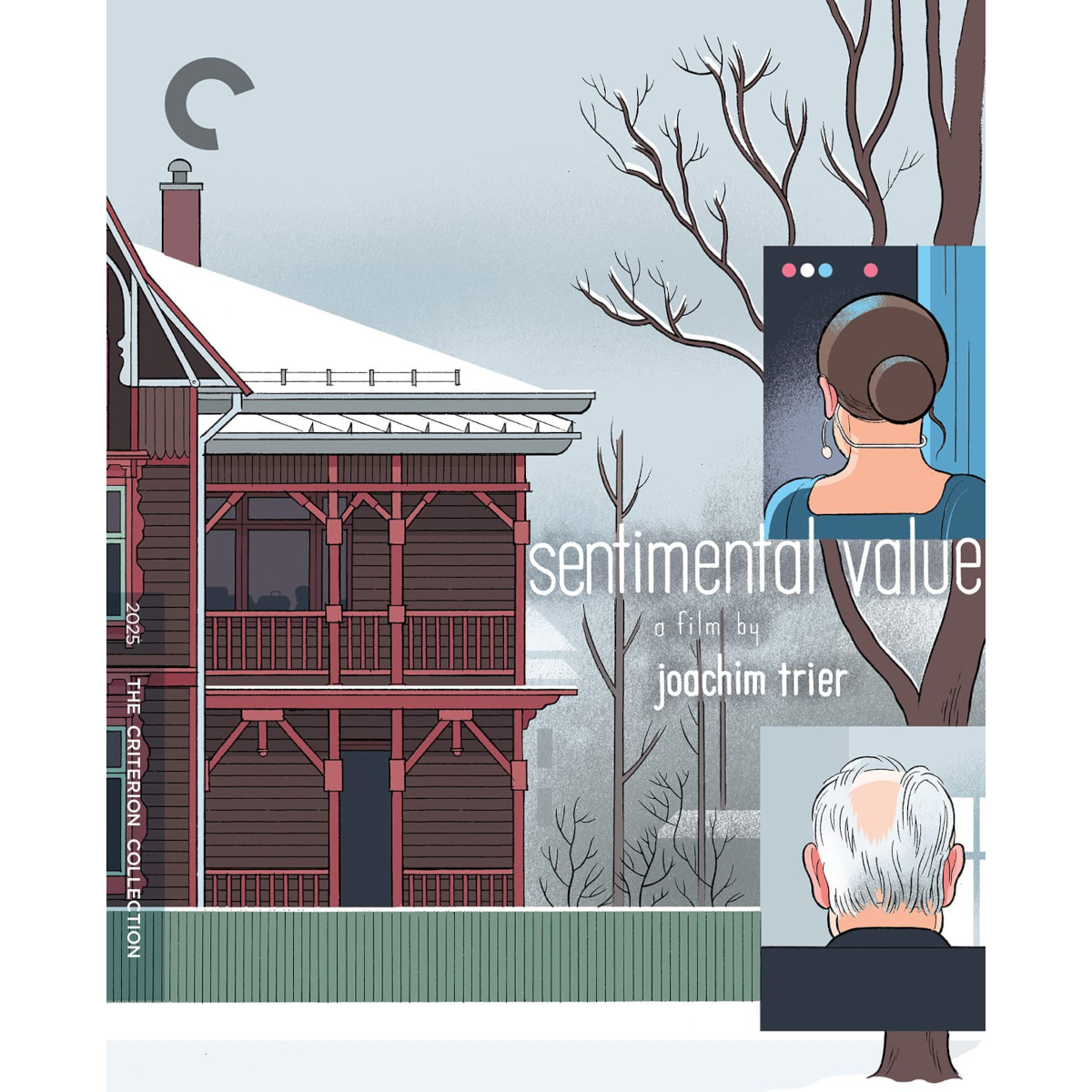

Joachim Trier’s Sentimental Value creates a moving drama from a basic relationship conflict. Prioritizing conventional family conflicts above sensational subject matter, this Norwegian film found a path to both commercial success and critical acclaim, as the grand prizewinner at last year’s Cannes film festival. Getting the show made obviously took some organizing — it was funded by so many different producing entities, the credits list fourteen executive producers. Neon picked it up for American distribution, but after the big Cannes win.
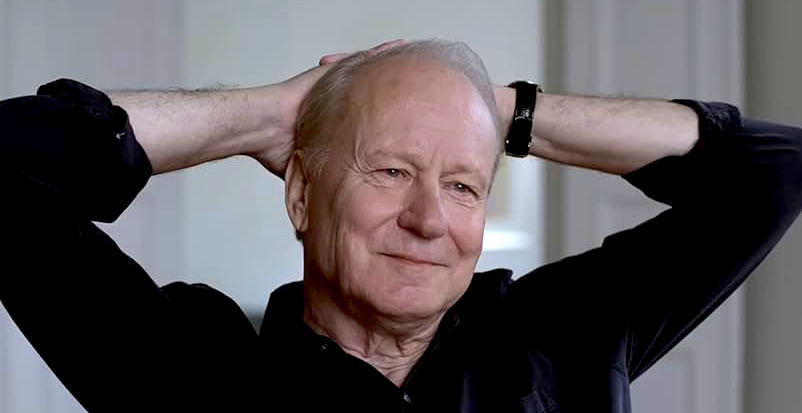
This was not a banner Oscars year for us. Some nominated films just didn’t appeal, and others didn’t seem that exceptional. We didn’t feel that one ‘daring’ shocker was daring at all. Sentimental Value may not try to reinvent cinema, but it was the only really satisfying movie about people with identifiable problems.
Actually, the publicity blurb for Affeksjonsverdi (“Affection Value”) didn’t sound promising either … being a story of conflict between family members with different show biz specializations. The show is so good, we forget that issue right away..
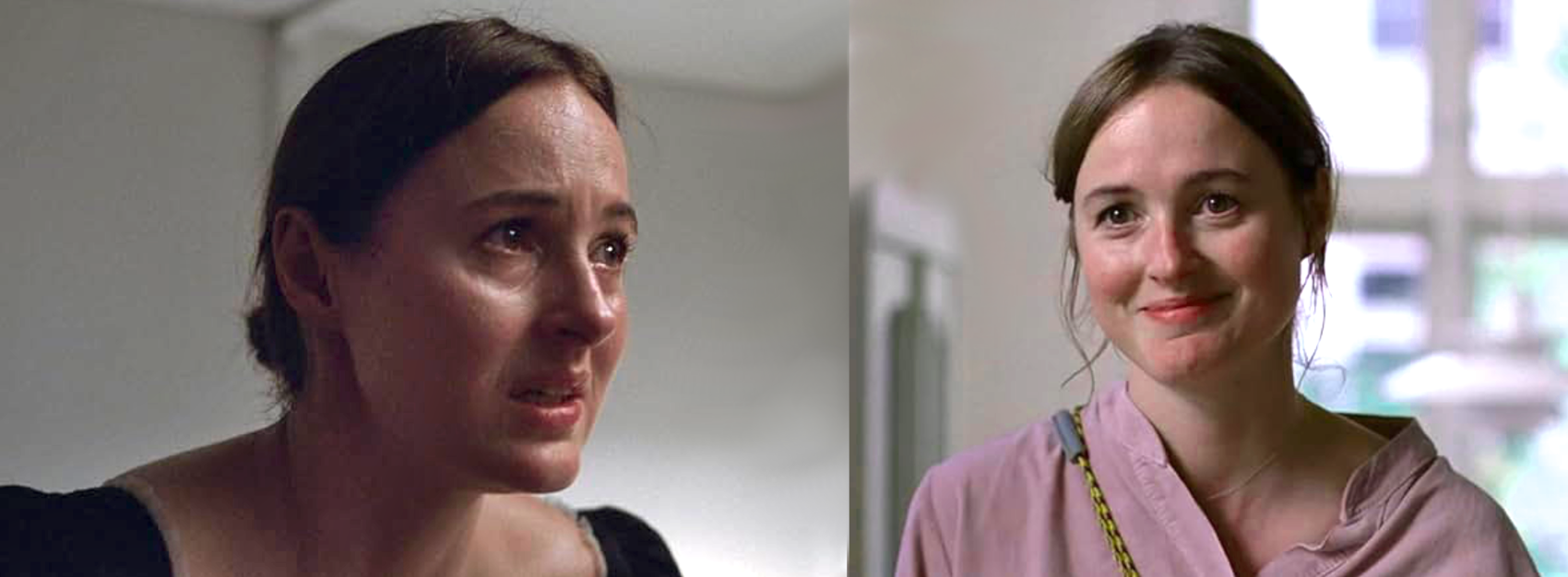
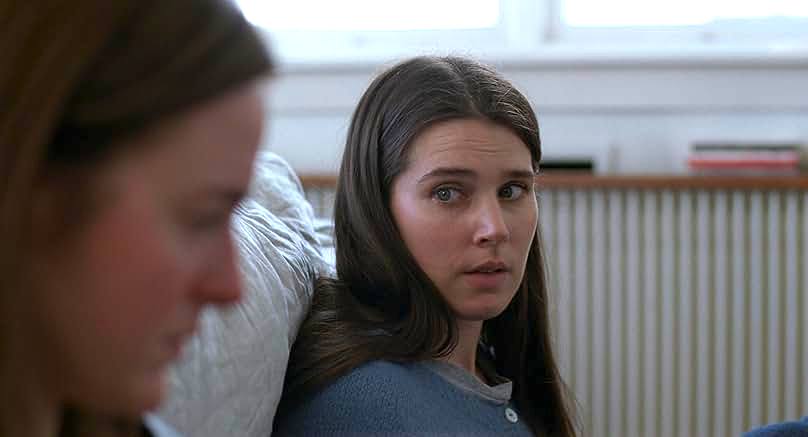
Actress Nora Borg (Renate Reinsve) is a star on Oslo’s classic stage. But she’s not as emotionally stable as she would like to be. She barely survives an opening-night panic attack, when she tears her costume and tries to run away. She’s very close to her younger sister Agnes (Inga Ibsdotter Lilleaas), an historical archivist with a steady husband and a fine young boy, Erik (Øyvind Hesjedal Loven). Nora’s only attachment is an affair she’s conducting with a married man. She’s a tiny bit controlling in both relationships. Is she liberated, or conflicted?
Nora’s root problem is her estranged father Gustav Borg (Stellan Skarsgård), who left the family when the girls were children, and barely kept in contact. Gustav is a famous film director with an international reputation, but he’s aging and has been unable to put a picture together for some time. Nora’s resentment is not a positive factor. When their mother Sissel dies, Gustav doesn’t attend the services, yet shows up for the wake, as if father-daughters relations were just fine.
The grand old house still belongs to Gustav. He plans to sell it for seed money for his next film. He also makes a friendly overture to Nora — will she star in his new movie, which he has written specifically for her? Nora refuses to read the script. As far as she’s concerned, Gustav only wants to use her name to raise financing. She doesn’t know that the script is about the sad story of his own mother. Is this more of Gustav’s selfishness, mining a past family trauma for his art?
While the beautiful old house is being modernized for sale, Gustav attends a retrospective of his work at the Deauville festival in France. Chance presents another bankable star who can play the lead in his movie, American actress Rachel Kemp (Elle Fanning). Kemp jumps at the opportunity to do something more substantial than breezy romantic comedies. Gustav’s movie can now get a green light … but what will it be like with a name American star playing a Norwegian, speaking English?
Sentimental Value grabs us right from the beginning, with a brisk narrated memoir of bits of the girls’ childhood in that fanciful house in Oslo. We learn about its old iron heaters, and about a structural flaw that in a gothic story might be a symbol for a family curse. The Borgs are refreshingly imperfect, and their problems span at least three generations. Gustav’s mother had a terrible experience during the German occupation, which may have contributed to his difficulties with women. He’s the concentrated artistic sort who neglects everything not directly related to the project at hand. His family was apparently just in the way. That abandonment is at the core of Nora’s disquietude.
None of these Borgs have an explosive personality, but Nora is reaching her limit. She’s made quite a name for herself, but this being Norway her lifestyle is not like that of Rachel Kemp. The American star has an entourage, while Nora goes home every night and helps her sister do kitchen duty at their mother’s funeral reception. Agnes has made her peace with their father, but Nora harbors a suppressed rage against him. What bothers her the most is that Gustav doesn’t acknowledge her success. He has excuses for not seeing her plays, for having no opinion of her art. She rightly sees this as pure narcissism. With his career winding down, Gustav is too egotistical to celebrate Nora’s accomplishments.
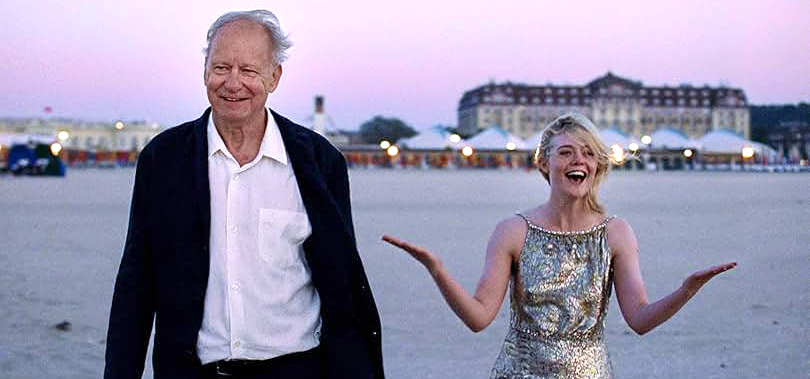
All of this is played close-in, with people that don’t externalize their every discontent. Few confrontations lead to shouting. That doesn’t necessarily mean that people are being more honest with each other. Gustav is ever the gentleman but his face gives away everything. The guests at the funeral reception are likely unaware of the friction between father and daughters. The the Deauville festival Gustav gets the feeling that his career may be at an end. Yet his charm and diplomacy at the all-night beach party wins the trust of Rachel Kemp, a possible new collaborator.
These people don’t start breaking things every time something goes wrong. Nora’s traumatic backstage meltdown is not some blind melee. Her assistants scramble to restrain her from tearing her costume to bits … and then she says ‘thank you’ to someone who helps adjust her microphone.
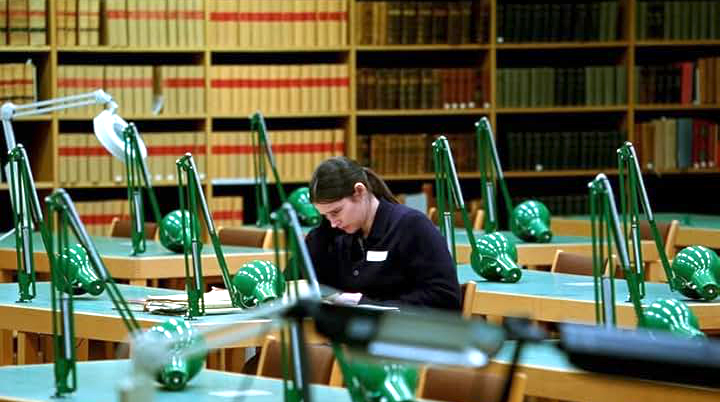
At one point Agnes feels it is time to see for herself the factual truth about her grandmother, who met a sad end a few years after the war, after giving birth to Gustav. The national archives hold the actual documentation behind the tragedy, perfectly preserved. Gustav is going to adapt that family history into another form, blending his mother’s experience with Nora’s sense of familial despair. Is that a good idea?
Director Trier keeps the focus on his principals, giving a few select glimpses at the secondary characters. Agnes’ marriage appears to be a decent compromise, mainly because she is so emotionally mature. Backstage with the theater group, Nora is not the favorite of every crewperson, yet she has no active enemies. The movie does not judge Elle Fanning’s Rachel Kemp character for being a commercially-oriented American star. Rachel is thoughtful and considerate, and smart enough to realize that her casting is a bad idea. Seeing Rachel struggle with a screenplay passage, followed by Nora taking on the same text, makes any explanation unnecessary.
We grow close to the personalities in this drama; Nora is front & center but Agnes is more secure and old Gustav plays the role of great artist well. Gustav Borg is in no way a reconstructed male; even when talking with his producer, the 75 year-old sees no need to change with the times. He maintains an emotional distance from his professional collaborators, even his loyal cameraman of many years. And he feels comfortable assuming the right to critique Nora to her face, suggesting that she’s really unhappy because she hasn’t a man of her own, or children. The public may not see it, but Nora is capable of deep depression. That’s where an ever-loyal sister can make a crucial difference. Agnes had her own experience working for her father as a child and has almost as much reason to resent her father. We’re shown a vintage film scene in the retrospective at Deauville.

Joachim Trier’s storytelling style strips the narrative down to twenty or so scenes bufffered by cuts to and from black. He’s not afraid of pretty pictures. Most of the exteriors are around the old Borg house, a beautiful piece of artwork, painted in contrasting colors. It’s a cliché to say that the house is treated as a character, but this place makes a significant contribution. It’s given its own introduction, celebrated with observational detail views that could have come from a film by the Japanese director Ozu. As voiceovers describe the house’s soothing ambience, we see the shadows of trees making patterns on floors and walls, almost a Maya Deren effect. It’s a shock to see the house being readied for sale, its multi-colored exterior now painted a bloodless white, and its distinctive interiors decluttered, de-personalized.

Most scenes take place in interiors yet we never feel confined. That grand theater gives us an immediate sense of scale. Director Trier returns more than once to variations on a familar construction, delaying our realization that he’s switched from ‘real’ action to something being performed as part of a play or a rehearsal. These effects are well judged — when searching for something to make her weep on stage, Nora might indeed recall her frustration with Gustav. Only once does Trier break clean from realism. A strange visual effect dissolve-morphs back and forth between close-ups of Norah and Gustav. What can it be except an expression of how these two artists are bound together?
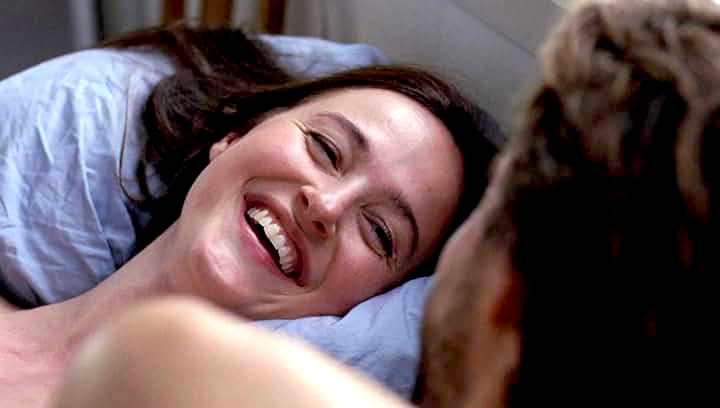
We simply like the people we meet in Sentimental Value. Actor Stellan Skarsgård we know very well. His lived-in old face now makes him resemble an older brother to the late actor William Hurt. Inga Ibsdotter Lilleaas and Renate Reinsve grow on us quickly. Neither is a ‘severe’ Nordic type. It is good to get away from the somewhat sexist notion that proper women must at all times behave ‘happy.’ The payoff is that when these women do feel good, their joy seems all the more vibrant. The picture does have some positive, transcendent moments.
Now we want to catch up with Joachim Trier’s previous film The Worst Woman in the World, to see more of Renate Reinsve’s work.

I liked this so much more than The Worst Person in the World, which never drew me in. I’m glad I gave this director another chance.
My favorite movie of 2025. If you haven’t seen Trier’s/Vogt’s debut feature “Reprise”, give it a chance. The first five minutes alone are gorgeous, and to me it’s still their best work. “Thelma” and Vogt’s own “The Innocents” are pretty great as well.