
 When we think of socially progressive political statements in pre-Code pictures, the first studio that comes to mind is Warner Brothers, with searing films like I Am a Fugitive from a Chain Gang and Wild Boys of the Road. William Wellman’s Heroes for Sale so condemned the status quo, one could feel the undertow. It almost seemed ready to advocate Revolution.
Metro-Goldwyn-Mayer had its own loopy political detours, as exemplified by the quasi-fascist Gabriel Over the White House. But the studio in general endorsed the status quo by avoiding soapbox positions. The only theme we’ve noted in more than a film or two is an anti-Union stance. But there was a radical exception or two — things must have been crazy in 1932 for MGM to greenlight a movie by Tod Browning that seems so antithetical to the studio’s narrow definition of good taste.
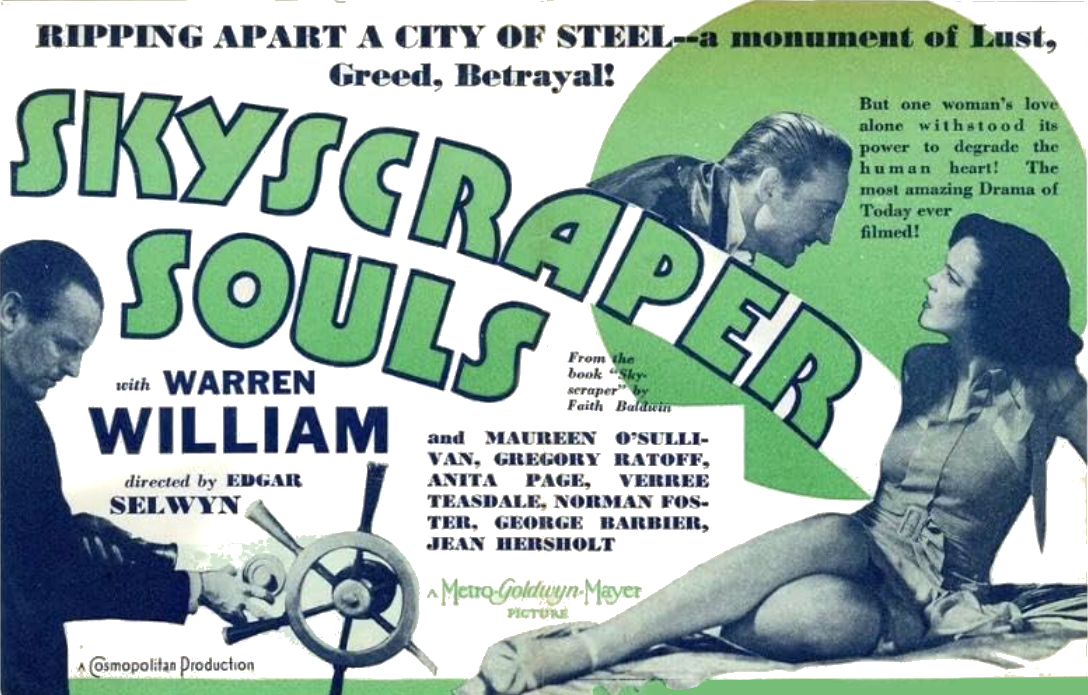
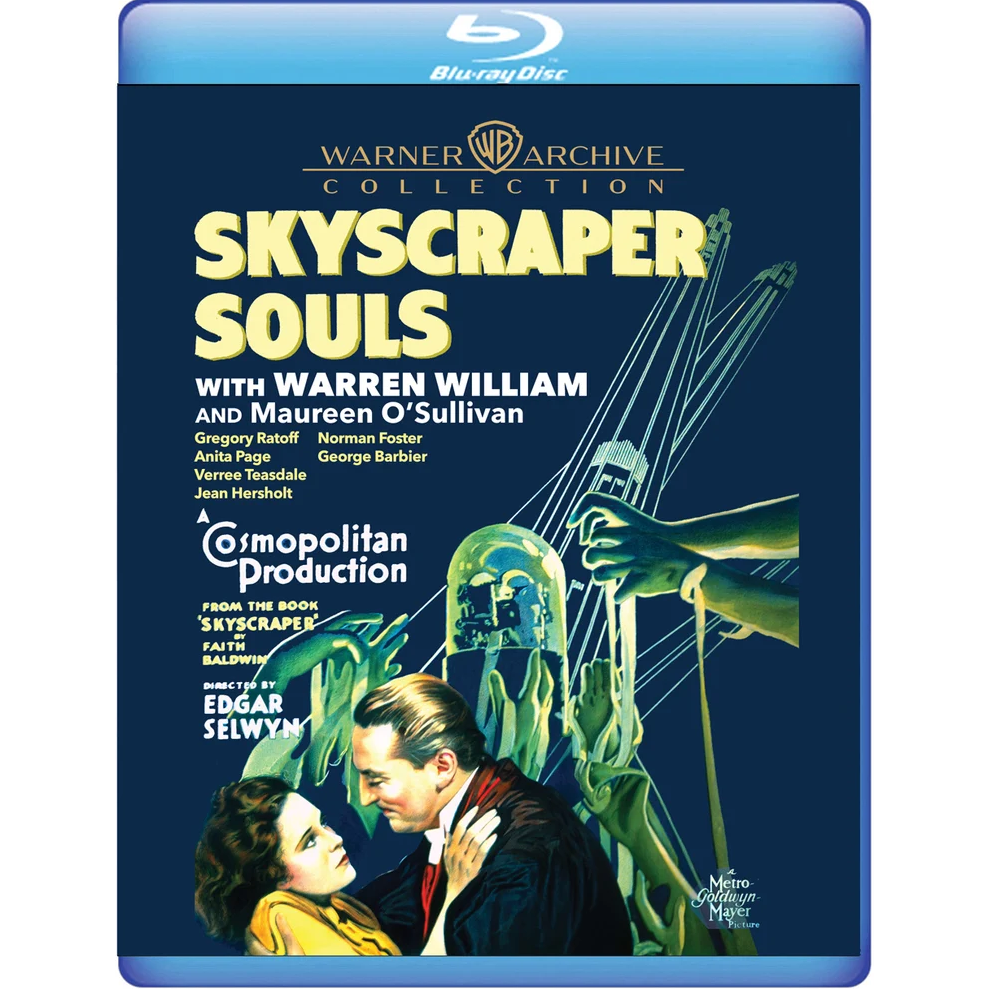
One MGM picture fielded a strong critical argument about ‘the state of things’ in Depression-era America. Skyscraper Souls is a twisted road-to-success drama that takes a big swipe at unfettered capitalism through the rise and fall of a powerful financier / executive. It’s about the Rat Race below and the power plays at the top, with executives that hold perches so lofty they think they’re above the law. And they don’t even have a corrupt President to back them up. It’s easy to think that Skyscraper Souls might be a Warner Bros. picture, as MGM borrowed WB’s star Warren William to top the cast list.
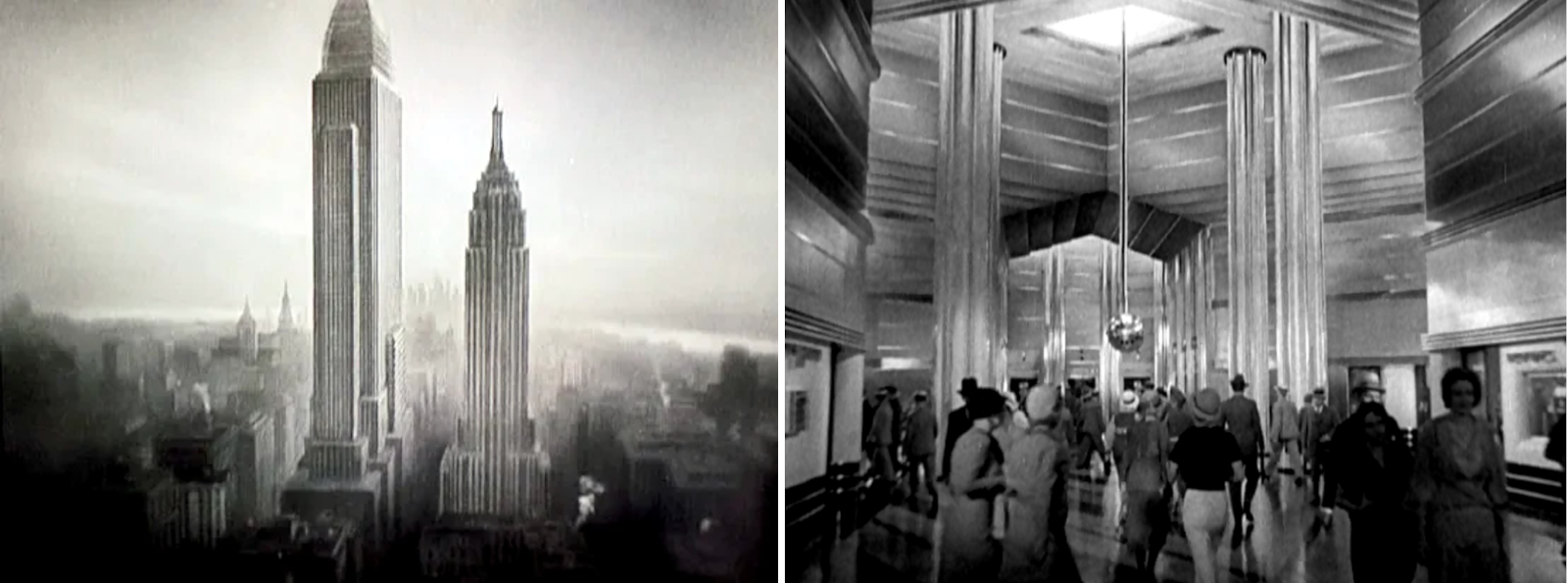
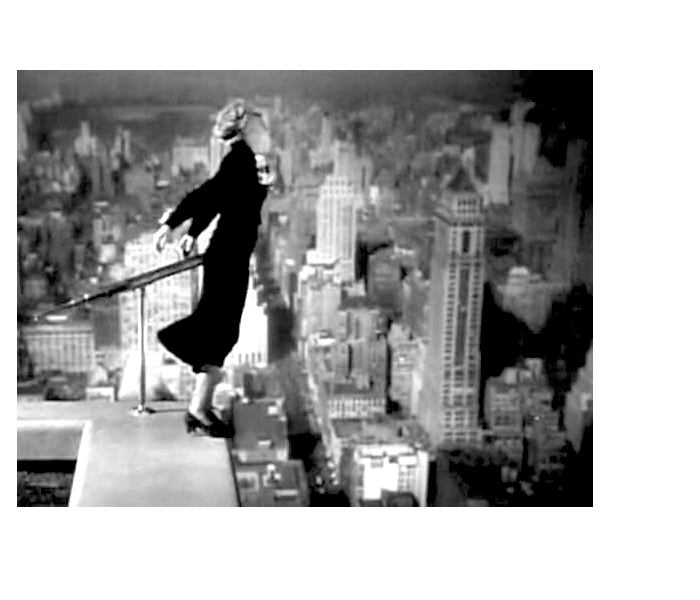
The setting is a new hundred-story New York skyscraper just a couple of blocks from the Empire State Building, which in ’32 was itself barely completed. Good visual effects make the Dwight Building’s lobby, an art deco masterpiece, appear to be 4 stories tall. A fine introductory section shows the enormous building packed with normal workaday folk lucky to have their little jobs. Some are desperate to get out from under crushing money problems. Three years after the big crash, many with a little cash set aside still think that a quick way to financial security is to make a killing in the stock market. Slim (Wallace Ford) has a job but risks his money in unwise investments; he’s involved in a secret affair with Myra (Helen Coburn), a married woman deep in debt. Myra tries to borrow money from Jenny LaGrand (Anita Page), a model for clothing wholesaler Vinmont (Gregory Ratoff). Jenny is actively pursued by fancy jeweler Jake (Jean Hersholt), who who seems unaware of her promiscuous nature; as sort of a gray-area Holly Golightly type, Jenny’s dates all seem to revolve around nice gifts or a money transaction. ↘
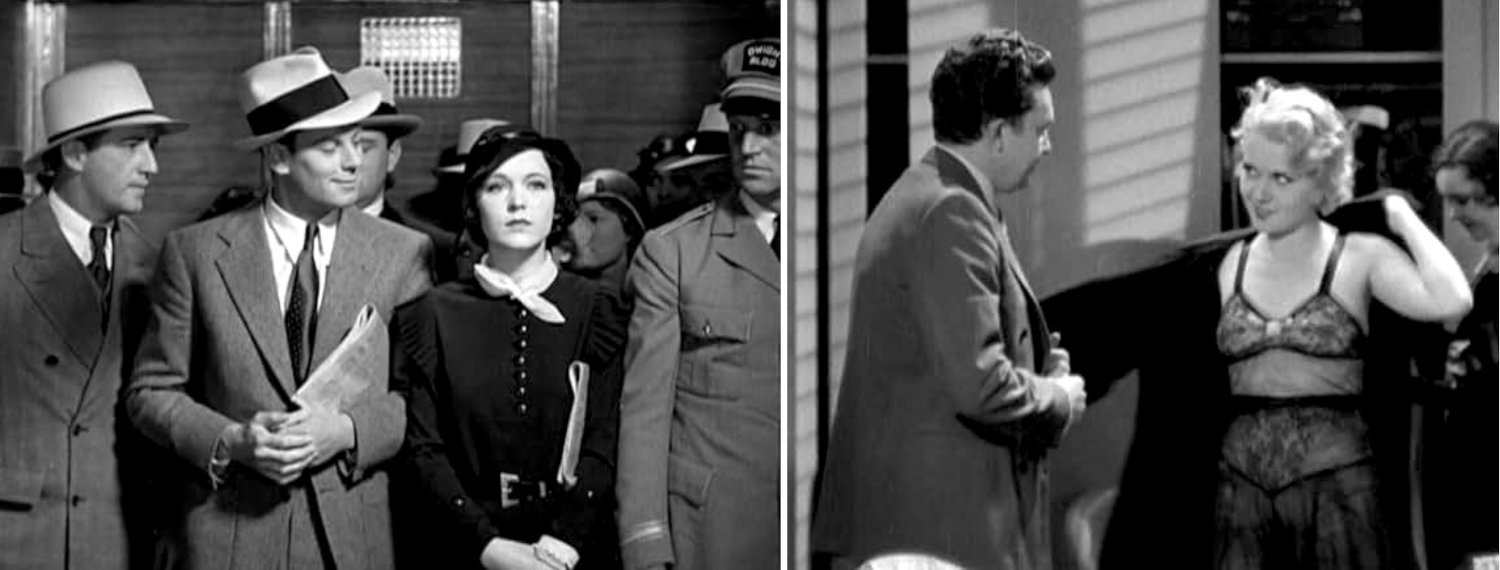
Like many pre-Codes, a prime focus is the exploitation of the female workforce that keeps the building’s many offices functioning. Two funny working guys (Richard Alexander, Edward Brophy) glom the beautiful women that come into the building. Young bank clerk Tom (future director Norman Foster) chases pretty visitor Lynn (Maureen O’Sullivan) around the lobby in a way that today would see him arrested for harassment. In the value system of the day, he’s thick-headed but not malign. For some reason Lynn finds him cute, and is intrigued by the attention. ↙
“Well, there’s a lot of fun in love without having babies.”
The relationships criss-cross. The strait-laced Lynn is good friends with the model Jenny, although unaware of Jenny’s loose morals. Lynn is in the building because she is also a family friend of Sarah Dennit (Verree Teasdale), the executive secretary for the big man in the skyscraper, the building director David Dwight (Warren William).
Sarah is the one person David Dwight fully trusts. She has a job for Lynn in the main office high atop the skyscraper, where a major power dispute is playing out. David is the front man for Seacoast, an investment team that would actually wants to throw him out: they know that he’s taken out an enormous (and illegal) personal loan from the company. David has held on to the edifice that bears his name through slick deals and clever evasions. His first line of defense is to ally with the outside investor Hamilton (William Morris) and freeze his partners out, but Hamilton sees David’s weakness and won’t cooperate.
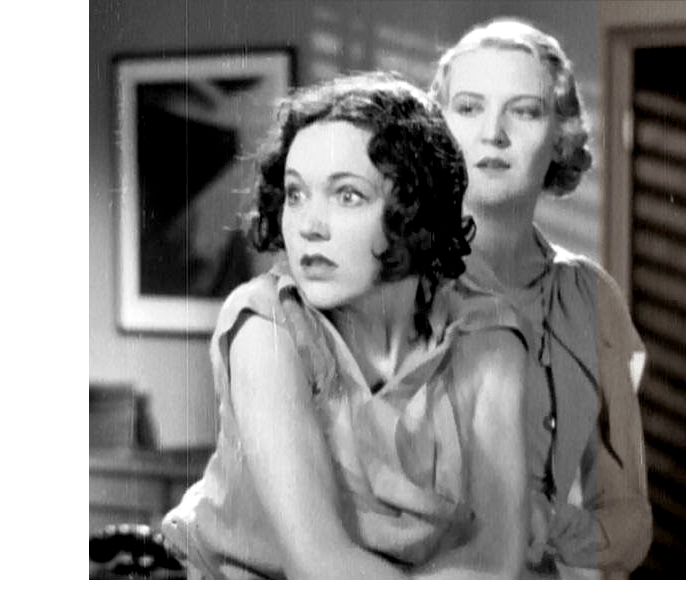
David needs Sarah to help him communicate secretly with Charlie Norton (George Barbier), yet another investor that he hopes to use in a complex scheme to gain total control of the building. But the love relationships up in the main office are just as illicit. Sarah is David’s mistress, a secret known only to his wife Ella (Hedda Hopper), who doesn’t care who her philandering husband sleeps with as long as he funds her extravagant lifestyle with the smart set in Rome and Paris. Sarah is convinced that David will soon divorce Ella to marry her, when in actuality he’s planning to ease Sarah out of the picture and replace her with a younger lover.
“Yours are much prettier.”
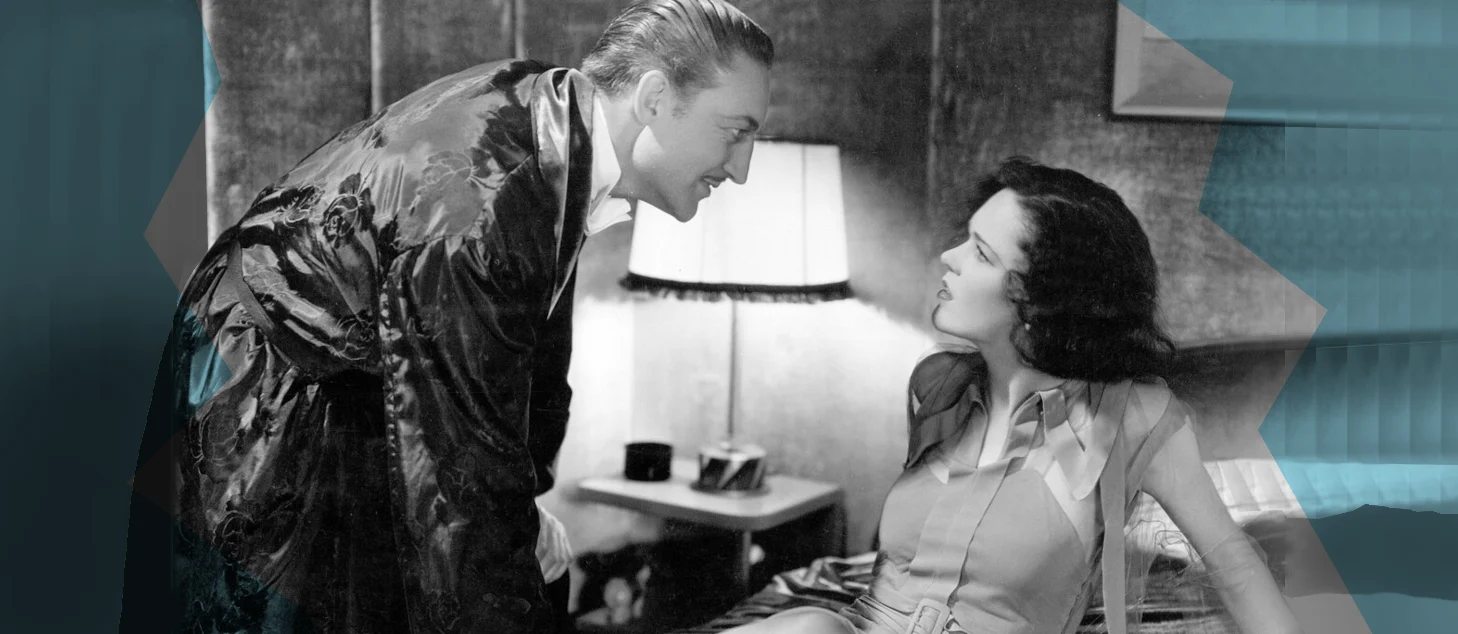
Whats’ worse, the moment Lynn shows up to work as Sarah’s assistant, David chooses her to become the next woman in his life. His first step is to get the very innocent Lynn potted at a swank party in his luxurious sky-high apartment, the better to compromise her. Lynn’s seduction is beautifully handled. Maureen O’Sullivan pulls off an impressive getting-drunk-on-champagne act. David must use a hired floozie to pry the lecherous Charlie Norton away from Lynn. Sex for hire or trade seems a given in the high level of wheeler dealers … Just when he thinks the inebriated Lynn has escaped, he discovers that she’s found a nearby place to crash … his bed.
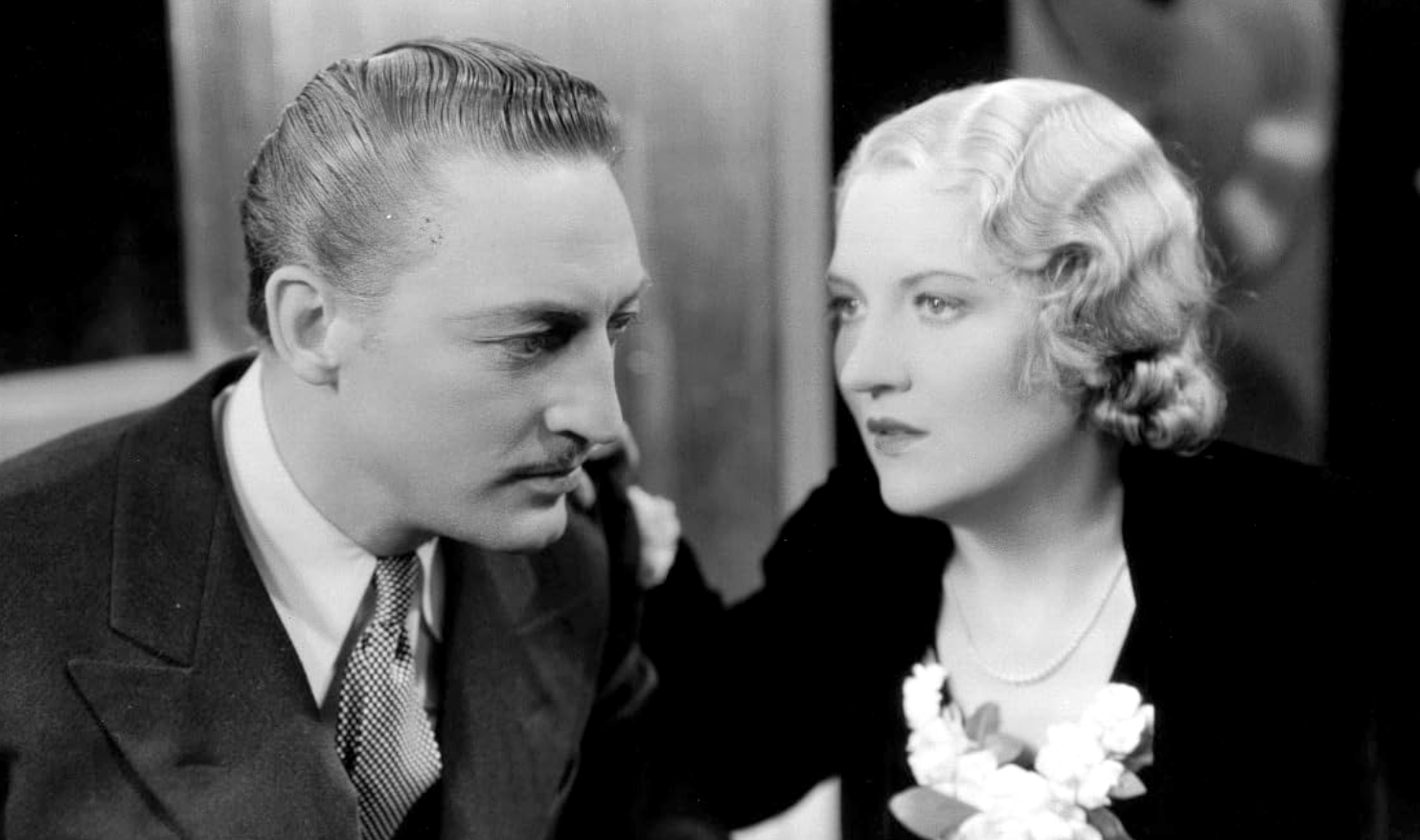
Sarah helps David engineer the craftiest swindle in New York history, not realizing that he intends to destroy most of his associates AND dump her in the bargain. Sarah does her best to patch up things between Lynn and Tom, who believes the worst about Lynn’s night with David; Lynn’s disillusion with love motivates her to say ‘yes’ when David offers her a European cruise as his consort.
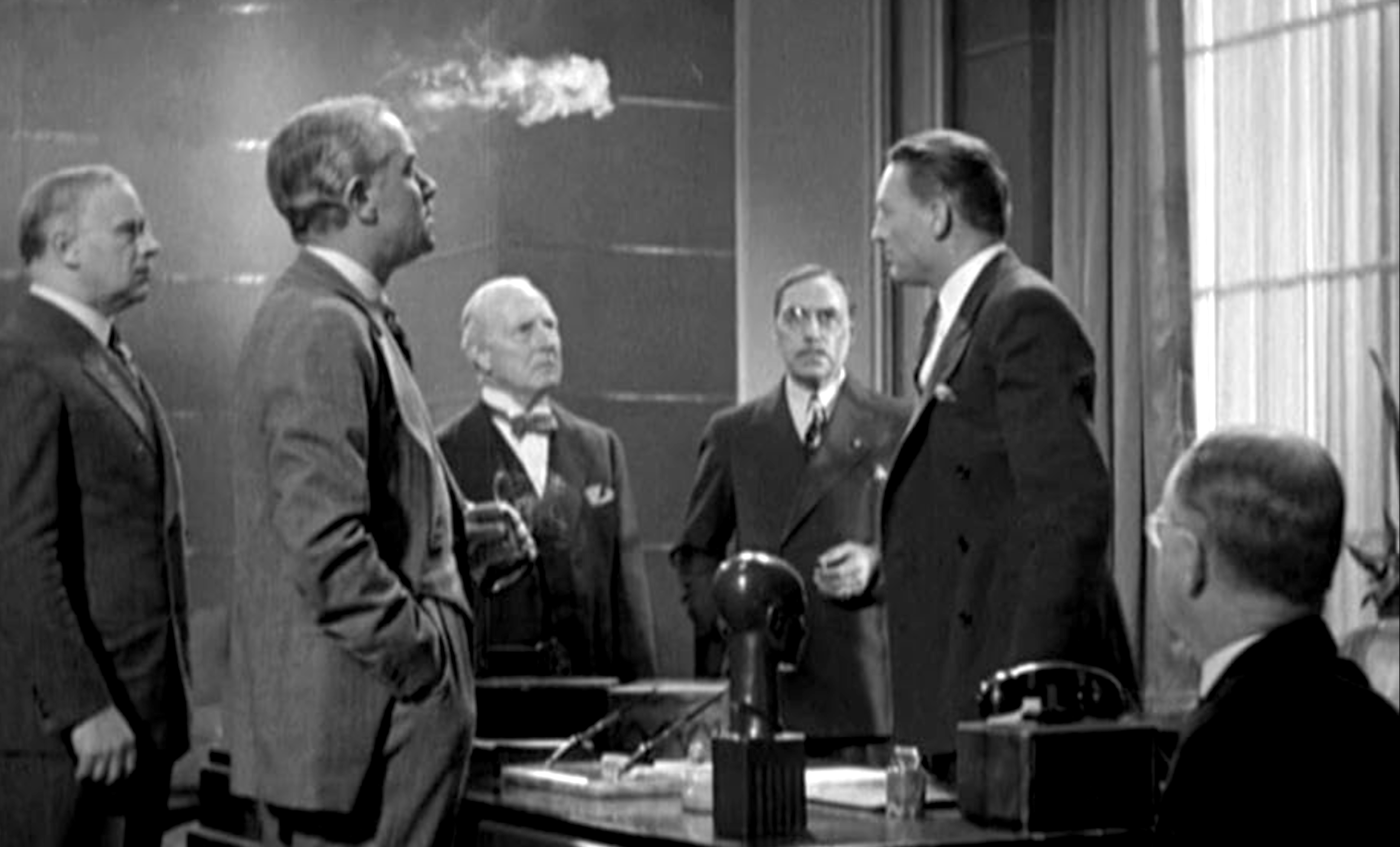
The swindle involves a wicked manipulation of Seacoast’s stock; an ‘insider trading’ scheme suckers most of the people we know into using every dollar they have to buy stock that David knows will soon be worthless. The deal ends up motivating a robbery, and causing at least three deaths. But will David get away with his master stroke?
David Dwight is the kind of man that never questions taking what he wants. After all, his ‘trusted associates’ would do the same thing to him if given the chance. It’s a pure statement of cutthroat capitalism as was ever presented in the movies. But David doesn’t realize that Sarah, ‘the woman scorned,’ will try to stop him from ruining the future for Lynn, her protege.
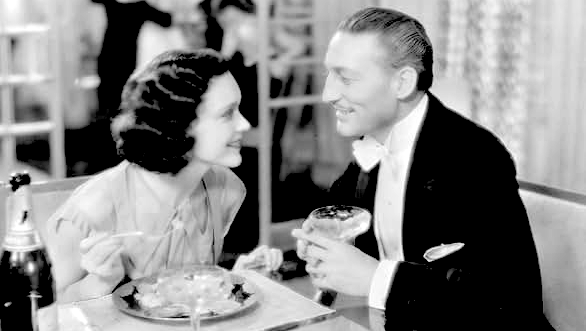
Warren William was excellent in another primer on ‘capitalism unbound,’ the true story The Match King. But the emotional impact of Skyscraper Souls is stronger. William is more than convincing as a heel with dynamite plan to leverage his special status to sweep the entire Monopoly board. In the same year Maureen O’Sullivan was going au naturel in the most sensual of all Tarzan movies. She starts as the delectable new girl in town, who somehow gets caught changing clothes in the wrong office, and becomes the plaything of a randy tycoon. The unsung player is Verree Teasdale, whose Sarah is a smart woman who thinks she’s made the perfect bargain with a corrupt world. But there is no defense against Love. She can be betrayed just as easily as the inexperienced Lynn.
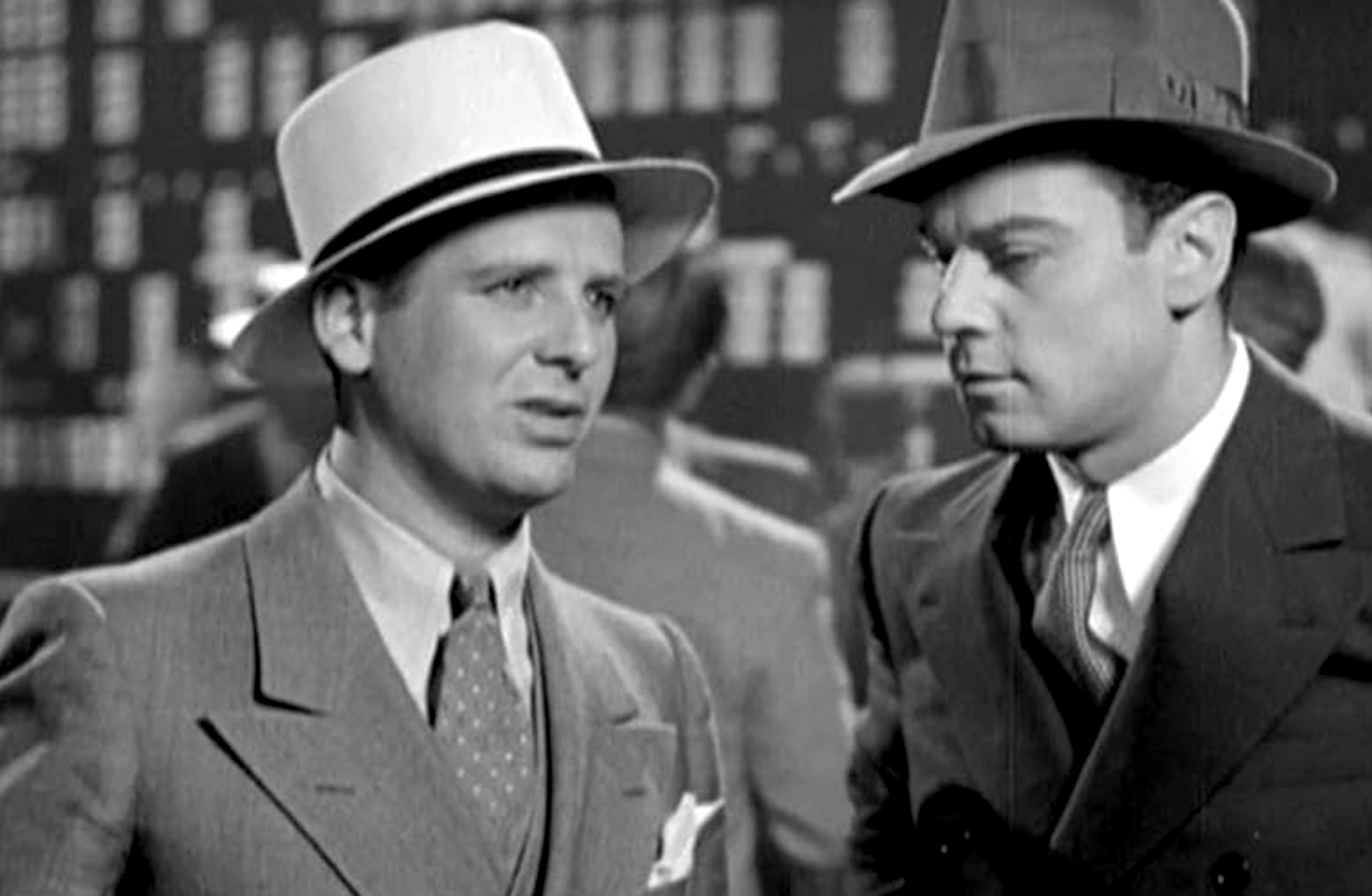
The large cast fills out a number of sidebar plots that bring on more death and despair. Motivated to steal, Wallace Ford’s Slim gets himself trapped on the wrong side of a vault with a time lock, a sequence that works a depth composition for horrific effect. Gregory Ratoff has an amusing role as Vinmont, a jewish clothing manufacturer. As Vinmont’s clothes-horse, fading personality Anita Page’s Jenny ‘gave no resistance to temptation’ and is sliding into sordid call-girl status. Yet Jean Hersholt’s patient admirer Jake is there to help her pick up the pieces, if she’ll only believe in herself again.
Jake: “I’m dreaming.”
Jenny: “Where do you want to be pinched?”
Many sources note a very quick Boris Karloff appearance, perhaps a cameo that got dropped as the final cut came together. All that’s left of the actor is a quick flash.
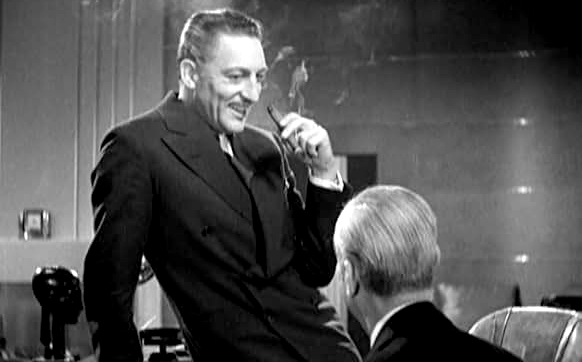
The stratospheric power games with money and sex put David Dwight, Helen and Lynn in a dramatic dilemma with deep moral conflicts. The show overall preaches optimism and resilience, yet its depiction of big-city values is pretty damning. Depression-era audiences must have been impressed by the violent finale, which plays like a Twilight for the Gods. Stories of good girls gone bad through temptation or exploitation motivate quite a few big city pre-Codes. Some wallow in sensational content, and others cheat the outcomes to pretend that a moral compromise has been found. Skyscraper Souls’ no-prisoners attitude doesn’t compromise with its raw subject matter. It’s a mature story told with an honest ruthlessness.
We’re honestly surprised to see such an overt anti-capitalist theme in an MGM movie of the day. Some Warners pre-Codes carry pro-Roosevelt messages, but this show tells its story straight, without making subtle suggestions or hints that ‘the system’ needs an overhaul. But that thought might might have occurred to plenty of worried moviegoers in the summer of ’32.