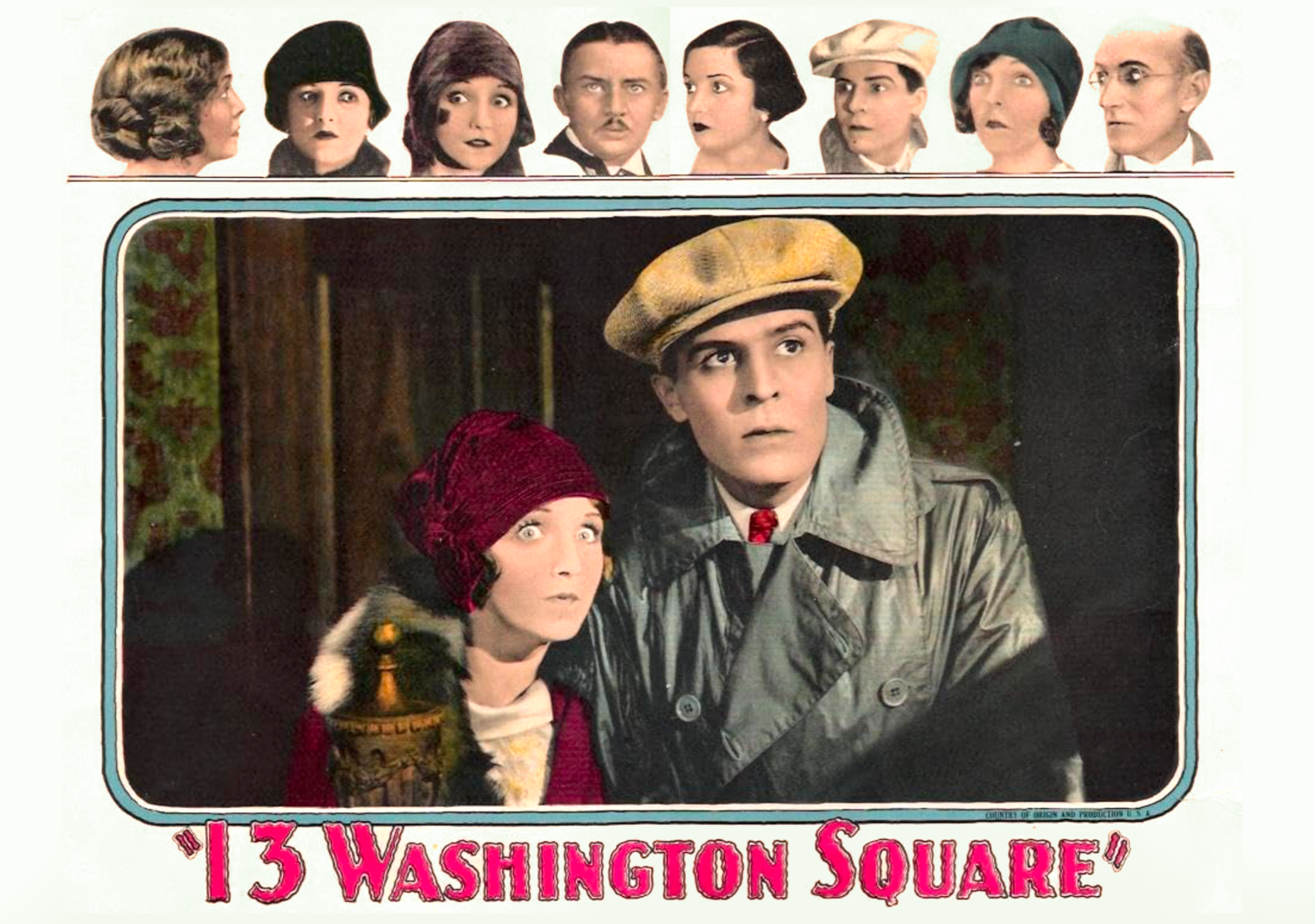
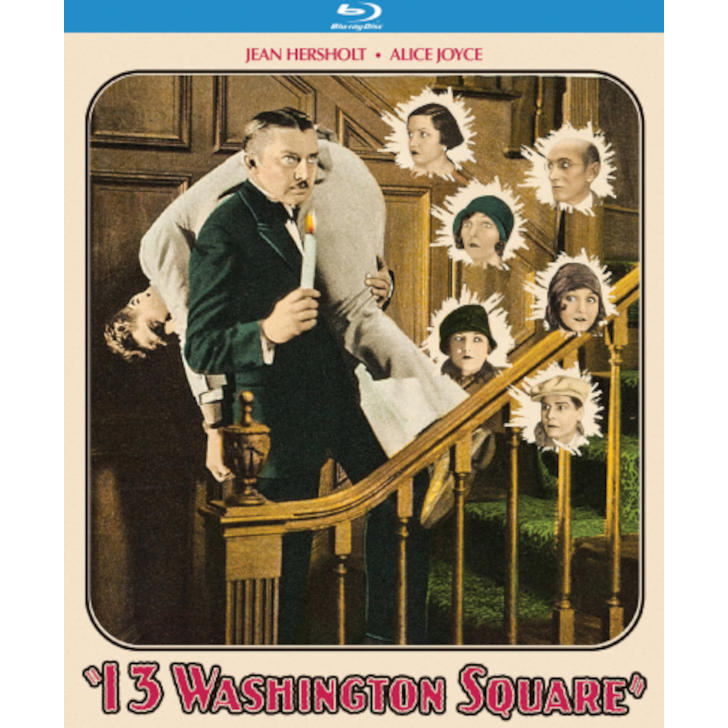

 It’s always satisfying to find a new silent film to enjoy; 13 Washington Square from Universal in 1928 was new to me and I liked it way more than its premise led me to believe. I was surprised first off to see it described as a Universal-Jewel film. The studio usually reserved the ‘Jewel’ title for big films — big in scope, scale and money. This film seemed more intimate than that but then I noticed how lavish the sets were and the quality of the cast.
13 Washington Square is about a society woman, Mrs. De Peyster (Alice Joyce) who still maintains her place in society. She has arranged an ocean voyage for herself and her grown son Jack. Seems he has fallen for a ‘socially unacceptable’ young woman, a grocer’s daughter named Mary (George Lewis and Helen Foster). This trip will separate them. But things don’t go as planned. Mrs. De Peyster and her maid Mathilde (ZaSu Pitts) have to jump ship when it’s discovered Jack and Mary have a marriage license. Hiding out from reporters finds them at a cousin’s boarding house where they meet Deacon Pyecroft (Jean Hersholt), who we of course find hanging out in the parlor taking notice of Mrs. De Peyster’s ship plans in the society page. Pyecroft then checks his little black book to see a list of all the artwork back at 13 Washington Square.
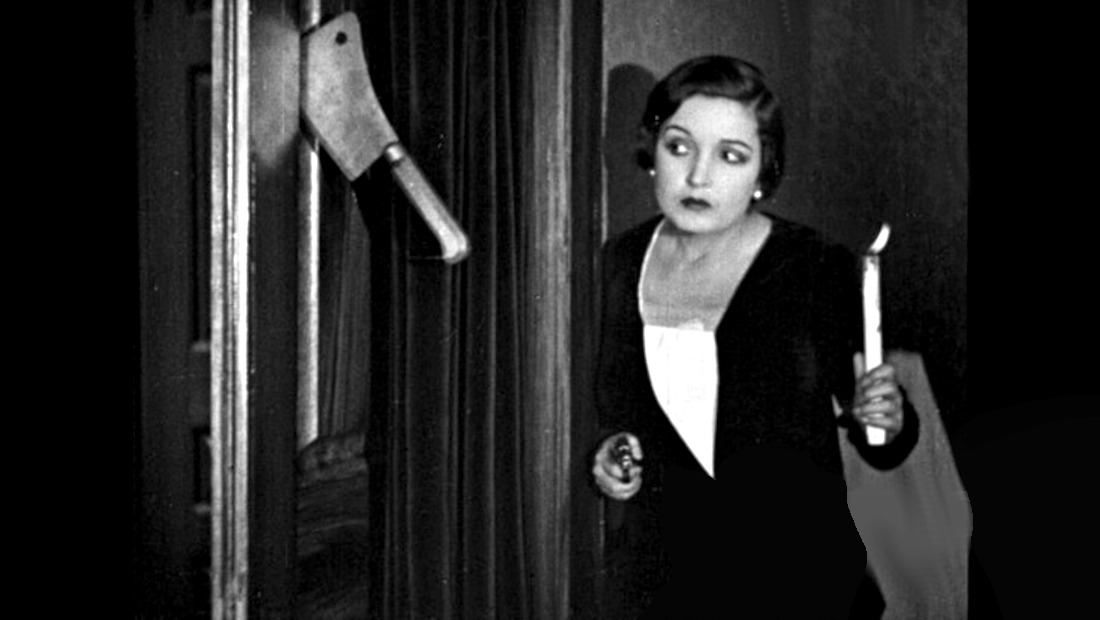
So, that night the ladies get back home right before Jack and Mary show up to pack Jack’s things. To slow them down Mathilde locks them in Jack’s room. But just then someone else shows up, climbing through a window. That now makes five people in the house that’s purposely being kept dark so the two reporters outside don’t get wise there’s anyone there. How all these people manage to maneuver around the house and each other is the rest of the story — and the story holds a couple surprises before it is finished.
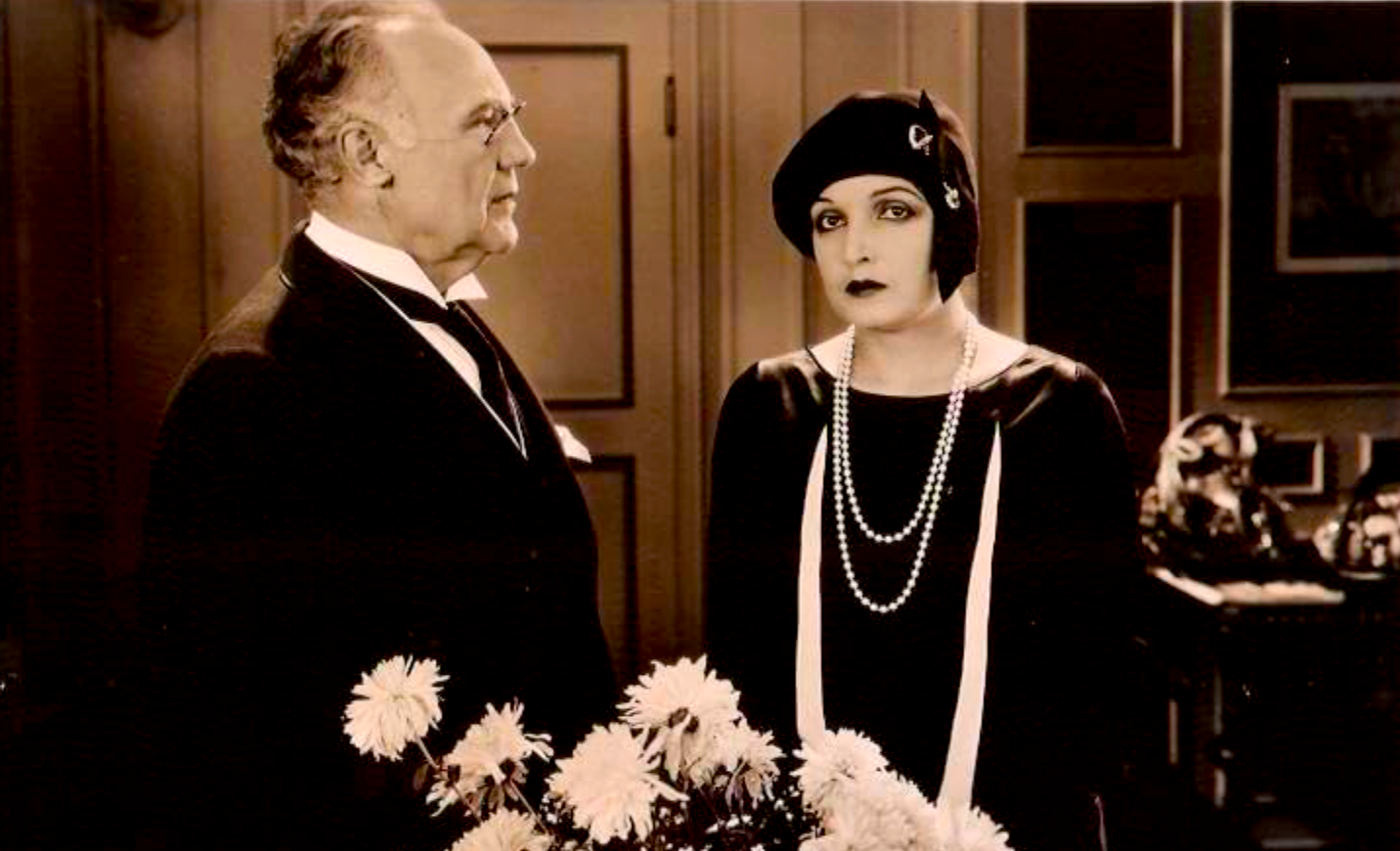
This film is just a little over 6 reels, about 66 minutes long. But it doesn’t feel at all rushed. It’s a movie you can’t really type as one genre; it’s a little bit melodrama, comedy, old house creepiness, with a spot of romance besides. Some of the marketing called it a ‘mystery melodrama’ but I’m not sure what the mystery is. I think this ‘which genre is it’ angle will bother some viewers and probably intrigue others. The film’s strength is its performances and some really nice cinematography which plays with light and shadows through much of the film. I also appreciated the sets which made me realize why this was considered a Universal Jewel. The studio put some time and money into it.
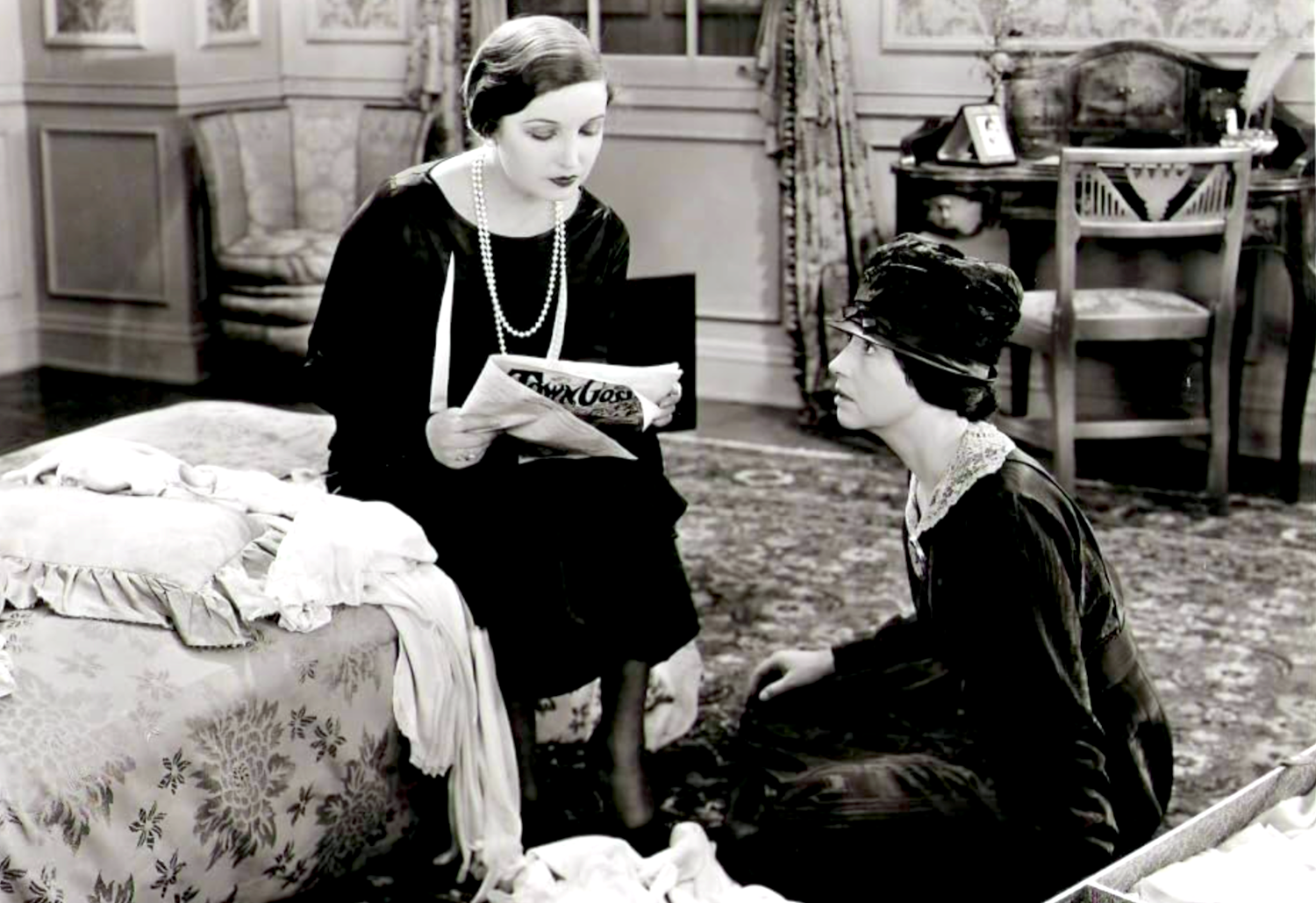
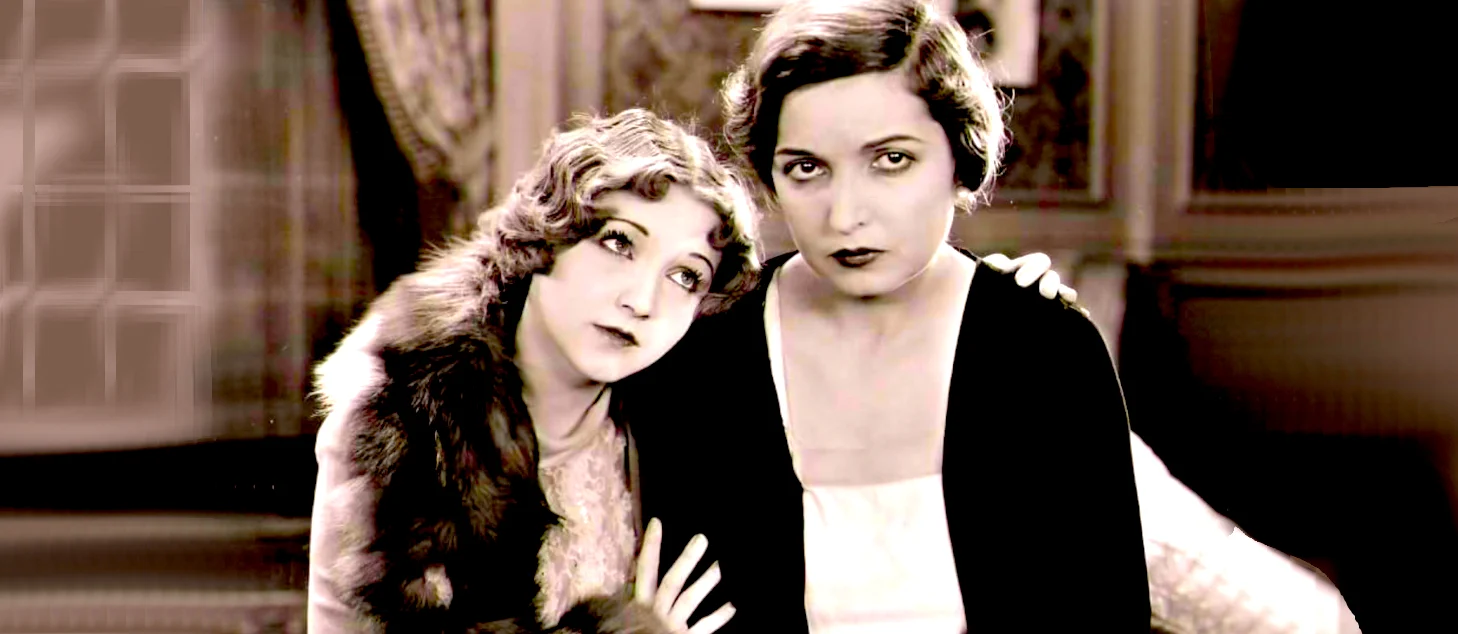
Jean Hersholt is at the top of the cast list as Deacon Pyecroft, the gentleman thief. He’s pretty slick and likes to call everyone ‘sister’ and ‘brother’ as if they are part of his imaginary flock. Hersholt’s career was a long one, encompassing silent and sound films, radio and even the beginnings of television before his death in 1956. In the silent era he often played villains, or benevolent professor/mentor/father types. He’s quite good in this film as you don’t quite know if he’s going to be menacing or be a good guy. Alice Joyce is playing to type as the cool, calm society matron. She was established as a mother figure well before she was old enough to be the mother of adult children yet always pulled it off. She has great body language, too. At one point Mary, who has never met Mrs. De Peyster, comforts her by taking her arm. We can see De Peyster’s initial mild revulsion to being touched by the daughter of a common grocer.
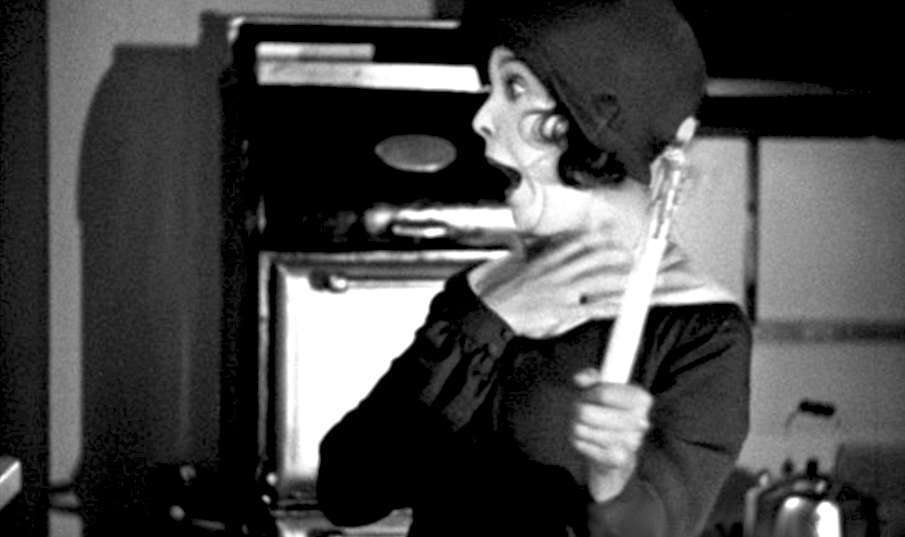
The comedy relief comes courtesy of the wonderful ZaSu Pitts, who plays the ladies’ maid Mathilde. Pitts’ comedy ‘bit’ is always saying the wrong words and getting a double take from the others. Her warm presence offsets the chill of her employer Mrs. De Peyster. They have made ZaSu’s face very pale, to make those big eyes of hers really stand out. This works really well since she’s always popping up from behind furniture or doors. I was unfamiliar with the director Melville Brown but then discovered he wrote the screenplay for a film that impressed me, 1925’s The Goose Woman. And the screenplay for this film is by Harry Hoyt, who I was familiar with for directing the 1925 classic The Lost World. We also must praise John Stumar’s fine cinematography. The film spends a goodly portion of its running time in a darkened house.