
 At a comprehensive John Ford screening series at UCLA in 1975, students uninterested in ‘auteur theory’ found little to like in some of the master’s later films. Ford resisted new forms and his commercial viability was too often tied to one actor, John Wayne. But the formal qualities of his pictures are consistently superior, starting with Ford’s unerring judgment in camera placement. His scenes always look exactly right for him, even when the blocking seems tied to another era.
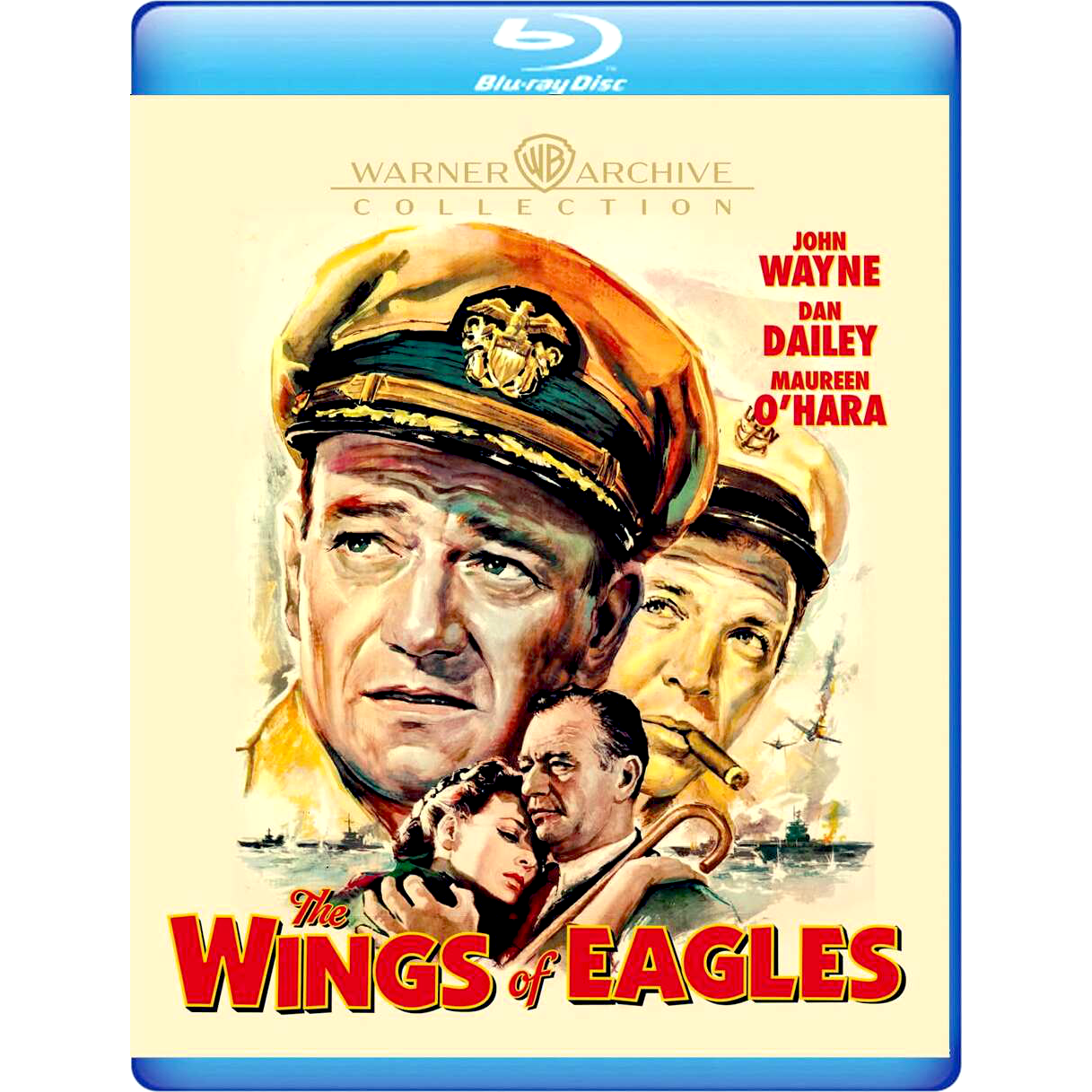
Ford struggled in the 1950s to make the kinds of movies he wanted to make. John Wayne westerns were winners; some of his other efforts not so. 1957’s The Wings of Eagles was concocted as a celebration of the U.S. Navy, complete with knockabout service comedy and sentimental reverie. It’s the Navy equivalent of his western She Wore A Yellow Ribbon: a story of an old warrior facing retirement after a career of ups and downs. As they might have said in Variety, “Nothing here for the rock ‘n’ roll crowd.”

The Wings of Eagles is John Ford’s tribute to Frank ‘Spig’ Wead, a noted aviator, screenwriter, and personality of the peacetime Navy between the wars. Ford had his own distinguished Naval career — he was present for at least one major sea battle, and his film unit recorded some of the hairiest combat footage ever seen, of Japanese Kamikaze attacks. Spig Wead wrote an escapist aviation screenplay for Ford back in 1932. As the war wrapped up, they collaborated on an unusually realistic war picture, They Were Expendable. Instead of a rah-rah combat thrills, it honored the unsung sacrifices laid down by Navy personnel at the start of the war.
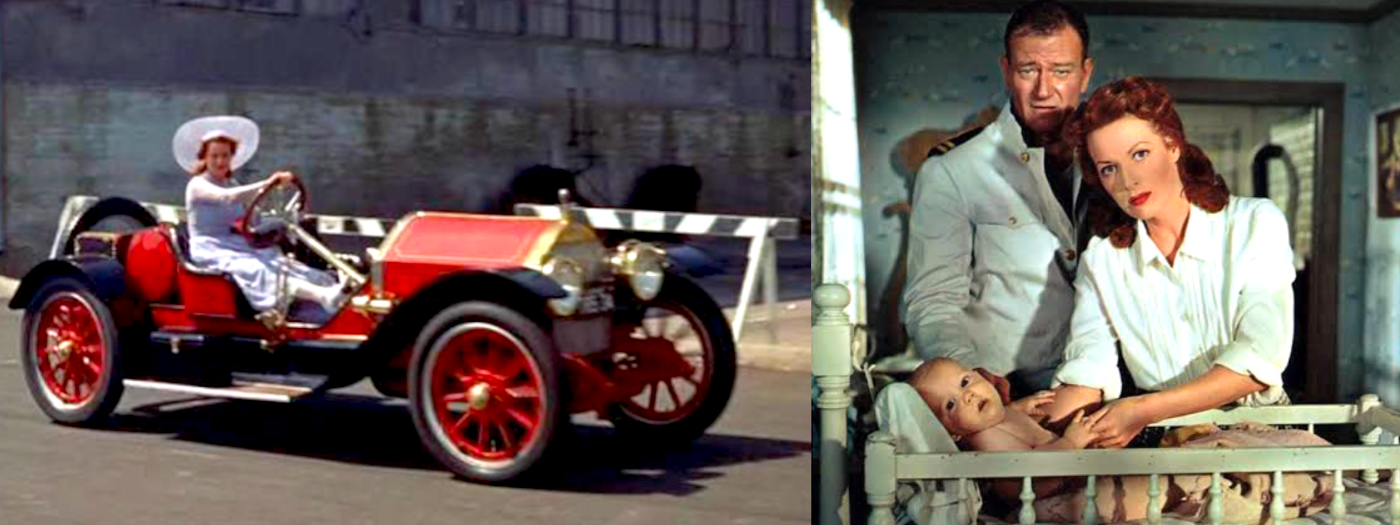
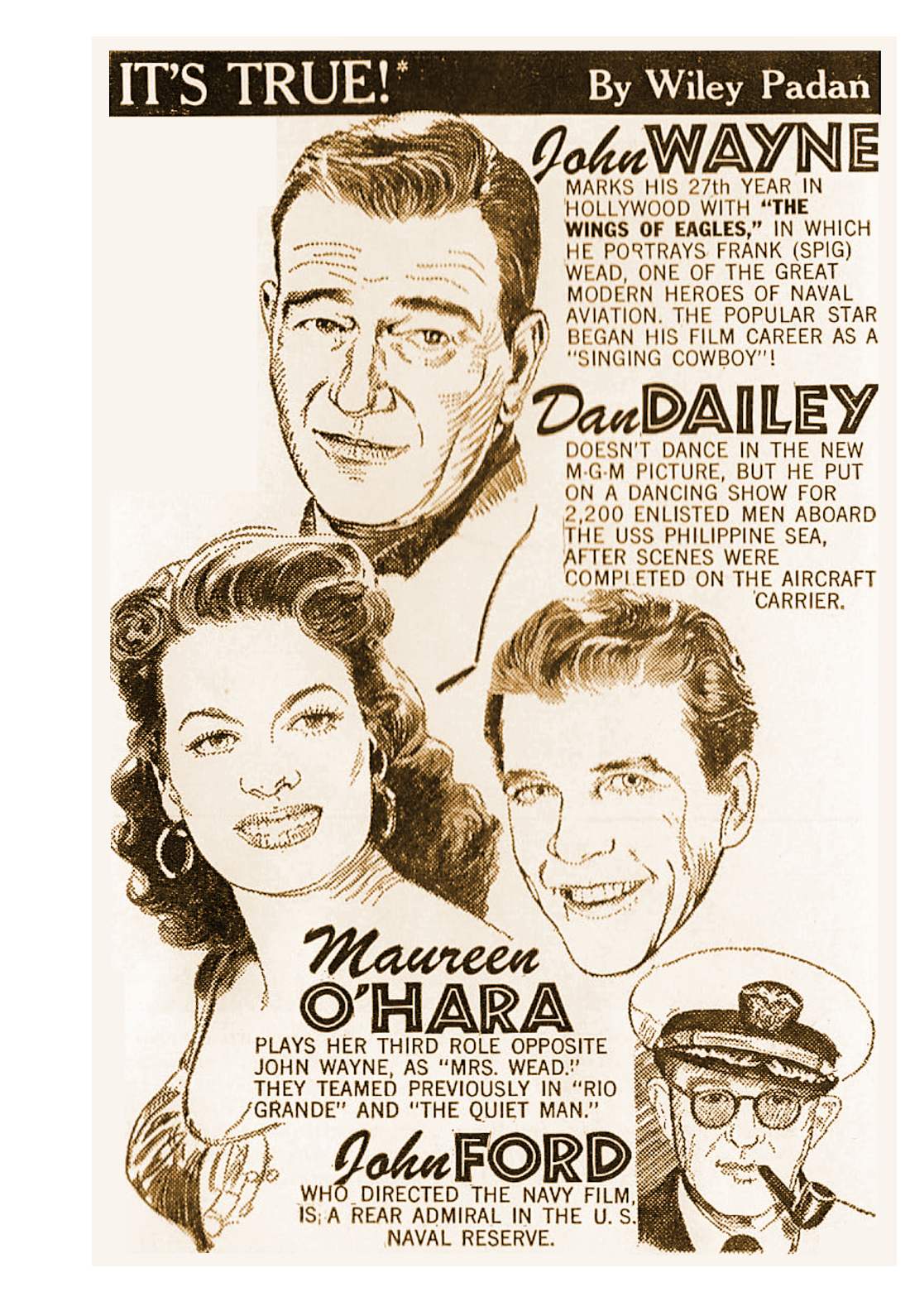
John Wayne and Maureen O’Hara re-teamed for the first time since their romantic smash hit The Quiet Man, playing out the loving but rocky marriage of Mr. and Mrs. Wead. The Wings of Eagles contrasts their relationship with a great deal of slapstick service comedy, courtesy of some big action gags. Also featured are the broad antics of star Dan Dailey, serving as Spig’s career sidekick.
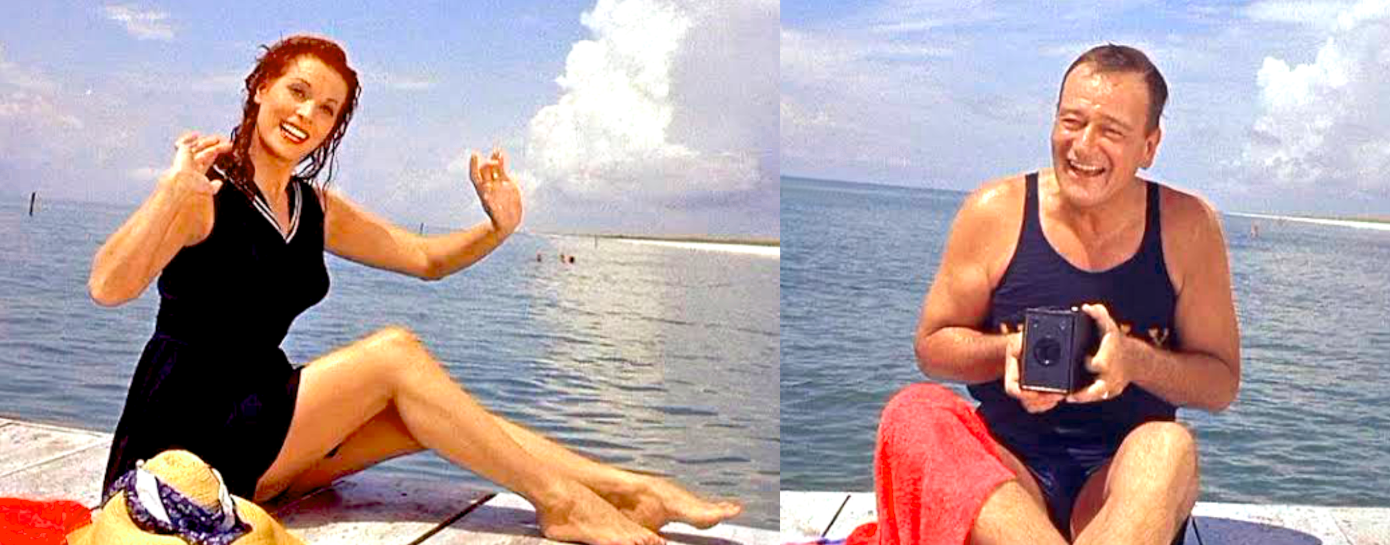
The movie was filmed at MGM when the studio was shutting down — Ford utilized whatever sets were left over from previous productions. But there was a considerable location shoot at the Naval Air Station in Pennsacola Florida, which stands in for a Navy flying school in the early 1920s. ‘Spig’ Wead (Wayne) begins as a undisciplined cadet who pulls an outrageous stunt in an unauthorized aerial joy ride. Spig’s antics inexplicably earn him a promotion instead of a boot from the service and he finds a role helping to help secure congressional appropriations for underfunded Naval aviation. His team wins daring aerial races, often against an Army flying team led by the red-headed Capt. Hazard (Kenneth Tobey). Spig and his sweetheart Min (Maureen O’Hara) enjoy a whirlwind romance, but they lose their only baby, and the marriage suffers from long separations. They eventually separate, one of those ‘things’ where they love each other yet are apart anyway.
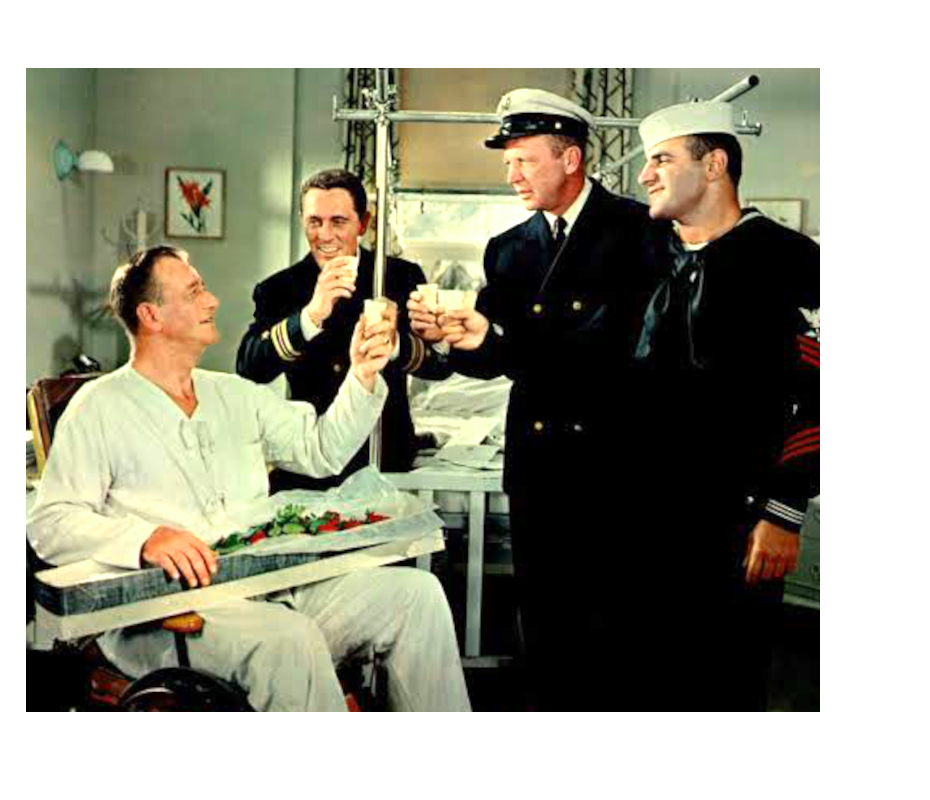
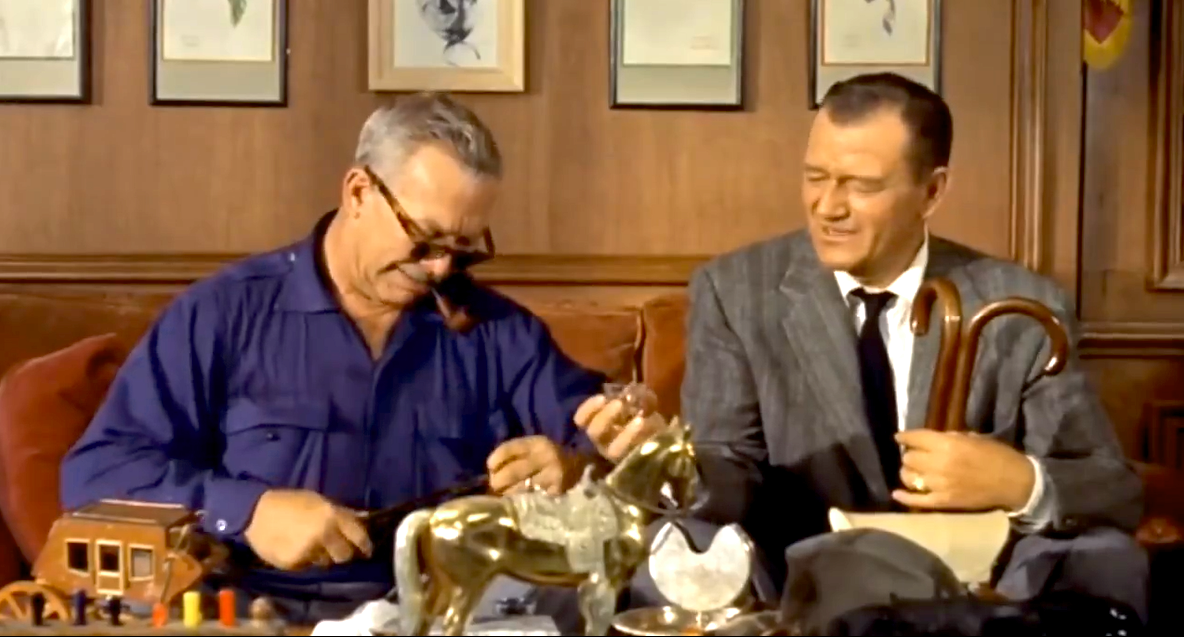
The big irony is that when Spig decides to ‘come home,’ he suffers a bad fall and is paralyzed. Old buddy ‘Jughead’ Carson (Dan Dailey) becomes Spig’s nurse. By willpower and therapy, Jughead gets Spig going again — eventually regaining a lot of mobility. Yes, this is the movie with the famous “I’m gonna move that toe’ scene, the gag that probably did a lot to promote the concept of restorative therapy. Spig begins a second career as a writer, promoting the Navy through his plays and screenplays. Frank Fenton’s variable script assigns Wead a crystal ball when it lets him allude to a future day when we might be attacked by surprise.
Dan Dailey had starred in two previous Ford films, service comedies at Fox. His characterization plays up the affectionate camaraderie angle just about as far as it can go. But we loved Dailey when we were kids, so forget I ever wrote that.
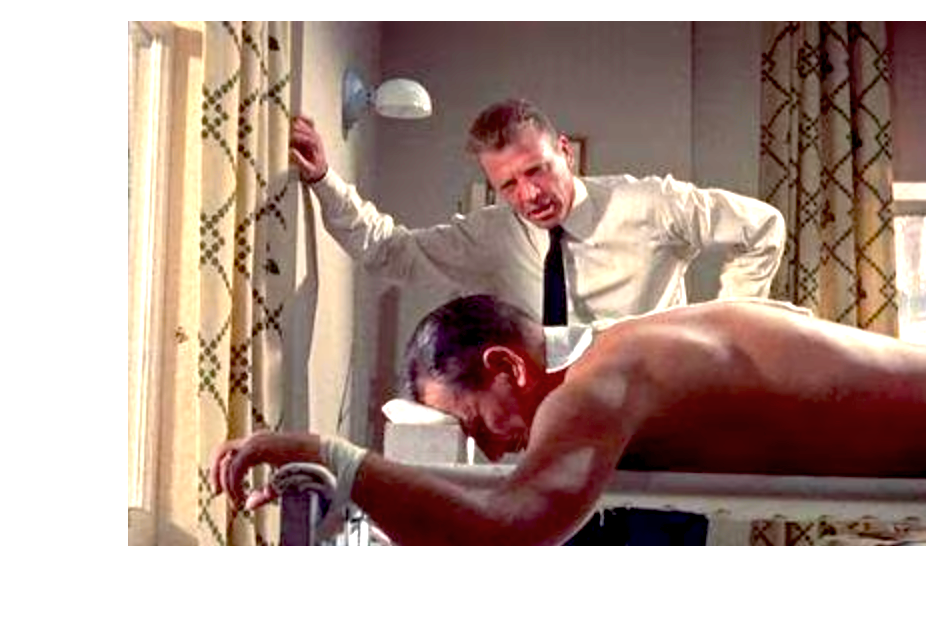
Film fans allergic to the drinking & brawling humor in John Ford’s cavalry pictures need to be forewarned that The Wings of Eagles is more of the same, in different uniforms. This fantasy Navy is at least 50% slapstick horseplay. That said, John Wayne and his pals Ken Curtis and Kenneth Tobey are masters at that kind of schtick, forming a bond that is prioritized ahead of the wifey back home, even if she looks like Maureen O’Hara. Wayne can’t possibly convince as a young aviator but when he smiles it’s impossible not to like him. Tobey’s Army flier may be intended to represent James Doolittle, Wead’s big inter-service competitor in the peacetime years when the branches of the military competed for federal appropriations. It may have been a jock-strap army and a teakettle navy, but without promotional hoopla by cheerleaders like Wead, we might not have had much of any army or navy when WW2 broke out.
The Wayne-O’Hara scenes are sketchy but reasonably successful on their own terms. Ford presents a married life ruined by spousal abandonment. The trouble starts out as wife Min’s call, when she says no to moving around the country every few months. When Spig accidentally breaks his neck, he tells Min to just go away and leave him. Good farewell and reunion scenes (a Ford specialty) really add up to a lousy marriage — we’re supposed to think these people have a commitment to each other?
As a family film The Wings of Eagles downplays what is really a romantic tragedy. The sentimental ending is All Male, All Navy, with Min completely out of the picture. Spig and Min tried to make a go of it, but his first love was always the service.

The movie only hints that things might be more complicated between Spig and Min. Ford alludes to the possibility of Min being with another man when she’s out ‘playing cards.’ Nowhere is it claimed that this a faithful biography. We’re told that the real Frank Wead was hurt when he fell through the 2nd story of a house under construction. He was building it for his family. That would indicate that Wead spent a more than just a few nights at home.
Obviously Wead had a heck of a recuperation and restoration period. Ford adjusts his idealized fantasy of the U.S. Cavalry to create a matching ‘blarney’ version of the Navy, here played out in hospital rooms with everyone conspiring to sneak in booze. The Navy is one big boy’s club. Since one’s comrades can always be reassigned as drinking buddies the fun goes on for decades, in and out of battle.
A biography that Prints the Legend
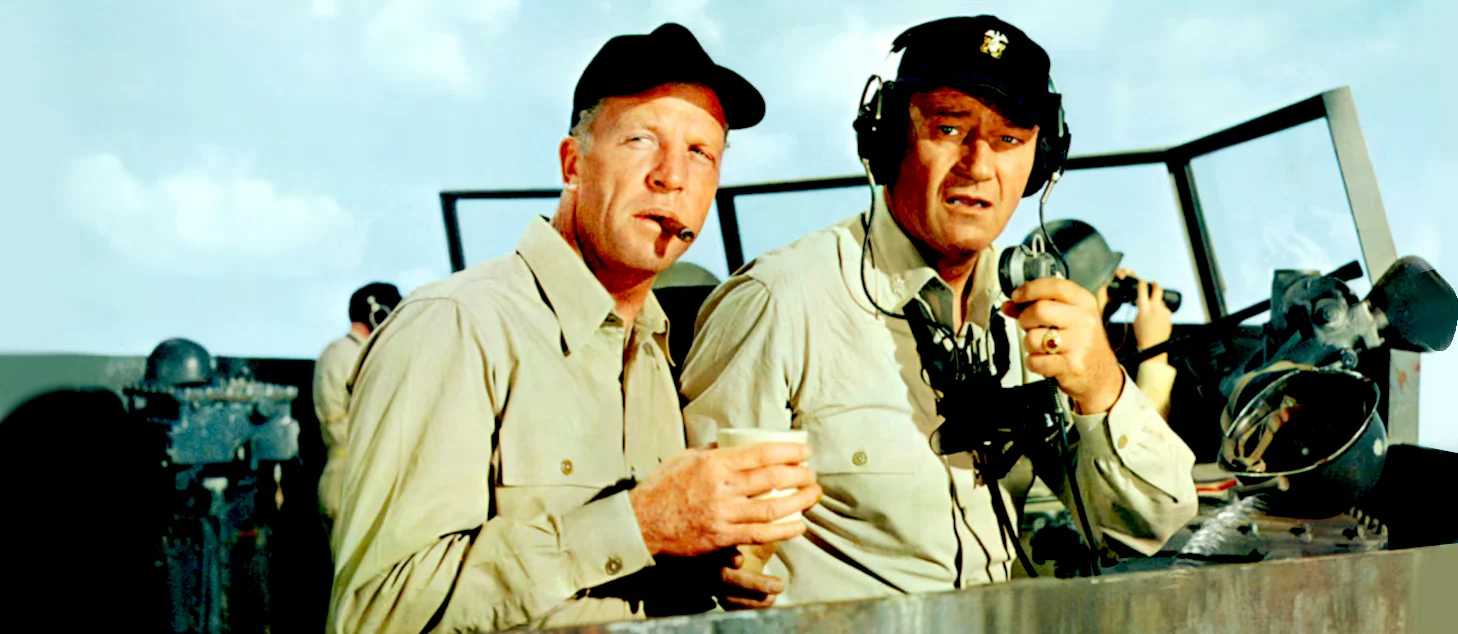
Wead is portrayed as regaining his commission in WW2, becoming a logistics strategist and taking command of a ‘Jeep’ support aircraft carrier in the Pacific. He functions using crutches and sees combat on the high seas. The Wead bios list his film credits but none of the accounts mention the retiree going back into the Navy again or commanding a ship of any kind. But I have to think that there’s something to it all. Perhaps Ford simply slipped Wead back into uniform to join his special photographic unit. The sea battle stuff is like something from a Wead screenplay of 1930. I’d scoff at this part of the film but am not completely convinced that it isn’t true … although what useful shipboard experience would Wead have to offer? When war broke out he was a naval aviator fifteen years removed from active duty.
The Wings of Eagles succeeds as a valentine to the Navy. Although his characters like to act like tough guys, Ford’s pro-Navy sentiment is the real subject at hand. The director claimed to be much prouder of his naval career than his Hollywood work. If we must have idealized stories of the armed services, this kind of movie is certainly preferable to the Top Gun school of macho fantasy.