
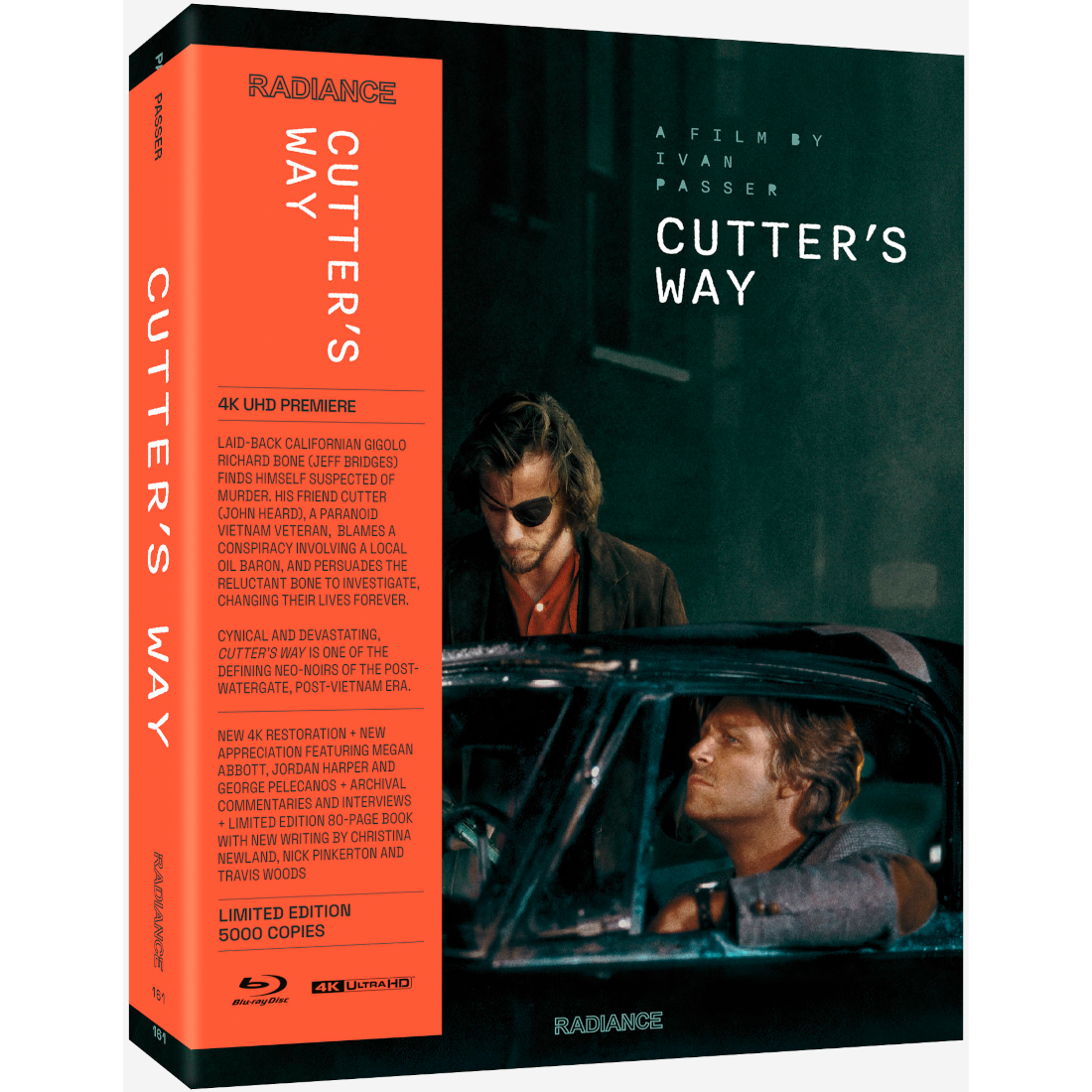

In film school in the 1970s, we became fixated on the films noir of the 1940s and ’50s, the ‘dark’ movies that painted an image of an America different that that experienced by us safe ‘n’ secure Baby Boomers. The Dream isn’t working out for the Noir losers left behind while the fast and greedy cleaned up. Meanwhile, few contemporary pictures were seriously addressing the disappointed hangover from the 1960s, the post-Vietnam, post-Summer of Love blues. The rich got richer and the hippies and dissidents got jobs.
Newton Thornburg’s blacker-than-black 1976 novel Cutter and Bone goes right to heart of this disillusion. Ivan Passer’s film version, eventually re-titled Cutter’s Way, also nails this particularized, sickly view of cozy California decadence.
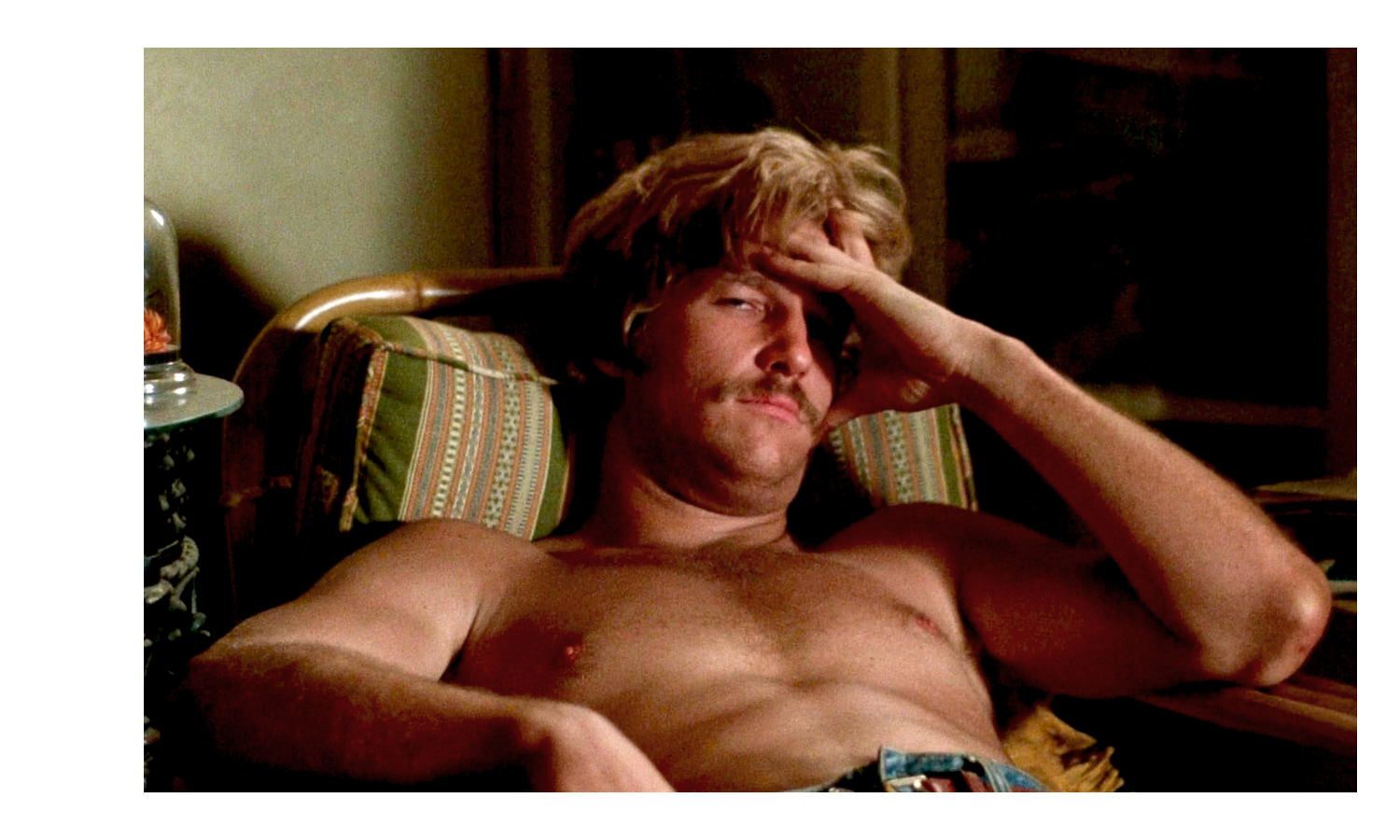
The story background feels very familiar to a penniless film student who spent time ‘hanging around’ Los Angeles in the early 1970s. By defining the elements corrupting America, Thornburg and screenwriter Jeffrey Alan Fiskin avoid the slippery ‘romantic fatalism’ of the celebrated Easy Rider. Jeff Bridges’ character could be a younger, humor-challenged Jeffrey Lebowski, not yet addle-brained, but dulled by a laid-back, defeatist fog of Santa Barbara haze.
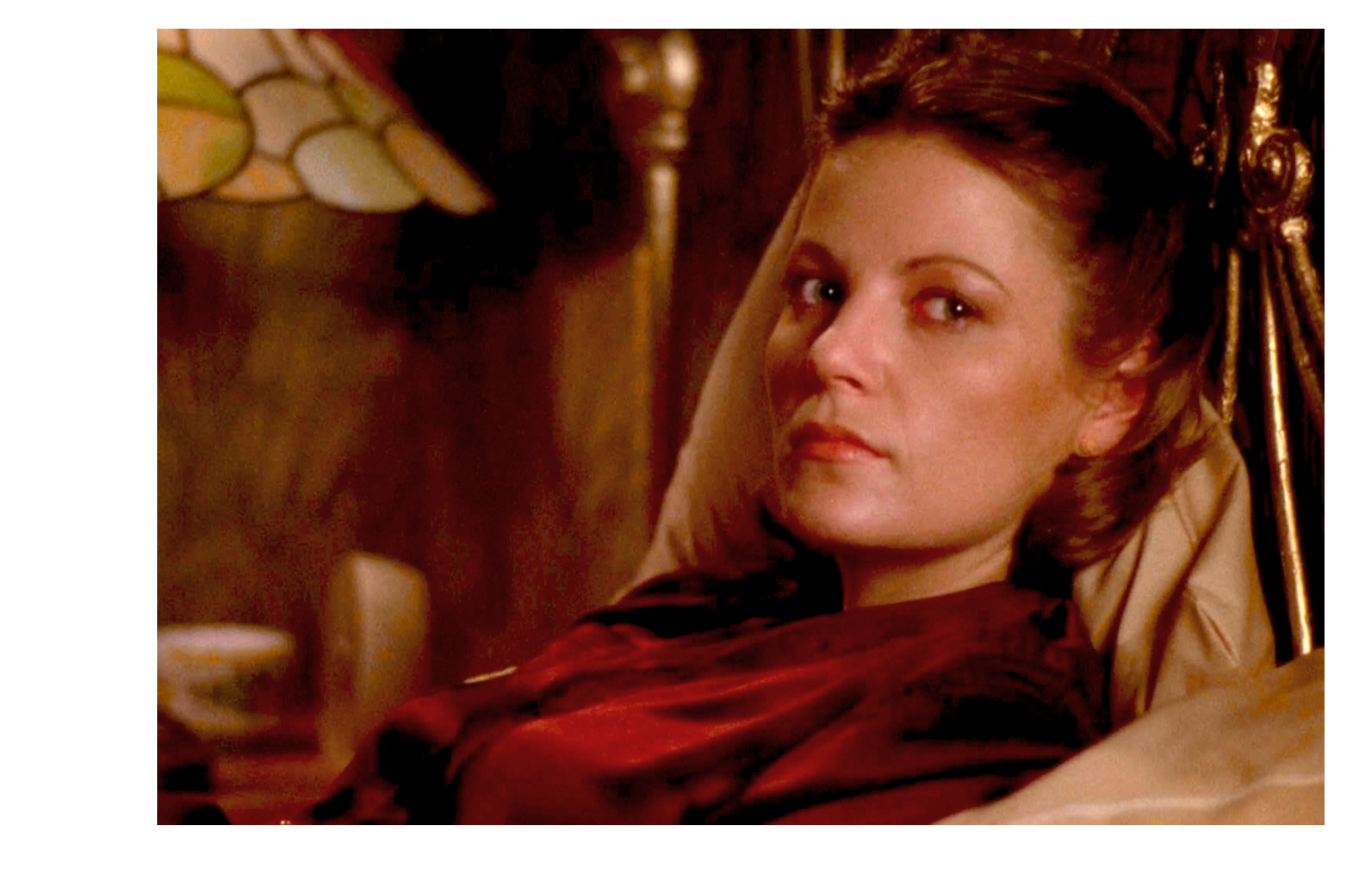
Disenchanted yacht bum Richard Bone (Bridges) lives on a boat in the Santa Barbara marina; his sort-of job aiding yacht sales sets him up with occasional paid dates with wealthy married women, like the one he takes to the El Encanto hotel (Nina van Pallandt). Richard mostly hangs out with his old buddy, double-amputee Vietnam veteran Alex Cutter (John Heard). Cutter is an alienated malcontent, yet not as unstable as he looks. His alcoholic wife Mo (Lisa Eichhorn) finds something attractive in his volatile personality.
The story’s mystery angle gets underway when Richard retrieves his car from an alley. The bludgeoned body of a teenaged girl is found there the next day, and Richard remembers having seen a man there — who he later thinks is the local oil millionaire J.J. Cord (Stephen Elliott).
Richard spends half a day being questioned by detectives. When he hears his friend’s story, the hyper-imaginative Alex fixates on making the arrogant Cord account for the crime. He conspires with the victim’s sister Valerie (Ann Dusenberry) to cajole Richard into helping entrap the oil baron. Considering Cord’s power, and the amateur trio’s fumbled extortion scheme, the effort seems impossible from the get-go.
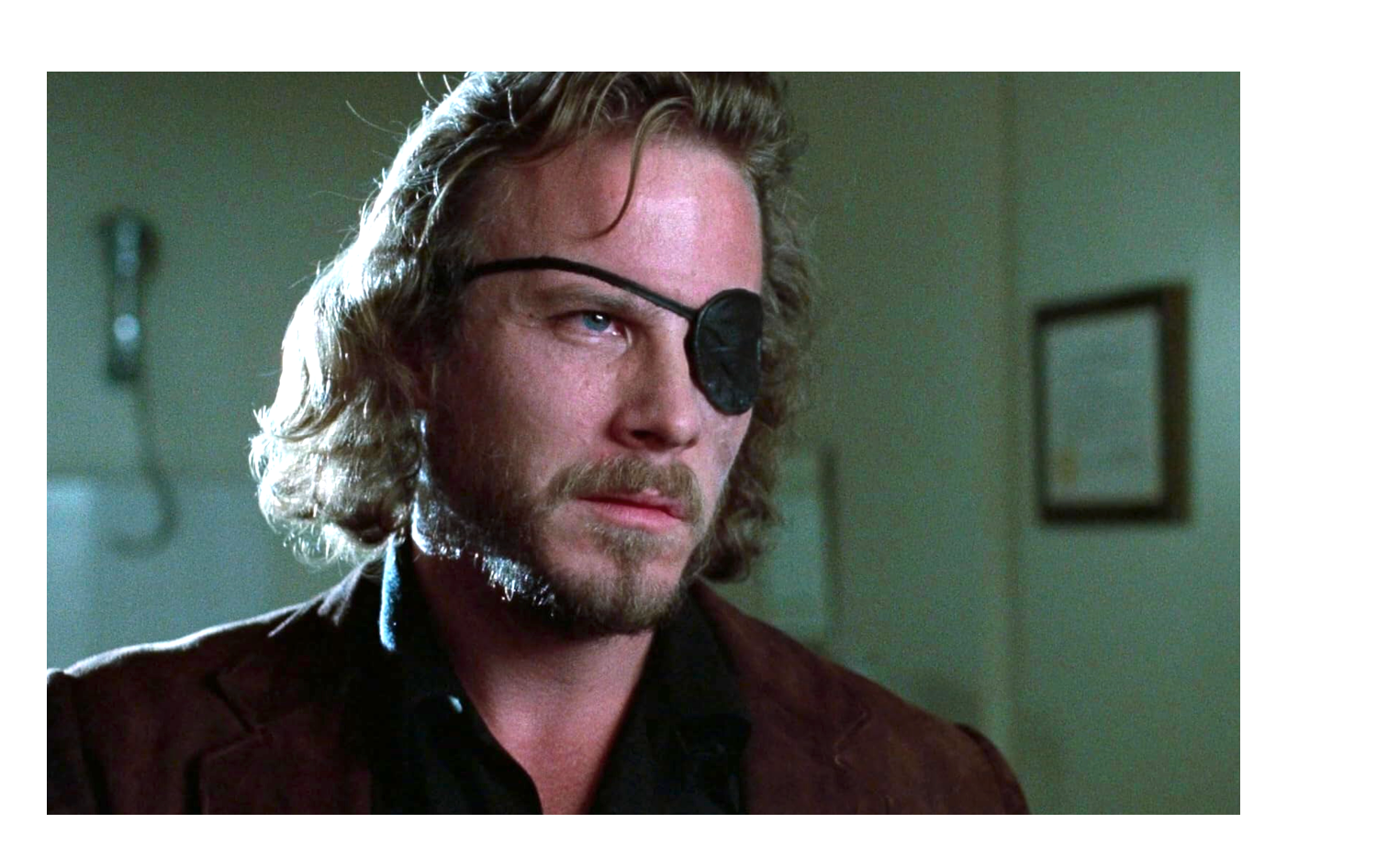
Cutter’s Way is funny, poignant and tragic. Its characters are adrift in the lush California lifestyle: educated bums and self-loathing fringe dwellers. Richard Bone refuses to commit to anything even as his youthful looks and virility fade. The unstable Alex Cutter is getting by on disability checks and the kindness of his patient friends; he amuses himself with lame, obscene antics. Mo can put up a good front, but too often drinks herself into a pathetic blur. All three leads demonstrate an incredible commitment to their roles, with Heard taking top honors. He portrays a one-legged, one-armed, one-eyed cripple without the showboating often associated with handicapped people on screen. *
“Ha Ha, I better try that again!”
Every scene in this gem is a keeper. Alex Cutter takes things to extremes because he craves attention and has nothing to lose. He foolishly baits some black patrons in the local bar, and smashes into the car next door just for the fun of watching his neighbor go ballistic. Cutter is also wickedly funny: “Don’t ever orgy with a monkey. The little fuckers bite.” He freely admits that he’s a conspiracy theorist. He’s hungry for an excuse to go after a target like J.J. Cord; and pursues his blackmail scheme for reasons known only to him and Cord’s lackey at the yacht sales office, George Swanson (Arthur Rosenberg).
A new extra on Radiance’s disc concentrates on the achievement of Newton Thornburg’s original book. (We still thank Rocco Gioffre for loaning us a copy to read.) Cutter & Bone is even bleaker than Ivan Passer’s movie. Its pair follows J.J. Cord to a lavish farmland hacienda, only to independently fall victim to the industrialist’s long and deadly reach. The book’s only weakness was a conclusion that too closely resembles the finale of Easy Rider.
Ivan Passer’s film retains Thornburg’s paranoid streak, but places even more uncertainty on Alex Cutter’s mission of retribution. Is J.J. Cord really a guilty murderer, or are the two friends chasing a half-baked conspiracy theory? Alex would say it doesn’t matter, that J.J. Cord is guilty for everything.
On reflection Cutter’s Way shapes up as a loose transposition of Hamlet. Richard Cutter and Alexander Bone, one indecisive and the other a possible mental case, together represent the Hamlet character. (spoilers) Was George Swanson’s father indeed murdered by his old partner J.J. Cord, who then usurped George’s place and kept little George alive as living proof of his Prince-like power?
A second parallel elevates Cutter’s Way above the unearned ‘America is Evil’ posturing of Easy Rider. The Queen, Hamlet’s mother, is America And Her Ideals, to which Alex and Richard loyally subscribe. The late King is really Uncle Sam, who has been murdered by Corporate Big Business. J.J. Cord has taken possession of America’s vast riches, and he’s also sleeping with the old lady (to steal from the script of Spartacus).
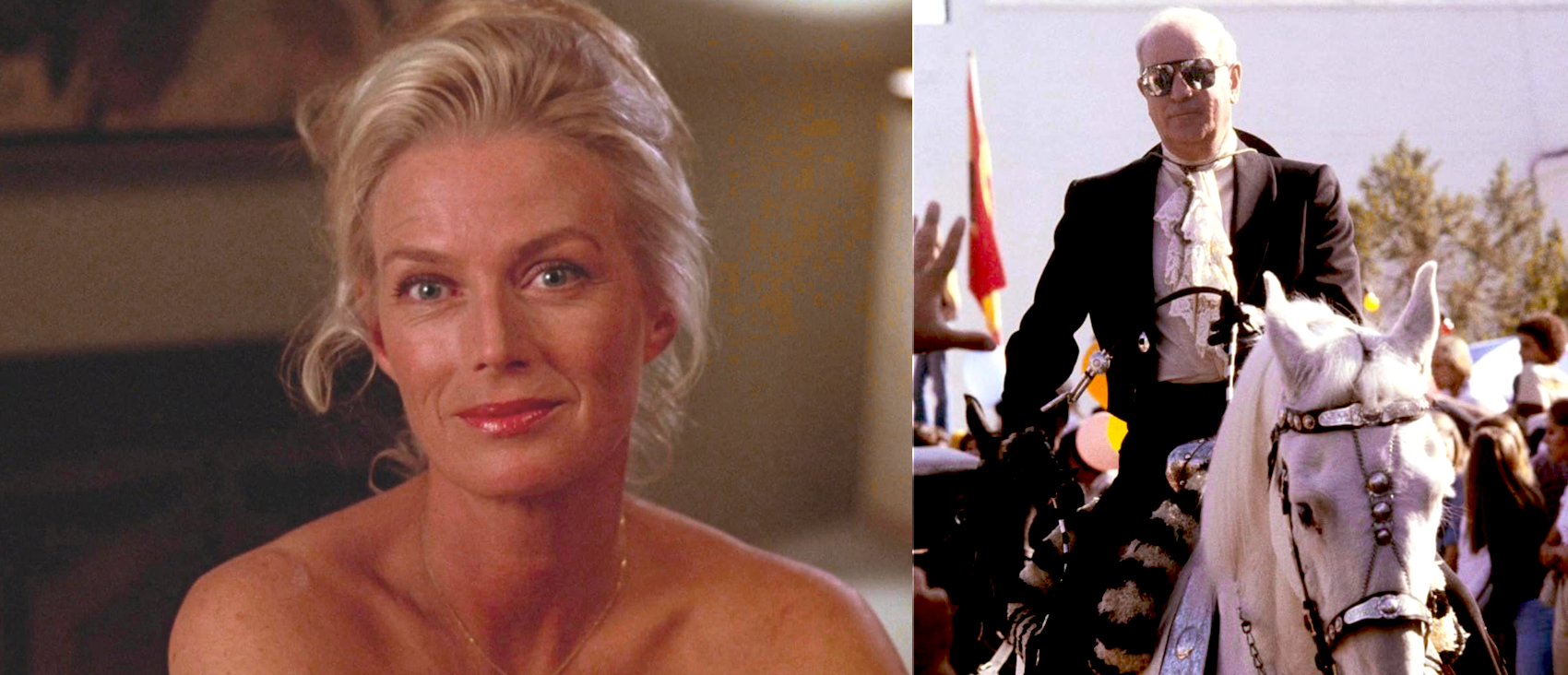
The Hamlet ‘tell’ is in the first scene in the bar, where Cutter introduces his drinking companions: “I give you Rosencrantz and Guildenstern, emissaries from the Danish court.” In Thornburg’s book, the couple were called the Ericksons. They were identified as a pair of Weather Underground radicals passing quietly through Santa Barbara.
Cutter doesn’t really care if Cord is guilty or innocent of this particular murder. In Cutter’s view the rich man is responsible for all of it — Vietnam, Cutter’s wounds, George’s trembling subservience. Cord represents the corporate tyranny that has imposed an economic class system on what was once an America where the law and government still meant something. Cord’s lust for power makes him jealous of the young. He killed George’s past and now he chooses to kill Cutter’s future. In the book Mo is newly pregnant, which in the film accounts for her choosing groceries instead of liquor in one scene.
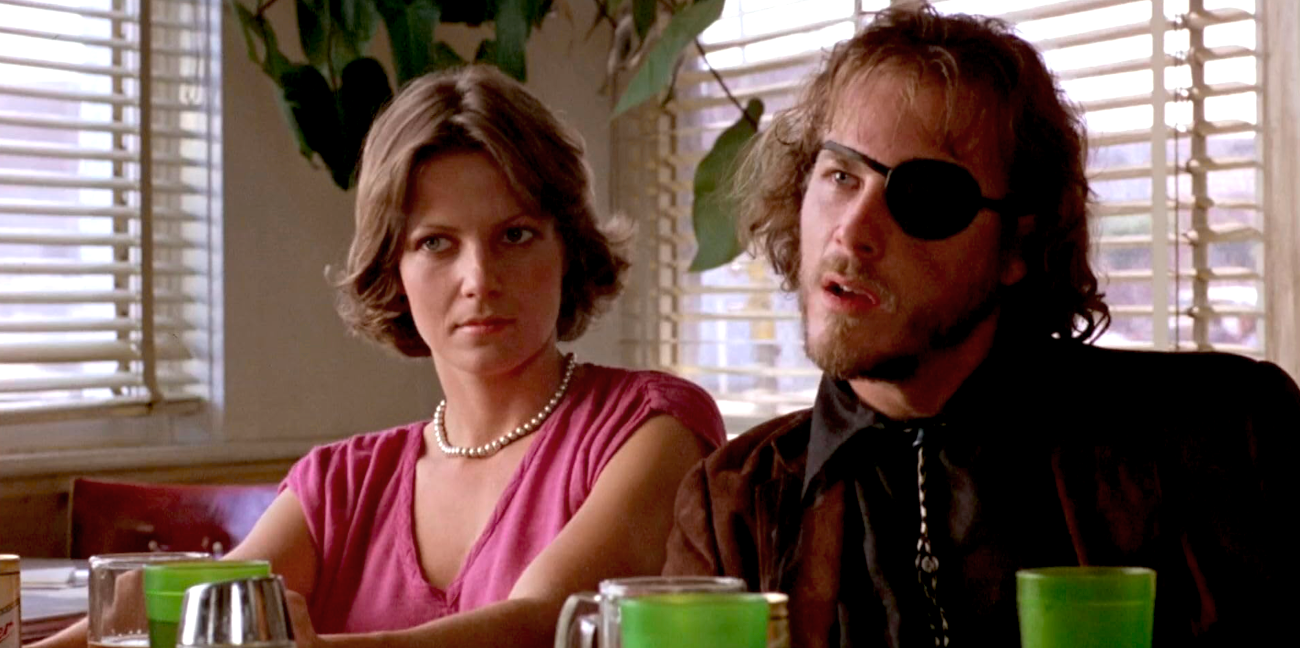
“I haven’t even begun to turn my imagination loose on this one.”
Our unease is heightened by Alex Cutter’s need to over-dramatize events, and Bone’s essential unreliability. Alex’s whole personality is based on raging against the machine. Cutter’s Way shows two flaky outcasts going up against a monolith of power. Most of us form political ideals, yet few of us put at risk the consumer comforts we’ve worked to earn.
Do we end up agreeing with Alex’s definition of American Evil? The chillingly bleak Cutter’s Way spins to a showdown in which Richard Bone finally commits, and takes a life-altering stand. Done in cold blood instead of heated passion, his act of violence is the best scene of its kind Savant can think of. Author Thornburg clearly sided with his Weather Underground ’emissaries from the Danish court’ and his book is one of the few successful examples of radical literature to emerge from the ’60s. Ivan Passer & Co. did a fantastic job turning it into a movie.
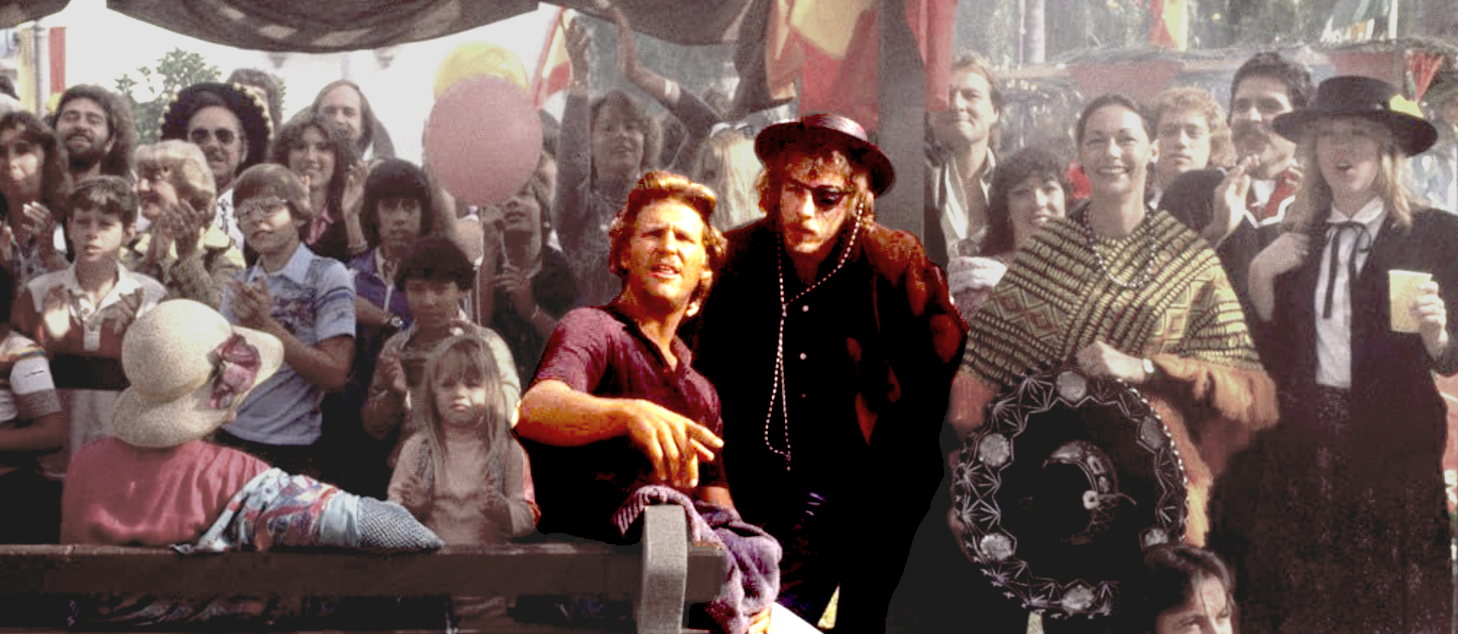

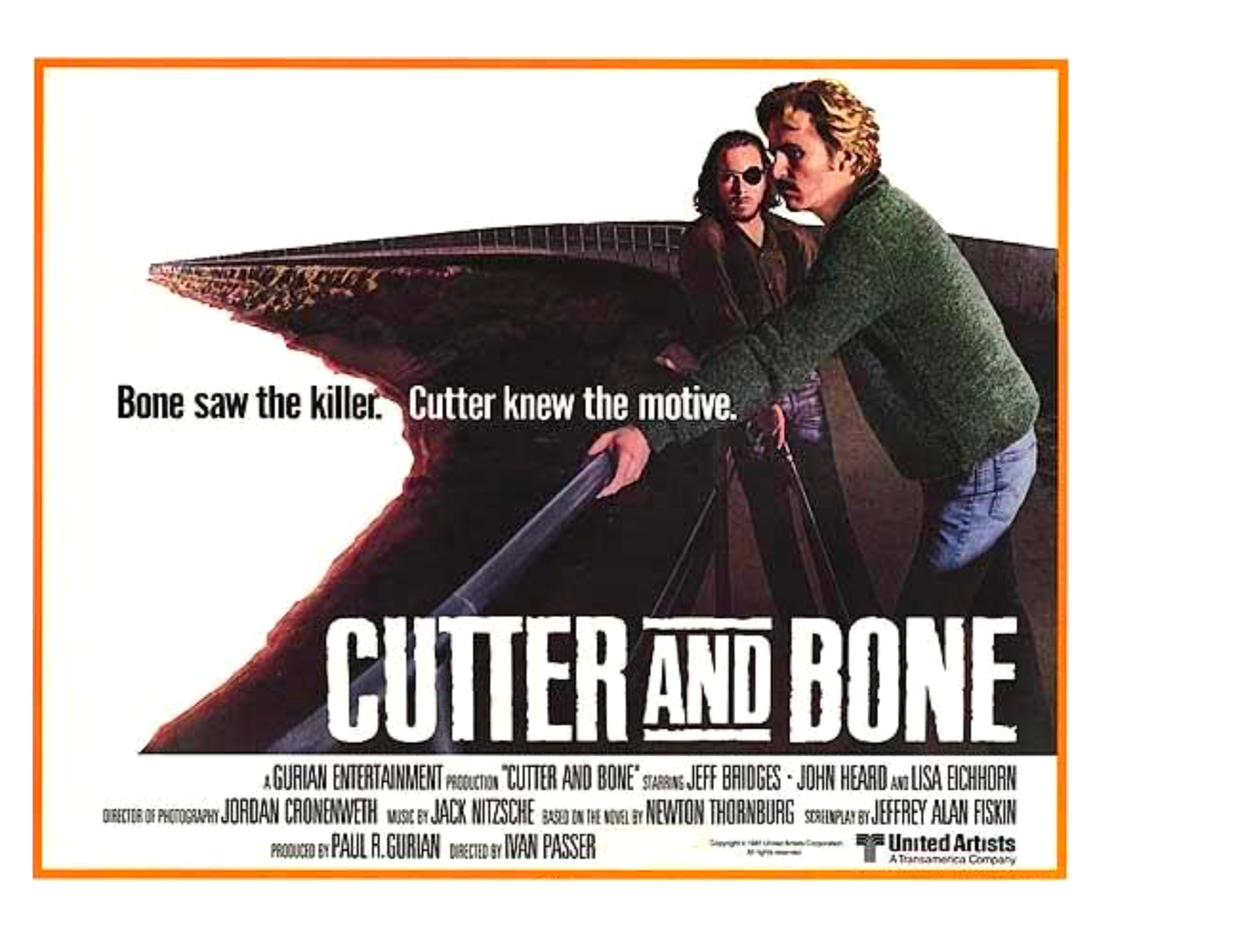
One of my alltime favorite movies. I had the MGM DVD, streamed it many times from Prime & recently got the excellent FCE Blu-ray. Good see Radiance spreading the luv!
Wow Glen also read the book. Extra distance reviews always here. I also appreciate the notes of where the writer was at upon first seeing this film to give us a window into the context of when it came out. Maybe missing is more info for us to understand the studios and exhibition venues and how they operate that can make a good film sink and terrible films dominate the available screens. From what i heard it was the studio who changed the name of this film and who decided to not have it play much past its opening. To this budding radical that spells that the market is rigged less than it represents the will of the people.
But Glen is well-endowed in the technical aspects of film making which is often enough in getting deeper that just appreciating a work of art.
I think i 1st heard of this movie on the Movies That Made Me and have enjoyed returning to it. Last month i found a VHS copy at a berkeley junk shop (the price of being a radical is not being able to get the latest upgrade.) I’m still satiated. I have never seen John Heard given space to wield his acting chops as we see in Cutter & Bone….though i think he’s as good in C.H.U.D.