

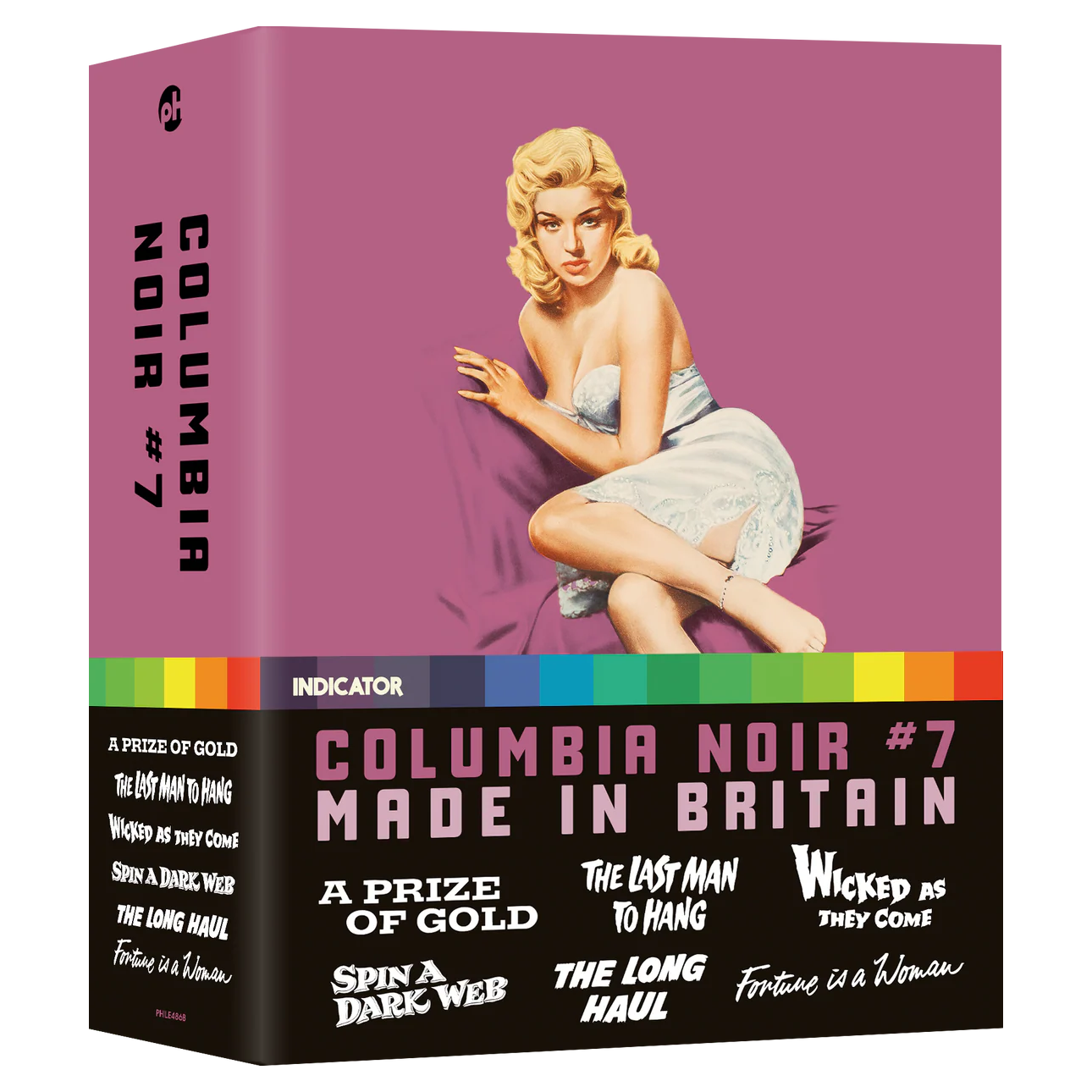

Powerhouse Indicator returns once again with the big box collection Columbia Noir #7 Made in Britain, a nicely curated selection of English ‘noirs’ produced in conjunction with Columbia Pictures. The films are all set in the U.K. and each billboards at least one American star. The Yanks abroad are an interesting bunch, some of whom likely snapped at leading roles that were becoming harder to obtain back home: Arlene Dahl, Richard Widmark, Victor Mature, Tom Conway, Faith Domergue.
By 1955 English producers were already busy with American co-productions. A Hollywood producer like Lippert would provide an American star and a U.S. distribution guarantee, and the movie would be filmed with English crews in less-expensive English facilities. If an American studio were in charge, they might make use of profits tied up in England. There were other tax incentives, too.
The shows have some surprises in content and tone. Although most ended up as supporting fare back in the States, they were not ‘B’ pictures; all were adaptations of popular novels, sometimes left over from earlier package deals that didn’t come through. The Long Haul, for instance, had been previously pitched to Marlon Brando and Robert Mitchum.
Four of the six features are new on Blu-ray for the U.S.. All carry commentaries and extras worth investigating, even if one already has an earlier disc.
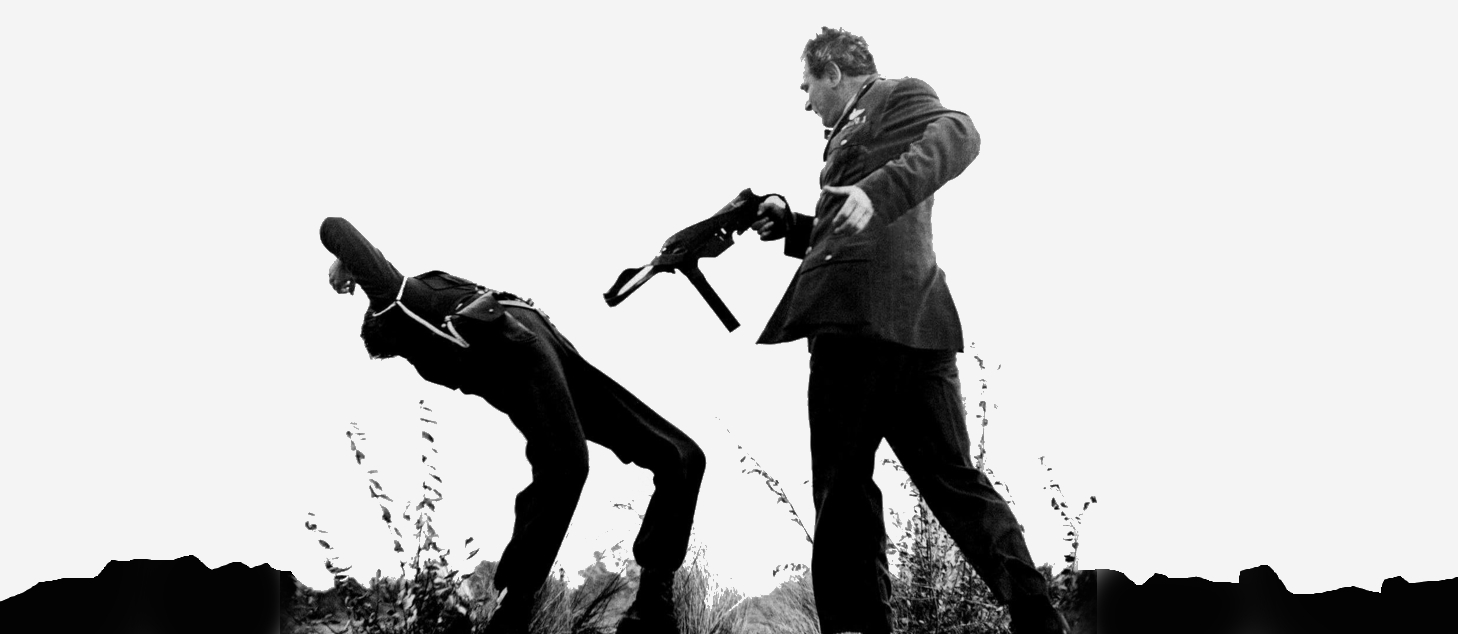
A Prize of Gold
1955 / color / 1:75 widescreen / 98 min.
Starring: Richard Widmark, Mai Zetterling, Nigel Patrick, George Cole, Donald Wolfit, Joseph Tomelty, Karel Stepanek, Robert Ayres, Eric Pohlmann, Alan Gifford, Sam Kydd, Carol White.
Cinematography: Ted Moore
Art Director: John Box
Composer: Malcolm Arnold
Screenplay by Robert Buckner, John Paxton from the novel by Max Catto
Produced by Irving Allen, Albert R. Broccoli, Phil C. Samuel
Directed by Mark Robson
The lead-off picture in this mid- ’50s collection is the only one directed by an American, Mark Robson. It is also the only one of the six filmed in color. Is there any connection between those two facts? Robson’s films weren’t always hits, but the winners tended to be big hits, like The Bridges at Toko-Ri. Future James Bond producers Albert Broccoli and Irving Allen put together a pair of Columbia / UK co-productions with star power but lacking strong stories. Their Fire Down Below sorely misuses Robert Mitchum, Jack Lemmon and Rita Hayworth. A Prize of Gold is one of Richard Widmark’s first efforts away from his Fox contract.

The story is too sentimentalized to be a true film noir. Richard Widmark’s Air Force officer in Berlin falls in love with a German woman (Mai Zetterling) taking care of a group of displaced orphans. Why she is working outside a goverment agency in 1955 is not discussed; she has apparently found the funds to keep the kids hidden (?) by promising sexual favors to a local racketeer (Eric Pohlman). Our normally honest hero wants to send Zetterling and the kids to Brazil and so decides to steal a shipment of gold bullion that’s being flown to England. The logic of the caper is fairly credible, with Nigel Patrick as an untrustworthy pilot, and Donald Wolfit a fence with a Rolls-Royce. Everything goes wrong, resulting in a gunfight and a mad scramble on an abandoned Allied airfield runway in England.
There’s nothing particularly noir about the picture. Widmark’s character’s willingness to commit such a big crime makes little sense, and the violent ending is confected to mete out an appropriate moral punishment for each gold smuggler. We suspect that the original story made Widmark’s thief much less likable. He’s responsible for all this mayhem while wearing his uniform on official Air Force business in a ‘hot’ security zone. We wouldn’t be surprised if he earned himself a meeting with a firing squad.
As for the gold, why is it being secretly shipped to England by the American Air Force? Its origin is not discussed, but we immediately suspect that it may have been Nazi gold stolen from holocaust victims. A nasty ’70s take on the story would end with the gold bullion safe and secure — in the hands of higher-level government/military crooks.
A glaring flaw in the heist mechanics is the handling of the gold itself. Pick up an ingot of lead or gold, and one is always surprised by its weight. The actors are obviously handling something lighter; the airmen moving the crates of ‘gun parts’ would immediately guess that the real contents might be gold. Those crates just sit on the floor of the DC-3 plane during flight. They are not carrying many crates, which makes sense, but when the pilot throws the plane into a violent dive, we wonder why they don’t come smashing forward, hurting the airmen and flying right into the cockpit.
The color filming in Berlin and London is very attractive in HD. Many dialogue close-ups are accomplished with poor opticals, with plenty of dirt, matte lines, scratches and color mismatches. Mark Robson’s decent direction is backed up with good work from cameraman Ted Moore and art director John Box. Malcolm Arnold’s romantic theme is good, but Prize of Gold doesn’t need so much music. Most scenes would be much more engaging with simple realistic sound effects instead of a busy concert.
A Prize of Gold has a full commentary with Melanie Williams and Thirza Wakefield, who has written extensively for the BFI. Setting the pattern for the 6 films in the set, we get an interview with some surviving crew members, an audio interview with the film’s editor and a critical analysis / visual essay. Theatrical trailers are present for most of the films, plus image galleries.
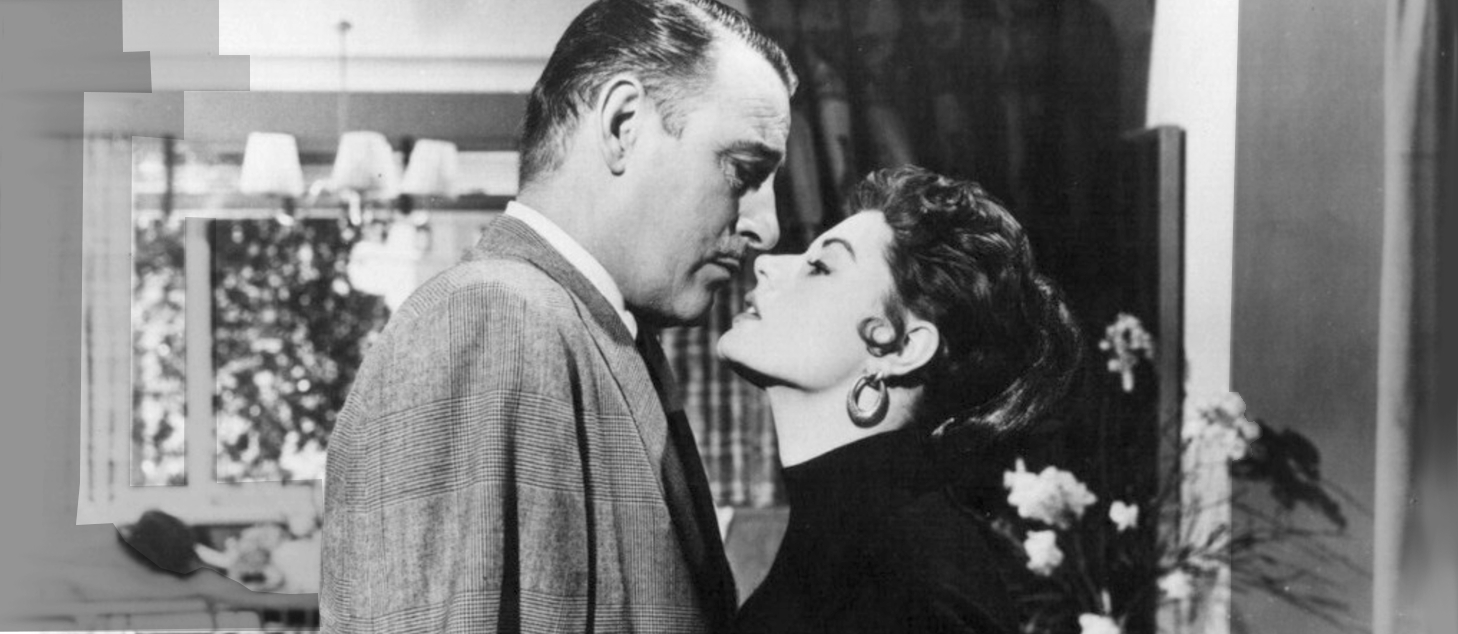
The Last Man to Hang
1956 / 1:75 widescreen / 75 min.
Starring: Tom Conway, Elizabeth Sellars, Eunice Gayson, Freda Jackson, Hugh Latimer, Victor Maddern, Anthony Newley, Margaretta Scott, Jack Lambert, Harold Goodwin, Joan Newell, Thomas Heathcote, Joan Hickson, Gillian Lynne, Raymond Huntley, David Horne, John Schlesinger, Charles Lloyd Pack.
Cinematography: Desmond Dickinson
Art Director: Alan Harris
Composer: John Woolridge
Screenplay by Ivor Montagu, Max Trell adaptation by Gerald Bullett, Maurice Elvey from the novel The Jury by Bullett
Produced by John W. Gossage
Directed by Terence Fisher
The Last Man to Hang is old-fashioned and the least ‘noir’ film in the set, but it may be the most interesting for collectors and genre fans. Before his big Hammer horror breakthrough, Terence Fisher directed over twenty-five features. There were a few gems, like Gainsborough’s So Long At the Fair but also many very small pictures, for Hammer and others, that made use of American actors.
At the end of that period came this show, based on a popular book preaching against capital punishment in England. A man goes on trial for the murder of his wife, and the elements of the case are divided into isolated chapters: the discovery of the corpse, the arrest of a suspect, the suspect’s flashback account of what happened, the trial, and the jury deliberation. The point is to show us how the temperament of a courtroom or the bias of jurors can skew a verdict in the wrong direction. We’re told that in England the movie attracted extra interest because of a public debate on capital punishment. In America, Columbia likely used The Last Man to Hang as second feature filler.
The real draw now is seeing Terence Fisher’s direction, which in this case is well organized but lets through too many awkward moments. A crucial ‘surprise’ is revealed early on, but Fisher directs it in a way that will leave many viewers not sure of what they have seen. Most every other story point is stated and restated in dialogue for the audience’s benefit, a practice that can be distracting.
Also making Last Man to Hang desirable for genre fans is an eclectic cast of familiar faces. Tom Conway is the accused murderer Sir Roderick Stroud, who feels guilty about his wife’s death, and thus doesn’t try hard enough to defend himself. We wouldn’t think that Conway would be good bait on American marquees — his other 1956 movie was the cheapie The She-Creature. Nearing the end of his career, Conway maintains a store-mannequin composure until directed to react to trigger dialogue, in which case Fisher often has him over-react.
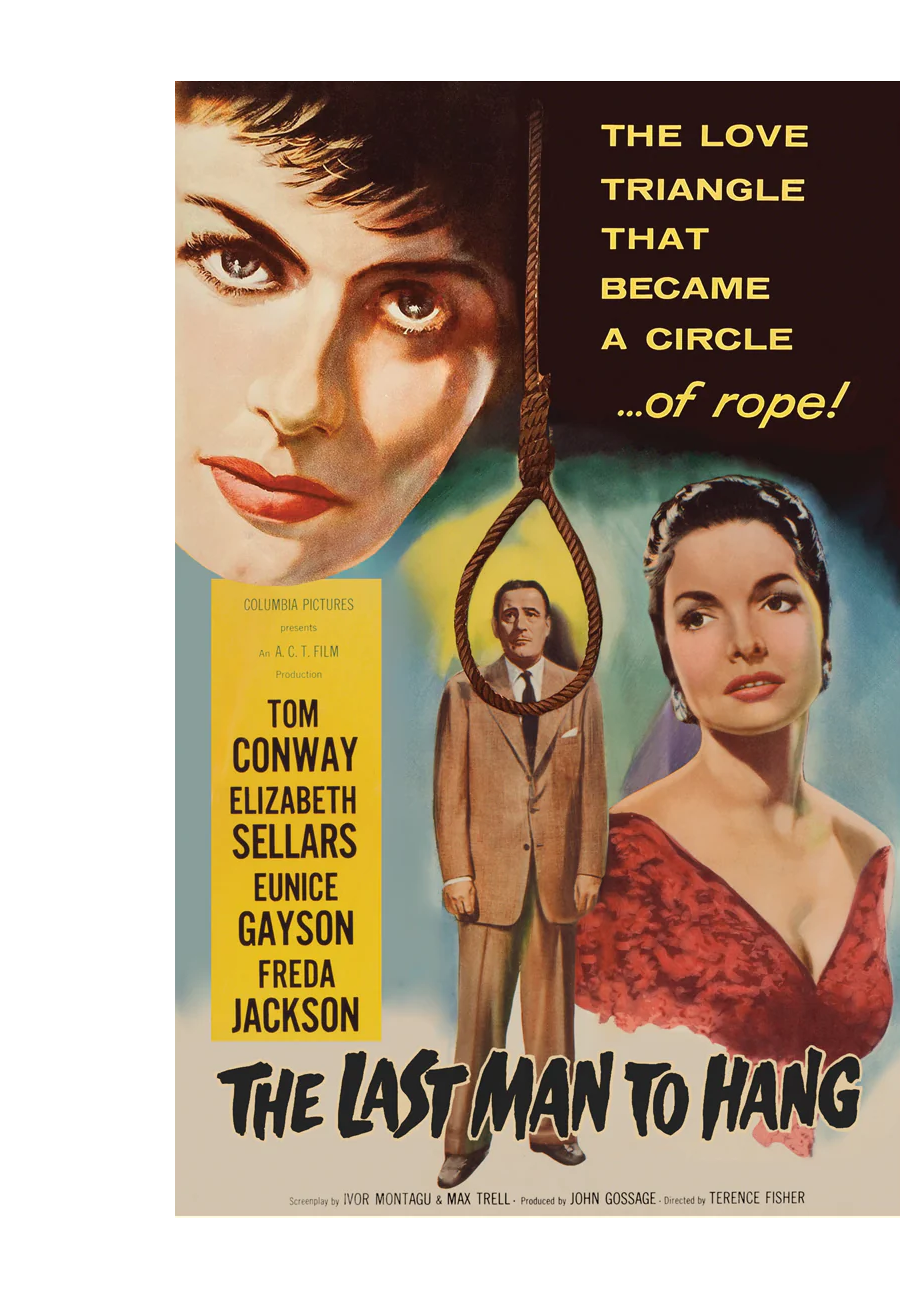
Elizabeth Sellars is always good; hers is the film’s best performance. Her disturbed, love-sick wife Daphne must mope, act drunk, and threaten her husband with a gun, awkward actions that Sellars makes look entirely natural. The formidable Freda Jackson over-acts as needed — her housekeeper must radiate extra hatred for Sir Roderick to motivate what is a prettty implausible murder mystery.
The eclecticism kicks in with the supporting cast, all of whom have just a few moments to make an impact. Given high billing is gorgeous Eunice Gayson, whose Elizabeth is a classical singer caught at the airport with Sir Roderick. Gayson has some good moments in the witness box. Fans know her well from The Revenge of Frankenstein and her claim-to-fame appearance as the very first Bond Girl in Dr. No.
A surprise among the usual courtroom types is old David Horne, who is exceedingly charming as Sir Roderick’s defender at trial. Early scenes expend a lot of time to establish the jurors as people who will bring their personal problems and biases into the courtroom. Two of the men are unfaithful their wives, one has a bad temper, another doesn’t like posh gentlemen, another is sad because his wife just lost a child in delivery. The women jurors include a fussy wealthy lady, and an old-maid daughter dominated by her mother. All relate to different aspects of the case. Actor Victor Maddern tends to get plum parts all through the 1950s. His quiet undertaker is the jury-room holdout who argues for the accused, just like Henry Fonda in 12 Angry Men.
The stellar supporting cast has a lot of interesting faces: Anthony Newley (Oliver Twist), Thomas Heathcote (Hammer’s Cloudburst), Anna Turner (Hammer’s Stolen Face), Harold Goodwin (The Bridge on the River Kwai). The elegant Margaretta Scott look familiar; she turns out to be none other than the feisty Roxana/Rowena from the 1936 Things to Come.
Even the bits are memorable: Joan Hickson (Mad About Men), Gillian Lynne (The Master of Ballantrae) and Shelagh Fraser, who Star Wars fans will immediately recognize as Luke Skywalker’s Aunt Beru.
Curiously, no speeches deliver a direct plea about abolishing the death penalty. Sir Roderick’s crazy case would seem a terrible choice to illustrate an argument for or against capital punishment. The movie ends up leaving us somewhat perplexed: at the fade-out, we’re denied a moment of satisfaction with the character we most care about.
The Terence Fisher connection explains the presence of a commentary track by horror experts Barry Forshaw and Kim Newman. If we believe the IMDB, it was Fisher’s last feature before his color Frankenstein picture for Hammer Films.
The extra short film is some silent publicity footage of a female contest winner’s ‘day on the set’ of Hang, a full reel of elaborately staged ‘natural encounters’ with stars Eunice Gayson and Tom Conway. Conway looks younger and healthier than he does in the movie; he gives the winner a stage kiss. Gayson is ‘To Die For’ beautiful even in these scenes. She shares a cigarette with the winner in her dressing room, and shows her its fancy bathroom with a tub. The context inadvertently implies that Gayson is inviting the winner to take a bath with her.
We must note the audio interview with Ivor Montagu, whose adventurous wiki bio says was briefly a Soviet spy.
Wicked as They Come
1956 / 1:66 widescreen / 94 min.
Starring: Arlene Dahl, Philip Carey, Herbert Marshall, Michael Goodliffe, Ralph Truman, Sidney James, David Kossoff, Faith Brook, Frederick Valk, Marvin Kane, Patrick Allen.
Cinematography: Basil Emmott
Art Director: Don Ashton
Composer: Malcolm Arnold
Screenplay by Ken Hughes screen story by Robert Westerby, Sigmund Miller from the novel Portrait in Smoke by Bill Ballinger
Produced by Maxwell Setton
Directed by Ken Hughes
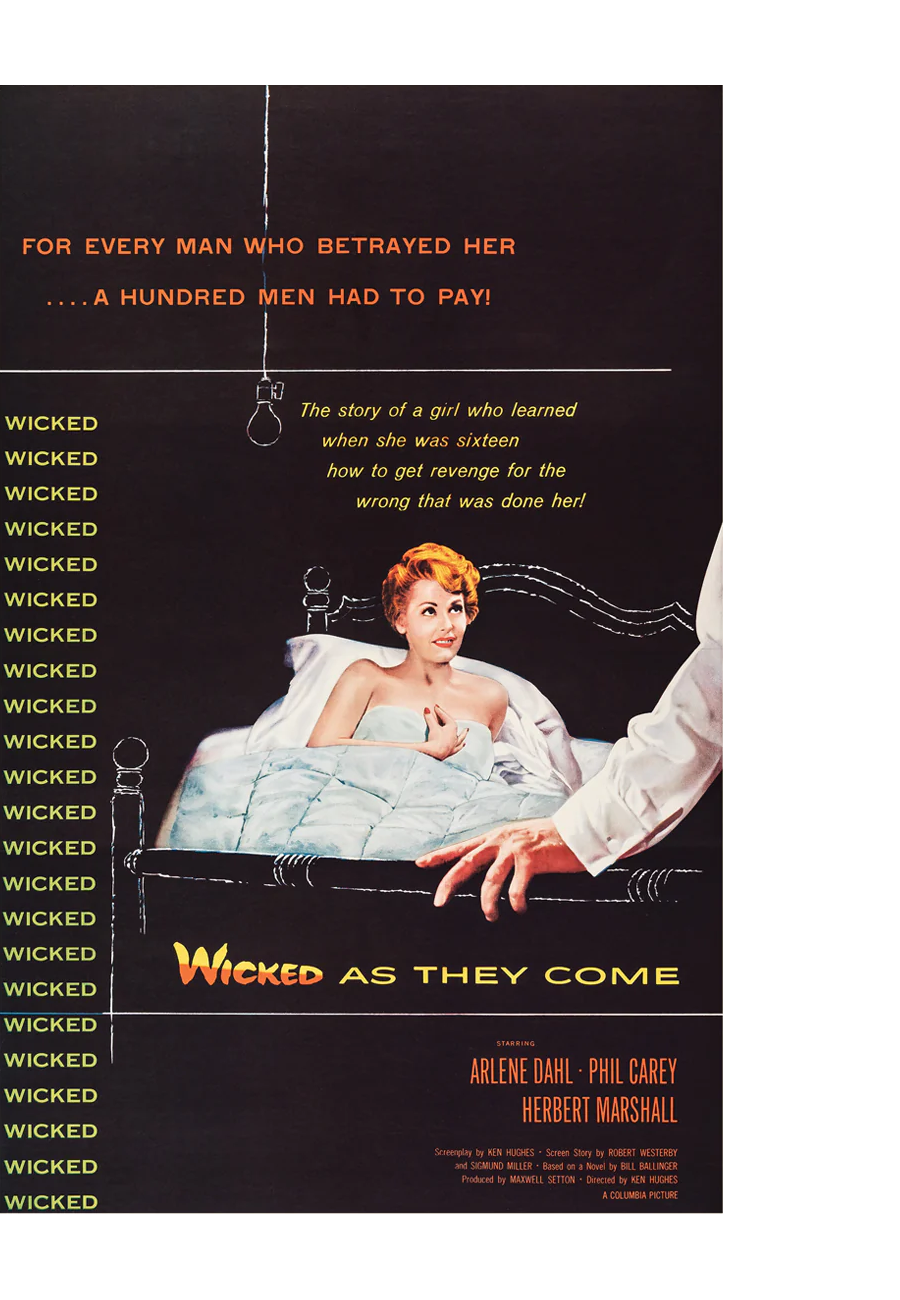
Wicked as They Come is one of two pictures in the collection written and directed by the capable Ken Hughes, whose not-bad series of mid-range thrillers eventually led to much bigger shows, ending more or less with Chitty Chitty Bang Bang and Cromwell. American star Arlene Dahl was known as a red-haired Technicolor beauty who served her time as an MGM contract star without many opportunities to really act. We all know her delightful turn opposite James Mason in the charming fantasy Journey to the Center of the Earth.
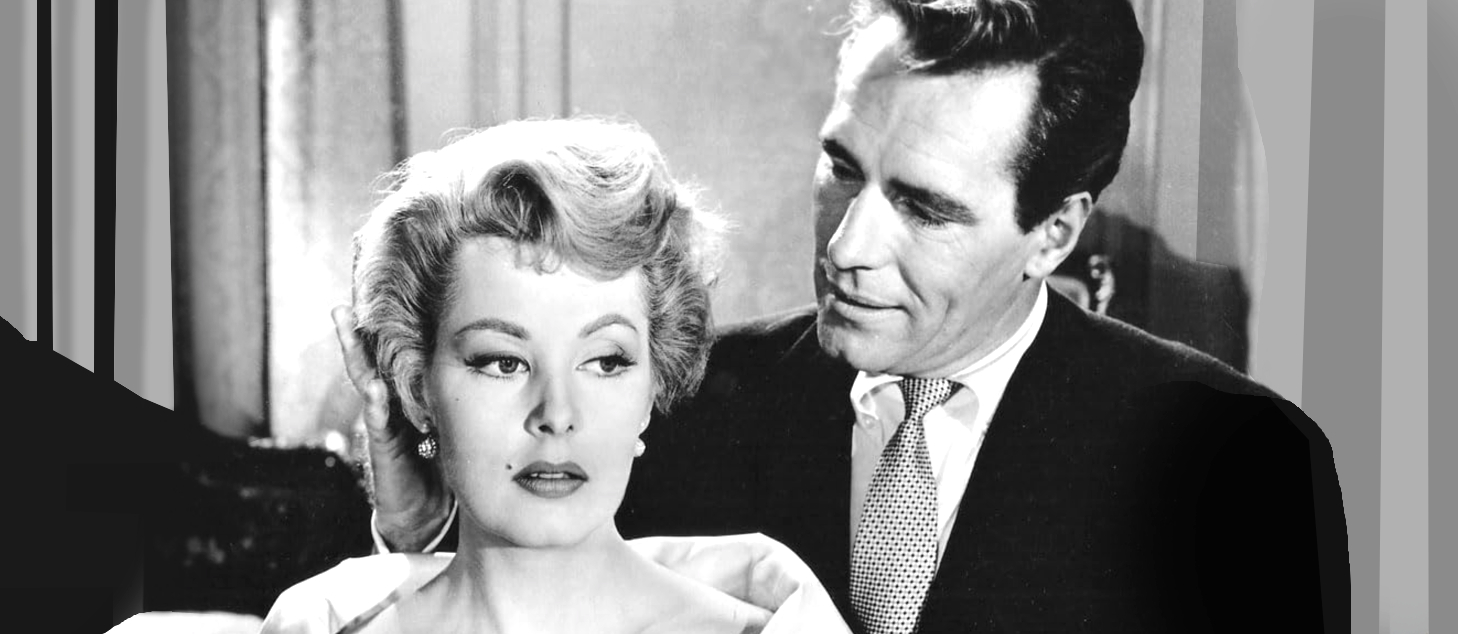
Wicked as They Come is about Kathy (Dahl), a penniless American factory worker who hates going back home, where her dad’s poker friends leer at her. She then uses her attractiveness to get what she wants from ‘hated’ males. Playing up to some contest judges gives her a cheated contest win and a trip to England. Kathy meets television ad producer Tim (Philip Carey) on the plane but he realizes that she’s after wealthier prey. She seduces photographer Larry (Michael Goodliffe), steals money from him and uses Tim’s connection to get a job with an elderly Ad agency executive, Stephen (Herbert Marshall). She soon replaces Stephen’s executive secretary. She then finds a way to compromise/blackmail the married Stephen, and sets her sights on Stephen’s father-in-law, the millionaire head of the company (Ralph Truman). Always watching from the sidelines, Tim’s disapproves of Kathy, but still loves her.
We immediately note that Wicked as They Come is an updated revisit of the sexy pre-Code scorcher Baby Face, in which Barbara Stanwyck sleeps her way from rags to riches, one man after another. The two films’ opening scenes are all but identical. Arlene Dahl’s performance is good enough, but she’s just too elegant to convince as a poor girl. They even make her chew gum loudly, but she still looks like a porcelain princess. The stepping-stone seductions in her program of conquest are very good — she’s careful to let each man think he’s the dominant partner. Larry gives her a charge card and she runs wild with purchases; all she must to to totally control Stephen is to get him drunk in a hotel and make him think he’s slept with her.
If put on the spot, Kathy might rationalize her actions with a logical argument: did Stephen earn his lofty position by merit, or because he married the boss’s daughter? All’s fair in love and business, but Kathy relies too much on outright theft and blackmail.
We suspect that the third act was toned down at the last minute. Kathy looks set to shoot her husband and put the blame on a spurned lover. To us it looks like the finale was re-written to give Kathy a Get Out of Jail card. Her sexual aggression is all because she was raped (‘attacked’) by several men when she was young. Thus the femme fatale is exonerated as a misunderstood victim. The finale opts for code-approved sentimentality, dulling any noir connection. According to the AFI, Arlene Dahl sued Columbia for creating a composite publicity photo that showed a man kissing her shoulder that her attorneys claimed was “lewd, lascivious and obscene.” The suit was thrown out of court.
Arlene Dahl carries the film with ease. Philip Carey has a star’s presence, but Columbia consistently cast him in supporting roles. Wicked has three American name actors, an anomaly in the collection. English actor Michael Goodliffe makes the strongest impact as the hot-headed photographer who goes berserk when he finds that his fiancée has robbed him for a fortune. Goodliffe may have gained favor with Columbia, for his impressive performance in their earlier English co-production The End of the Affair.
Wicked as They Come has only a selected-scenes audio commentary, something that probably takes more programming to pull off but improves on tracks where the film expert vamps and pads to fill time. The short film extra for Wicked is a reel of amateur film shot by Ken Hughes in wartime, when he was only 20. It might have been a part-experiment for a film idea, as the first half is street scenes and shots of London rooftops, and the second half staged shots of people drinking to excess in a music club.
Spin a Dark Web
1956 / 1:75 widescreen / 76 min.
Starring: Faith Domergue, Lee Patterson, Rona Anderson, Martin Benson, Robert Arden, Joss Ambler, Peter Hammond, Peter Burton, Sam Kydd.
Cinematography: Basil Emmott
Art Director: Ken Adam
Composer: Robert Sharples
Screenplay by Ian Stuart Black from the novel Wide Boys Never Work by Robert Westerby
Produced by M.J. Frankovich, Richard Gordon, George Maynard
Directed by Vernon Sewell
Spin a Dark Web was a produced by Columbia’s London executive Mike Frankovich. The story gives us yet another disillusioned veteran who falls in with gangsters. The noir element is negligible because there’s no political or moral edge — the wayward ex-soldier resists corruption whenever he can.
The American star of note is Faith Domergue, the Howard Hughes find. She was coming off a string of Sci-fi pictures and likely eager to get top billing in a crime drama. Her character looks great but has only two ‘looks’ — seductive when she wants the hero, and vicious when he doesn’t follow her orders.
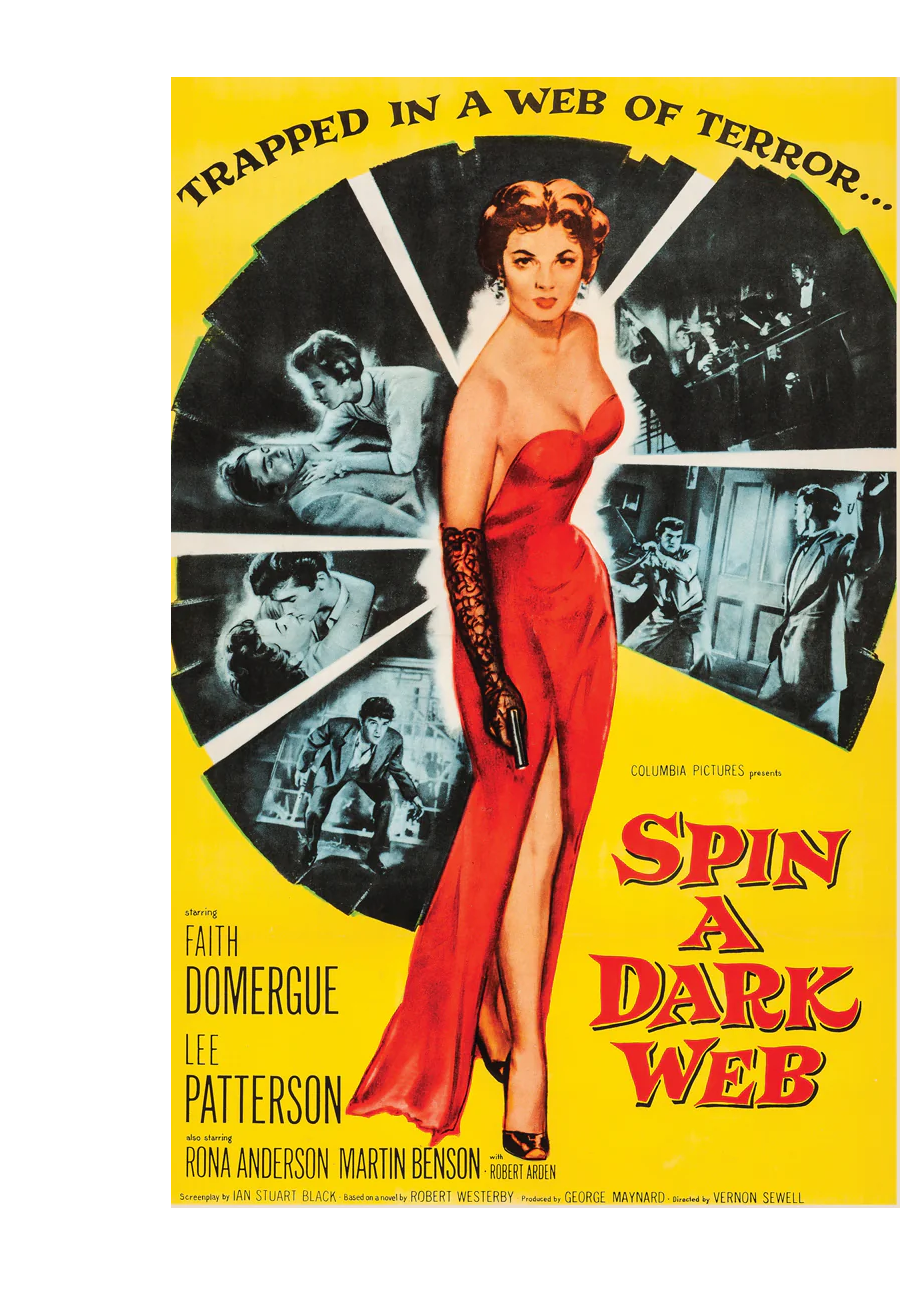
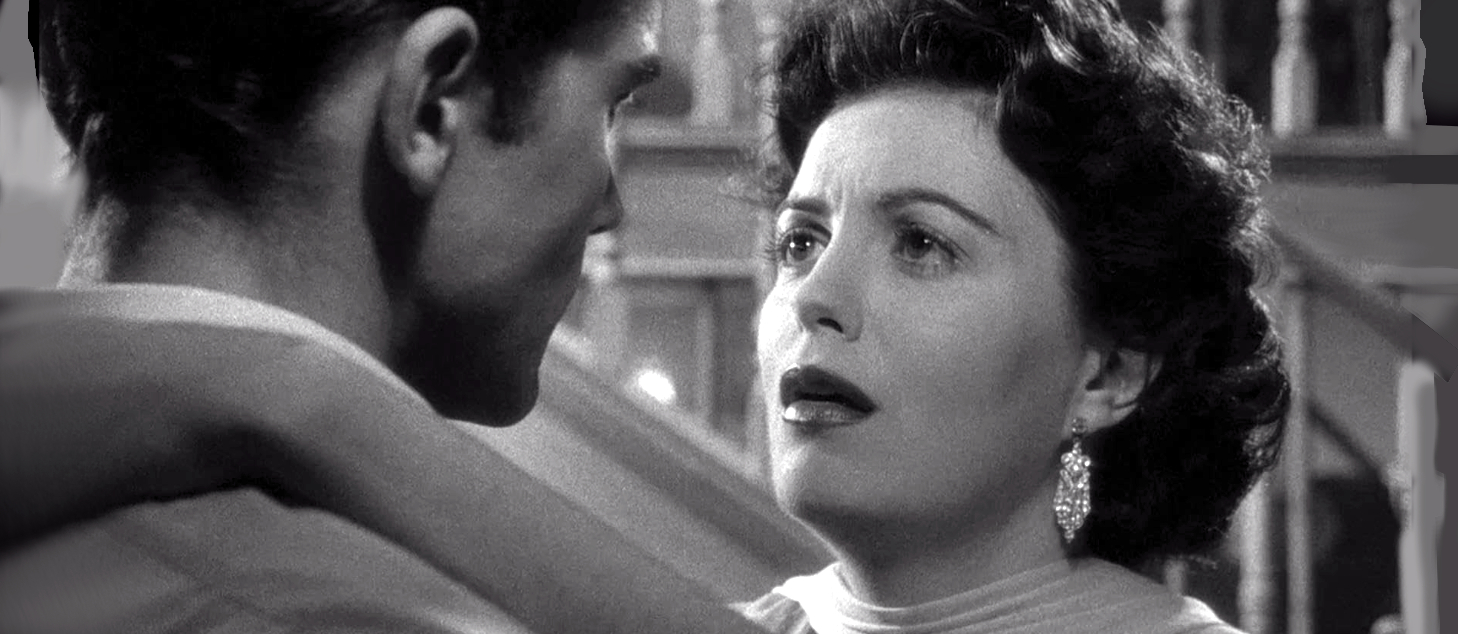
The main character in Spin a Dark Web is the Canadian Jim (Lee Patterson), who gets into the Francesi sports gambling mob through his less-scrupulous army pal Buddy (Robert Arden). The Canadian-born Patterson looks a bit like Elvis Presley; his stint on the TV show Surfside 6 is mostly forgotten, but horror fans know him from the Baker-Berman thriller Jack the Ripper. Rico Francesi (Martin Benson) uses Jim’s engineering experience to futz racetrack telephone communications to guarantee 10-to-1 payouts for Rico’s fixed races. Then one of Rico’s rough thugs kills a prizefighter, the brother of Jim’s girlfriend Betty (Rona Anderson).
Rico’s sister Bella (Faith Domergue) is the one to get Jim hired; he soon moves in with her, only to discover how ruthless she can be when she orders the murder of an unstable Francesi thug. The final act sees all three key Francesi villains tangled in a hostage situation with Betty and her father. Experts on the audio tracks pronounce Domergue as ‘Dough-Merg,’ whereas Alain Silver told me her name was really ‘Dah-Myoor,’ as in ‘demure.’ Even if Silver wasn’t tricking me it doesn’t matter, ’cause the world that remembers Faith now knows her as ‘Merg.’
The source novel for Spin a Dark Web is Wide Boys Never Work, a title that suggests another sordid ‘street crime’ picture santized for the screen. It’s a perfectly acceptable thriller with no exceptional or daring content. The standout creative credit is that for art director Ken Adam. In the same year Adam designed Columbia’s superb horror film Night of the Demon, but Spin doesn’t have any memorable sets or settings. When the gangsters kill one of their own in a warehouse, we can see that they are climbing into the rafters of a movie sound stage with soundproofed walls.
These Columbia co-productions mostly use established English directors, talent that had started in the industry before the war. Vernon Sewell’s filmmaking is okay, even if the location footage is a rough mismatch with the studio work. Cameraman Basil Emmott’s lighting is high-key, while the location shots look like pickups with an Eyemo camera.
The additional audio interview with Vernon Sewell, who had worked with Powell & Pressburger’s Archers outfit, and directed their very interesting wartime production of The Silver Fleet. The very special extra film is a Sewell-directed wartime movie about veneral disease. It’s klunky but charming; the heroine who ‘makes an unfortunate mistake’ is excellent, and everyone else could be rank amateurs. Sewell’s camera direction is awful — it’s a dictionary of how not to cross the legendary 180-degree line.
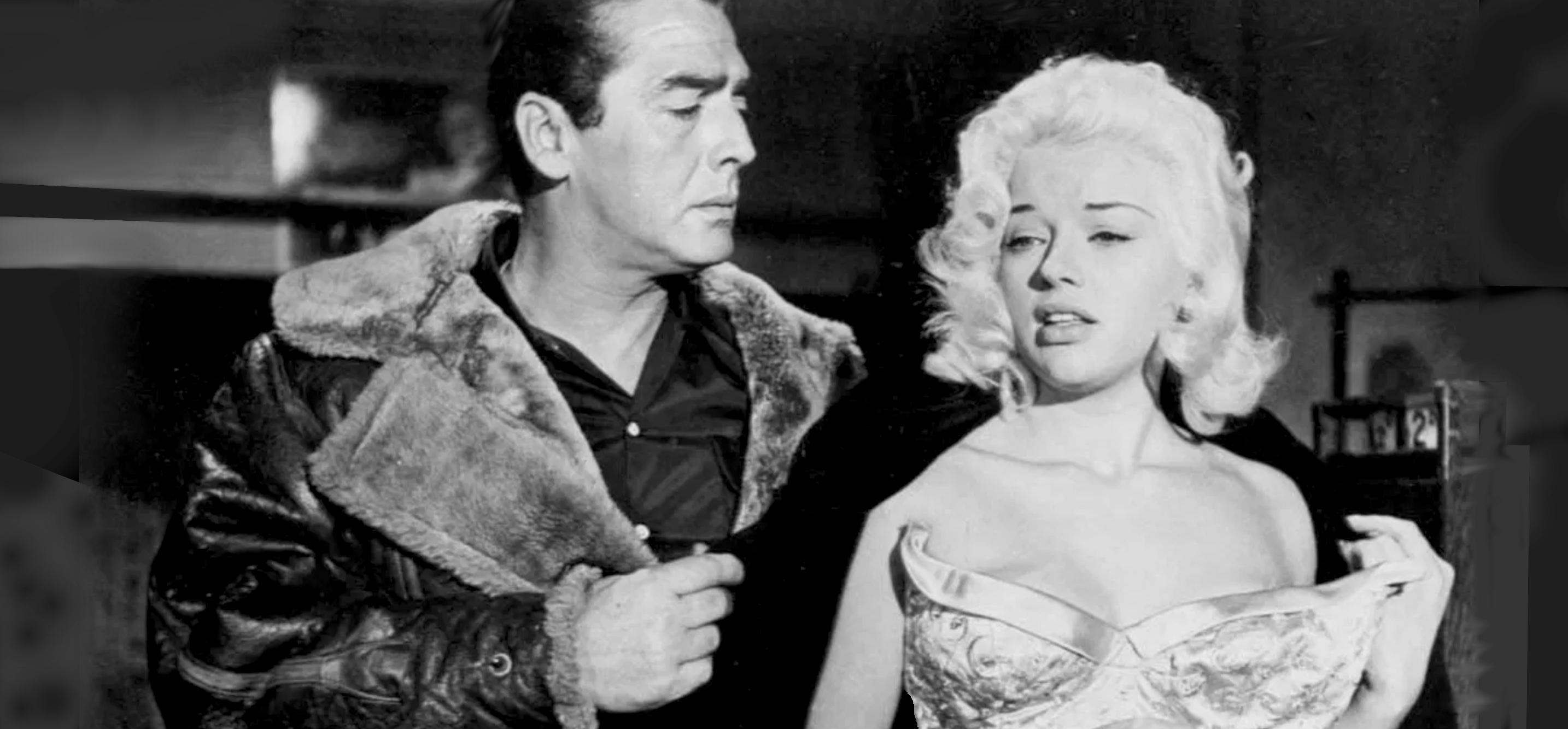
The Long Haul
1957 / 1:75 widescreen / 89 min.
Starring: Victor Mature, Diana Dors, Patrick Allen, Gene Anderson, Peter Reynolds, Liam Redmond, Ewen Solon, Dervis Ward, Edward Judd, Sam Kydd, Norman Rossington, .
Cinematography: Basil Emmott
Production Designer, Second Unit Director: Tom Morahan
Art Director: John Hoesli
Composer: Trevor Duncan
Screenplay by Ken Hughes from the novel by Mervyn Mills
Produced by Maxwell Setton
Directed by Ken Hughes
Columbia’s Hollywood programs pictures could be real cheapies, but their English co-productions were ‘A’ material. The Brit-made Curse of the Demon, for instance, totally blows away the Sam Katzman horror film with which it was co-billed. The Long Haul is the ‘other’ English trucking picture from 1957, the really notable one being Cy Endfield’s Hell Drivers. It’s another show written and directed by Ken Hughes, and this time the imported American name is the noir star Victor Mature.

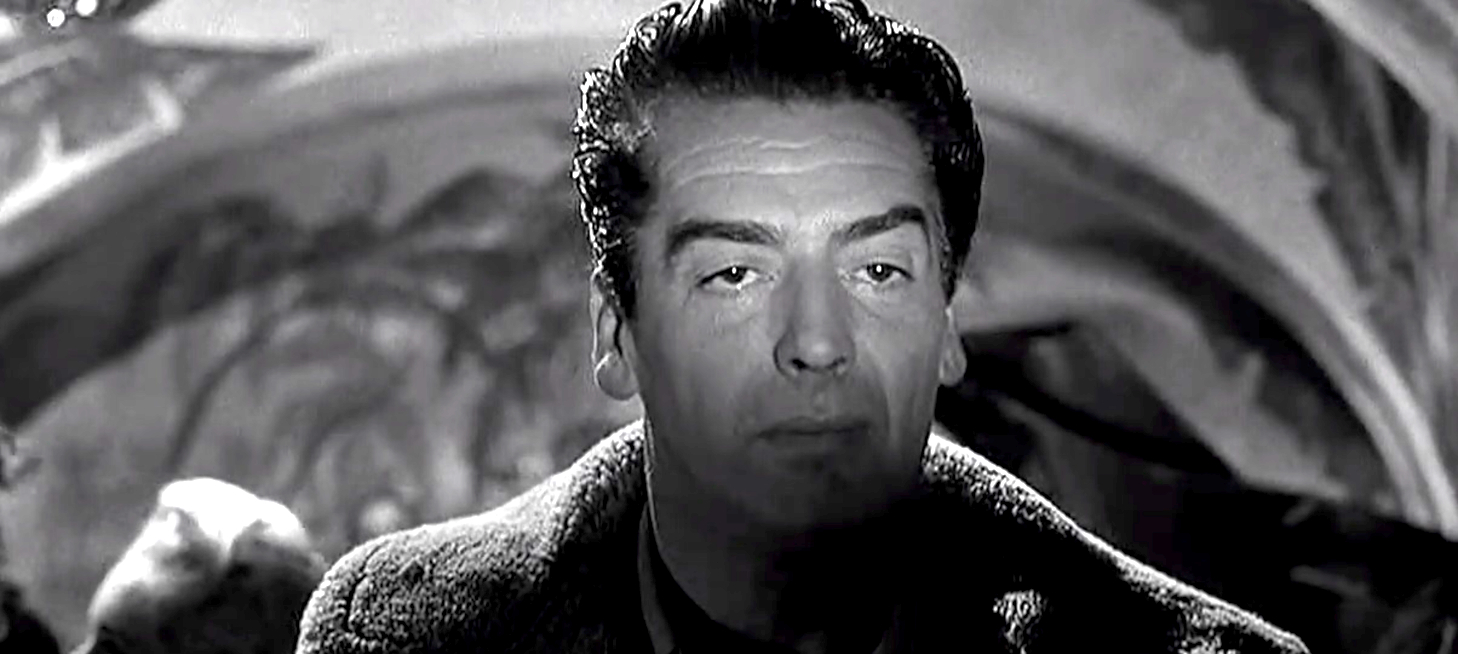
Not surprisingly, the story line covers an American GI named Harry (Victor Mature) who gets involved in English crime. After his service, Harry has bad luck and is reduced to pickup work doing long-haul trucking work. He soon tangles with a mob run by the reckless Joe Easy (Patrick Allen, an actor who narrated decades’ worth of U.K. trailers). After a number of violent, illegal escapades, Harry finds himself on the road with a load of liquor that Joe wants hijacked. The last act is a race to Scotland with the mobster’s girlfriend Lynn (Diana Dors) and a pack of killers on his tail. Adding to the drama is a family background for Mature’s character. Despite his relationship with Lynn, he has a wife and child back home that he doesn’t want to abandon.
Mature is excellent, Allen is arrogant in an interesting way, and Ms. Dors is her attractive but moody self. No matter what the situation, we wonder where her mind is at. Basically on hand for the glamour factor, she affects sub-Monroe facial expressions (mouth open, eyes half-shut) that make her forever seem on the verge of a sneeze.
But the look of Long Haul is nothing to sneeze at (what a segue), what with high-contrast noir lighting that by 1957 had mostly disappeared from U.S. productions. The storyline has a number of decent action set pieces, very nicely filmed. The beautiful Northern locations are a good arena for the life ‘n’ death struggle on the road. This almost seems a Cy Endfield story, with its criticism of business corruption and an extended odyssey-ordeal through the Scottish countryside. But it hasn’t quite got Endfield’s dangerous edge.
The extra short film for The Long Haul is a 1956 piece about the English trucking industry, which naturally takes an entire different, institutional approach to ‘lorry’ life on the road.
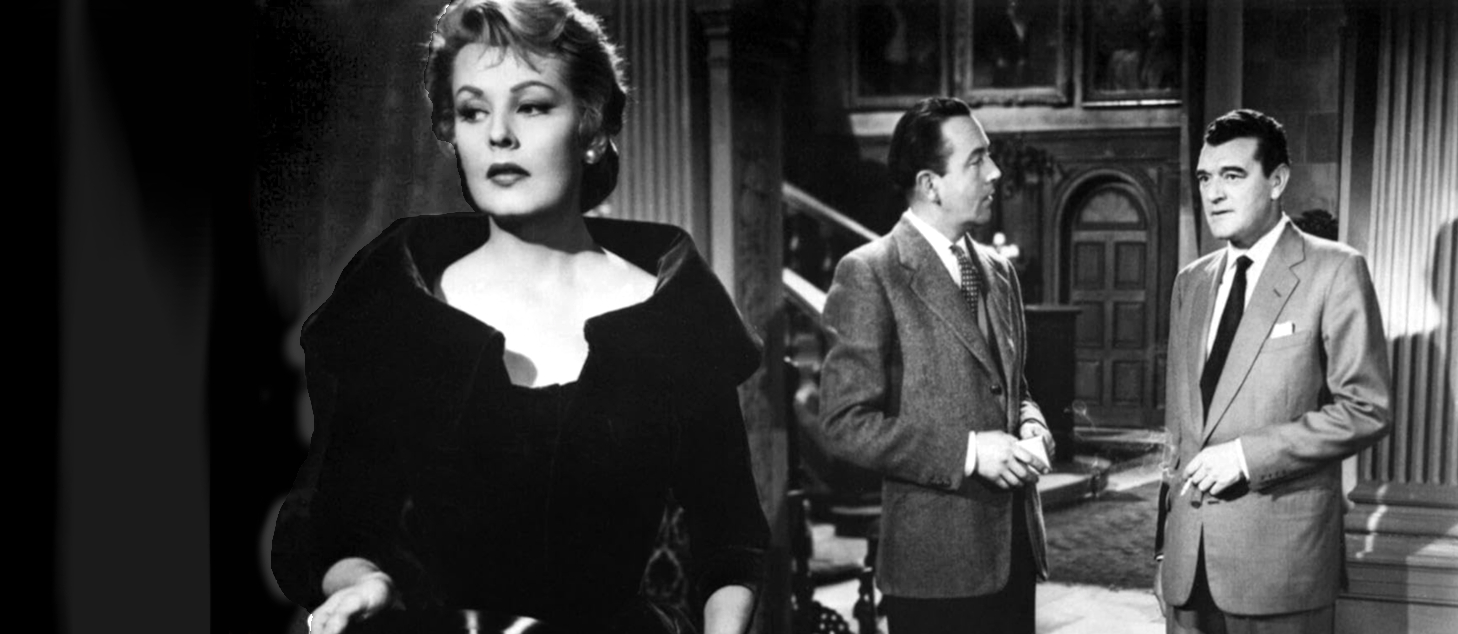
Fortune is a Woman
1957 / 1:75 widescreen / She Played with Fire / 95 min.
Starring: Jack Hawkins, Arlene Dahl, Dennis Price, Violet Farebrother, Ian Hunter, Malcolm Keen, Geoffrey Keen, Patrick Holt, Michael Goodliffe, Martin Lane, Bernard Miles, Christopher Lee, Greta Gynt.
Cinematography: Gerald Gibbs
Art Director: Wilfred Shingleton
Composer: William Alwyn
Screenplay by Frank Launder & Sidney Gilliat adapted by Val Valentine from the novel by Winston Graham
Produced by Frank Launder & Sidney Gilliat
Directed by Sidney Gilliat
Arlene Dahl’s foray in English filmmaking might have been a two-picture deal. The final picture in the set is a better showcase for her talent, even though the well-known filmmakers Frank Launder & Sidney Gilliat ( Night Train to Munich, Green for Danger) are not in top form. Fortune is a Woman was released here under the apt title She Played with Fire. Compared to the other films about desperate or greedy characters, this one is fairly staid, and has only a slight connection to the noir genre. Dahl’s character is trouble, but the drama takes a more measured, ambiguous approach. It also centers on a male character.

The story gets into the details of the insurance business, in particular investigator Oliver Branwell (Jack Hawkins), whose personal love life figures in one of his ‘questionable’ cases. Murder by arson occurs, but even after a score of tainted suspects are trotted out, nobody takes a streetcar ride to the cemetery. Hawkins becomes suspicious of his old flame Sarah (Arlene Dahl), who is now married to the asthmatic aristocrat Tracey Moreton (Dennis Price), a snob who complains how difficult it is to keep his Manor House in black ink. Oliver soon suspects Sarah of complicity in art forgery and insurance fraud, and eventually, murder.
We naturally look for the ‘unsuspected’ characterization. Red herrings come out of the woodwork — John Phillips, Greta Gynt, Bernard Miles and Ian Hunter make appearances. Fan favorite Christopher Lee, has one scene as a pompous philandering actor. As in the other pictures, we get the feeling that English actors were eager to appear in American co-productions for the exposure overseas.
The talky and convoluted storyline makes Arlene Dahl’s Sarah look extremely guilty, and the production keeps to a staid pace common in ‘quality’ Brit filmmaking. Director Gilliat opens with a dynamic visual motif that compares a metronome to windshield wipers, a couple of years before Psycho. Hawkins’ Oliver is clever and resourceful but we don’t quite connect with his predicament: we don’t really care what Sarah is up to. It’s really rare for a Jack Hawkins film not to hold our full interest.
PI’s extras again go the extra mile, with a full commentary and a long interview with a costumer. The short subject tie-in is a Cold War relic narrated by Jack Hawkins. The brief This Little Ship gets sentimental about a craft sacrificed in the UK’s first Atom test West of Australia; it’s PR meant to downplay negative aspects of the nuclear program. It makes a good companion piece for a film on the UK disc of The Day the Earth Caught Fire, Operation Hurricane.
I prefer Tarantino’s pronunciation in hateful eight, just like it reads: “dahm-er-goo”, lol
Watched Richard Widmark shooting ‘Blackout’ (1985) here in Vancouver. He was insufferable.
Widmark was insufferable? Do tell! He’s still my fave actor…but, after hearing about his bad behavior on “To the Devil, a Daughter” it does put Richard down a few pegs. Seriously, what is so difficult about taking temper-tantrum performers like Widmark out to the woodshed and giving them a proper dressing-down, or at worst a swift kick in the ass???
I reckon, if you’ve gone from ‘Kiss Of Death’ to some dumbass made-in-Vancouver nonsense, you’ve earned the right to be a jerk.
A film set doesn’t function like the “real” world…
If my memory serves me right, on the Hammer film I mentioned, the lighting cameraman told Richard off on a particular hairy day, and director Peter Sykes said Widmark was quiet the rest of the day. Yes, film sets don’t function like the “real” world, but apparently you can tell your talent to calm down. And that’s why I am glad I don’t work in Hollyweird: too many egos, too much self importance, and too many losers. Still love Richard’s work…just glad I never met him.
I was always under the impression that the influx of Hollywood stars to the UK , fadiing or otherwise, was for tax reasons.
These Columbia pictures were usually produced with Warwick pictures, who also brought over Alan Ladd , Robert Taylor, Jose Ferrer and Jack Palance.
Other actors who made their way to Great Britain included Gregory Peck , and Glenn Ford, while the likes of Kirk Douglas and Anthony Quinn headed to mainline Europe.
It didn’t always work. Alan Ladd had huge success in the UK with his Warwick pictures, ( i had hoped Indicator might release a Warwick boxset!) , but his Hollywood career never really recovered.
I bet most people nowadays know Diana Dors as one of the people on the Sgt. Pepper’s Lonely Hearts Club Band cover.
I know her best from her glorified cameo in ‘Hannie Caulder’ (1971). It takes all sorts. 🙂