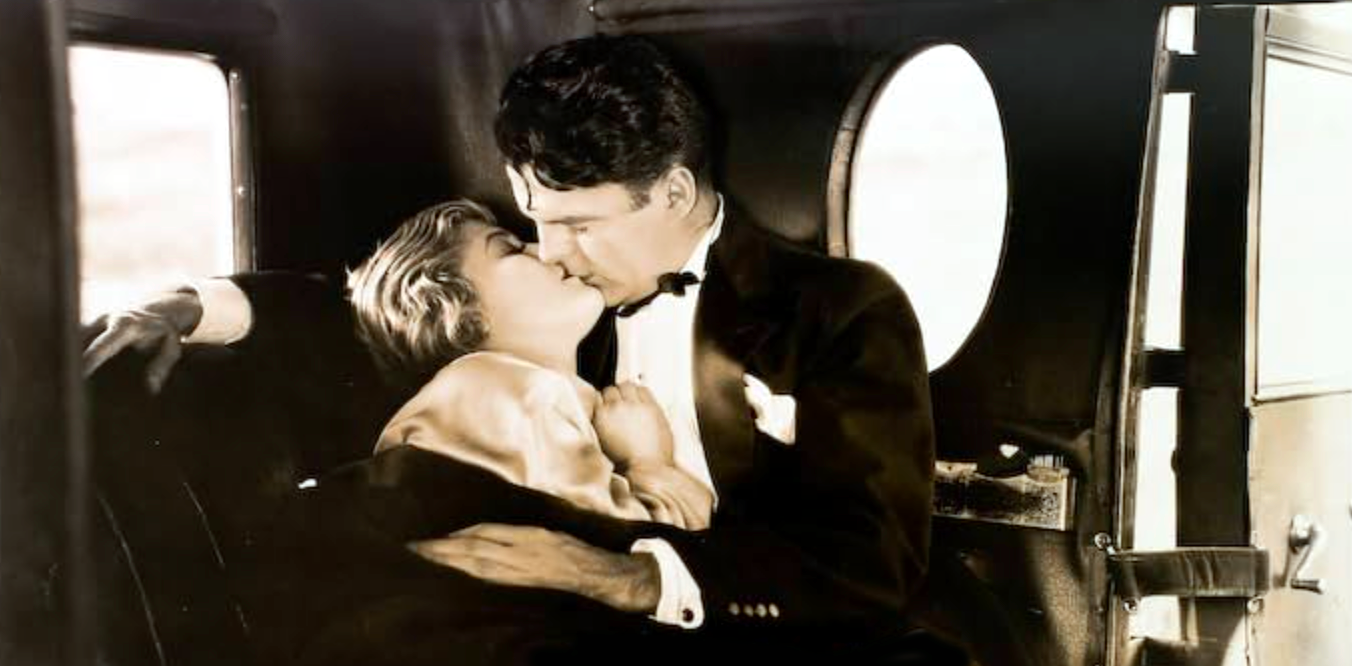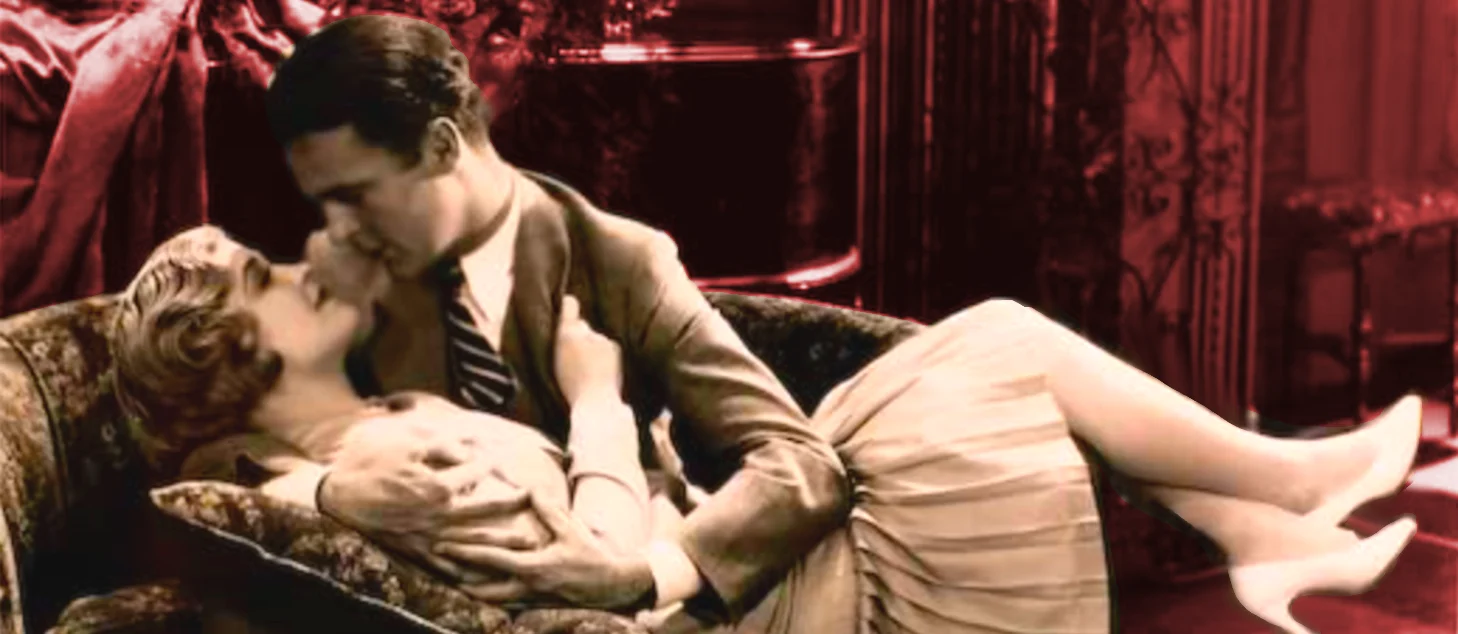
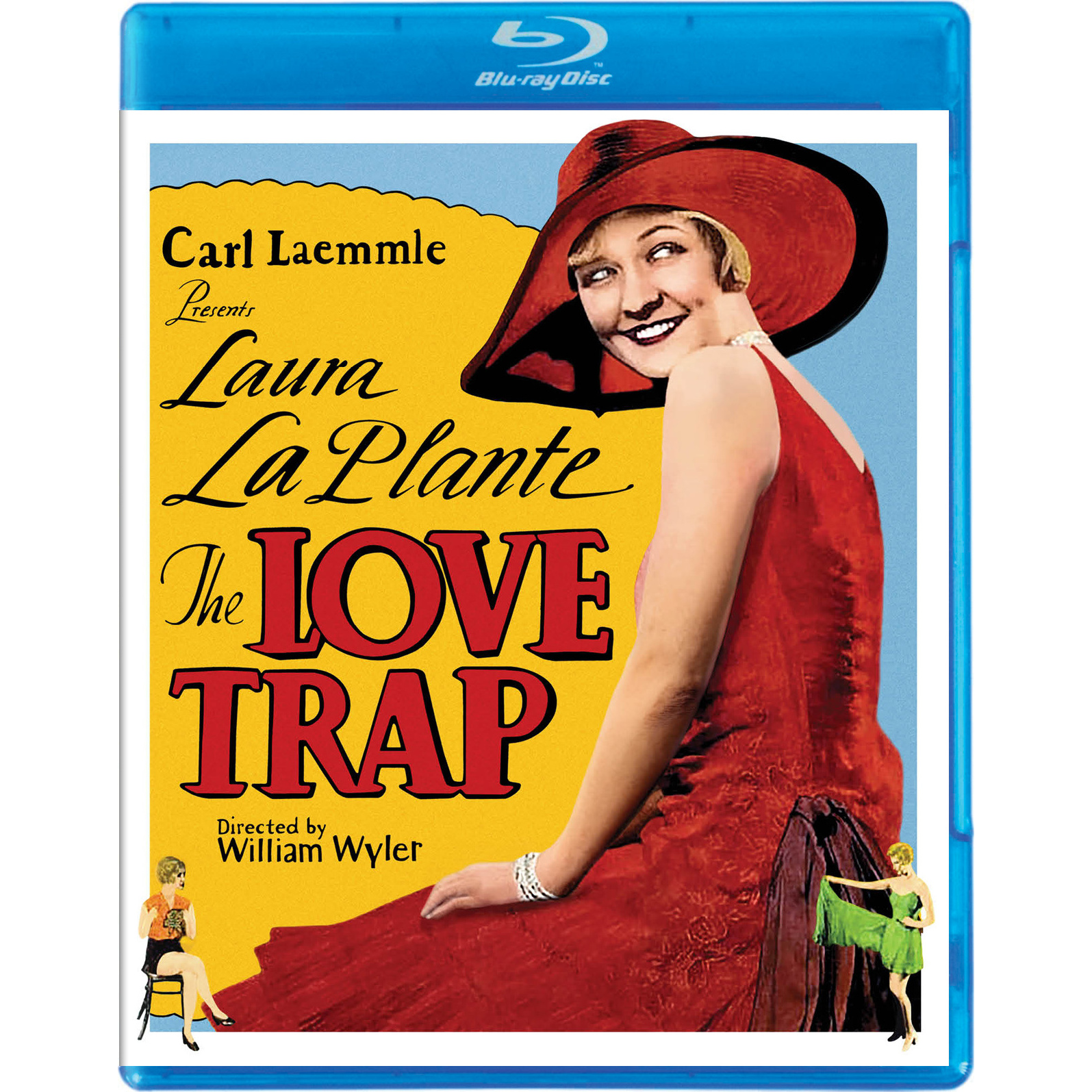

 I have to admit that The Love Trap isn’t a film I was waiting impatiently to be released on Blu-ray. In fact I had never heard of it before. But when given a chance to see a film starring the wonderful Laura La Plante, whom I’d enjoyed seeing in The Cat and the Canary and Skinner’s Dress Suit, directed by a young William Wyler, I was intrigued. Then I discovered it was a 1929 transitional film—half silent, half-talkie, I was even more interested. Bottom line, I always love being surprised by an unknown film; I really enjoyed it.
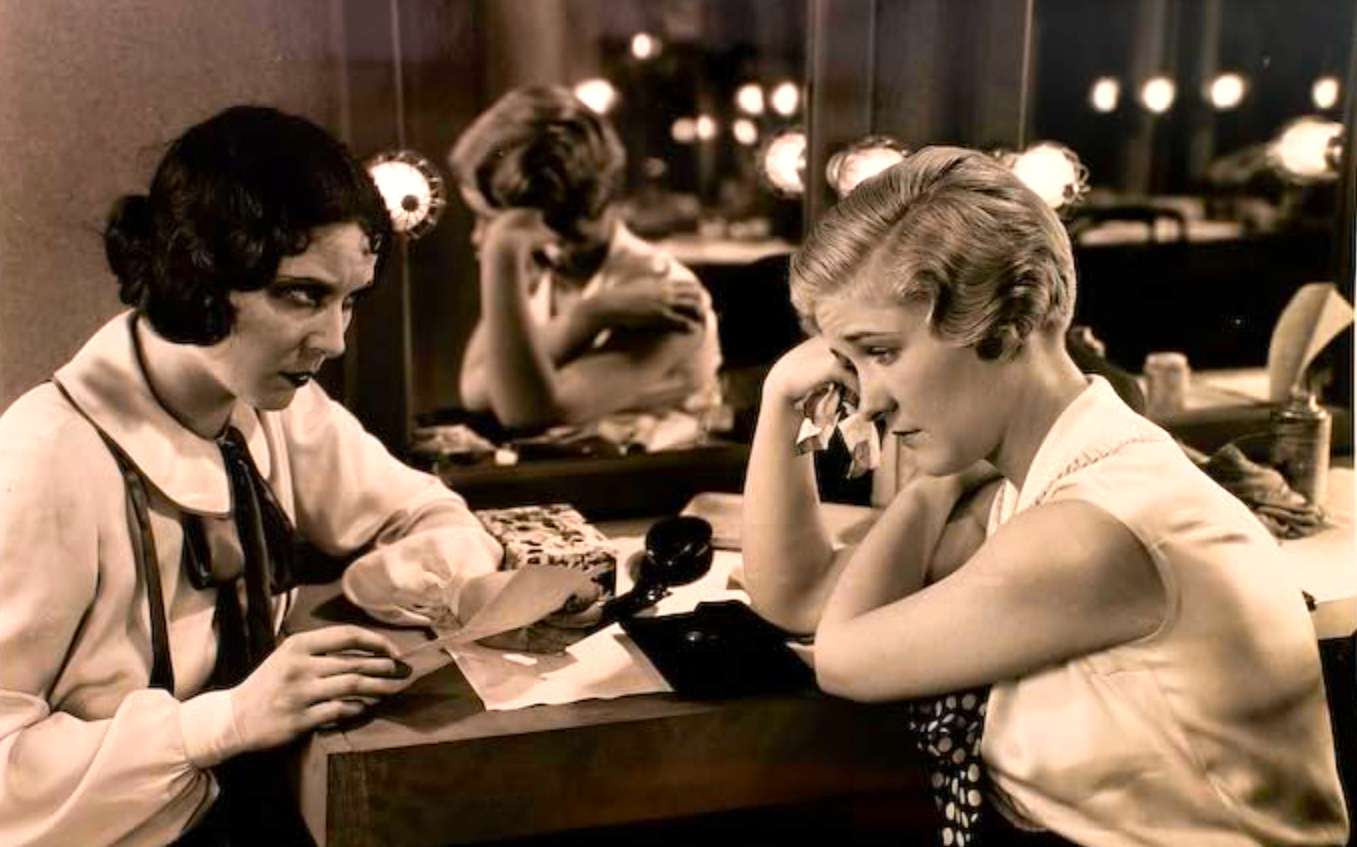
Even if you’re not a fan, what grabs you from the very beginning of this film is Laura La Plante. She’s in a line of chorus girls but once you spot her she keeps you interested in what will happen to her —- particularly after she gets fired. Her character, Evelyn Todd, is really down on her luck. You quickly find out she owes back rent so this rejection hits hard. Laura gets to play all the emotions as Evelyn in this film. Laura La Plante (her real name) was born in 1904 in St. Louis, MO. When her parents divorced, her mother took her and her sister out West. She entered movie work at Christie Films in 1919, at age 15; like so many silent stars, the majority of these early films are thought lost today. She moved over to Universal in the early 1920s and played in everything from comedy to drama. By the mid-twenties she was working towards being the studio’s top female star. She easily transitioned to sound; of the four films she made in 1929, three are part-talking and the last one Hold Your Man is all-talking. She made one final film for Universal in 1930, then left to be a free agent.
There is a lot about Oscar-winning director William Wyler I did not know, including that he directed silent films. He was able to get a foot in Hollywood’s door because he was a relative of Carl Laemmle. ‘Uncle Carl’ never had a problem hiring family, but the practice would hurt him in the end. Wyler wasn’t given any privileges being related to the boss. He started at the bottom as a messenger boy then got to move up to assistant editor then a third assistant director to finally in 1925 becoming the youngest director at Universal. He did a lot of westerns in these early years. By the time of our film he was already known as a perfectionist. In The Love Trap he makes interesting choices on where to place the camera: you notice right away that as a director he does unexpected things. Also, we’ve heard over the years that once sound came along the camera became static, rarely moving to avoid noise and to allow the actors to make their marks and find the microphone. Wyler’s camera moves all over the set. His artistic choices make us appreciate him more.
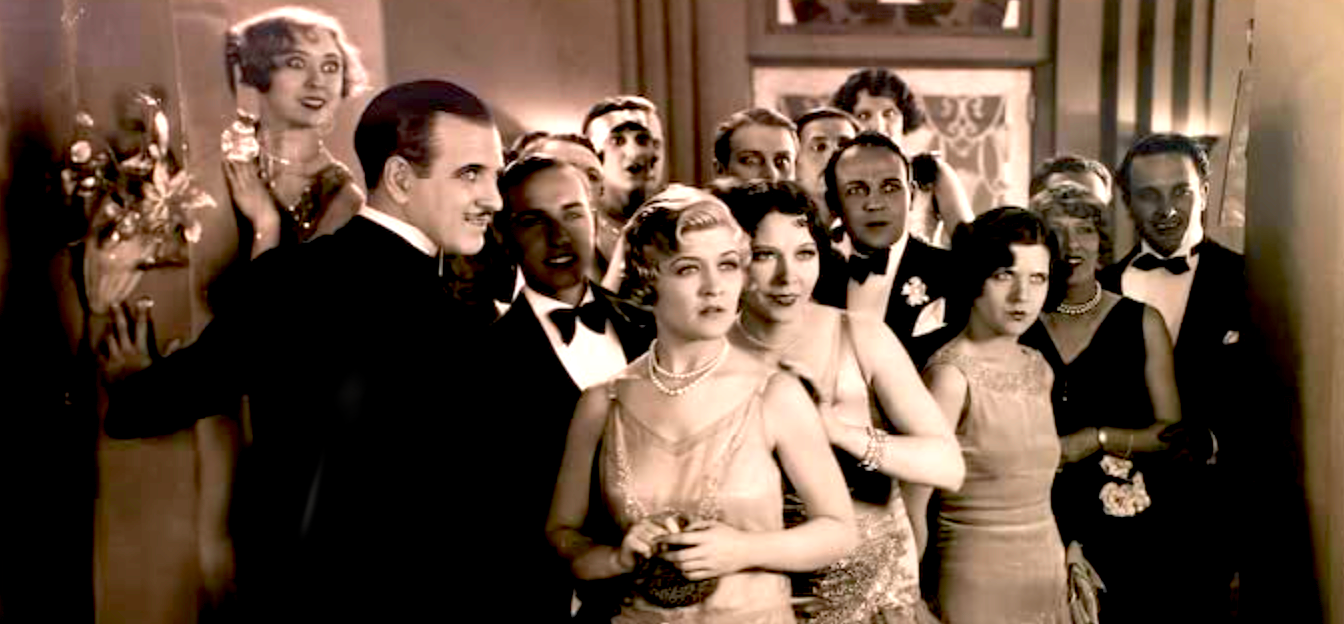
Is this the Wild Life that young ladies are warned about?
Evelyn agrees to accompany her chorus friend Bunny (Jocelyn Lee) to a party, where just a little flirting with the men will earn her $50. Feeling very awkward she catches the eye of Guy Emory (Robert Ellis) and an older man (Norman Trevor) on whom she just can’t seem to make a good impression. But Guy has singled her out. He manages to get her upstairs in a compromising position which our older gentleman sees — and judges. Evelyn makes a quick getaway, only to walk home, where she discovers her belongings thrown onto the sidewalk. Then it begins to rain. Could anything else go wrong? Well, yes, actually. A taxi clatters by and splatters her with mud. But the cab’s fare looks back and orders the driver to reverse course. He’s Paul Harrington (Neil Hamilton), a handsome lad who sees the situation and offers to help.
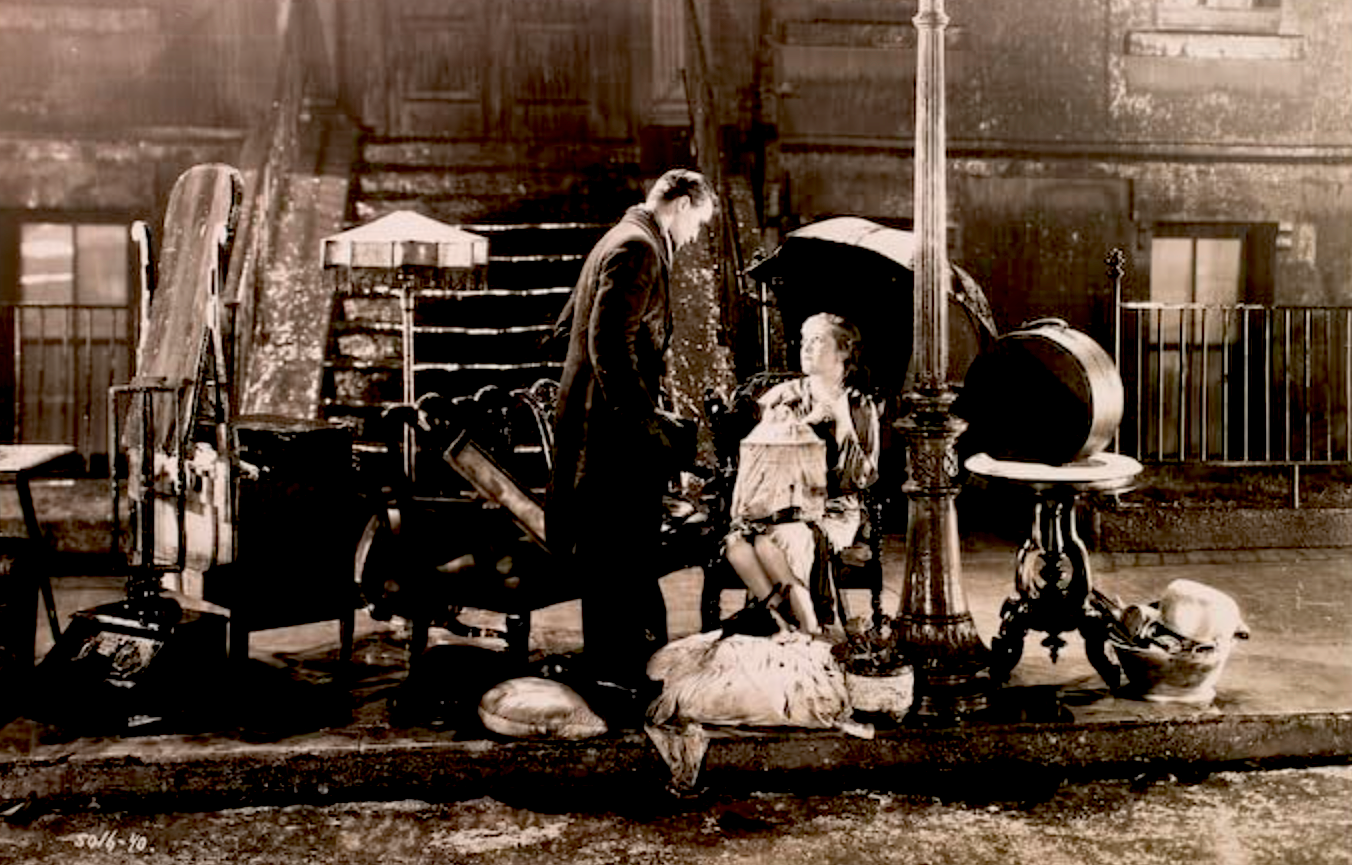
I have a soft spot for Neil Hamilton; anyone from my generation who grew up watching the sixties TV series Batman would understand why. I’ve only seen Neil in two silent films. In 1929’s Why Be Good? (1929) with Colleen Moore, his character bears a close resemblance to this film’s Paul Harrington. A native of Massachusetts, Neil was born in 1899. He began his journey to show business as a model for men’s shirts in advertisements. After working in a few stock companies he made his first movie. That was 1918, but Neil’s career started moving in the right direction in 1923, when D. W. Griffith chose him to be in his The White Rose. Neil costarred with Ronald Colman in the 1926 version of Beau Geste. By the time of our film in 1929 he was making six to eight pictures a year.
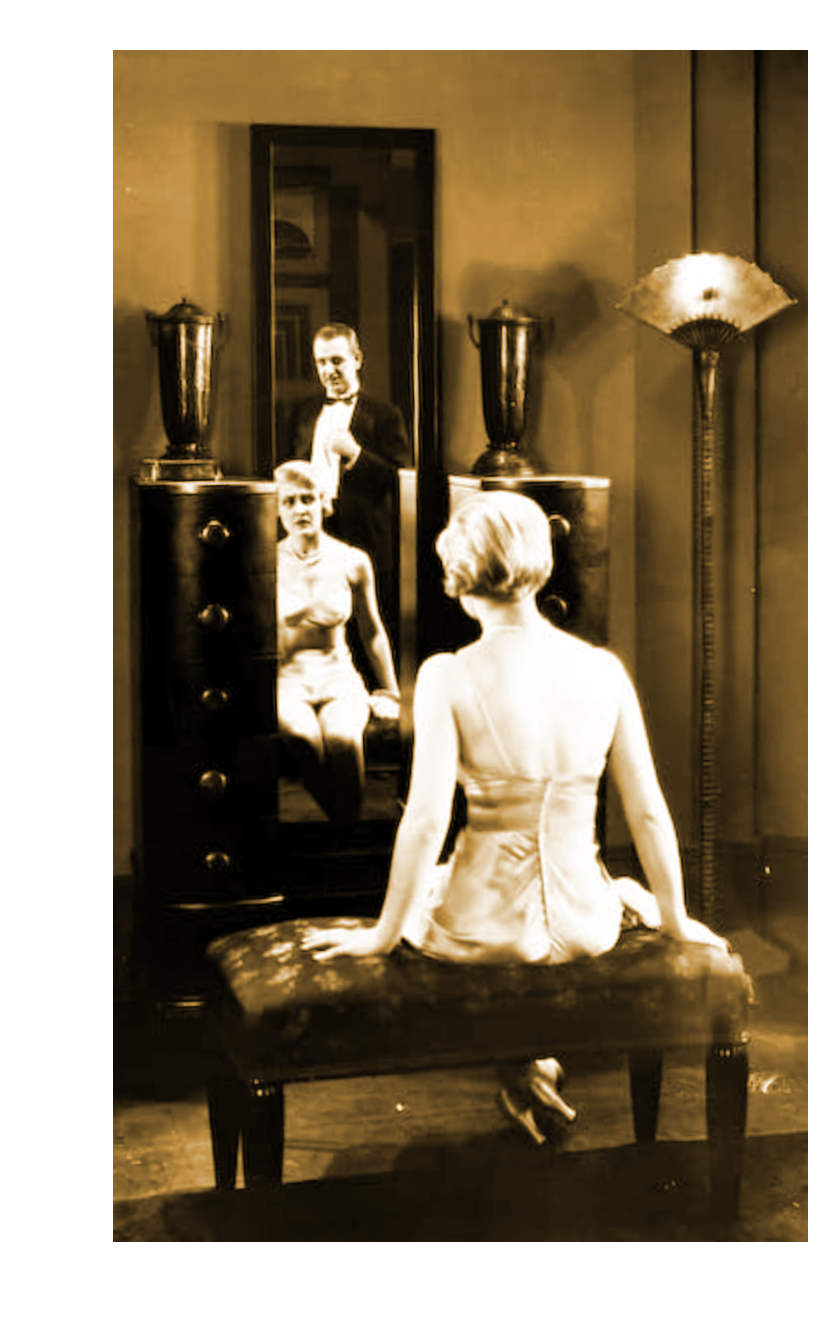
The Love Trap then fast forwards in time. We come upon Evelyn and Paul after a year of married bliss. Paul tells Evelyn that his mother (Clarissa Selwynne) and sister (Rita La Roy) are coming over to finally meet her. Evelyn is excited and nervous all at the same time, so much so that she trips down the stairs and lands in a heap. All goes well however; Mom seems pleased with Evelyn until she begins asking about her family. Evelyn says her family’s name is Todd and Mom asks, “Is that of the Philadelphia Todds?” Hmmm, no. When Paul’s mother discovers her son has married a nobody from po-dunk Illinois, the mood in the room has definitely chilled.
Then Paul’s uncle decides to show up unexpectedly, and guess who he is? He’s the older man Evelyn met at the wild party a year before — and he’s a real judge, Judge Harrington. Evelyn recognizes him immediately and it is soon clear that he remembers her too. Evelyn is once again having a very bad day, and it will get worse before it gets better. What I really like about the story is the way Evelyn takes charge. She resolves her problem by herself, by turning the tables on old Judge Harrington.
And then something new is added: Synchronized sound.
So far, the film has had a musical score and intertitles. Remember that this 1929 film is a part-talkie? In the fifth reel, at about 45-50 minute mark, is when the film begins to talk. The sound quality is fine; the only sour note to my modern ears is the exterior sound effect for the taxicabs.