
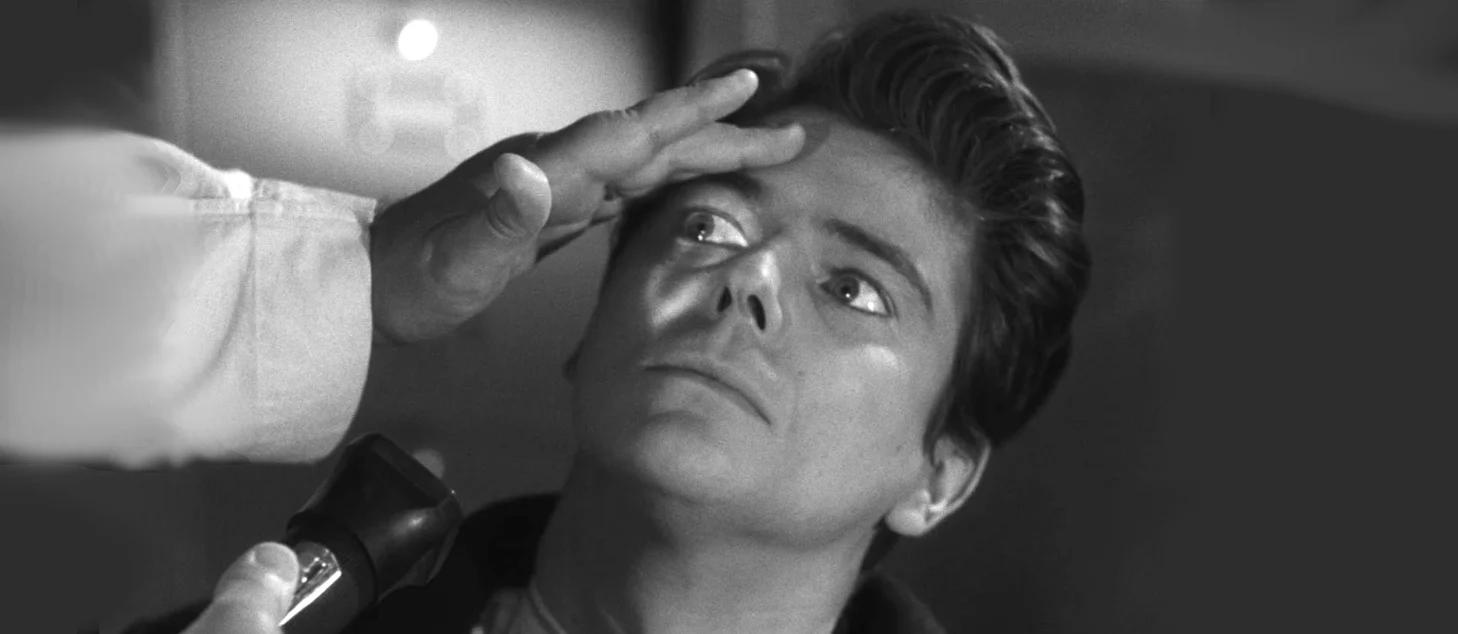
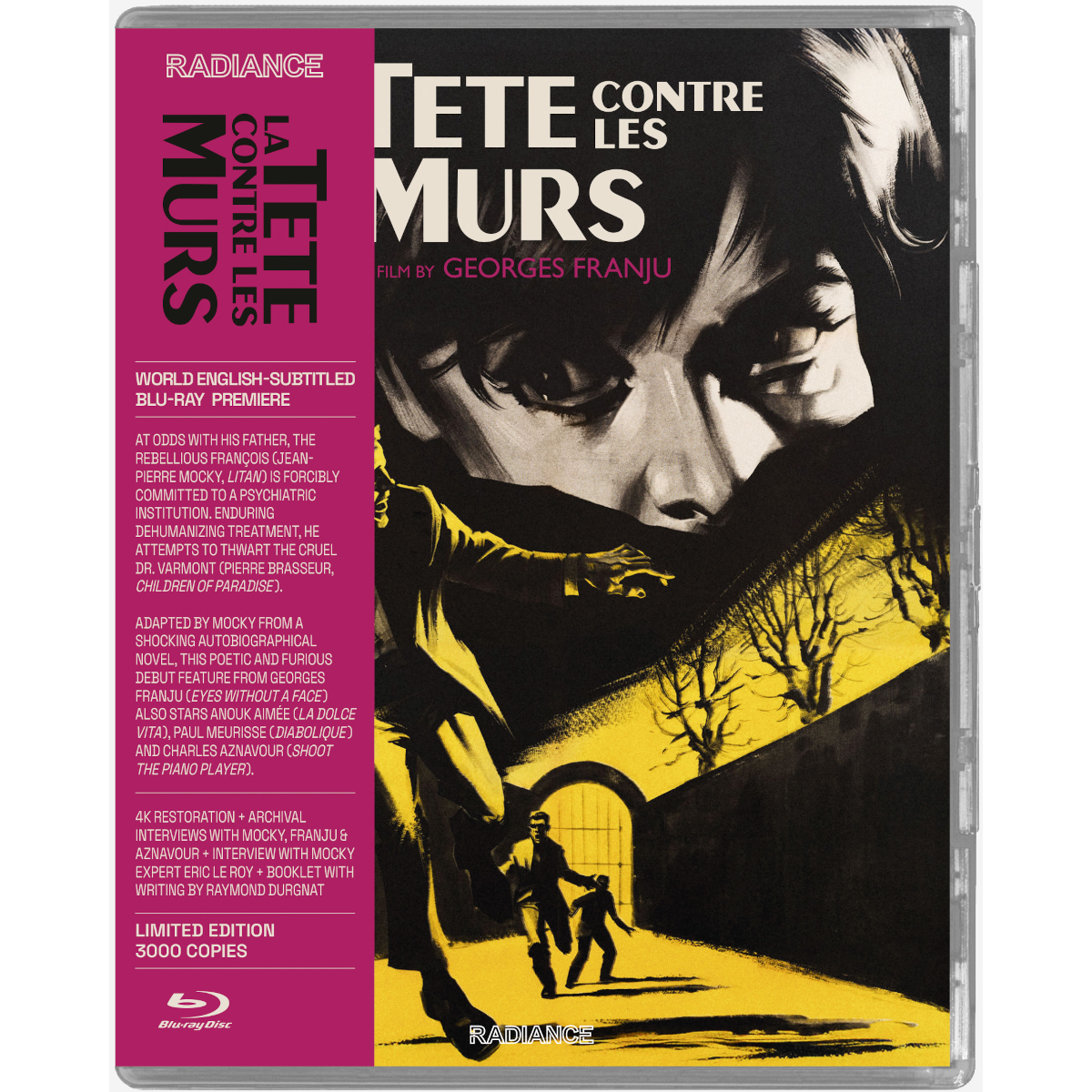

Radiance’s sparkling presentation of Georges Franju’s first film clears up its mysteries with a couple of choice extras. In 1958 Franju was a well-known director of short subjects, most of which mixed reality with the fantastic-surreal. Franju’s shocking The Blood of Beasts gained immortality simply by showing viewers where their food came from, while demonstrating that cruel assembly line butchery is a human routine. Franju’s Hôtel de Invalides contrasts a war memorial and Napoleon’s tomb with the poor treatment of war veterans. Biographical shorts celebrate George Méliès’ magic, and show Madame Curie doing the research that would seal her doom. Franju’s short La première nuit is a magical, romantic trip into the Paris Metro, a surreal masterpiece that uses no outright fantastic images.
Franju was part of the Old Guard when he directed his first feature, which made him the ideological enemy of the New Wave. La tête contre les murs (Head Against the Wall) was initiated and co-written by its main actor, Jean-Pierre Mocky, who wanted very much to direct. The producers instead looked for a name director. Mocky says that he cast the film, which if true means that he helped Franju find the perfect actors for his next show, Les yeux sans visage. So much in La tête contre les murs prefigures Franju’s personal ‘filmscape’ that we wonder if Mocky is correct in his claim.
We’d expect La tête to be an ‘exposé’ on the order of Hollywood’s The Snake Pit. Franju instead delivers a low-key slice of unpleasant reality. Rich kid François Gérane (Jean-Pierre Mocky) has rebelled against his wealthy father. He’s into motocross racing and hangs out with a decadent party crowd. When his friends will no longer give him money to pay his irresponsible gambling debts, he breaks into his father’s chateau to steal some cash. Out of pure malice, he also burns some important legal documents.
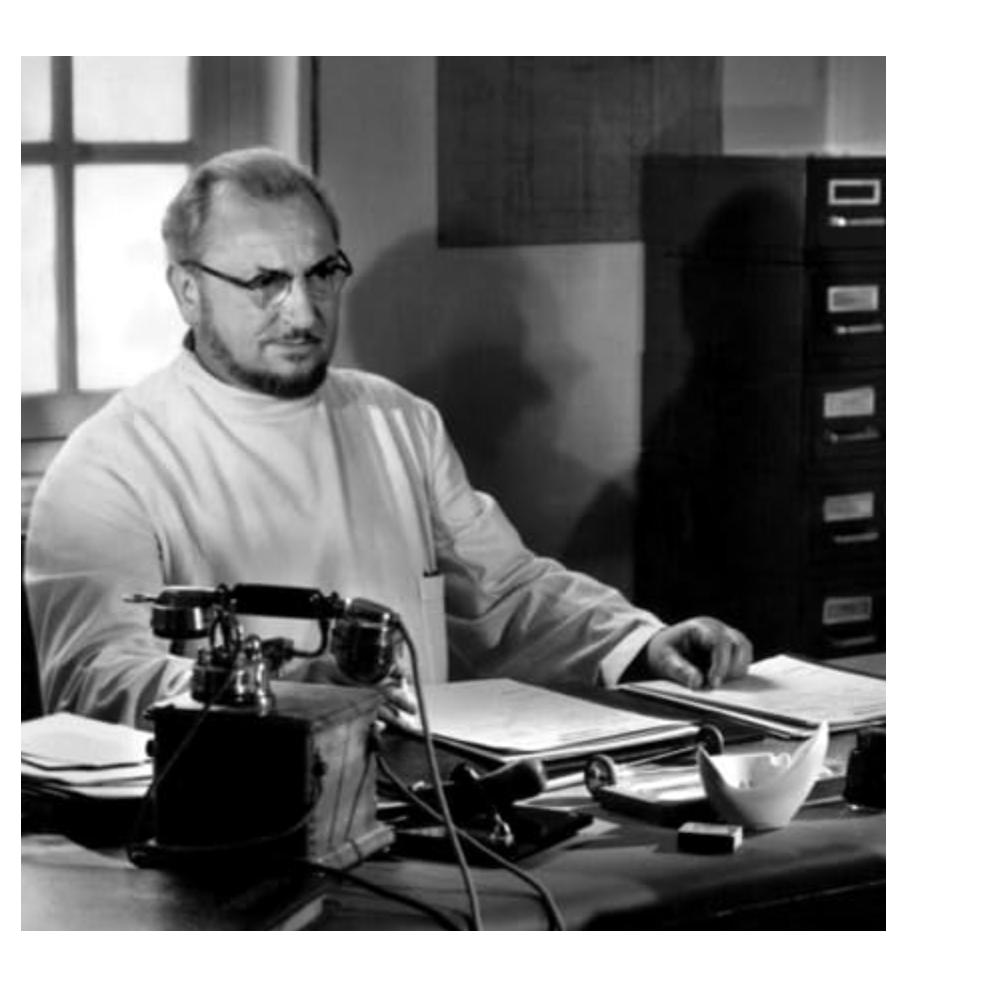
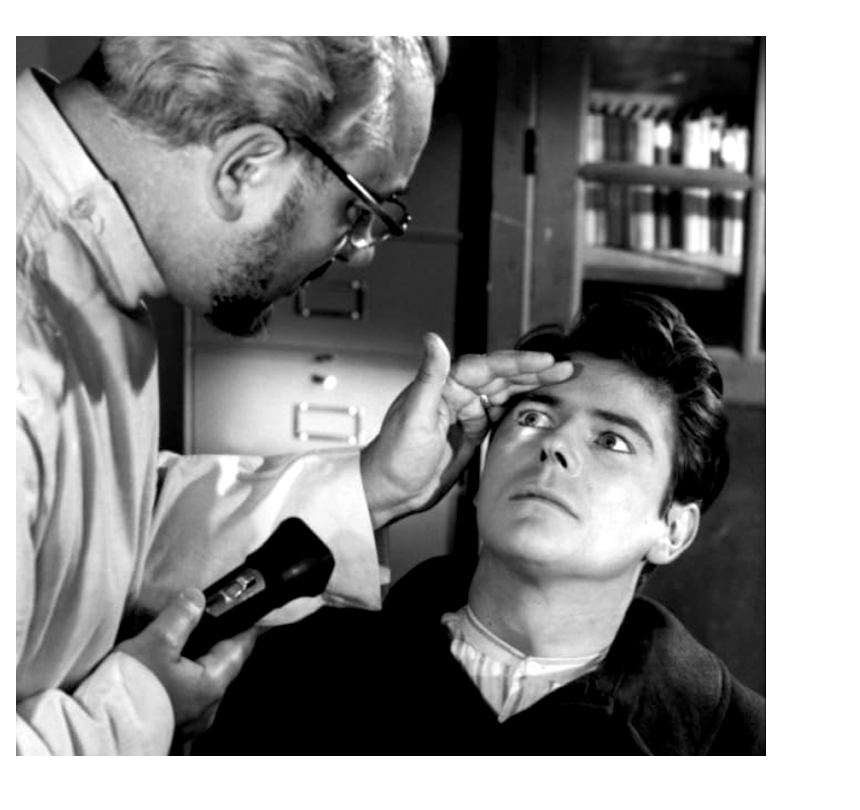
François soon finds himself a new resident of a private asylum in the country. Most of the patients have serious disorders, but his father (Jean Galland) clearly had punishment in mind. The scary part is that the imperious director Dr. Varmont (Pierre Brasseur) sees himself as a caretaker, not a healer. Some of his patients may be dangerous — one runs wild with a saw he has taken from a workman — but most are not. Valmont mentions an incident in which a furloughed asylum patient murdered several people. As far as the doctor is concerned, François is a potential arsonist, and therefore will remain a permanent resident.
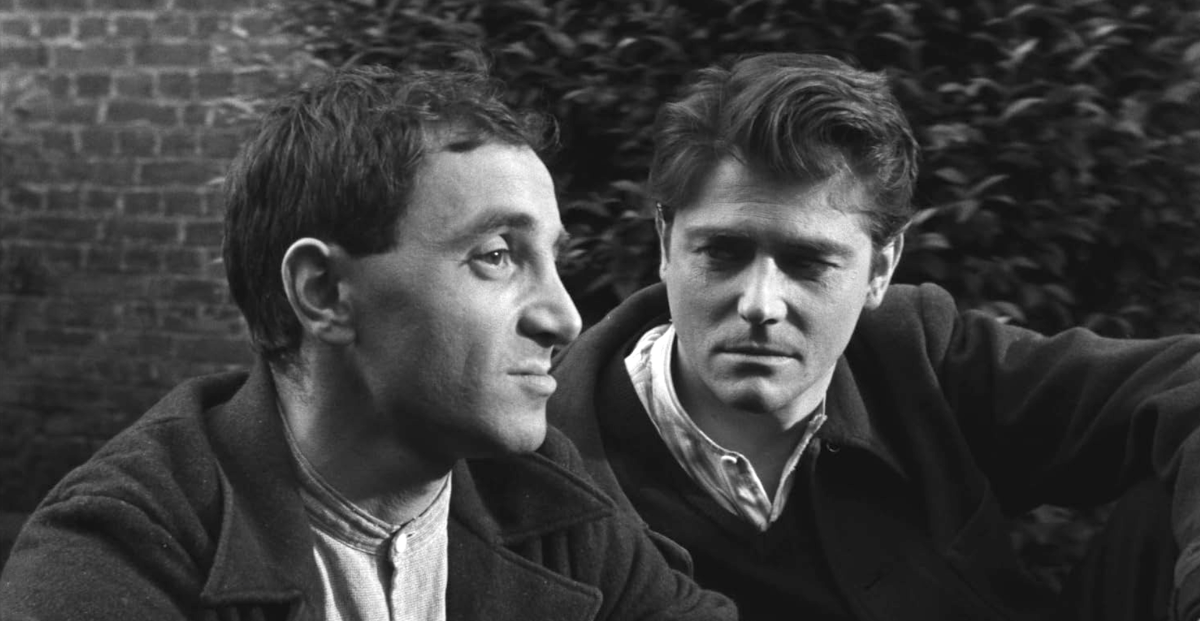
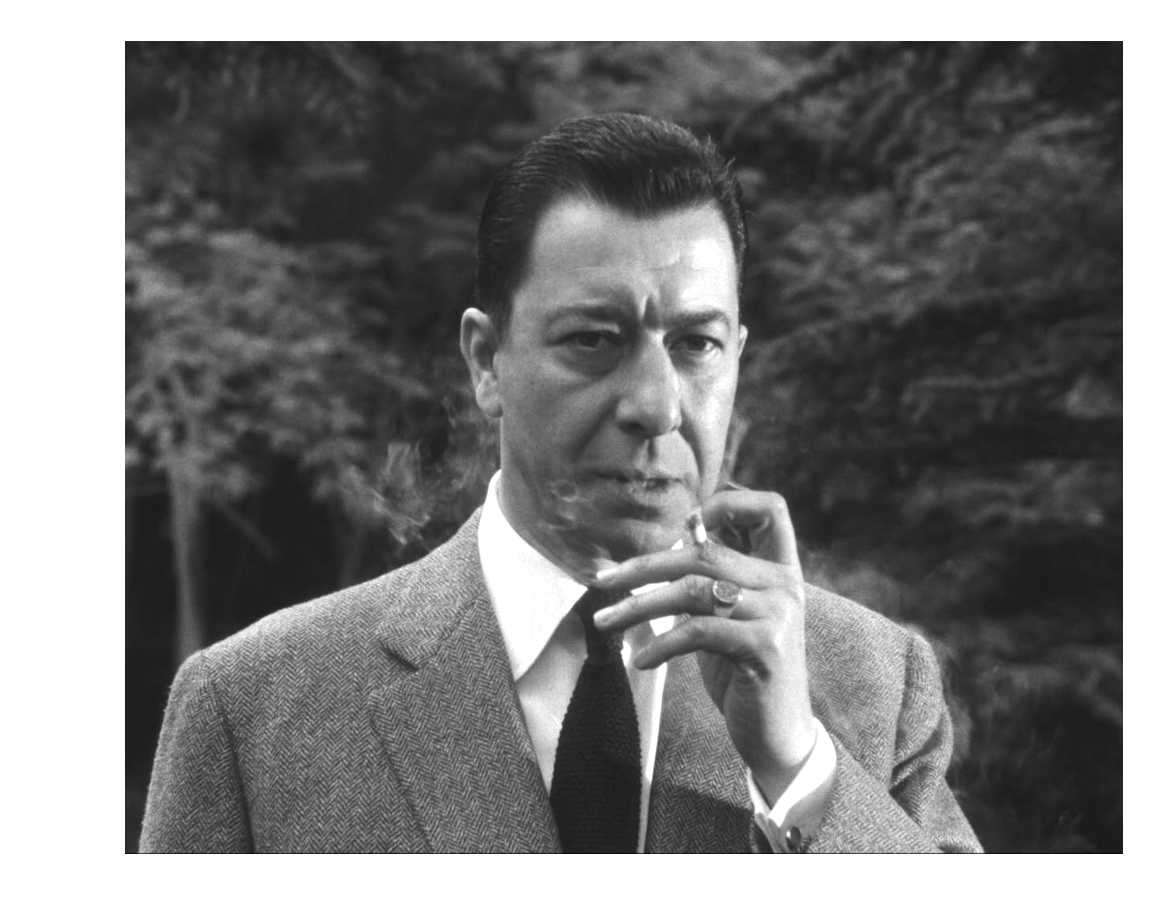
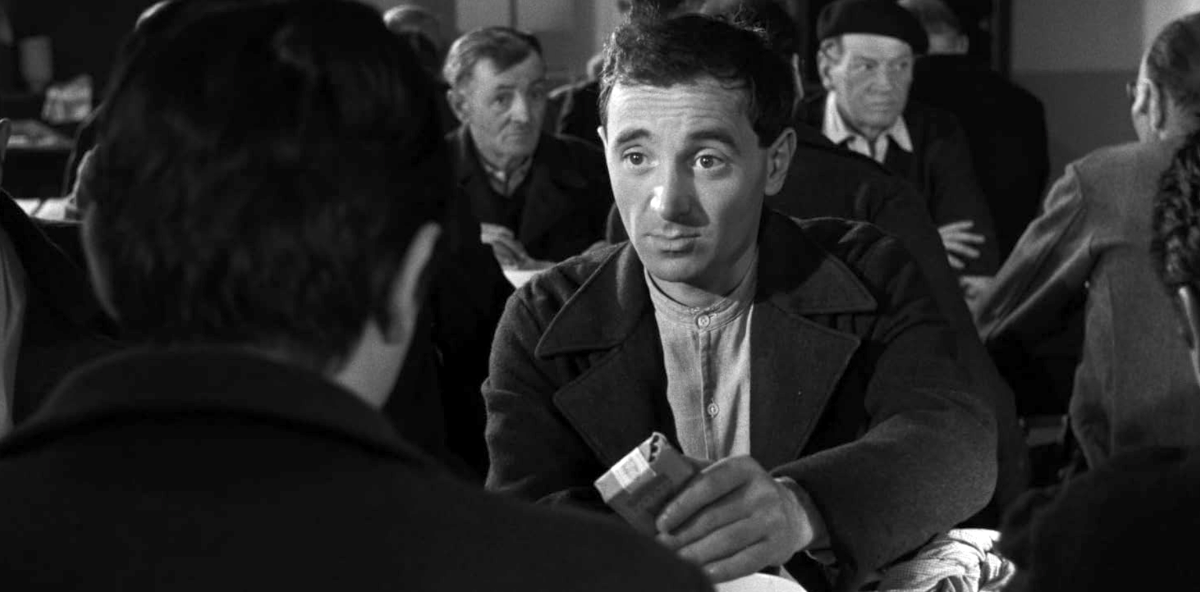
The inmates are mostly a sorry, harmless lot. The most soulful is the sad-faced Hurtevent (pop singer Charles Aznavour), whose only offense is that he suffers from unsightly epileptic seizures. Hurtevant interests François in trying to effect a transfer to the clinic’s other director, Dr. Emery (Paul Meurisse). Emery’s humanist approach is completely different. Hurtevant and François also plot to escape together.
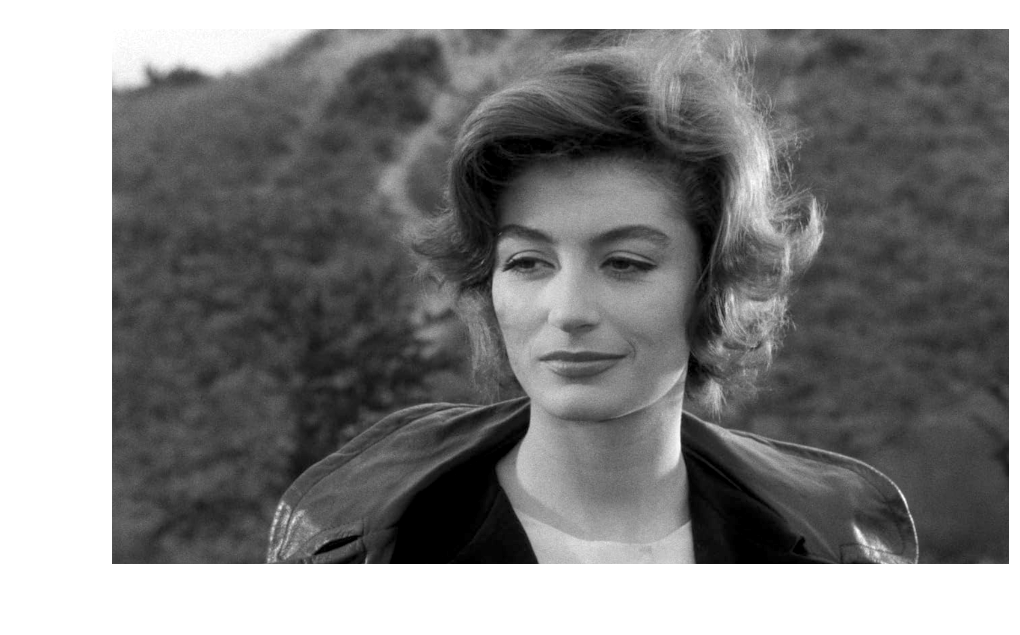
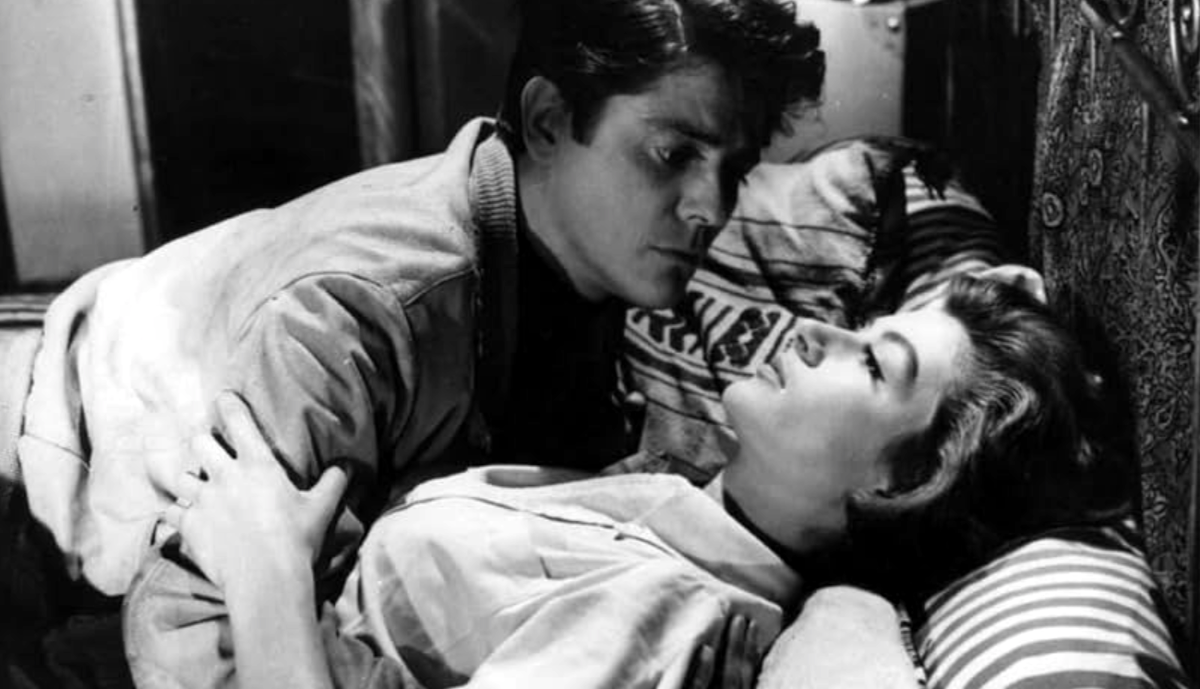
François’ main motivation is Stéphanie (Anouk Aimée), a woman he met the day before he was committed, and who is his only visitor at the asylum. He wants out but has few options. Stéphanie encourages him to make peace with his father. But a meeting goes poorly, with the father convinced that François is beyond redemption.
Escape attempts follow, which confirm for Dr. Varmont that François is a threat to society. The stress makes Hurtevant suffer a seizure, which further demoralizes the sad, inoffensive man. François then connects with another inmate who has a fairly good idea for an escape. In his brief bid for freedom François gets a job at a gambling parlor, The world outside seems changed: the hypnotized, twitching gamblers look just as unhealthy as the worst asylum cases.
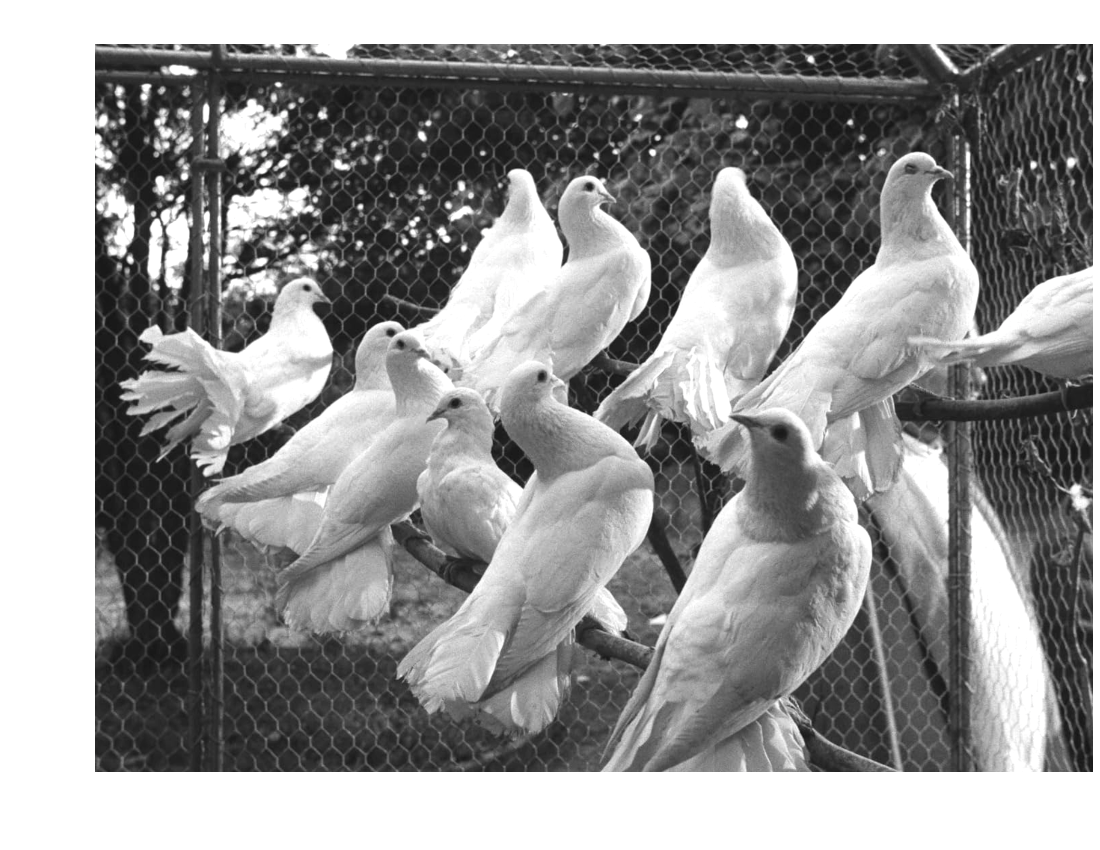
La tête contre les murs is not as strong as George Franju’s later Eyes without a Face or Judex but it bears the essence of the director’s style and personality. The quiet countryside often looks ominous, and several scenes feature doves — Dr. Emery’s patients care for a large cage of the birds. Dr. Varmont feels very much like a warm-up for Pierre Brasseur’s monstrous Dr. Genessier — they share a hubris and hauteur borne of privilege and presumed superiority. Dr. Varmont is of course more of an everyday monster … flaunting his power over those around him, tormenting individuals with impunity.
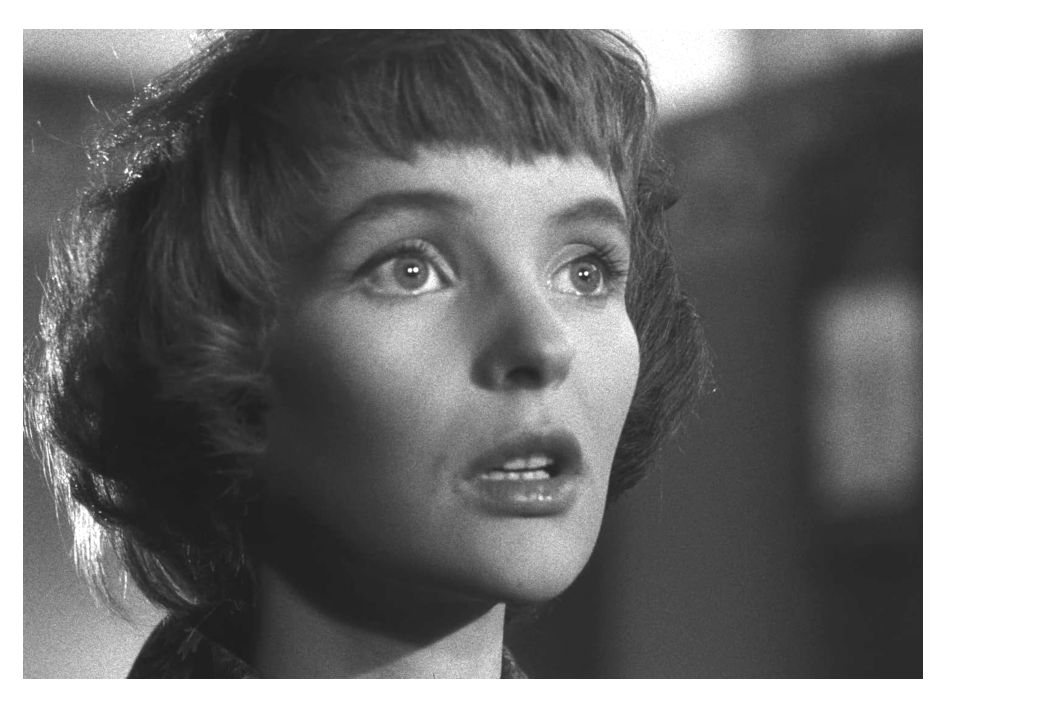
Of special note is the brief presence of Edith Scob, who sings during a church service. It’s just 4 or 5 angles on the actress as she stares and sings, inter-cut with the faces of other patients. Later interviews with George Franju state that he found Ms. Scob to be a magic presence — she would become a stand-out in all of his major features.
La tête contre les murs certainly works as a drama. But our identification with François Gérane is not particularly strong. He begins as an unpromising delinquent full of hate for his father, the death of his mother being a point of dispute. He’s already a petty criminal. We assume that his rich & connected father had François committed without trial, with the burning of some papers inflated to brand him as a dangerous arsonist.
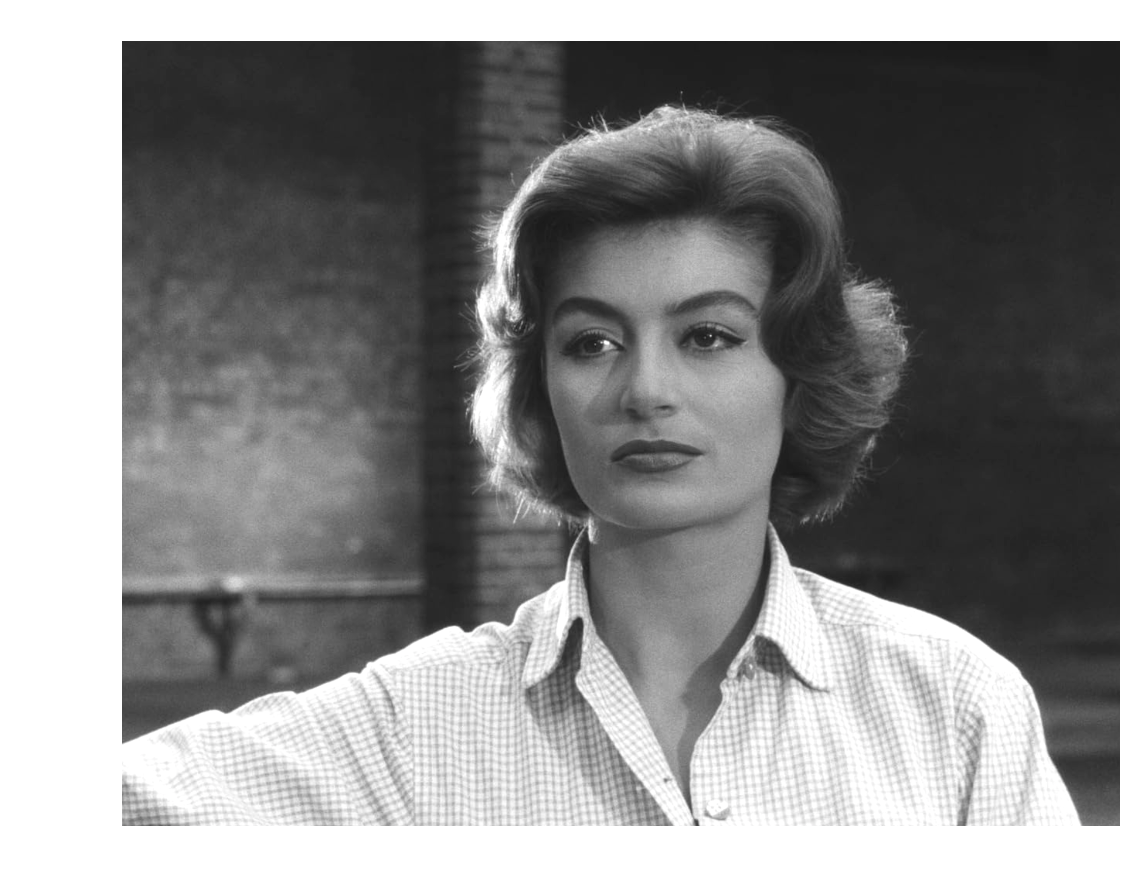
Anouk Aimée’s Stéphanie cannot help but be an appealing presence, but we don’t share her commitment to François. She’s the sister of one of his creditors, and connects with him after a single (rather obnoxious) conversation and one motorcycle ride. Stéphanie berates François for almost running down a kid with his bike. It seems to be a given that the most interesting ‘girls’ can’t resist disaffected, selfish jerks.
There’s plenty of credibility in the central performance but also a lack of charm. For us the magic is kept aloft by the eccentric, lyrical music score by composer Maurice Jarre, whose first credit for Franju was back in 1952. A discordant main theme gives way to a typical elegant Jarre waltz to accompany Anouk Aimée’s Stepahnie.
We’re told that dramas criticizing civil institutions were not a big audience draw in France.La tête contre les murs was well-received by critics and commentators for its depiction of a questionable mental health system. But audiences reportedly didn’t go for it in a big way. The IMDB suggests that it was never officially released in the U.S.. We of course learned of it in critic Raymond Durgnat’s Franju book. For twenty years, that thin volume was one of the few sources in English that offered anything about the fascinating Georges Franju.
It’s just nuts that Therese and Thomas L’Imposteur have never had a dvd release, let alone a blu-ray. And you are correct: I and other Franju fans pre-ordered this disc months ago. Thanks for reviewing (as always).