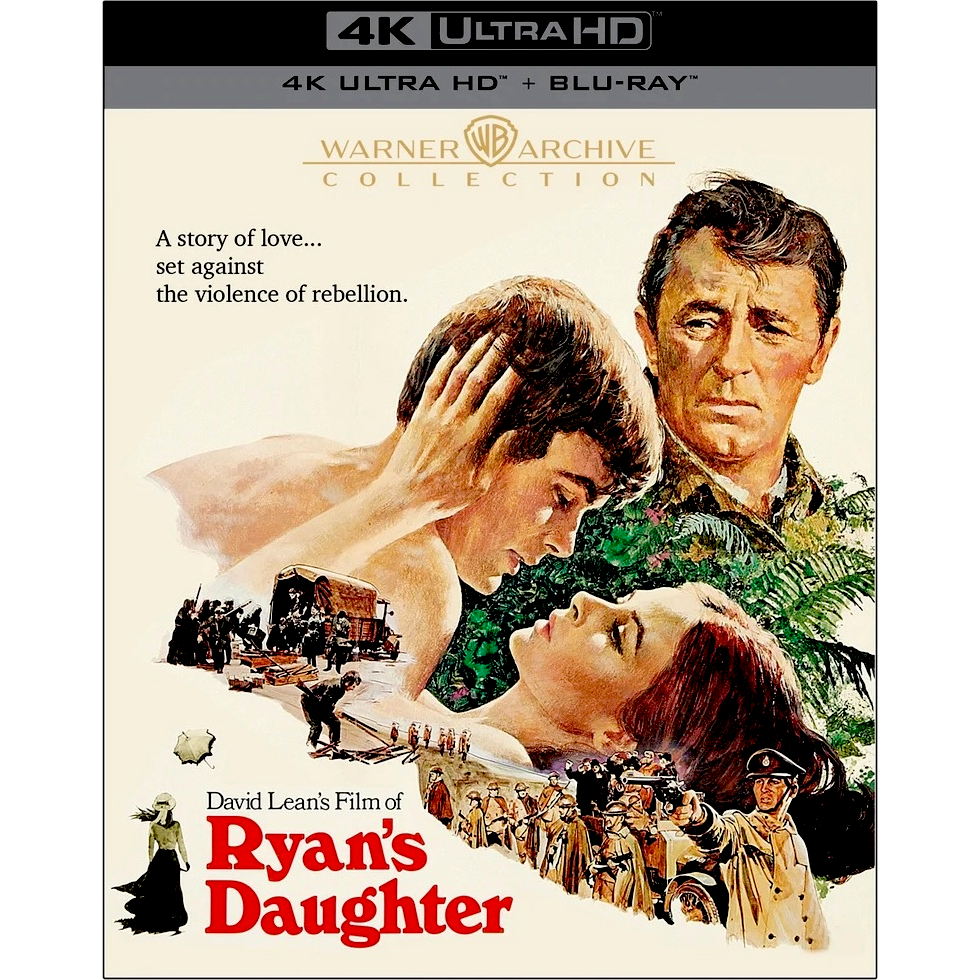

 Do new IMAX movies have the same visual impact as 70mm presentations once did? We were knocked out by Robert Harris’s restorations of Lawrence of Arabia and Spartacus, each filmed in an extra-large negative format. The great David Lean followed up Lawrence with perhaps the most beautiful 70mm production to date, Ryan’s Daughter. The grand project premiered just as the film industry turned away from exclusive Road Show presentations. Almost exactly one year before, MGM’s James T. Aubrey abruptly shut down Fred Zinnemann’s massive epic Man’s Fate, pulling the plug just as filming was to begin.
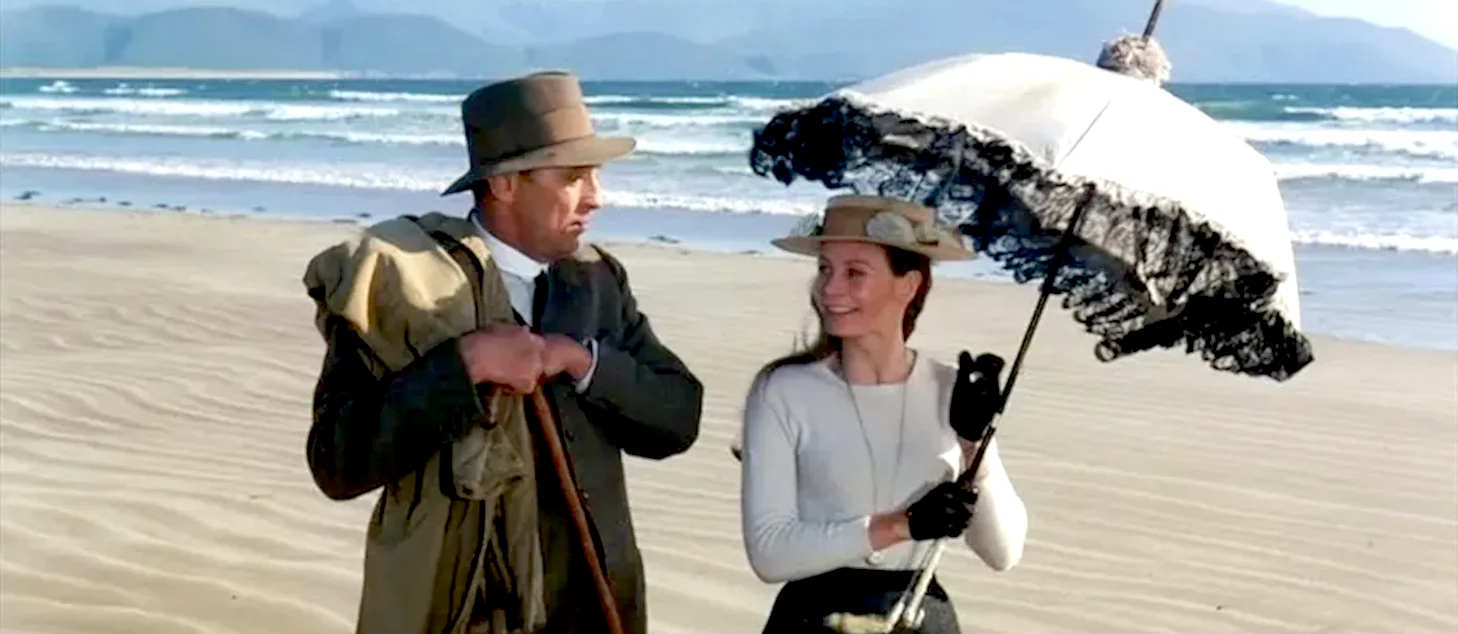
David Lean had years ago turned from relatively modest productions to Road Show extravaganzas with The Bridge on the River Kwai. Ryan’s Daughter was his fourth Road Show, and the first not to be a roaring success. It was generally under-appreciated by both the critics and the public. In 1970 kids my age didn’t respond to posters showing girls and umbrellas, and the advertising did not stress the intense visual experience. The movie was rated ‘R,’ yet what remained of the adult mass movie audience may not have been pleased to see a sex scene in what they still expected to be family entertainment.
Numerous critics slaughtered David Lean’s film, calling it an overblown, overlong piffle of a picture. Pauline Kael was by this time very influential; for some pictures, her disapproval was the kiss of death. She damned it as “Gush made respectable by millions of dollars tastefully wasted.” Kael had hated Lean’s Doctor Zhivago as well, to the point of calling its ending a perverse endorsement of the Soviet Union. The box office failure of Ryan’s Daughter contributed sadly to the demise of 65mm as a camera format for widescreen movies.
Ryan’s Daughter is actually one of David Lean’s better films of his later blockbuster period. It doesn’t sprawl, and neither does it try to encapsule the entire Russian revolution in a couple of hours. As a short story narrative playing within an epic context, it resembles one of Lean’s earlier B&W dramas. In the history of attempts by big-time filmmakers to do something different and creative, this stands out — it’s an intimate film on an epic scale.
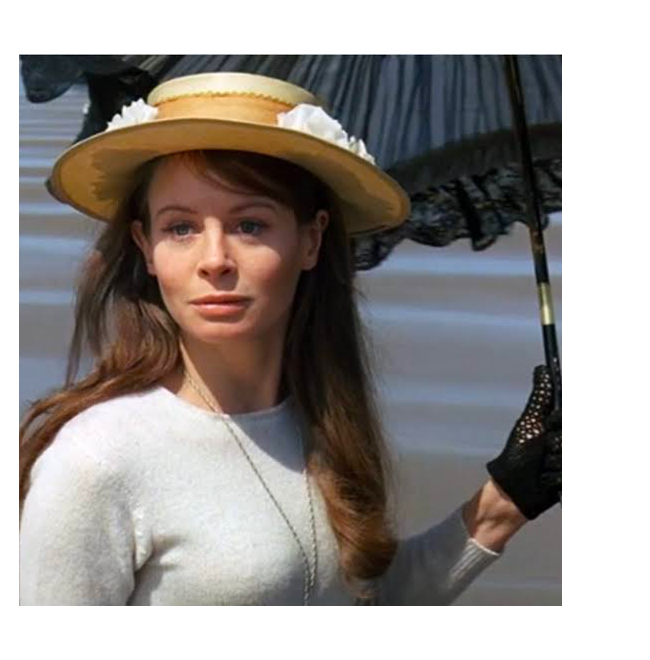
In the impoverished town of Kirrary in the west of Ireland, publican Thomas Ryan (Leo McKern) spoils his daughter Rosy (Sarah Miles) with unheard-of fineries, such as a lace umbrella. World War I is raging on the continent but Rosy’s attention mind is on other things — she’s set her cap for widower Charles Shaughnessy (Robert Mitchum), the educated local schoolmaster. Although twenty years older, Charles cannot resist Rosy and they plan to be wed. The town priest Father Collins (Trevor Howard) is dismayed to hear Rosy describe her unrealistic expectations for marriage: She expects marital passion to cause a transformation, to ‘give her wings.’
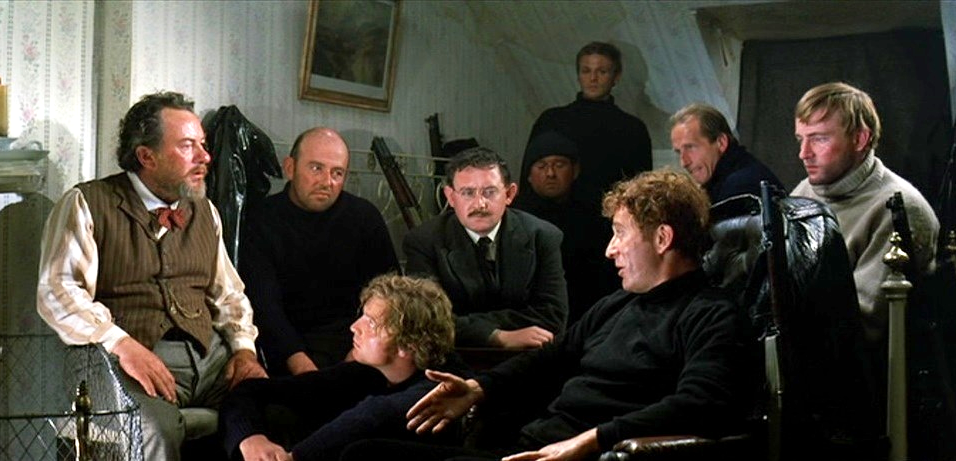
The war comes to the town with two new arrivals. Major Randolph Doryan (Christopher Jones) arrives to take command of the local army detachment. Doryan is young and handsome, and severely shell-shocked. A nervous wreck, he has trouble holding a cigarette. Sneaking into town, to make contact with his special agent, is the famous/notorious Irish rebel Michael O’Leary (Barry Foster). The ‘Easter Uprising’ in Dublin has failed, but the general public is leaning to the side of the rebellion. O’Leary plans to open a second front against the British occupiers — Kirrary is to receive a smuggled shipment of German guns.
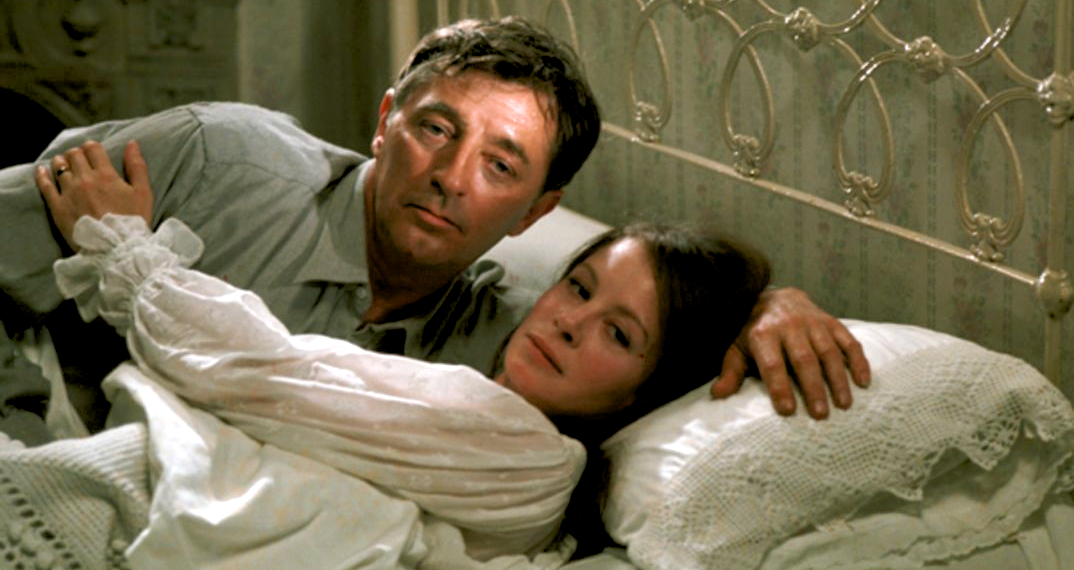
Ryan’s Daughter was no Easy Rider. It wasn’t the attraction to hook the crowd in line to see Woodstock for the fifth time. Yet David Lean’s film has everything going for it as both art and entertainment. Rosy Ryan’s story has a universal relevance. Her love scenes are an early example of a bold use of the new MPAA freedoms. In his insightful book Breaking In, Selling Out, Dropping Dead, William Bayer praised Lean’s handling of Rosy’s big sex scene, describing Sarah Miles’ performance as dancing rings around the so-called liberated erotic filmmaking of the time. The ‘R’ rating category had put a lot of random nudity on screen, but Bayer wrote that Rosy’s ‘discreet orgasms’ were truer to the meaning of real sex than anything yet put on film.
It can be argued that Lean’s movie, period costumes and all, was actually more relevant to the Vietnam situation than America’s counterculture films of the time. With millions dying in France, much of Ireland would sooner side with the Germans than support the British. And anyone appearing to side with occupiers, such as Rosy, is asking for trouble. According to the vicious (or patriotic) Mrs. McCardle (Marie Kean), “There’s loose women, there’s whores, and there’s British officer’s whores.”
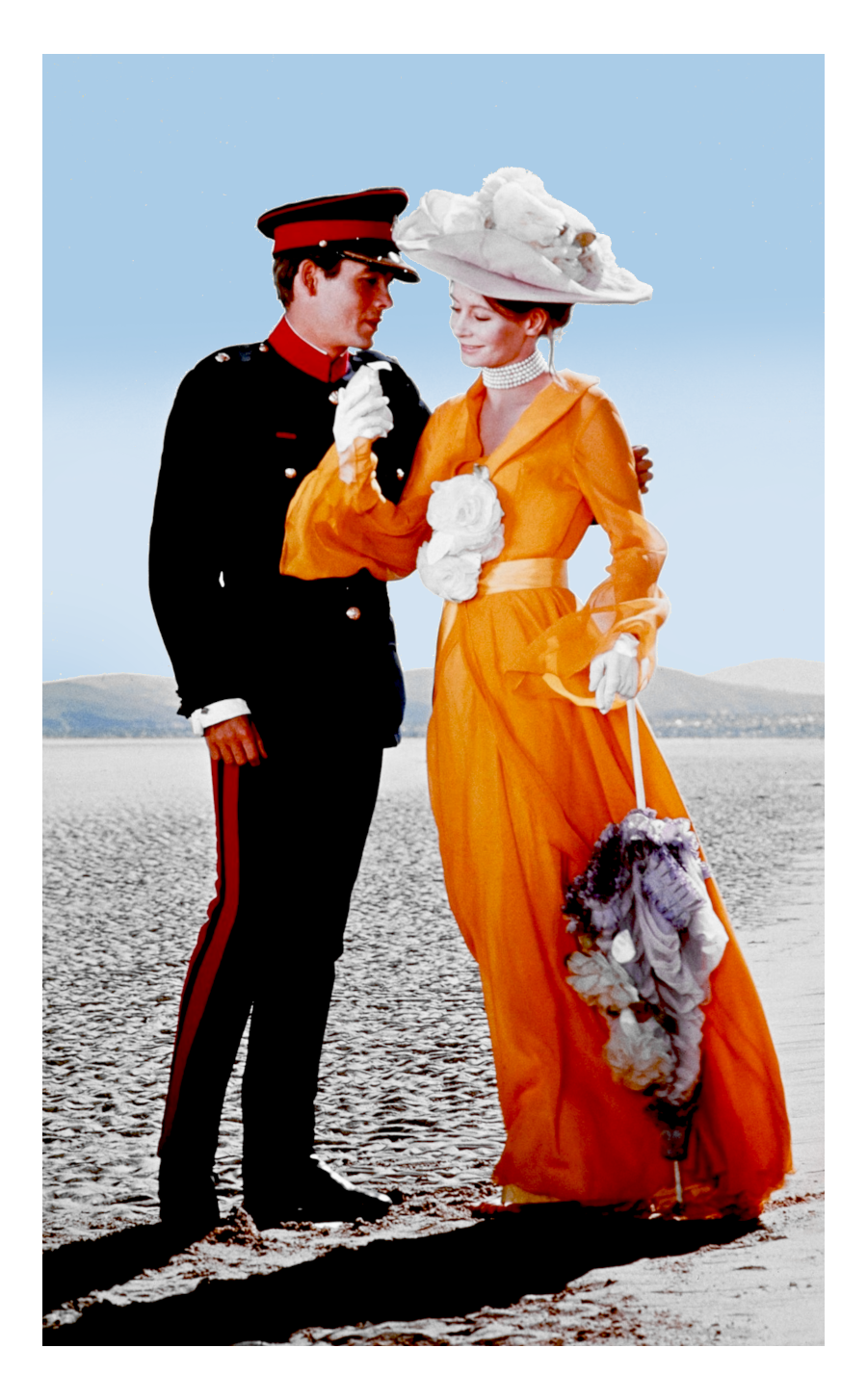
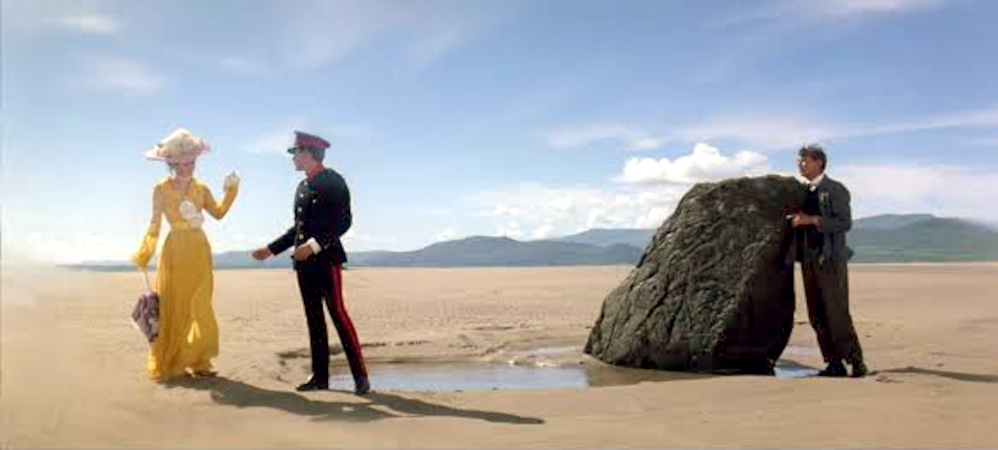
Ryan’s Daughter’s intimate drama plays out against a gigantic natural background. A central delight of Lean’s film are his breathtaking vistas, such as a view of a vast empty beach with cloud shadows moving over it. The spectacle is an end unto itself. The film has impressive set pieces that just can’t be seen elsewhere, starting with the enormous storm sequence. Lean’s poetic bent could sometimes be overstated. It is at its best in the wordless beach scene in which Robert Mitchum’s Charles discovers tracks in the sand. He slowly puts together a sequence of dreaded events, the rendezvous between his wife and her lover on the beach a few hours before. Time and space are warped when Charles shares the same frame with idealized versions of the lovers as he imagines them. Some of the most influential critics dismissed David Lean’s poetic effects as outdated, invalid. Ryan’s Daughter makes him seem the cinematic equal of any filmmaker going.
Spectacles for today’s audience sare mostly fantasies conjured given shape in computers. Fewer modern films employ grand symphonic movie scores. When Rosy and her Major meet in her father’s bar, the screen goes nuts with Maurice Jarre’s music, expressionist lighting effects and shock cuts to battle action in the Marne trenches. New generations of filmgoers respond to expressionistic effects but don’t often see them used with David Lean’s editorial precision. The aural excesses of Ryan’s Daughter no longer seem so jarring, or Jarre-ing.
David Lean was enamored of symbolism in his visual poetics, as seen in a few cutaways to flowers. A death wish plays out at the instant the sun sets, serving as a thematic mirror to the match strike that ‘creates the sun’ in Lean’s Lawrence of Arabia. Unlike the shots of posies and icicles in Dr. Zhivago, Lean doesn’t try to make pretty pictures substitute for verbal poetry. Lean made the most of the classic film industry’s biggest canvas. The vistas of wild Irish beaches knock us off our feet, augmented by stormy surf in South Africa and Portugal. In 2002 the Motion Picture Academy presented a restored 70mm print of Ryan’s Daughter in their biggest theater, which became a top-ten memorable movie experience. They are so far and few between now.
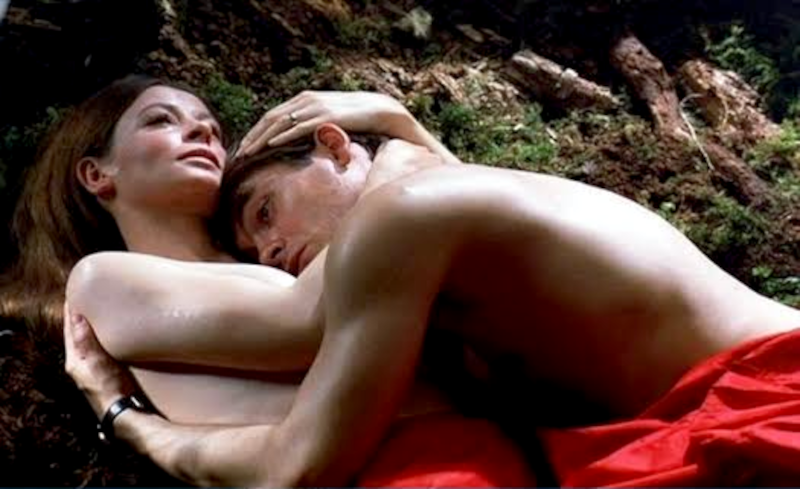
Sarah Miles carries Ryan’s Daughter’s most difficult role. Rosy Ryan may be a delirious dreamer, but we never give up on her, despite the poor survival record for history’s passionate young women that dare to seek a ‘natural ecstasy’ in life. When nature beckons, reason is tossed away. Rosy’s romance with Major Doryan is indeed a disaster than needs to burn itself out, but while it lasts she’s alive in a way she will never be again.
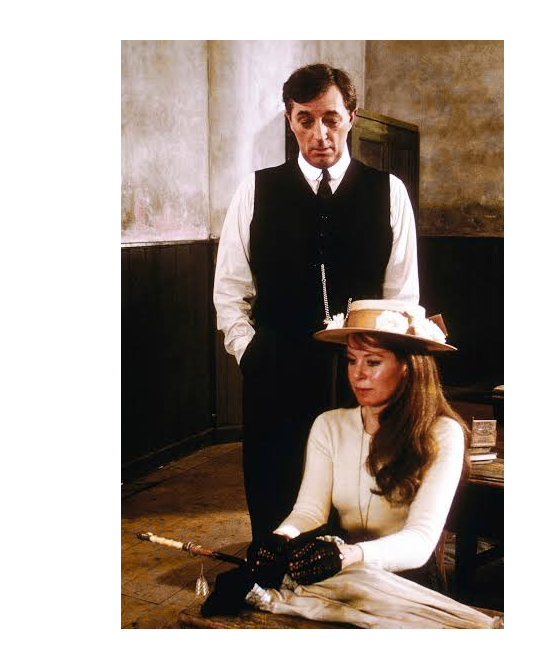
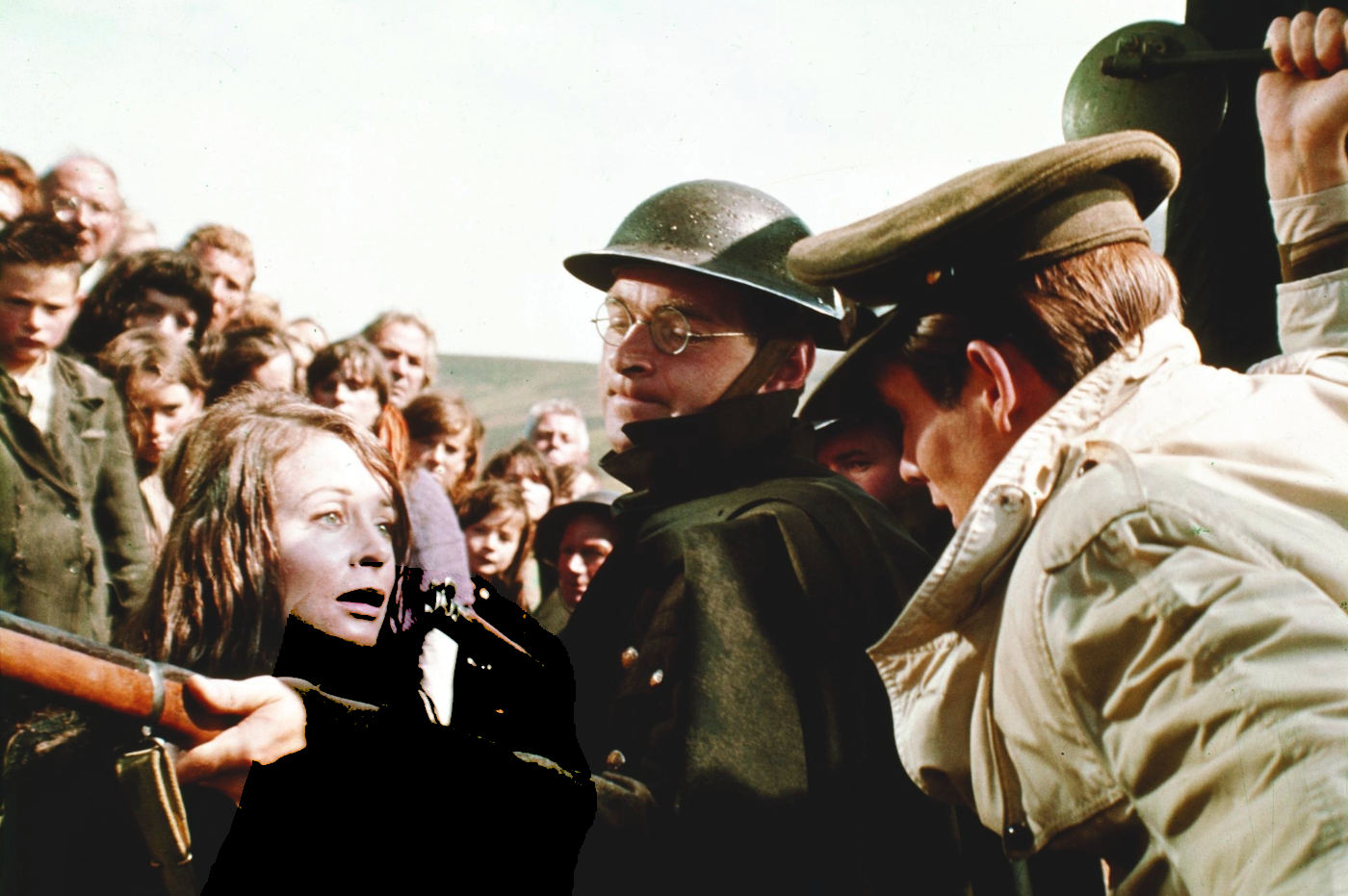
The big sticking point for some viewers was Robert Mitchum … thanks to Mitchum’s enduring tough-guy screen persona, some viewers would not accept him as a decent and mild-mannered man incapable of throwing a punch in anger. The popular view of Ireland was the postcard fantasy of John Ford’s The Quiet Man, in which America’s favorite he-man behaved meekly throughout Act One. But we were conditioned to assume that the star was only marking time: he’ll be all the more he-manly when it comes time to knock a few heads together in Act Three. Ryan’s Daughter doesn’t keep that bargain. Audiences felt betrayed when Mitchum’s Charles Shaunessy doesn’t single-handedly put down an Irish lynch mob. Charles instead remains nonviolent, and waits for Rosy to return to him under her own steam.
A look at Mitchum’s career reveals payday films that he cruised through with his eyes half shut. But also gave everything he had to projects he really cared about: The Wonderful Country, The Night of the Hunter, Ryan’s Daughter, The Friends of Eddie Coyle, The Yakuza. The difference in his commitment is dramatic. He’s really fine in this role, expressing heartbreak while maintaining a quietly hopeful outlook.
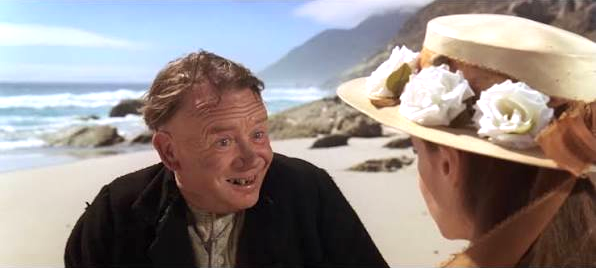
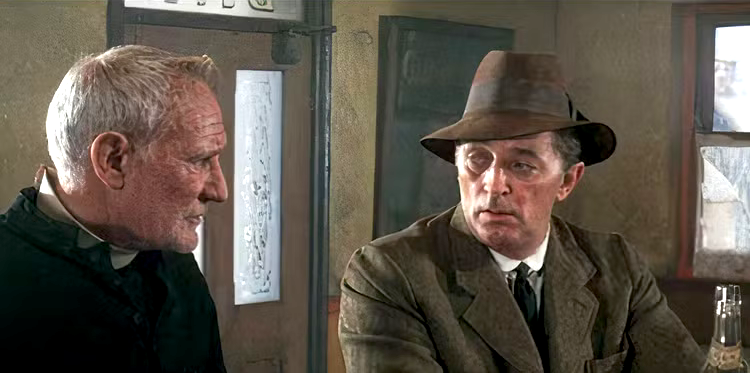
Lean’s stalwarts Trevor Howard and John Mills more than hold up their ends. Howard keeps the plot rolling, as he fails to make a dent in Rosy’s romantic fantasies. Mills’ dramatic fool character Michael becomes sort of a fly-on-the-wall gargoyle, watching over many events but comprehending little. He’s also the only man to be shown shedding tears for Rosy. Mills’ Oscar win is a fine thing, as the character must have been a challenge for the actor and a gamble for the director. Mills works through a makeup job that Lon Chaney probably would have approved of.
We don’t mind John Mills’ extreme characterization, and we don’t think that Robert Mitchum was miscast. The real catastrophe, casting-wise, was the filmmakers’ giving the nod to Christopher Jones on the basis of his performance in The Looking Glass War. They must have known that Jones’ English accent had been dubbed for that film. Jones was born in Tennessee and was better known as the star of American-International’s youth rebellion pictures Wild in the Streets and Three in the Attic. As it was, the character of Major Doryan was based on poses and looks, which Jones certainly delivered well.
By contrast, Barry Foster’s inspiring revolutionary is on screen for about fifteen minutes, and sketches a stiffing, multi-leveled character. Lean loved directing political fanatics. We always thought the most vivid character in his Doctor Zhivago is Tom Courtenay’s fanatic Strelnikov.