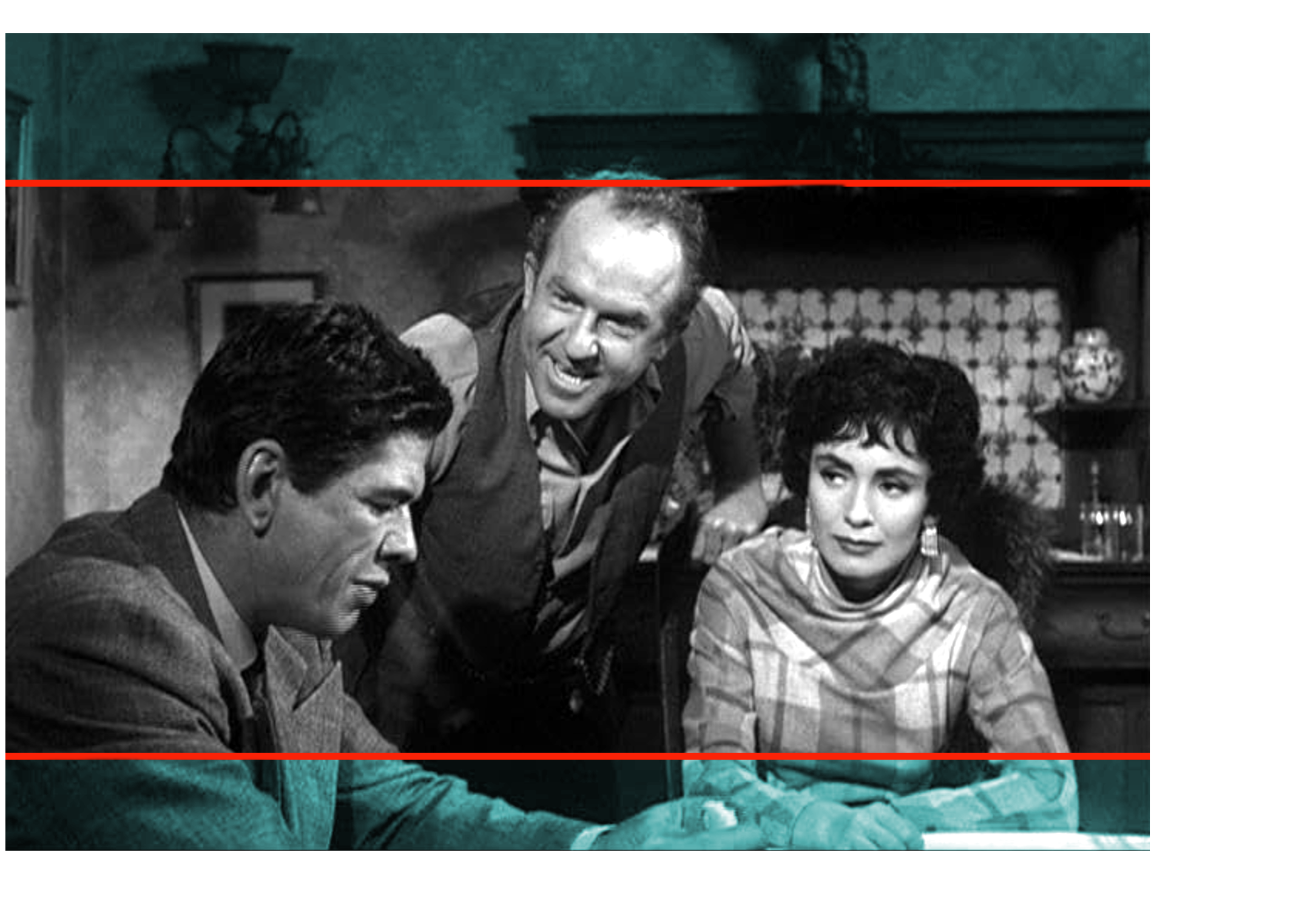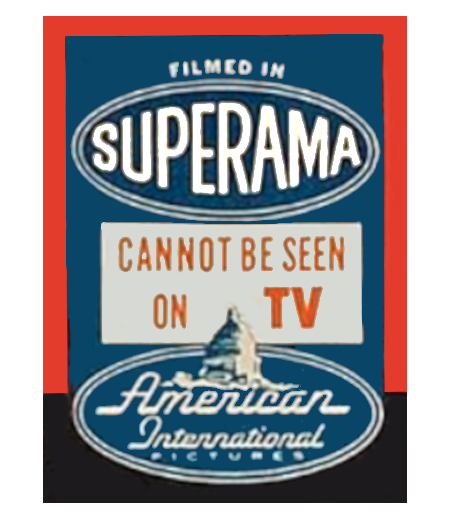

 By 1958 Roger Corman had won a reputation as a maverick who produced consistently profitable exploitation pictures on tiny budgets. But with Machine-Gun Kelly Corman finally began to attract interest as a quality director. It was American-International that suggested a gangster picture, along with the Sci-fi story that would become Teenage Cave Man. A.I.P. filmed those two pictures plus The Bonnie Parker Story in a system they called Superama. That format has caused a lot of confusion; we describe it below.
Machine-Gun Kelly got a lot of attention from the French critics of the New Wave, that praised independent filmmaker over most studio production. Don Siegel’s similarly modest gangland thriller Baby Face Nelson, starring Mickey Rooney, also benefitted from the critical praise. Here in America, Roger Corman’s show was just more grist for the drive-in mill. Screenwriter R. Wright Campbell’s tight storyline offers sharply defined characters in constant interpersonal conflict. Subtext and motivation are right on the surface, especially concerning Charles Bronson’s psychotic anti-hero. The historical George R. ‘Machine Gun’ Kelly was a authentic public enemy of the early 1930s. His legacy rests on two facts: he is credited with coining the term ‘G-Man.’ He was also one of the few rural bandits that did not go down fighting. When cornered, Kelly surrendered on his knees without firing a shot.
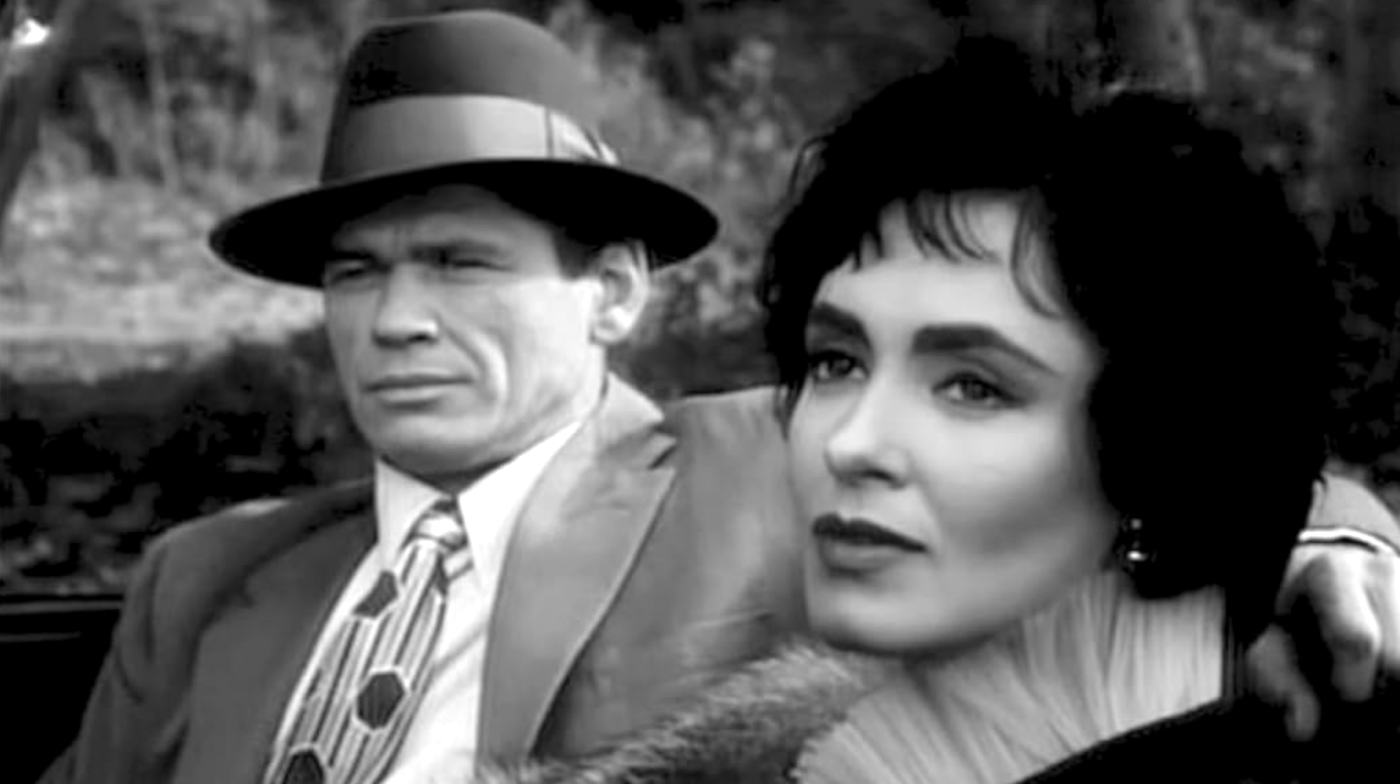
Corman and Campbell exploit the cowardice angle to make Kelly into a bully tormented by superstitious panic. Kelly talks tough yet consistently lets his gang down. He overreacts to symbols of death and danger — a skull tattoo, a funeral procession, a wild mountain lion in a cage. Kelly’s gun moll Flo Becker is a fine performance by frequent Corman actress Susan Cabot. Flo manipulates Kelly into following her plans, paying no heed when he flies off the handle and acts irrationally. Kelly browbeats his best henchman Howard (noir icon Jack Lambert). He then screws up an important heist so badly that Howard quits and forms his own gang.
The sleazy go-between Michael Fandango (comic Morey Amsterdam) is a serious klepto — he can’t help skimming money from every score. Instead of using Fandango’s weakness to his advantage, Kelly torments him mercilessly. He forces Fandango up against the lion’s cage, causing the loss of the man’s arm. Kelly is so convinced of his phony reputation as a criminal mastermind, he thinks Fandango will continue being a (somewhat) loyal gang member.
A move from holdups to kidnapping puts Kelly way beyond his level of competence. He nabs a rich man’s little daughter (Lori Martin) and then muffs the negotiations to set up a money drop. Internal gang issues lead to pointless murders, precipitating the gangster’s ignominious downfall.
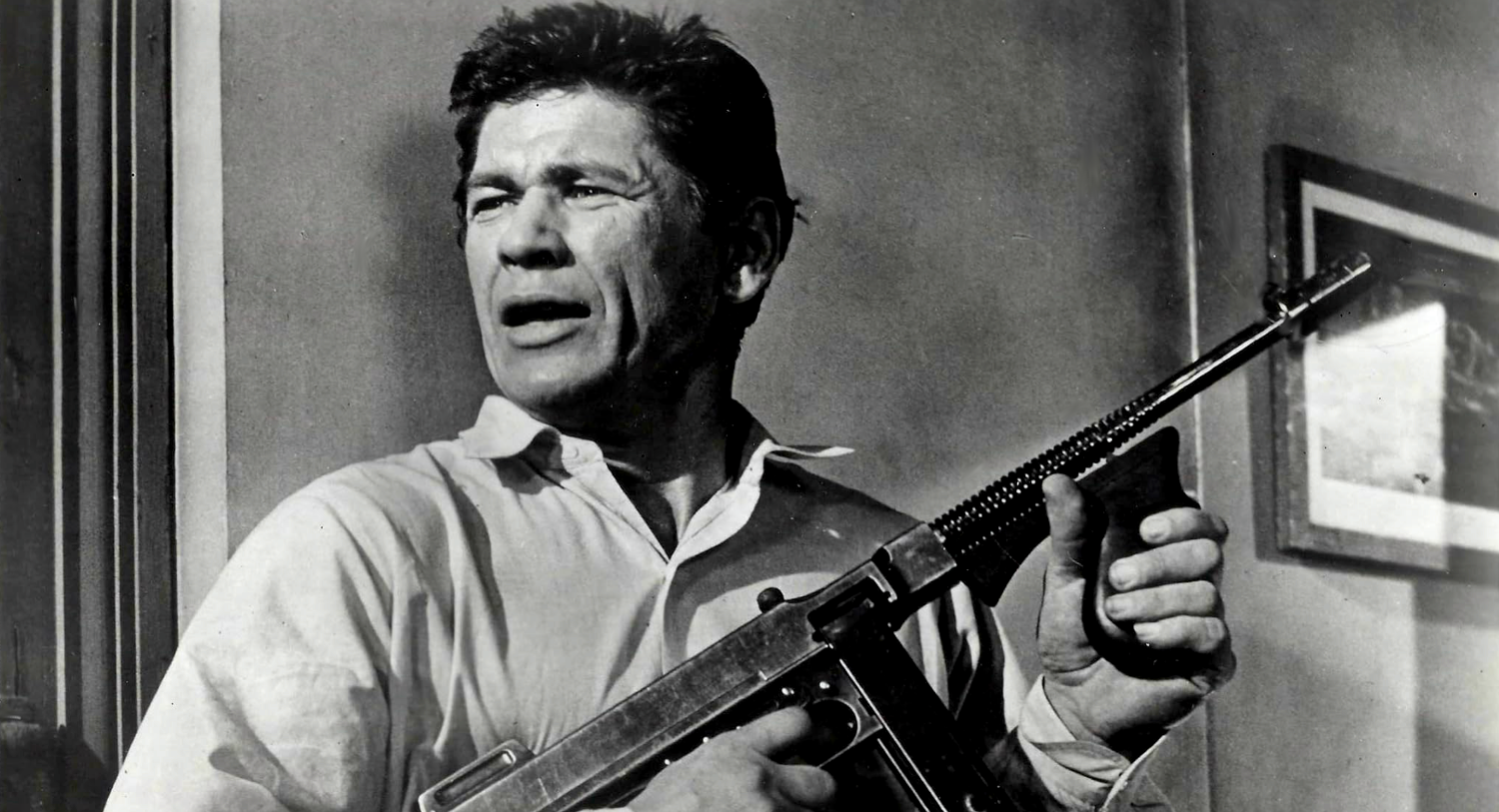
In 1958 Charles Bronson was doing okay in television, but this starring role would help him get good supporting parts in higher-profile movies. Bronson no longer had to take roles as bare-chested indians. He does good things with the part of a petty criminal with an inflated ego. The script calls for theatrics suitable for a TV drama, but Bronson moves well and does a decent psycho act.
The best performance is by Susan Cabot — it’s a vibrant, nuanced portrait of a 100% user, always on the lookout for a better deal in a man. The hoods that take an interest in Flo all have flaws — Jack Lambert’s Howard, Richard Devon’s Apple. Flo decides to stick with Kelly for better or worse.
Comic Morey Amsterdam is excellent as a silly schemer; some of us kids discovered him first on The Dick Van Dyke Show opposite Rose Marie. Corman would later hire comic Don Rickles for his The Man with the X-Ray Eyes, novelty casting that reaped even bigger benefits.
The dependable Connie Gilchrist, Frank DeKova and Wally Campo fill out solid parts; but we love the movie just for the soulful presence of ‘Corman stock player’ Barboura Morris. Usually relegated to bits, Morris here is given the role of Lynn Grayson, the nanny of the kidnapped daughter. The vulnerable Lynn clashes well with Susan Cabot’s fiery Flo.
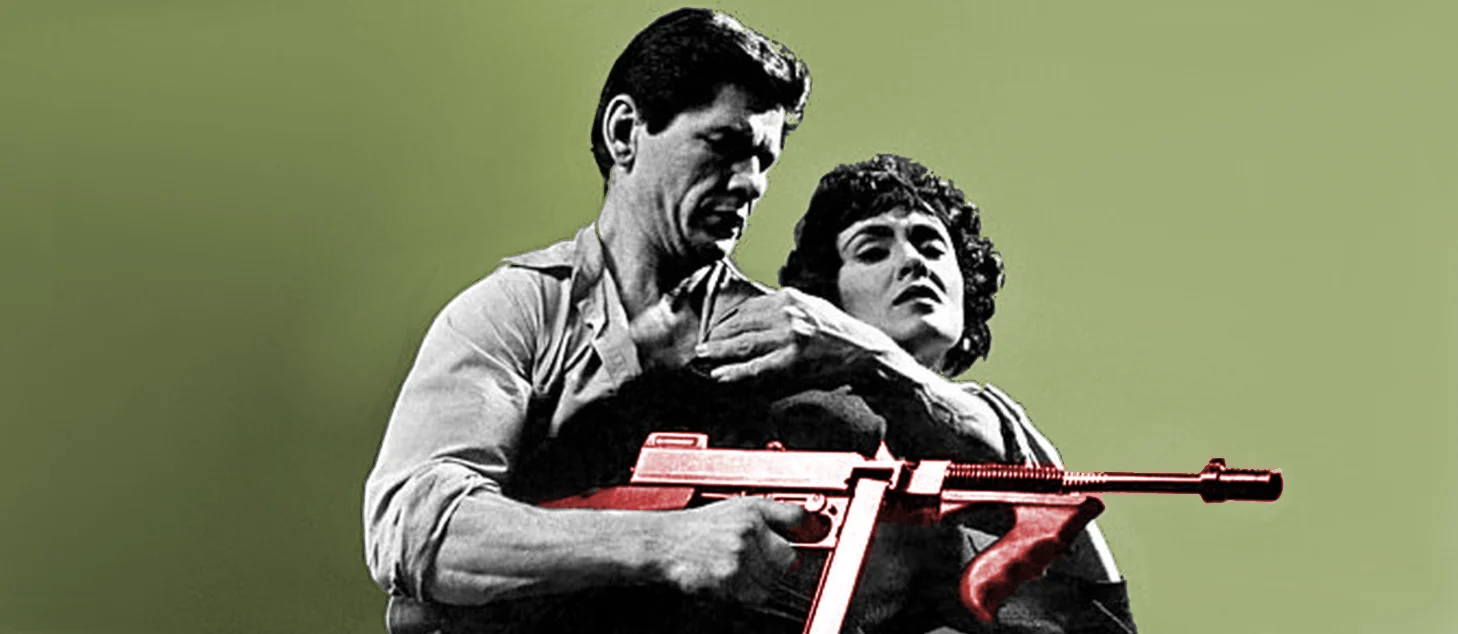
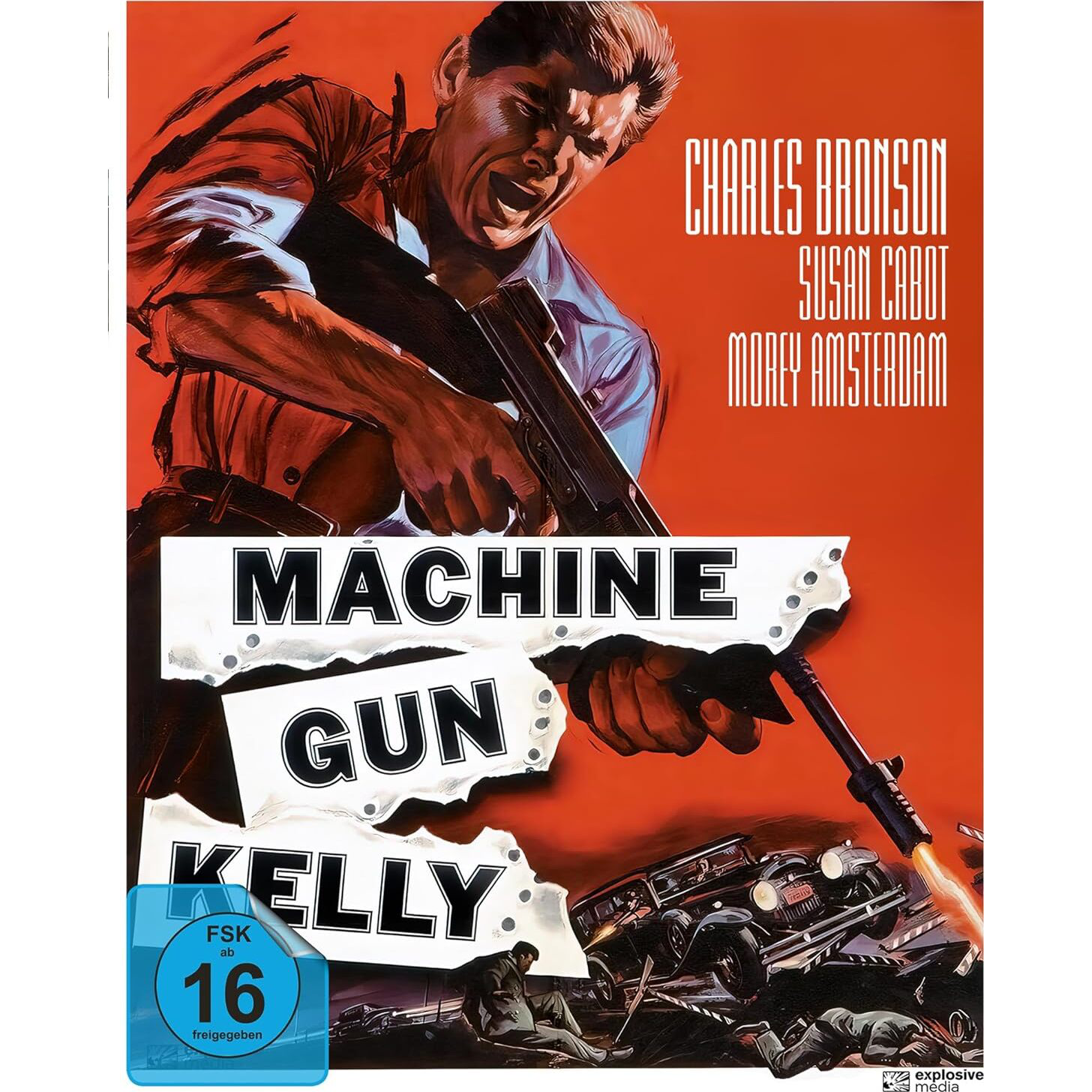
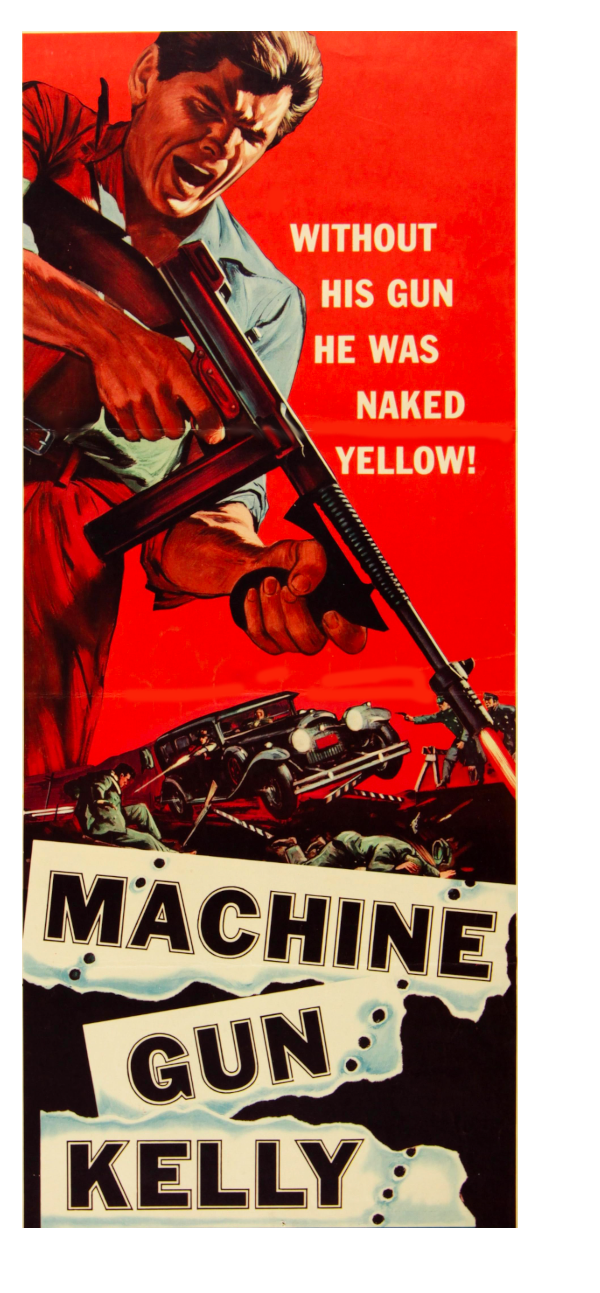
The show has car chases, some decent action and just a few moments of machine gun mayhem. Bronson convinces as a trigger man who can control the erratic Thompson, getting off a couple of solid blasts. The film’s publicity benefitted from dynamic artwork of Bronson firing, with contorted facial expressions indicating violent satisfaction.
Being a Corman film, there are no frills of any kind. Most interiors are featureless rooms. We see one under-dressed studio lot street set, and countless shots taken on Griffith Park’s dry-brush roads. A bank robbery is suggested in a single shot, with silhouettes and sound effects. Depending on one’s taste, it’s either artful shorthand, or a space-filler for a more substantial heist sequence.
It took two more years for A.I.P. and Corman to risk the big step to mainstream ‘A’ features in color and Panavision. Machine-Gun Kelly has just enough sophistication to suggest that director Corman could be a contender for the big leagues. He of course ended up mining both commercial veins at the same time.