
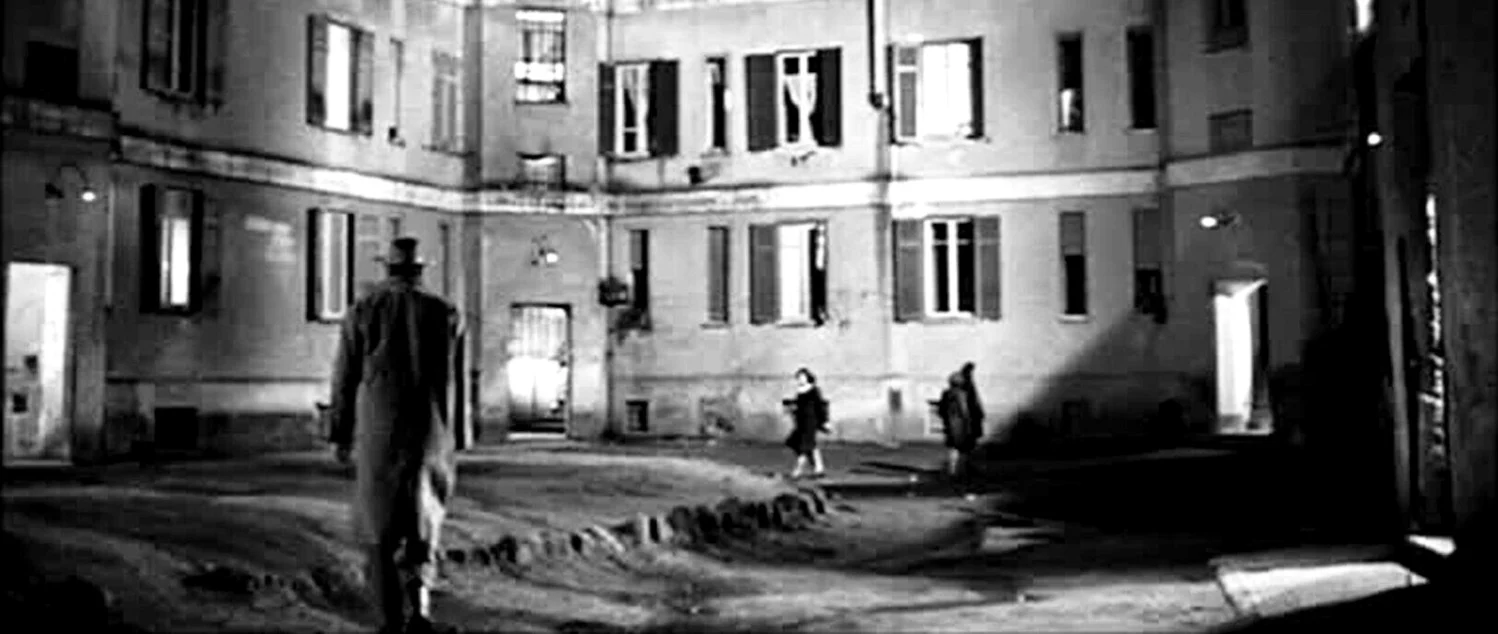


For their World Noir Vol. 5 disc set Radiance has chosen three Italian pictures that are almost more neorealist than noir. We took home a couple of lessons from the three shows. First, these Italian directors make us care about every character in these stories of poverty and desperation. Second, Italian filmmakers really seemed to have responded to the American films that flooded into the country after the surrender, replete with tales of sordid crime. Third, these shows play out before a background of defeat and ruin, but they’re still highly sentimental. Whether protagonists survive or are crushed, the stories elicit stronger emotional reactions than their American counterparts.
This time around we have classic-quality pictures from three different directors. Alberto Lattuada’s Il bandito has the most universal story to tell; a great many that lived through WW2 would identify with it. We’re not surprised that the overall directing prize goes to Pietro Germi. The aftermath of a robbery is a cruel story with just the right amount of sympathy for the crooks, who come off as victims as well.
Once again, Radiance’s film experts fill the extras with informed opinion. A good tour guide can make most any film grow in stature. Germi’s La città si defende will take a high roost on our Italo greats list.

The Bandit
1946 / B&W / 1:37 Academy / Street Date August 31, 2026 / Il bandito / Available from / £37.49
Starring: Amadeo Nazzari, Anna Magnani, Carla Del Poggio, Eliana Banducci, Mino Doro, Folco Lulli.
Cinematography: Aldo Tonti
Production Designer: Luigi Borzone
Film Editor: Mario Bonotti
Composer: Felice Lattuada
Screenplay by Oreste Biancoli, Mino Caudana, Ettore Maria Margadonna, Alberto Lattuada, Tullio Pinelli, Piero Tellini story by Lattuada
Produced by Dino De Laurentiis
Directed by Alberto Lattuada
The Bandit has ‘classic contours’ to go along with its ambition to depict the desperation in Italy immediately after the armistice. America was of course unique, even among its victorious allies. Our cities came through untouched, and our economy robust. In American films noir, soldiers came back to learn their women had been unfaithful, or perhaps to find that they weren’t sure what to do with their lives.
Returning soldiers on the losing side returned to an economic shambles. A great many Italian soldiers had to start from scratch in cities with no jobs. Even honest men had to bend the rules just to subsist. Director Alberto Lattuada’s story is both harsh and sentimental. We can’t approve of the main character’s actions, but we certainly understand why he becomes a criminal. Fans of vintage Italian cinema will watch on the strength of the casting alone. Anna Magnani is a vital presence, and we appreciate Amedeo Nazzari’s star statue: he’s so good-looking, he resembles a less athletic Errol Flynn.
1945. Thousands of Italian soldiers and civilians released from German prison camps are transported back home in cattle cars, not realizing the devastation that awaits them. Soldier Ernesto (Amedeo Nazzari) parts with Carlo (Carlo Campanini), who is going home to a wife and child. Carlo thanks his pal for saving his life on a forced march, when he could barely walk.
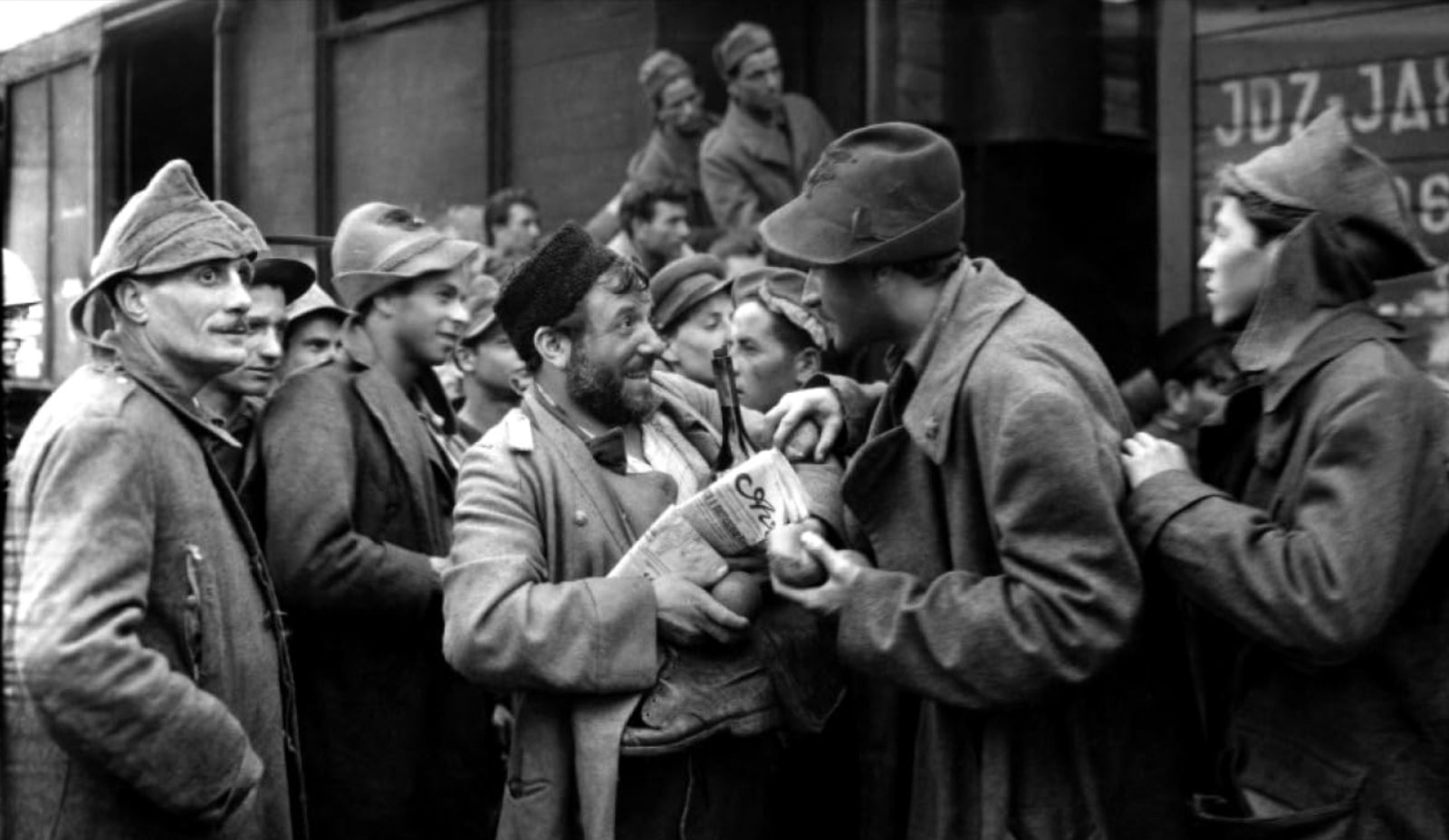
Much of the city is in ruins. Ernesto is looking for a mother and sister. He finds that their home has been obliterated. A neighbor thinks the sister might still be alive somewhere. When he does find his sister (Carla Del Poggio), he discovers she’s become a prostitute. A violent encounter leaves Ernesto alone. He joins up with a gang of thieves led by Lidia (Anna Magnani). In her double life as a socialite, she helps the gang find rich victims. Ernesto and Lidia indulge in a torrid affair, but he can’t abide the gang’s rules, which include murdering people who learn their identity.

The cops almost catch the whole gang, which prompts an unsuccessful effort to find out who is informing. Ernesto eases his conscience by sending aid to Carlo, including gifts for Carlo’s little girl Rosetta (Eliana Banducci). Before the informer can be identified a third trap is laid on a mountain road. The gang seizes a car — which happens to be carrying little Rosetta.
Il bandito has big emotional scenes, the kind that might show up as clips in the tear-jerker Cinema Paradiso. The story takes melodramatic turns that must have had Italian audiences at the edge of their seats. Italian movies were not commonly accustomed to situations as sordid as seen here. Ernesto sees a fancy lady leaving a restaurant, picks up the wallet she accidentally drops, and returns it without asking for a reward … making a big romantic impression. But he soon discovers that the lady is a new kind of confidence woman, guiding her private band of crooks.
Many Italians faced humiliations big and small with the defeat. Ernesto is ready to adjust to a new level of ‘soft’ morality. Disheartened, he visits an undisguised brothel, only to find his sister. After that shock, and the tragedy that follows, does he become a willing stick-up man. He draws the line at killing though, which washes him up with his own people.
The Bandit ends in a swirl of sentimental sacrifice. Yet its portrait of a morally compromised Italy is tougher than most neorealist movies. In the most famous neorealist classic, just taking a man’s bicycle becomes a tragedy. Ernesto’s journey from defeated soldier to common criminal is a little sensationalized, yet it feels like an honest statement. The strong ending probably didn’t leave a dry eye in 1946.
Italo film fans know Amedeo Nazzari as the jaded movie star who dates Giulietta Masina in Nights of Cabiria; he was in plenty of big Italian pictures but I see few that clicked on the art film circuit. Anna Magnani has some torrid love scenes but is revealed as a major menace in Ernesto’s path. Her Lidia never reveals a soft side, that’s for sure.
Alberto Lattuada co-directed Variety Lights with Fellini. He ranks high in Italian cinema circles but never became a name that dominated international film festivals. The Lattuada picture to see is the funny/scary 1962 crime picture Mafioso, with Alberto Sordi and Norma Bengell. It makes an unforgettable impression.
Against the Law
1950 / B&W / 1:37 Academy / Street Date August 31, 2026 / Contro la legge / Available from / £37.49
Starring: Tino Buazzelli, Manlio Busoni, Angelo Canova, Renato Malavasi, Fulvia Mammi, Marcello Mastroianni, Paolo Panelli, Mario Terribile, Miranda Campa.
Cinematography: Giovanni Vitrotti
Production Designer: Virgilio Marchi
Film Editor: Marcella Gerngarelli
Composer: Franco Casavola
Screenplay by Flavio Calzavara, Giuseppe Mangione, Guglielmo Santangelo story by Mangione, Calogero Marrocco, Pietro Germi
Produced by Giorgio Carini
Directed by Flavio Calzavara
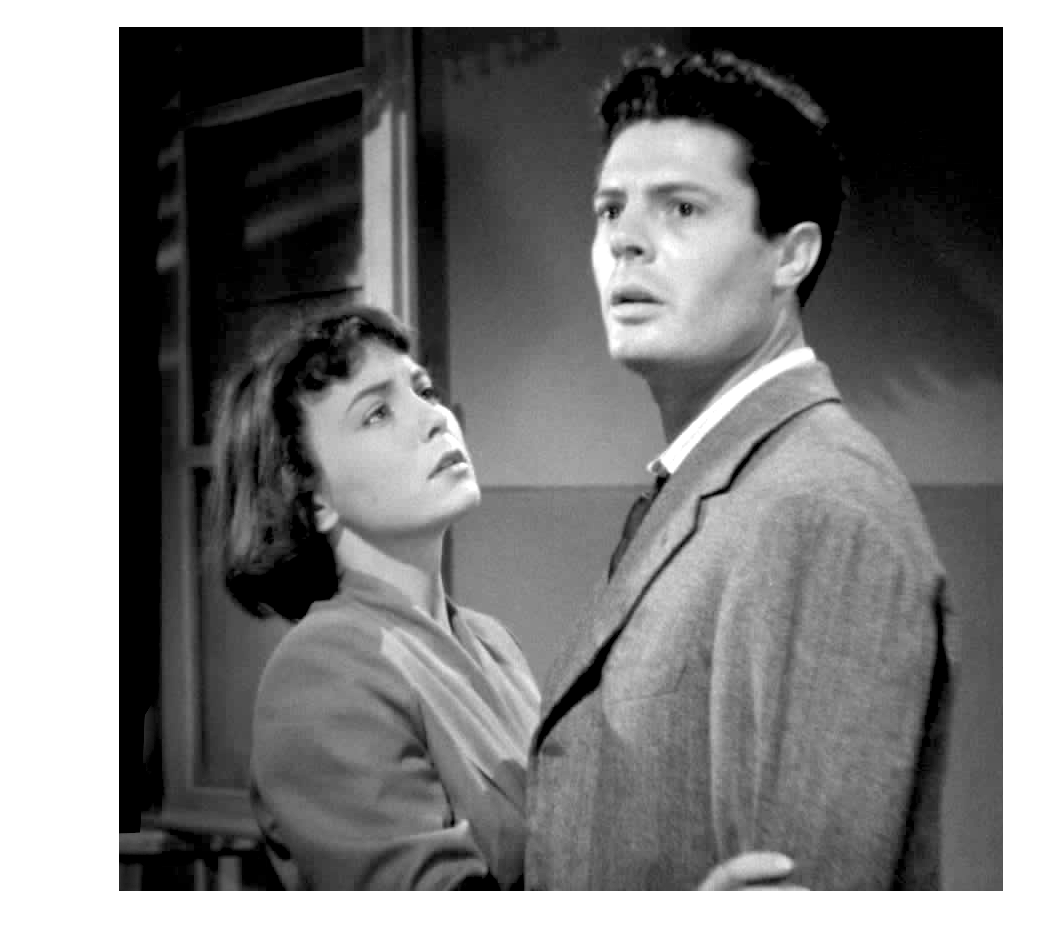
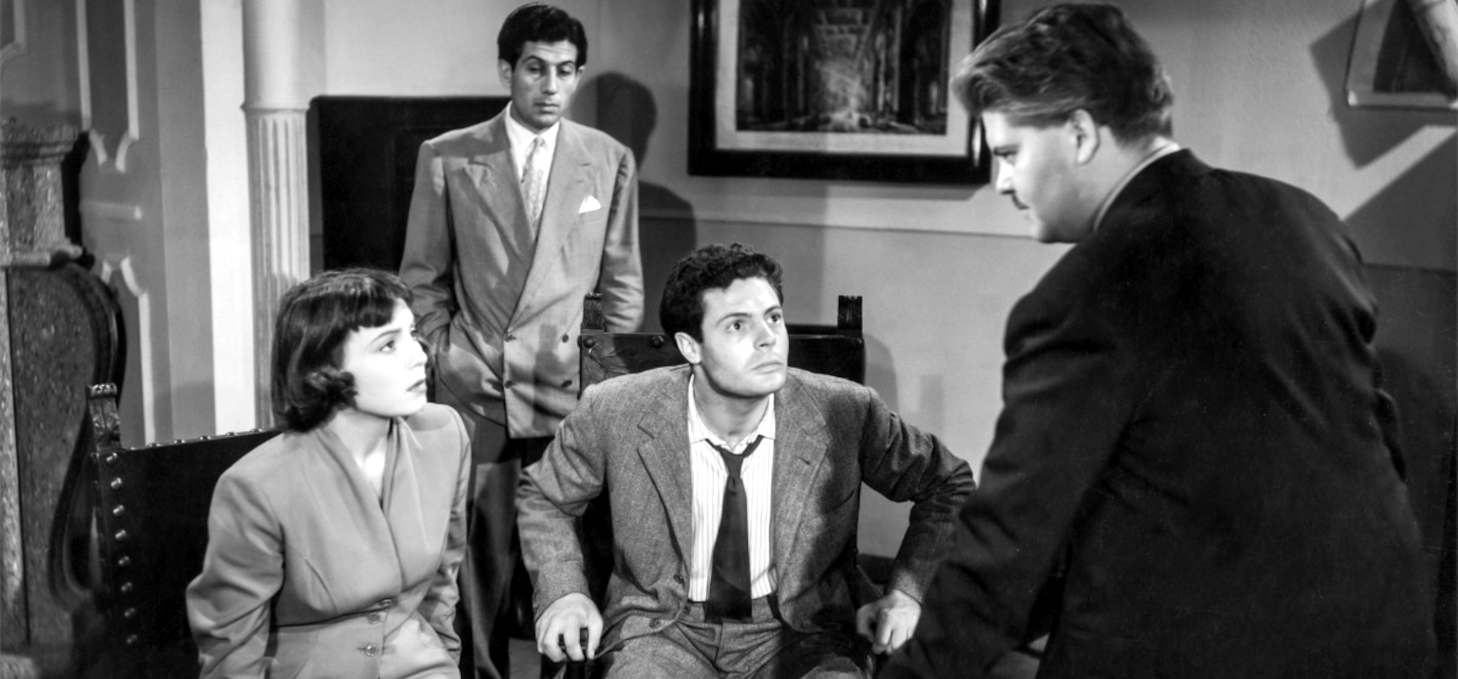
Against the Law is the lightest show in the stack, and the most commercial. Hollywood noirs tried to soften some crime thrillers — in Anthony Mann’s Side Street a nice young couple makes a mistake and are almost wiped out by contact with hardened criminals. This show gives us Marcello Mastroianni fairly early in his career, certainly before he became a household word. He’s got 6th billing but he’s the central character. ‘Marcello’ is just a guy who needs money to get serious with his loyal girlfriend (Fulvia Mammi). He works for slimy money-changers, and is present when a murder goes down.
Marcello flees the law as he flees his own ex-friends. We spend quite a bit of time with a charismatic police commissioner (Tino Buazzelli) and his colorful group of detectives. Guessing that Marcello is not the killer, the cops let him go so as to see who he contacts. They eventually trace the other money-changers, who have unexpected day jobs. The commissioner likes a contact who sells songbirds … which end up exposing one of the villains.
This show gives us more vintage street scenes, in a very sunny city. The police dragnet format reminds us of today’s streaming series about Italo polizia at work — the filmmakers emotionally invest us in an eccentric cop or two. As in certain ‘French noirs’ we suspect that the more violent of the crooks previously collaborated with the occupying Germans. When cornered, a villain makes his escape by whipping out a Wehrmacht machine gun.

Marcello Mastroianni isn’t quite the Marcello we know. He’s less graceful and poised, and not just because he has less experience. Unlike an American show, his character is highly compromised from the start. He’s a functionary in a mafia money-laundering racket, yet he doesn’t pay with a long jail sentence.
We really like Tino Buazzelli’s head detective. He looks familiar, but I don’t remember exactly what he played in Pietrangeli’s Ghosts of Rome or Vittorio De Sica’s After the Fox. The original poster just above shows that Italian movie salesmen weren’t above misrepresenting a movie in their advertising art. Against the Law is a tough crime story, with few opportunities for Splendor in the Grass.
Four Ways Out
1951 / B&W / 1:37 Academy / 84 min + 74 min. / Street Date August 31, 2026 / La città si defende / Available from / £37.49
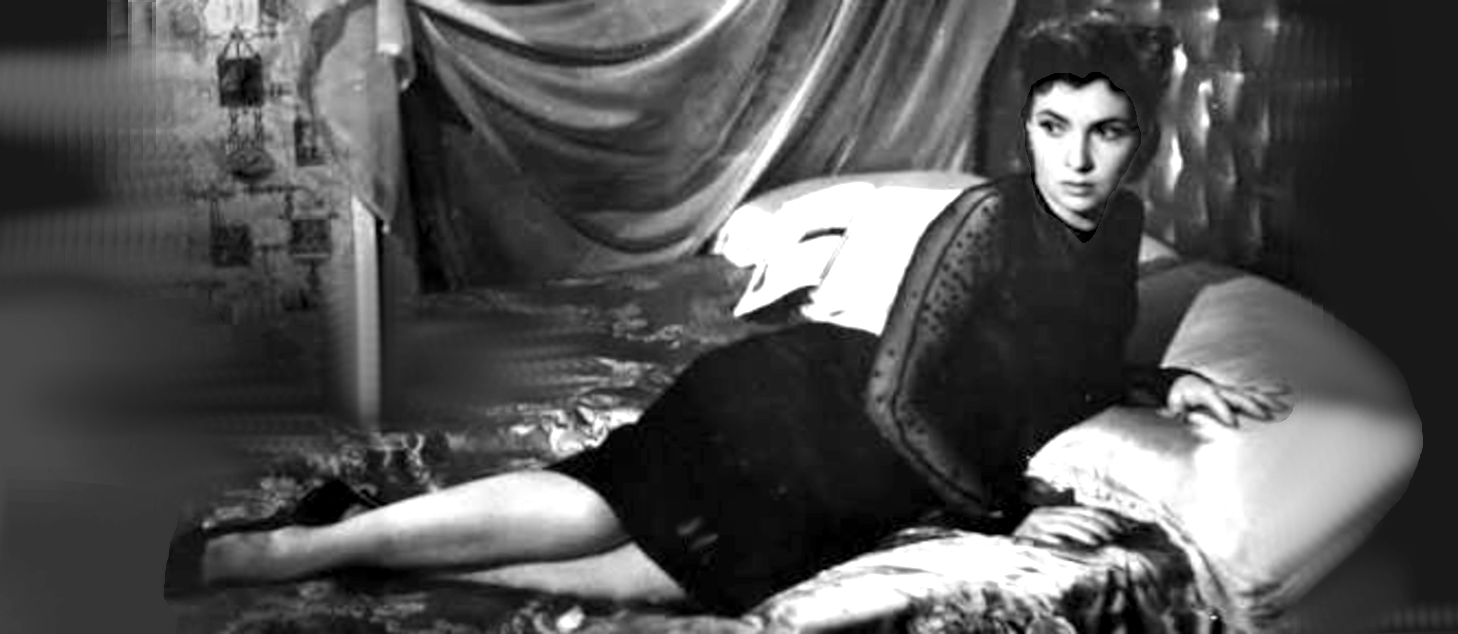
Starring: Gina Lollobrigida, Renato Baldini, Cosetta Greco, Paul Muller, Fausto Tozzi, Enzo Maggio Jr., Tamara Lees, Emma Baron, Patrizia Manca, Giuseppe Chinnici, Vincenzo Tocci.
Cinematography: Carlo Montuori
Production Designer: Carlo Egidi
Film Editor: Rolando Beneditti
Composer: Carlo Rustichelli
Screenplay by Federico Fellini, Tullio Pinelli, Pietro Germi, Giusepped Mangione story by Mangione, Pinelli, Luigi Comencini
Produced by Carlo Civallero
Directed by Pietro Germi
A few minutes into Four Ways Out and we know we’re seeing a top-rank production. One of the writers is Federico Fellini; Pietro Germi’s direction lays out a classic heist tale adjusted for sad times in Italy. It’s possible that John Huston’s The Asphalt Jungle provided the inspiration, as the Human Factor is more important than the heist mechanics.
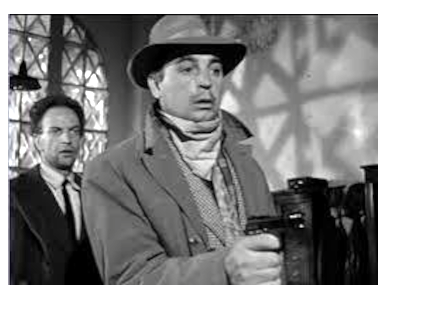
The four perpetrators of a daring racetrack robbery are a disillusioned art professor (Paul Muller), a former calcio sports star fallen on hard times (Renato Baldini), an unemployed worker trying to save his family (Fausto Tozzi), and a scared kid with little hope for the future (Enzo Maggio Jr.). The aftermath of their heist is a disaster, wherein the amateur crooks make all the usual mistakes. The kid panics and throws a valise with half the loot into a fountain, where it becomes suspiciously soggy. One thief is a lovesick fool who goes back to an old flame (Gina Lollobrigida). The working man doesn’t seem to realize that he just can’t be seen with large-denomination bills — as he’s obviously very poor, having so much money will draw immediate attention. The brains of the operation hasn’t planned a good enough escape route. He finds that desperate thieves like himself are easy prey more experienced underworld predators.
Poverty is everywhere — in the unpaved streets and the piles of dirt that surround multi-story apartment buildings that don’t look safe to occupy. All four thieves become emotional wrecks, too rattled to make good decisions. Unlike many other neorealist pictures there’s no direct pitch for liberal politics. We just see that poor people can’t steal money the way rich people can.
Petri’s direction and excellent casting really makes us care. Italian filmmakers know that by giving us adorable children in distress, our emotional endorsement is guaranteed. The show also has three beautiful women. Gina Lollobrigida is very good, but her part is on the short side. Cosetta Greco is the long-suffering working man’s wife; we worry about her plight even as we admire her strikingly beautiful cheek bones. Then Tamara Lees comes along and we become convinced that the Italians have the patent on hypnotically attractive women. She’s a wealthy wife that the art professor sketches. In a different kind of film he would make a conquest.

The thieves split up after the getaway, and each proceeds to a downbeat destiny. Even the darkest fate seems only logical. There is no Hollywood moral lesson; some of the worst people we see suffer no punishment for their wrongdoing. The original Italian title translates as ‘The City Defends Itself,’ which doesn’t describe the movie at all. The cops righteously hunt the thieves, but we really would like some of them to get away. We wonder if an Italian censor may have asked for a title with a stronger Law ‘n’ Order message.
For once, the English export title is an apt choice. Four Ways Out received a minor New York release almost five years later. It was reviewed by Variety right next to the big color co-production Ulysses. By 1954, neorealist stories about tough times in Italy were focusing on film festivals, in the hope of winning an international audience. But the colorful costume epics were what drew in Hollywood stars and Hollywood investment.
