
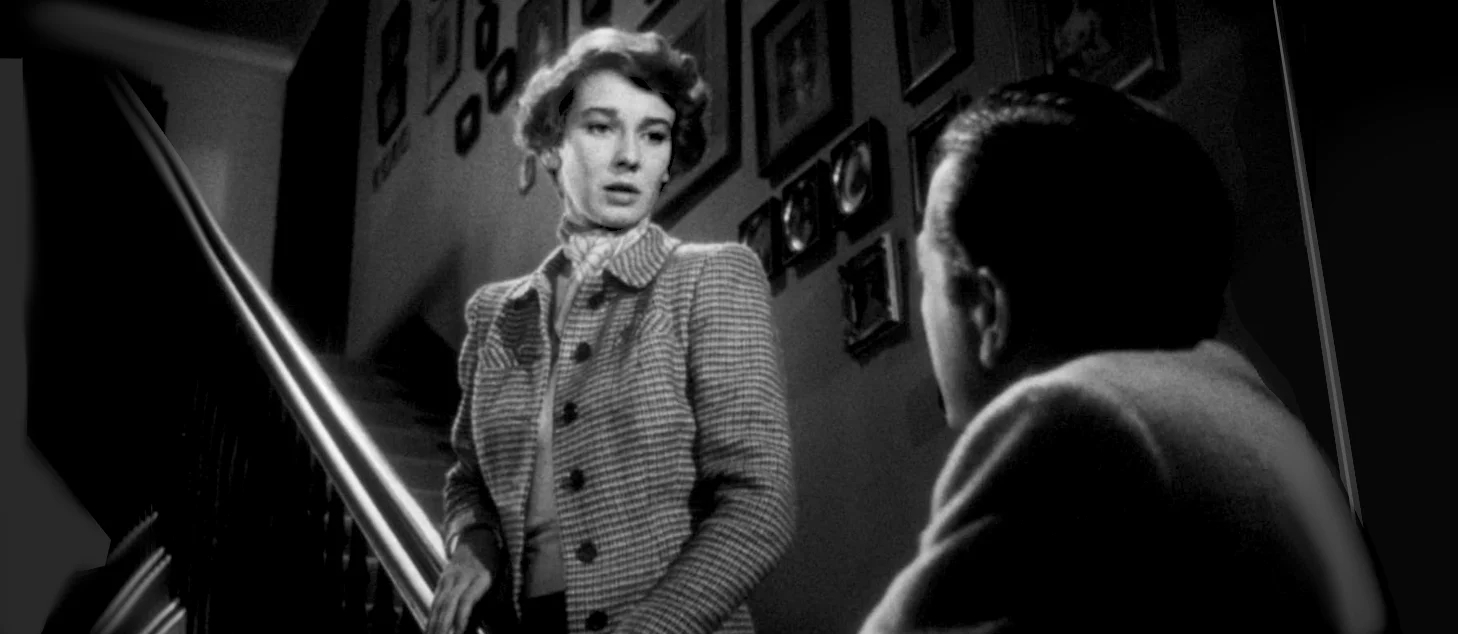


Eddie Muller featured this interesting domestic noir a few months back on his Noir Alley cable show. The focus is on a Robery Young’s mystery man, but in the final judgment steers away from core noir concerns. The conflict has tension but likely not enough for many fans; just the same, we were intrigued by a psychological drama that avoids sensational trimmings. Curiously, the two deaths we witness are of animals, not people. Many modern viewers can enjoy violent fantasies about people being mangled, yet become indignant when the killing of a dog is used as a plot point.
Executive producer Harry M. Popkin made his fortune with a chain of ‘race’ theaters, movie houses catering to black audiences. He and his brother Leo also produced movies for the race theater circuit, with stars like Louise Beavers and Nina Mae McKinney. Closing in on the mid-century mark, they tried their luck at mainstream independent productions, collaborating several times with the creative team of Russell Rouse and Clarence Greene. Several shows were released through United Artists. Their cinematic rap sheet includes the classic film noir D.O.A. with Edmond O’Brien, and a trio of notable thrillers. Impact with Brian Donlevy is a standard noir body count opus. The occasionally shocking The Well with Richard Rober concerns a trapped black child, whose rescue interrupts a race riot. The Thief with Ray Milland is a minimalist Cold War thriller with a gimmick — no dialogue is spoken.
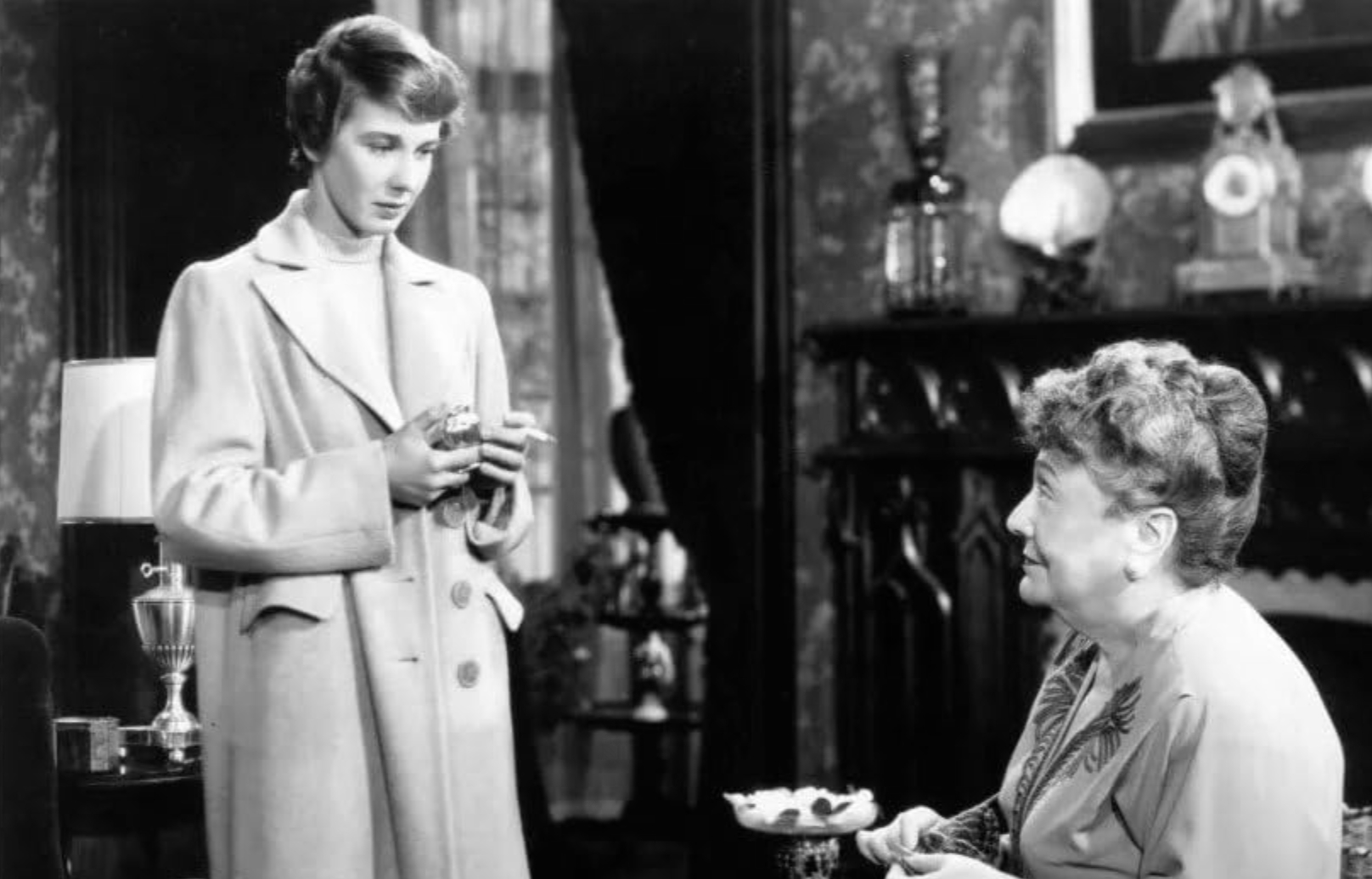
In the wake of the successful D.O.A. Harry Popkin Productions also filmed The Second Woman, an ‘A’ level thriller aimed at the class trade. Its advertising touted its star Robert Young. The main advertising tagline compared it to Alfred Hitchcock’s Spellbound, then the benchmark for upscale psychological thrillers.
It appears that Popkin didn’t sell his pictures outright to United Artists, as did independent producer Robert Aldrich for one. But he also didn’t renew their copyrights. This is why his polished productions now have Public Domain status, and show up too often on low-quality video presentations. Collector Wade Williams took control of two or three Popkin titles, hoarding elements and preventing them from being properly maintained. Film Masters’ branded line ‘Archive Collection’ revisits Public Domain titles with the aim of creating improved Blu-ray presentations. This one looks very good — more than good enough to feature on TCM’s Noir Alley.

The story begins more like Hitchcock’s Rebecca than Spellbound, and then takes on aspects of Suspicion: is the handsome leading man perhaps a killer? We meet several privileged people in the social circle of Pinecliff, a swanky town on the California coast. Elderly Amelia Foster (Florence Bates) advises her niece Ellen (Betsy Drake) away from their beachfront neighbor Jeff Cohalan (Robert Young), an architect. One year ago, Jeff’s fiancée Vivian Sheppard was killed on the eve of their planned wedding, in a car Jeff was driving. Jeff’s business partner and would-have-been father-in-law Ben Sheppard is now concerned about odd mistakes Jeff has been making at work. He does seem to be preoccupied by her memory. Gossip has already turned the accident into a local mystery.
Ellen runs into Jeff more than once and a friendship begins, but he resists her attempts to probe into the accident. She’s the kind that wants to know the truth, and won’t take no for an answer; she obviously wants to be closer to Jeff. Then bad things start to happen. Jeff’s prize horse breaks its leg — apparently in its stall — and must be destroyed. Then somebody poisons his beloved dog. Jeff is bothered by Ellen’s probing into other mysterious phenomena, such as Jeff’s fancy rose bush suddenly dying.
The most unusual ‘problem’ makes Jeff doubt his own senses. An abstract portrait of the dead Vivian loses its vibrant color overnight. ↗ Jeff begins to listen to Ellen when she makes inquiries in the local art scene, about what may have made that painting fade. But Ellen is also warned by the local doctor Hartley (Morris Carnovsky). Hartley knows he’s intruding, but he’s worried that all these ‘killings’ may be evidence of mental disturbance.

← The movie actually begins as a flashback from a suicide attempt. When another life-changing disaster occurs, Ellen doesn’t know what to think. Is Jeff mentally unstable? Aunt Amelia and doctor Hartley hint that Ellen’s life may be in danger.
The Second Woman maintains a nice note of credibility well into the third act. The indecisive, moody Jeff Cohalan is not an easy role to sustain, but Robert Young doesn’t let him become too annoying. Young had already played an amoral man who took advantage of women that loved him, in the interesting noir They Won’t Believe Me (recently restored to its full duration). Here he has to play the ‘ambivalent’ card. Is Jeff an innocent, or a closet psycho?
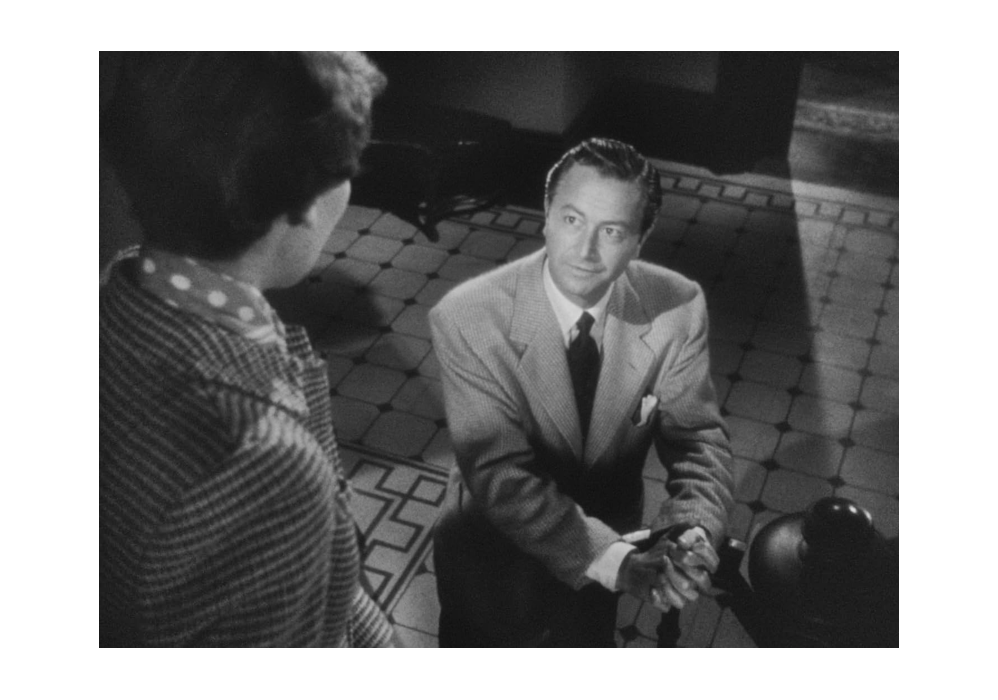
Viewers uninterested in games of ‘is he or isn’t he?’ may stay hooked by the film’s intelligent, non-hysterical narrative, the expressive location, and an interesting piece of casting.
Audiences have always accepted movies about ‘people richer than us.’ Second Woman inadvertently presents Pinecliff as a Snob City populated by country club elitists. It’s very much the 1950s version of the 1970s- set Cutter’s Way, where the landed genry of Santa Barbara luxuriate in what once was Mexican territory, tended by modern Mexican-American servants. One of the primary landholder Ben Sheppard’s social obligations is an annual ‘Mexican fiesta’ party. The social set puts up with obvious heels like Keith Ferris (John Sutton), a serial womanizer. Keith and his wife Dodo (Jean Rogers of the classic Flash Gordon serials) are finalizing their divorce, yet still attend social events together, where they can complain about each other. She flaunts her alimony arrangement and he comes on to any and all women guests. Ellen Foster repels Keith’s oily advances as best she can.
The movie also depicts these elites as casual racists. Jeffrey Cohalan forfeits his ‘nice guy’ cred when he decides that a Mexican-American employee is suspicious. He orders the man around like a vassal, and browbeats him in an open show of disdain. Jeff even says that ‘they all look alike,’ without irony. Did the filmmakers expect us to still think Jeff worthy of our sympathy? Producer Harry Popkin’s background in Race productions doesn’t seem to have given The Second Woman a liberal bent.
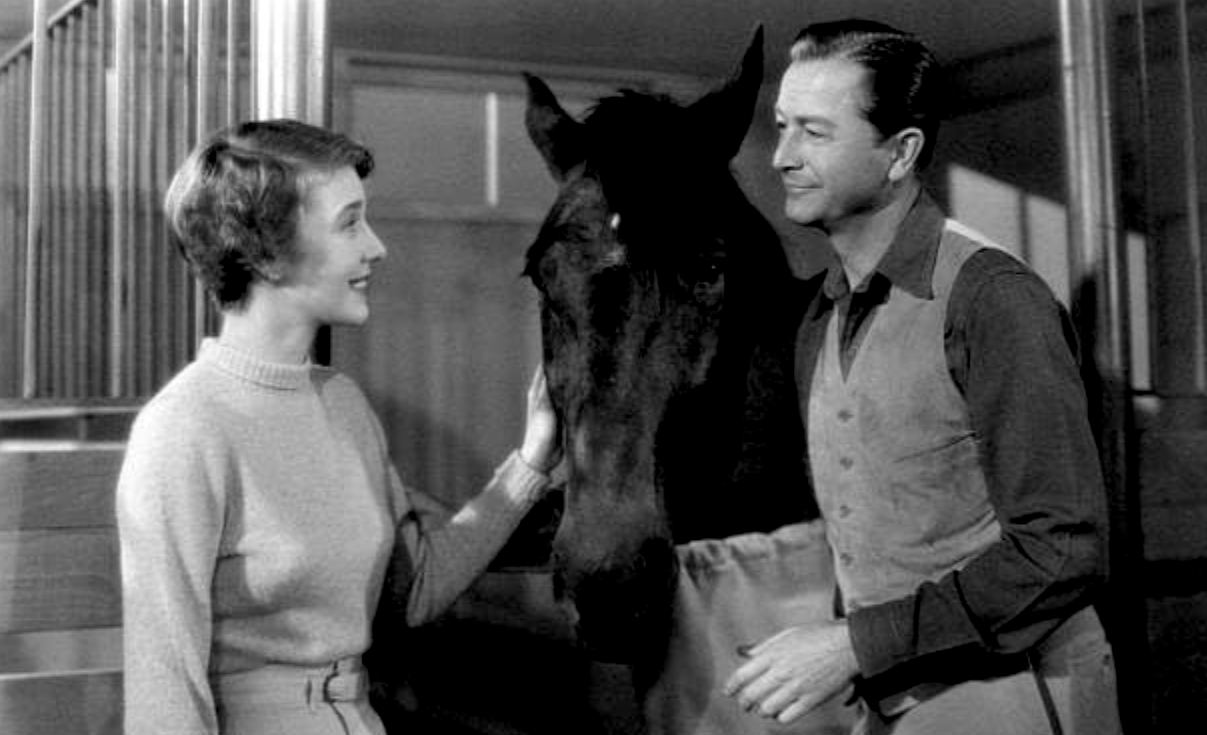
Viewers aware of actress Betsy Drake might be intrigued by her fine performance. She was married for several years to Cary Grant, and made her film debut with him in Every Girl Should Be Married, a smart comedy with a lot to say about gender roles, women’s lib and postwar Momism. Drake’s educated & emancipated character refuses to play ‘demure’ and wait patiently for Mr. Right. She pursues her man full speed ahead, even though doing so risks her reputation and her job. The intelligent screenplay finds fun in the situation yet takes Drake’s heroine seriously. Is dropping the passive feminine stance a good idea? Will it get the woman what she’s after?
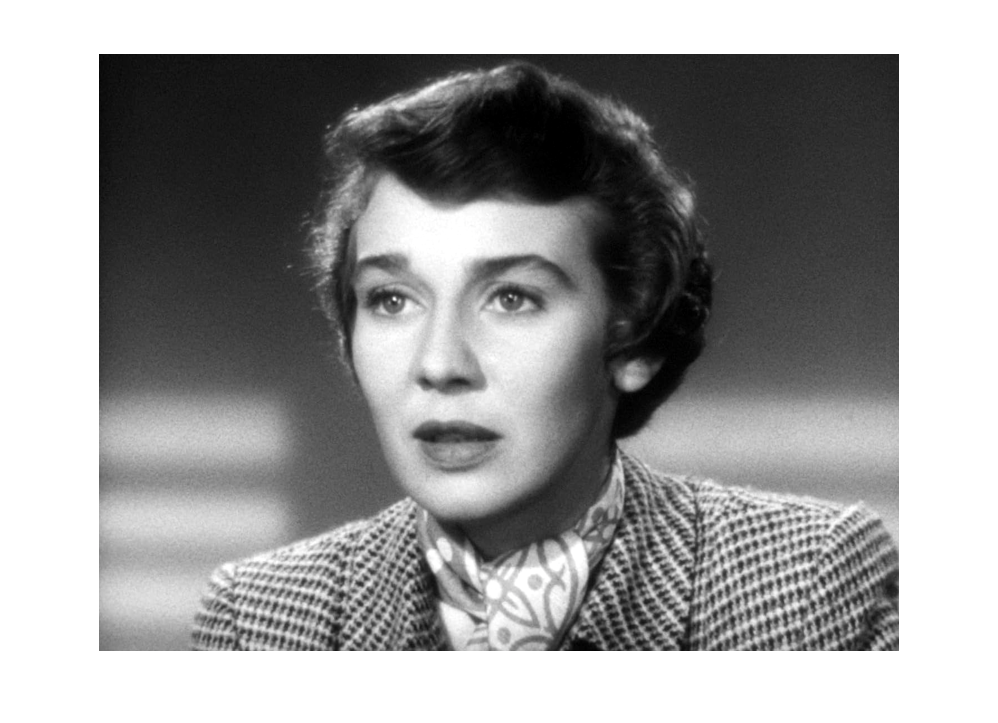
Citing Every Woman Should Be Married makes sense because The Second Woman’s Ellen Foster takes the initiative in much the same way. She doesn’t hide her interest in Jeff. On their second impromptu meet-up, she invites herself into his house, and ignores his request that she not ‘make inquiries’ on his behalf.
A few years later, Betsy Drake appeared in a notable comedy by the 1950s provocateur Frank Tashlin, who often satirized the changes in gender roles. In Will Success Spoil Rock Hunter? she plays Jenny, a woman whose boyfriend pretends to be interested in the ‘irresistible’ charms of glamorous, hyper-sexed star Rita Marlowe (Jane Mansfield). Feeling out-gunned, Jenny goes to the extreme of dressing and talking like Marlowe. She becomes irate that she is expected to compensate for the culture’s fixation on Mansfield-like mammaries.
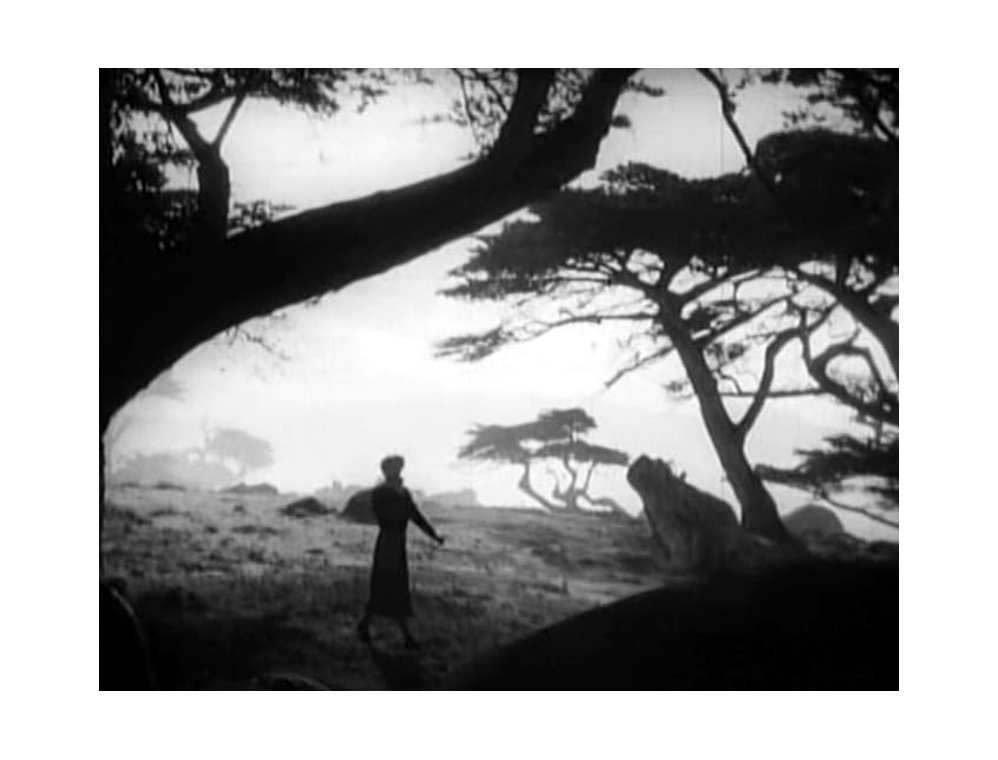
Ms. Drake’s other movie roles focus on women looking for the right way to fit into modern society, Room for One More, and the comedy Pretty Baby. The Second Woman is a non-comic thriller, but her Ellen carries the same spirit of independent thought and action.
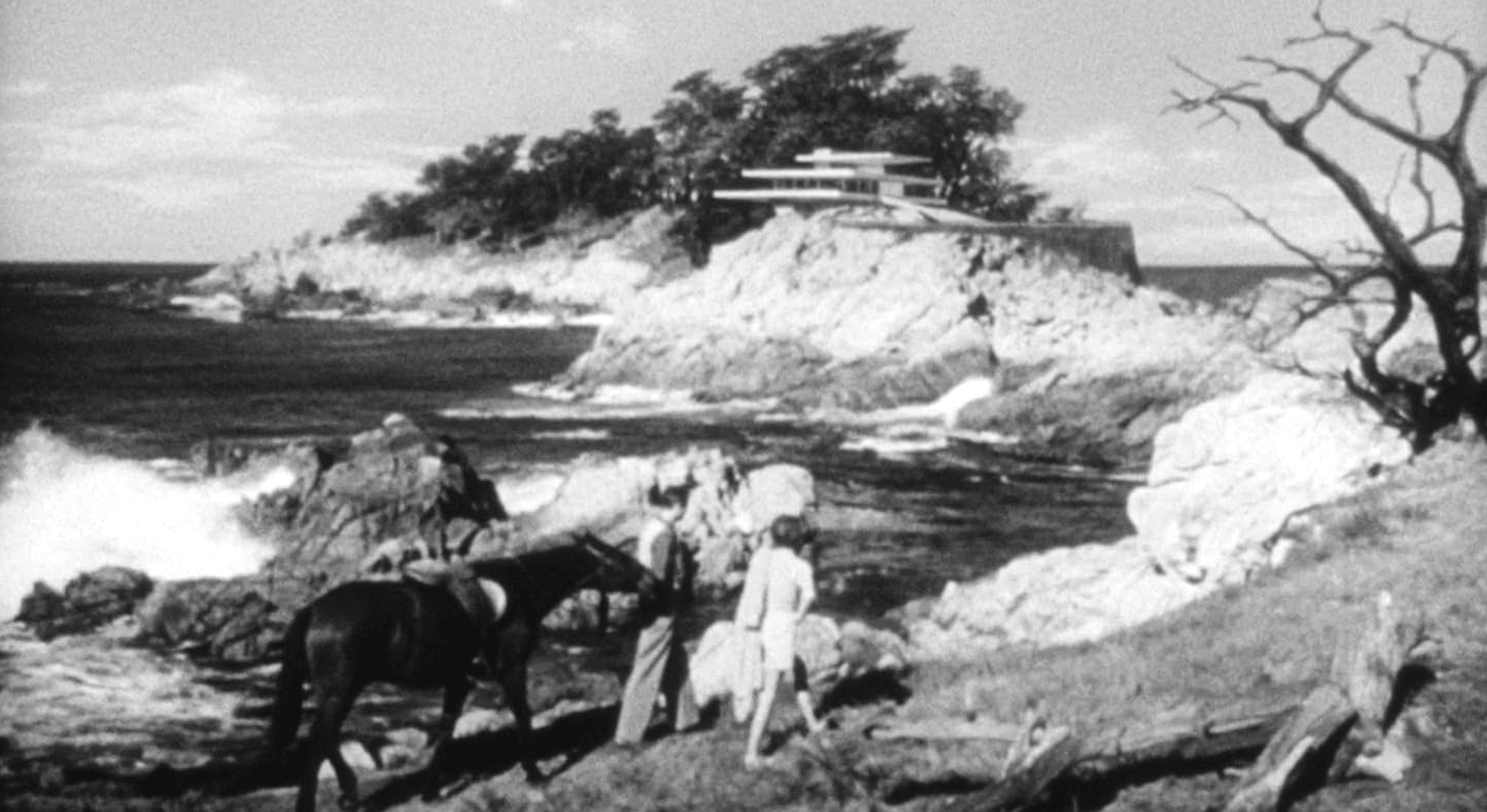
The storyline avoids a very common cliché for thrillers set in a grand house on a sea cliff: somebody always falls or is pushed over the brink. Not so here, a plus for the film’s credibility. Harry Popkin and associates’ high production values include location shooting on the Monterey Peninsula. Getting a lot of attention is Jeff Cohalan’s self-designed showcase house, constructed on a rocky ocean cliff. ↓ Art director Boris Leven supervised excellent matte paintings that sell the house as an existing property. It’s a little awkward that Amelia’s house down the beach is represented by a terrible, fake painting.
A stranger problem highlights an obvious technical limitation — that plot point of the abstract watercolor portrait, from which the colors mysteriously fade. A B&W film obviously can’t depict this, but the painting is displayed as if inviting us to judge its color. Was there once a plan to use a Technicolor insert, as in The Picture of Dorian Gray or Portrait of Jennie?
The Second Woman’s finale is a little deflating. It doesn’t nullify the movie but it does make its noir qualities feel very superficial. As the explanation is an egregous spoiler, we’ll address it in a footnote. *
An alternate take on the movie, at the review page Laura’s Miscellaneous Musings.
1 comment