
The Saragossa Manuscript — 4K
Is it surreal, or psychedelic? The source novel dates from 1813. This mind-blowing exercise in narrative puzzle-making is a classic with unique qualities, and its Polish director Wojciech Has is a genius. Investigating a strange book found on a Spanish battlefield, soldier Zbigniew Cybulski is plunged into a fantasy vs reality labyrinth that darn near Moggles the Bind. It’s a masterpiece of narrative tricks — weird, funny, sexy and profound. You’ll be surprised how natural Spaniards speaking Polish becomes. The extras include am excellent Michael Brooke documentary that brings us up to speed on the movie, plus Polish film history and its great directors … it’s fascinating.
The Saragossa Manuscript
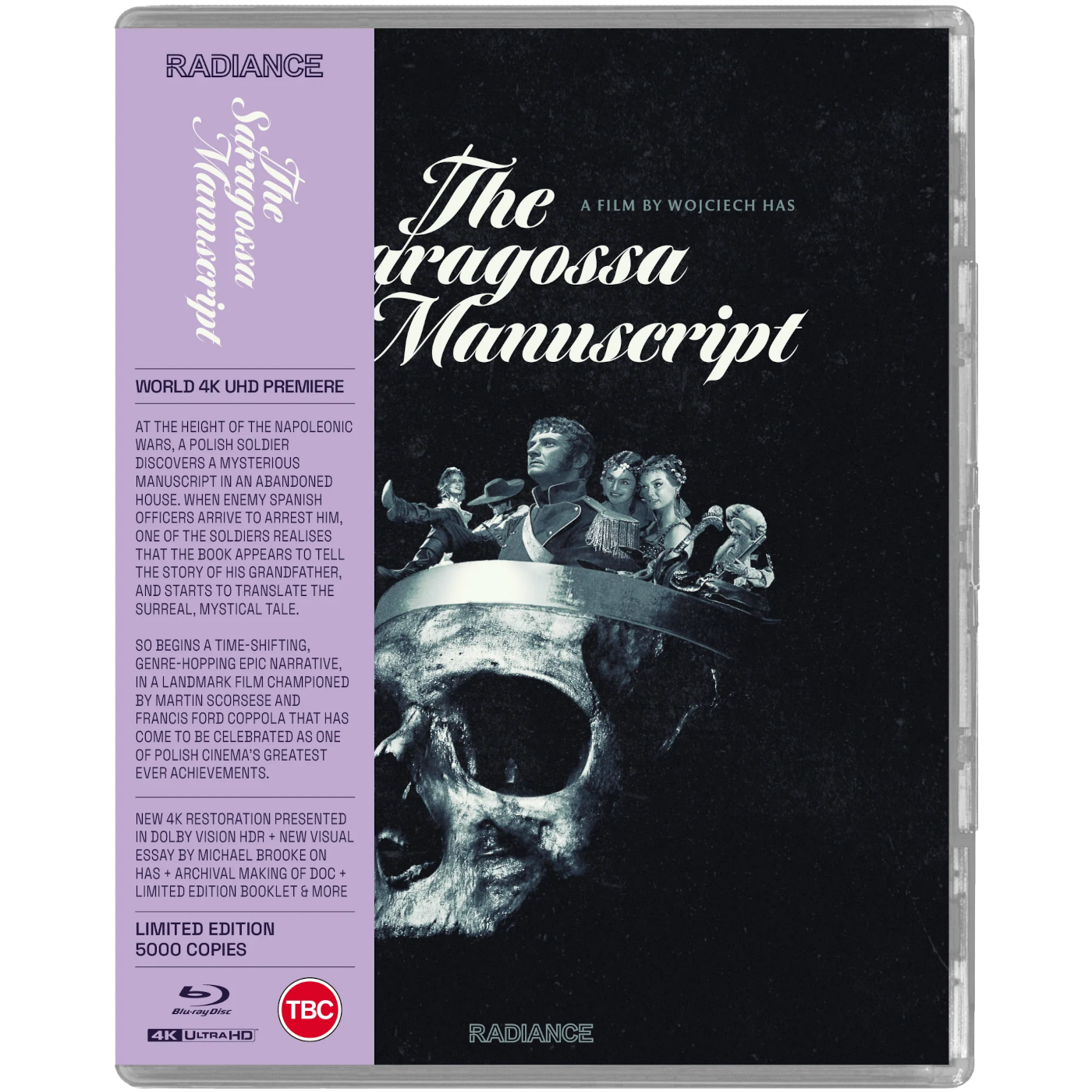
4K Ultra HD + Blu-ray
Radiance Films
1965 / B&W / 2:35 widescreen / 174 minutes (71 + 103 min.) / Rekopis znaleziony w Saragossie / Street Date September 8, 2026 / Available from Radiance / £20.83
Starring: Zbigniew Cybulski, Kazimierz Opalinski, Iga Cembrzynska-Kondratiuk, Zdzislaw Maklakiewicz, Joanna Jedryka, Aleksander Fogiel, Barbara Krafftówna, Pola Raksa.
Cinematography: Mieczyslaw Jahoda
Production Designers: Tadeusz Myszorek, Jerzy Skarzynski
Costume Design: Lidia Skarzynska, Jerzy Skarzynski
Film Editor: Krystyna Komosinska
Composer: Krzysztof Penderecki
Screenplay by Tadeusz Kwiatkowski from the novel by Jan Potocki
Directed by Wojciech Has
 When a film’s fans include Luis Buñuel and Jerry Garcia, the filmmaker has to be doing something right. Wojciech Has’ The Saragossa Manuscript is a lavish fantasy epic from 1965 is a Polish production physically set in Spain, yet most of it seems to be happening in the mind of its imaginative author. The crazy, playful mindblower convinces us that psychoactive substances must have been in circulation in certain Polish social circles of the early 1800s. The tangled storyline is part Luis Borges, part Canterbury Tales, and part Playboy’s Girls of Warsaw. And it’s funny, too.
This teaser synopsis can’t possibly express the labyrinthine, playful nature of this bizarre trip into literary madness.
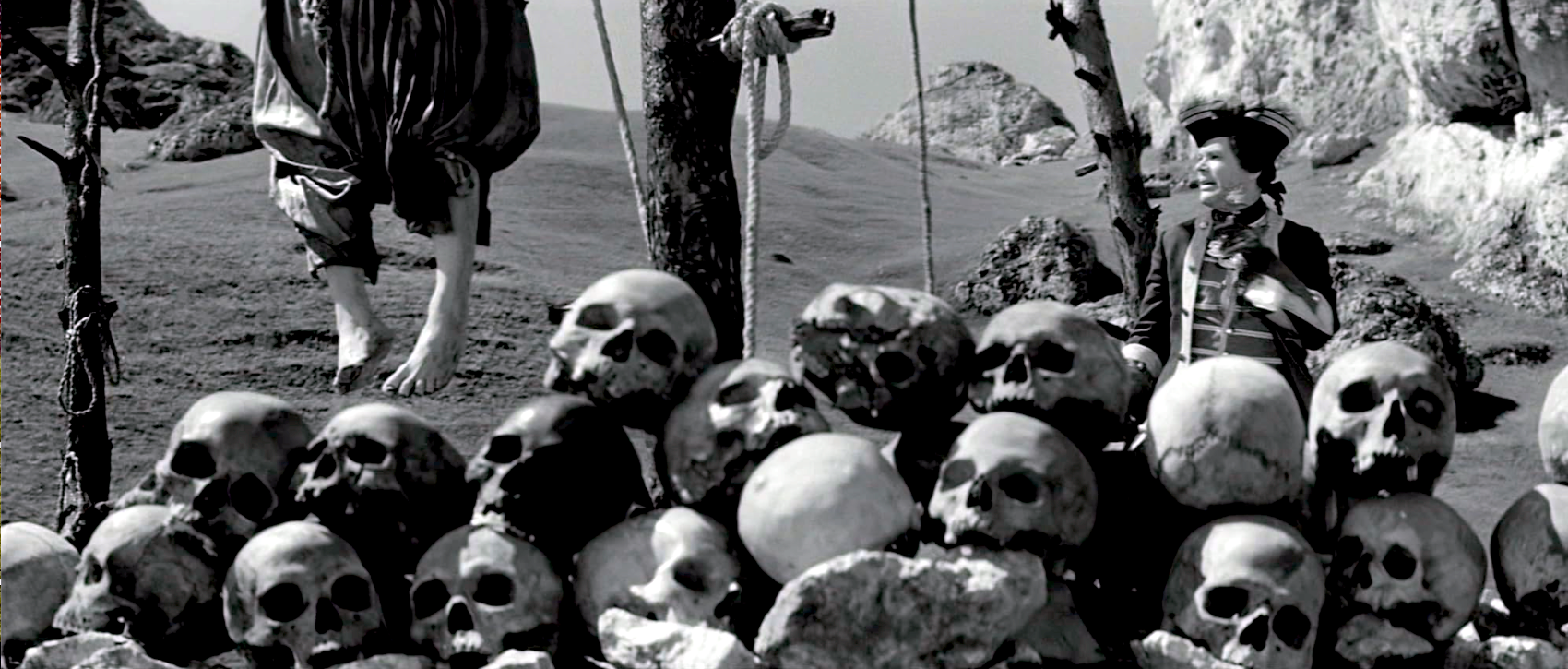
Spain in wartime: two soldiers read a book found in a house in the embattled town of Saragossa, which one of them thinks is about his Grandfather. In the book, Captain Alfons van Worden (Zbigniew Cybulski) is trying to get to Madrid but is delayed in the Sierra Morena by what seem to be the ghost demons of two hanged men. In cyclical waking dreams, he’s seduced by a pair of Arabian princesses in a palace hidden under the decrepit Quemada Inn. Yet every morning, Alfons wakes up back out in the same stretch of countryside, under the gallows and its two corpses. Fleeing this dilemma, Alfons is captured by the Inquisition but rescued by some noblemen who invite him to a castle, where for a while it looks as if his ordeal was all a planned conspiracy. A passing gypsy tells a tale of the son of a Jewish Merchant, which becomes a Chinese box of overlapping stories … inside stories … inside stories.
Is The Saragossa Manuscript a surreal work, or just surreal-adjacent? Luis Buñuel occasionally played with flashbacks hidden within flashbacks. The literary device is employed here to create an absurdist tale of interlocking destinies. It eventually coalesces into a humorous portrait of a culture united by its prejudicial differences. Soldiers mingle with priests who are really sheiks in disguise, and officers of El Santo Oficio indeed appear when no-one expects them. A rake leeches off the son of Jewish merchant, but appearances are deceptive, and both he and a vagabond Gypsy prove to be honorable souls.
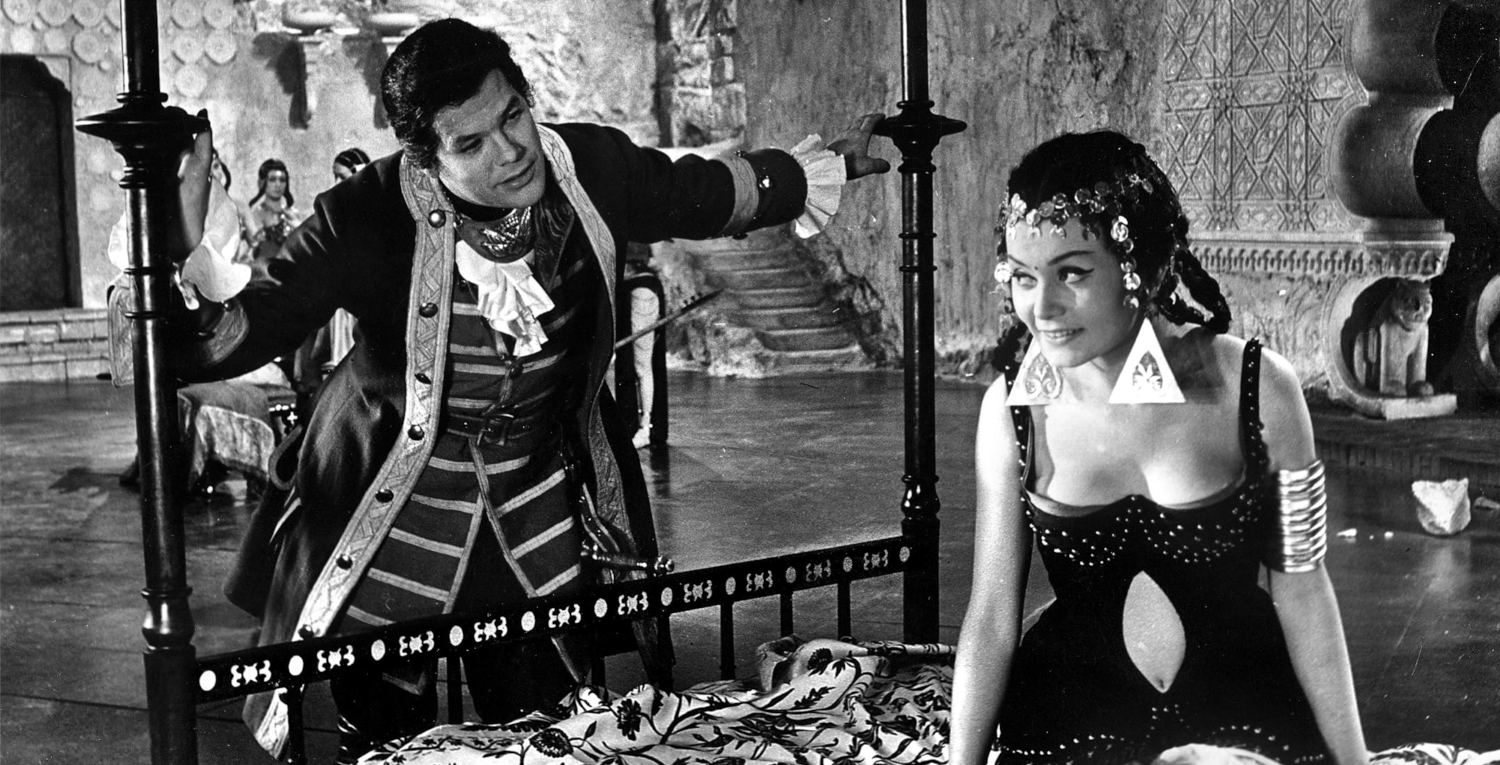
Four times as long as Buñuel’s Simon of the Desert, The Saragossa Manuscript creates a Spain where the doings of ghosts and devils are as real as the beautifully recreated town squares and villas. Every nubile maiden in Poland would seem to have been recruited to play the various unholy vixens and mortal temptresses met along the way. Their coquettish games distract us from the broader narrative tricks the author is pulling on Alfons – and us.
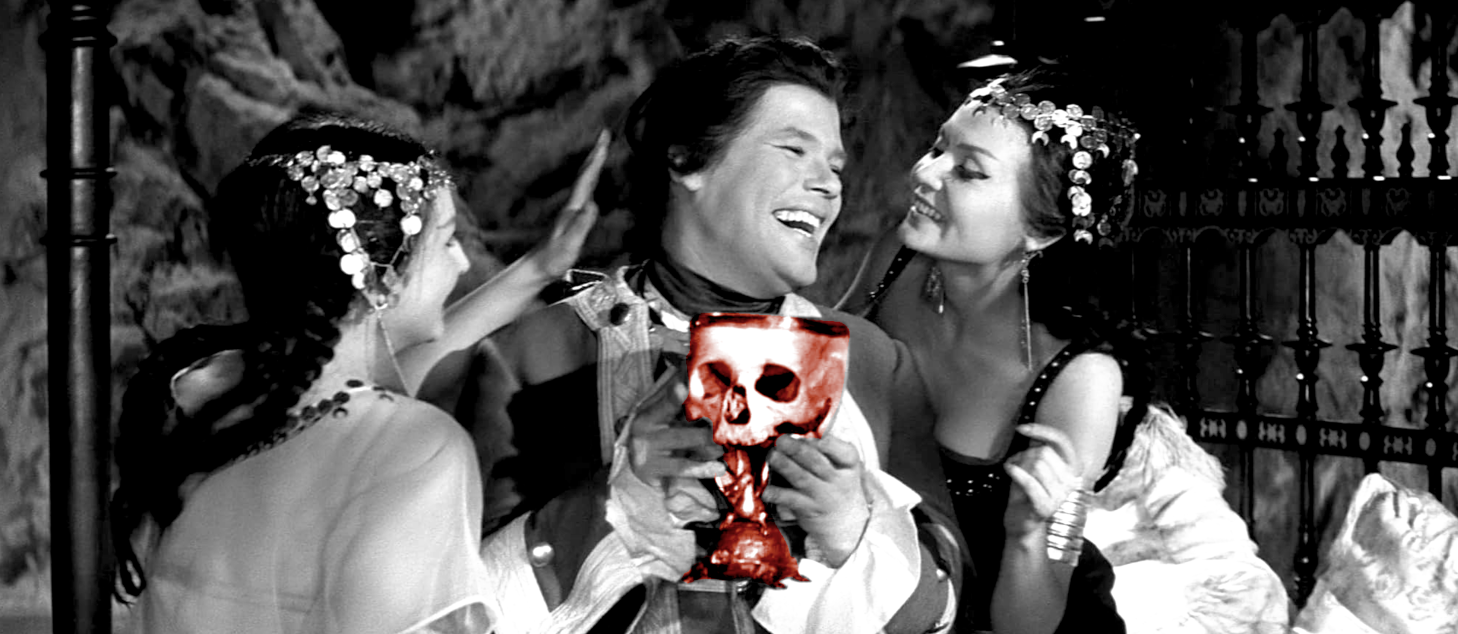
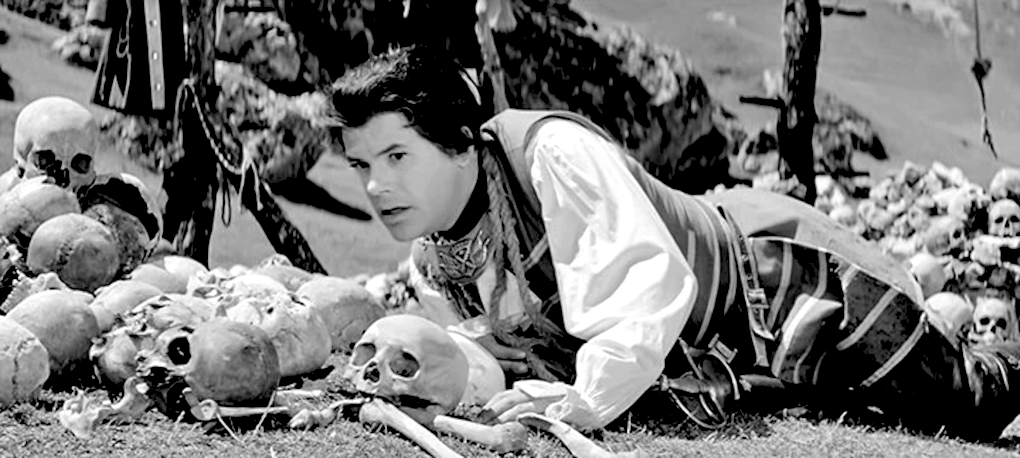
Most of the relationships have aspects of a con in action; to watch the show is to constantly try to figure out what the heck is going on. Will the weird happenings be revealed as a conspiracy, or perhaps the trick of the mind? If Alfons is already a soul in hell, Satan has a really fine sense of humor. Doors are constantly opening before us, as if we’re sharing Alfons’ dream. Potential clues to the mystery are offered: the sheik’s lost shoe, the weird skeleton-littered landscape, and the drinks that Alfons is repeatedly offered (in various locations) from the same skull-shaped goblet. With the Inquisition liable to pop up unannounced at any moment, we wonder if our hero will be revealed as dreaming the whole plot from the torture chamber of Terry Gilliam’s Brazil.
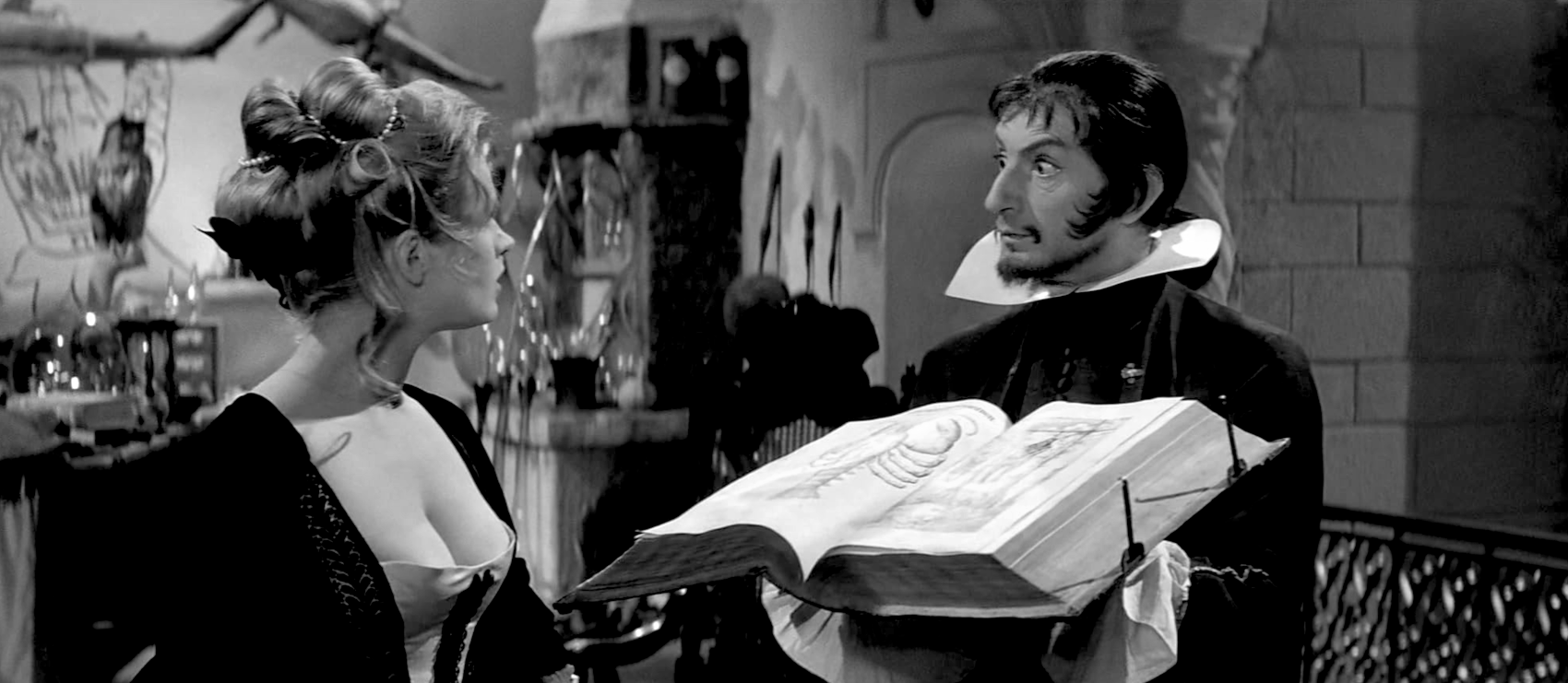
Fans that like narrative mazes will want pencil and paper handy to take notes: the time-level intricacies of the Back to the Future movies are simple compared to author Jan Potocki’s twisted pretzel of a plot. No sooner does one story begin, than a character in it begins telling another story. When unrelated tangents begin to overlap, confusion is inevitable. It difficult to understand how storyteller #2 could know the particulars of the tale told by storyteller #4, and impossible to keep them straight anyway. The good news is that the stories don’t lead into conceptual cul-de-sacs, but pay off in the kind of ribald good humor that one would expect from a classic farce.
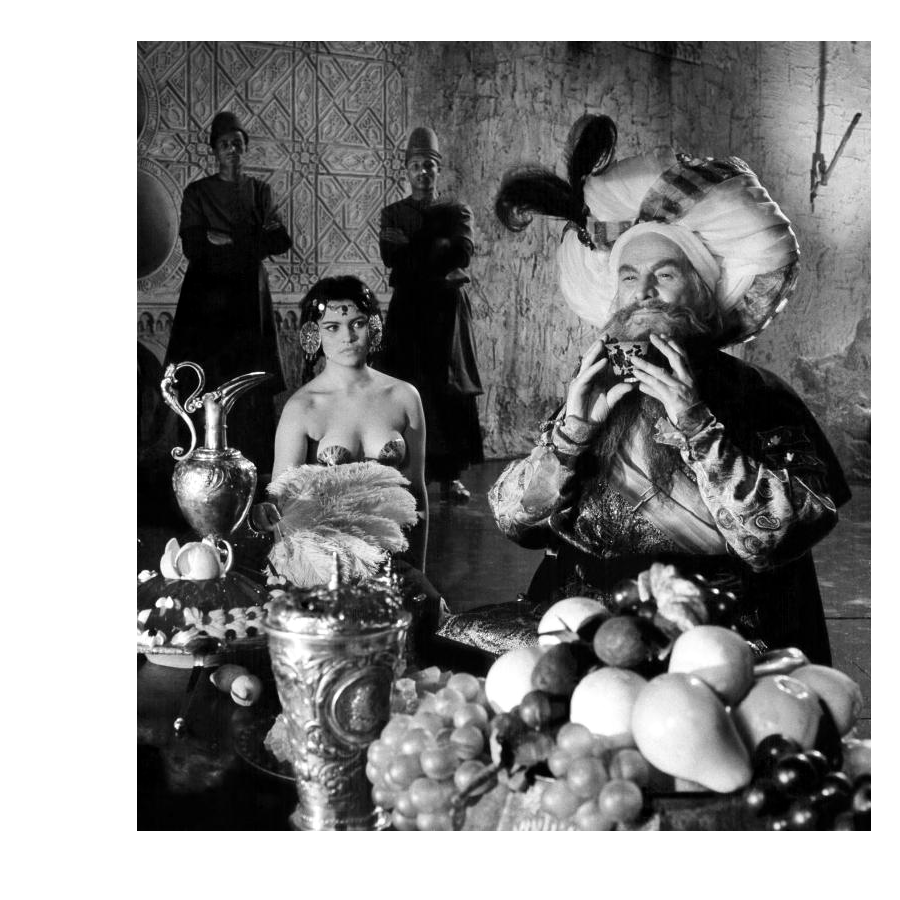
Zbigniew Cybulski’s Alfons is a handsome but slightly buffoonish hero, very unlike the ultra-cool rebel the star played for Andrej Wajda in Ashes and Diamonds All the other roles are fun, especially Zdzislaw Maklakiewicz as the manipulative rake who, happily does not turn out to be a demon like so many of the other characters. A number of attractive and alluringly clad actresses decorate the screen in this old-fashioned, male-oriented adventure.
Director Has’ camera moves constantly and well; he keeps the screen alive and energized. Stylistic flourishes at the end involve a mirror to a doppelgänger world that might indicate time travel as well as a literal ‘literary distance.’ These conceptual challenges are pitched at a tone consistent with the rest of the film — an adventure with constant surprises. Watching the movie means enduring three hours of Spaniards speaking Polish subtitled in English. The epic is broken down into two parts, which helps. But it’s not the easiest film to watch or, especially with this crazy continuity, to follow. You’ll be wishing that you had been making notes, or leaving a trail of bread crumbs, maybe.
The music uses several classical cues and several instances of Spanish guitar source music. A few ‘Forbidden Planet’– like electronic warblings find their way in but seem appropriate to the weird fantasy-scape.

Radiance Films’ welcome 4K Ultra HD + Blu-ray of The Saragossa Manuscript is a marvelous way to approch Wojciech Has’s bizarre fun ride of an epic. Past releases called out for more explanations of the contexts literary and cinematic, and this edition provides both in abundnance. CineSavant reviewed from check discs that carry all of the video extras. But we unfortunately have not been able to sample the insert booklet essays.
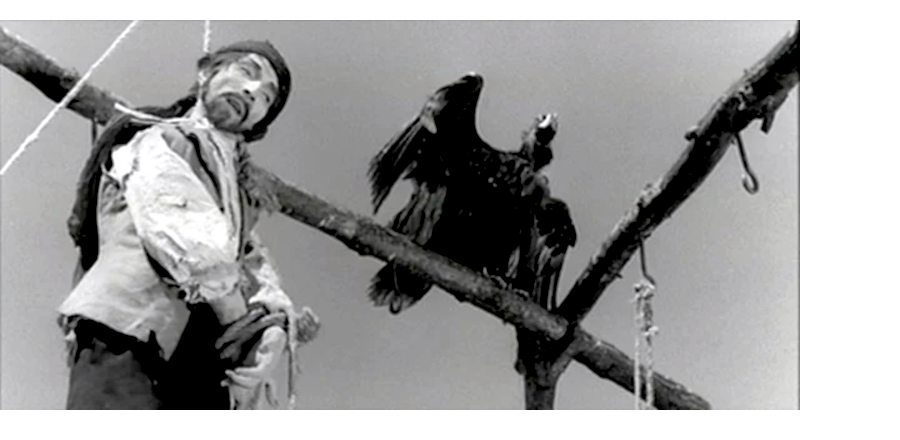
Our previous exposure was with an Image DVD from 24 years ago, that appeared to be cropped to about 2.1. The new Radiance encoding is a 4K scan from the original negative, with Dolby vision, the works. Fuzzy standard def gives way to UHD clarity. The anamorphic B&W image is a thing of beauty. Those Polish filmmakers do terrific work, recreating the feel of dry Spanish hills.
That ancient Image disc had an extra that offered a breakdown of the film’s complex flashback structure, via writer Darren Gross. The new disc billboards academic-level research and analysis by the always-good Michael Brooke, an expert whose knowledge reaches far and wide. His feature-length documentary goes deep into the wild life and times of the author Jan Potocki, a fascinating nobleman who seems to have done a little bit of everything with his life. A concise history of Polish filmmaking is included, but Brooke has plenty of anecdotes on the film’s production and personalities. Star Zbigniew Cybulski had serious eyesight problems, which he had to disguise while performing even routine action on screen. Besides introducing us to an accomplished group of filmmakers, Brooke’s full analysis transforms our impression of the movie. It’s no longer just a head-trip mind blower for Deadheads.
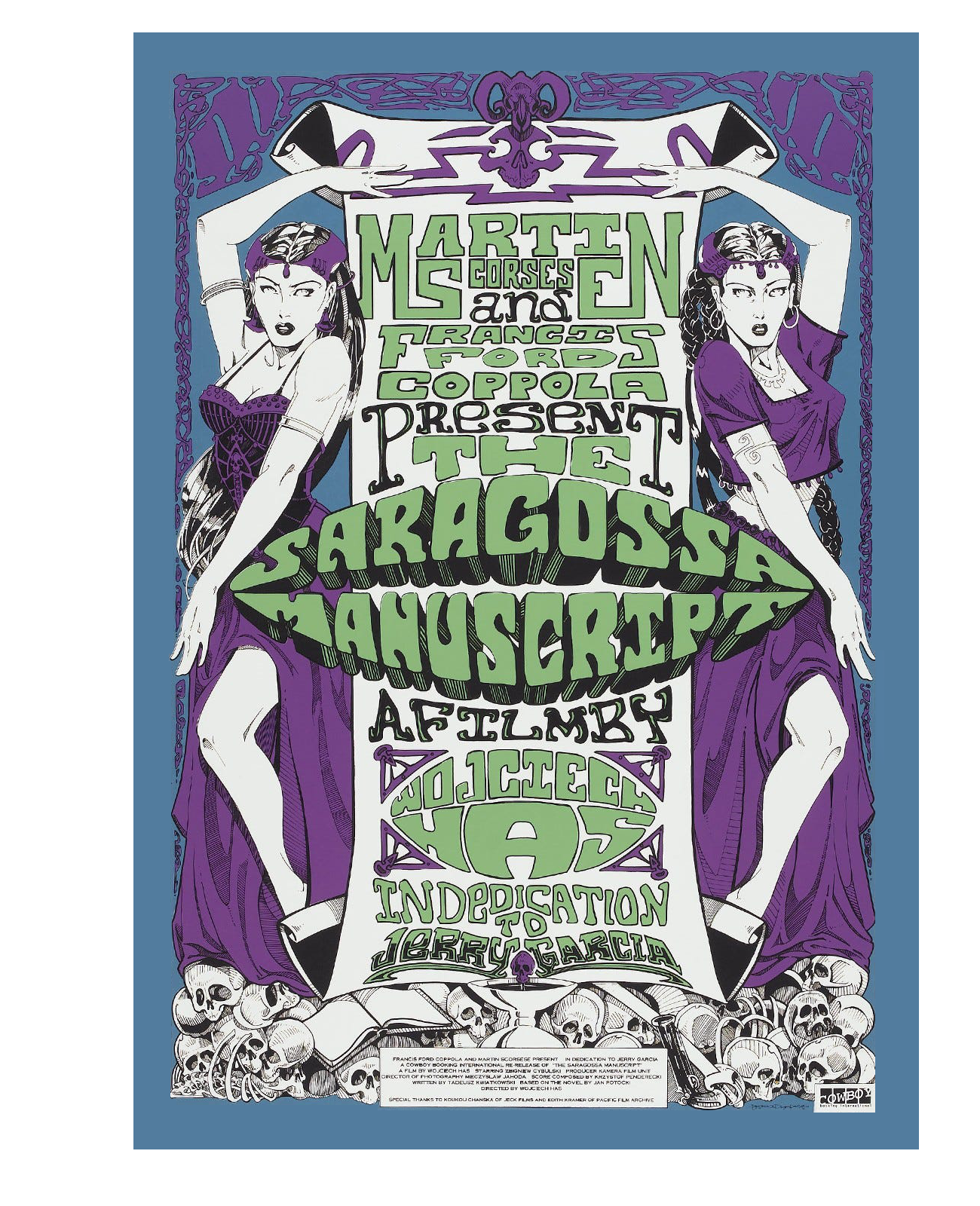
→ In earlier presentations, much was made of a restoration — and psychedelic-themed release — promoted by Martin Scorsese, Francis Coppola and musician Jerry Garcia of The Grateful Dead. Garcia claimed this was his favorite picture. An anecdote from the first DVD release gave the impression that the enthusiastic Garcia may have been thinking of the wrong movie altogether: a publisher named Alan Trist said that when Garcia described his favorite scene, his description fit perfectly a scene from another movie difficult to see in a good presentation, a Mexican classic by Roberto Gavaldón called Macario. Twenty-five years later, I wonder if that was just a good story mis-quoted. Garcia could have been waxing enthusiastic about a lot of movies he loved.
Is repeating that story appropriate? The answer is YES, if it encourages bold disc labels like Radiance to track down and re-premiere the marvelous Macario.
Reviewed by Glenn Erickson

The Saragossa Manuscript
4K Ultra HD + Blu-ray rates:
Movie: Excellent
Video: Excellent
Sound: Excellent
Supplements:
Visual essay The Saragossa Labyrinth on Wojciech Has by Michael Brooke (2026, 69 mins)
Polish making-of TV documentary Saragossa featuring Wojciech Has, cinematographer Mieczyslaw Jahoda, production designer Jerzy Skarżyński, and assistant director Barbara Sass-Zdort (1998, 29 mins)
Illustrated limited edition booklet with essays by David Hering and Annette Insdorf.
Deaf and Hearing-impaired Friendly? YES; Subtitles: English (feature only)
Packaging: 4K Ultra HD + One Blu-ray in Keep case
Reviewed: September 10, 2026
(7593sarg)
Visit CineSavant’s Main Column Page
Glenn Erickson answers most reader mail: cinesavant@gmail.com

Text © Copyright 2026 Glenn Erickson
About Glenn Erickson

Glenn Erickson left a small town for UCLA film school, where his spooky student movie about a haunted window landed him a job on the CLOSE ENCOUNTERS effects crew. He’s a writer and a film editor experienced in features, TV commercials, Cannon movie trailers, special montages and disc docus. But he’s most proud of finding the lost ending for a famous film noir, that few people knew was missing. Glenn is grateful for Trailers From Hell’s generous offer of a guest reviewing haven for CineSavant.
Great review! Curious if anyone out there knows how this new release compares to the 2023 Yellow Veil Pictures blu-ray release and its extras.