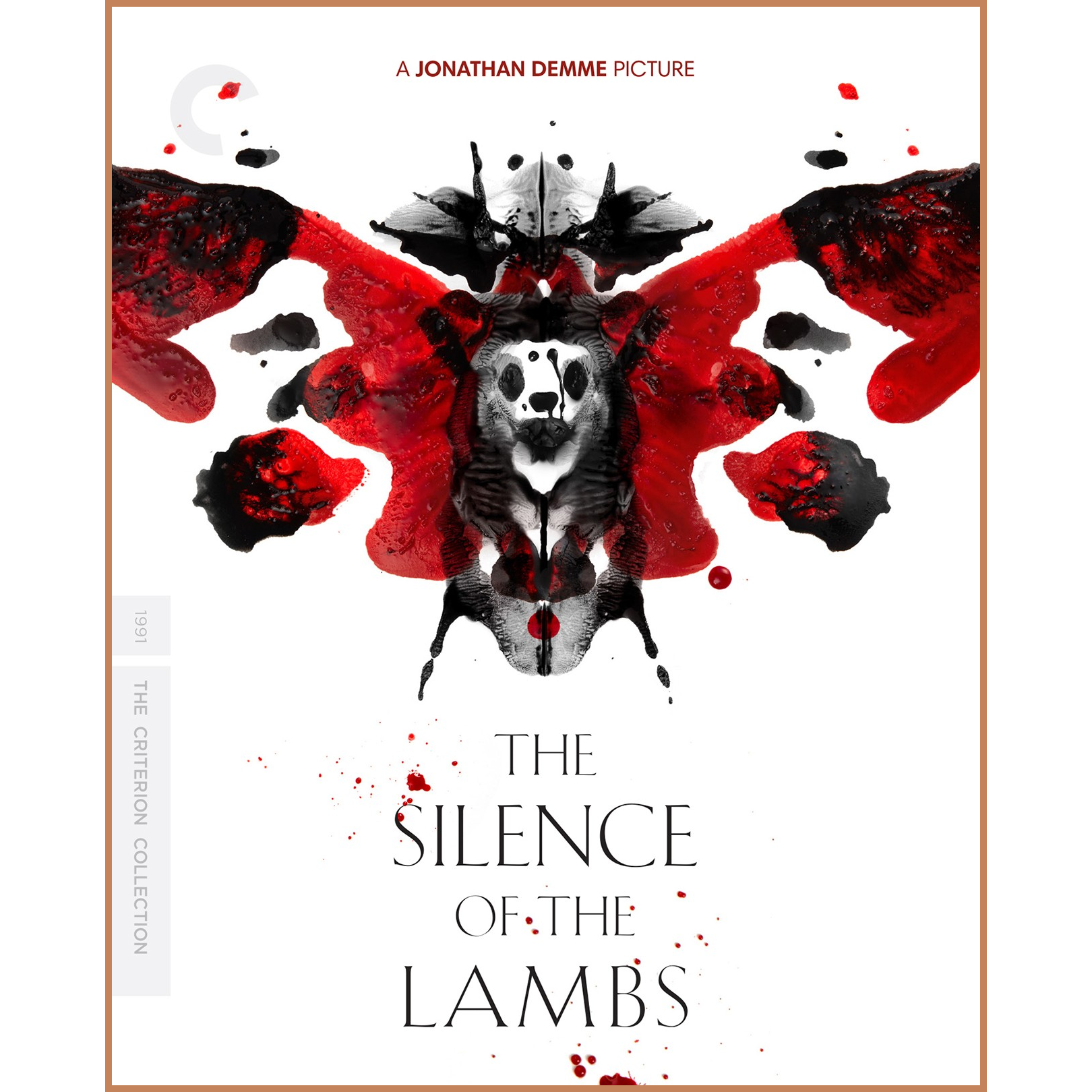

 Apparently, when director Jonathan Demme first received the treatment for The Silence of the Lambs, he rejected it out of hand. He was known for his quirky films such as Melvin and Howard and Something Wild, and he had no interest in serial killer movies. His agent (who earned their percentage here) urged him to read Thomas Harris’ novel before he passed on the project, and Demme ended up loving it. He saw it as a story of a woman being a heroine in a man’s world, an almost fairy tale of a woman fighting past obstacles and monsters to save the princess in the tower. Clarice Starling isn’t trying to save the world but will do everything she can to save one young woman. Demme loved the focus on a female lead character and the more realistic stakes, and it didn’t hurt that the novel was one of best thrillers of the twentieth century.
According to interviews in the special features, the rights to Silence were originally owned by Gene Hackman, who intended to direct the film and act in the role of Hannibal Lecter. He declined to move forward when he found Ted Tally’s script to be too violent for his tastes (one can’t imagine a nonviolent version of this material, frankly), and Demme got the job. Demme wanted Michelle Pfeiffer for Clarice, but she passed on it, and Foster had been openly campaigning for the role. Demme says he felt obligated to at least attempt to approach a big star for Lecter, and so he went to Sean Connery (!), but he was very happy to cast Hopkins instead when 007 exercised his license to kill the idea of him being a cannibal.
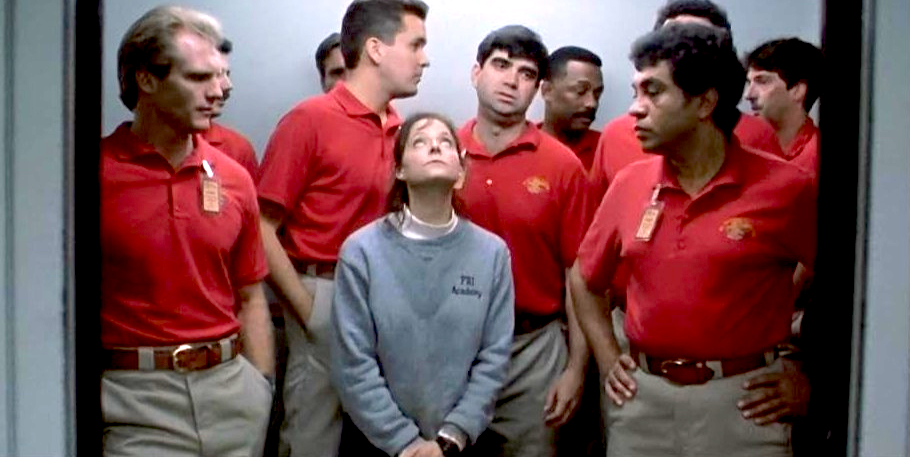
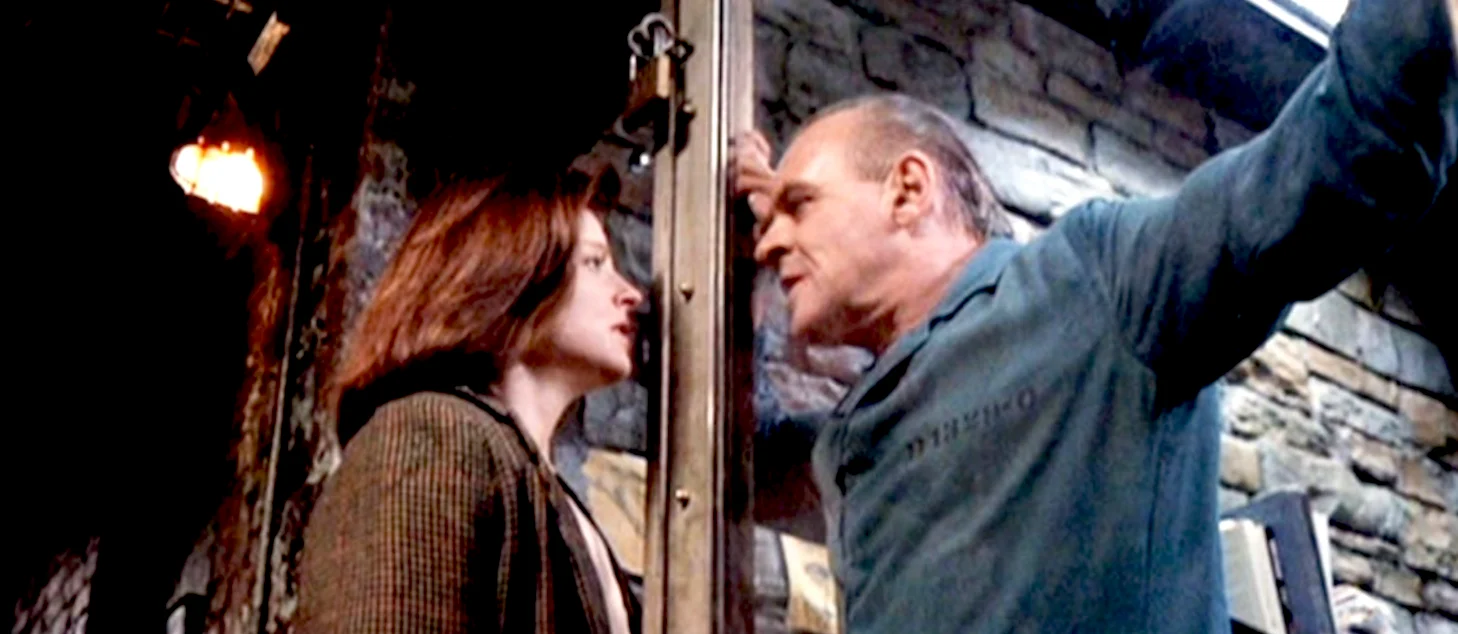
FBI trainee Clarice Starling (Jodie Foster) is called into the office of department chief Jack Crawford (Scott Glenn) unexpectedly one day and is given an assignment. She’s to go to Baltimore State Hospital for the Criminally Insane to meet with infamous inmate Hannibal Lecter (Anthony Hopkins), an ex-psychiatrist, to try and glean insights from him about a currently active serial killer (Ted Levine), whom the media have nicknamed “Buffalo Bill.” Lecter initially toys with her, mocking her clothes and rural accent, but something about Clarice appeals to him, and he offers her a clue that leads her to one of Bill’s undiscovered victims.
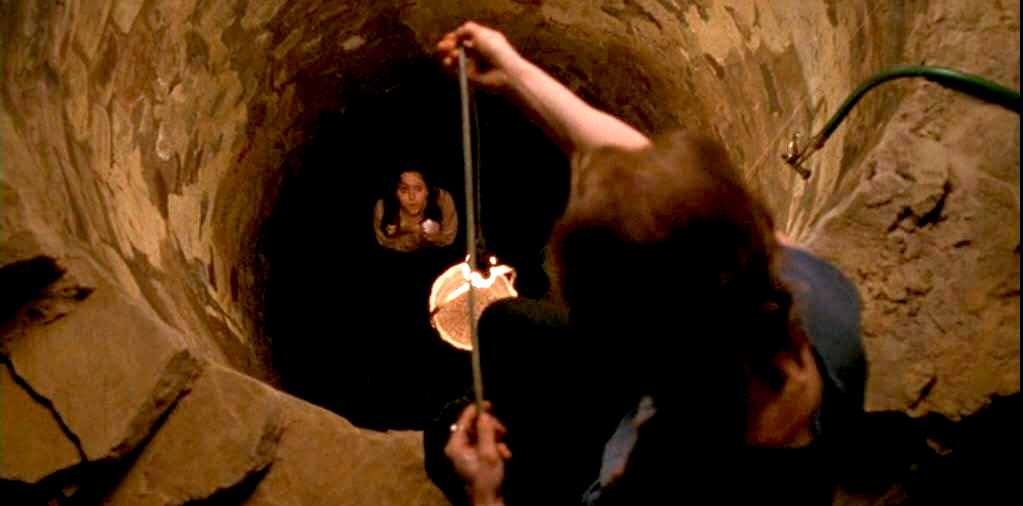
When Bill kidnaps Catherine (Brooke Smith), the daughter of a U.S. Senator, and pressure mounts to find her, Clarice presents a phony deal to get Lecter transferred out of his prison to a prison with a view and more freedoms. Lecter responds with an offer for a quid pro quo — he’ll give her info on Bill for personal information from her life. Clarice takes the deal and reveals details about the shooting death of her father when she was young, and Lecter states that Bill thinks he’s a transsexual but isn’t really. Unfortunately, the creepy warden of the prison, Frederick Chilton (Anthony Heald), records this conversation and tells Lecter that Clarice’s bargain was false. He makes his own instead with the senator and sends Lecter to speak with her.
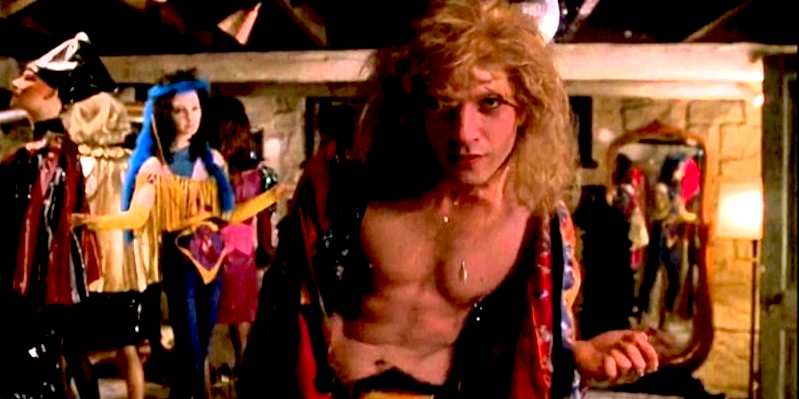
Elsewhere, Catherine is imprisoned in a pit in Bill’s (aka Jame Gumb) basement while he works on making a “woman suit” out of his victim’s skins. Catherine captures Bill’s little dog, Precious, as leverage to keep him from killing her. Concerned that time is running out for Catherine, Clarice confronts Lecter in his temporary jail cell in a courthouse. Out of desperation she confides her deepest trauma to Lecter, who responds by giving her a cryptic clue, which nevertheless proves to be very helpful. After Clarice leaves, Lecter escapes from confinement that night, killing his guards.
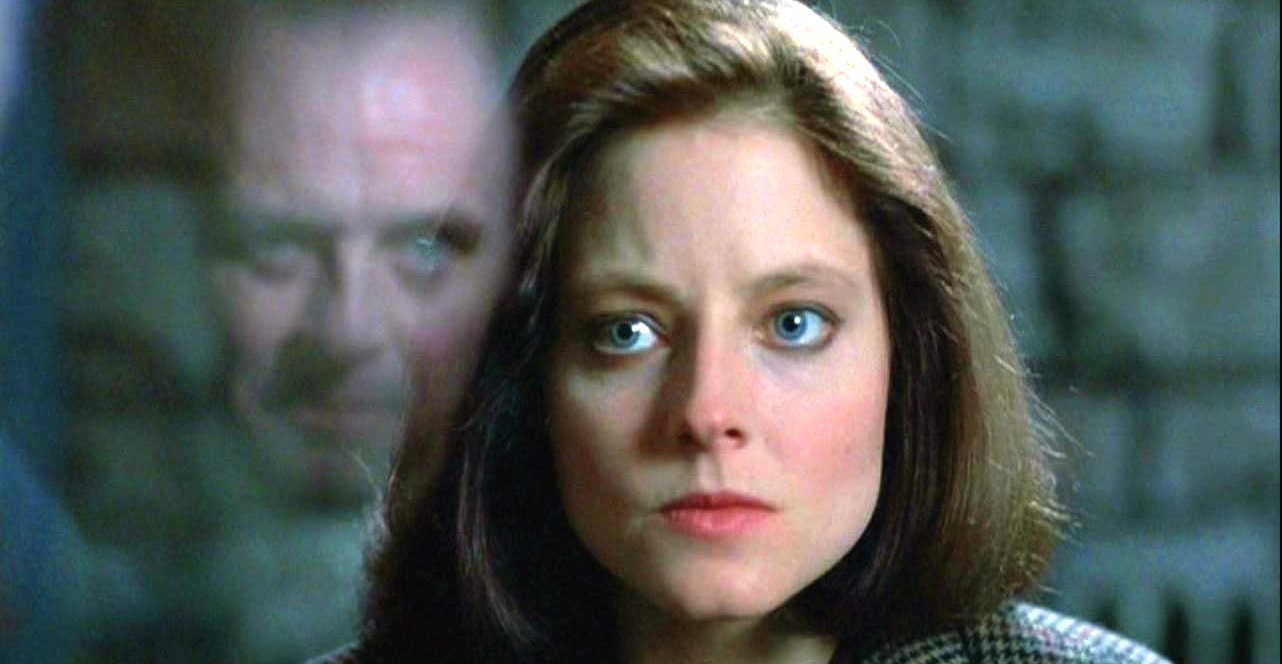
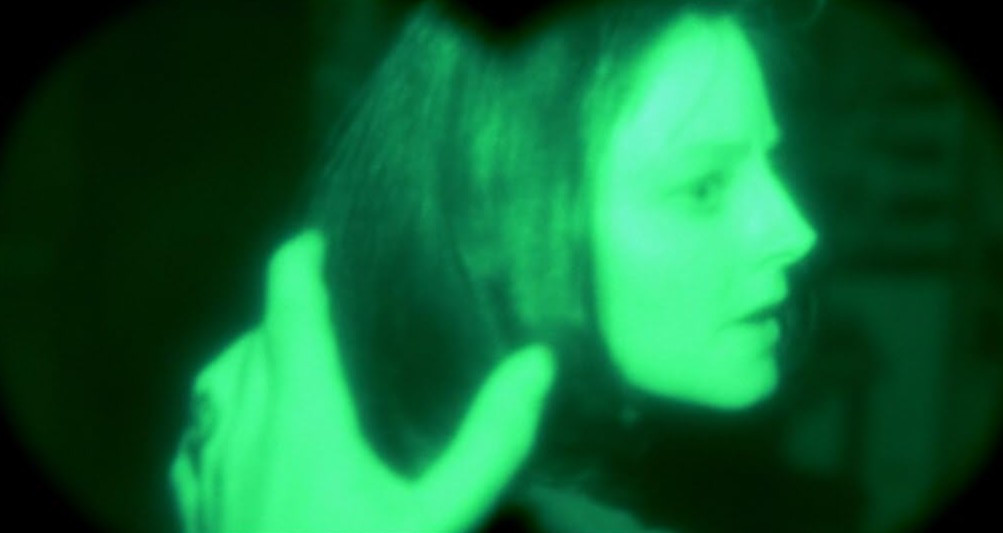
Using Lecter’s clue of “we covet what we see every day,” Clarice realizes that Bill may have known his victims. Visiting one of the victims’ homes, she notices dressmaking equipment and suddenly has an intuitive leap as to what Bill is doing. She finds a possible location for Bill by talking to the victim’s friends, and she goes to a house to try and get more information. She meets Gumb at his home and quickly realizes his true identity. He lures her into his basement lair and cuts the lights, tracking her with night-vision goggles. A noise tips her off as he plays with her and she shoots, killing him. She saves Catherine and later hears from the escaped Lecter, who tells her by phone that he is “having an old friend for dinner” as he follows a clueless Chilton on a tropical island.
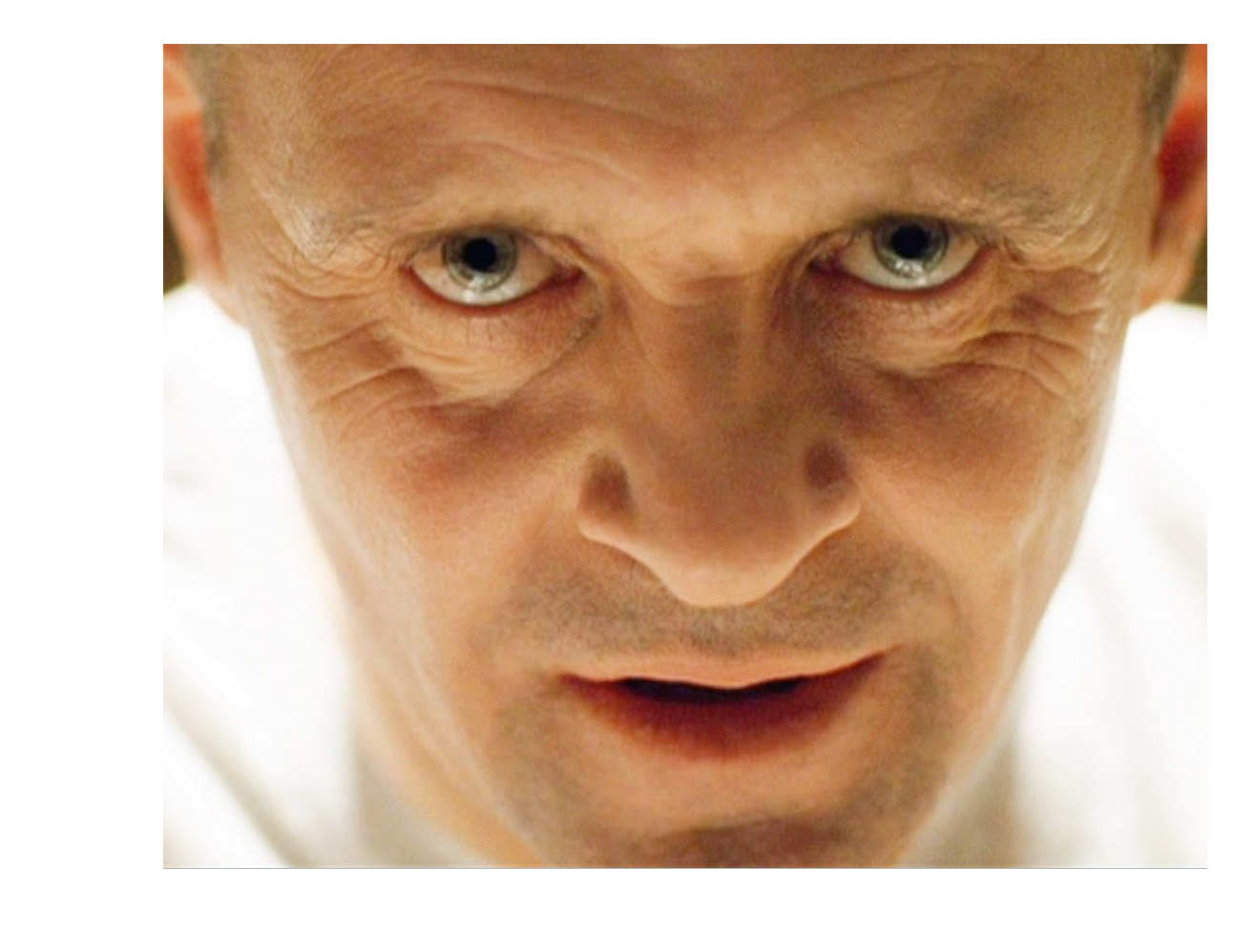
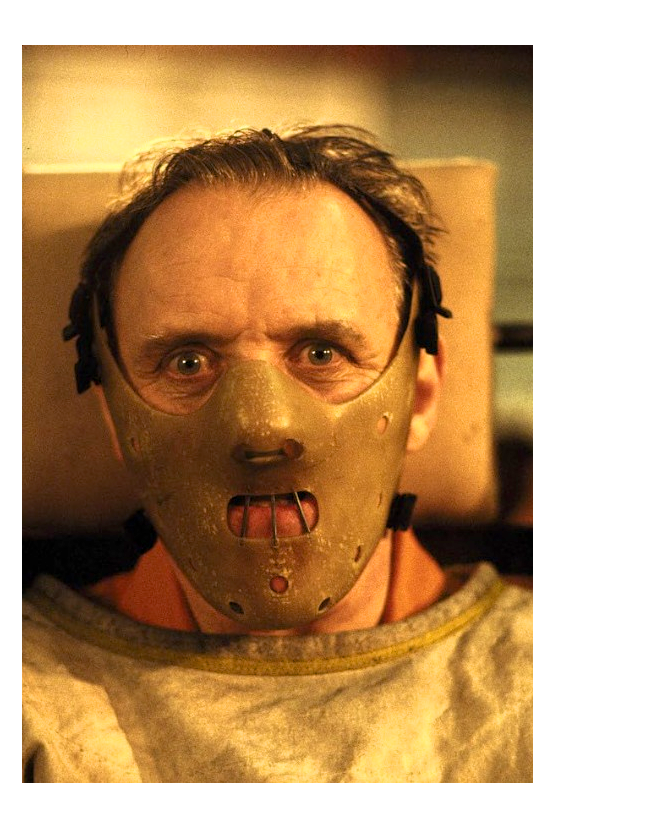
Foster and Hopkins were both superb in their performances, and their Oscars were very deserved. Foster sells the fear and determination as Clarice. She talks about how she was tired of playing victim roles in her career, and how portraying Clarice changed that. Lecter was a career-making role for Hopkins, and his unblinking closeups create a sense of intensity. As he says of his performance, “stillness and economy is much more effective.”
Heald was so memorable as the slimy Chilton that he points out he only got offered villain roles afterwards. Levine created an unforgettable movie monster as Jame Gumb, a broken man with a broken stub of a name. He describes the character as “an acutely homophobic heterosexual man” who “wanted the power he believes a woman possesses.” Smith points out that her scenes with Levine’s character were so intense that the two actors made a point of becoming friends to make the experience easier.
Demme’s desire for the film to be almost exclusively from Clarice’s POV extended to the positioning of the camera to match Foster’s height to any actor addressing Clarice looking directly into the camera, which is unusual for most movies. It creates a visceral connection between the audience to the character. The closeups of Lecter and Clarice are so long that they almost feel like the gunslingers sizing each other up in a Sergio Leone picture. Demme also made sure to show how Clarice was treated as a woman in the FBI world by having men regularly stare at her, and he emphasized her size difference from them by hiring tall male actors.
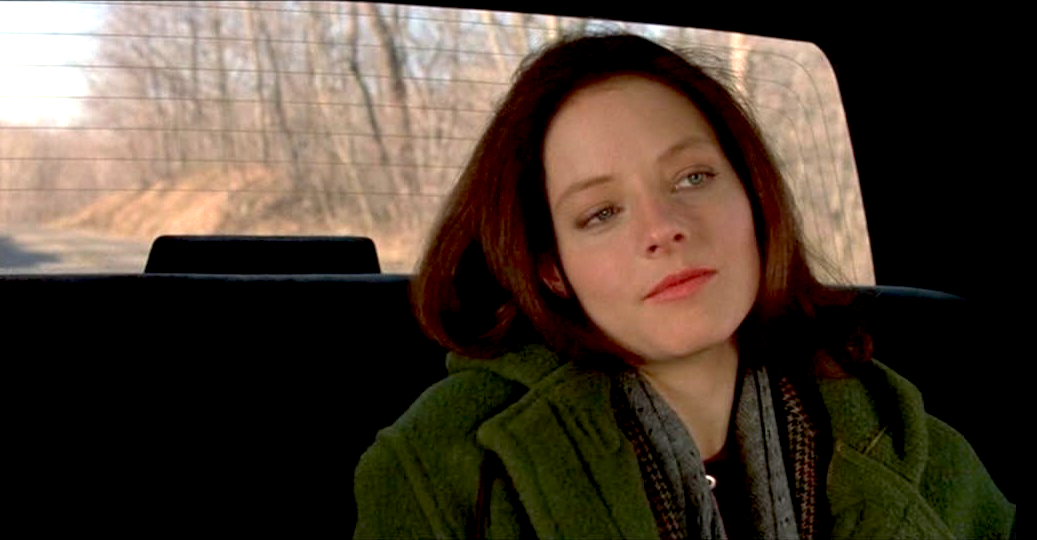
Demme gets credit for perhaps the greatest fake out moment in cinema history, as we’re led to believe a SWAT team is going to capture Buffalo Bill and instead, they’re at the wrong house and Clarice is all by herself with Gumb. He presents Lecter’s escape with operatic verve, delicate classical music leading up to over-the-top savagery, the beast roaring out from behind Lecter’s usual mask of intellect and culture. He directs the final confrontation between Clarice and Gumb with rising dread (moths flying about, The Fall singing “Hip Priest”) that explodes into terror (the use of night-vision to show Clarice blundering blindly in the dark is inspired).
Tak Fujimoto’s cinematography displays a cold world dimly illuminated by weak winter light, all blues and greens and grays. Kristi Zea’s production design is masterful (inspired by the paintings of Francis Bacon), from the Gothic dungeon-looking prison in which Lecter is held (you half expect to see the Inquisition torturing prisoners) to Gumb’s chaotic lair, which seems more like a diagram of his mind than a physical place. Howard Shore’s effective score is unusual in that it doesn’t use typical thriller music but instead chooses to express Clarice’s emotions.
Ted Tally’s script does a marvelous job balancing the needs of adapting Harris’ novel and making it into a successful film. He respects Clarice’s character as a person whose mission is to save people and shows that she is an active person in that regard, not passive. He does a very unusual thing in Hollywood for that time by not automatically assigning her a love interest. The writing is also filled with dark humor, such as Gumb pointedly asking Catherine when he meets her if she’s a size 14 (as if he’s shopping for clothes), or Lecter toying with Clarice by describing Gumb’s targets as “roomy.”
The film was controversial upon its release and was protested by members of the gay and trans communities for its depiction of a homosexual serial killer, stating that this was a negative stereotype long perpetrated by Hollywood films. Demme seemed very open to and concerned about this criticism (indeed, his next picture was Philadelphia) in later interviews, pointing out that there are least two instances in the movie in which characters explain that there is “no correlation in the literature between transsexualism and violence” and that Gumb is not actually a transgender person. That being said, one can see why those lines didn’t necessarily correct the overriding picture the movie was presenting. This edition has an essay about this subject.