
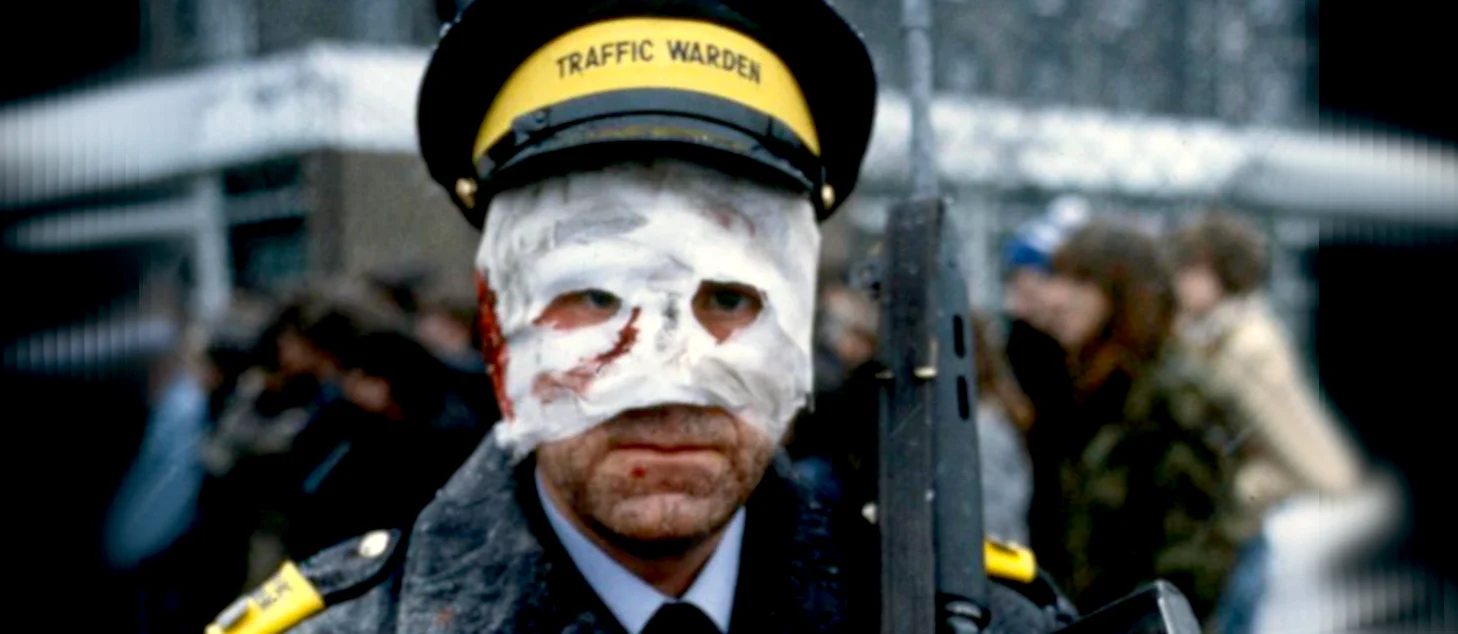

Not until the 1980s did television ‘tell it like it is’ on the subject of nuclear war, in the U.K. and in the United States. For once, an advertising tagline didn’t exaggerate:
The closest you’ll ever want to come to nuclear war.
Peter Watkins’ 1965 The War Game by was considered so disturbing that the BBC banned it outright. Its maker Peter Watkins charged that the ban was a political move by a government that didn’t want England’s pro-nuke, pro-USA policies disturbed. The film did get a theatrical release, but it didn’t reach television until the 1980s. Not long after, the emotionally wrenching Threads hit the UK airwaves, with much more explicit images of atomic terror. Threads has always been considered the Brit counterpart to America’s The Day After (1983), an effective, polished ABC TV Movie.
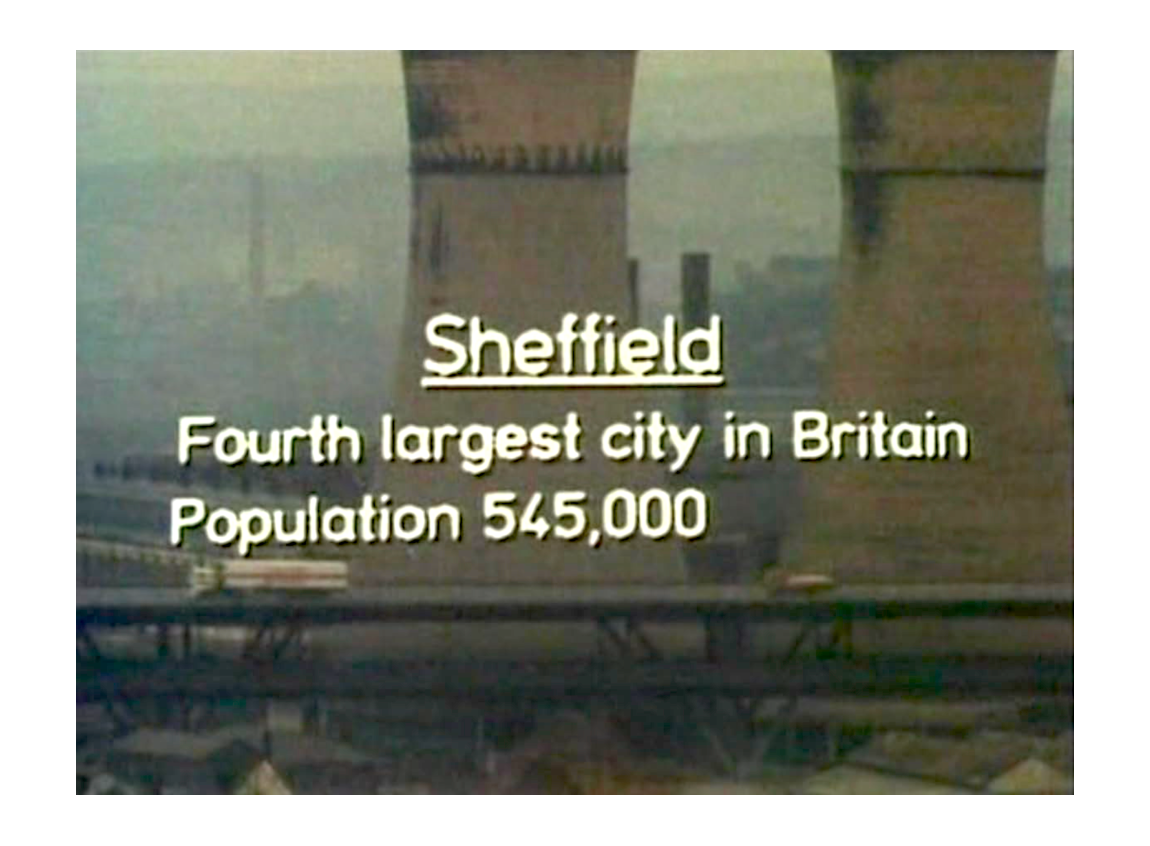
Threads continues the stark semi-docu look of Watkins’ film, complete with 16mm handheld camerawork and frequent text inserts that mark the passage of time and offer grim information about the facts of thermonuclear war. An unfamiliar but engaging cast gives us no assurances that anyone will survive. Gritty close-ups prevail, leaving the resourceful director Mick Jackson to create moods with precisely framed claustrophobic images. The montage style gives us impressionist details that suggest more than they show, and add up to a disquieting realism.
Nothing is ‘spectacular’ as in The Day After. We see no glorious images of multiple missiles arcing into the sky, and no God’s-Eye views of populations being vaporized into skeletons. We’re stuck in the subjective experiences of the bombed and battered. They know almost nothing about what’s happening to them, and what’s going on outside their battered, ruined apartments. The few not badly hurt, are poisoned with different levels of radioactivity.
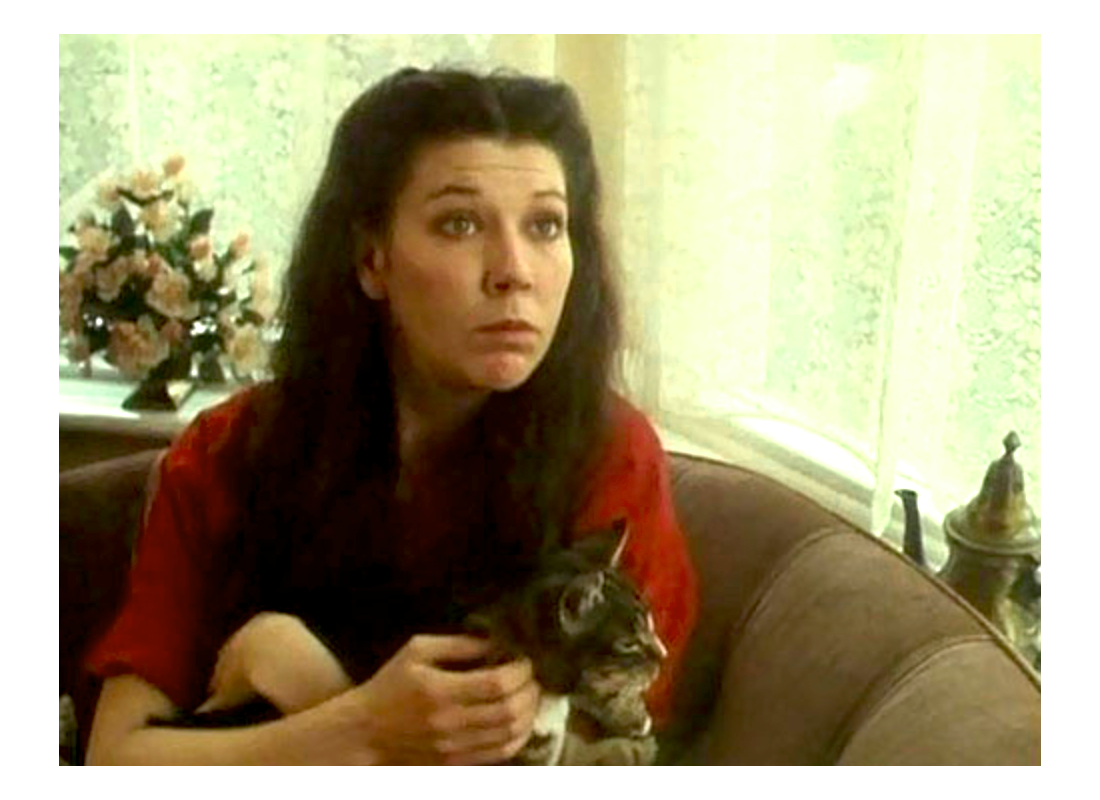
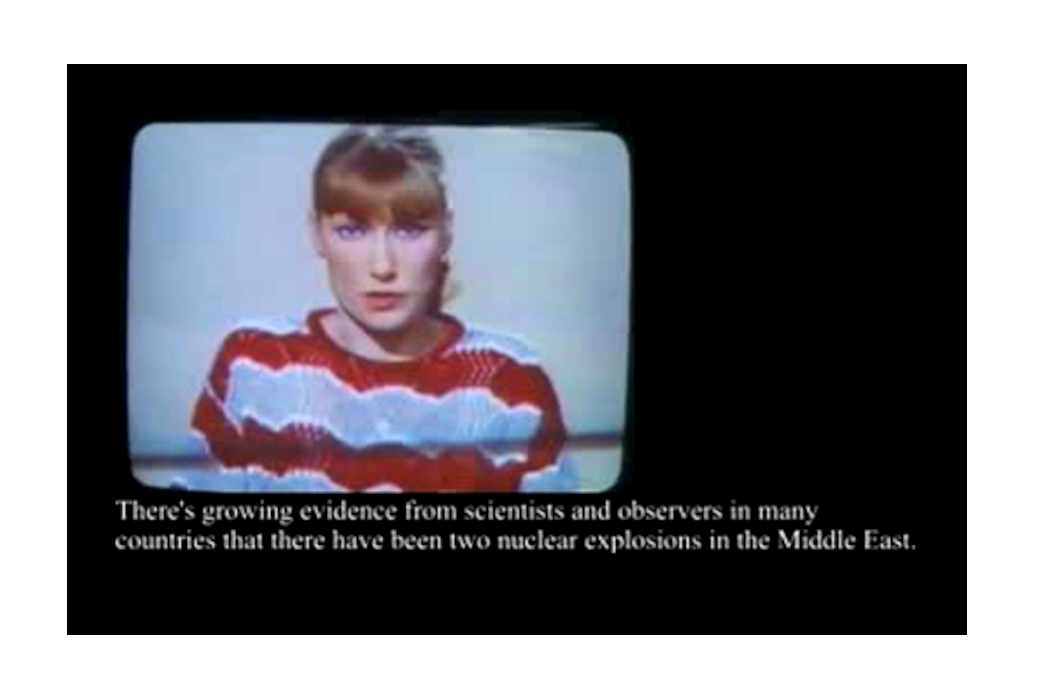
The Flash Point for this war is Iran. A Soviet play for some Irani oil fields precipitates an armed dispute. The movie spends at least 45 minutes watching citizens of Sheffield going about their daily business amid as Breaking News alerts indicate an escalating conflict. The pre-attack jitters is a subject for jokes, and the public does its best to ignore them. As one jolly fellow rightly says, they can’t do anything about it anyway.
We’re young, we’re in love, but atom war intervenes.
We follow three groups of Sheffield folk, which happens to be near a NATO base. The working-class Kemp family shares the embarrassment of the slightly better-off Beckett family when their son Jimmy (Reece Dinsdale) and the Beckett’s Ruth (Karen Meagher) jump into marriage after an unplanned pregnancy. When panic sets in, the Becketts are better prepared than the Kemps, but it makes little difference.
From that point forward we see little or nothing of ‘the big picture,’ but instead share the fear and chaos of individual families half-buried under their broken houses. With much of the city in flames, those not at home are not seen again. The Kemps’ and the Becketts’ worlds are reduced to the mattresses they’ve jammed in a corner of a room.
In downtown Sheffield, councilman Sutton (Harry Beety) has convened a group of civic leaders in an underground bunke, to spearhead the civil defense effort. Their pre-prepared plan would be perfect for a World War II – style conventional bombing blitz. The few councilmen that show up do their best, but the intensity of the air strikes nullifies their efforts. Their exits are blocked. They lose power, but their emergency generators kick in right away.
The pregnant Ruth soon becomes the main character. Emotionally shattered by the carnage, only an instinct for survival allows Ruth to face the filthy, radioactive aftermath of the attack. Nobody has sufficient food or protection from the cold. All of the things we take for granted vanish in a moment: sanitation, communication.
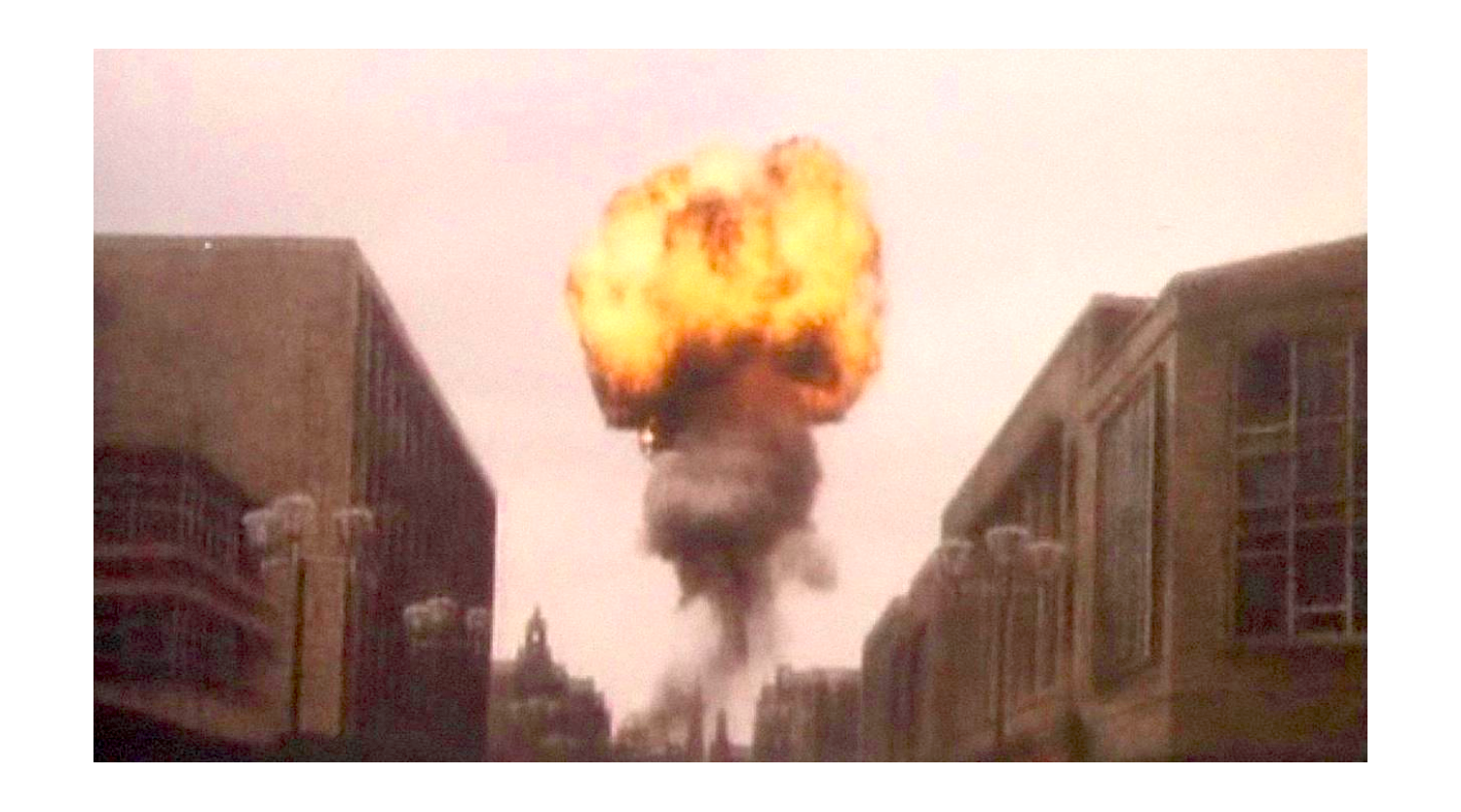
Sutton and his dutiful councilmen remain buried in their basement shelter beneath the collapsed city hall, with only spotty radio contact with what remains of the outside world. Their electronic equipment (along with most cars) due to the Electromagnetic Pulse overload of the nuclear blasts. The councilmen continue to make contingency plans and decisions, but can’t help anybody, not even themselves.
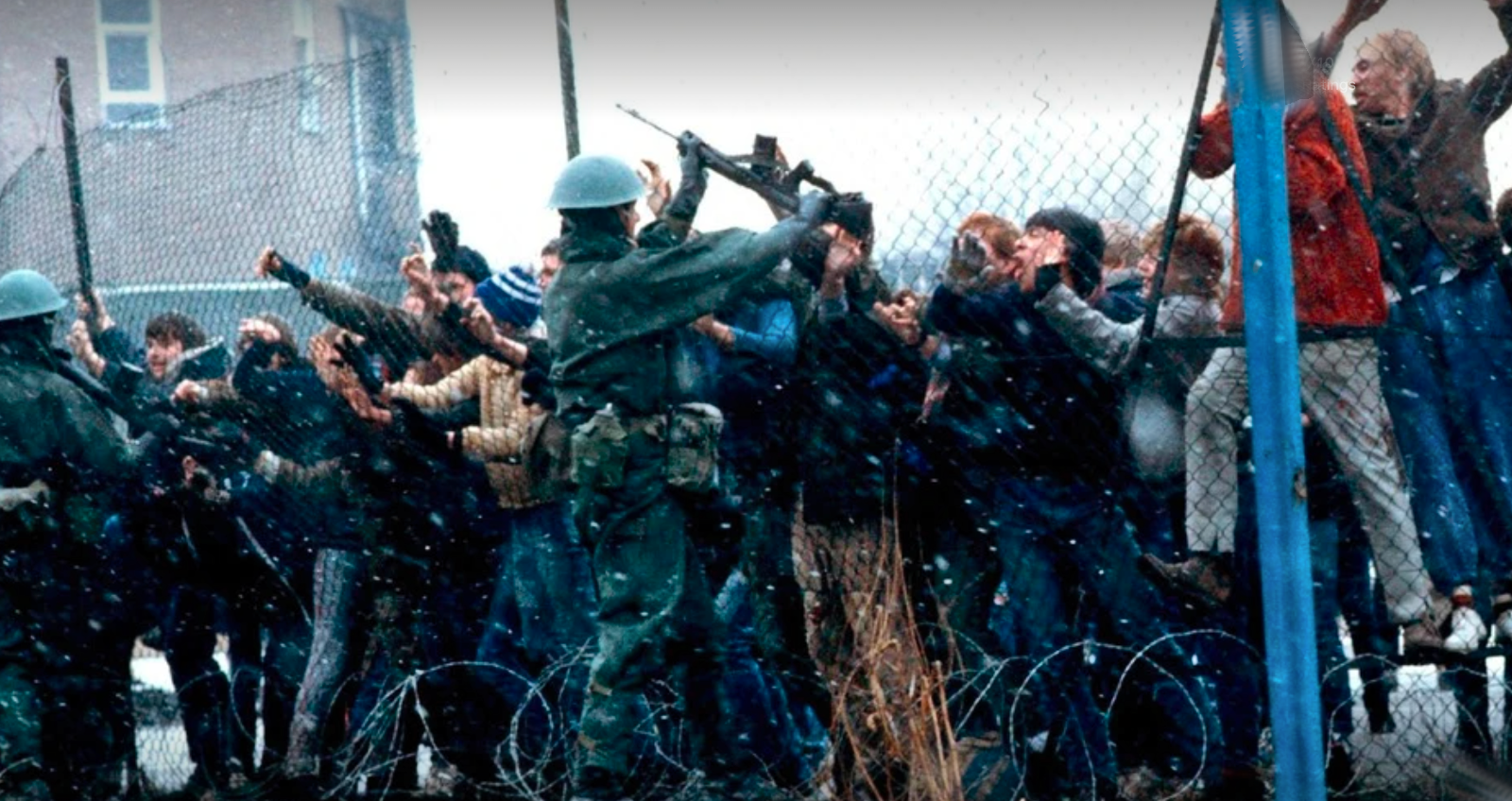
Some events are similar to what was seen in the older show The War Game. Civilization has come to an end literally in an afternoon. Few if any functioning buildings are standing, the roads are impassable and hospitals are overwhelmed. Fearing food riots, the police refuse to give out the few provisions set aside for emergencies, awaiting ‘authorization’ not likely to come. Starving looters are shot on sight. Only those survivors capable of working are given food rations, and those looters not shot are imprisoned. The cops confiscate all looted items, for their own use. Millions of unburied bodies feed swarms of disease-carrying rats.
Drag Grandma outside, will you?
Threads indulges in no soap-opera dramatics. Survivors can barely relate to each other. Faced with a constant parade of death and brutality, the strong are stunned and the vulnerable just fold up in shock. The Continuity of Living is gone. With so many dead, their exact fates left unclear, few connective personal threads remain. Ruth for a while tries to subsist with a young man, possibly a friend of Jimmy. By the time they are eating raw meat from a dead sheep found in a ruin, Ruth is no longer talking to anybody.
Peter Watkins had a political aim for his The War Game, to publicly expose British institutions as criminally negligent, for keeping the facts of atomic age Civil Defense from the public. Twenty years later, Barry Hines’ and Mick Jackson could simply depict the ugly truth. Threads plays like a horror movie — the reaction of millions might be to look away and think about something else. There’s no way to be both honest and genteel about dead babies. Besides the carnage inflicted on Sheffielders, we also see cats and dogs maimed and suffering — another emotional outrage for audiences.
Threads’ dismissal of polite civil defense niceties was a real shock in 1984. Unlike the doomsday pictures of the 1960s, it doesn’t portray a relatively sanitary extinction or set forward a sensational but lightly-sketched ordeal in the post-atomic future.
The nurturing family unit that even cavemen enjoyed, is no more.
Many older atomic dramas ended right after the bombs fall. Not even The War Game looks too far into the future. Threads gives us a full accounting of what can be expected for the ‘lucky’ survivors. A Nuclear Winter hangs over Britain for the better part of a decade. Brief vignettes project the timeline thirteen years post-war. England’s population has been reduced to just a couple of million hardscrabble survivors. Grubby peasants scrape out what meager crops can be grown. The next generation is a disaster. Most of human knowledge is lost. Raised by shell-shocked victims, the children know nothing… a situation visited in a 1971 avant-garde Sci-fi think piece by Jim McBride. We follow Ruth’s daughter to an unforgiving, bleak future. Her entire vocabulary is a few individual words.
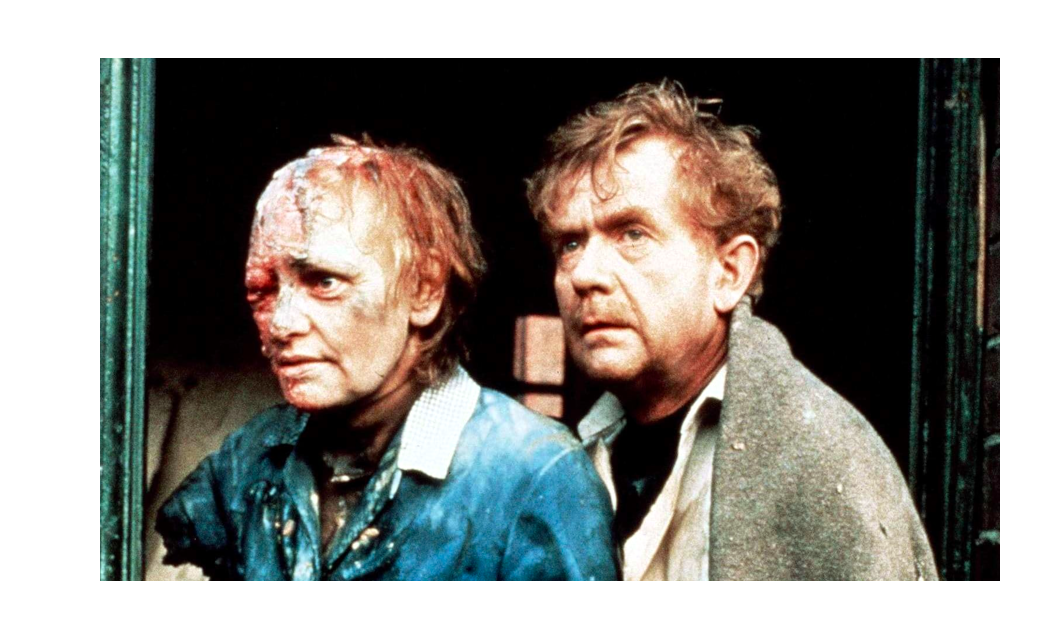
Threads does not sensationalize its grim horrors. We’re given fleeting glimpses of gore and mutilation, but the permanent legacy of the war is unending filth and degradation. Scenes with rats and scum are stronger than similar material in horror films. The burns and untreated wounds do make the survivors look like outcasts from a zombie movie. All values have been lost. Ruth is reduced to an automaton trying to find sustenance for her baby. Her daughter has no idea that the world was ever anything but the horror show she’s grown up with.
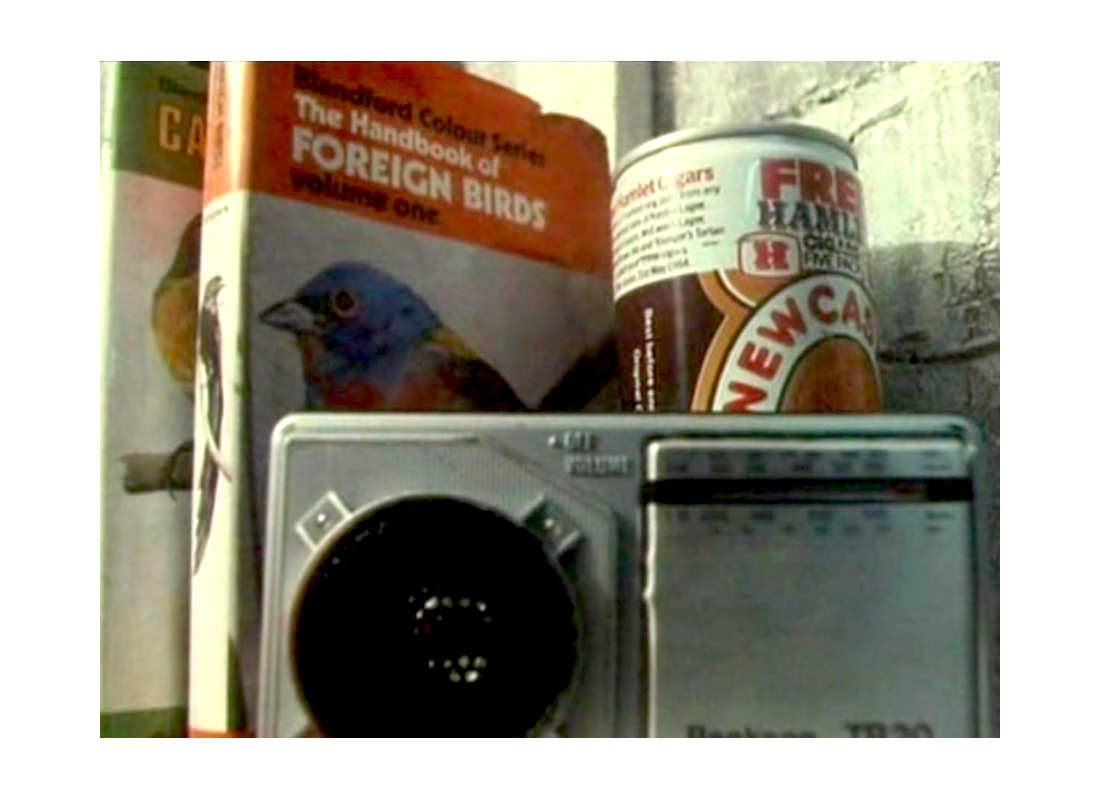
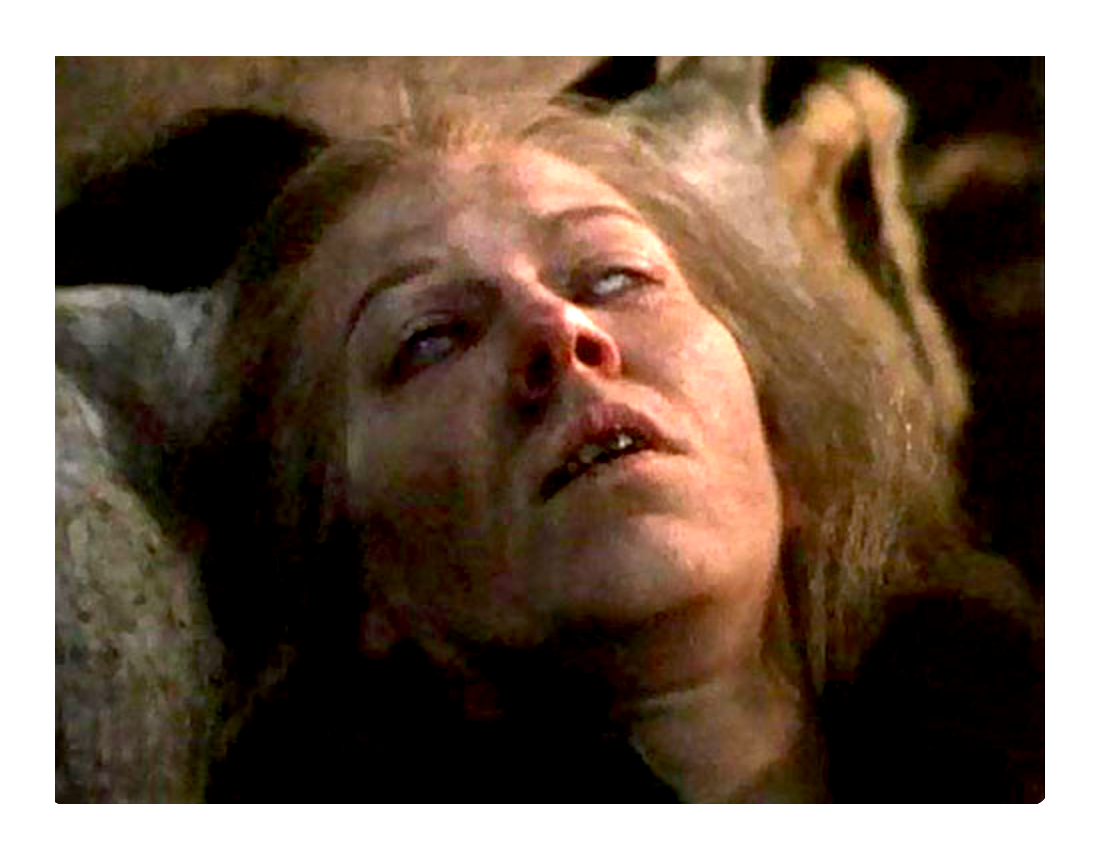
Karen Meagher makes a lasting impression as Ruth, a fairly happy young woman preparing an apartment for her baby. Years later she is a spent hag with little hair and severe cataracts from overexposure to UV light. It is one of many facts explained in the distressing inter-titles. In an all but buried sentimental touch, even when Ruth is crippled and impaired, she clings to the memory of Jimmy through one of his prized birding books.
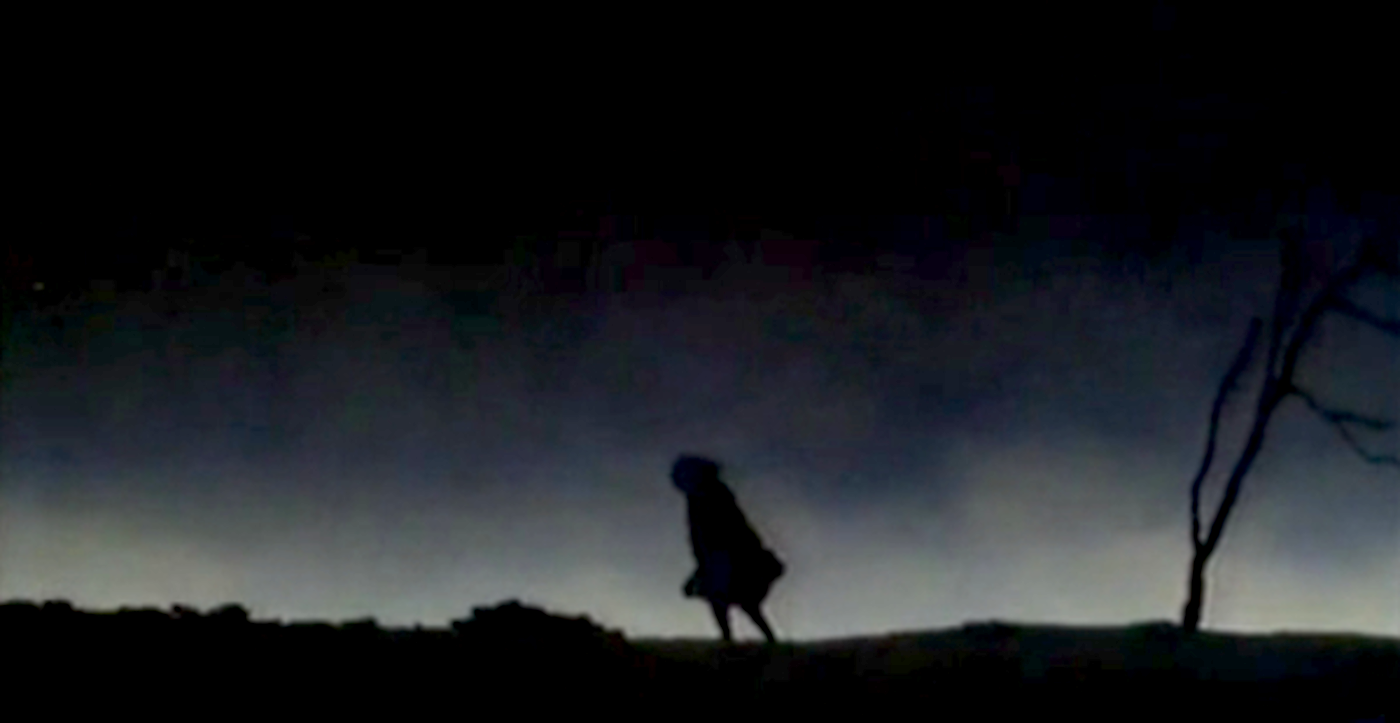
Even with the dodges and shortcuts of director Jackson’s meager budget, everything we see makes its desired effect. The show finds good design guidelines. The post-attack personal passages are claustrophobic and chaotic. The storyboarded shots bridging time gaps in the future tend toward graphic simplicity. The grim Nuclear Winter is depicted wide, with silhoutted figures under dark skies heavy with clouds.
Barry Hines’ dialogue and Jackson’s fine direction make the weaknesses of 16mm into a style statement. With their exciting million-dollar special effects, American blockbuster ‘escapist’ doomsday fantasies fudge the facts.
Threads tells us that real atomic war won’t be awesome or pretty, not for a moment.
Good to hear Threads has been rebuilt from original elements for best picture quality. I’ve only seen a Netflix DVD. It’s a pity Severin didn’t make a regular Blu-ray transfer from the 4K available. Next up Severin’s 4K release of Zulu Dawn?
Yes, I hope that David Gregory’s remark that ZULU DAWN was a possible on 4K pans out!
I saw this on TV in the UK at the time and I can vouch for the fact that it was absolutely devastating
Me too, but in the version I saw the flash point was Iran not Iraq? Why does this otherwise good article say it was Iraq?
I’m so sorry it was Iran. Thank you galasek …
Minor correction: The Day After was not a two-parter. It aired in a single, three hour time slot on Nov 20, 1983. 140 min runtime with just 40 minutes for commercials. Once the missiles launched and bombs dropped, the rest of the movie ran commercial-free.
Another correction ” government that didn’t want England’s pro-nuke, pro-USA policies disturbed. ” England has not had an independent foreign policy since the union in 1707, it is one of the four parts of the UK. The correct term here is UK or Britain.
So a movie about a nuclear war starts in Iran. How long before this movie becomes a documentary?