
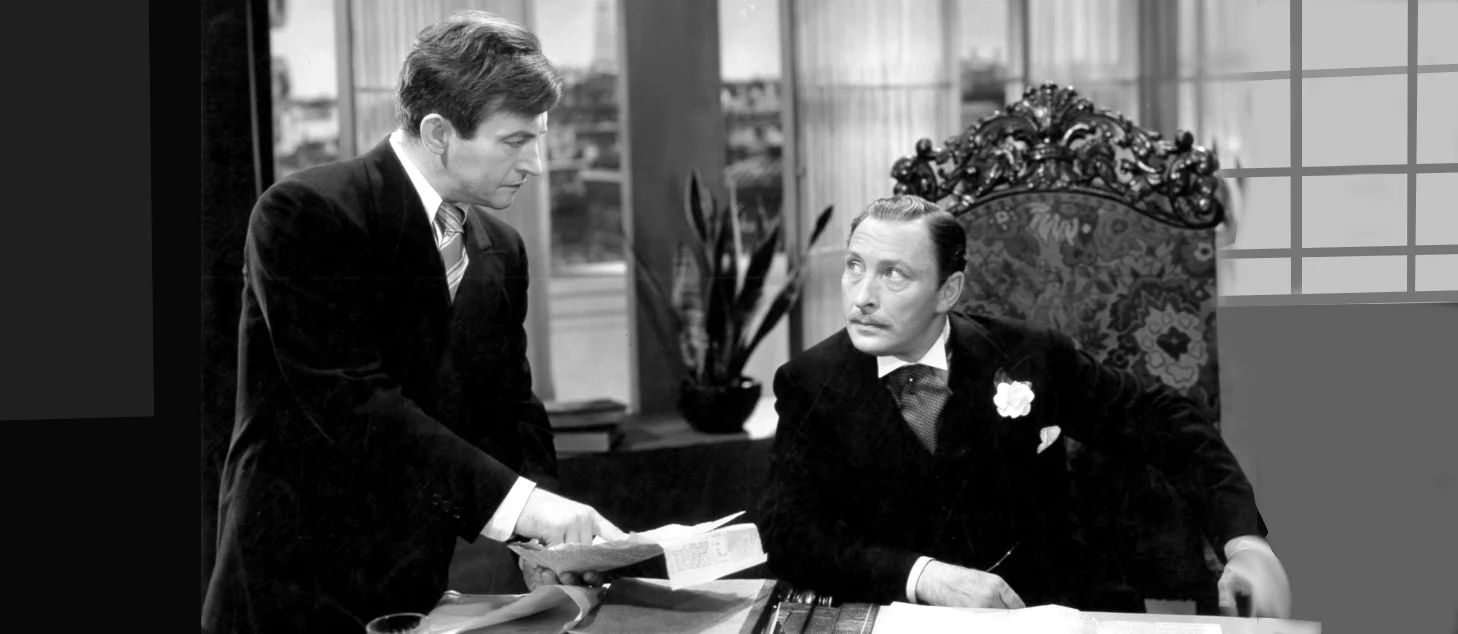

In Europe of the 1930s came a film sub-genre that addressed the fear that a new World War was on the way. Pacifist movies routinely blamed war profiteers for trying to re-ignite hostilites. Then as now — especially NOW — major news outlets reported the chances of war and the status of the stock market in the same bulletins. French director Abel Gance remade his earlier anti-war silent movie J’Accuse as spiritualist hysteria: the war dead rise in protest from their graves. H.G. Wells’ Things To Come preached that war was inevitable, and would include mass bombings from the sky. The best anti-war film of the period was Jean Renoir’s classic La Grande illusion. It stayed out of politics and simply expressed the common humanity of the combatants.
The United States was more concerned with Isolation than pacifism. The odd MGM feature Men Must Fight showed New York being bombed from the sky, while arguing that pacifism only weakens us, and keeps our young men from going to war, which is good. Likewise, even Alfred Hitchcock’s 1940 Foreign Correspondent presented a phony ‘Peace League’ as an enemy ploy. But there were a few conventional anti-war fables, too. Ernst Lubitsch took a break from romantic comedies to make his own grim anti-war movie.
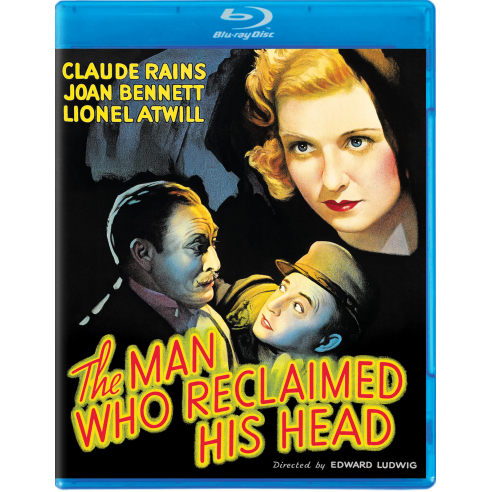
Almost forgotten now is this Universal ‘A’ picture starring Claude Rains soon after his American debut as The Invisible Man. The post-Code The Man Who Reclaimed His Head is a pacifism vs. profiteers melodrama scripted by Jean Bart from her own play. We know Ms. Bart (born Marie Antoinette Sarlabous) through her early MGM talkie The Squall. Like that picture, The Man Who Reclaimed His Head illustrates a simplified moral conflict via unsubtle emotions.
We don’t find any insights about war jitters in this tale, which reduces the issue to yes/no Kindergarten terms. Gun-makers are evil! Activist peaceniks are too emotional! We do get to see some fine acting from the great Rains and the winning Joan Bennett. The horror icon Lionel Atwill excels as a smooth, persuasive villain. They give the unpromising material everything they’ve got.

Verin = vérité = Truth, get it?
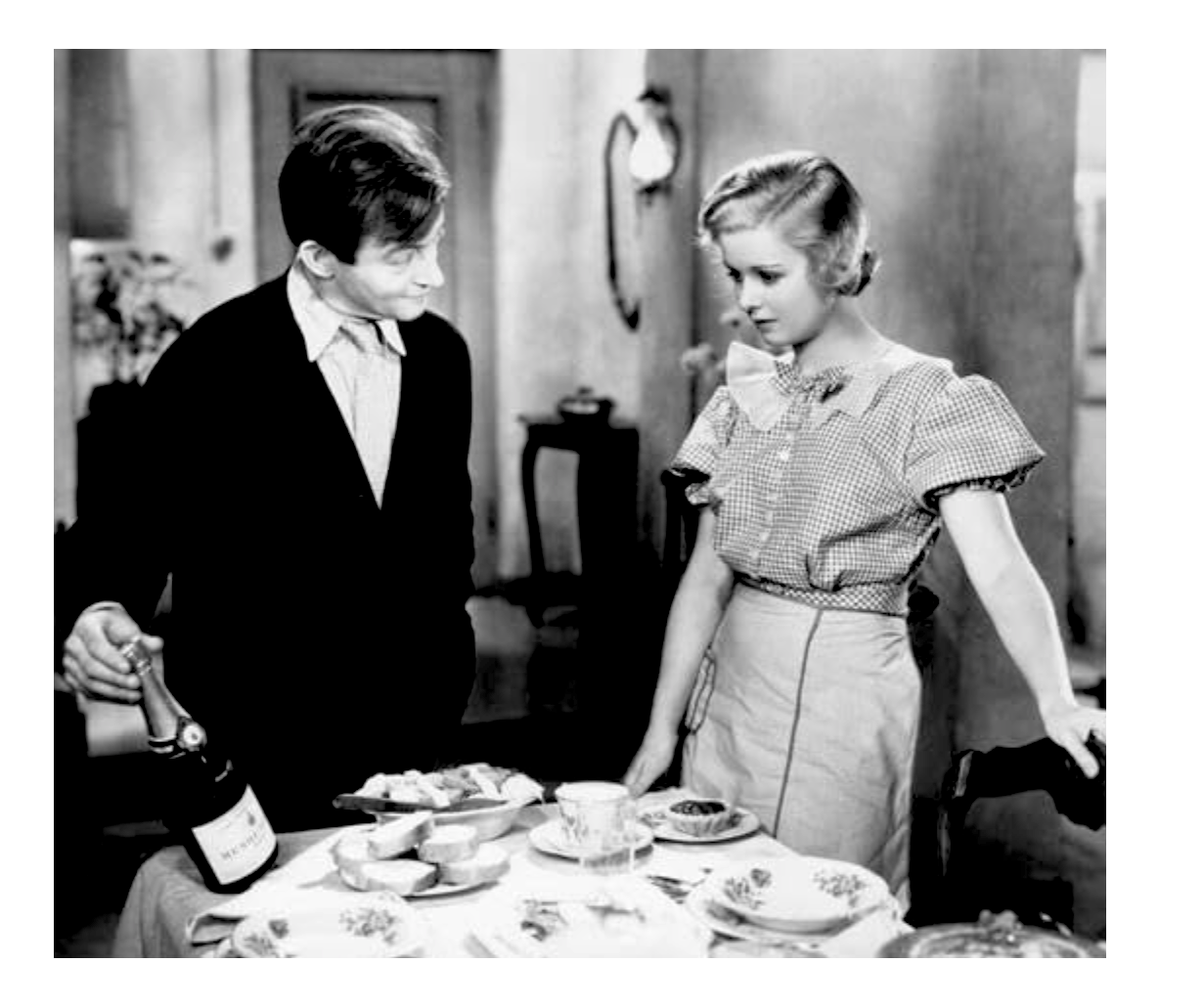
The movie plays out as a flashback from a Paris now engulfed in a new war. Corporal Paul Verin (Rains) shows up at the house of attorney Fernand de Marnay (Henry O’Neill) clutching his tiny daughter Linette (Baby Jane Quigley) and a satchel containing something very disturbing. De Marnay agrees to listen, and learns how Verin, a pacifist political writer, was repeatedly cheated by publisher and aspiring politician Henri Dumont (Lionel Atwill). Using the fact that Verin’s beautiful wife Adele (Joan Bennett) would like a better lifestyle, Dumont tricks Verin into ghostwriting newspaper articles that make Dumont out to be a great statesman. Verin/Dumont’s articles ignite a pacifist campaign charging that politicians and munitions manufacturers are trying to pull Europe into a new war.
But Henri Dumont sells out to a cabal of millionaire munitions manufacturers. When his new associates want public opinion changed, he does a 180-degree flip-flop, and becomes a hawk for re-armament. Verin quits, but by now Dumont is a national name with the campaign momentum to win an election. When war breaks out, Dumont has already been wining and dining Adele, in the hope of wooing her for himself. To clear the field, he sees to it that Verin, now a corporal in the trenches, is denied leave to return to Paris. During the separation Paul and Adele independently realize what Dumont has been doing all along. Verin goes AWOL to return home, where he does indeed find Dumont putting the moves on his wife.
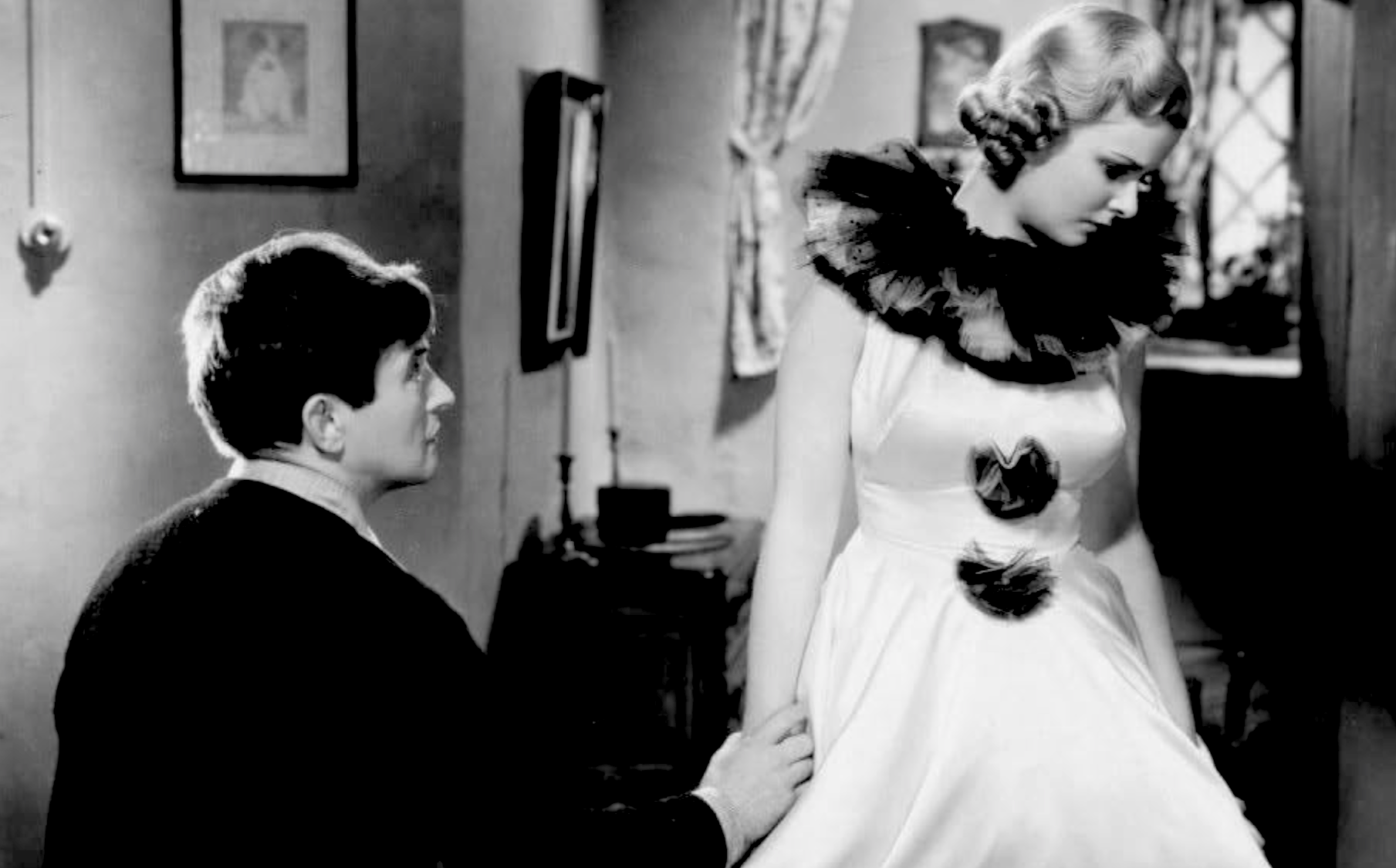
Universal didn’t go cheap on the movie. The sets are elaborate and the lighting excellent. The direction of Edward Ludwig (They Came to Blow Up America, The Black Scorpion) pushes the right emotional buttons, but our involvement is restricted by the utter obviousness of the script. For at least five minutes, Dumont’s millionaire cronies outline their financial scheme to manipulate a war for personal profit. They promise not to not bomb each other’s factories. Why, the dastards calculate their profits in terms of human lives!
(Not a spoiler). The trick plot presumes that Paul has been driven insane, and is toting a man’s head around in that satchel. A symbolic moment arrives in which he bumps into some nuns, and stoops to retrieve what’s been dropped: their rosary, his dagger. Is God giving Verin the green light to take revenge?
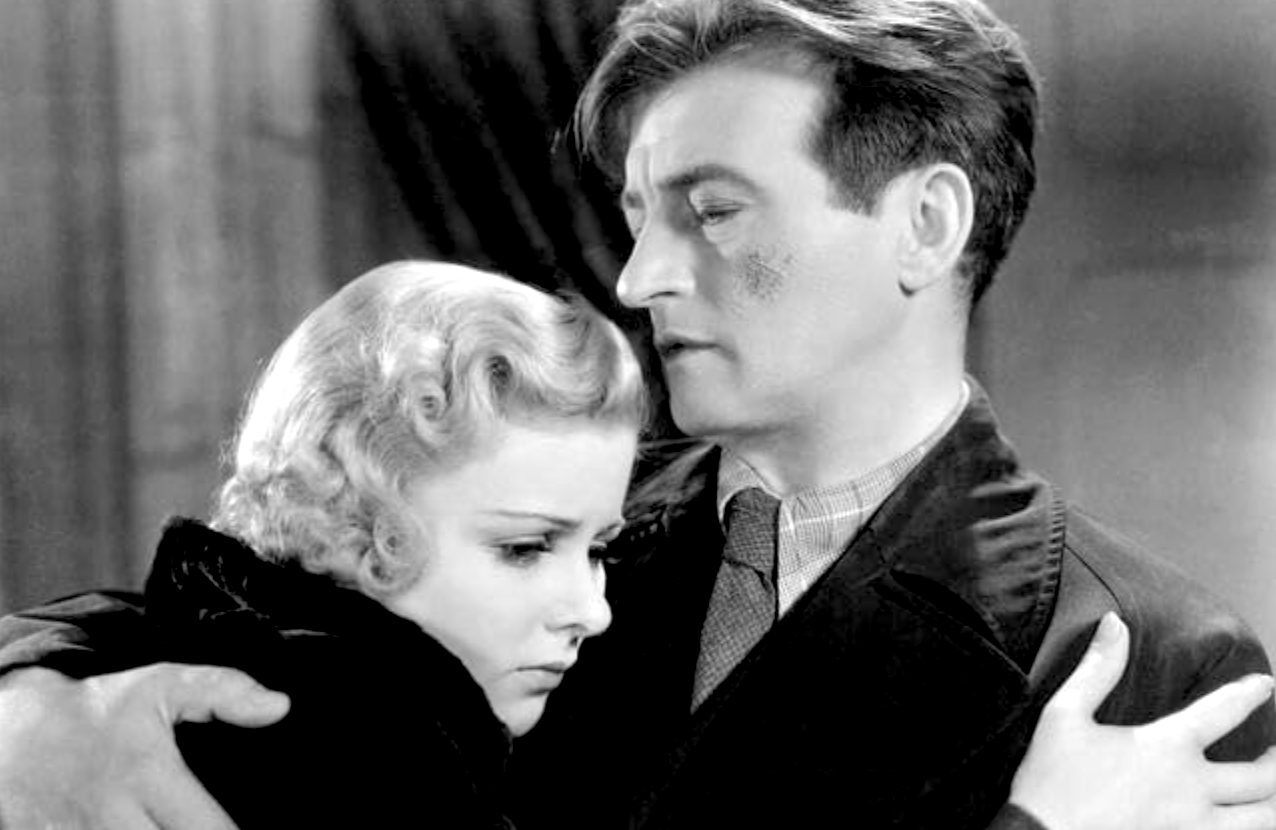
The Man Who Reclaimed His Head is not a well-known movie. When brought up at all, it is often associated with the Screen Gems Shock Theater and Son of Shock TV syndication packages for 1957, as were other non-monster mystery thrillers such as The Mystery of Edwin Drood, also starring Claude Rains. In reality, Reclaimed doesn’t show on either list. The attentive John McElwee explains it all in a Greebriar Picture Shows article from 2018, Rains Declares War on Atwill. John is certain that few fans saw the movie until 1972.
“¡Tráiganme la cabeza de Henri Dumont!”
Fast-paced editorial montages illustrate The Great War, with big headlines noting the controversy supplied by Paul Verin’s stirring editorials, all ghost-written for Henri Dumont. The editing goes even more radical for the big scene of violence, intercutting canted angles and exaggerated close-ups with Adele’s horrified reactions. The lighting goes haywire and Rains’ makeup seems altered. Did the newly-enforced Production Code allow the macabre suggestion of decapitation, because of the seriousness of the story? The satchel’s presumed contents are not given a macabre emphasis.
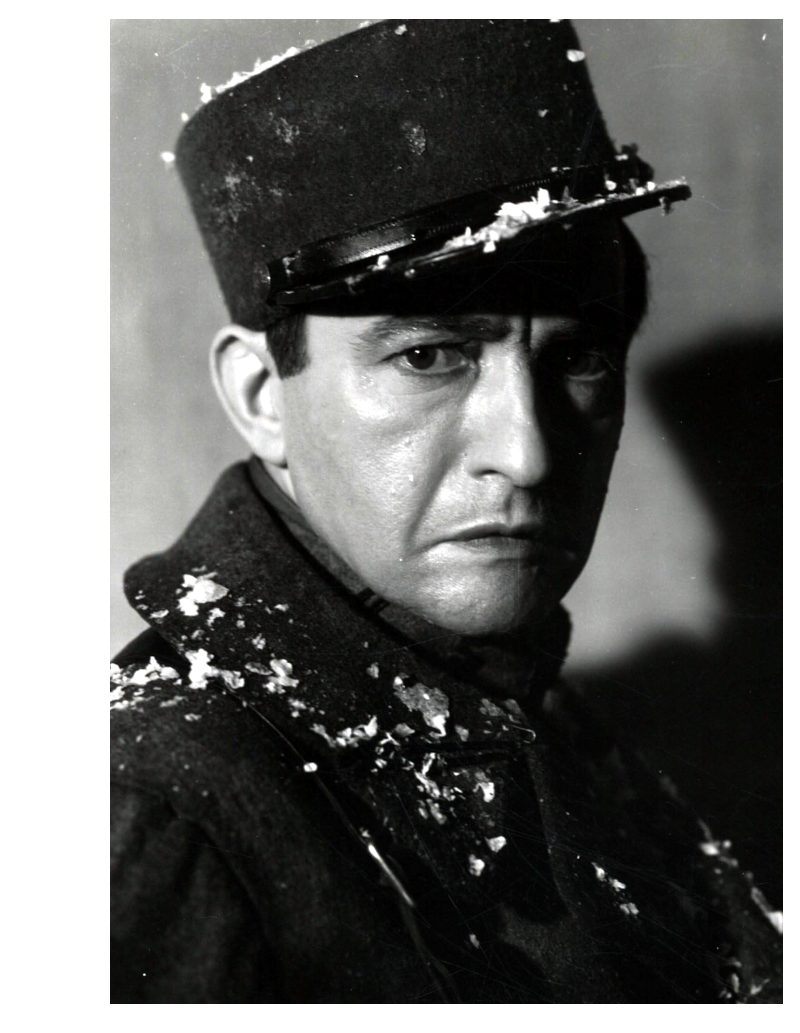
Claude Rains’ mellifluous voice had already won over America in The Invisible Man, even though audiences didn’t get a good look at his face. Rains really pushes Verin’s emotional outbursts, to make us accept that that sophisticated news editorialist could also be so gullible. Everybody lets down this gullible idealist. Joan Bennett’s thinly-written wife isn’t cheating on Paul (we said this was post-Code) and is unaware that gossip has concluded that she is. She’s more than happy to accompany the wolfish Henri Dumont on grand nights at the opera, where she gets to ‘feel important.’ She doesn’t seem to think that Dumont has designs for her.
Claude Rains had the reputation of an ‘actor’s actor;’ we wonder if he helped guide his co-stars’ performances. Although already typed in horror pictures, Lionel Atwill is an excellent gentleman-scoundrel. His charm feels sufficiently sincere to keep Paul and Adele from coming off as total dopes. Perhaps Atwill thought he might have possibilities as a leading man … um, maybe not.
Little Baby Jane Quigley was only 3 yet handles her dialogue extremely well; her biggest picture is John Stahl’s Imitation of Life opposite Claudette Colbert. Along the way we get Wallace Ford’s clownish interloper to poke scenes in new directions. He tries to woo Adele in a carnival fete, and delivers the exposition dump that sends Paul off on a mad act of vengeance.
Movie Do-Gooders that try to be too good, tend to become Crazy Villains.
Claude Rains’ Paul Verin is very much like his Erique Claudin in the 1943 Technicolor Phantom of the Opera. Both altruists go nuts when their intellectual property is stolen. Paul describes Henri’s crime as ‘stealing his head’ — i.e., stealing his ideas and perverting them for his own purposes. It’s not good Public Relations for the pacifist movement, when its lover of peace turns homicidal. The prime example of a ‘good conscience melt-down’ is the elderly Professor Willingdon in the Boulting Brothers’ apocalyptic Seven Days to Noon. The sweet old altruist becomes deranged, and threatens all of London.


Pacifism would’ve remained the tendency had the Versailles Negotiations not imposed reparations on Germany, leading to Hitler’s rise to power.
Pacifism never makes snese.