

Back in 2001 when editing a documentary on Joan Crawford, I saw for the first time her early romantic vehicles, which were very different from her one silent film I had seen, a horror item by Tod Browning. Her early talkies were on the klunky side. Crawford seemed either over-eager, or too subdued. Really pretty, lots of energy, but not quite together yet.
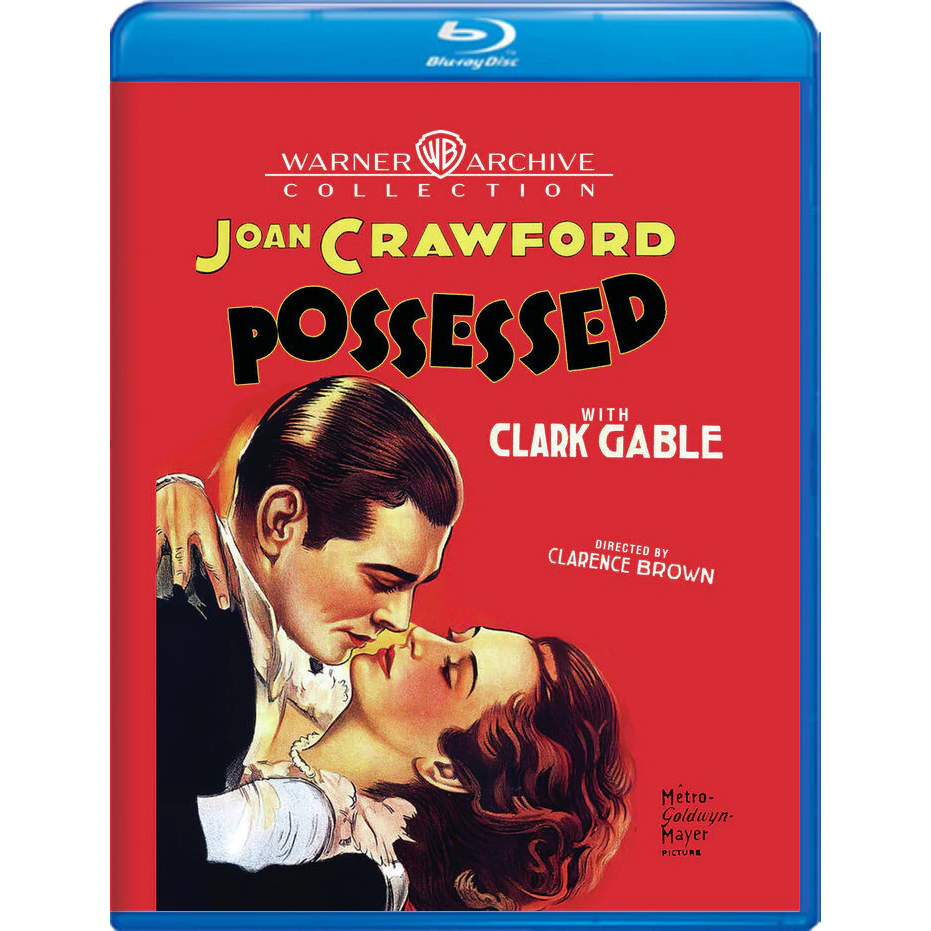
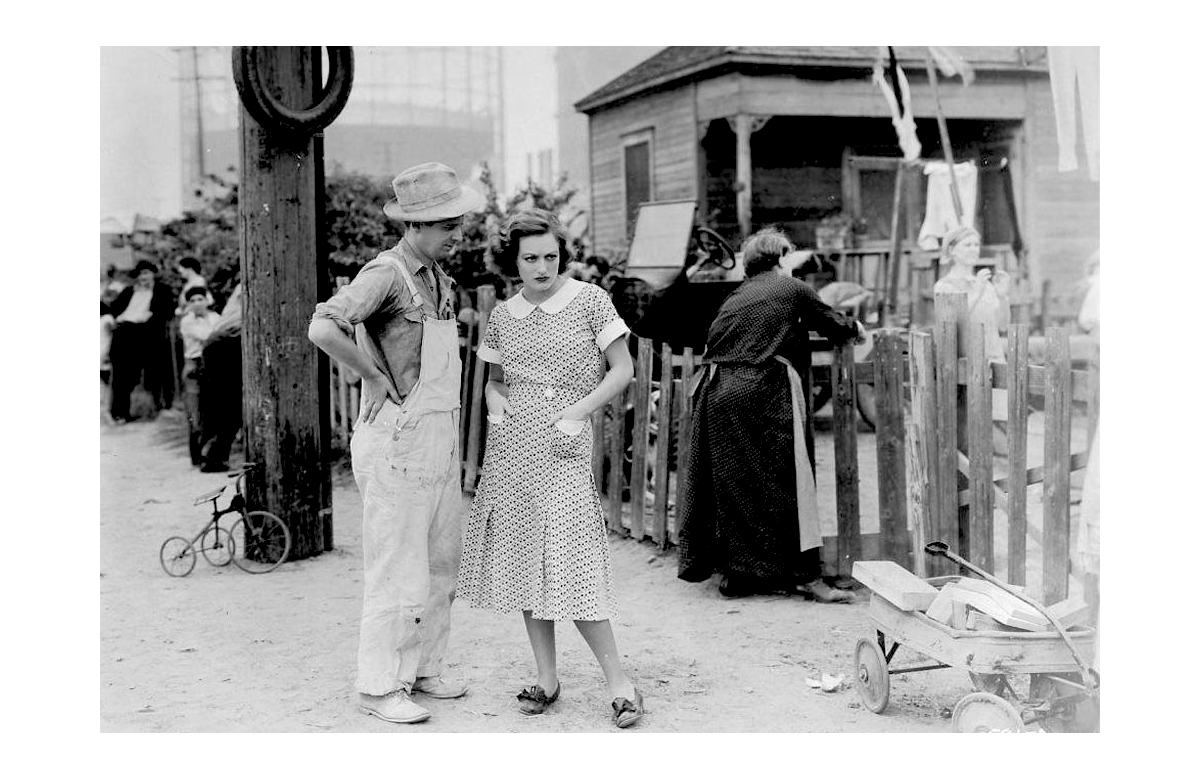
The picture that we think found the Crawford mystique formula was one we saw in film school. Associate professor/film director David Bradley was gaga over Hollywood glamour. As he was particularly sold on the classy dramas of Clarence Brown, he showed us MGM’s perfect 35mm print of Possessed. It’s not to be confused with the actress’es other film called Possessed, the overheated 1946 film noir starring Crawford as a dangerous neurotic. This 1931 opus is a romantic soap opera with glamour to spare, a rags to riches fantasy about a shopgirl transformed into an ultra-glamorous sex object.
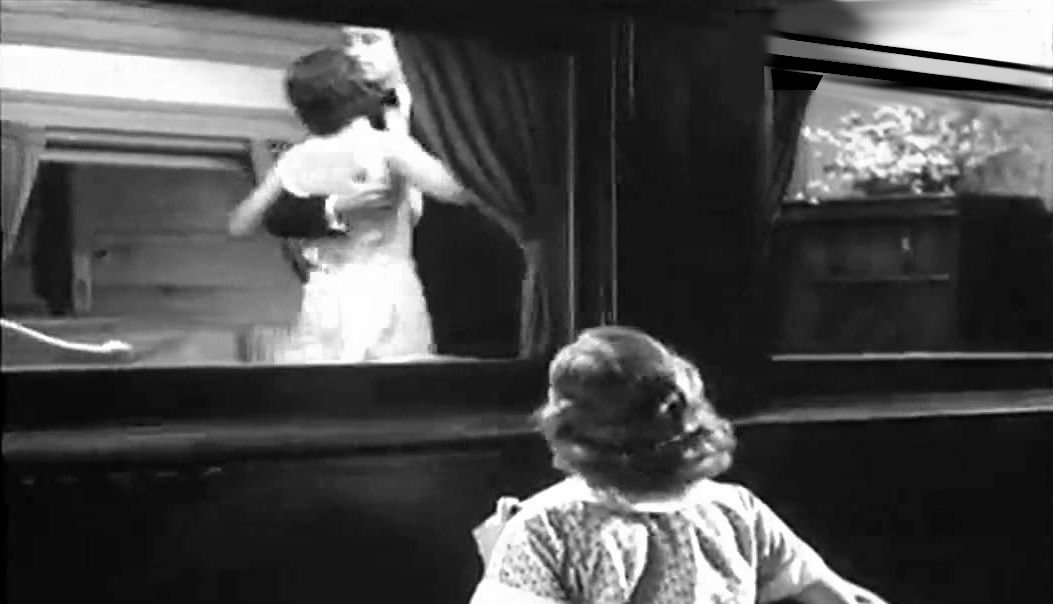
The direction captures something special, iconic. One of the first scenes has a set piece that distills small town angst in a single potent image. Impoverished hick chick Joan stands at a train station watching an express pull slowly out of the station. She gets a picture-window view of what’s going on in a private car, with a meal being prepared for couple of swells sharing a romantic dream fantasy. It’s as if her own dreams were on display in a moving shop window.
There’s a feminist core to this girl’s ambition — when her mother and boyfriend object to her plan to find her destiny in New York, she says out loud that if she were a man, everybody would be rooting for her. The filmmakers clearly knew how to appeal to a million women stuck in less than happy circumstances, Depression or no Depression. To be prosperous, beautiful and desired: Joan Crawford would play out their fantasies for a full ten years, until changing times urged her to reinvent her entire screen image.
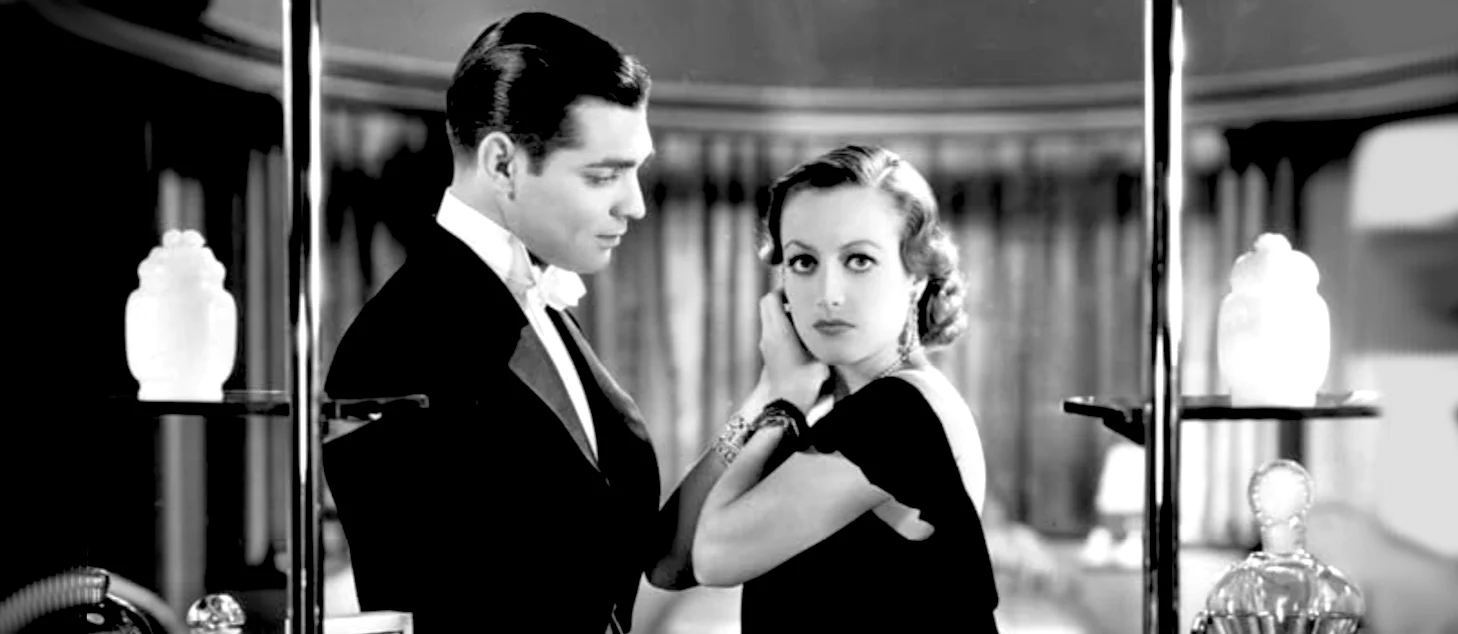
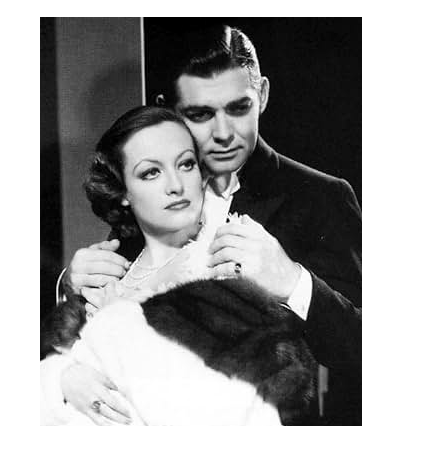
Joan Crawford had been starred with Clark Gable twice before, but this is the picture where they clicked. The romantic pairing would last for 5 more films in the next 8 years. The chemistry is there, no question. Encouraged by the fan magazines — primed by sly publicity leaks from Crawford herself — movie fans assumed that Joan and Clark were constant lovers.
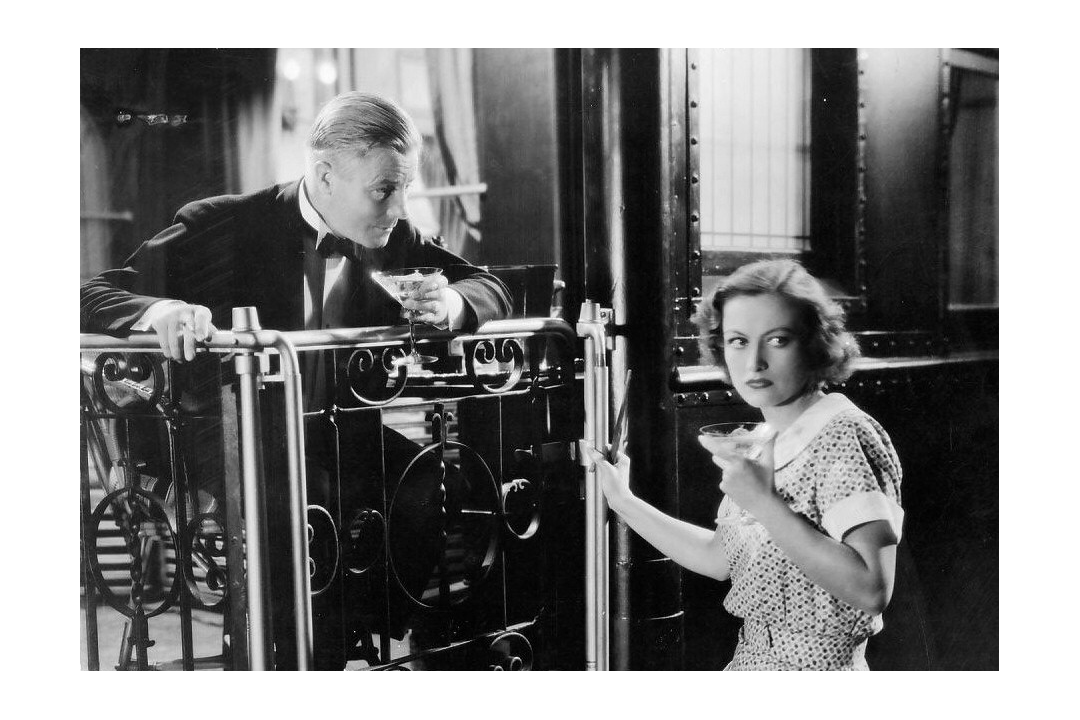
Marian Martin (Joan Crawford) is sick of working in a paper box factory in Erie. A chance conversation with Wally, a drunk playboy passing through town (Richard ‘Skeets’ Gallagher) leads her to ditch her hick boyfriend Al Manning (Wallace Ford) and go to New York. She just shows up at Wally’s Park Avenue penthouse. Wally talks cynical but is halfway decent, for a Manhattan millionaire. He sends Marian on her way, but she doubles back and crashes his business get-together with his equally wealthy friends Horace Travers (Frank Conroy) and Mark Whitney (Clark Gable).
Three years later Marian is Mark’s mistress, being kept in her own apartment with a maid. They’ve been to Europe every year, and she has three ‘anniversary’ gifts of diamonds. She’s now learned to read French menus, play the piano, and sing in three languages (!). Mark is crazy about her, but won’t marry because of a terrible experience with a previous wife. As a smokescreen against scandal, Marian has taken on the identity of a widow, ‘Mrs. Moreland.’ Nobody asks where she’s from or how she lives so well.
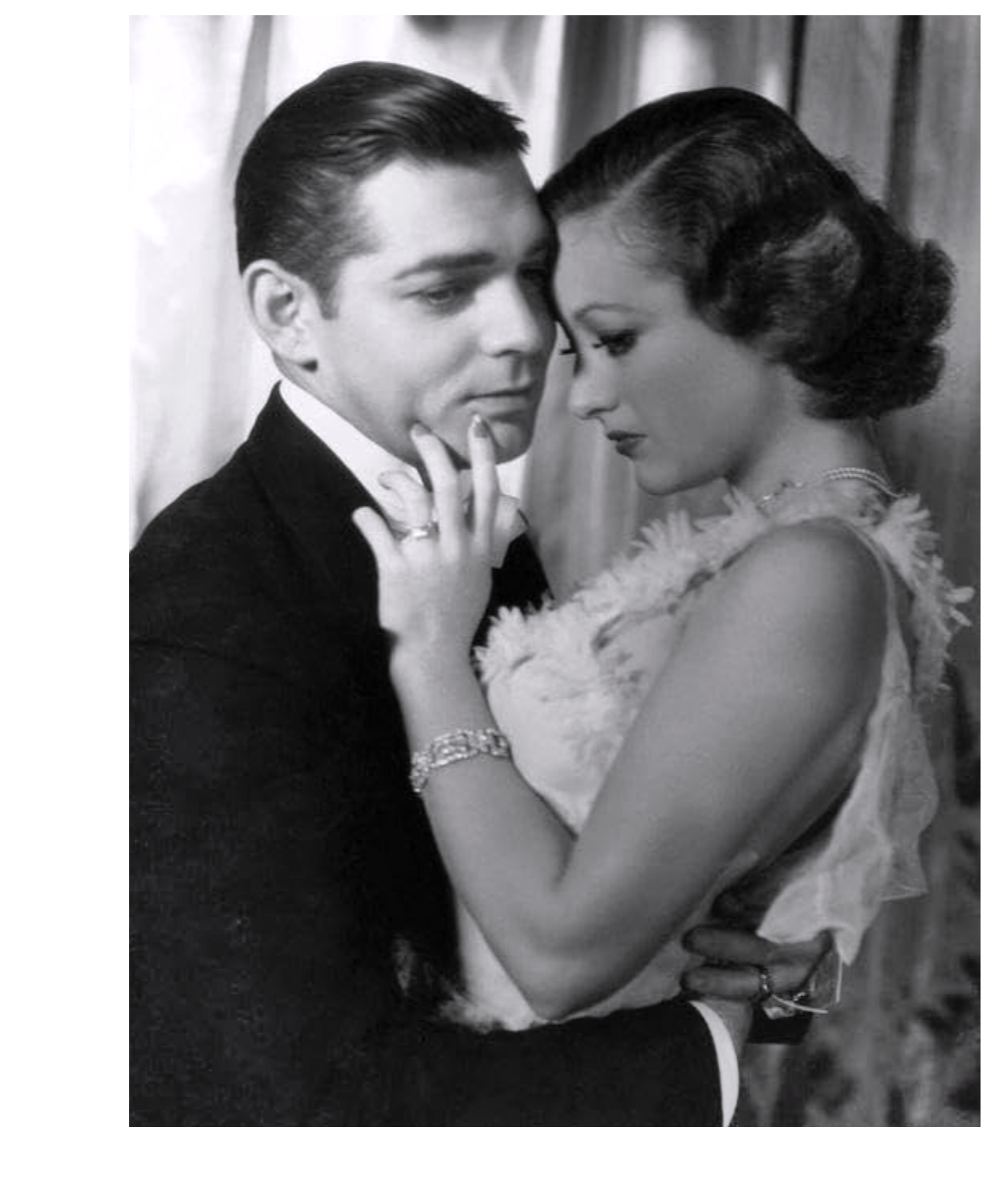
Marian of course wishes she were Mrs. Whitney, but she tries to be content. Complications arrive with the reappearance of Al Manning, now a successful contractor, who wants some business from Mark. When Mark runs for the governorship, Marian realizes that their relationship is a threat, that a scandal is unavoidable. Will she sacrifice her love for Mark to save his political career? Will Al expose her false life as Mrs. Moreland? What’s a decent kept woman to do?
Although everything is in glossy good MGM taste,’ this is still a pre-Code show. When Mark and Marian are late for a party, it’s strongly implied that they spent the afternoon having sex, something that the Production Code would frown on. The AFI reports that the Hays Office objected to not being given prior access to the shooting script for Possessed. They vowed to enforce that rule going forward, even though they lacked the clout to make such demands stick. Rival mogul Jack Warner complained of favoritism, as the more conservative MGM was ‘getting away’ with things Warners wasn’t.
When Travers shows up to a party with a cheap mistress, Marian feels distressed — the woman is simply a different version of herself. Yet all she can do is continue living a lie and support Mark as best she can. Mark is a man of character, unlike her old beau Al Manning, a hick too easily seduced by economic opportunity. Al keeps expecting Marian to help him snag a big construction contract. The setup shows MGM’s bias — crass working stiffs ‘haven’t the breeding’ to mingle with noble high society folk.
Joan Crawford has the only name above the title, and the script is rigged in her favor. When men talk on the side, they’re always talking about Marian. At Mark’s party ‘Mrs. Moreland’ is at all times the center of attention. We learn that she sends money back home to her sweet old mother (played by Clara Blandick, ‘Auntie Em’ herself). The charitable Mark’s money, we assume.
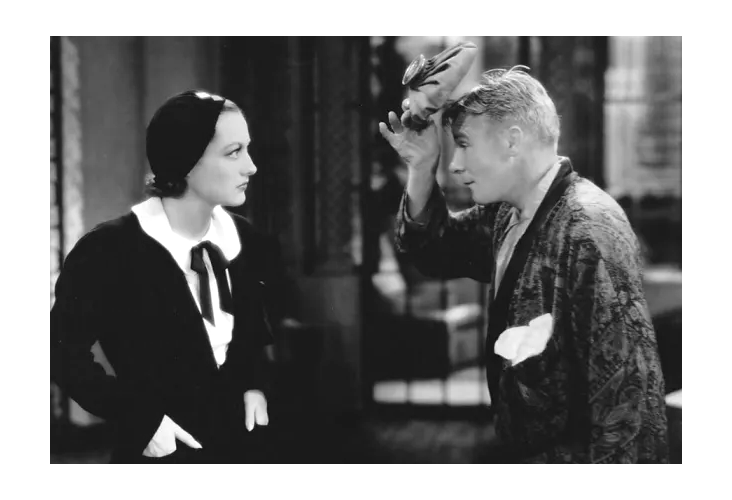
On two occasions, the movie’s dialogue finds a construction that really keeps the attention on Crawford. When she and Mark get into a heated discussion, Marian pre-empts Mark by saying his arguments for him. The scene is a total Joan showcase, with Gable standing in the background. *
Being brash, brave and sexy means Never Having To Say You’re Sorry.
It’s all a Depression-era glamor fantasy, an update on the Cinderella story. Because she’s brave and direct, Marian gets away with simply crashing a meeting and baldly introducing herself as Little Miss Willing and Able. Instead of showing her the door, Mark’s friends call her ‘refreshingly honest.’ Across a dissolve, Mark and Marian become idealized lovers. To its credit, Possessed is much less idiotically decadent than the 1990 Pretty Woman, that uses glamour and beauty to romanticize-sanitize the seedy romance of a millionaire and a call girl.
Marian tells her mother that she should have the right to ‘use what she has’ to get what she wants, just like men do. In a key scene, Wally sits her under a desk lamp to critique her facial features, creating another kind of showcase. We disagree when Wally says her mouth is all wrong, but his verdict is that she has a chance of snagging a rich boyfriend. The Big Lie is that her looks and personality is all that Marian will be expected to put on the line, not her body. In the next year’s pre-Code eye opener Baby Face, Barbara Stanwyck plays a penniless factory girl from a much more sordid home. She also takes the advice of an older man — who tells her point blank that the way to avoid male abuse and get what she’s after is to use sex like a club.
Stanwyck’s character is an obvious tramp, but Crawford’s Marian remains a great lady. It all leads to the Big Scene that every women’s weepie requires: to Do the Right Thing for Mark’s political career, Marian lies to him, claiming that she never loved him. Such self-sacrifice! Wotta dame … jeez, ya just wanna cry for her.
Clarence Brown pulls nuanced performances from everyone — he was surely Joan’s best director of the 1930s. Even when the technical edges show, Brown has full control of the screen. Marian walks up next to that passenger train in broad, flat daylight, and across a cut we’re on a sound stage, looking at that carefully lit and orchestrated view of that moving passenger car. Its oversized windows become a series of comic strip panels displaying The Sweet Life. We don’t mind the artificiality of it at all.
The story is trim, the telling is smart and the two leading players were budding superstars. Writer Lenore Coffee had been crafting screen romances since 1920 and wrote for many big stars. The scenes are so efficient, you’d think she invented the rags-to-riches setup. As if trying to minimize Coffee’s role, MGM credited her as ‘adaptor and dialogue continuity’ instead of screenwriter. Twenty years later, Crawford would seek out Coffee as the key writer of her suspense noir Sudden Fear.
Possessed is a total showcase for Joan Crawford. Her look is now completely under control, makeup and hair. Her Adrian fashions are ready for all those classy photo shoots that made her a prime beauty image for the decade. Many of the film’s publicity photos simply posed the stars together.
We prefer the Joan we meet in the first scene … stills exist of a scene showing her actually working in the box factory. She’s very natural as a small town girl. The New York makeover transforms her into the new Movie Star Joan. I guess music and language lessons, plus the full knowledge of how to order food in French, gives a woman an upscale mid-Atlantic accent. Well, Crawford does lift the curtain to show us she’s still the same honest girl, where it counts.
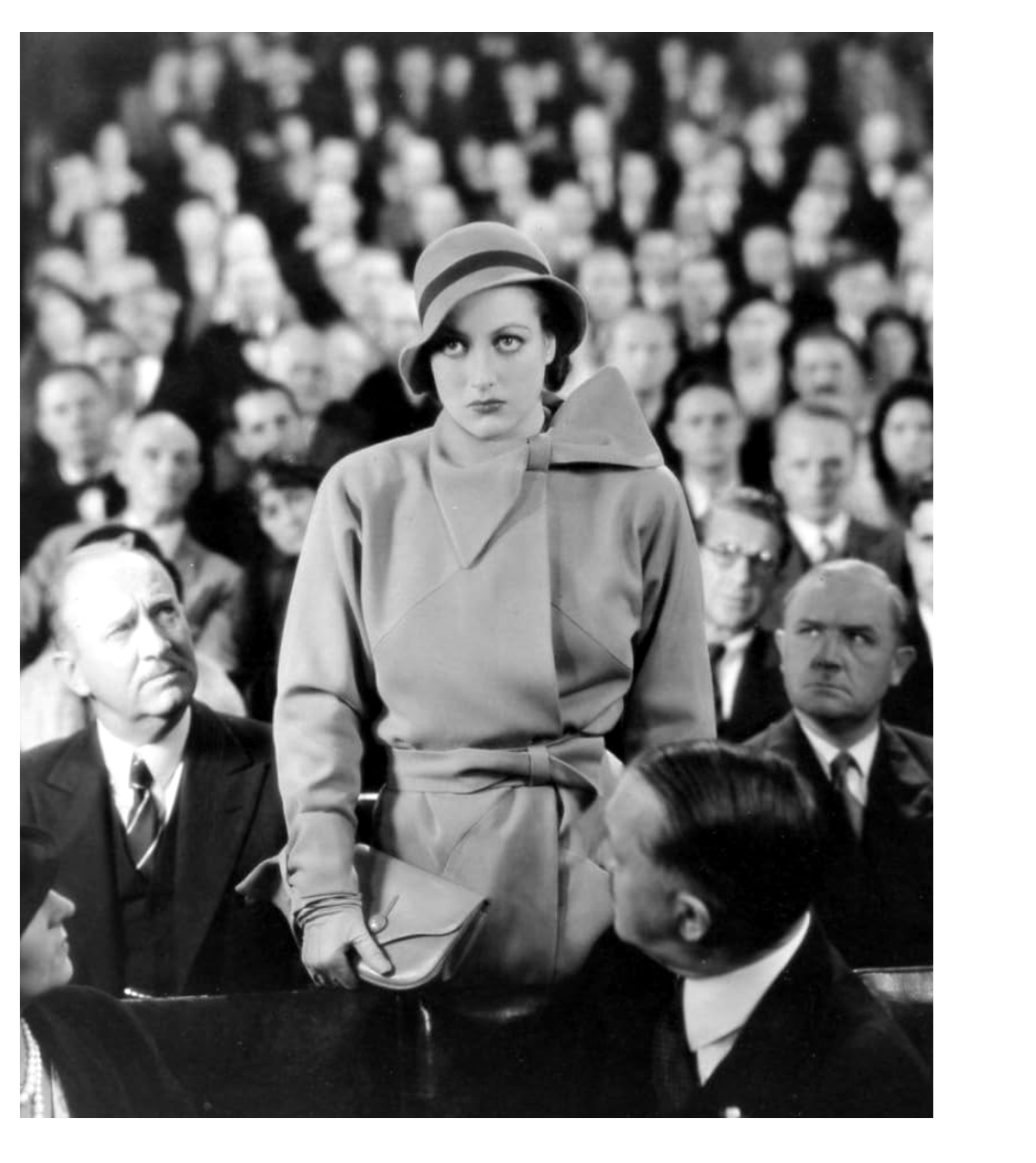
Gable’s speeches are fine, but every big acting moment is a Joanie showcase. The finale involves a public display of humility in front of a huge crowd, which is of course rewarded with the grand prize in love and life. Did anybody debate the lessons being taught by this tale? Thousands of girls might have taken one look at Crawford, decided that ‘I’ve got more than she’s got’ and headed off to New York or Hollywood. As Wally says, ‘The East River is full of girls who came to the Big City to make good.’
On the subject of Joan Crawford, most people treat Mommie Dearest as a comedy, but I took it seriously.
As for Bosko, imagine going into a coma in 1932, and waking up in the ’40s assuming Bosko to still be Warner Bros’ #1 cartoon star! (I shouldn’t have to remind people that Bugs, Daffy, Porky, etc, had long since replaced him).