


Discovering Boris Karloff at age 12 or 13 meant learning more about movie monsters and makeup and weird dramas; it turned out that TV offered plenty of weird old movies to see, even if one had to interpret the titles that showed up in abbreviated TV logs. When we saw an entry called Night World starring Boris Karloff, we were disappointed when it turned out to be a story about a night club. I believe Forry Ackerman, running out of choices for his photo layouts, would put up a character still of Karloff from a show like this one, with the disclaimer that it wasn’t a monster fantasy.
Not even an hour in duration, Night World is an ensemble pre-Code feature with just about everything but a monster. It has a featured romantic storyline, but director Hobart Henley does his best to give the impression of a dramatic continuum keeping several threads in play at all times. Begun as Night Club, the story idea was Henley’s own. He was mainly considered a director of comedies. Several scenes use a moving camera to catch amusing bits of dialogue, while developing two or three running gags.
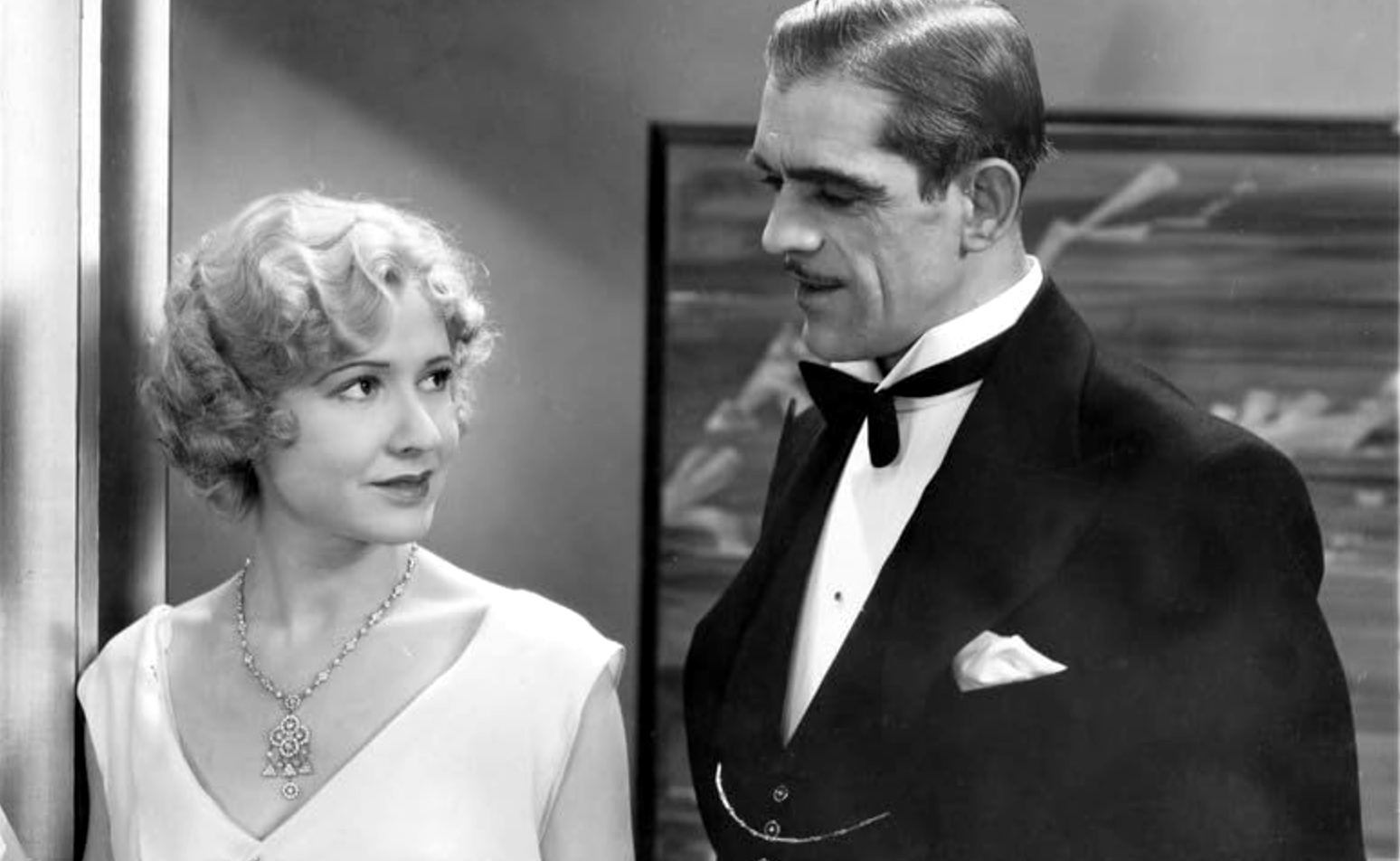
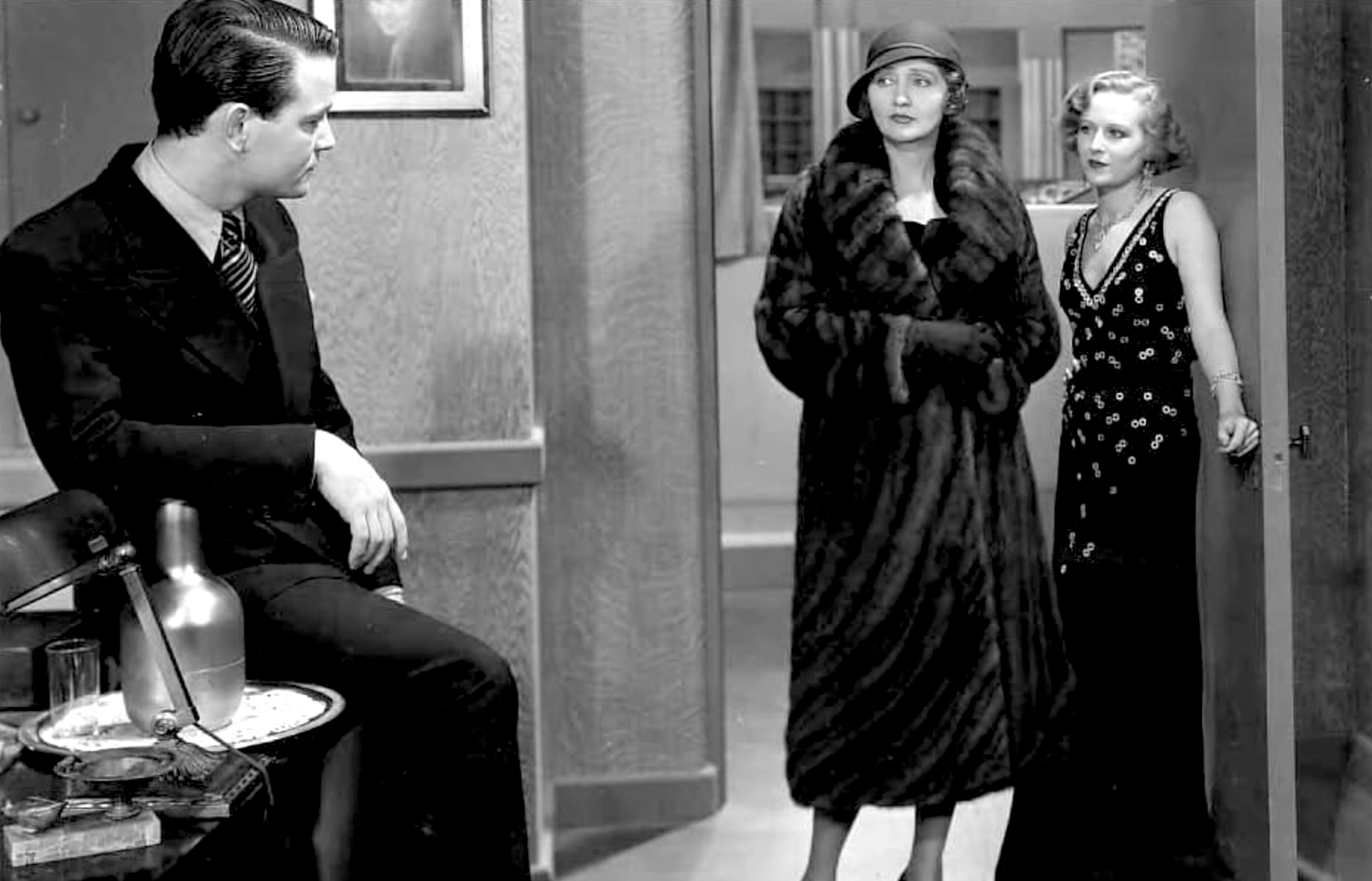
On a snowy night in Manhattan, Happy MacDonald’s Club is the place to go for music and dance. It’s also a place for illicit romances among the customers and staff. Happy (Boris Karloff) is a gracious host but has underworld connections, and doesn’t like being crossed. Everyone but Happy knows that his wife Jill (Dorothy Revier) is cheating on him with the dance director Klauss (Russell Hopton); Jill is amused when she sees Happy cover for an adulterous guest. A ‘star’ attendee for three nights running is young Michael Rand (Lew Ayres), who is drinking himself senseless. His mother (Hedda Hopper) has just been acquitted of the murder of his father. The ‘other woman’ in the case, Edith Blair (Dorothy Peterson) finds Michael in the Club. She tries to explain that she and her father had no affair, just a friendship. A follow-up visit by his mother convinces Michael that Edith was telling the truth.
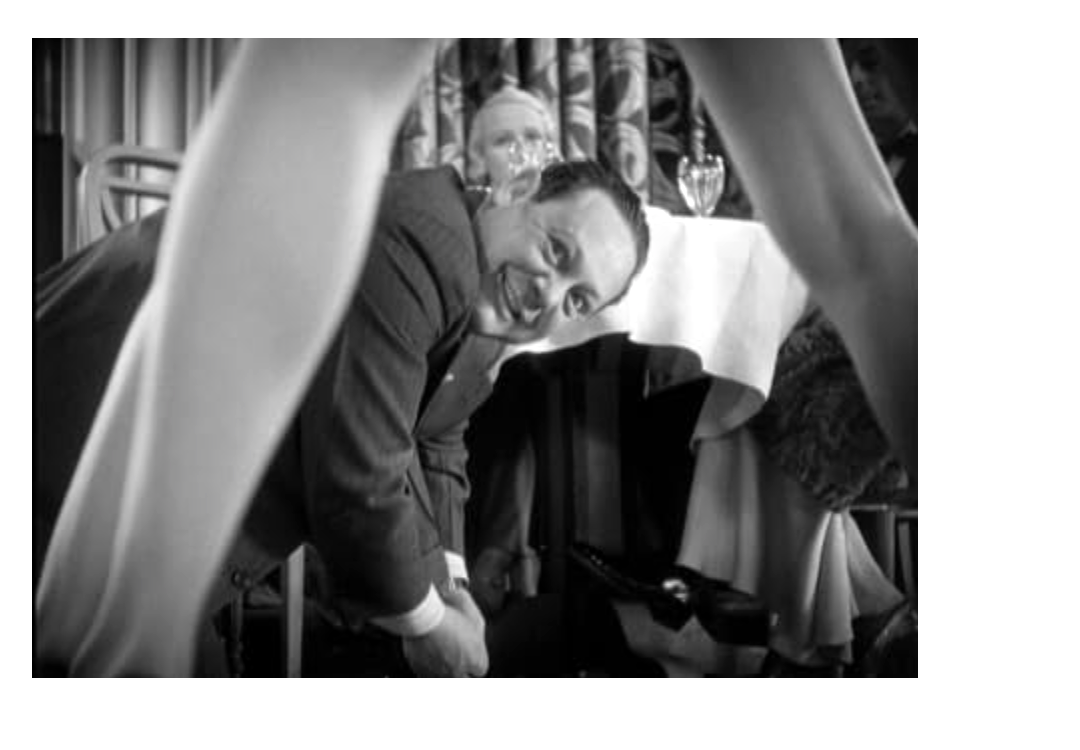
Befriending Michael, and tending to him when he passes out, is chorus girl Ruth Taylor (Mae Clarke). She is in turn the recipient of pressure from the Broadway gangster Ed Powell (George Raft). The slick operator bullies Ruth into accepting a date with him, a date that he tells her will be an intimate dinner at his apartment. He’s not giving her a choice in the matter.
Interwoven into the proceedings are numerous comedy bits. Some comic verbal exchanges focus on prohibition jokes and semi-risqué bits in which gold diggers work on their sugar daddies. The first four minutes of the short movie is a funny exchange between a cop on the beat (Robert Emmett O’Connor) and the Happy Club doorman Tim Washington (Clarence Muse). Muse’s dialogue is all in fake ‘sho-nuff dialect, yet he’s written as intelligent and sympathetic, and is afforded respect by everyone, including the stern boss, Happy. This particular evening, Tim is worried because his wife is in the hospital, and he can’t leave work to be with her.
Evidence that Night World is a pre-Code attraction soon begins to pile up. The comic relief offers some overt Pansy humor, with an effeminate man rudely rebuffing the advances of a showgirl, and then conversing with another patron in the men’s room while fussing over his eyebrows. Silent comic Bert Roach is the film’s featured funnyman, in an extended running gag in which he pesters other patrons, drunkenly asking if they are from Schenectady.
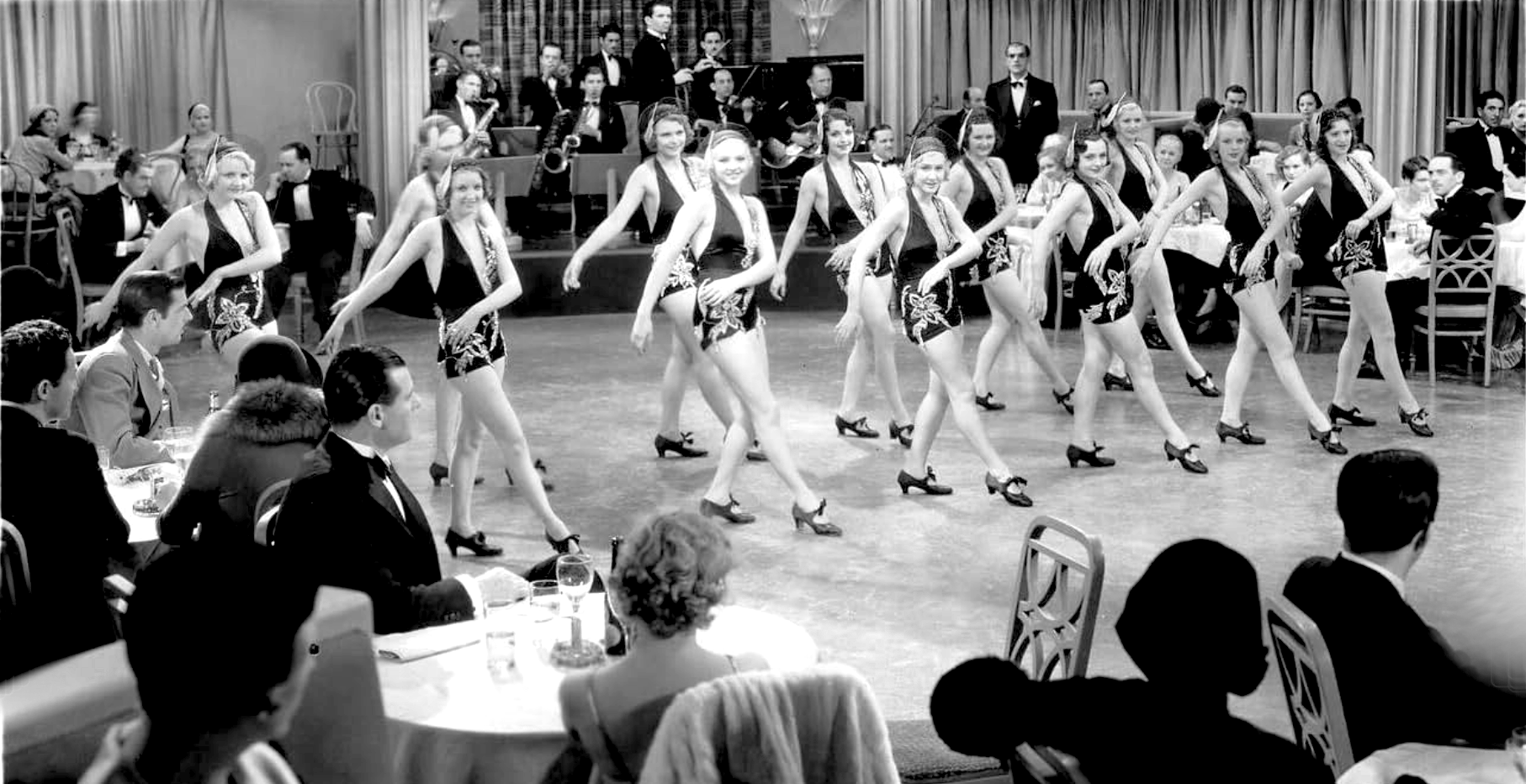
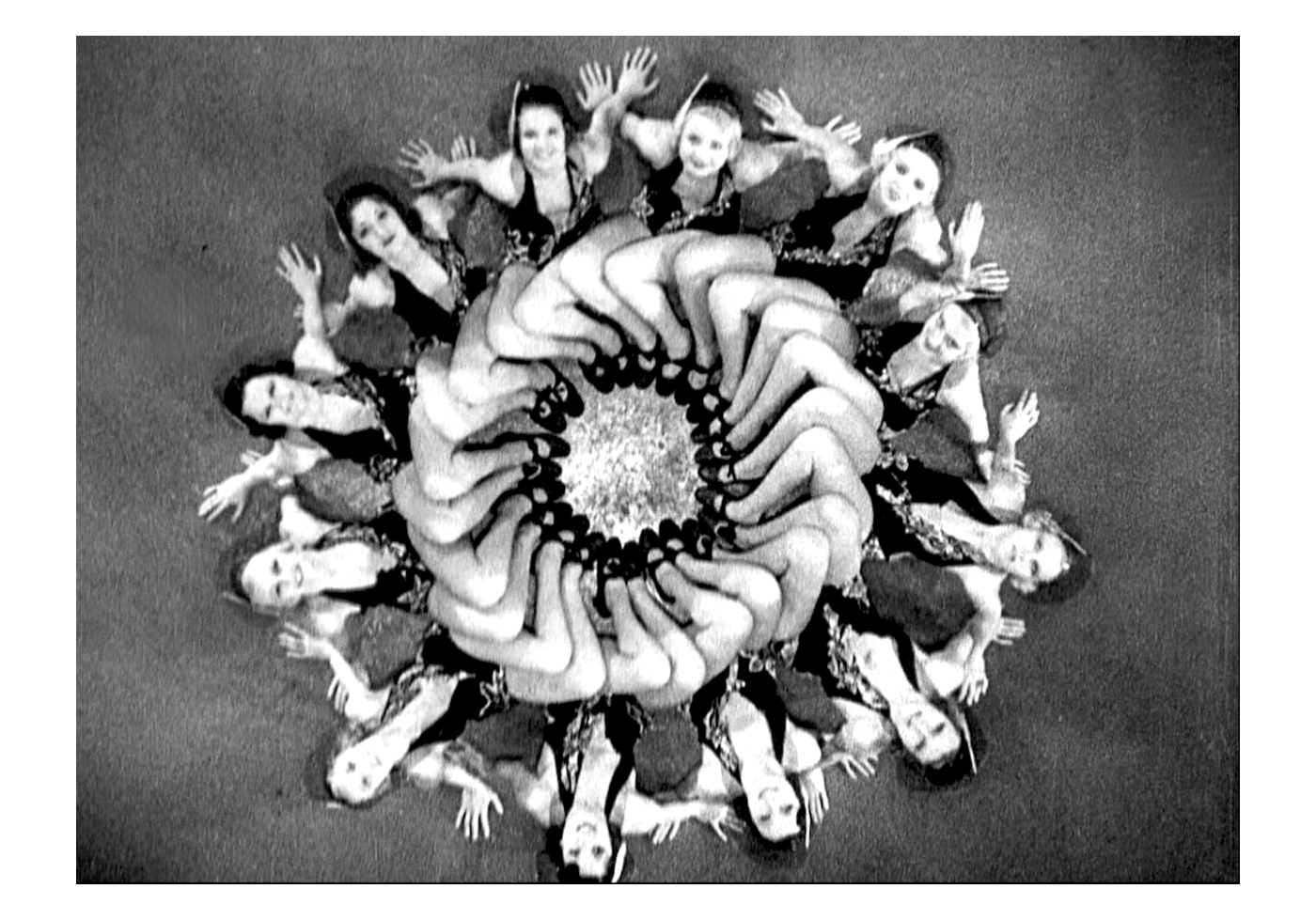
Interjected between dramatic conflicts are two musical numbers. One is a torch song and the other a dance number called “Who’s Your Little Who-Zis?” We’d recognize the staging of dance director Busby Berkeley even if he wasn’t credited. Without being too distracting, Berkeley works in his march-step human pinwheel configurations, down-angle geometric compositions and through-the-legs peek-a-boo trucking shots. By 1932 Berkeley had been working for Goldwyn and MGM as well as Universal; in the same year he’d become a household name, hitting his stride creating showcase spectacles for Warners.
Most of the performances in Night World are good, with Universal’s stars Lew Ayres and Mae Clarke carrying the show well. Ayres was performing just fine since his star-making turn in All Quiet On the Western Front and Ms. Clarke was prominently featured in the major hits The Front Page and The Public Enemy. She gained horror immortality as the bride Elizabeth in the original Frankenstein. She has the starring role in the original pre-Code classic Waterloo Bridge. It isn’t well-known today because she played an openly identified prostitute. When Code Enforcement came in, Waterloo Bridge was permanently shelved.
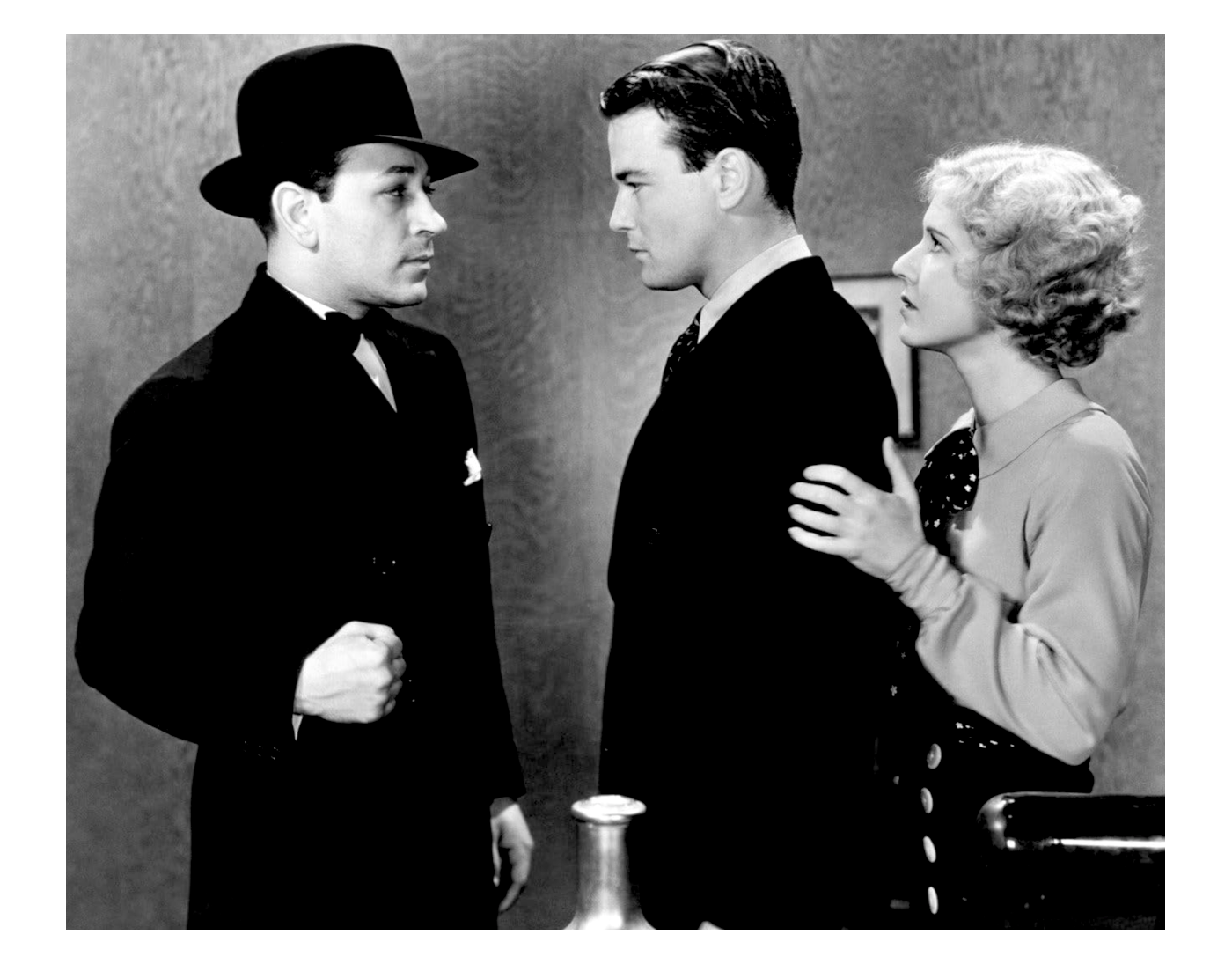
George Raft is certainly smooth and charming with his threats. He delivers slimy come-on lines to Mae Clarke as if he’d had plenty of real-life practice intimidating showgirls in just the same way. His Scarface technically made its debut before Night World, but we don’t know which film most patrons would have seen first. Raft’s Ed Powell makes a pretty humiliating exit, which seems a comedown after his powerful performance in the Howard Hawks classic.
Karloff isn’t a natural as a New Yorker connected to the mob, but his theatrical delivery is never distracting. Unfamiliar actress Dorothy Peterson did good work in several films we like ( Beast of the City for one) and has a sensitive scene with Lew Ayres. We’re also impressed by the across-the-color-barrier performance bonding between Robert Emmett O’Connor and Clarence Muse on the club’s freezing doorstep. The only really awful performance comes from former silent actress and later gossip czarina Hedda Hopper. It’s mostly the terrible dialogue lines she’s given — they sound more like a character description than anything anybody would say out loud.
The filming is all right on the technical level. The camera moves a lot, but almost always to a new couple waiting for their cue to recite dialogue. It took creative directors like Michael Curtiz to make these confected master shots look natural. Cutting between 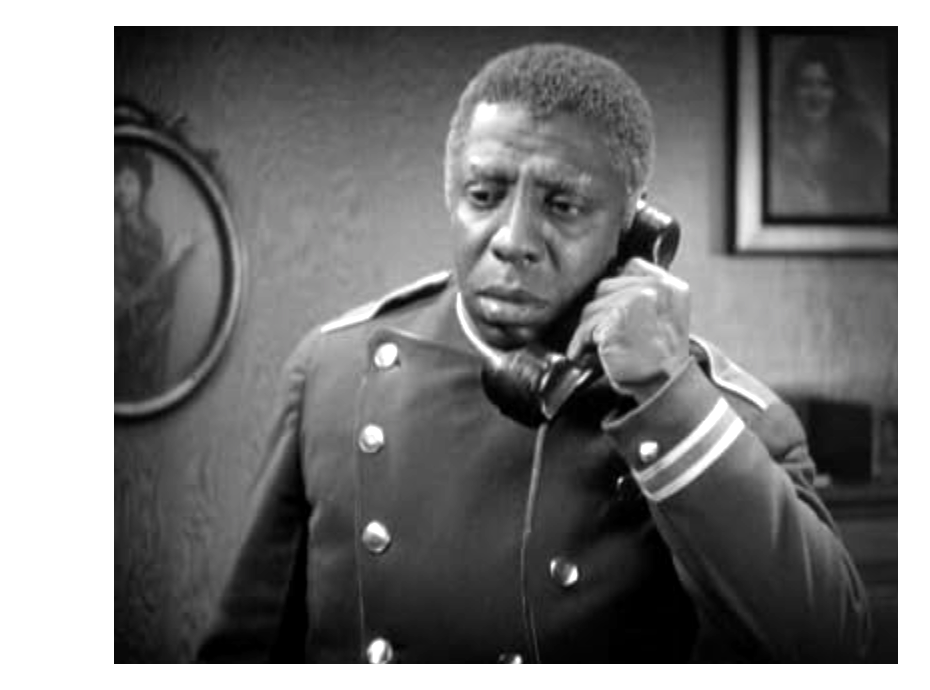
master shots and singles results in occasional continuity jumps, mismatches big enough to be distracting. Again, someone like Curtiz would have planned out shots that would be easier to edit.
The show begins with an ambitious montage that uses new dramatic footage plus bits from all over the Universal stock library — there’s even a snippet of an elaborate miniature of Times Square. The timing is off, or better music was needed. The editor may have had to repurpose montage materials from Universal’s silent movies.
Night World winds up resolving several dramatic threads in a burst of violence — gangsters, jealousy, a romance, Tim Washington’s sick wife. All-purpose thug thesp Jack La Rue contributes a nice bit to the finale, as a hired killer perhaps meant to be high on something. The melodramatic wrap-up is a bit overdone, but satisfying just the same. Even Kino’s package text suggests that the show is trying for a Grand Hotel effect on a small scale. The modest movie is far from a classic, but we think the filmmakers pulled it off.
 It's in terrific shape, picture and sound. It's nice to enjoy these pre-Code talkies, dialogue and music, with such clear sound tracks.