

Yi Yi — 4K
Edward Yang’s sentimental family masterpiece is back, now in 4K Ultra HD. It’s New Taiwan Cinema at its best, and an ideal introduction to Asian cinema for those averse to action and fantasy. One year in the life of a home in Taipei begins with a wedding and ends with a funeral; the emotional journey in between takes in a middle-aged romance, a dangerous teen fling, and the adventures of a curious boy with a camera.

Yi Yi
4K Ultra HD + Blu-ray
The Criterion Collection 339
2000 / Color / 1:85 widescreen / 173 min. / A One and a Two … / available through The Criterion Collection / Street Date January 13, 2026 / 49.95
Starring: Nianzhen Wu, Elaine Jin, Kelly Lee, Jonathan Chang, Issey Ogata.
Cinematography: Weihan Yang, Longyu Li
Production Designer: Kai-Li Peng
Art Director: Cheng-Kai Wang
Film Editor: Po-wen Chen
Music Composer: Kai-Li Peng
Produced by Shinya Kawai, Naoko Tsukeda
Written and Directed by Edward Yang
 Yi Yi is the final film of Taiwanese director Edward Yang. The interestingly titled drama is an excellent choice for Americans interested in taking a first look at modern Asian cinema. It charts one year in the life of a fairly well-off Taiwanese family, told with unusual sensitivity and precision. Essayist Kent Jones describes the New Taiwan Cinema movement as centering on stories of urban life beset by rapid social development. The tone of the film is somewhere between a muted soap opera and a neutral observation of humans going about their daily routines. Director Yang’s careful visuals and dramatic restraint soon have us deeply invested in the problems and hopes of a gallery of fascinating characters. Criterion called Edward Yang a best-kept secret; seeing Yi Yi puts one in a mind to seek out more of his films.
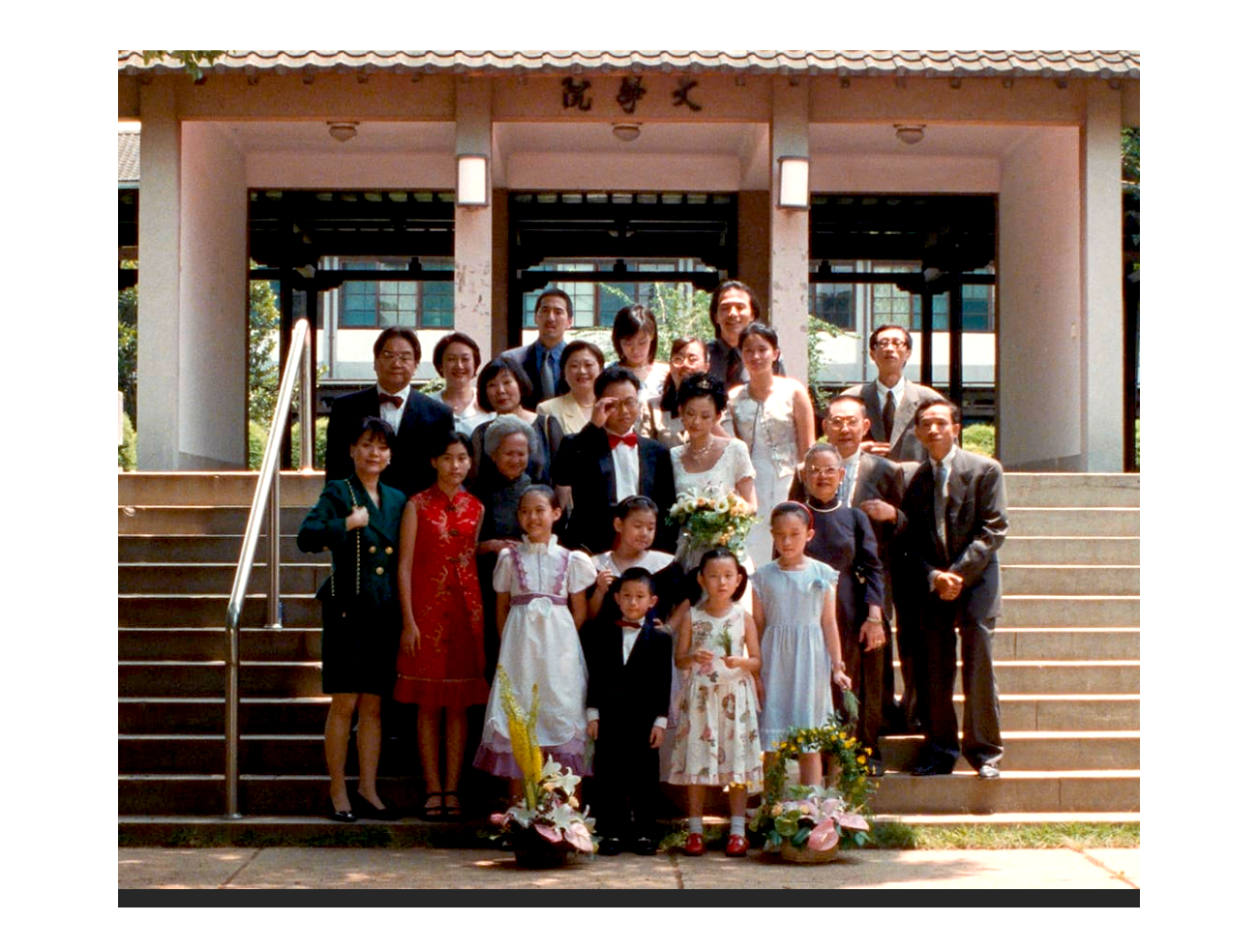
The film begins in a deliberately un-sensationalized manner. Software developer NJ (Nien-Jen Wu) attends the wedding of his brother-in-law, an astrology-obsessed fool who has lost a fortune of his girlfriend’s money. She shows up at the ceremony and causes a scene. NJ’s quiet little son Yang-Yang (Jonathan Chang) has a good time, but NJ is shaken by a chance meeting with Sherry (Su-Yun-Ko), an old flame from his High School days, thirty years before. Feeling the pressure of city life, NJ’s wife Min-Min (Elaine Jin) goes on retreat with a trendy guru, leaving NJ to take care of Yang-Yang and his older sister Ting-Ting (Kelly Lee), an insecure fifteen year-old impressed by a talented new neighbor girl, who has a boyfriend.
NJ’s partners in the software company don’t know whether to hire a noted Japanese game designer Ota (Issei Ogata) or to go with a less expensive local. NJ goes to Tokyo to meet with Ota and the two men strike up a promising friendship. But NJ’s flaky partners make hasty, bad-faith decisions. At home, the only contact from Mother Min-Min has been a visit from her guru to solicit money. Yang-Yang uses a camera to creatively help other people (he thinks), while Ting-Ting falls in love with the neighbor girl’s discarded boyfriend. NJ keeps a potentially adulterous rendezvous with Sherry. Unattended in Taipei, Ting-Ting simultaneously goes out on a risky date with the much more experienced boyfriend.
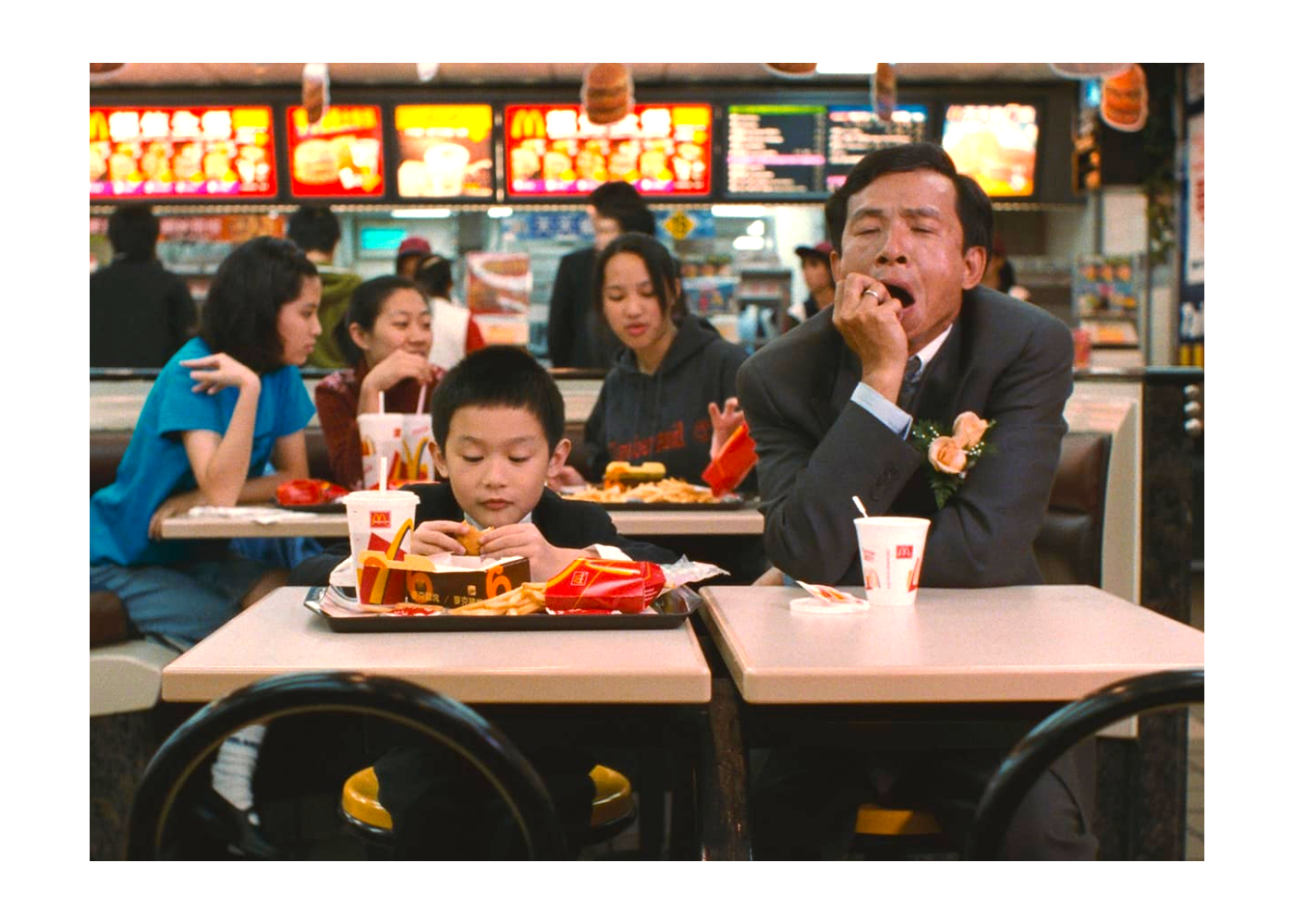
The captivating Yi Yi has an arresting, disarming style. It uses many locked-off camera angles yet never feel static; we often observe groups of people from afar or watch couples in long shot while the entire city goes about its business around them. We can’t help but read meanings into these held shots. Two teenagers stand under a freeway ramp. When they finally kiss, we see a traffic light go green in the background, as if magically approving of the romance of the moment.
The people Yang observes tend to talk less and feel more. They lead lives that range from quiet reflection to quiet desperation. The father NJ says that everyone needs more time in their lives to think. Some pressing problem always seem to be present, that needs his brand of quiet concern. NJ is the only one of the software partners not prone to burst into meaningless emotionalisms. He typically greets his ebullient-but-troublemaking brother-in-law with understanding looks and a willingness to give him the benefit of the doubt. Neither does NJ protest when Min-Min claims that she’s unhappy and zips away to luxuriate at the guru’s mountain retreat. He is devoted to the well-being of his children but encourages them to largely take care of themselves. He certainly seems a great father to the quiet but precocious Yang-Yang. Told that people think they know the truth but really only see half of any situation, Yang-Yang shoots dozens of pictures of the backs of people’s heads. What at first seems a kid’s waste of film turns out to be a supremely positive act.
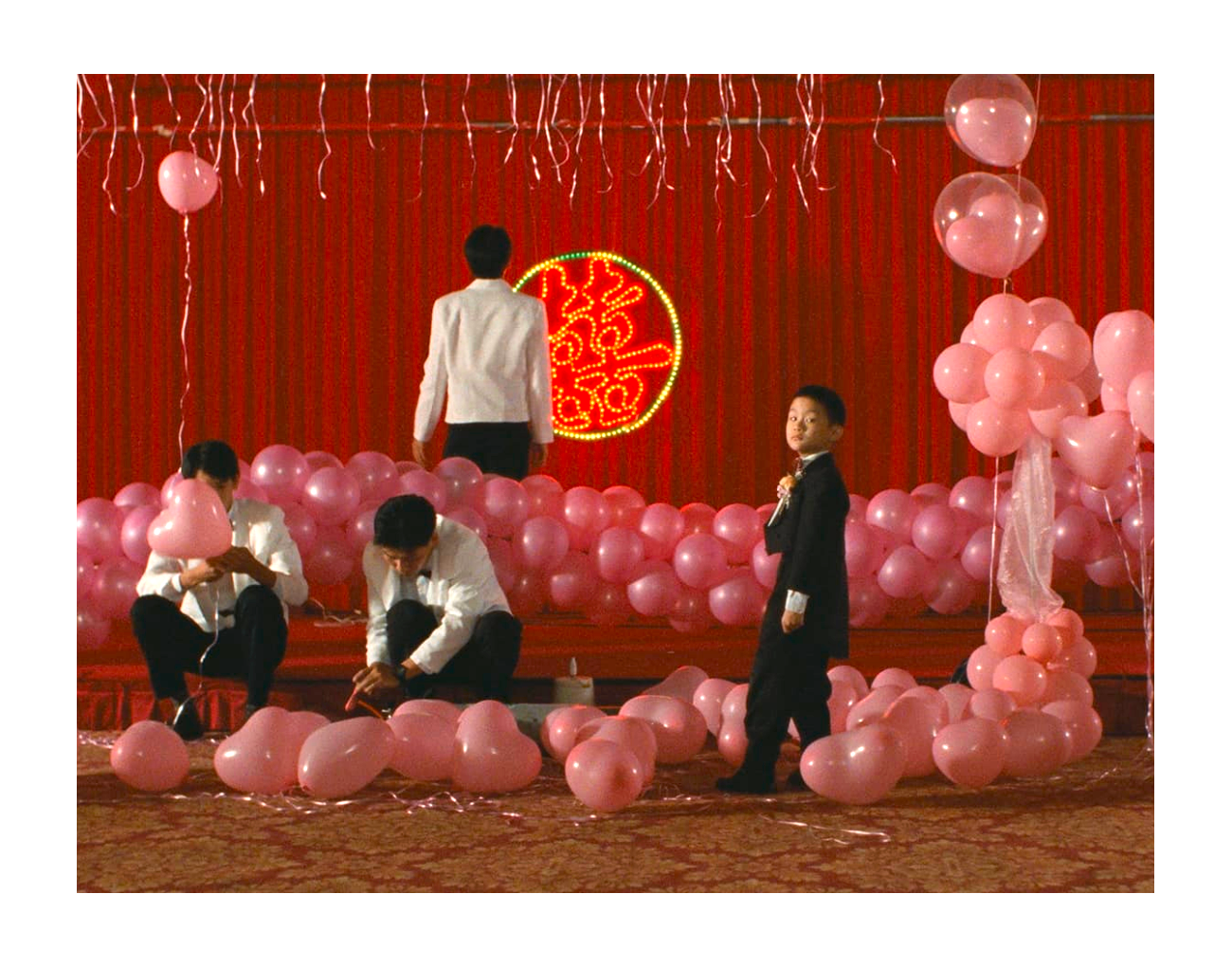
Director Yang doesn’t push his camera deep into every dramatic confrontation; the key to his style seems to be reserved intimacy. Min-Min doesn’t know what’s troubling her, and NJ doesn’t pry. A series of strange visitors next door and arguments overheard remains a mystery to Ting-Ting until the sad truth comes out. Director Yang imposes no magical insights on these situations. More often than not, he simply positions his camera at a discreet distance. It’s as if he’s giving us the closest viewpoint that a stranger might have without intruding. Some of the best moments are the most simple. Little Yang-Yang becomes infatuated with an older girl, just by seeing her standing in front of an instructional movie about the beginnings of life on Earth.
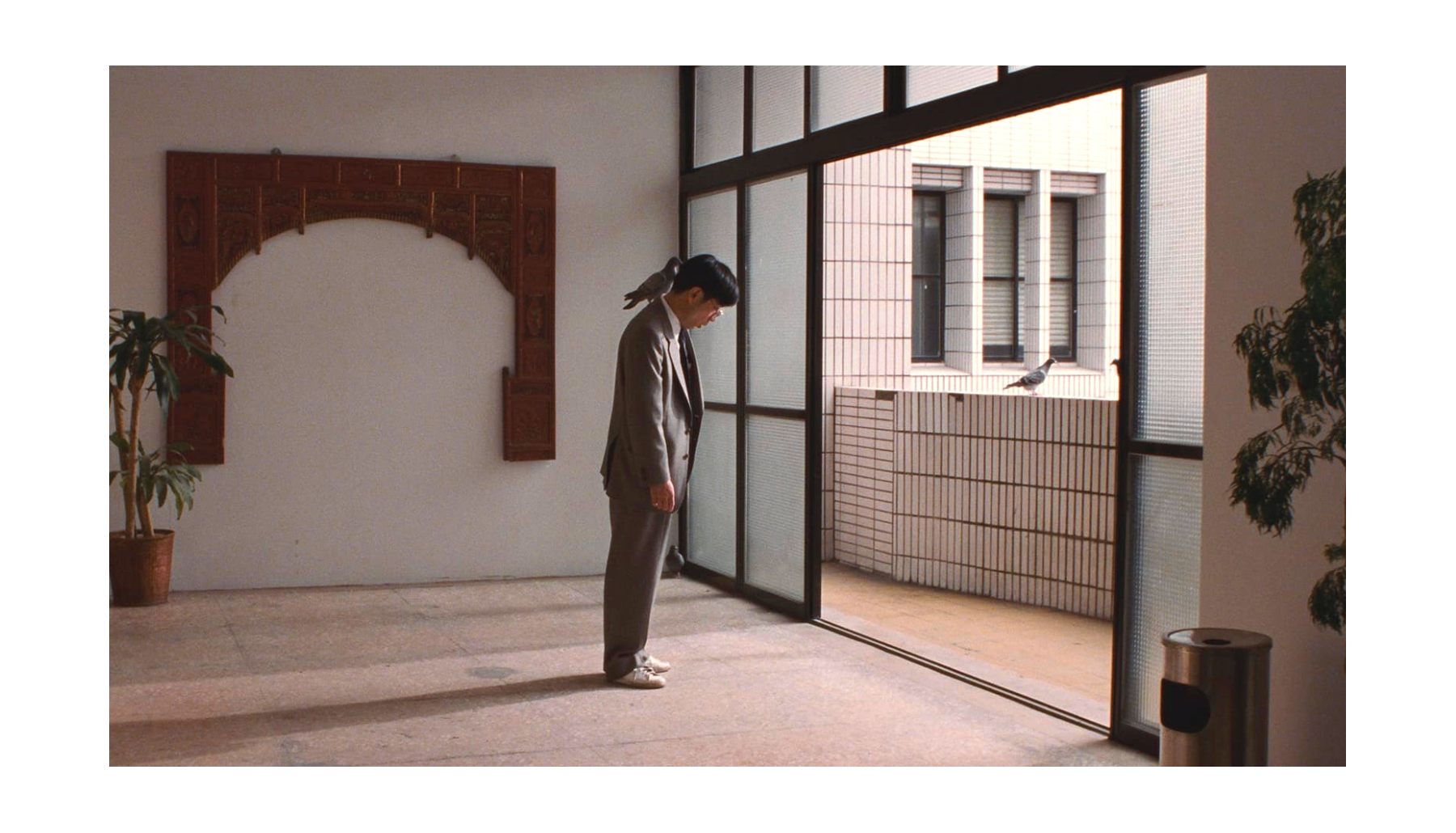
Yang’s standoffish camera never feels self-indulgent. Neither does Yang go in for alienation effects designed to tax the audience’s patience. His camera may hold still but his frame is alive with movement, often drawing our attention to specific actions that relay the truth of what’s going on.
We feel that happening when Ting-Ting dresses to go out on her date. Is she secretly hoping that she’ll be making love? We sense that possibility only because her evening out is inter-cut with her father and his old girlfriend a thousand miles away in Japan. Ting-Ting seems to be restaging the unfortunate love story her father experienced thirty years before … a parallelism reminiscent of the romantic films of Frenchman Jacques Demy, especially Lola. Will family history repeat itself?
Yang’s script brings several of its characters to the brink of disaster, leaving us unable to intervene. We find out just how much we’re invested in the storyy when Ting-Ting and Yang-Yang each appear headed for tragedy. Extraordinary things do happen, but as in real life they’re never predictable. The most impressive aspect of Yi Yi is that we care so deeply about NJ’s family, despite knowing so little about them.

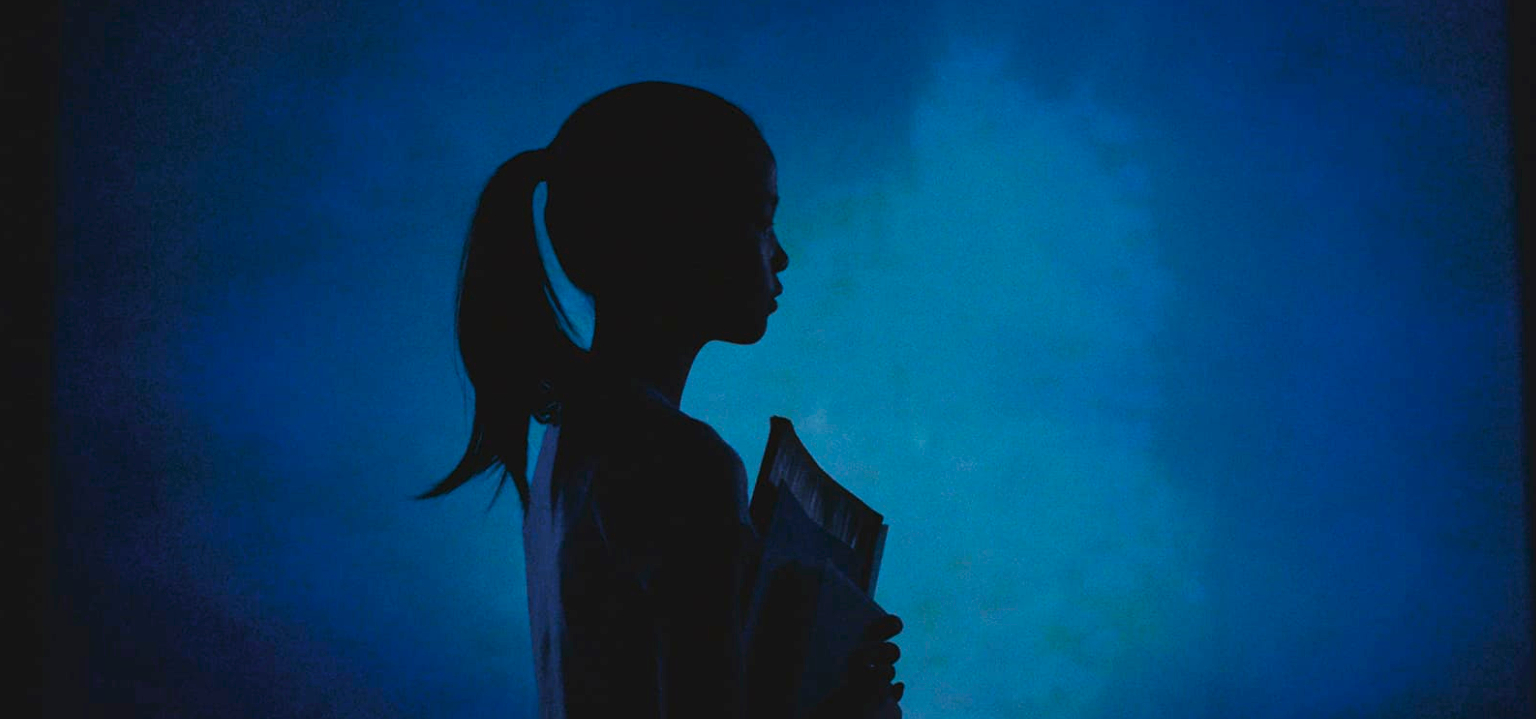
The Criterion Collection’s 4K Ultra HD + Blu-ray of Yi Yi is a new 4K digital restoration. The movie always looked bright and spotless; simple wide street views are pleasurable in themselves. The 4K image only enhances the effect. Yang’s detailed images have been compared to work by Japanese masters. Visually speaking, this remains one of the more arresting Blu-ray discs in the Criterion Collection.
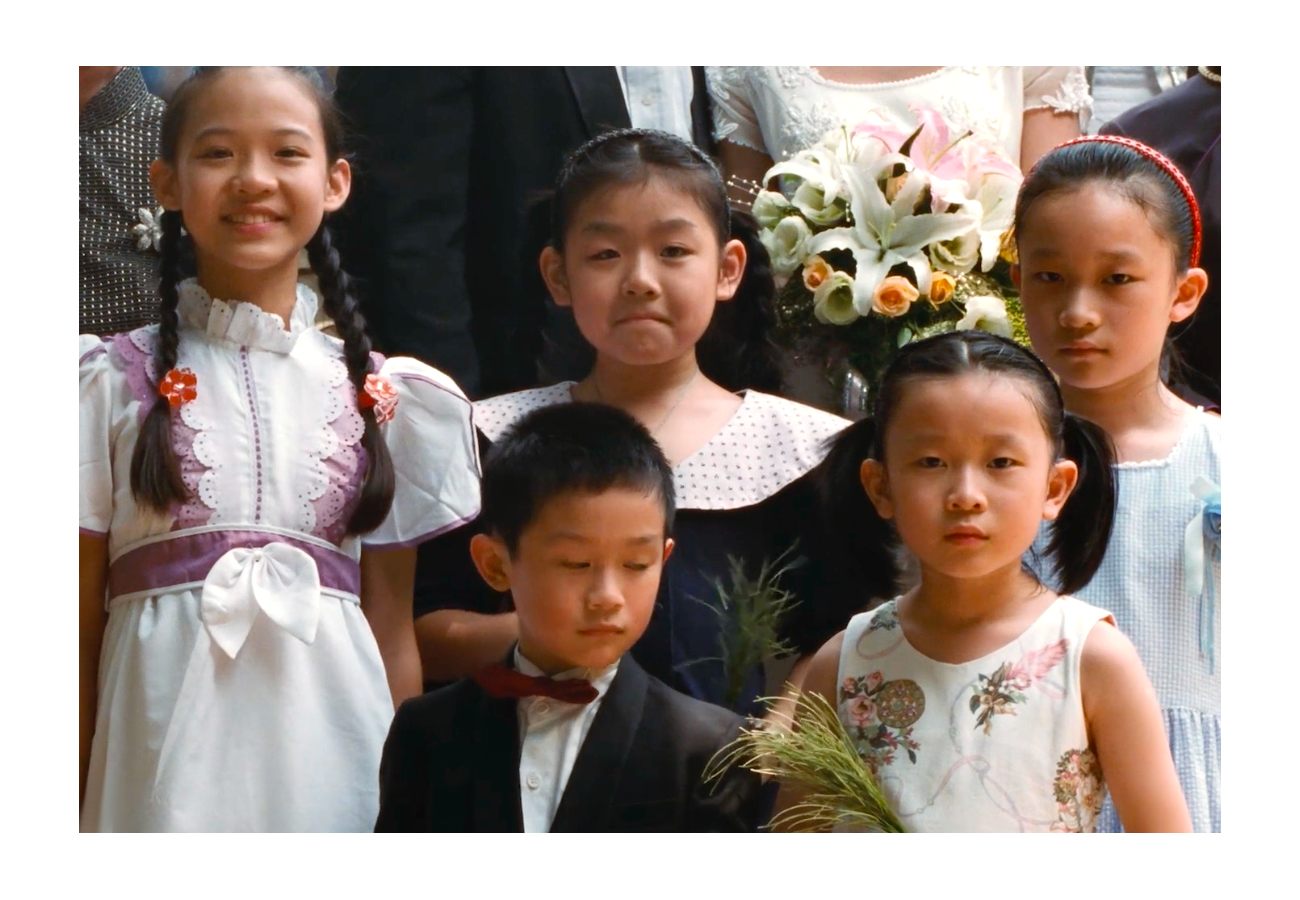
The extras replicate Criterion’s 2011 Blu-ray package. The lengthy film comes with a full commentary from writer-director Yang and the critic Tony Rayns, who also collaborated on the new subtitles. Rayns appears separately in an insightful video piece about Yang and the New Taiwan Cinema. Edward Yang never allowed Yi Yi to be released theatrically in his home country; Rayns reported that the Taiwanese film industry is ‘effectively dead.’
A handsome insert booklet contains essays by Kent Jones and notes from the director on how his film came together. Yang cast his Taiwanese-American character Sherry by re-contacting the first actress he ever worked with, who in the interim had moved to Canada. How personal was the film’s ‘old flame romance’?
Reviewed by Glenn Erickson

Yi Yi
4K Ultra HD + Blu-ray rates:
Movie: Excellent
Video: Excellent
Sound: Excellent
Supplements:
Audio commentary with Edward Yang and Tony Rayns
Interview with Rayns on Yang and the New Taiwan Cinema movement
Theatrical trailer
Insert essay by critic Kent Jones and notes by director Yang.
Deaf and Hearing-impaired Friendly? YES; Subtitles: English (feature only)
Packaging: One 4K Ultra HD + Blu-ray in Keep case
Reviewed: January 15, 2026
(7458yiyi)
Visit CineSavant’s Main Column Page
Glenn Erickson answers most reader mail: cinesavant@gmail.com

Text © Copyright 2026 Glenn Erickson
About Glenn Erickson

Glenn Erickson left a small town for UCLA film school, where his spooky student movie about a haunted window landed him a job on the CLOSE ENCOUNTERS effects crew. He’s a writer and a film editor experienced in features, TV commercials, Cannon movie trailers, special montages and disc docus. But he’s most proud of finding the lost ending for a famous film noir, that few people knew was missing. Glenn is grateful for Trailers From Hell’s generous offer of a guest reviewing haven for CineSavant.