
We all like director Don Siegel; we kids first learned of him through Invasion of the Body Snatchers, then Dirty Harry, then through his excellent films noir. We soon learned that Siegel mentored other directing talents, including Clint Eastwood. He gave Sam Peckinpah his start as a script supervisor, and he also advised a very young Michael Reeves, before that director’s very brief filming career.
In many respects Don Siegel was an up-through-the-ranks studio employee, known as a go-to name for fancy montage work at Warners. The factory system categorized anything to be shot that didn’t need the big stars and sets as ‘additional material,’ from close-ups of notes being written to extraneous action and transition shots. Siegel started getting screen credit for transition montages in 1939. It wasn’t just shots of newspaper headlines or calendar pages flipping. Siegel might work with 2nd unit crews on something like They Died With their Boots On, directing horses and troops moving, or somebody running in with a telegram. It was ‘shot grabbing’ work — Siegel’s dailies might be shown with those of the 1st unit, and judged on the basis of how well they followed the storyboards … or improved on them. Siegel did everything. He edited montages and worked with the experts in opticals and rear-projection. He’d likely be assigned to do screen tests as well, depending on schedules.
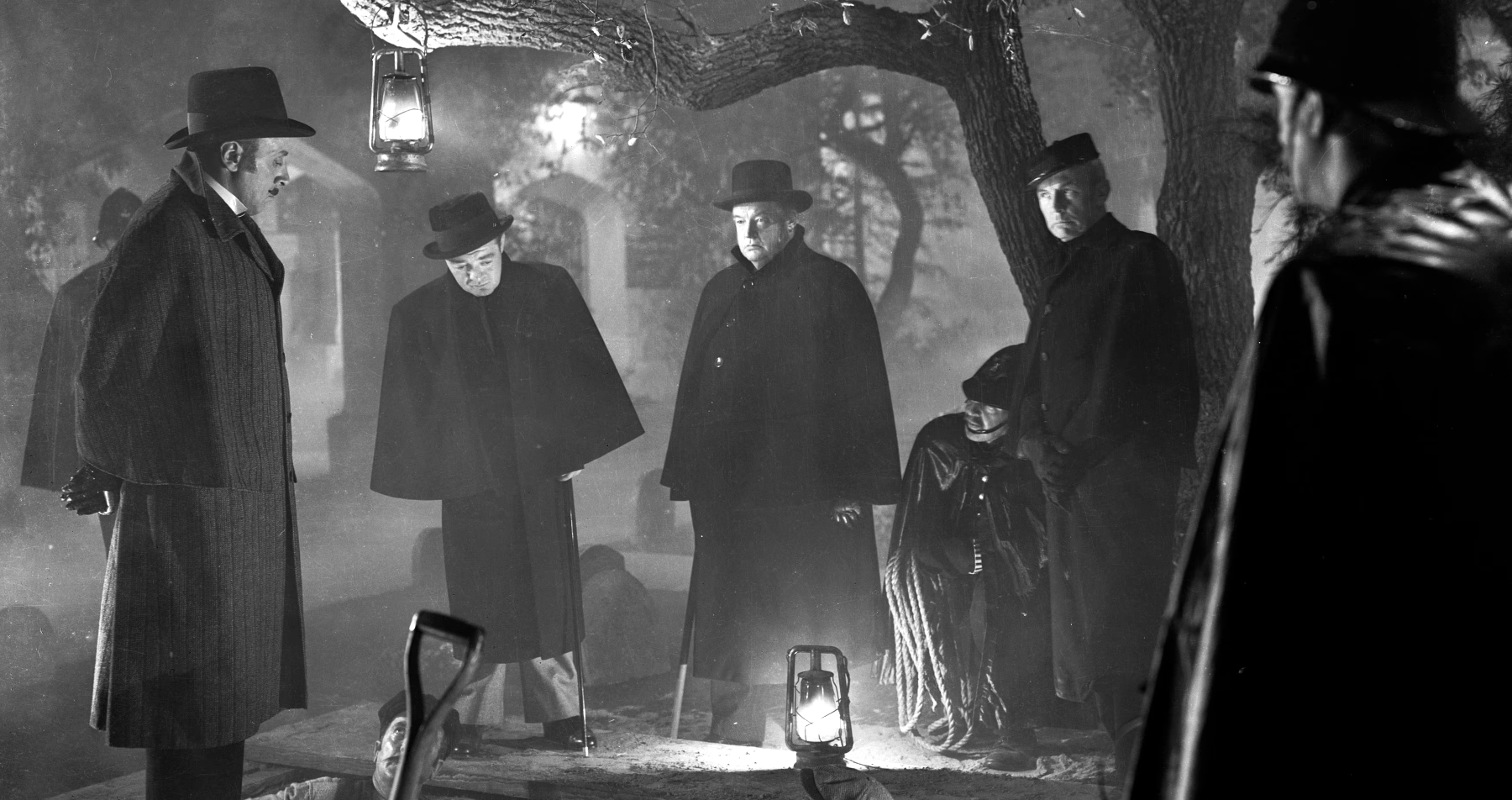
Don Siegel moved up to directing near the end of the war. His was a special case, as directors more often had extensive stage experience. He must have been well-liked, and also cost-efficient to earn that directing nod. In quick succession he made two short subjects. Both won Oscars for their producers, which didn’t hurt.
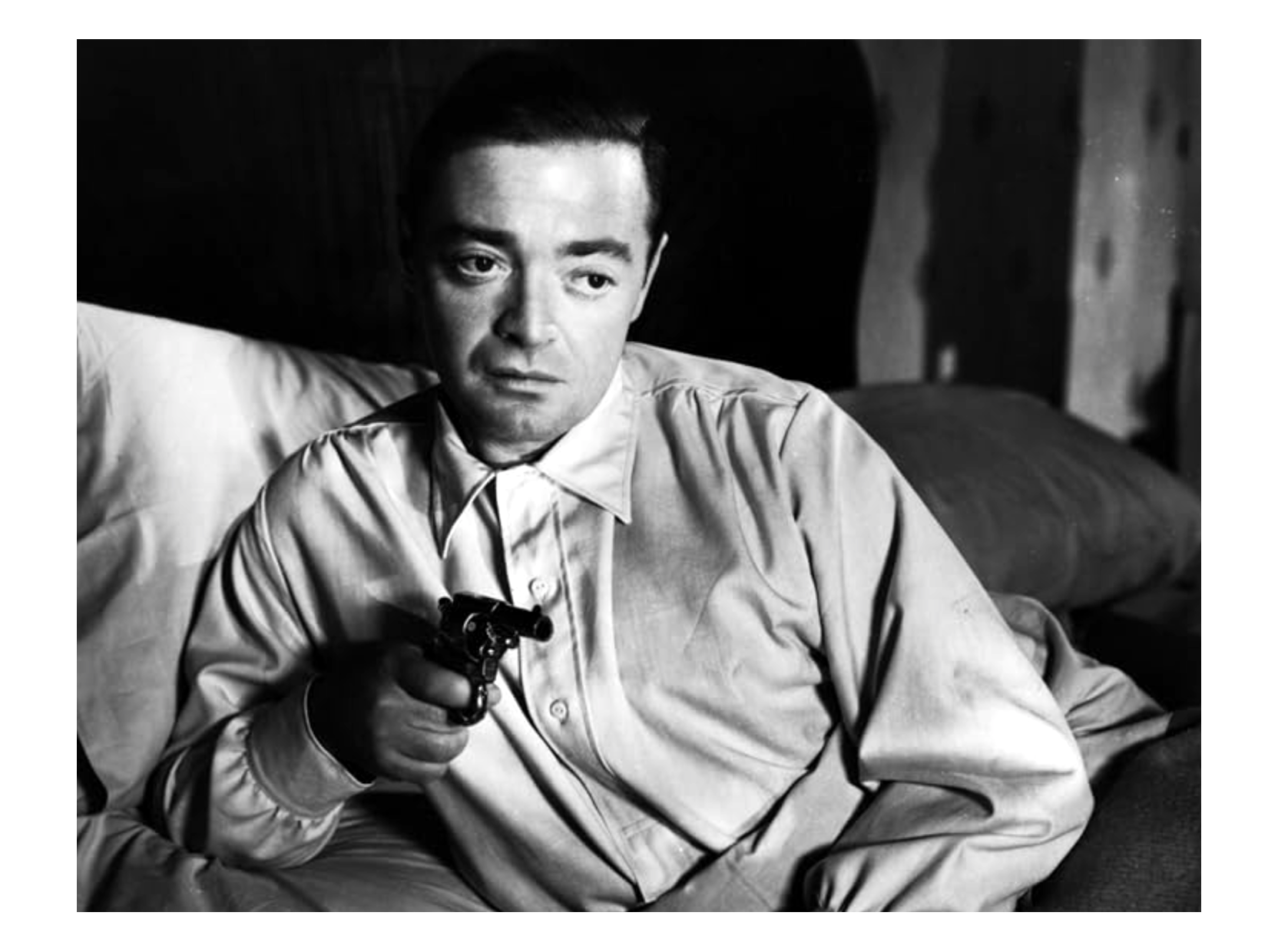
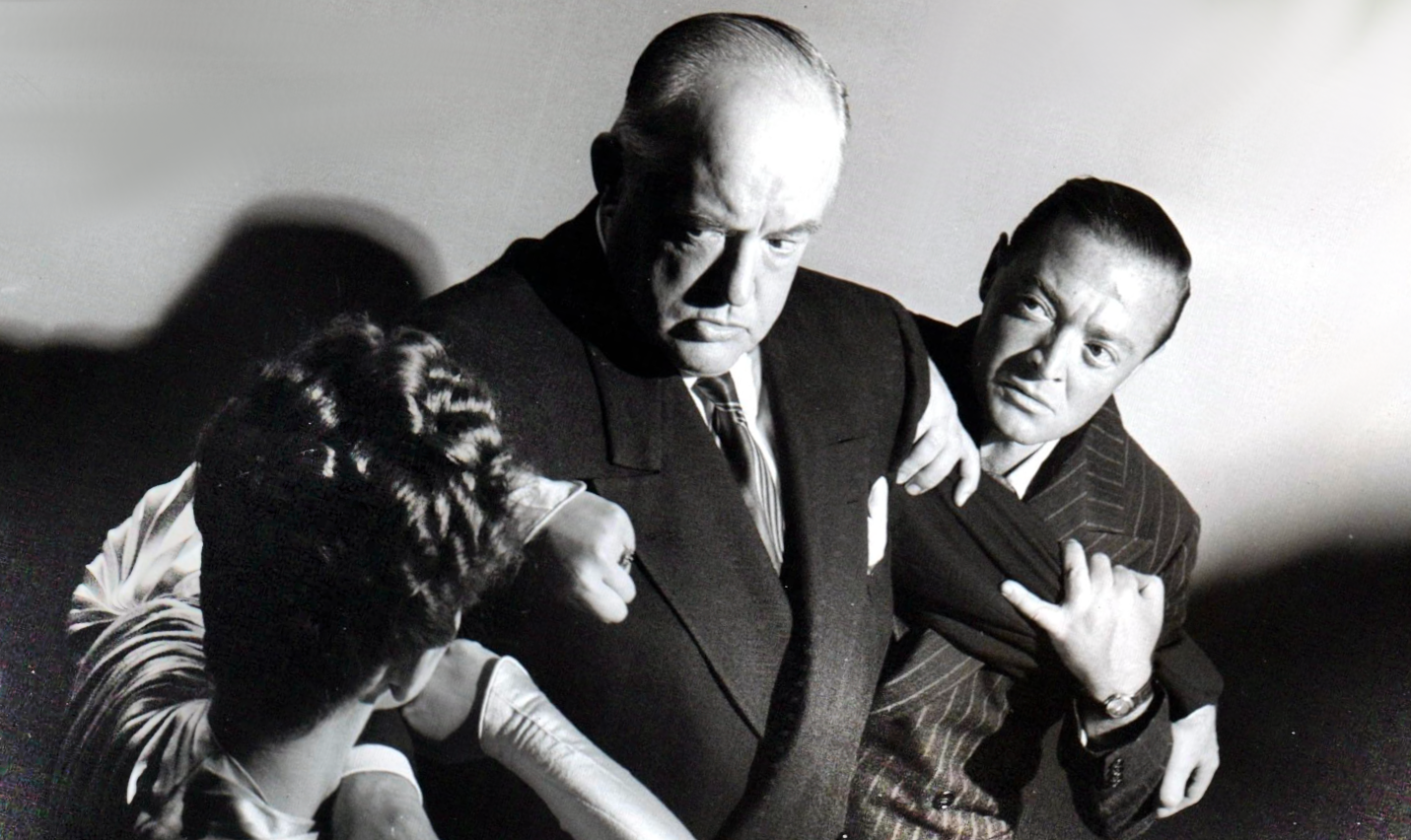
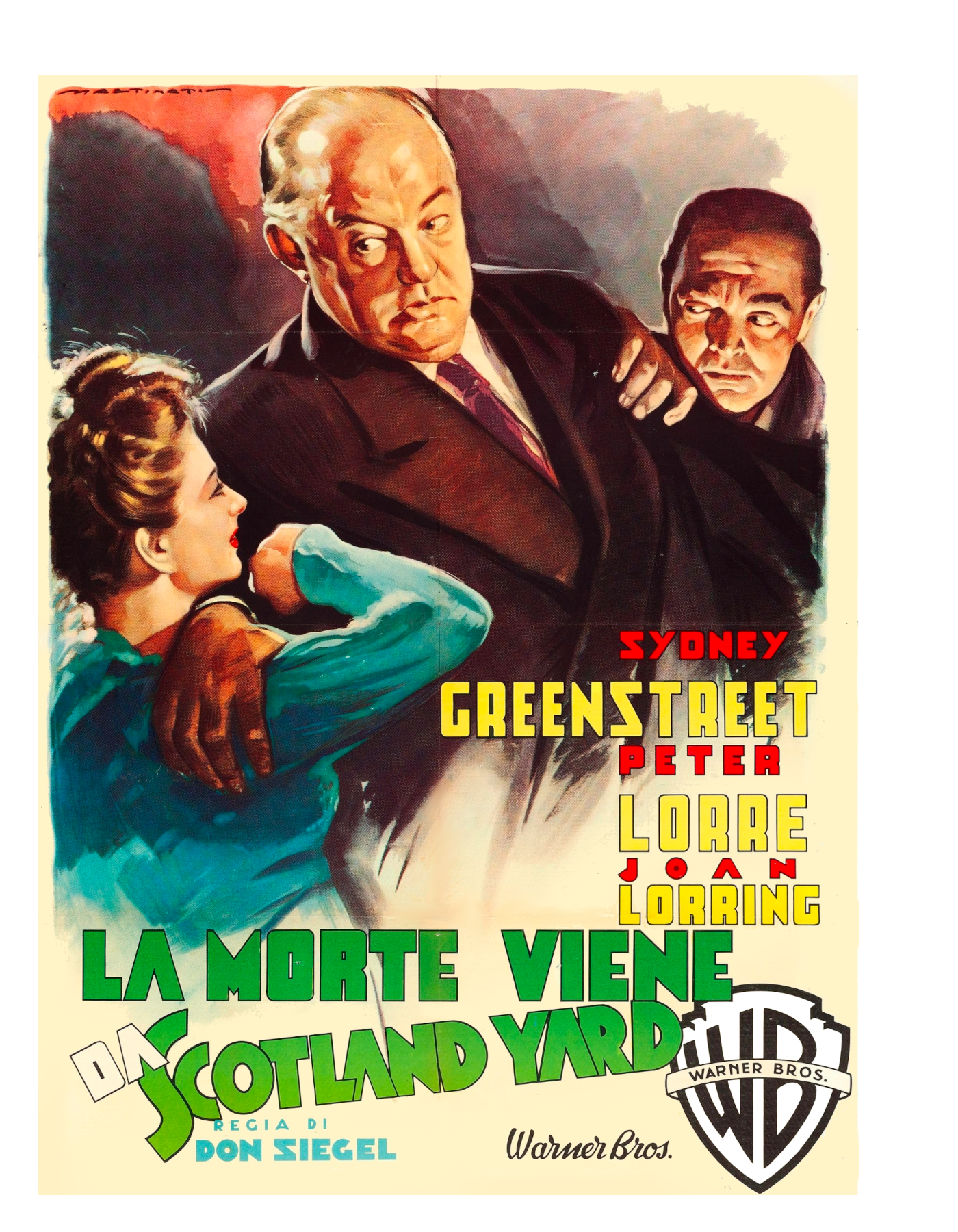
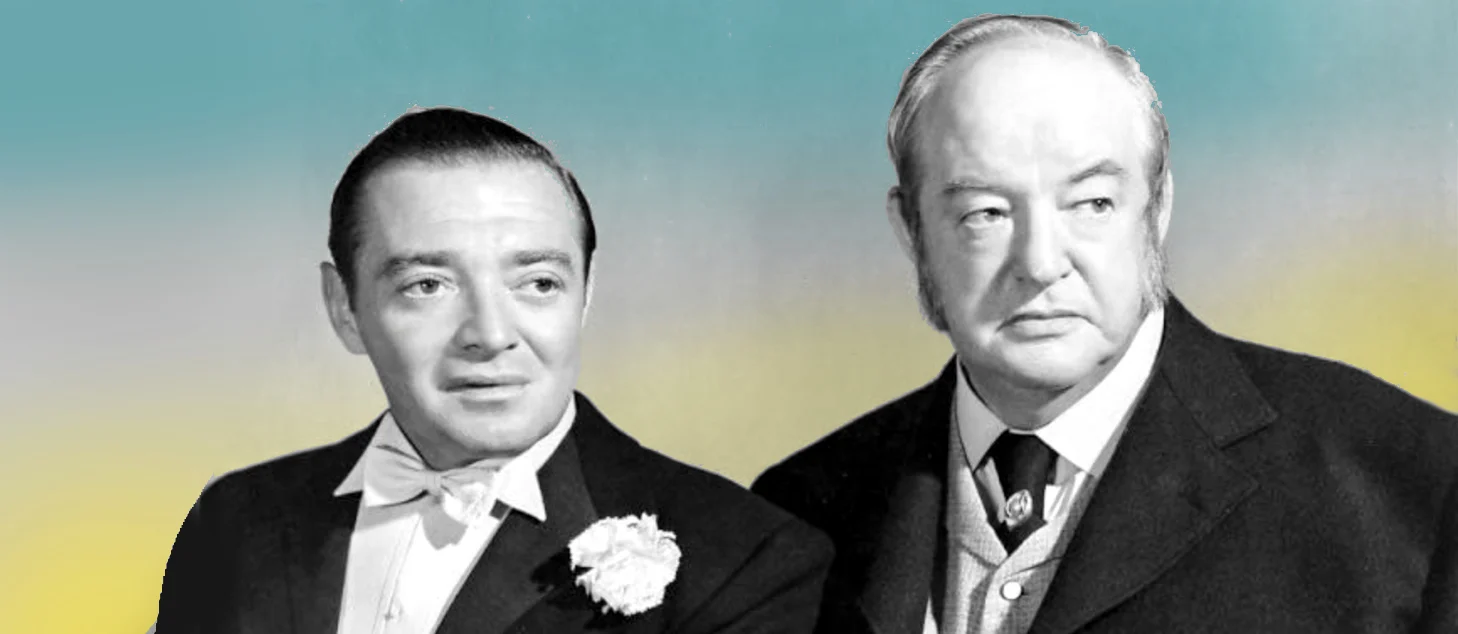
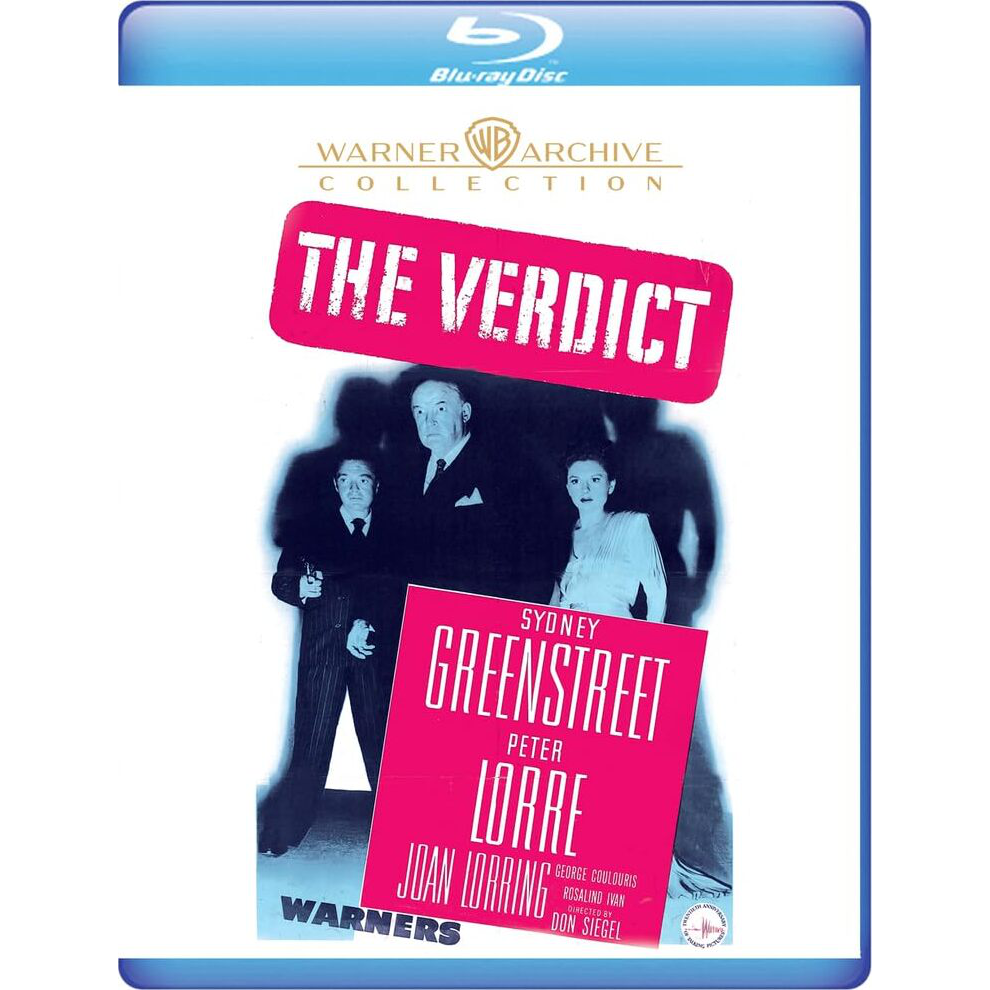
Don Siegel’s very first feature directing credit was for 1945’s The Verdict, a small but polished production dreamed up to exploit the popularity of actors Sydney Greenstreet and Peter Lorre. Their eccentric villains in The Maltese Falcon had become instant screen favorites. Warners slotted them into other exotic mysteries, like Casablanca and The Conspirators. But they also made three pictures where the two could claim main star status — The Mask of Dimitrios, Three Strangers and this last feature.
The Verdict comes from a property that had already been filmed twice by Warners. It’s a fairly believable variation on the ‘locked room mystery,’ that detective fiction sub-genre in which a sleuth is charged with solving an apparently impossible crime. The actors were likely highly pleased to be playing against type. Greenstreet is Police Superintendent George Grodman, a man of unimpeachable integrity. Lorre is Victor Emmric, an artist and bon vivant who drops into Grodman’s flat often for drinks and good conversation. They’re always congenial company. Emmric is successful as a ladies’ man, even. Of course, if either one lets slip a single furtive look, we immediately wonder if they’re guilty of something.
There’s no need to get too deep into the story. Grodman loses his prestigious police position over a scandalous error – his evidence results in the conviction and execution of an innocent man. It’s a political decision that doesn’t take into account the awful set of events that prevented everyone from seeing the truth. His successor is Buckley (George Coulouris), a career climber overjoyed at his colleague’s downfall. Grodman takes to his flat to finish writing his memoirs; Emmric steps in to sketch the book’s illustrations.
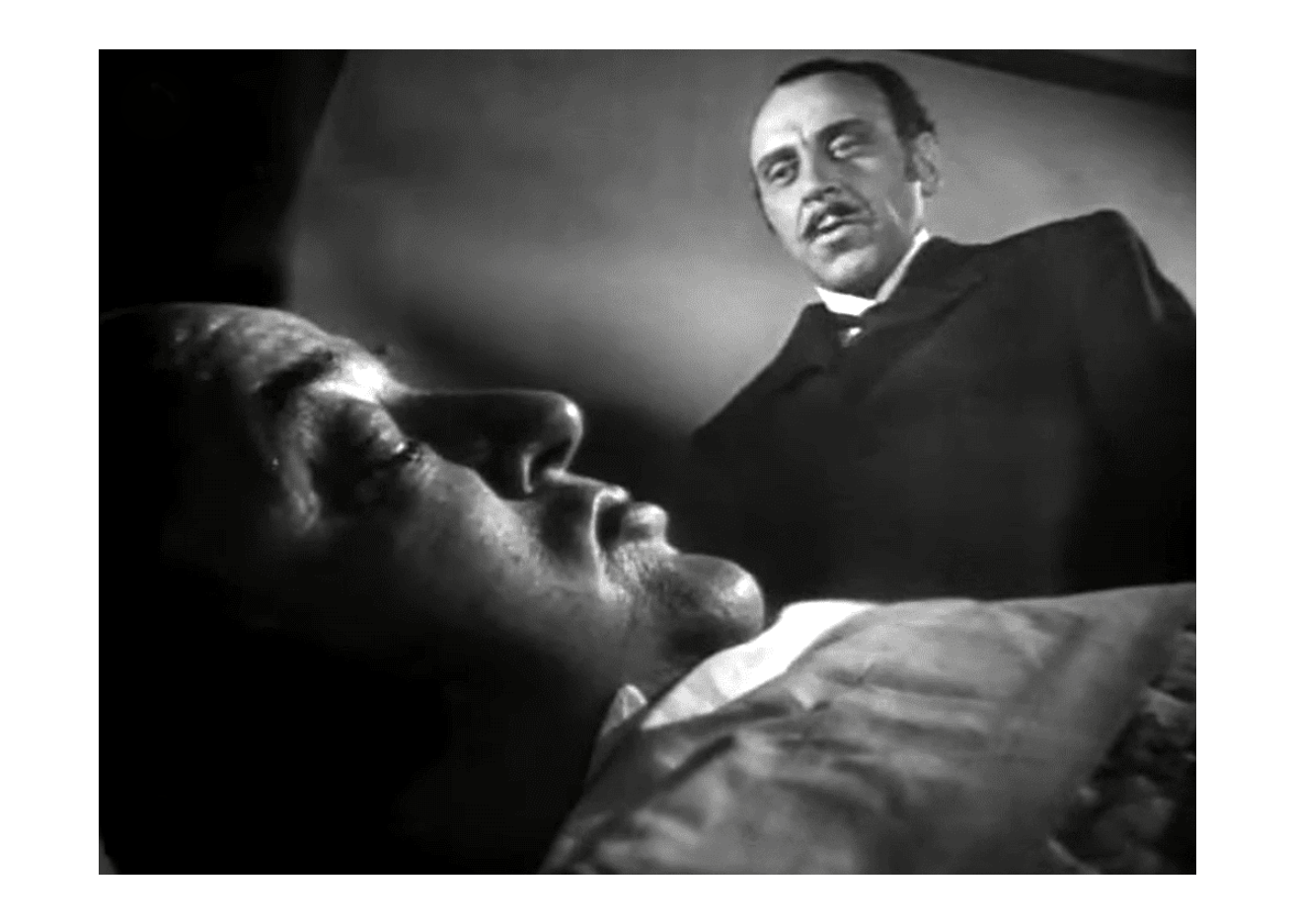
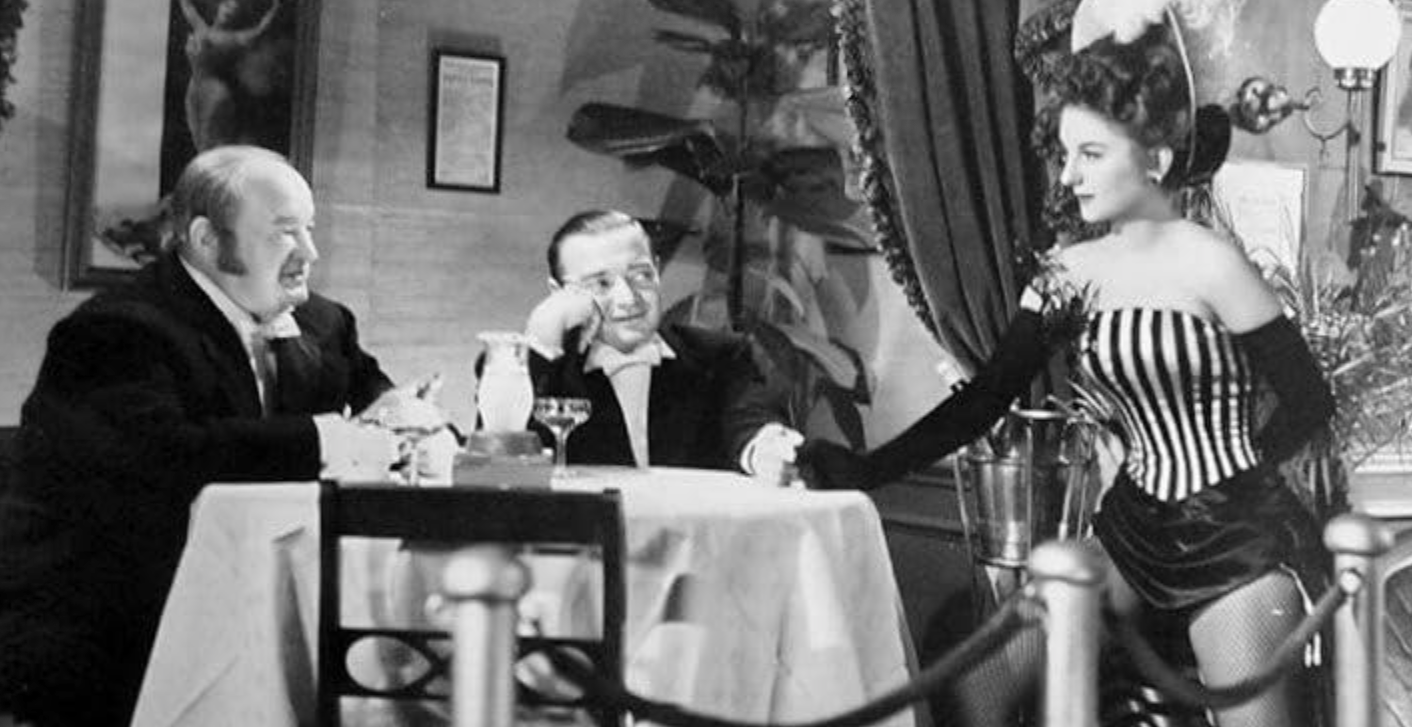
The original crime is still unsolved. Everybody we meet is a suspect with a potential connection to the female murder victim — her son Arthur Kendall (Morton Lowry) is an irresponsible wastrel and cad. Kendall has a spurned sweetheart, cabaret performer Lottie Rawson (Joan Lorring). He’s been giving her fake jewelry as gifts; she makes a public show of her anger. Kendall’s political enemy is the liberal spokesman Clive Russell (Paul Cavanaugh). Russell keeps getting caught fibbing about his movements, supposedly to hide the identity of a lover.
The story source is a novel, but the setup would make us guess it was written as a play. All the male suspects live in rooming houses directly across from each other. Landlady Vicky Benson (Rosalind Ivan) noses about, listening at doors and venturing opinions on everyone’s affairs. She reveals a suspicious side when she objects emotionally to a corpse being exhumed.
The corpse is that of a second victim, which brings in the ‘locked room’ detective puzzle. The stuffy new Superintendent Buckley is soon stymied, as any explanation just seems impossible. Grodman enjoys watching his successor squirm, but takes an interest in the case as well. The work involves probing into Kendall’s background, checking the alibi of Russell, and wining & dining Lottie Rawson in search of her secrets. It’s pretty cute seeing the drunken Lottie teasing ‘playboy’ Emmric and calling him ‘Vicky.’ Lorre doesn’t overplay or make faces, as he sometimes did in later haunted house stories. The truth be told, things only got better when he pulled faces and ad-libbed.
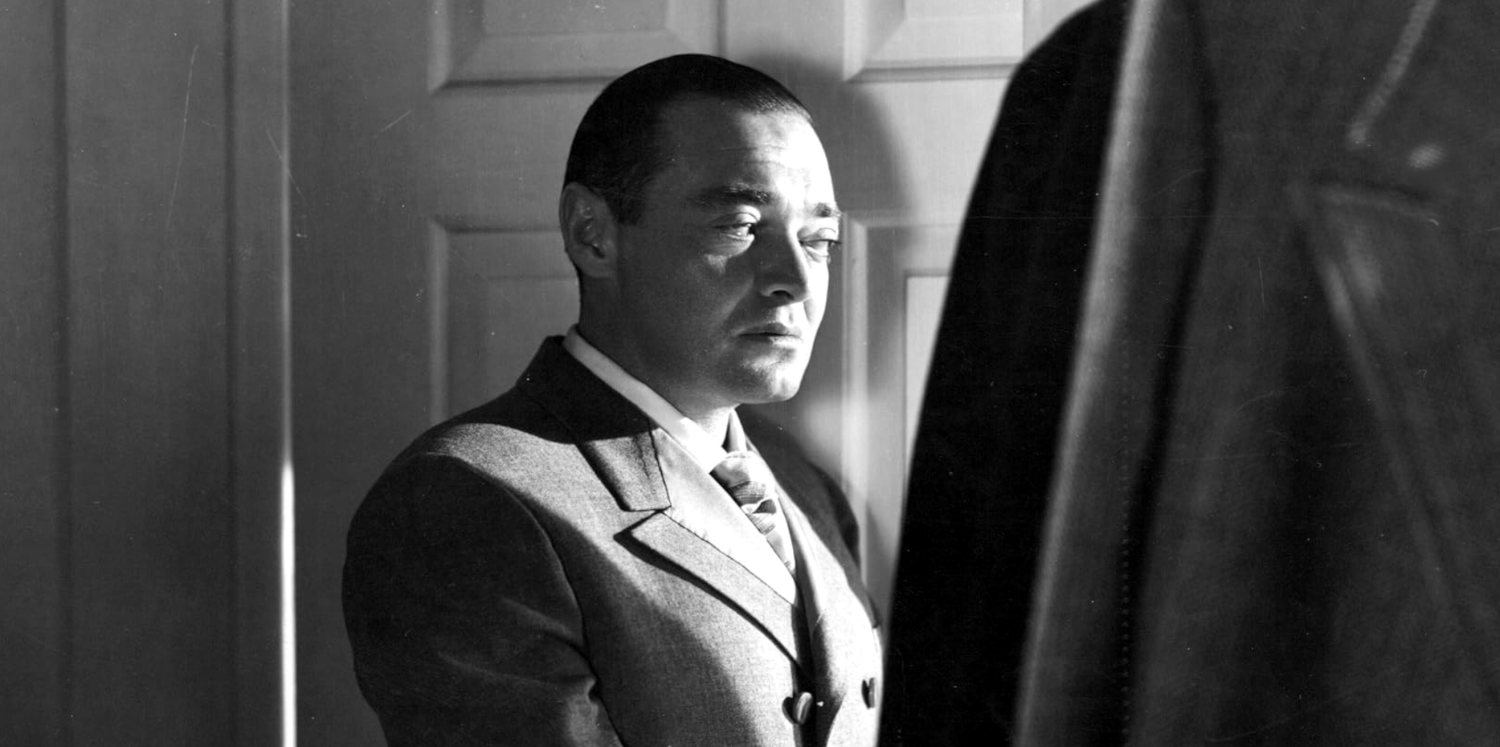
It’s a straightforward tale. We see Lottie perform a cabaret number, which is all right (Ms. Lorring does her own singing) but a little cheap; instead of a music hall we see a smallish salon. Much of the movie takes place on a single interior-exterior set of a London street, one of those clever constructions with a narrow roadway and seemingly infinite opportunities for camera angles. Don Siegel’s direction enlivens everything. The camera is always moving, and never just to ‘keep the frame busy.’ His crane shots often begin and end on significant elements in the frame. From a camera POV, we never feel we’re looking at a budget production. For all we know, Siegel’s good rep on the lot got him things the budget might not call for, like that big crane.
To make sure that Lorre and Greenstreet stand out as stars, the casting really can’t go for top-rank supporting actors that would be just as ‘big’ as our leads. Cavanaugh and Lowry are fairly colorless, but Rosalind Ivan is one of the better ‘flighty matrons’ of the era. She gets a nice bit, posing for an artist of a police gazette- type tabloid. Arthur Shields has one scene as a priest and Milton Parsons is an undertaker, no surprises there.
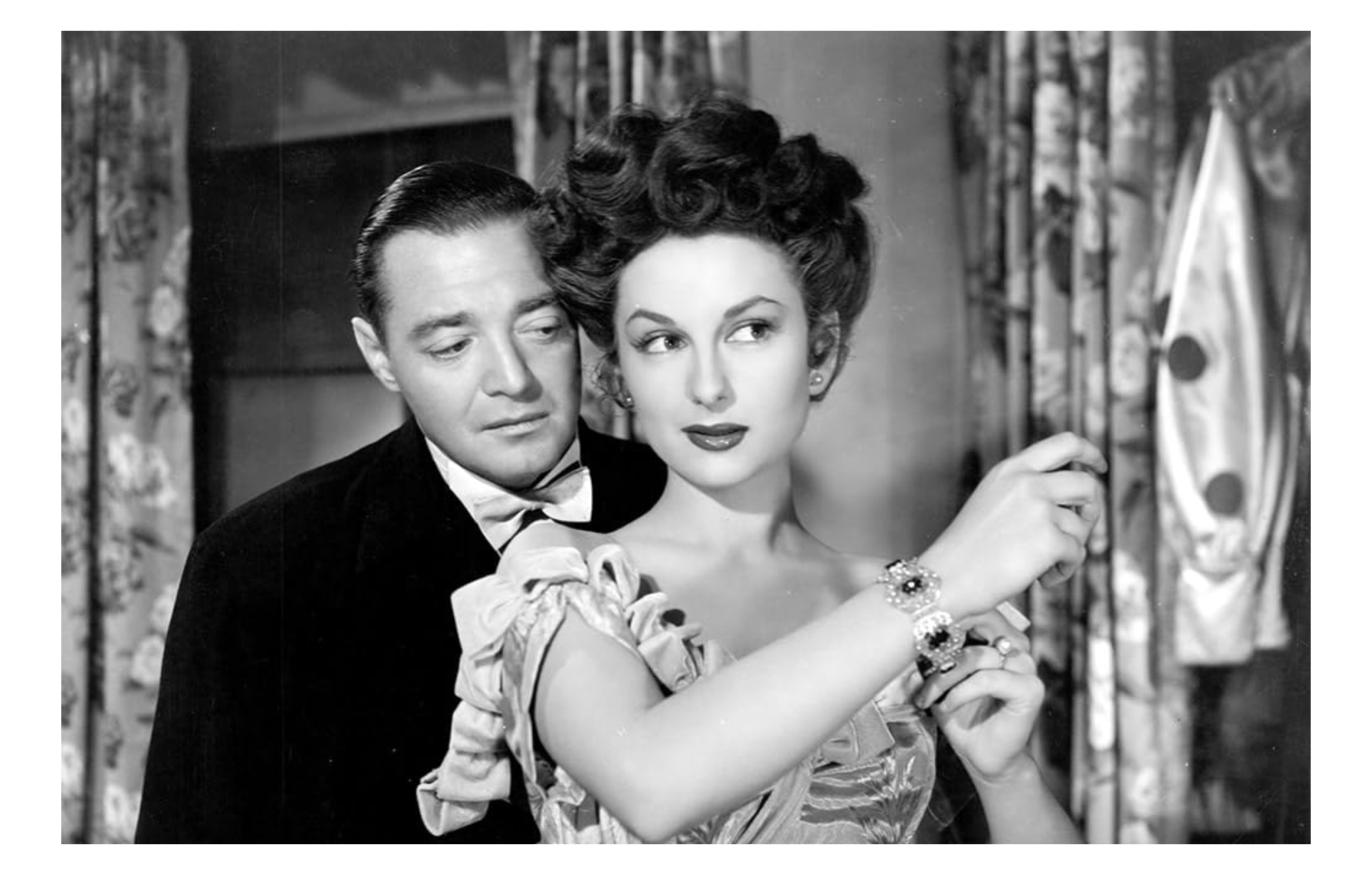
Pretty Joan Lorring projects an air of intelligence despite sometimes talking like Eliza Doolittle from Pygmalion. Lorring had also costarred with Greenstreet and Lorre in Three Strangers. She apparently made no big splash, and is now known to film studies types as the actress who stuck with director Joseph Losey during his most troubled year, appearing in his last American film and his first film in exile, shot in Italy with Paul Muni. There were few rewards in working for a blacklisted director.
As we might expect from Don Siegel, The Verdict is very precise filmmaking. The editing is spot-on, visual continuity is excellent, and the transitions between scenes are elegant without being too show-offy. Siegel puts a smart picture together, and he has a pair of actors that keep things interesting even without a strong love interest.
Did the Warner brass decide that the public preferred these favorite actors as villains? Sydney Greenstreet would be a slimy cad for both Joan Crawford and Clark Gable. Peter Lorre continued playing noir schemers. He tried directing in postwar Germany and would enjoy a career high point with Walt Disney. Becoming a jobbing supporting star with a kooky personality earned a living, but it didn’t fulfill Charlie Chaplin’s earlier statement that Lorre was the greatest film actor working.
Don Siegel’s two pictures for Warners gave him the boost to get a directing career going. It took him the better part of a decade to find real traction, working for several studios and even doing TV. He made a fine RKO picture with Robert Mitchum but apparently didn’t click with Howard Hughes. His first newsworthy success was 1954’s Riot in Cell Block 11 for Walter Wanger at Allied Artists. He always had a good industry reputation, but his public profile didn’t take off until teaming with Clint Eastwood on Coogan’s Bluff. When Eastwood launched his own directing career, he generously gave credit to Siegel as his mentor.