
 Who rules? That’s often the question in life, isn’t it? Whether it’s concerning a job, a religion or a government, the important thing to know is who’s actually running things. Is that person moral with good intentions or are they a narcissistic sociopath content to watch everything burn? It’s useful to know these things, because it can inform how one reacts to the situation. Do you go along with it, or do you resist? The excellent new film, The Rule of Jenny Pen, is about making that choice when the cost is possibly fatal. John Lithgow and Geoffrey Rush are both terrific in this psychological thriller, leavened by delicious dark humor.
Stefan (Rush) is a judge in New Zealand who revels in his power to dispense justice, theatrically intoning lines such as, “Where there are no lions, hyenas rule.” He’s used to being respected and obeyed. His life changes drastically, however, after he has a stroke and is placed in an elder care facility. He struggles with his shift in status as the carers treat him like any other patient and he’s forced to share a room with a famous ex-rugby player, Tony (George Henare). He quickly discovers that this is the least of his problems, though, when he encounters fellow resident Dave (Lithgow), a manipulative psychopath who terrorizes the elderly community, sadistically bullying and hurting them nightly without the attendants knowing. The old, helpless victims are too scared to speak out, but cranky Stefan resists. Dave and his creepy hand puppet, Jenny Pen, enjoy this challenge, and step up their reign of terror.
 Rush does great work as the egotistical but not cowardly Stefan, who manages to stand up to the imposing Dave even though he mostly can’t get up from his wheelchair. Rush doesn’t strive to make his arrogant character instantly likeable but steadily charts his journey from imperious to heroic. Lithgow has one of his career best roles as Dave, a predator in PJs and a ratty robe, in a scary performance that both revels in over-the-top lunacy and reveals the banality of this evil man. Lithgow dives into the role with seeming glee, and that sense of horrible fun comes through to the audience. Henare is quite good as Tony, stuck between combatants Stefan and Dave, and a scene in which he attempts to perform a Maori chant but can’t quite physically accomplish it is effective and moving.
Director James Ashcroft gets stellar work from his cast and paces the story well – it’s set in a senior care facility, but it moves right along. The film is constantly interesting visually, presenting creatively framed shots from cinematographer Matt Henley, and Gretchen Peterson’s editing is expert and propulsive. The script (co-written by Ashcroft and Eli Kent) ratchets up the tension at a deliberate speed but is also full of deadpan wit, such as Stefan’s deflating line concerning Tony’s beloved sport: “My experience of rugby has largely been limited to watching its players dodge rape charges.”
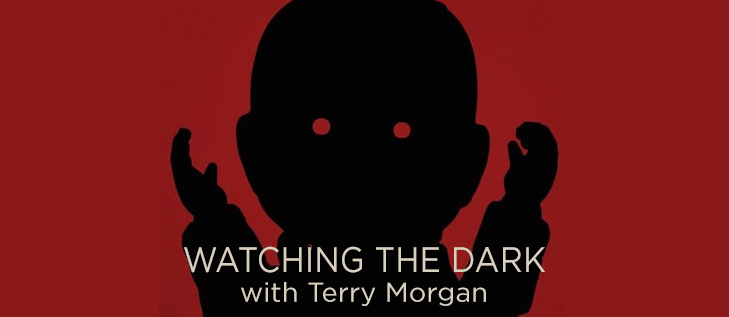
 I would be remiss not to mention the titular star of the movie, the spooky puppet, Jenny Pen. Nearly always on one of Lithgow’s hands, the baby doll has empty eye sockets, which tend to catch the light in an eerie way, making them seem as if they glow with serene malevolence. Lithgow performs her dialogue as a vicious cackle, her tiny arms waving back and forth in delight. The hollow-eyed puppet also features in a couple of memorably surreal sequences, showing how in the minds of the unfortunate care home pensioners, Jenny Pen looms large.
Some have referred to this film as a male version of Whatever Happened to Baby Jane?, but while there are surface similarities (the wheelchair, abuse of the elderly), Pen is its own unique hellscape. If anything, it’s about the indignities of old age, about the horrors of physical and mental deterioration and enforced societal obsolescence. Yes, the story features flaming wheelchairs and brutal kickings, but what it’s really about is feeling helpless and taken advantage of. The Rule of Jenny Pen is a superb thriller with very enjoyable performances, but underneath the entertaining surface is a simple but sobering question. Who rules?
 Terry Morgan has been writing professionally since 1990 for publications such as L.A Weekly, Backstage West and Variety, among others. His love of horror cinema knows no bounds, though some have suggested that a few bounds might not be a bad thing.