


Milestone Film and Video’s early video releases of the silent documentary travelogues Grass: A Nation’s Battle for Life and Chang: A Drama of the Wilderness return a quarter-century later, remastered in 4K and sharing a single HD Blu-ray disc release.
We first learned of these early film documentaries while reading about the wild life and times of Merian C. Cooper, the Hollywood producer who dreamed up the spectacular prehistoric fantasy King Kong. Cooper would later help promote the movie developments Technicolor and Cinerama. Fifteen years before Kong, he worked as a journalist, fought in WW1, and returned to fly warplanes in the conflict between Poland and the new Soviet Union. In the second half of the ‘roaring twenties’ Cooper teamed with his flying buddy Ernest B. Schoedsack for a peacetime exploit: filming extravagant documentaries in far-off lands. This pair of determined zealots are a testament to the very spirit of adventurism; their expedition for the first movie qualifies as genuine Exploration.
Grass and Chang are an advancement on most travelogues and ‘true nature films’ of the silent era. Even when talkies came in, exploitative ‘bring ’em back alive’ thrillers continued to fake African adventures in the wilds of Culver City or Griffith Park. Long before the concept of Objective Truth became the measure of a good documentary film, Cooper and Schoedsack kept fictional elements to a minimum; when recording the exotic customs of foreign lands, they made an effort to stay authentic. Their films show a respect for the cultures on view.

Grass: A Nation’s Battle for Life
1925 / 71 min
Starring Merian C. Cooper, Ernest B. Schoedsack, Marguerite Harrison, Haidar Khan, Lufta
Cinematography Merian C. Cooper, Marguerite Harrison, Ernest B. Schoedsack
Film Editor Richard Carver, Terry Ramsaye
Original Music Hugo Riesenfeld
Written by Richard Carver, Terry Ramsaye
Produced and Directed by Merian C. Cooper, Ernest B. Schoedsack
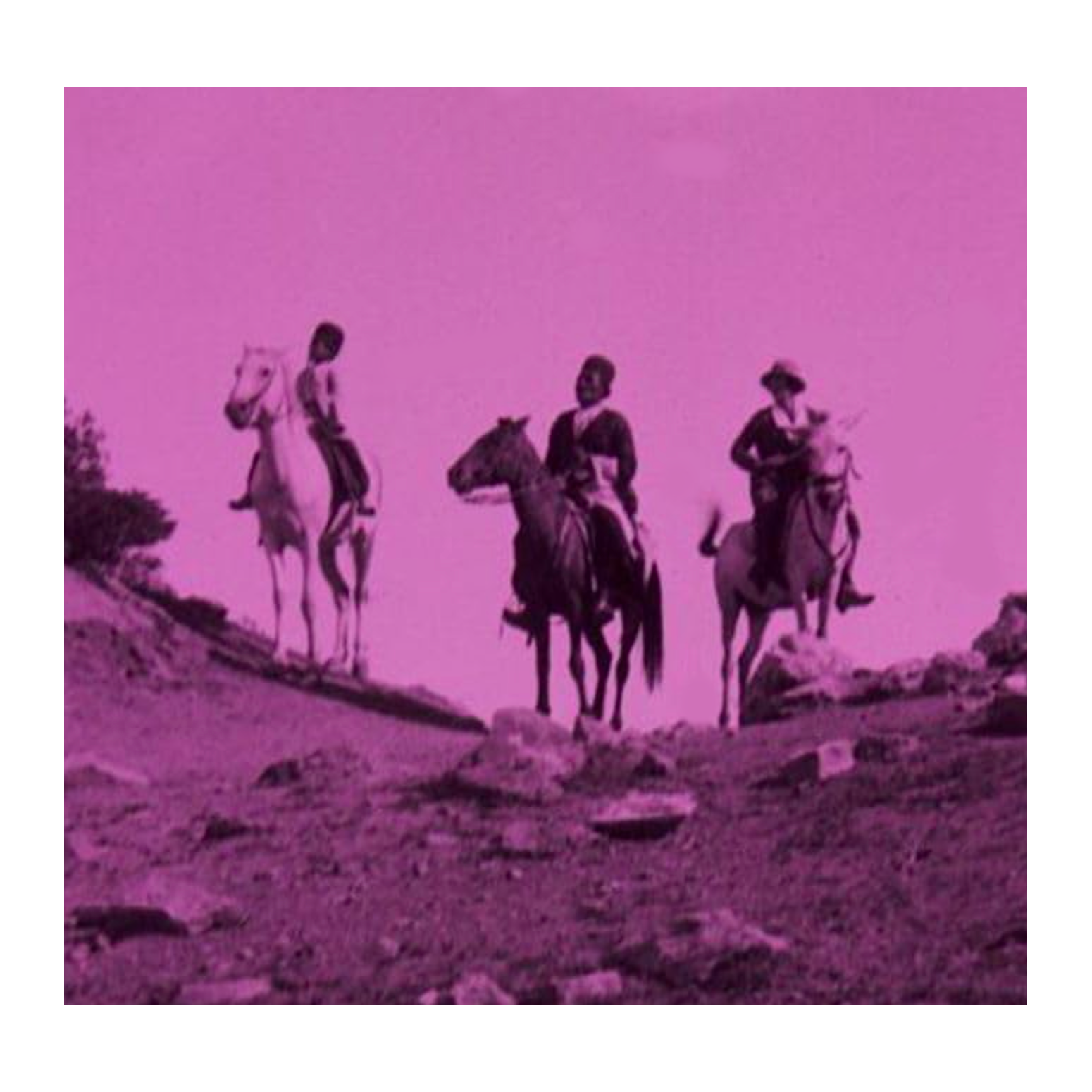
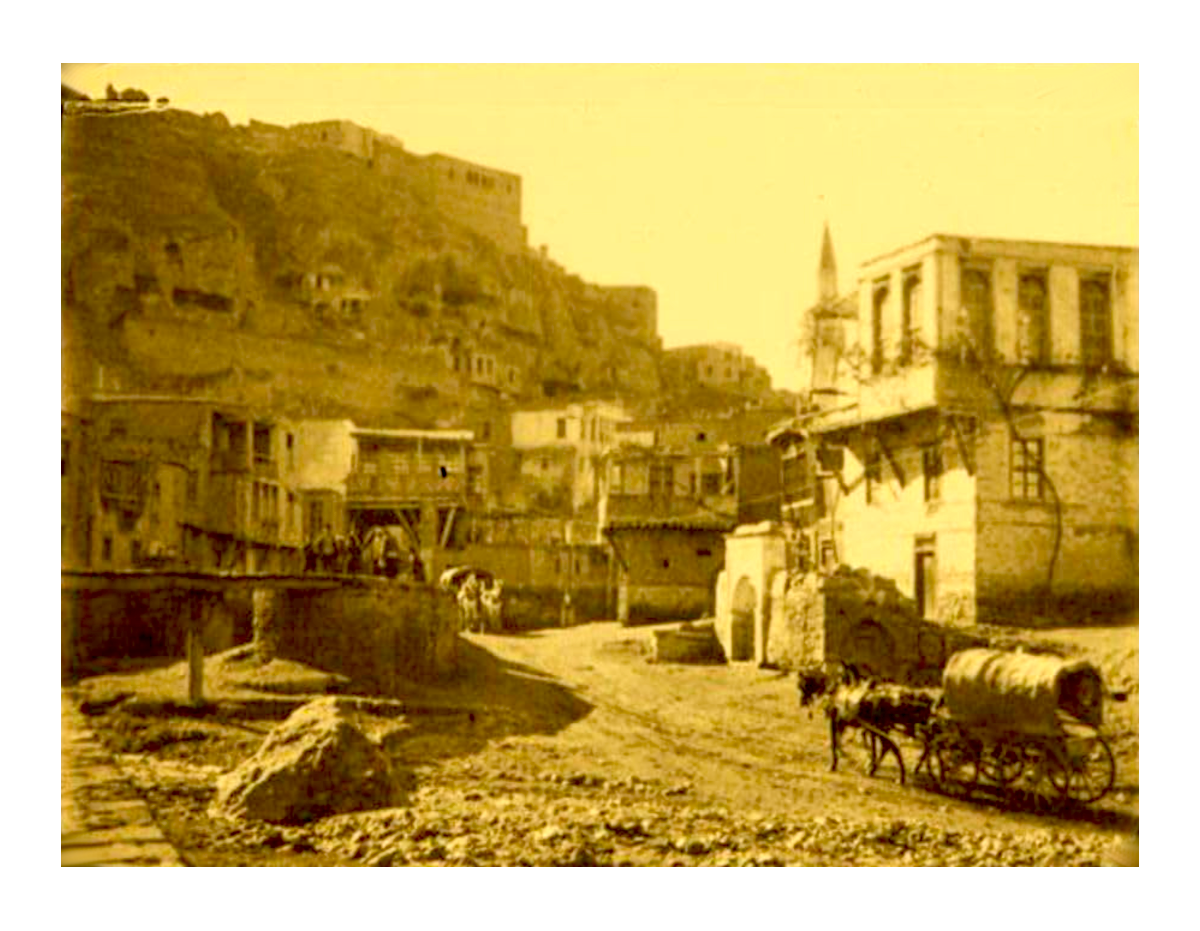
Grass is a first-person account of the Bakhtiari tribe of what is now Iran, undertaking a months-long epic migration to greener pastures high over inaccessible Asian mountains. Cooper, Schoedsack and their partner Mrs. Marguerite Harrison accompanied the Bakhtiari on the trail, recording hand-cranked 35mm silent movie footage of the entire trip. Except for a couple of portrait shots at the beginning, the filmmakers do not appear. Harrison is a main character in a long traveling segment from Turkey to Iran by camel route. Our attention then transfers to the Bakhtiari chieftain Haidar Khan and his son Lufta.

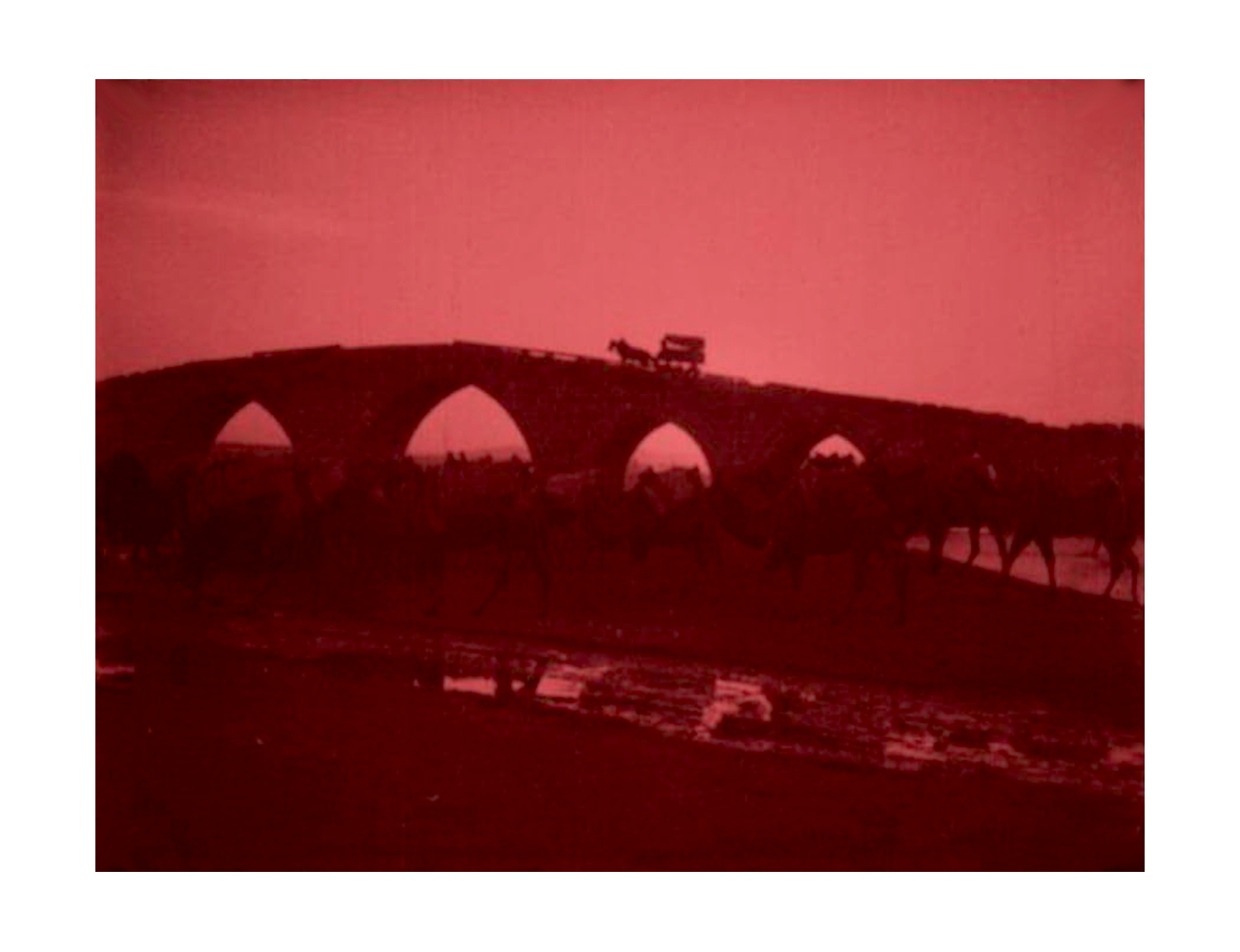
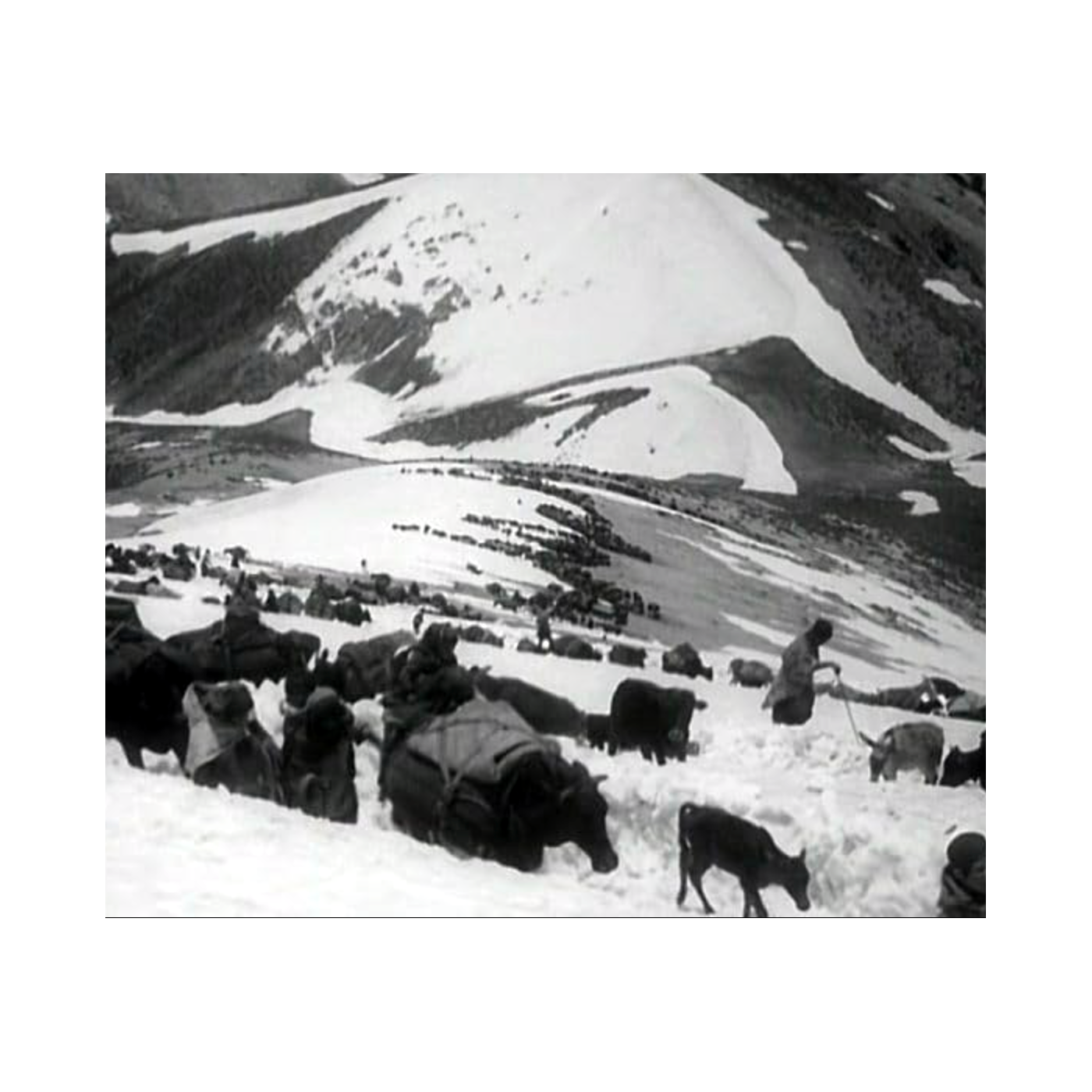
Striking their tents, the nomads herd tens of thousands of domesticated goats, horses, sheep and cows over what we can see for ourselves is often an extremely difficult trail. A rest stop takes place in a partly-ruined structure with very strong ‘Moorish’ arches. It takes days to cross a broad, swiftly-flowing river. Women and children are floated across on rafts made of inflated goatskins. The men and the animals simply pile into the river and try to swim across the rapid water as they are swept downstream. We wonder how many did not survive.
The second half of the journey sees the huge Bakhtiari tribesmen lugging everything up a mountain that the goats have difficulty climbing. The filmmakers show a faultless eye for good camera angles. Lines of people stretch for miles up mountain switchbacks.
We’re impressed that the whole movie was shot by only three people, in primitive conditions with very little outside help. They trek along with the Bakhtiari while taking care of their cameras and film supplies. Early episodes show some meals and other customary details of the tribesmen, but the focus is on the big picture. To survive the tribe must migrate and everything else is of secondary concern.
Grass is a practically a self-invented documentary. Minor events are posed and directed but it doesn’t matter as no fictions are imposed on the Trek. Little Lufta would indeed probably stow his father’s water pipe onto a pack animal. Cooper and Schoedsack take time out to record cute animal behaviors or to simply note their presence.
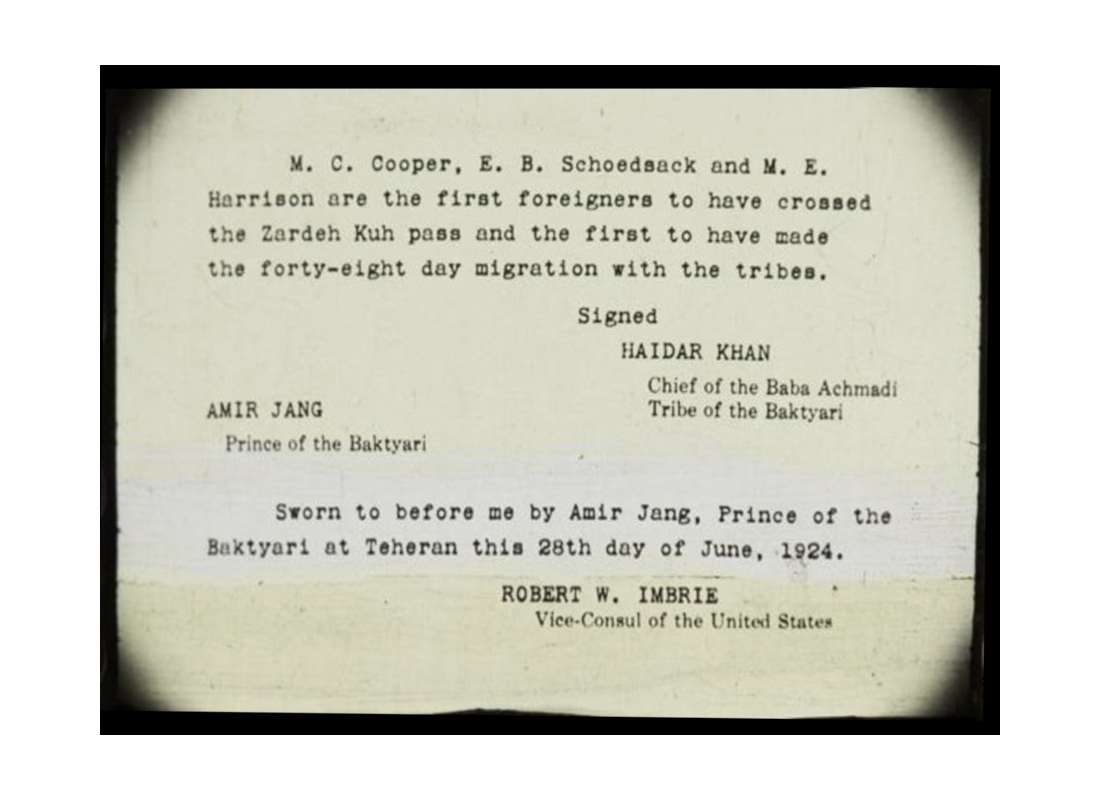
The inter-titles make some jokes but are free of patronizing attitudes. The filmmakers may not have deep anthropological insights about their subjects, but they obviously respect them. The film ends with a shot of a signed declaration of Chief Haidar Khan and a regional colonial bureaucrat stating that the filmmakers’ journey with the Bakhtiari was real.
Grass is accompanied by an interesting middle-Asian musical score. There’s also an unique long-form audio interview with Merian C. Cooper recorded by Rudy Behlmer in 1965. It spans much of his lengthy career in adventurism both abroad and in the movie business. More on the extras below …
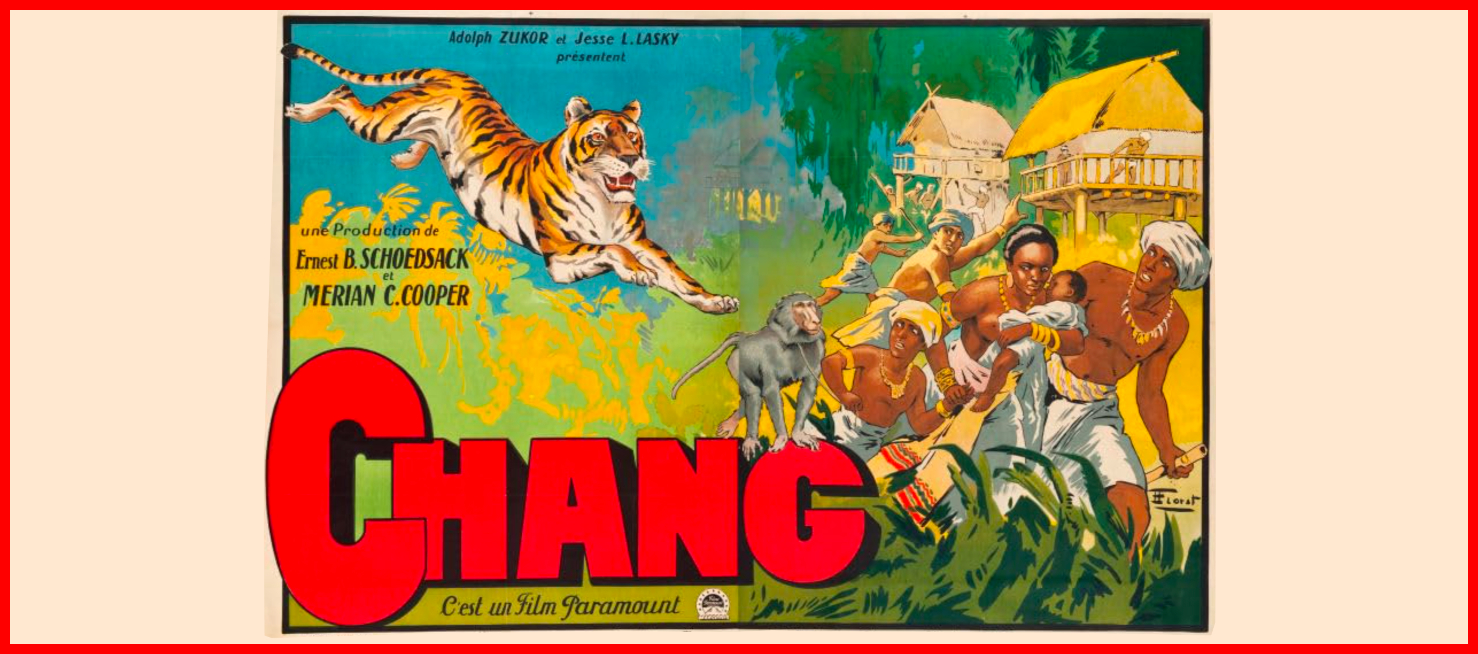
Chang: A Drama of the Wilderness
1927 / 69 min.
Starring Kru, Chantui, Nah, Ladah, Bimbo the Monkey
Cinematography Ernest B. Schoedsack
Original Music Hugo Riesenfeld
Written by Achmed Abdullah, Merian C. Cooper
Produced and Directed by Merian C. Cooper, Ernest B. Schoedsack
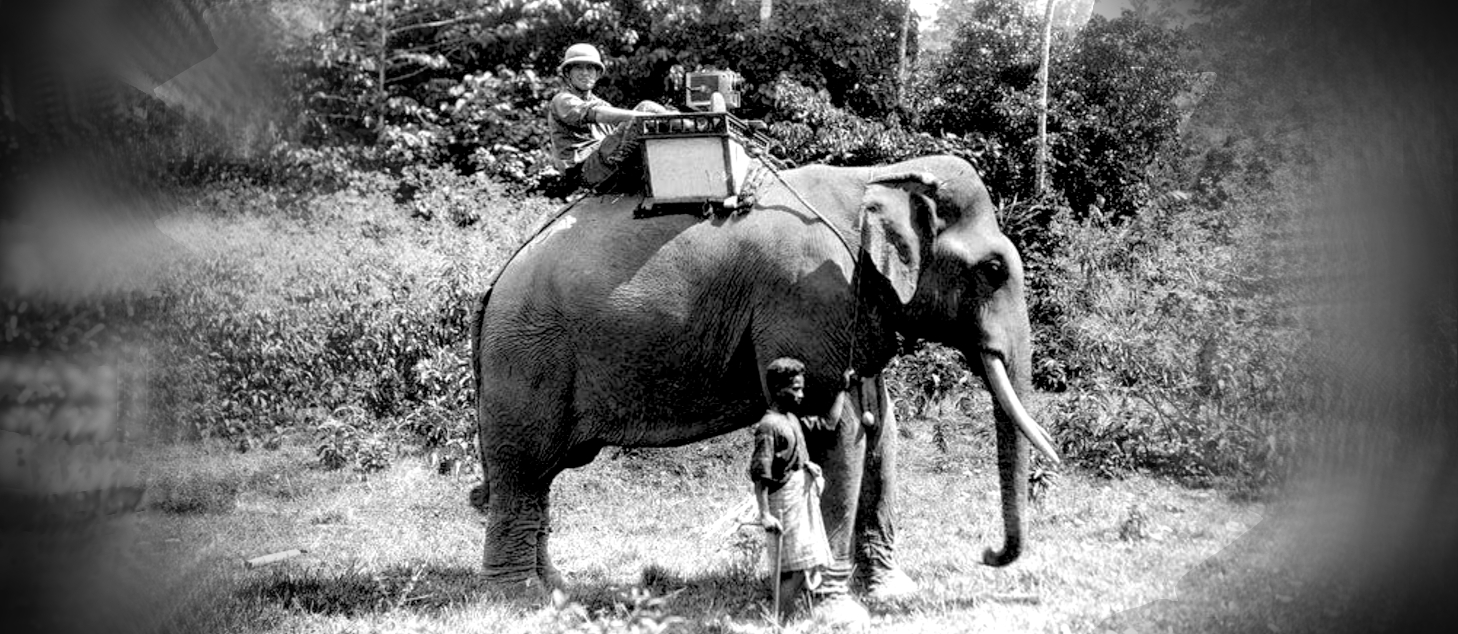
The enormously popular Chang was made under much different conditions. Instead of going on a trek with nomads, Cooper and Schoedsack created a story around the daily lives of some jungle farmers in the wilds of Thailand. Almost everything is staged, yet the movie still has a basic ring of truth. Instead of inventing dramatic events, the filmmakers fashion their scenes from reality in a small village.
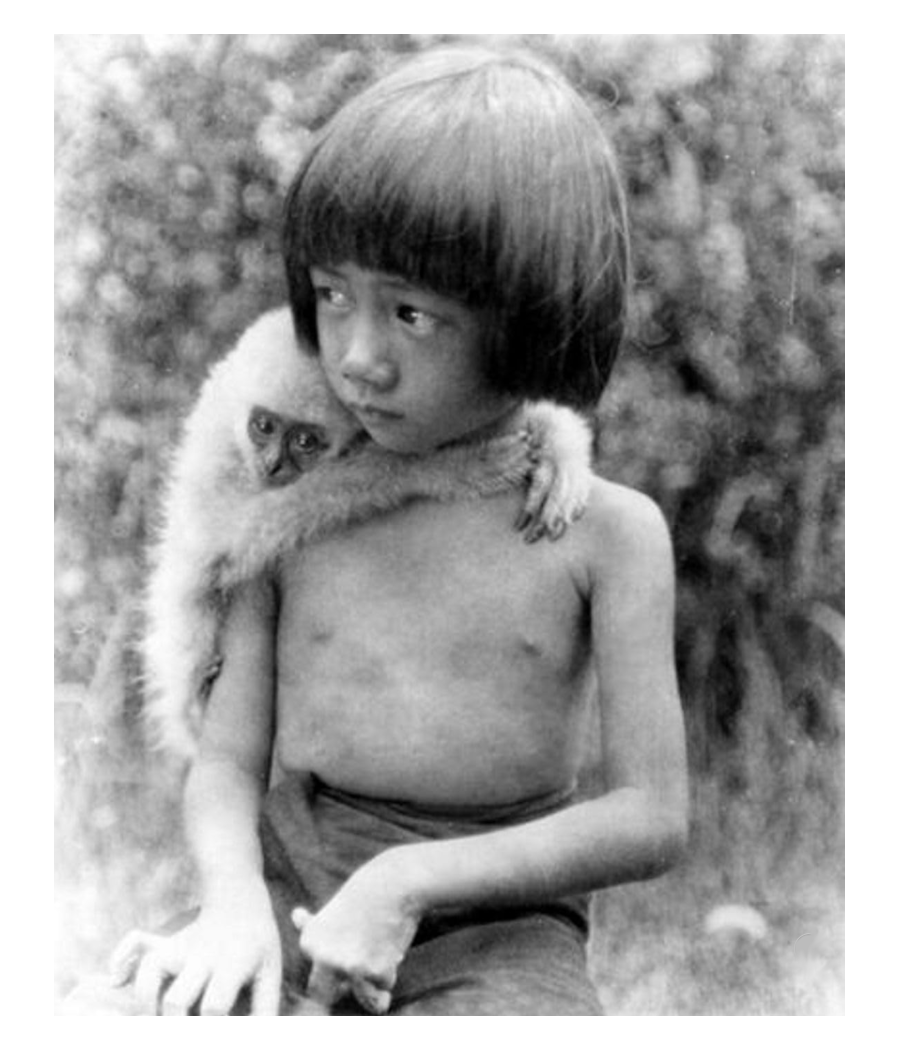
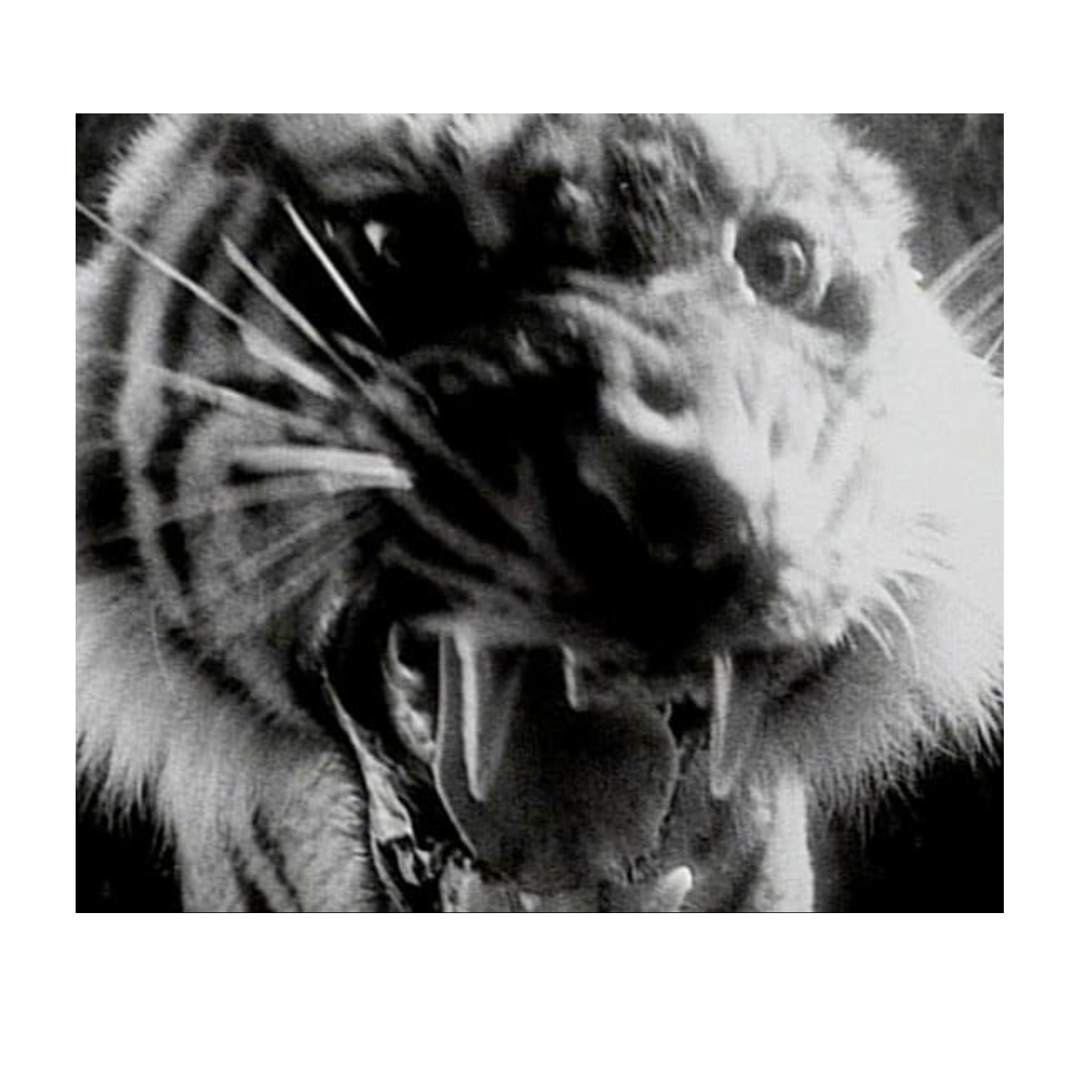
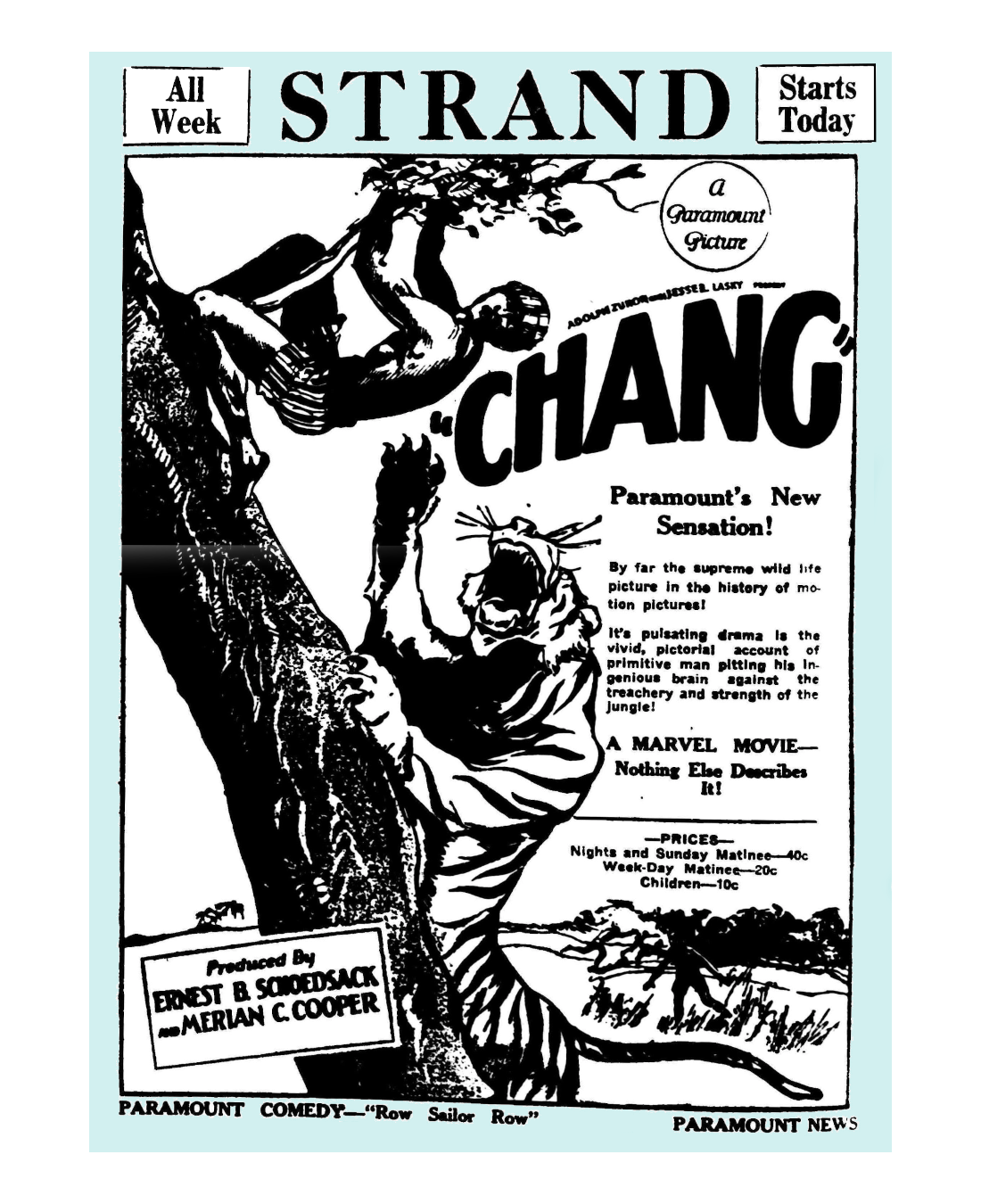
We don’t know if Schoedsack had a background in anthropology, but his main interest was reportedly the ability to document a disappearing exotic lifestyle. Cooper’s forte was concocting grand adventure dramas, which accounts for the inclusion of scenes depicting a hunt for man-killing jungle cats. Filming from hunters’ blinds, they capture some truly frightening shots of large tigers coming down to the water to drink. As they didn’t have telephoto lenses aren’t telephoto, we can tell that they were very close to their subjects. They did stage attacks and chases by releasing captured cats from cages when the cameras were running. The trickery is not used to confect extraordinary action.
The audio commentary by Rudy Behlmer tells us that the two filmmakers did indeed crank away on their camera while threatened by deadly animals not eight or ten feet distant. The show’s most noted shot must have been a shocker in 1927. In angle looking down the trunk of a tree, a tiger leaps up and climbs right into our faces. Schoedsack kept cranking, and had the presence of mind to pull focus as the animal practically licks the lens. It’s pretty amazing.
[We’re amused that the ‘adventure producer’ Carl Denham in Cooper and Shoedsack’s King Kong boasts about similar exploits filming jungle animals. The title ‘Kong’ would seem to have been inspired by the evocative one-word title Chang.]
The second major climax is an elephant stampede. Such things do happen, so Cooper argued for its inclusion. It was staged with elephants already in the Thai royal corral. The dramatic angles and cutting sensibility show Cooper and Schoedsack’s action sense to be as good any being filmed at the time. The sequence is no less exciting now than it was then.
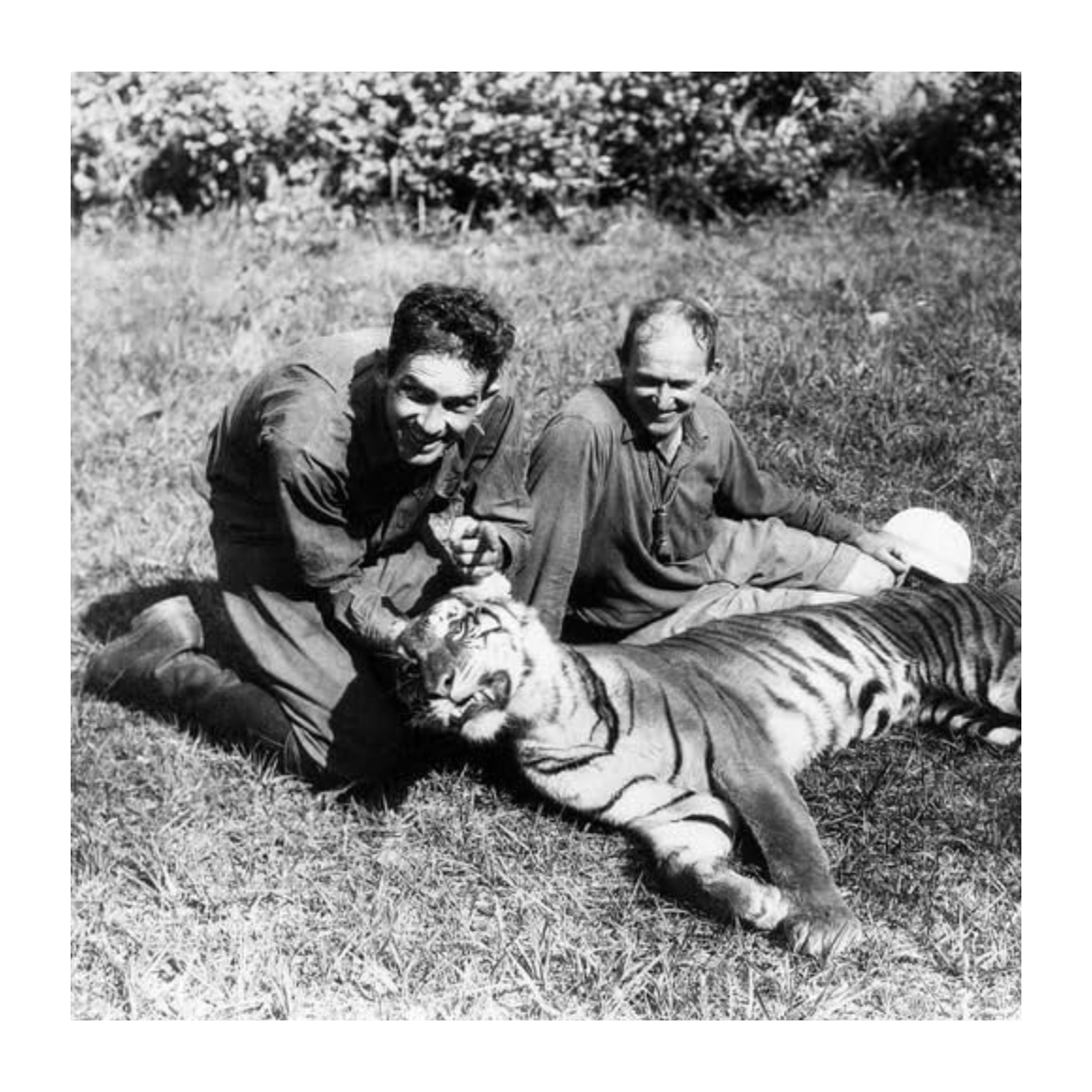
Chang on disc has the benefit of an excellent commentary by Rudy Behlmer, who recounts the remarkable conditions under which it was filmed. On a handshake from his Hollywood backer, the two aventurers set out for Thailand and then headed into regions at the time considered inaccessible, where only a few outsiders had ever been. They stayed for over a year fashioning their drama with the help from locals local help and their own limitless ingenuity. Just hearing how they kept their cameras and film from instantly rotting in the heat and mildew of the jungle elicits a ‘gee whiz’ reaction.
Fans of King Kong will have a lot to think about while watching these shows; Cooper and Schoedsack are indeed somewhat like Kong’s Carl Denham, who they must have concocted as an exaggerated self-portrait. Unlike Denham, the filmmakers showed consideration for the people they documented. They didn’t bring along a big crew, and Mrs. Marguerite Harrison didn’t qualify as the Ann Darrow type. They stayed true to a pact to respect the local customs, to stay clear of the women (wisdom, surely) and leave things as they found them. Like Carl Denham, they brought back a sensational show for New York audiences, but without the chaos and destruction.
Kong fans will also note familiar bits of business, like a woman grabbing up a forgotten baby in the elephant stampede. It’s easy to imagine the filmmakers getting bored back at RKO, and being inspired by Willis O’Brien’s magical movie illusions. Their fervor for adventuresome expeditions could be re-molded into a jungle tale nobody would ever believe …
Rudy Behlmer’s excellent commentary is good enough to listen to on the first viewing of Chang. Milestone has also included a Thai-flavored score composed by Bruce Gaston and performed on authentic instruments by an orchestra called Fong Nam. There’s also a sample of a Chang scene colorized back in 1956, when Cooper was producing John Ford’s The Searchers. Accomplished with hand-rotoed mattes, it’s not very impressive. But it is evidence that Cooper was forever cooking up new ideas.
Evidently at the time of GRASS’ making, Ms. Harrison was also working as a spy for the US government about Russia and Japan and Schoedsack later said that she “didn’t do a damn thing” during the production of the film.