
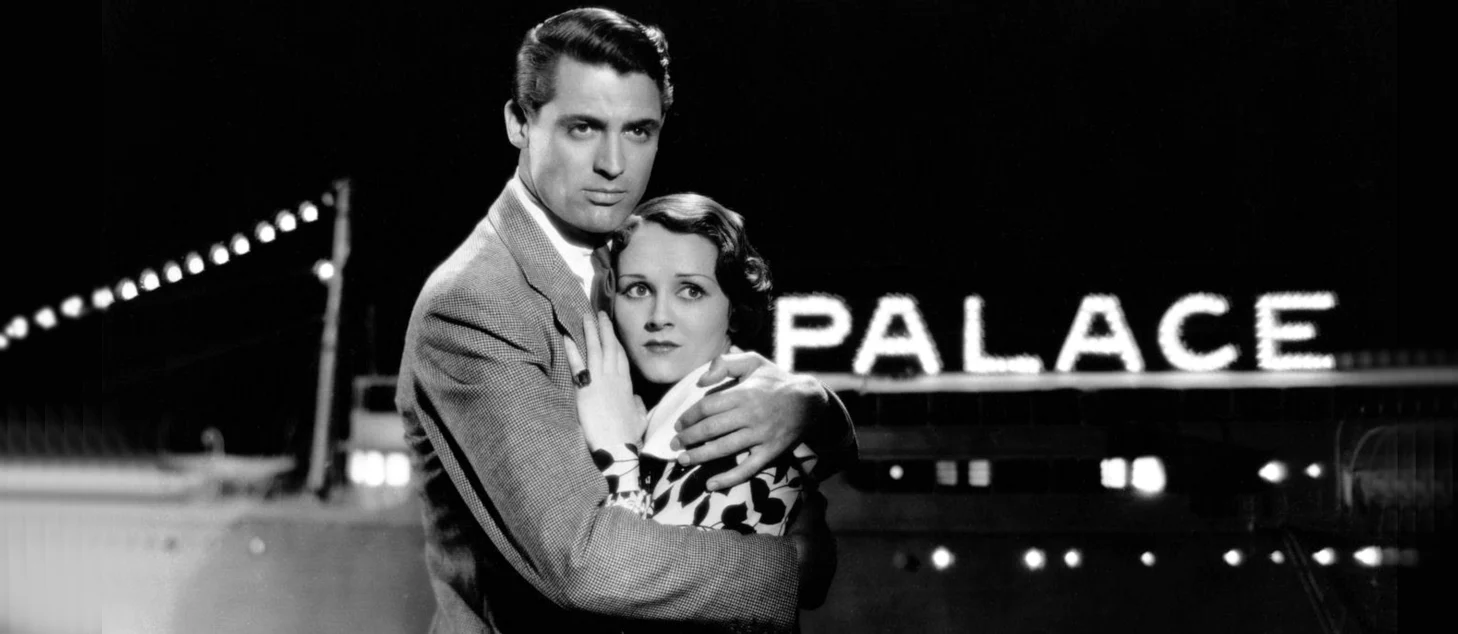
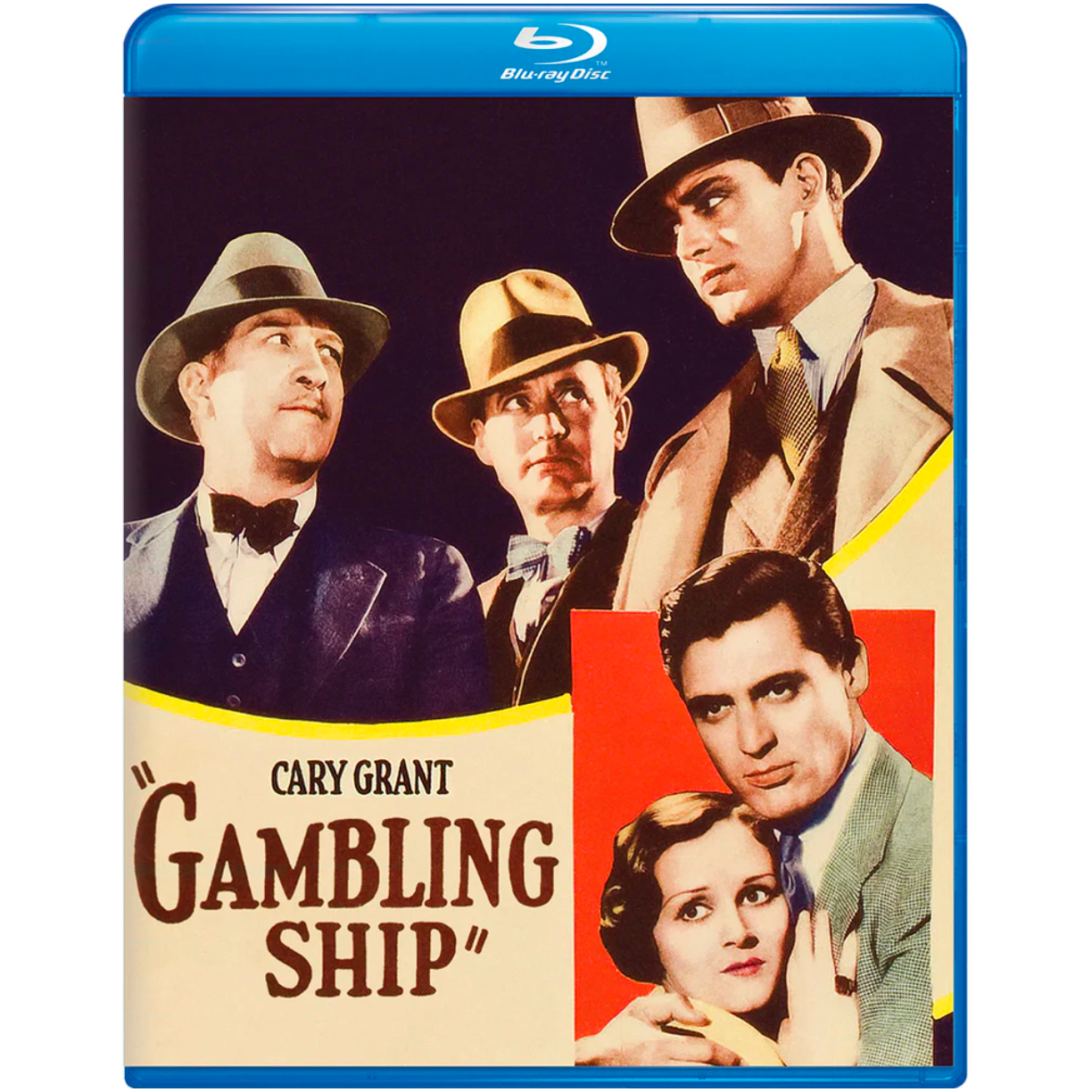

Here’s an early Cary Grant picture, where he plays that very predictable type, the gangster with a heart of gold. Is he really ready for this role? Grant could vamp his way through most anything, but when he gets tough he reminds us of Richard Gere pretending to be a movie gangster in Coppola’s The Cotton Club. Grant had played handsome arm candy for Marlene Dietrich and Mae West, and had already shown his trademark finesse in pre-Codes like Hot Saturday, opposite Nancy Carroll. But in Gambling Ship he’s supposed to be a shady mob boss who wants to go straight. It’s a lot of fun to see the very young Grant trying to make the role work.
Gambling Ship hasn’t been shown a great deal, despite being one of the many Paramount pre-Codes now in the MCA-Universal library. One reason might be a trigger scene that’s now considered offensive, with no excuses: for good luck, Grant’s character rubs the head of the train porter played by black actor Sam McDaniel. The gesture comes with an attitude of disdain, that doesn’t reflect well on Grant’s image.
The generic title hasn’t helped Universal’s movie to be less obscure. But hey, it’s a Cary Grant movie few of us have seen. Fans will want to check it out.
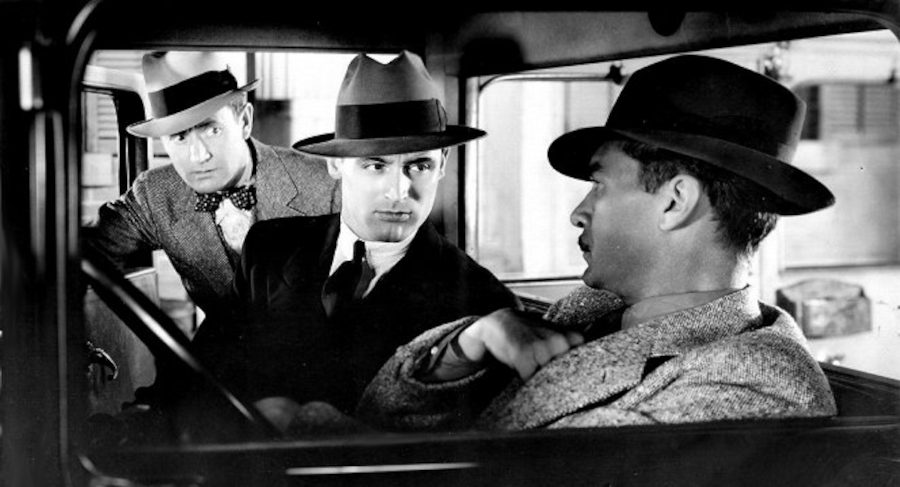
After dodging a criminal indictment, Chicago racketeer Ace Corbin (Cary Grant) decides to go straight. He walks out on his mob and takes a train to California to start anew as a straight arrow. On the way he flirts with, and finds serious feelings for fellow traveler Eleanor La Velle (Benita Hume), using a false name to hide his notoriety. She is likewise intrigued, but cuts off contact with Ace after they disembark: she also was using a false name, passing herself off as a pampered heiress. Eleanor is actually the girlfriend of Los Angeles racketeer Joe Burke (Arthur Vinton). Her initial contact with Ace was to set him up to lose a bundle of money on Joe’s fancy gambling ship Casino Del Mar, moored just offshore in international waters.
Ace and Eleanor’s secret identities stay secret. She is surprised when Joe Burke tells her he wants to break up, but she insists on first helping square a debt to his bitter rival Pete Manning (Jack La Rue), the owner of a competing floating casino called The Palace.
By coincidence, Ace’s old pal Blooey (Roscoe Karns) now works for Joe. Ace is forced to re-enter the rackets when the villainous Manning presumes that he’s now with Joe Burke’s mob. He takes Burke’s offer to manage the Casino Del Mar. The potential lovers meet again on the ship and come clean with each other … just as Manning’s mob attacks with a firebomb.
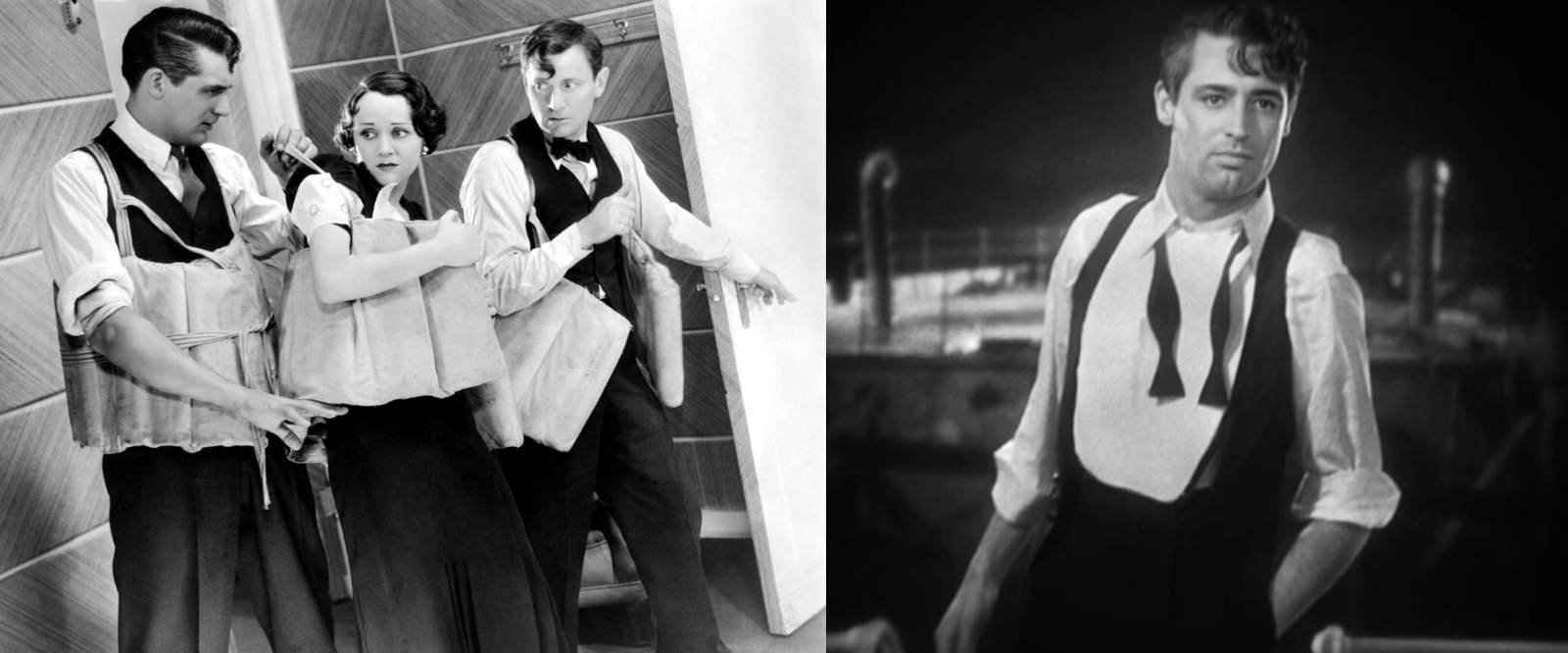
Gambling Ship is a pre-Code thriller released at a time when the town knew a censorship crackdown was on the way, one that might outlaw gangster films entirely. The show has a risqué scene with Eleanor showering and dressing, but otherwise mutes its gangland clichés. We see a Tommy Gun thrown into an L.A. storm drain, but nobody brandishes one. There’s only one brief shooting, and the final gang conflict is resolved not by gunfire but a storm at sea. The morals are still questionable. Ace’s effort to ‘go straight’ will be funded by his ill-gotten gains from Chicago. Ace has respect in an underworld that takes stealing and killing as normal business.
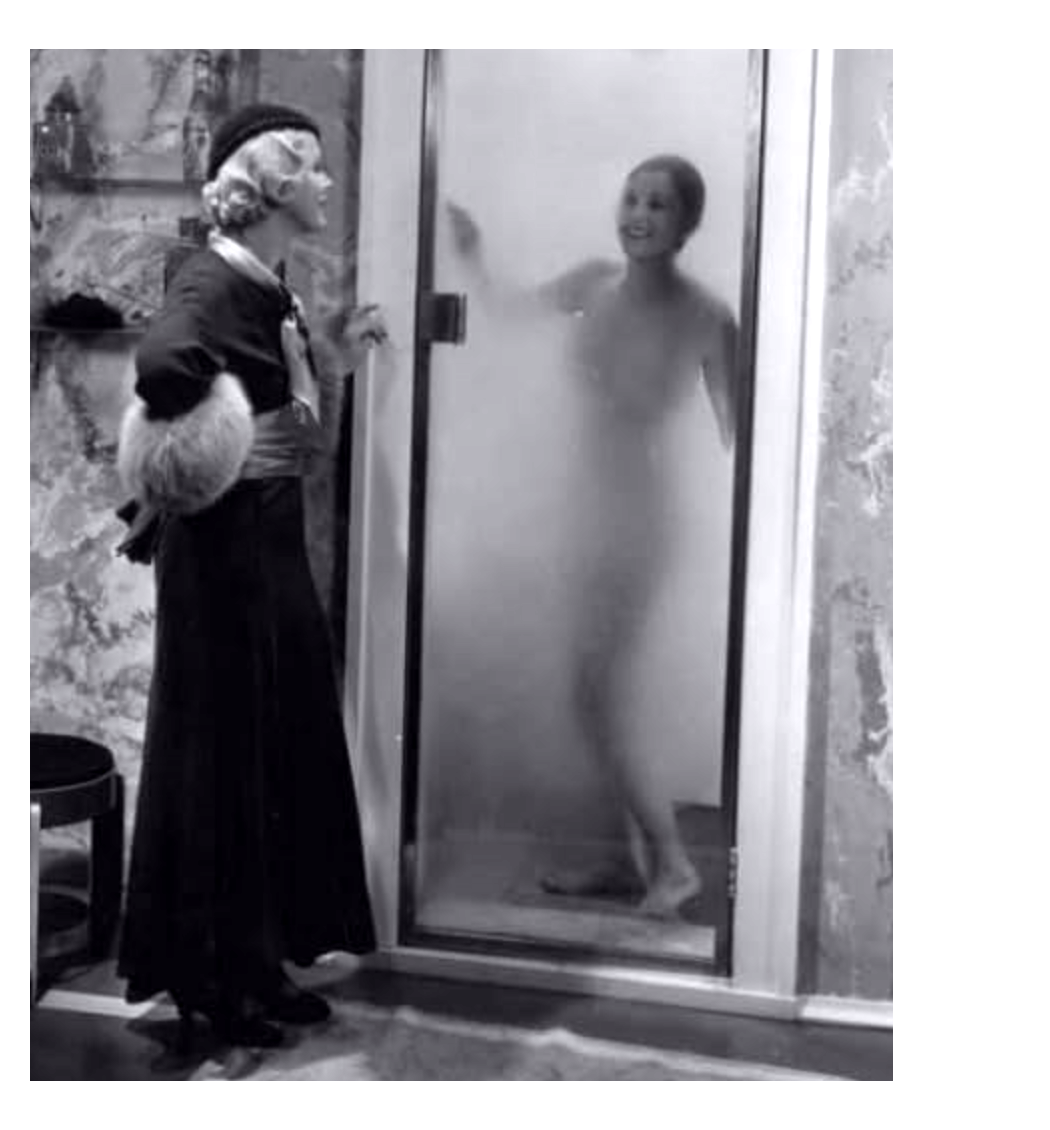
Contemporary reviewers opined that the storyline and characters were already Old Hat: criminals with hearts of gold, romantic partners kept at odds through mutual hidden identities. The storyline is fairly interesting but co-directors Louis J. Gasnier & Max Marcin seem to be working from an older playbook. The blocking of scenes is acceptable but the pace of the dialogue can be a bit pokey — just enough to show Cary Grant’s effort to hit the right delivery. Some of Ace’s emotional gear changes are demanding. The screenplay requires him to be devoted to Eleanor one minute, and the next reject her as a predatory tramp.
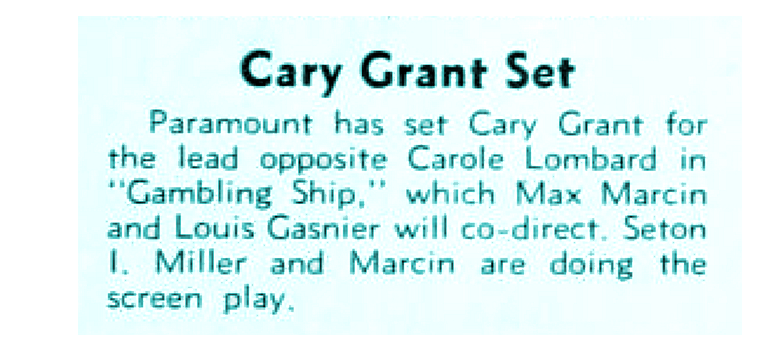
Paramount star Carole Lombard reportedly declined the part of Eleanor. The trade item with that news also suggests that that Louis J. Gasnier & Max Marcin were always intended to co-direct. Leading lady Benita Hume was an established English star trying to break through in Hollywood. She has plenty of good scenes to show what she can do. She settled into secondary parts at MGM, including the studio’s third Tarzan film, and stopped acting a few years later. But Ms. Hume appears to have been lucky in love; she was married to Ronald Colman for twenty years, and when he died she married George Sanders. As a loving husband, Sanders reportedly took loving care of Benita when she was dying of bone cancer.
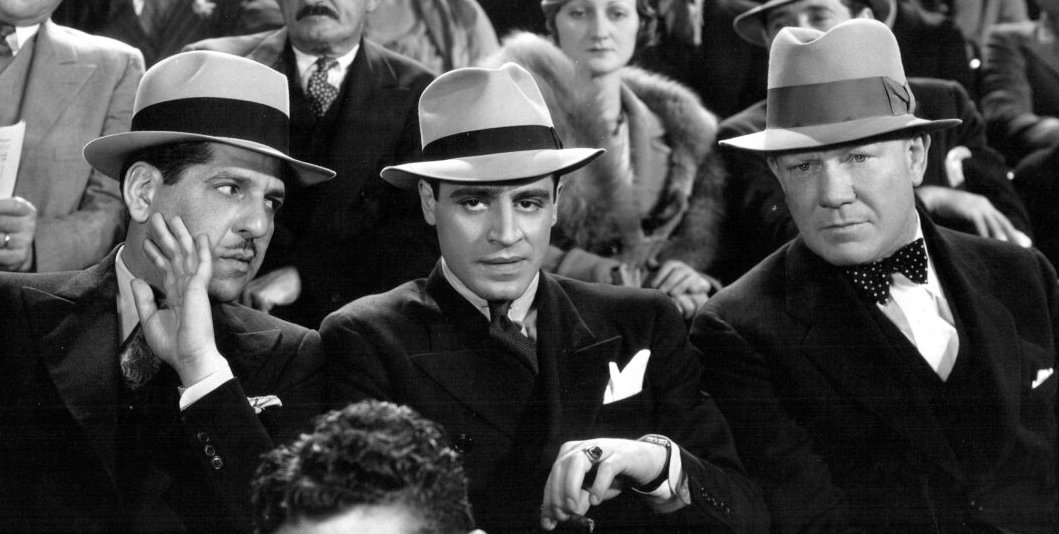
We remember Jack La Rue as a nasty criminal in Three on a Match, making a big impression in just a few seconds. He became typed after playing a degenerate hood opposite Miriam Hopkins in the scorching pre-Code The Story of Temple Drake, a major factor in the enforcement of the Production Code. His association with that banned film may have blocked his aspirations for leading man status.
Roscoe Karns’ hoodlum ‘Blooey’ is a cheerful joker who dispenses good comedy relief. Karns did the same in many movies, our favorite being His Girl Friday. Blooey annoys people with his lame card tricks, but is quick with a gun, and therefore a valued aide.
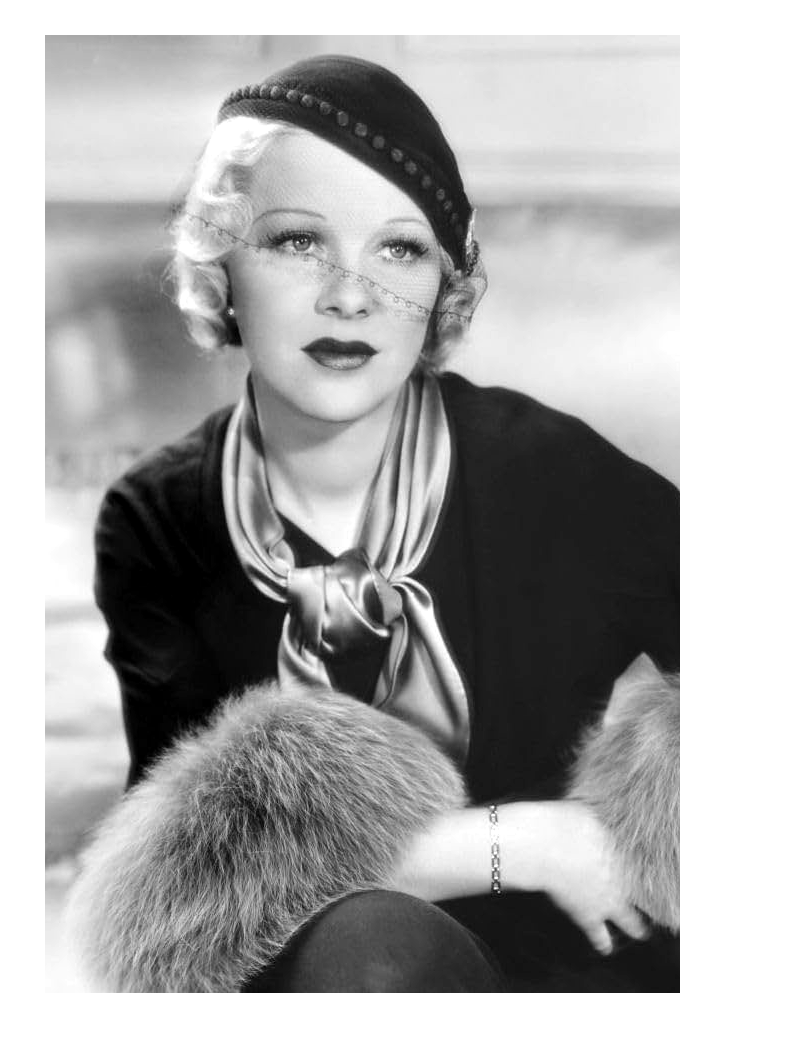
Perhaps borrowed from Warners (?), cute and saucy Glenda Farrell is Jeanne, an amiable gold digger who performs girlfriend duty for Eleanor, helping to place their criminal shenanigans on a moral scale. Jeanne is always concerned about being caught in gang violence. Both Eleanor and Jeanne know that they’re buzzing around dangerous gangsters, and act appropriately. On the fateful night on the gambling ship Jeanne has a sugar daddy in tow, played by Arthur Hoyt. He was Professor Summerlee in the silent fantasy The Lost World.
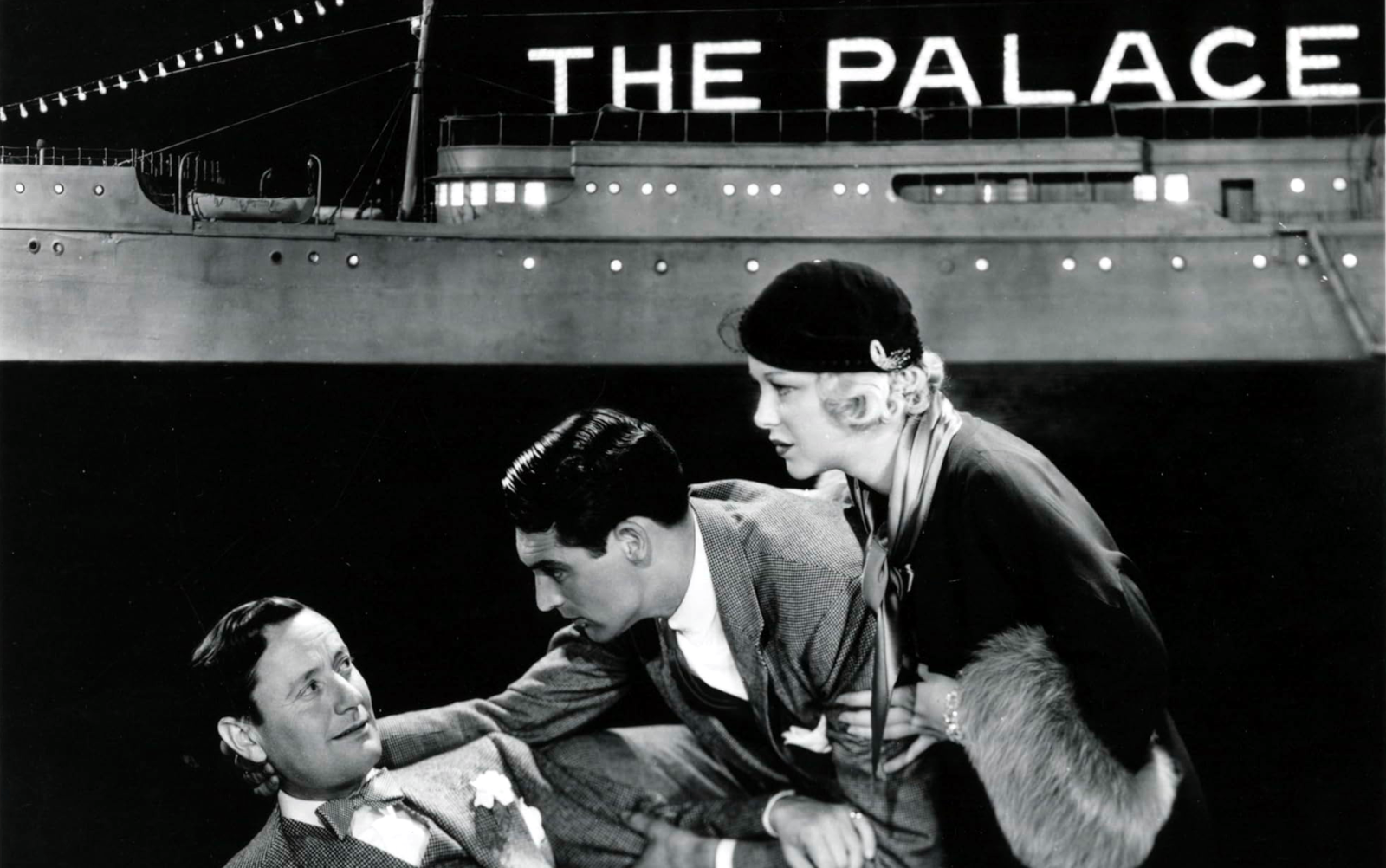
The publicity people posed the movie’s stars in front of the effects department’s miniature ships, showing us that the models were very large. They were used to stage the climactic disaster, when Ace realizes that the only way they can escape the invading Manning mob is to cut the anchor chain and let a storm bash the ship against the rocks. It isn’t exactly a major effects achievement. The movie also has some rough editorial moments. One mismatch boarding the train sees Benita Hume in a glaring continuity overlap.
In good old hyper-corrupt Los Angeles of the early 1930s, several gambling ships operated in California, beyond the three-mile limit. The production reportedly hired a semi-anonymous underworld expert as a technical advisor. The script shows Ace asking for trouble by interfering with the small taxi launches used to shuttle customers out to the floating casinos. Gambling Ship will certainly interest Cary Grant fans; he played a similar gambling boat crook ten years later, in RKO’s big success Mr. Lucky.
Grant and Gable are the two guys at the top of the tree, so it is a must-have, but I know that early Grant at Paramount is a shade shaky.
Re the Sam McDaniel comment: I thought it came off just fine without adding contemporary guilt.
not guilt, Barry, just an acknowledgement that you might want to consider your audience before you show it.
That makes sense.
Not completely obscure: TCM has run this.
I’m going to buy this disc because I’m a big fan of Cary Grant. I’m delighted with this new series of little known Paramount films on Blu-ray disc and I very much hope that Bolero with George Raft and Carole Lombard is also released.